
The Power of NEAT: Why "Movement Snacks" Beat the Gym
there is a hidden secret to fat loss and energy that most people completely overlook. It is called NEAT.
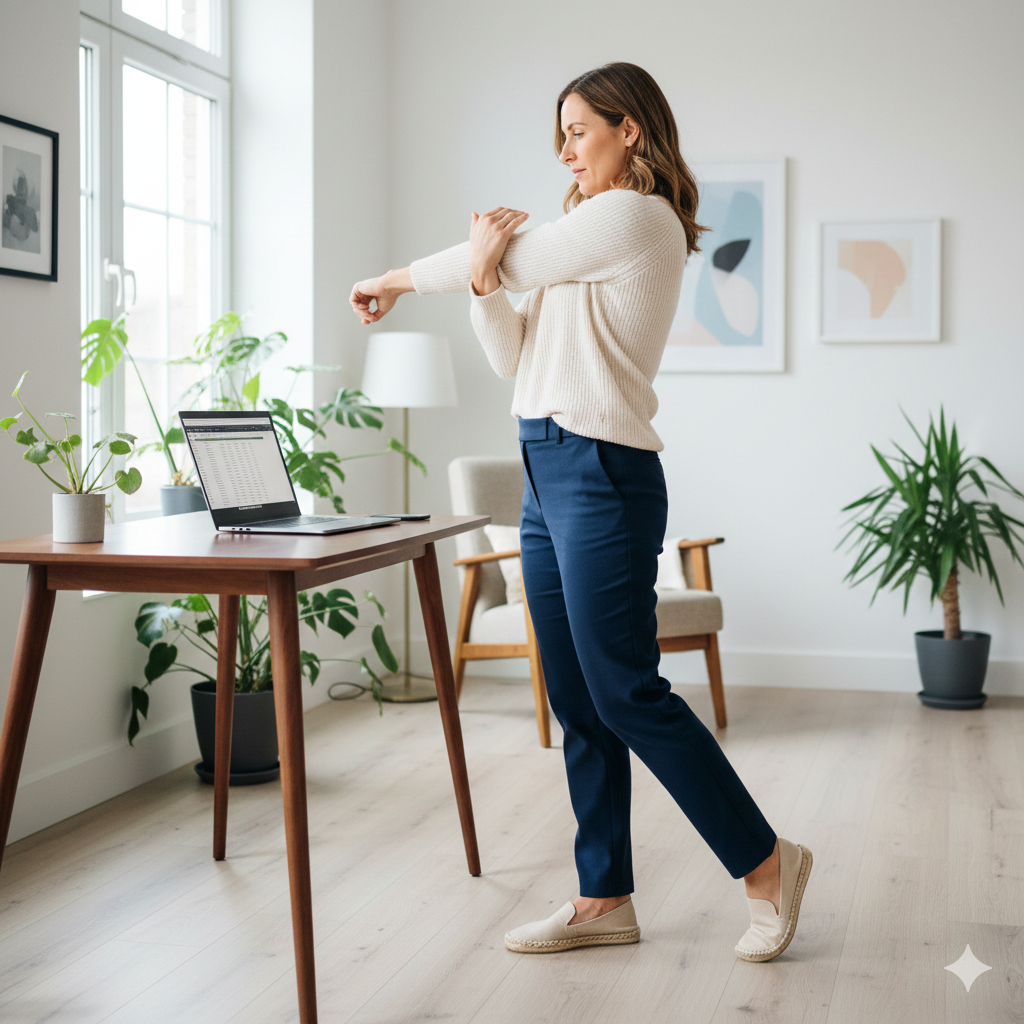
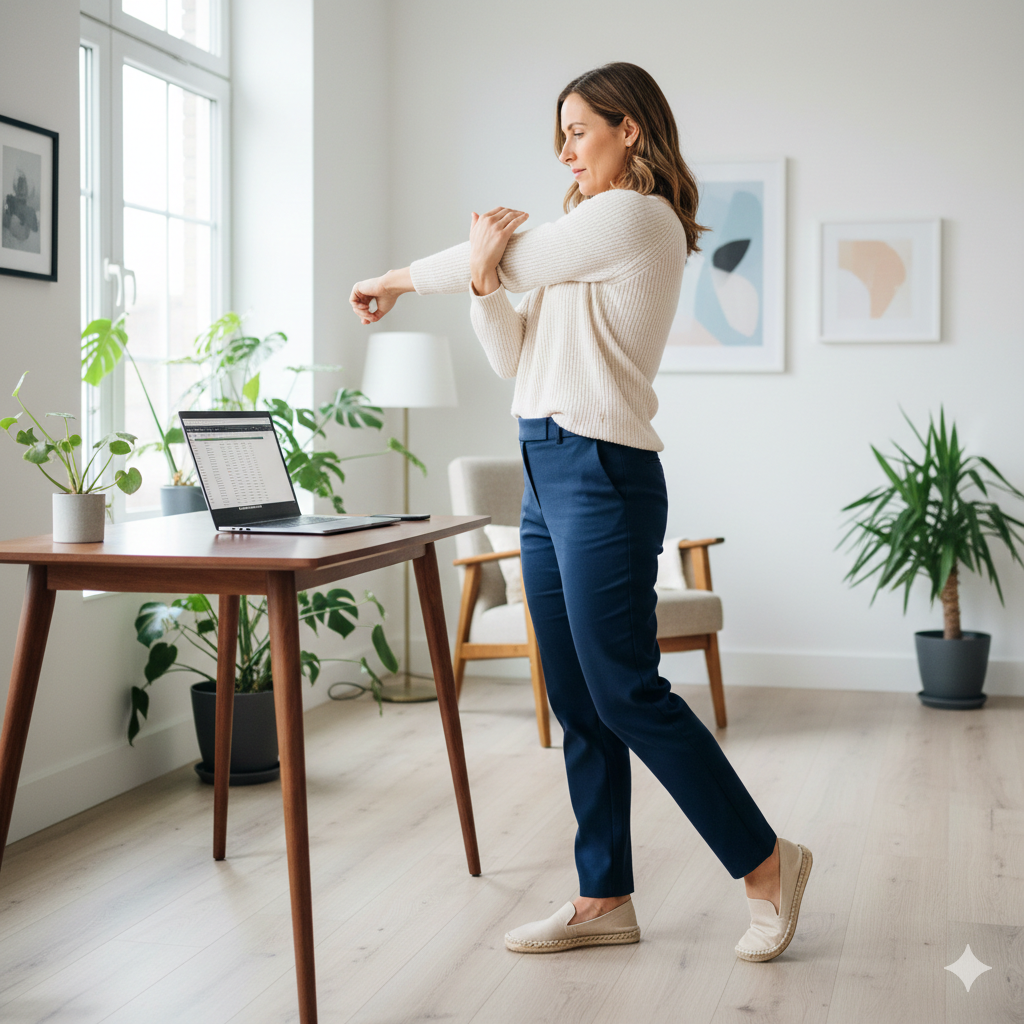
This image was created with AI to avoid copyright issues while conveying the context of this article.
When we think about getting fit, we usually picture someone sweating on a treadmill or lifting heavy weights. We call this "exercise," and it’s a vital part of health. But there is a hidden secret to fat loss and energy that most people completely overlook. It is called NEAT.
NEAT stands for Non-Exercise Activity Thermogenesis. That is a fancy scientific way of saying "all the calories you burn while you aren't actually working out." This includes walking to your car, folding laundry, pacing while you talk on the phone, or even fidgeting at your desk.
As we move into the second day of February, it’s time to look at how these "movement snacks" can change your life.
The Math of Movement
Think about your day. Even if you go to the gym for one hour, there are still 23 other hours in the day. If you spend those 23 hours sitting perfectly still, your metabolism slows down.
Research shows that for most people, NEAT accounts for a much larger portion of their daily calorie burn than a structured workout does. Someone with a high level of NEAT might burn 500 to 1,000 more calories a day than someone who is sedentary, all without ever stepping foot in a gym. This is why some people seem to stay lean effortlessly; they are simply moving more throughout the day in small, subtle ways.
Why the Gym Isn't Enough
A common mistake in February is the "I worked out, so I can sit all day" trap. Scientists call this the "Active Couch Potato" syndrome. You might hit the gym at 6:00 AM, but if you sit in an office chair until 5:00 PM, your body begins to shut down certain fat-burning enzymes.
By adding "movement snacks" to your day, you keep your metabolism "simmering" like a pot on a stove. Instead of one big boil (the gym) followed by a cold burner (the office chair), you keep the heat steady all day long.
How to Increase Your NEAT
The beauty of NEAT is that it doesn't require a change of clothes or a shower. You can do it anywhere. Here are a few ways to add more movement to your February routine:
The Phone Pace: Every time your phone rings, stand up and walk around while you talk.
The Commercial Break Squeeze: If you are watching TV, stand up and stretch or do a few air squats during the commercials.
Park Further Away: It sounds like a cliché, but parking at the back of the lot every single day adds up to miles of extra walking over a year.
Stand and Work: If you have a standing desk, use it for 20 minutes of every hour. If you don't, stand up every time you have to read a long email.
Focus on "Movement Snacks"
In 2026, we are moving away from the idea that fitness has to be "all or nothing." We now understand that small, frequent movements are better for your blood sugar and your mood than one giant workout followed by hours of sitting.
Think of these as "movement snacks." Just like a snack keeps your hunger away between meals, a movement snack keeps your energy levels high between your main workouts. These snacks help your joints stay lubricated, reduce back pain from sitting, and keep your brain sharp by increasing blood flow.
The Legacy Approach
At Legacy Fitness, we believe that fitness should fit into your life, not the other way around. You don't need to be a professional athlete to have a high-functioning body. You just need to be a human who moves.
This February, don't just focus on your gym stats. Start tracking your "activity" in general. If you find yourself sitting for more than an hour, stand up and shake it out. Those small moments of movement are the bricks that build a legacy of health.
The "Maintenance Phase" Mindset: Why Staying the Same is Your Biggest Win
In January, everyone is fueled by high hopes and the excitement of a fresh start. But February is where the "grind" sets in.
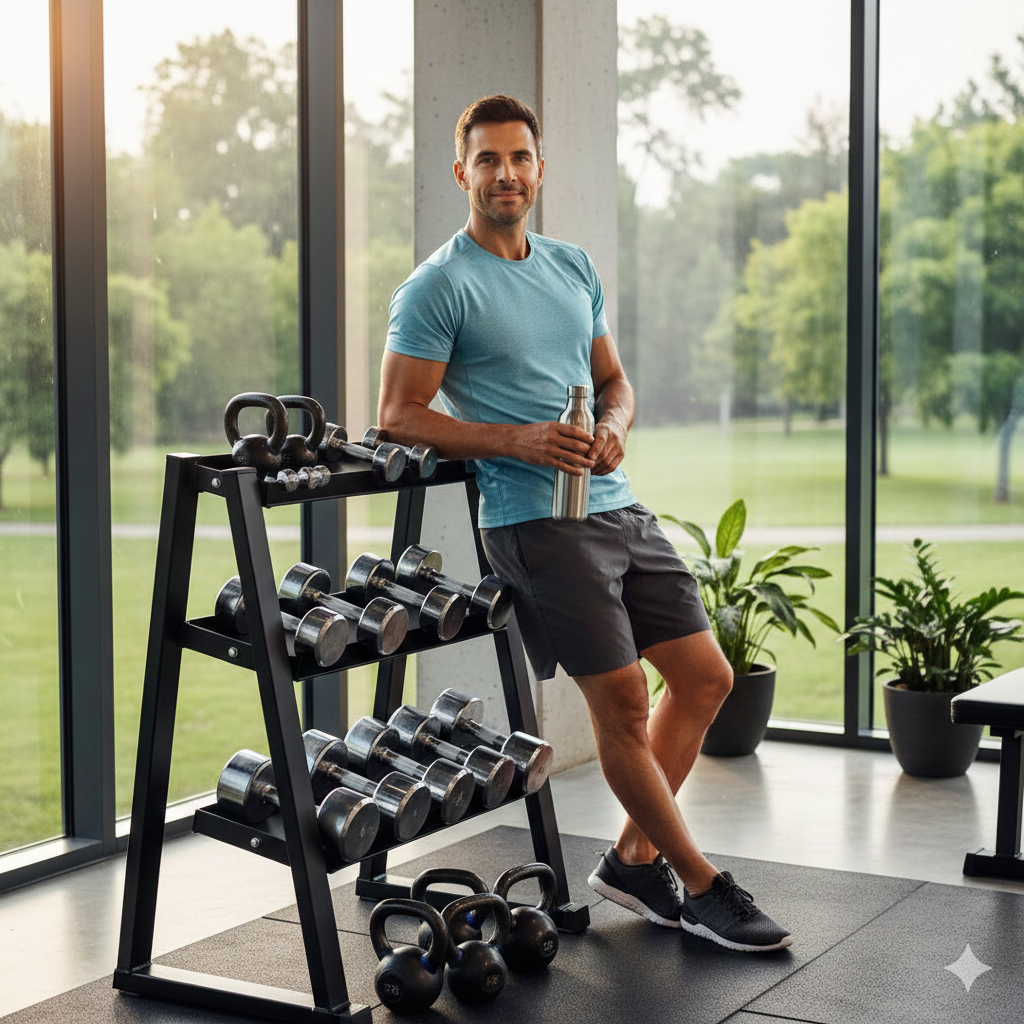
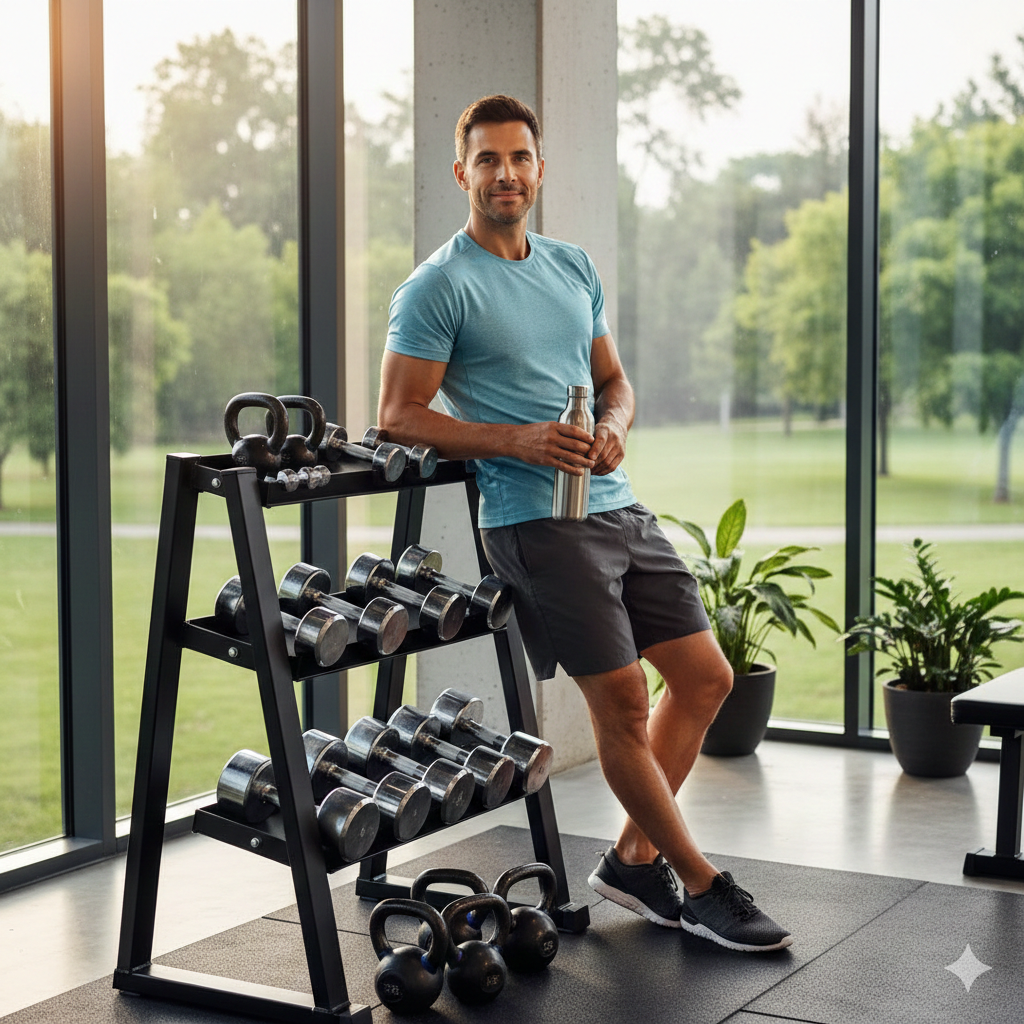
This image was created using AI to avoid copyright issues while conveying the context of this article.
By the time February 1st rolls around, the "New Year, New Me" energy usually starts to flicker. In January, everyone is fueled by high hopes and the excitement of a fresh start. But February is where the "grind" sets in. This is the month when most people quit because they aren't seeing the scale move fast enough or they feel exhausted from a strict diet.
What if I told you that the secret to long-term success isn't pushing harder, but learning how to stay exactly where you are? Welcome to the Maintenance Phase.
The Trap of "Always Losing"
Most people view fitness as a ladder. They think they must always be climbing, always losing weight, or always hitting a new personal best. But nobody can climb forever without stopping to breathe. If you try to stay in a "weight loss" mindset for twelve months a year, your body and your mind will eventually rebel.
Maintenance isn't "giving up." It is actually a high-level skill. It is the practice of keeping the progress you have already made while allowing your metabolism and your stress levels to settle. Think of it like a pit stop in a race. You aren't losing the race when you pull over to get new tires and fuel; you are making sure you can actually finish it.
Why February is the Perfect Time to Practice
February is often a cold, dark, and busy month. It is the time when "life happens." Instead of feeling guilty because you didn't lose another five pounds this week, shift your goal to defending your January wins. If you lost five pounds in January, your goal for February should be to simply not gain them back. If you started walking three times a week, your goal is to keep those three walks, even if they don't get longer or faster yet. When you prove to yourself that you can maintain your progress during a "boring" month, you build the confidence needed for the next big push in the spring.
The Science of Metabolic Adaptation
Your body is very smart. When you eat fewer calories for a long time, your body tries to save energy by slowing down your metabolism. This is why "plateaus" happen. By intentionally moving into a maintenance phase where you eat a bit more (at your maintenance level) but keep exercising, you send a signal to your body that it isn't starving.
This "resets" your hormones. It helps your thyroid function better and keeps your hunger hormones, like ghrelin, in check. When you eventually decide to go back into a fat-loss phase in March or April, your body will be much more responsive because you took the time to rest in February.
How to "Do" Maintenance
So, how do you actually practice maintenance? It starts with a shift in your metrics. Stop looking at the scale as the only measure of success. Instead, focus on these "Maintenance Wins":
Sleep Quality: Are you getting 7-8 hours of rest?
Strength Levels: Can you lift the same weight you did in January with better form?
Energy Levels: Do you feel steady throughout the day, or are you crashing?
Relationship with Food: Can you go out to dinner with friends and make a healthy choice without feeling deprived?
Don’t Let "Good" Be the Enemy of "Perfect"
The biggest reason people fail in February is the "all or nothing" mentality. They think that if they can't be perfect, they might as well quit. Maintenance is the middle ground. It is the "something is better than nothing" phase.
If you had a bad day or a week where you skipped the gym, don't throw away the whole month. Just get back to your maintenance habits. Drink your water, hit your protein goals, and move your body.
The Legacy View
At Legacy Fitness, we don't just want you to look good for a photo in January. We want you to be healthy, strong, and capable for the next thirty years. That requires a long-term view.
This February, take the pressure off. Don't worry about being a "new" you. Just focus on being the "consistent" you. Protect your wins, rest your mind, and learn to love the steady pace. Your future self will thank you for not quitting when the going got boring.
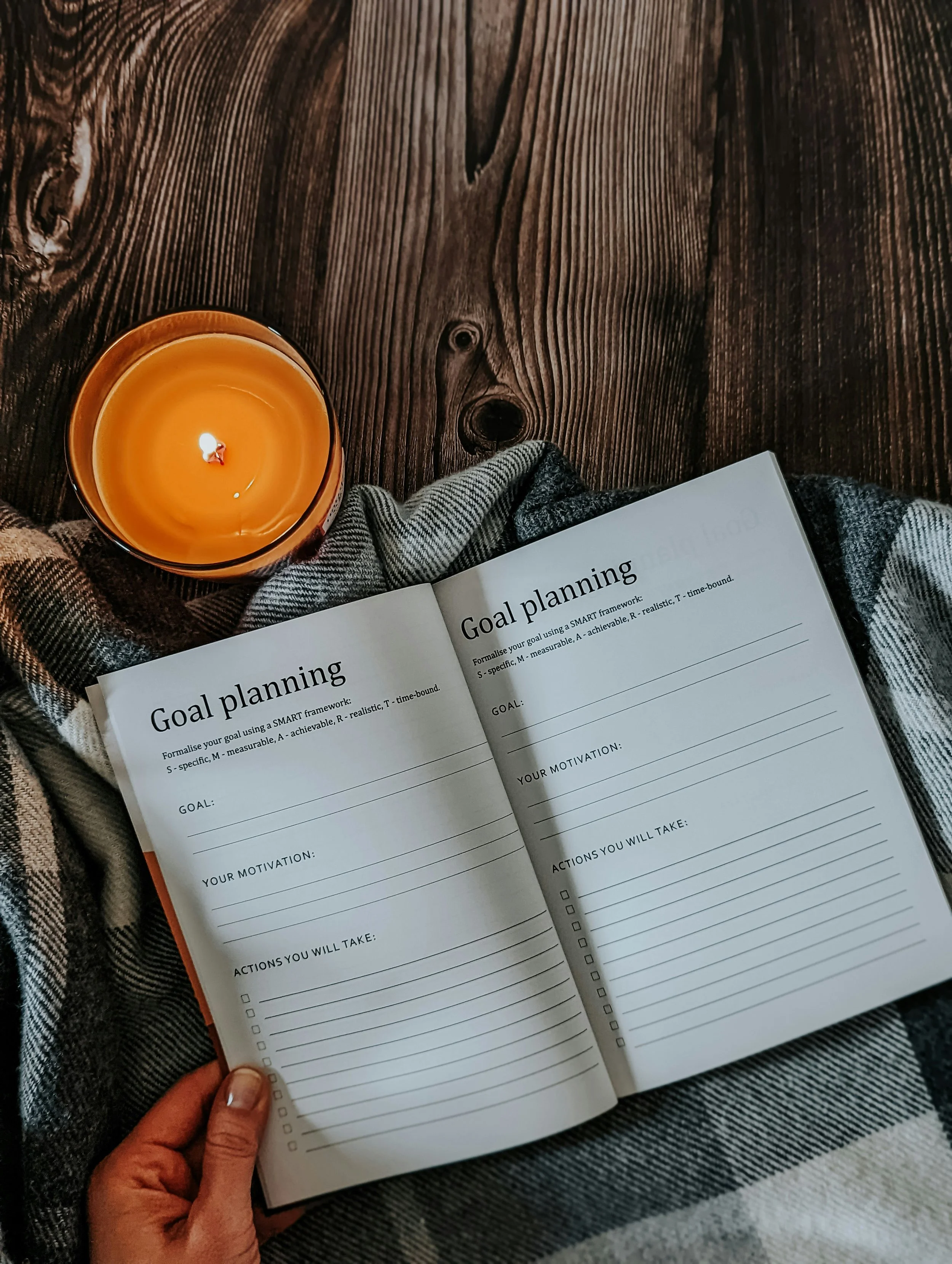
Reflect & Pivot: Setting Your February Goals
We have officially reached the end of January. For many people, this is the most dangerous time in their fitness journey.
We have officially reached the end of January. For many people, this is the most dangerous time in their fitness journey. The initial excitement of the New Year has worn off. The gym is starting to feel a little less crowded, and the "perfect" diet you planned on January 1st might have had a few bumps along the way. This is usually the point where people either double down on their habits or give up entirely.
To build a lasting legacy, you have to move past the "all or nothing" mindset. In 2026, we don't just set resolutions and hope for the best; we use a process called Reflect & Pivot. This is a mid-term audit where you look at what worked, what didn't, and how you can adjust your plan for February. Success isn't about being perfect for 31 days; it is about being able to adjust your course when life gets in the way.
The Power of the Monthly Audit
Think of your health journey like a business. A successful company doesn't just wait until the end of the year to see if they made a profit. They check their numbers every month. They look at their "Identity Shift" (from our very first article this month) and ask if their actions are matching the person they want to become.
Taking thirty minutes at the end of the month to reflect helps you catch small problems before they become big ones. If you realized that you struggled with morning workouts, don't try to "force" it again in February. Pivot! Try a "Micro-Workout" (see our previous article) during your lunch break instead. The goal is to find the path of least resistance to your best self.
How to Reflect: Three Key Questions
Before you set your February goals, ask yourself these three honest questions:
What was my "easiest" win? Maybe you found that hitting your "Longevity Walk" was easy because you did it after dinner. This tells you that your evening routine is a strong foundation.
Where did I hit "friction"? If you planned to cook every night but ended up ordering takeout three times, your "friction" is evening meal prep. This is a sign you need to lean more into "The Art of the Sunday Meal Prep".
How do I actually feel? Ignore your "Smart Ring" for a moment. Do you have more energy? Is your brain fog lifting thanks to your "Protein-First Breakfasts"? These "internal" wins are more important than the scale.
The Pivot: Setting February Goals
In February, the "New Year" energy is gone, so your goals should shift from "intensity" to "sustainability." If January was about starting new things, February is about protecting them.
Instead of setting a goal like "I will lose 10 pounds," try setting Action Goals:
The Consistency Goal: "I will not miss two days in a row of my 'Zone 2' walking."
The Nutrition Goal: "I will include a 'Savory Snack' every afternoon to avoid the sugar crash."
The Recovery Goal: "I will prioritize the 'Sleep-Muscle Connection' by having a Digital Sunset at 9:00 PM."
Avoiding the "February Slump"
The "February Slump" happens when people feel like they haven't made enough progress in January, so they stop trying. But remember: a legacy is built over decades, not days. If you only hit 50% of your January goals, that is still 50% more than you did in December!
Use this final day of the month to celebrate how far you’ve come. You’ve learned about the "Gut-Brain Connection," mastered the Deadlift, and explored the "Anti-Inflammatory Kitchen". You now have a toolbox of skills that most people don't have. Don't throw the toolbox away just because you missed a few reps.
The Pivot into Spring
February is a short month, which makes it perfect for a "sprint." Pick one habit you want to master this month and give it your full attention. By the time March rolls around, that habit will be automatic. You aren't just "trying to get fit" anymore; you are living your legacy. Reflect on your wins, pivot away from your frustrations, and let’s make February the month where your new identity truly takes root.

The Longevity Walk: Putting Your 10,000 Steps to Work
The "Longevity Walk" isn't just about moving from point A to point B. It’s about using specific techniques to turn a simple walk into a full-body health treatment.

Photo by Caspar Rae on Unsplash
As January comes to a close, you might be feeling the urge to "level up" your fitness. We’ve talked about the "Zone 2" trend in Walking for Longevity: The 2026 'Zone 2' Trend, but now it is time to look at how to make every single step count toward your future self. For years, we’ve been told that "10,000 steps" is the magic number for health. While that is a great goal, the quality of those steps matters just as much as the quantity.
In 2026, the "Longevity Walk" isn't just about moving from point A to point B. It’s about using specific techniques to turn a simple walk into a full-body health treatment. To build a legacy of mobility and independence, you need to treat your daily walk with the same intention as a session in the gym. When done correctly, walking is the ultimate "maintenance" tool for your heart, your joints, and your mind.
The "Power Stride" Technique
Most people walk with a "shuffling" gait, especially when they are tired or looking at their phones. Shuffling doesn't engage your muscles and can actually lead to tight hips and back pain. The "Longevity Walk" requires a Power Stride.
Heel-to-Toe: Focus on landing softly on your heel and "rolling" the foot forward to push off with your toes. This engages the muscles in your arches and calves.
The Glute Squeeze: As your leg goes back, give your glute a small squeeze. This helps open up the front of your hips, which get tight from sitting.
The Arm Swing: Don't keep your hands in your pockets. Swing your arms from the shoulders. This cross-body movement helps "massage" your spine and increases the calories you burn.
The "Interval" Secret
You don't have to walk at a fast pace the entire time. In fact, research shows that "intermittent" walking is even better for your metabolism. Try the 3-2-1 Method during your next 20-minute walk:
3 Minutes: Normal, comfortable pace.
2 Minutes: Brisk walk (you should be breathing a little harder).
1 Minute: As fast as you can walk without running.
Repeating this cycle three or four times "wakes up" your heart and forces your body to adapt to different levels of stress. It turns a boring walk into a mini-cardio session that is easy on your joints but great for your heart.
Walking for Brain Health
One of the most powerful benefits of the Longevity Walk is what it does for your head. Walking has been shown to increase "BDNF" (Brain-Derived Neurotrophic Factor). Think of BDNF like "Miracle-Gro" for your brain cells. It helps you learn faster and protects against memory loss as you age.
To get the most brain benefit, try to walk in a "complex" environment like a park or a trail rather than a treadmill. Navigating uneven ground and looking at nature forces your brain to stay "engaged" and improves your balance. In a world where we spend so much time looking at screens (as we discussed in Why Your 'Smart Ring' Might Be Lying to You), this "unplugged" movement is vital for your mental health.
The Consistency Milestone
As we move into February, the Longevity Walk is your "safety net." Even on the days when you can't get to the gym or your meal prep falls apart, you can always walk. It is the one habit that requires no equipment and no cost, but pays the highest dividends for your health. This January, don't just "get your steps in." Put them to work. Walk with purpose, walk with power, and walk for the person you want to be thirty years from now.
The 'Human Kibble' Trend: Is Repetitive Eating Bad?
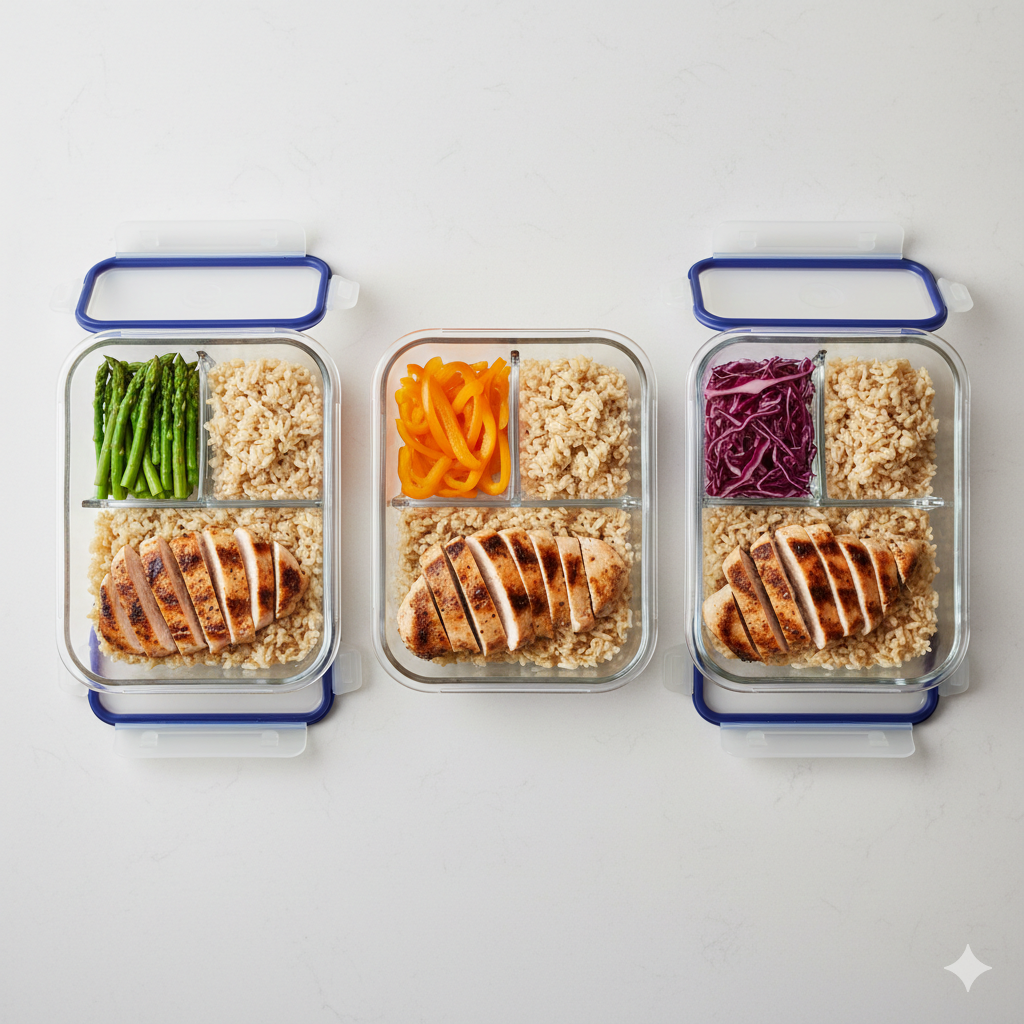
Repetitive eating is a tool, not a prison, but don't forget to "color in the lines" with different vegetables and spices.
This image was created using AI to avoid copyright issues while conveying the context of this article.
As we reach the end of January, many people have found a rhythm with their food. However, for a lot of busy professionals, that rhythm often turns into eating the same three or four meals every single week. On social media, this has been jokingly called the "Human Kibble" trend. It involves finding a healthy meal that "works," like a bowl of chicken, rice, and beans, and eating it for lunch and dinner every day to save time and mental energy.
While this approach is amazing for consistency, many people wonder: "Is it bad for me to eat the same thing every day?" To build a long-term legacy of health, we need to balance the need for simplicity with the need for diversity. In 2026, the answer isn't to stop repetitive eating, but to learn how to do it "smartly" so your body gets all the nutrients it needs without you losing your mind in the kitchen.
The Power of Decision Minimalism
The biggest benefit of the "Human Kibble" approach is the elimination of decision fatigue. As we discussed in The Art of the Sunday Meal Prep (Without the Stress), making choices takes energy. If you have a go-to meal that you know is healthy and fits your goals, you are much less likely to end up in a drive-thru line on a stressful Tuesday.
By automating your nutrition, you free up "brain space" for your career, your family, and your training. Consistency is the foundation of any fitness transformation, and repetitive eating is one of the fastest ways to achieve it. When you don't have to think about what to eat, you remove the most common reason people quit their January plans.
The "Nutrient Gap" Risk
The downside of eating the same thing every day is "Nutrient Boredom" for your gut. Your microbiome (the trillions of bacteria we talked about in The Gut-Brain Connection: Foods for Mental Clarity) thrives on variety. Different bacteria eat different types of fiber. If you only eat broccoli and chicken every day, you might be starving the bacteria that help with your mood or your immune system.
Furthermore, no single food contains every vitamin and mineral. If you only eat spinach as your green vegetable, you might be getting plenty of folate but missing out on the unique nutrients found in kale, peppers, or carrots. Over months and years, these small "gaps" can add up to deficiencies that affect your energy and recovery.
The "Base and Rotation" Strategy
In 2026, the smartest way to use the "Human Kibble" trend is the Base and Rotation model. You keep the "base" of your meal the same to keep things simple, but you rotate the "accent" ingredients to ensure diversity.
Keep the Protein/Grain Base: If you like chicken and quinoa, keep that as your foundation. It’s easy to prep and easy to track.
Rotate the Colors: Every time you go to the store, pick a different color of vegetable. One week, add red peppers and purple cabbage. The next week, use green broccoli and orange carrots. This ensures a wider range of antioxidants.
The Sauce Swap: As we noted in our meal prep guide, sauces are the key to variety. The same "kibble" of turkey and rice tastes completely different with a spicy salsa versus a lemon-herb dressing.
Listening to Your "Flavor Fatigue"
Your body is very good at telling you when it needs something different. If you suddenly find that your favorite healthy meal tastes "boring" or unappealing, that is "flavor-point satiety." It’s your brain’s way of saying it needs a different set of nutrients. Don't try to "white knuckle" through it. Use it as a cue to swap your protein or your veggies for a few days.
Repetitive eating is a tool, not a prison. This January, use the "Human Kibble" method to stay consistent, but don't forget to "color in the lines" with different vegetables and spices. By building a simple system with built-in variety, you create a nutrition legacy that is both sustainable and scientifically sound.

Core Stability vs. Six-Pack Abs: What Really Matters
When you prioritize a stable core, you are building a foundation that will last for the rest of your life. A six-pack might look good on the beach, but a stable core feels good every single day.

Photo by Anes Hamzic on Unsplash
If you look at fitness magazines or social media, you would think that the only reason to train your "core" is to get a visible six-pack. We are bombarded with "10-minute ab shred" workouts and promises of flat stomachs. But in 2026, we are finally moving past the idea that "abs" are a sign of health. In reality, a person can have a visible six-pack and still have a weak, unstable core that leads to chronic back pain.
To build a legacy of strength, you need to understand the difference between Aesthetics (how you look) and Stability (how you move). Your core is not just your "stomach muscles"; it is a complex system of muscles that wrap around your entire midsection like a corset. Its main job isn't to help you do sit-ups; its main job is to resist movement and protect your spine.
What is Your "Core" Exactly?
Think of your core as the bridge between your upper body and your lower body. It includes your "rectus abdominis" (the six-pack), but also your obliques (the sides), your lower back muscles, and even your diaphragm and pelvic floor.
When you walk, run, or lift a heavy box, your core should act like a solid pillar. If that pillar is weak, your spine has to take the weight, which is why so many people suffer from lower back pain. True core training is about learning how to keep that pillar steady while your arms and legs are moving.
The Problem with Crunches
Traditional sit-ups and crunches only train one small part of your core—the part that flexes your spine. But in real life, you rarely need to "crunch." You need to stand tall, carry heavy things, and stay upright. Doing too many crunches can actually pull your posture forward and put unnecessary pressure on your spinal discs.
In 2026, the best core workouts focus on "Anti-Movement." This means you are training your muscles to prevent your spine from bending or twisting when it shouldn't.
Anti-Extension: Movements like the Plank or the Deadbug, where you fight to keep your back from arching.
Anti-Rotation: Movements like the Pallof Press, where you resist a weight that is trying to pull you to the side.
Anti-Lateral Flexion: Movements like the Suitcase Carry (which we mentioned in our Functional Fitness article!), where you resist bending to the side.
Abs are Made in the Kitchen, Stability is Made in the Gym
There is an old saying that "abs are made in the kitchen." This is true. Having visible muscles in your midsection is mostly a result of having low body fat. You can have the strongest core in the world, but if it is covered by a layer of fat, you won't see the six-pack.
This is why "training for abs" can be so frustrating. However, training for stability is always rewarding. When your core is stable, your squats get stronger, your running gets faster, and you stop waking up with a stiff back. Stability is what allows you to pick up your kids or grandkids without worrying about "throwing your back out."
The Legacy of a Strong Center
This January, stop chasing the "shred" and start chasing the "brace." Learn how to breathe into your belly (remember our Mindful Muscle article?) and how to keep your ribs tucked down. When you prioritize a stable core, you are building a foundation that will last for the rest of your life. A six-pack might look good on the beach, but a stable core feels good every single day. Focus on the function, and the health of your legacy will follow.
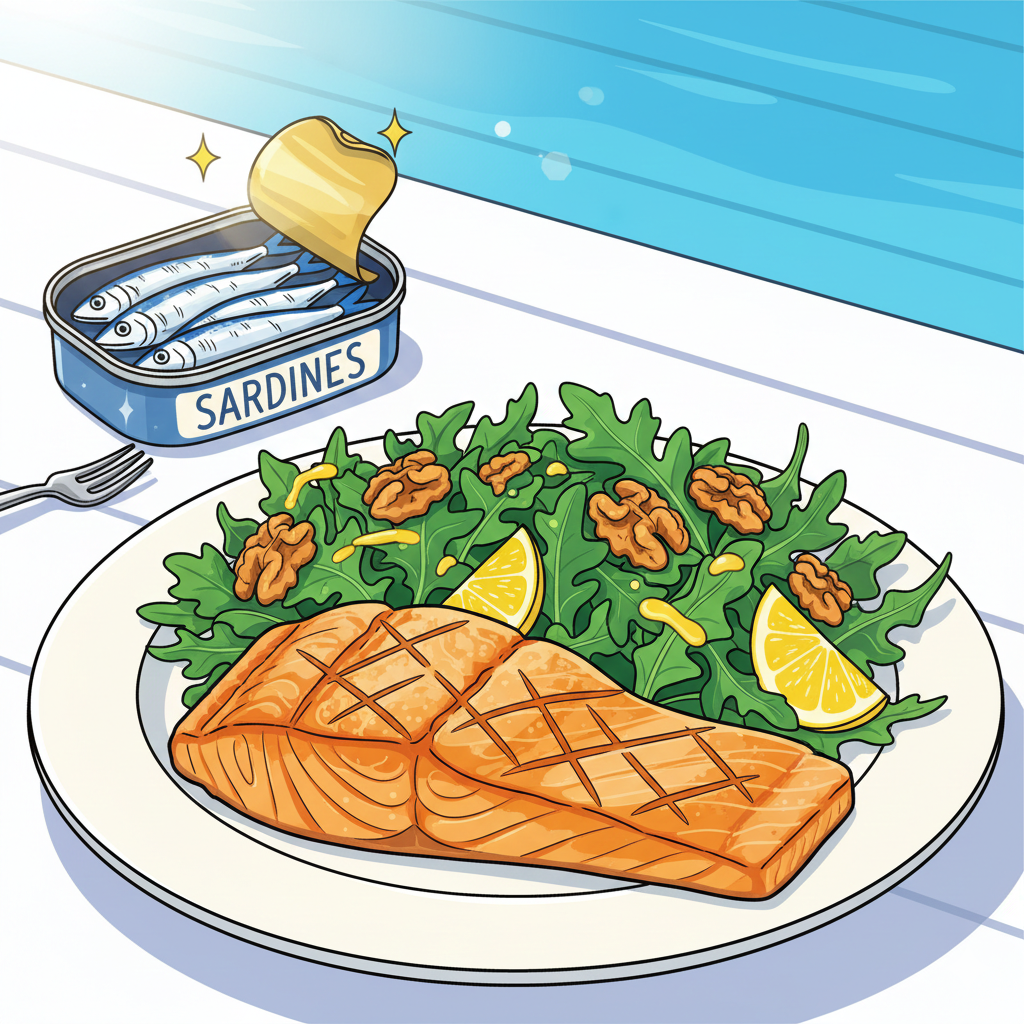
Sustainable Seafood: Omega-3s Without the Heavy Metals
Should you eat fish for the brain benefits, or avoid it to stay away from toxins?

In our earlier discussions about fueling the body for performance, we looked at how to nourish the "second brain" (The Gut-Brain Connection: Foods for Mental Clarity) and how to use specific kitchen staples to reduce soreness (The Anti-Inflammatory Kitchen: Best Spices for Recovery). When it comes to the "ultimate brain food," most experts point to fish. Seafood is packed with Omega-3 fatty acids, specifically EPA and DHA. These are the fats that make up a large portion of your brain and help your heart run smoothly. However, in 2026, many people are becoming worried about the safety of our oceans. We hear stories about mercury, heavy metals, and microplastics.
This has led to a lot of confusion. Should you eat fish for the brain benefits, or avoid it to stay away from toxins? To build a healthy legacy, you need to know how to navigate the seafood counter. The goal is to get all the anti-inflammatory benefits of Omega-3s without the "heavy metal" baggage. By following a few simple rules, you can enjoy the best that the sea has to offer while protecting your long-term health and ensuring your "second brain" stays sharp.
The SMASH Rule: Your Safety Compass
The easiest way to remember which fish are the safest and most sustainable is the "SMASH" acronym. These fish are generally smaller, which means they are lower on the food chain. In nature, toxins like mercury "bioaccumulate." This means that when a big fish eats a thousand little fish, it absorbs all the mercury from those little fish. Because SMASH fish don't live as long and don't eat other large fish, they don't have time to build up dangerous levels of heavy metals in their bodies.
S – Sardines: These are the unsung heroes of the ocean. They are full of calcium and have some of the highest Omega-3 levels per ounce. Because they are so small, they are among the cleanest protein sources you can buy.
M – Mackerel: Specifically Atlantic mackerel. It is a rich, oily fish that provides a massive boost to heart health without the mercury levels found in its larger cousins, like King Mackerel.
A – Anchovies: Don't just think of these as a pizza topping. When blended into dressings or sauces, they provide a powerful dose of minerals and healthy fats.
S – Salmon: This is the most popular choice, but sourcing matters. Always aim for "Wild-Caught" Alaskan salmon. It has a significantly better fat profile than farmed varieties.
H – Herring: A staple in many European diets, herring is clean, sustainable, and packed with high-quality protein for muscle repair.
Why Wild-Caught is the Legacy Standard
When you are at the store, you will often see "Farmed" vs. "Wild-Caught." Farmed fish are often raised in crowded pens. To keep costs low, they are often fed a diet of soy and corn pellets. This is problematic because fish are not meant to eat land-based grains. This diet lowers the amount of healthy Omega-3s in the fish and increases the "pro-inflammatory" Omega-6 fats.
Wild-caught fish eat their natural diet of algae and smaller organisms. This is what gives them their "superfood" status. While wild-caught fish can be more expensive, it is important to think of it as an investment in a cleaner, more powerful source of fuel. You are paying for the absence of antibiotics and the presence of natural nutrients.
The Problem with "The Big Fish"
The general rule of thumb for 2026 is: the bigger the fish, the bigger the risk. Predatory fish like Shark, Swordfish, and King Mackerel should be eaten very rarely. Even Albacore "White" Tuna should be limited to once a week for most adults. If you love tuna, try switching to "Light" canned tuna (Skipjack). These are smaller fish that have much lower mercury levels than the large Albacore.
By making this one simple switch, you can still enjoy your favorite tuna salad or bowl while significantly lowering your exposure to toxins. This is part of the "Identity Shift" we discussed on Day 1, making choices based on long-term health rather than just convenience.
The Environmental Legacy
In 2026, we also care about the health of the planet. A healthy body cannot exist on a sick planet. When shopping, look for the MSC (Marine Stewardship Council) "Blue Fish" label. This tells you that the fish was caught in a way that doesn't destroy the ocean's ecosystem.
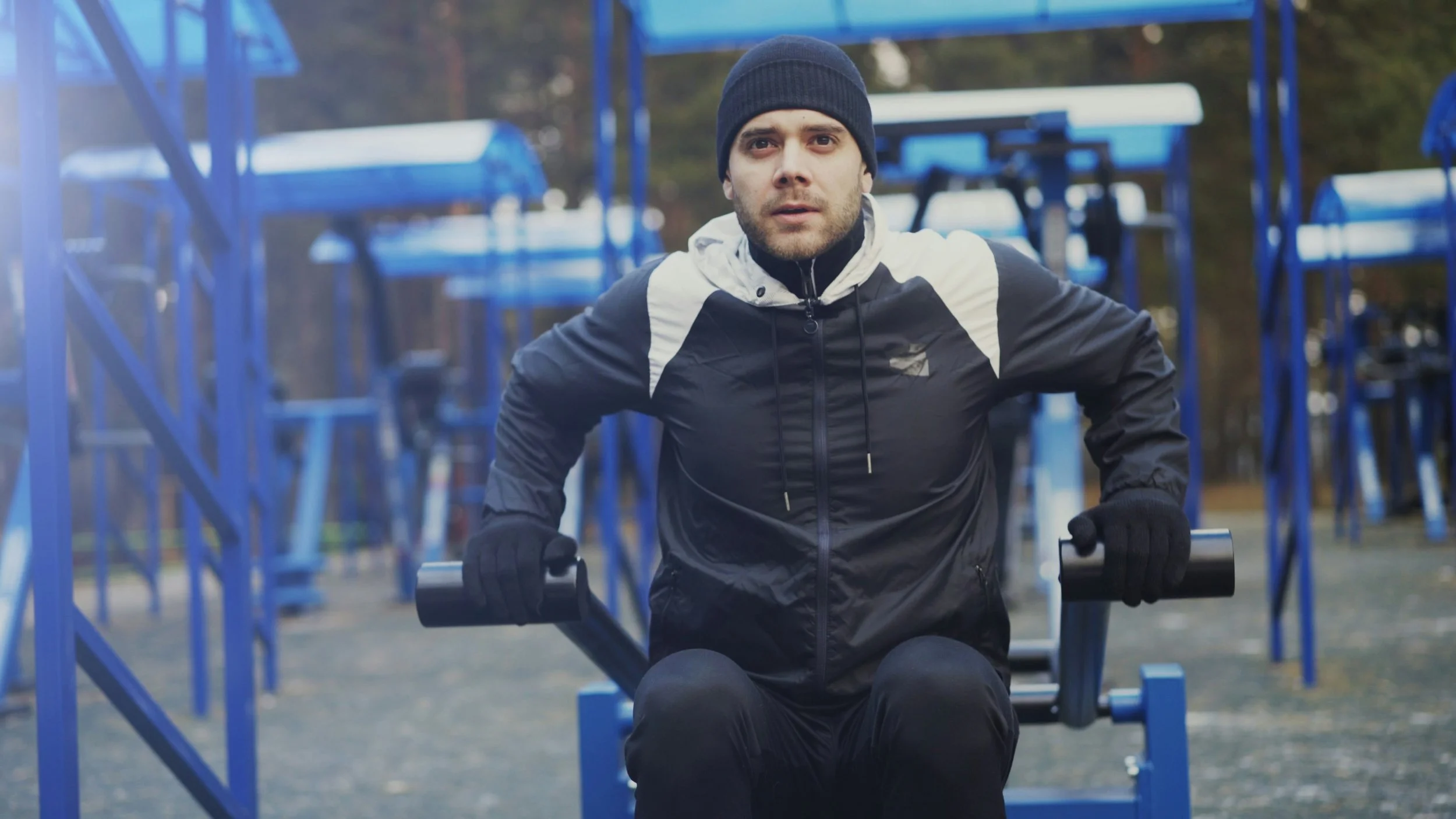
Outdoor Fitness in Winter: Staying Active in the Cold
Put on your layers, step outside, and show the world that your commitment to your health doesn't change when the seasons do.
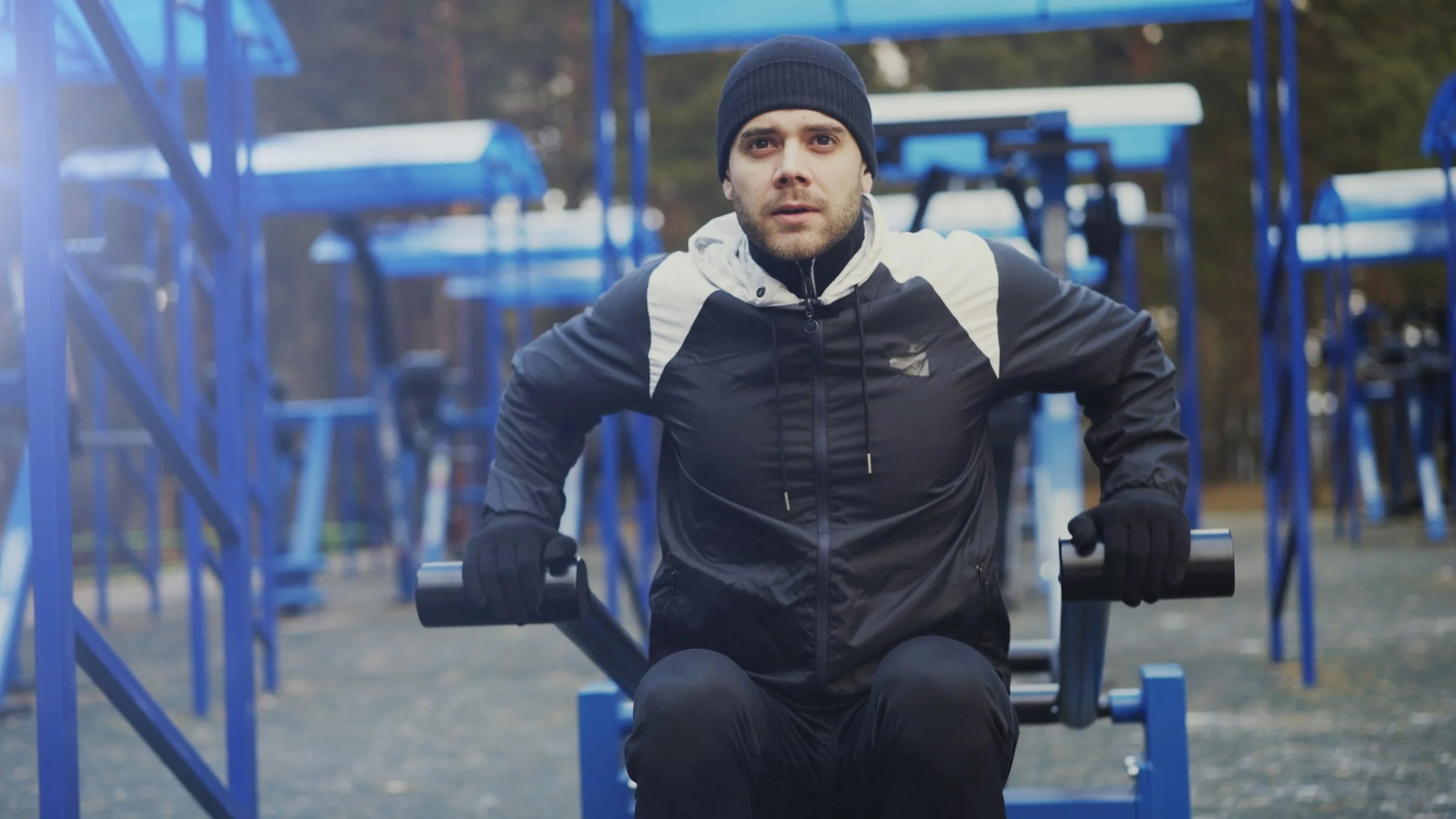
Photo by Vitaly Gariev on Unsplash
When the temperature drops and the sun starts setting at 4:30 PM, the last thing most people want to do is head outside for a workout. It is much easier to stay under a warm blanket or stick to the treadmill in a heated gym. However, in 2026, we are seeing a massive rise in "Green Exercise", the practice of working out in nature, regardless of the weather. There is something incredibly rewarding about conquering the cold. It builds a type of mental toughness and physical resilience that you simply cannot get in a climate-controlled room.
Training outdoors in the winter isn't just about "being tough"; it actually offers some unique biological benefits. Because your body has to work harder to keep your internal temperature stable, you may find that your heart rate stays higher even during moderate movements. This can lead to a boost in metabolic health. Furthermore, getting natural sunlight on your face during the winter months is one of the best ways to regulate your mood and keep your Vitamin D levels from crashing. To build a true health legacy, you have to be a person who can thrive in any environment.
The Science of "Brown Fat"
One of the most interesting reasons to embrace the winter air is a special type of tissue called brown adipose tissue, or "brown fat." Unlike regular white fat, which stores energy, brown fat burns energy to create heat. When you expose your body to cold temperatures during a walk or a run, you "activate" this brown fat. This process helps improve your insulin sensitivity and can make your body more efficient at burning fuel. Think of it as a natural way to turn up your internal furnace.
Layering for Success: The 10-Degree Rule
The biggest barrier to winter fitness is usually being under-dressed or over-dressed. If you dress so that you feel warm the moment you step outside, you will be overheating ten minutes into your workout. The "10-Degree Rule" suggests that you should dress as if it is 10 to 20 degrees warmer than it actually is.
You want to use a three-layer system:
The Base Layer: This should be a moisture-wicking fabric (like wool or synthetic blends) that pulls sweat away from your skin. Avoid cotton, as it stays wet and will make you freeze.
The Mid Layer: This is your insulation. A light fleece or a specialized running jacket helps trap heat near your body.
The Outer Layer: This should be windproof and water-resistant. In the winter, the wind is often what makes you feel the coldest, so a good "shell" is vital.
Safety and Visibility
Because it gets dark so early in January, safety is a priority. If you are running or walking near roads, you must use reflective gear or a headlamp. Additionally, pay attention to the ground. Winter "Zone 2" walking is great, but "black ice" is a real danger. Choose paths that are well-maintained or consider using "traction cleats" that slip over your shoes to give you a better grip on snow and ice.
The Mental "Green" Boost
Winter can be a lonely time, and many people struggle with Seasonal Affective Disorder (SAD). Getting outside for just 20 minutes a day can break the cycle of "winter blues." The combination of fresh air, movement, and the natural landscape acts as a reset button for your brain. This January, don't let the weather dictate your results. Put on your layers, step outside, and show the world that your commitment to your health doesn't change when the seasons do.

The Sleep-Muscle Connection: Recovery While You Dream
Stop wearing "I don't sleep much" as a badge of honor. It is actually a sign that you aren't recovering.

This image was created using AI to avoid copyright issues while conveying the context of this article.
We often talk about the gym as the place where you "build" muscle. We talk about the kitchen as the place where you "fuel" your goals. But there is a third pillar of the health legacy that is even more important: the bedroom. The truth is that you don't actually grow or get stronger while you are lifting weights. In the gym, you are breaking your body down. You actually build muscle and burn fat while you are asleep.
In 2026, we are finally realizing that sleep is not a "luxury" for the lazy; it is a high-performance tool for the dedicated. If you are training hard this January but only sleeping five or six hours a night, you are leaving 50% of your results on the table. To reach your full potential, you have to treat your sleep with the same respect as your heaviest lift.
The Nightly "Repair Shop"
When you enter deep sleep, your body becomes a construction site. Your brain signals the release of Human Growth Hormone (HGH) and testosterone. These are the natural chemicals your body uses to repair the tiny muscle tears from your workout and to strengthen your bones.
Sleep is also when your brain performs its "Glymphatic" cleaning. This is a process where your brain literally washes away metabolic waste from the day. If you skip sleep, that "trash" stays in your system, leading to the brain fog, irritability, and lack of focus that we often feel after a late night.
The Sleep-Hunger Link
Have you ever noticed that when you are tired, all you want to eat is sugar and bread? This isn't a lack of willpower; it is biology. When you are sleep-deprived, your body increases a hormone called ghrelin (the "hunger" hormone) and decreases a hormone called leptin (the "fullness" hormone).
Basically, your brain is looking for a quick hit of energy because it didn't get it from rest. By getting a full eight hours of sleep, you can naturally lower your cravings and make it much easier to stick to your January nutrition plan.
Creating a "Legacy" Sleep Sanctuary
To master your sleep, you need a system. Here are three steps to building a better night:
The "Cool & Dark" Rule: Your body needs its temperature to drop to fall asleep. Keep your bedroom cool (around 68 degrees) and as dark as possible.
The Digital Sunset: At least 60 minutes before bed, turn off the bright screens. The blue light from your phone tells your brain it is daytime, which stops the production of melatonin—the hormone that helps you sleep.
The Consistency Bridge: Try to go to bed and wake up at the same time every day, even on weekends. This "trains" your internal clock so that you fall asleep faster and wake up feeling more refreshed.
Sleep is Your Superpower
This January, stop wearing "I don't sleep much" as a badge of honor. It is actually a sign that you aren't recovering. When you prioritize rest, every other part of your life gets easier. You’ll be stronger in the gym, sharper at work, and more present for your family. Growth happens in the dark; make sure you’re giving yourself the time to dream.
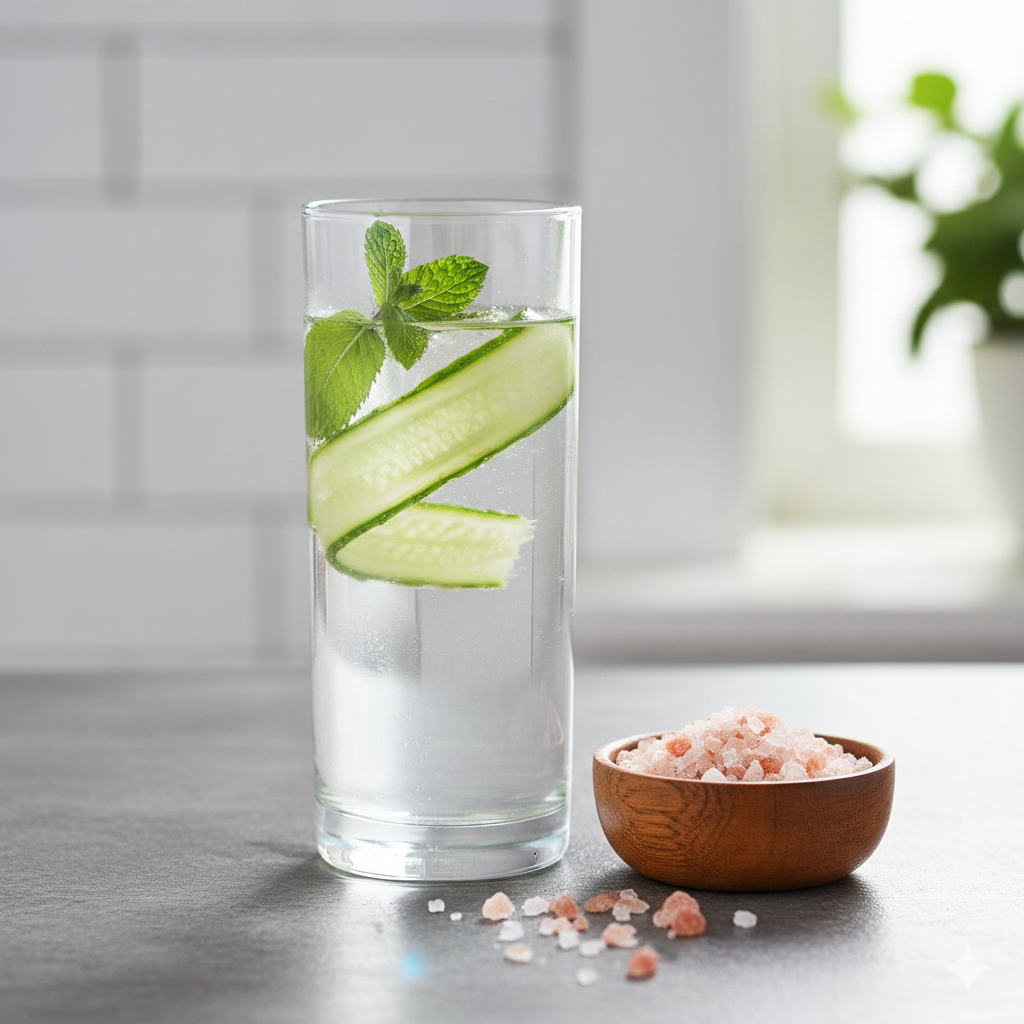
Hydration Beyond Water: Why You Need Trace Minerals
We have all been told to "drink eight glasses of water a day." But have you ever felt like no matter how much water you drink, you still feel thirsty?
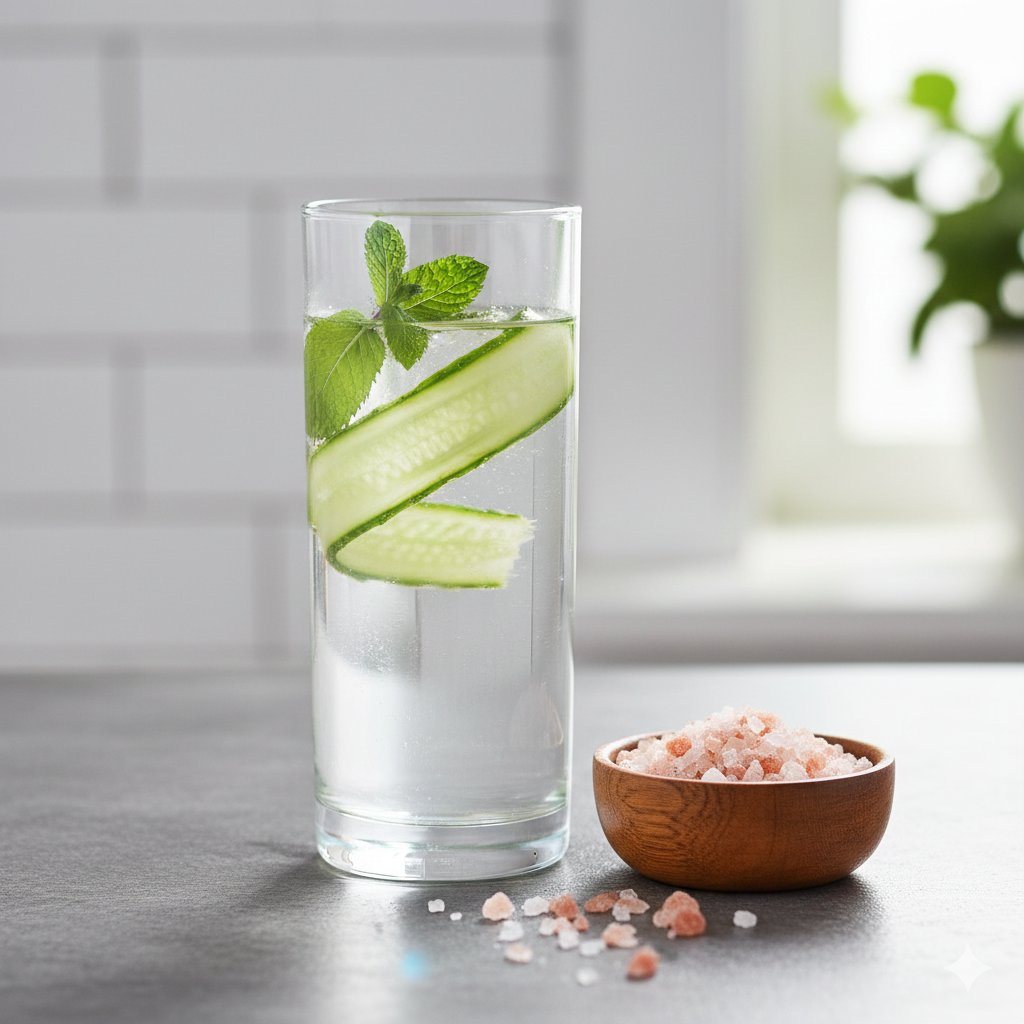
This image was created using AI to avoid copyright issues while conveying the context of this article.
We have all been told to "drink eight glasses of water a day." If you have been following your January fitness plan, you are probably carrying a water bottle with you everywhere you go. But have you ever felt like no matter how much water you drink, you still feel thirsty? Or maybe you notice that you’re getting headaches and muscle cramps even though you’re constantly "hydrating."
The truth is that your body doesn't just need water. It needs hydration. There is a big difference. In 2026, the cutting edge of wellness is moving away from just "volume" (how much you drink) and toward "mineral density." To actually get the water into your cells where it can do its work, you need electrolytes and trace minerals. Without them, the water you drink just "flushes" through you, taking important nutrients with it.
The "Electric" Body
Your body is an electrical system. Your heart, your brain, and your muscles all run on electrical signals. These signals are carried by minerals called electrolytes, things like sodium, potassium, and magnesium.
When you drink massive amounts of plain, purified water, you can actually dilute the minerals in your blood. This is why some people feel "waterlogged" but still tired. For your muscles to contract and your brain to think clearly, you need a balance of these minerals to act as the "conductors" for your internal electricity.
The Role of Trace Minerals
Beyond the big electrolytes, your body needs tiny amounts of "trace minerals" like zinc, selenium, and manganese. In the past, we got these minerals from the soil our food grew in and the natural spring water we drank. Today, because of modern farming and water filtration, our food and water are often "stripped" of these minerals.
Adding trace minerals back into your hydration routine can lead to:
Better Energy: Minerals are required for your cells to produce energy.
Clearer Skin: Zinc and selenium are vital for skin repair and glow.
Less Stress: Magnesium is known as the "relaxation mineral" and helps your nervous system calm down.
How to Hydrate Like a Pro
You don't need expensive "neon-colored" sports drinks that are full of sugar and artificial dyes. You can optimize your hydration with a few simple steps:
The "Pinch of Salt" Rule: Add a tiny pinch of high-quality sea salt (like Himalayan or Celtic salt) to your water. This provides sodium and over 80 trace minerals.
Eat Your Water: Fruits and vegetables like cucumbers, watermelon, and celery are "structured water." This water comes pre-packaged with the minerals your body needs to absorb it.
Mineral Drops: You can buy trace mineral drops to add to your filtered water. Just a few drops can turn plain water into a "super-fluid."
Listening to Your Body
This January, pay attention to the signs of "mineral thirst." If you have a dry mouth despite drinking water, if you crave salt, or if you feel a "brain fog" in the afternoon, your mineral balance might be off. By focusing on minerals, you aren't just drinking water, you are fueling your internal battery. That is how you build a legacy of high energy and peak performance.
Mastering the Deadlift: The Ultimate Functional Move
In the world of strength training, few movements are as respected, or as feared, as the deadlift.
In the world of strength training, few movements are as respected, or as feared, as the deadlift. To many, the deadlift looks like a dangerous way to hurt your back. To the experienced athlete, however, it is the most important movement in the gym. At its simplest, a deadlift is just picking something heavy up off the floor with perfect form. Because we do this every day in real life, mastering the deadlift is the ultimate way to build a resilient, "bulletproof" body.
In the video tutorial above, you can see the exact mechanics of a safe lift. We are moving away from the idea that deadlifting is only for bodybuilders. We are embracing it as a "Legacy" move. When you deadlift, you aren't just working one muscle. You are training your "posterior chain," which includes your hamstrings, glutes, and your entire back. By learning how to move heavy weight safely, you are protecting yourself from the injuries that often happen during everyday tasks like lifting a suitcase or moving furniture.
The "Hinge" vs. The "Squat"
As demonstrated in the video, the biggest mistake people make is trying to squat their deadlift. In a squat, your knees move forward and your hips go down. In a deadlift, the primary movement is a hinge. Imagine there is a wall about a foot behind you. To hinge, you push your hips back toward that wall while keeping your shins vertical. Your chest stays up, and your back stays as flat as a tabletop.
This hinge movement is what loads your hamstrings and glutes. These are the biggest, most powerful muscles in your body. When you learn to use your "glute engine" to lift things, you take the pressure off your lower back. This is the secret to a pain-free life as you get older.
Setup for Success: Following the Tutorial
To perform a safe deadlift, your setup is everything. You can follow along with my cues in the video for these four critical steps:
The Stance: Stand with your feet about hip-width apart. The bar should be directly over the middle of your feet. If the bar is too far forward, it puts unnecessary stress on your spine.
The Grip: Reach down and grab the bar just outside your legs. As I mention in the video, you can use a double overhand grip, or a mixed grip if the weight is very heavy.
Pulling the "Slack": This is a pro tip. Before you lift, pull your shoulders back and down. Imagine you are trying to squeeze an orange in your armpits. This creates "tension" throughout your body so your spine is protected before the weight ever leaves the floor.
The Drive: Don't "pull" with your arms. Instead, think about "pushing the floor away" with your feet. Stand up tall, squeeze your glutes at the top, and hold that "power position" for two seconds to ensure full muscle contraction.
Common Myths and Safety
"Will it hurt my back?" This is the number one question. The answer is: a bad deadlift will hurt your back, but a good deadlift will make your back stronger than ever. The key is to keep the bar close to your body the entire time. As you see in the video, the bar should almost "shave" your shins on the way up.
Consistency is more important than the amount of weight on the bar. If you practice the deadlift twice a week with the form shown in our tutorial, you will notice that your posture improves, your core feels tighter, and your everyday movements feel lighter.
The Mental Edge
There is something uniquely empowering about picking up a heavy weight. It builds a type of mental "grit" that carries over into your professional life. When you know you can lift something heavy, you approach challenges with more confidence. This January, don't fear the deadlift. Watch the tutorial, master the hinge, and build the foundation of your physical legacy one rep at a time.

The Anti-Inflammatory Kitchen: Best Spices for Recovery
There is a powerful "pharmacy" right in your kitchen cabinet that you might be overlooking: your spice rack.
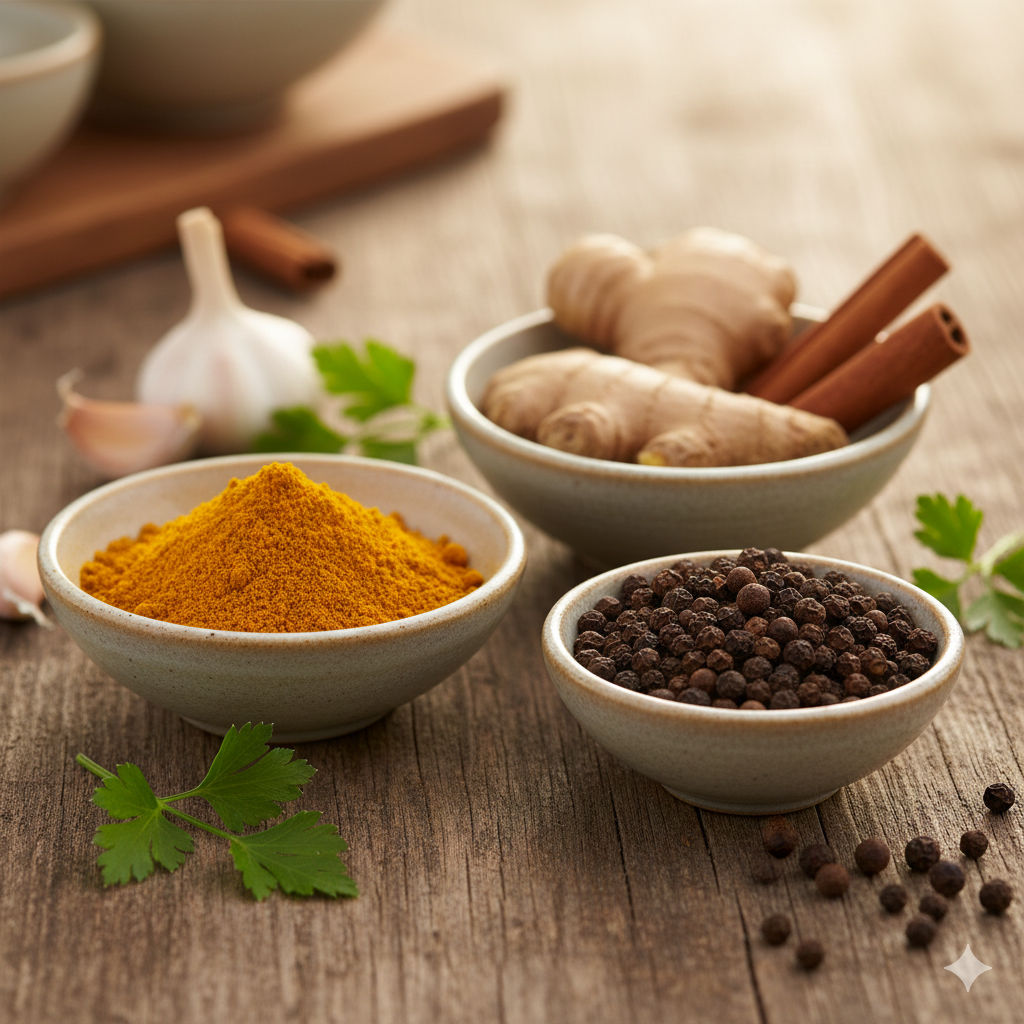
This image was created using AI to avoid copyright issues while conveying the context of this article.
When we think about post-workout recovery, we usually think about protein shakes, ice baths, or stretching. While those are all great, there is a powerful "pharmacy" right in your kitchen cabinet that you might be overlooking: your spice rack. In 2026, we are seeing a return to "Functional Cooking," where food isn't just about calories, it’s about information. The spices you use can send a signal to your body to either increase inflammation or shut it down.
If you find yourself feeling stiff, sore, or "puffy" after a hard week of January training, you might be dealing with systemic inflammation. While some inflammation is necessary to help your muscles grow, too much of it can slow down your progress and leave you feeling exhausted. By adding a few specific "Super-Spices" to your meals, you can speed up your recovery and feel better within days.
The Power of Turmeric and "The Black Pepper Secret"
If there is one king of the anti-inflammatory kitchen, it is turmeric. This golden-yellow spice contains a compound called curcumin. Curcumin has been studied for its ability to block the enzymes that cause pain and swelling in your joints. It is often as effective as over-the-counter anti-inflammatory drugs, but without the side effects.
However, there is a catch. Your body is not very good at absorbing turmeric on its own. To unlock its power, you must eat it with black pepper. A compound in black pepper called piperine increases the absorption of turmeric by up to 2,000%! So, next time you roast vegetables or make a chicken curry, make sure the gold (turmeric) and the black (pepper) go together.
Ginger: The Muscle Soother
Ginger is the cousin of turmeric, and it is a powerhouse for muscle recovery. Research has shown that eating a small amount of ginger daily can reduce the "delayed onset muscle soreness" (DOMS) that often hits 48 hours after a heavy gym session.
Ginger works by improving blood flow and reducing the chemical markers of inflammation in your blood. It is also incredible for your gut health, helping to soothe any digestive issues that might be bothering you during your January nutrition reset. You can grate fresh ginger into your morning tea, add it to a stir-fry, or even drop a slice into your water bottle.
Garlic and Cinnamon: The Health Guard
Garlic is more than just a flavor-booster; it contains sulfur compounds that help your immune system stay strong while you are training hard. Intense exercise can temporarily lower your immune system, making you more likely to catch a winter cold. Garlic helps your "natural killer cells" stay active and ready to protect you.
Cinnamon, on the other hand, is a master of blood sugar control. As we’ve discussed in earlier articles, stable blood sugar is key for energy and brain fog. Cinnamon helps your cells become more "sensitive" to insulin, meaning your body can use the carbs you eat for energy rather than storing them as fat. It’s the perfect addition to your morning coffee or oatmeal.
How to Build Your Anti-Inflammatory Legacy
You don't need to change your entire diet to see a difference. Start with these three "Legacy Habits":
The Golden Morning: Add a teaspoon of turmeric, a pinch of black pepper, and some cinnamon to your morning coffee or protein shake.
The Ginger Snap: Grate fresh ginger into hot water for a soothing afternoon drink that helps with muscle soreness.
The Garlic Rule: Try to include one or two cloves of fresh garlic in your dinner at least four nights a week.
This January, don't just work hard, cook smart. Your kitchen is the foundation of your recovery. When you feed your body the right spices, you aren't just making your food taste better; you are giving your muscles and joints the tools they need to stay strong, healthy, and pain-free.
Gamified Fitness: Turning Your Workout into a Win
If you can turn your workout into a "game" with levels, rewards, and "wins," you won't need willpower to stay consistent. You’ll do it because it’s fun.
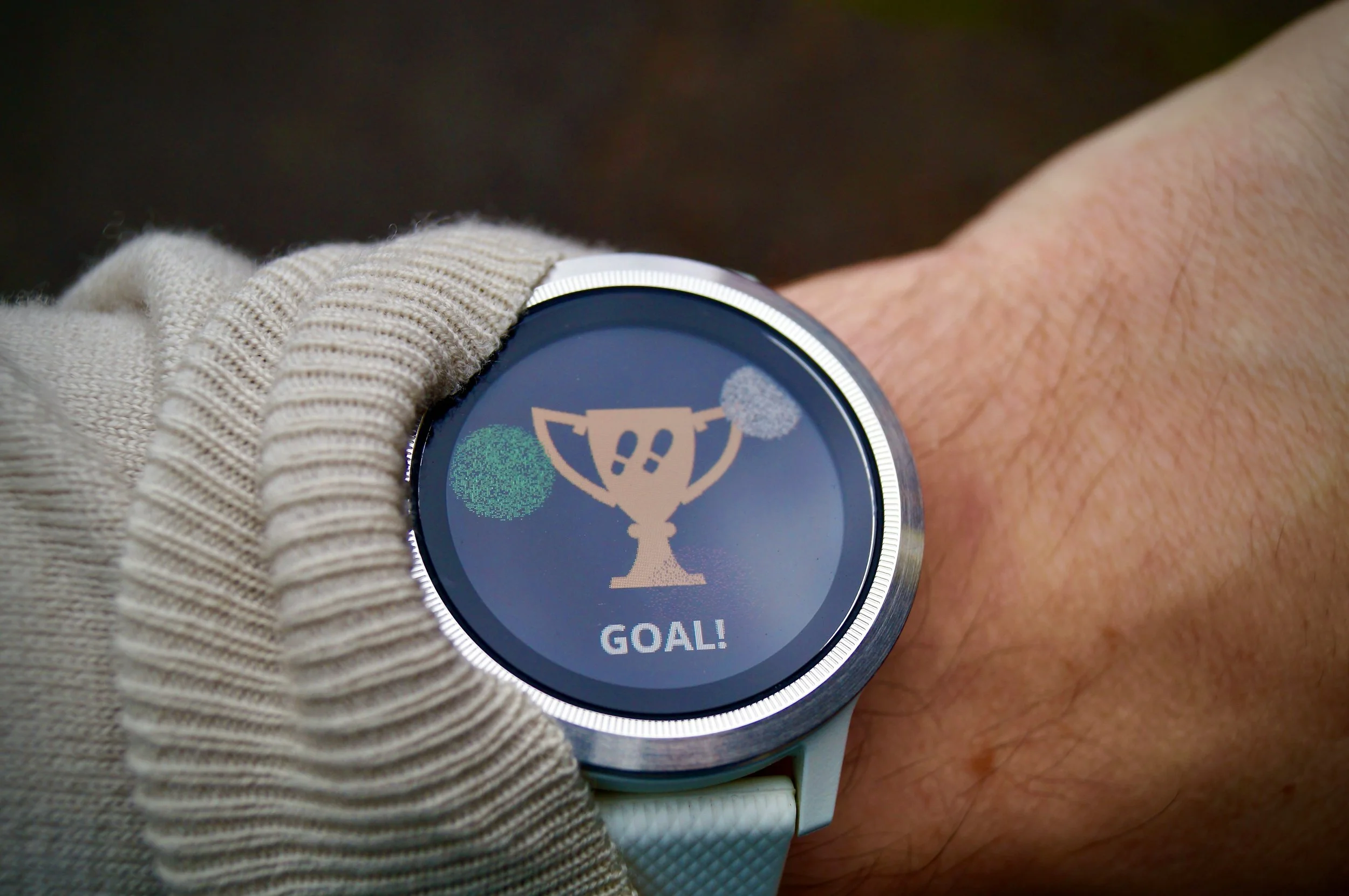
By the time the third or fourth week of January rolls around, the "newness" of the gym has often worn off. Your muscles might be a little tired, the alarm clock feels a bit louder, and the excitement of the "New Year" has faded into a routine. This is the danger zone. This is when most people start making excuses to skip a day, and then a week, and then they disappear until next year.
To beat this slump, we need to tap into a powerful part of the human brain: the part that loves to play. This is known as Gamified Fitness. In 2026, we are using the same psychology that keeps people addicted to video games or social media to help them get addicted to their health instead. If you can turn your workout into a "game" with levels, rewards, and "wins," you won't need willpower to stay consistent. You’ll do it because it’s fun.
The Dopamine of Progress
Video games are addictive because they provide "instant feedback." When you beat a level, you get a trophy or a new skill. In the gym, results take time. You might work hard for weeks before you see a change in the mirror. This "delay" in rewards is why people quit.
Gamification fixes this by giving you small, immediate wins. This could be a "badge" on your fitness app for hitting your step goal five days in a row, or a "streak" counter that shows you haven't missed a workout in two weeks. Every time you see that streak grow, your brain releases a tiny hit of dopamine. You don't want to "break the chain," so you show up even on the days you feel tired.
Ways to Gamify Your 2026 Routine
You don't need a fancy headset to gamify your life. Here are three simple ways to start today:
The "Level Up" Method: Treat your lifts like levels. If you can do 10 squats with perfect form, you have "cleared Level 1." Next time, add 5 pounds to "unlock Level 2." Writing this down makes your progress feel like a game you are winning.
Community Challenges: Join a group challenge with friends or coworkers. Whether it is a "10,000 Step Challenge" or a "January Plank Challenge," having a leaderboard adds a healthy sense of competition. We are social creatures; we work harder when someone is watching!
Avatar Identity: Remember our first article about the Identity Shift? Think of your fitness journey like building a character in a game. Every healthy meal is an "XP boost" (experience points) for your character’s health. Every workout increases your "strength stat."
The Power of Play
When we were kids, we didn't "exercise" we played. We ran because it was fun to chase our friends. We climbed trees because we wanted to see what was at the top. As adults, we’ve made fitness a chore. Gamification brings that sense of play back into the equation.
This January, stop looking at the gym as a place of work. Look at it as a place where you go to beat your high score. When you focus on the "win" of today, the extra rep, the faster walk, the completed streak, the long-term results happen as a side effect. You aren't just working out; you are winning the game of your life.
Adaptogens 101: Can Mushrooms Lower Your Cortisol?
This January, stop letting stress run your life and start using the power of nature to find your balance.
Medical Disclaimer: The information provided in this article is for educational and informational purposes only and is not intended as medical advice. Legacy Fitness & Nutrition does not recommend any specific supplements or adaptogens. Nothing in this content is intended to diagnose, treat, or cure any medical condition. Always seek the advice of your physician or another qualified healthcare provider before starting any new supplement or lifestyle change, especially if you have a pre-existing medical condition or are taking medication.
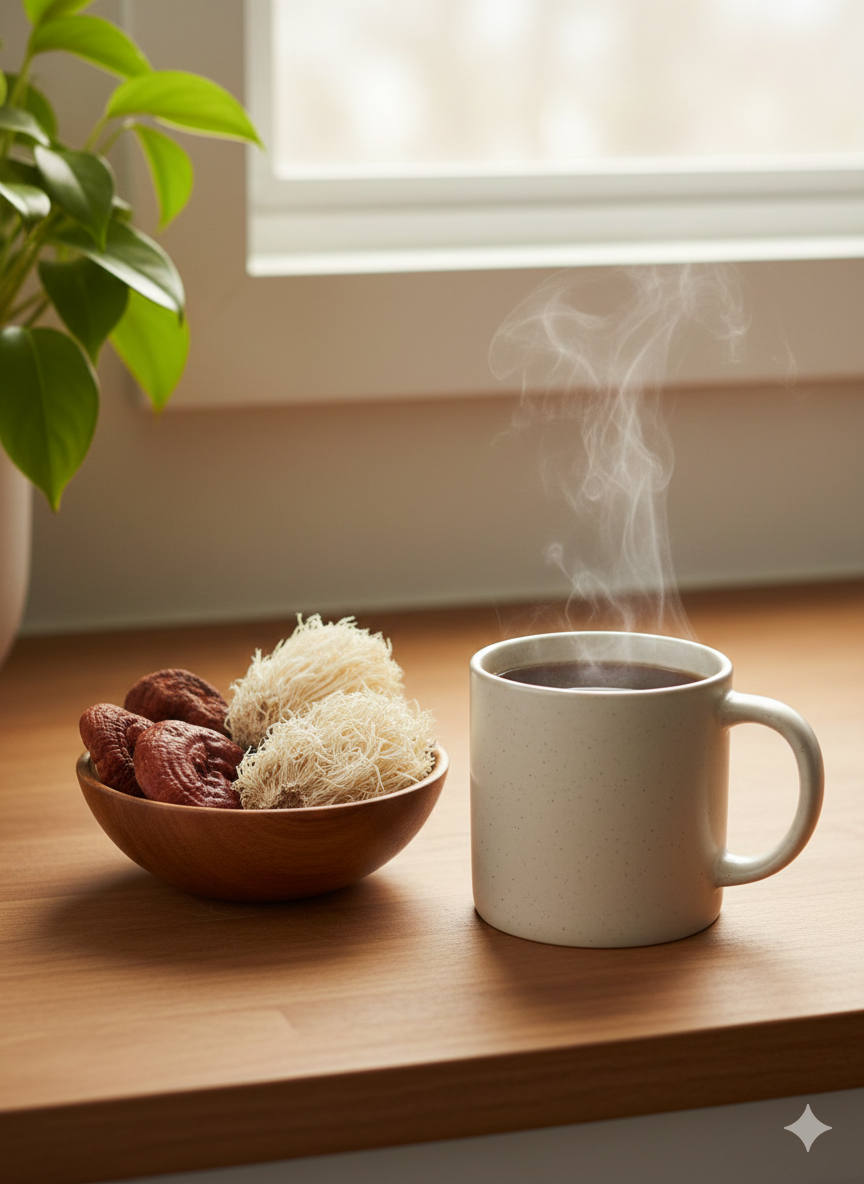
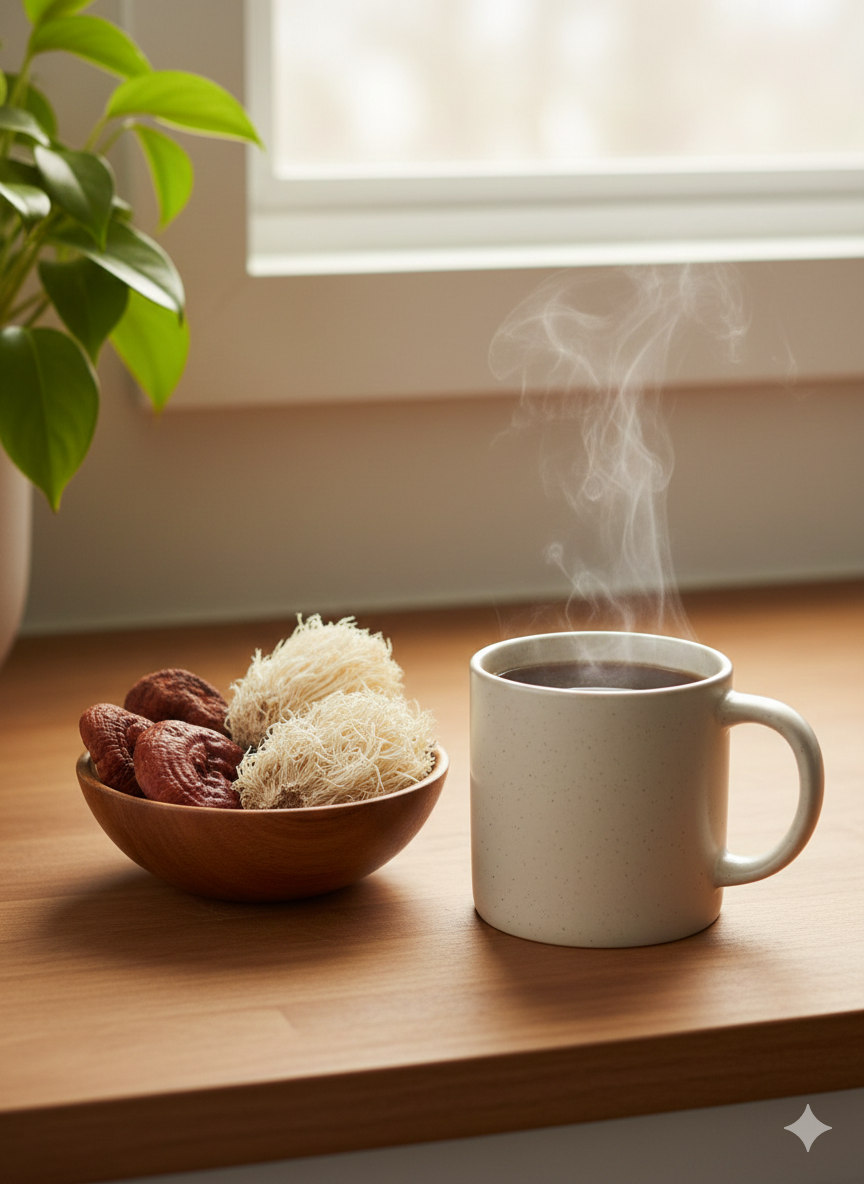
This image was created using AI to avoid copyright issues while conveying the context of this article. (In case you’re wondering, it’s supposed to be mushroom coffee, lion’s mane and dried reishi.)
In the high-pressure world of 2026, stress has become our constant companion. We often talk about "managing" stress through exercise and sleep, but there is a category of natural supplements that is currently taking the wellness world by storm: Adaptogens. You may have seen ads for "mushroom coffee" or "stress-relief gummies" containing things like Ashwagandha or Reishi. While these might sound like modern fads, they have actually been used in traditional medicine for thousands of years.
The name "adaptogen" tells you exactly what they do: they help your body adapt to stress. They don't work like a cup of coffee that forces your energy up, or a sedative that forces your energy down. Instead, they act like a thermostat. If your stress levels (cortisol) are too high, they help bring them down. If your energy is too low, they help lift it up. For anyone trying to build a health legacy while working a demanding job, adaptogens might be the missing piece of the puzzle.
The Cortisol Connection
Cortisol is often called the "stress hormone." In small doses, it is actually good for us; it helps us wake up in the morning and react to danger. However, when we are under constant pressure from emails, traffic, and intense workouts, our cortisol levels stay high all day. This leads to what many call "tired but wired." You feel exhausted, but your brain won't shut off when your head hits the pillow.
High cortisol is also a disaster for your fitness goals. It tells your body to hold onto fat (especially around the midsection) and can make it harder to build muscle. This is where adaptogens come in. They work with a system in your body called the HPA axis (Hypothalamic-Pituitary-Adrenal). By "tuning" this system, adaptogens help prevent your body from overreacting to daily stressors, keeping your hormones in balance.
Meet the "Legacy" Adaptogens
There are many adaptogens out there, but in 2026, three have risen to the top because of the science backing them up:
Ashwagandha: This is the most famous adaptogen for a reason. Multiple studies have shown it can significantly lower cortisol levels and improve the quality of sleep. It is also popular among athletes because it can help with strength gains by reducing the stress of a heavy workout.
Lion’s Mane: This isn't just a mushroom; it is "brain fuel." It is known for its ability to support nerve growth and improve focus. Many professionals use it in the morning to get that sharp, mental edge without the jitters of extra caffeine.
Rhodiola Rosea: If you feel "burned out," Rhodiola is your best friend. It is known for its ability to fight fatigue and improve mental performance under pressure. It’s like a "reset button" for your mental endurance.
How to Use Them Safely
The key to adaptogens is consistency. They are not like a headache pill that works in twenty minutes. Most people need to take them for two to four weeks before they notice the "thermostat" effect. It is also important to remember that supplements are the "cherry on top" of a healthy lifestyle. If you aren't sleeping or eating whole foods, no amount of mushrooms will save you.
Always start with one at a time so you can see how your body reacts. And as with any supplement, it’s a good idea to talk to your doctor, especially if you are taking other medications. When used correctly, these natural tools can help you navigate the chaos of modern life with a calm mind and a resilient body. This January, stop letting stress run your life and start using the power of nature to find your balance.
The Mid-Life Muscle Gap: Fitness for Men and Women 40+
If you are over the age of 40, you have probably noticed that things feel a little different than they did in your 20s. The best reason to train in your 40s isn't how you look in the mirror today, it’s how you will feel 20 years from now.
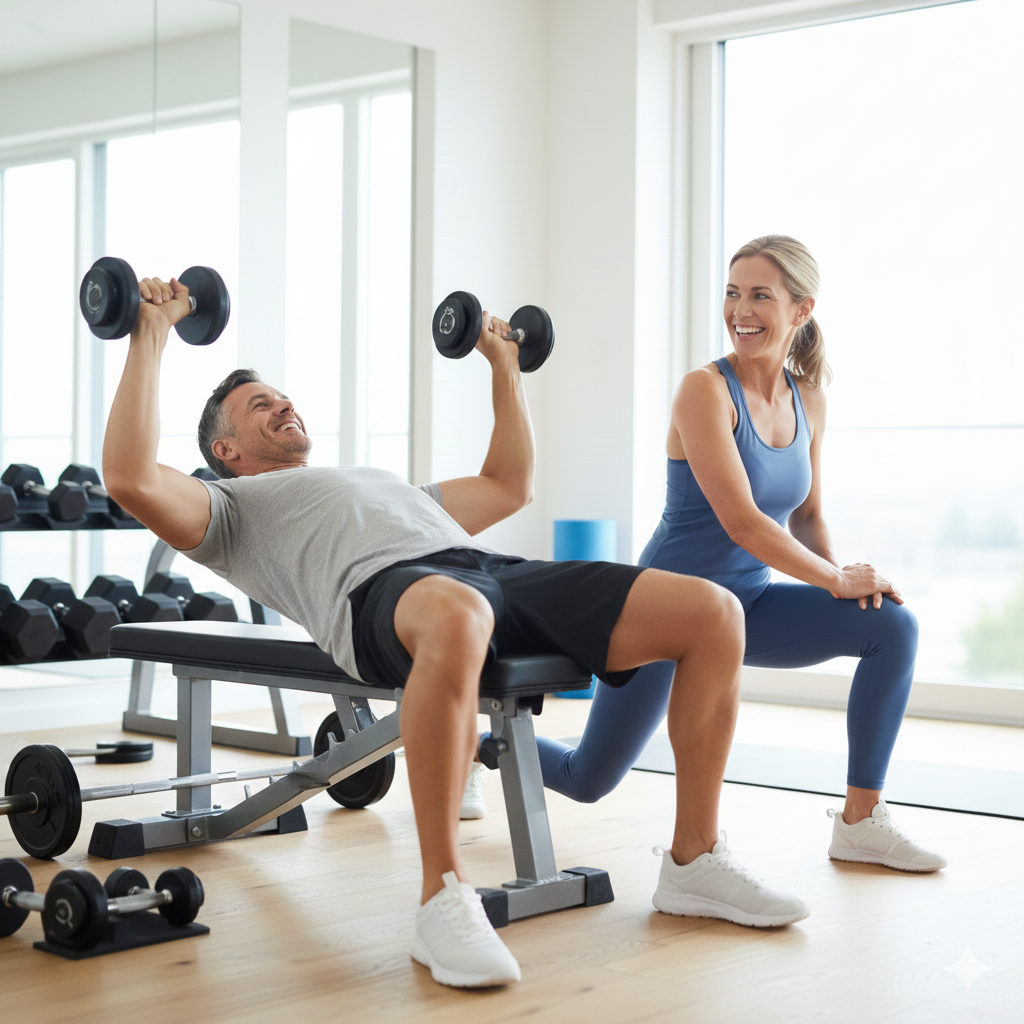
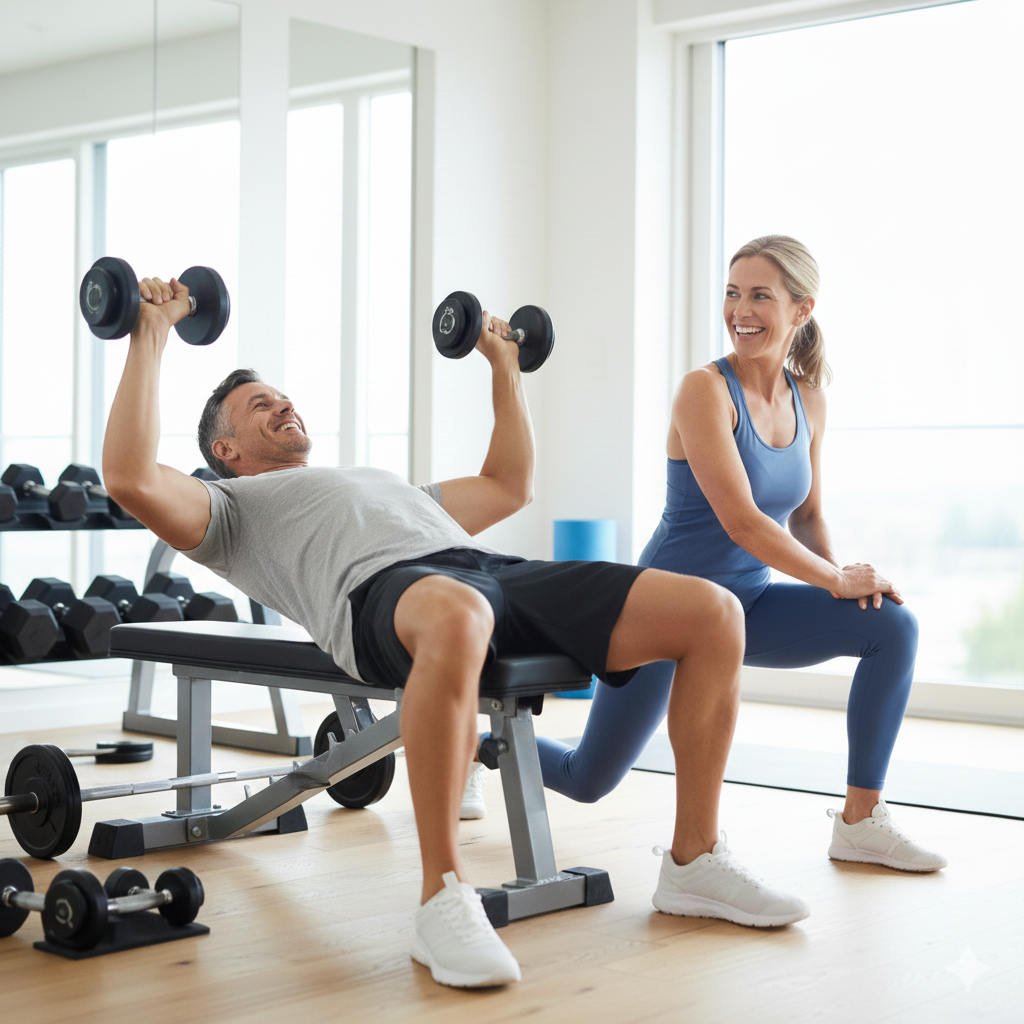
This image was created using AI to avoid copyright issues while conveying the context of this article.
If you are over the age of 40, you have probably noticed that things feel a little different than they did in your 20s. Maybe your back is a bit stiffer in the morning, or perhaps you’ve noticed that it is harder to lose those five extra pounds. Many people assume this is just an unavoidable part of "getting old." They start to believe that they should "slow down" or avoid heavy weights to stay safe.
In 2026, the science tells us the exact opposite. If you are over 40, you don't need less exercise; you need smarter exercise. This stage of life is where the "Muscle Gap" begins to happen. If you don't actively work to keep your muscle, your body will naturally start to lose it. But with the right strategy, your 40s, 50s, and 60s can actually be the strongest years of your life.
The Science of Sarcopenia
Starting around age 30, we begin to lose 3% to 5% of our muscle mass every decade. This is called sarcopenia. By the time someone reaches 60, they may have lost a significant amount of the strength they need to stay active and independent.
But here is the good news: muscle is "plastic," which means it can be built at any age. Strength training is the only "medicine" that can stop and even reverse this process. For the 40+ athlete, lifting weights isn't about getting "bulky" for a bodybuilding stage; it is about protecting your joints, keeping your metabolism high, and ensuring you can stay active for decades to come.
The "Perennial" Athlete
In 2026, we call this the "Perennial" movement. Just like a perennial flower that blooms year after year, you can stay vibrant and strong regardless of your age. The key is to shift your focus from "exhaustion" to "stimulation."
When you were 22, you could probably recover from a workout that left you feeling crushed. At 45, your goal is to stimulate the muscle enough to grow, but leave enough energy to recover.
Prioritize Protein: As we age, our bodies become less efficient at using protein. This means a 50-year-old actually needs more protein than a 20-year-old to build the same amount of muscle. Aim for a high-quality protein source at every single meal.
Focus on Mobility, Not Just Stretching: Tightness in your 40s often comes from joints that haven't moved through their full range in a long time. Use "active" mobility moves like the ones we’ve discussed in previous articles to keep your "oil" flowing.
Lift Heavy-ish: Don't be afraid of weights. You need enough resistance to tell your bones and muscles to stay strong. You don't need to be a powerlifter, but you should be challenged.
The Mental Shift: Training for Your Future Self
The best reason to train in your 40s isn't how you look in the mirror today, it’s how you will feel 20 years from now. Every squat you do now is an investment in your ability to stand up from a chair when you’re 80. Every row you do is an investment in your posture.
This January, don't let your age be an excuse to do less. Let it be the reason you do more of the right things. Your 40s are the perfect time to double down on your health legacy. You aren't "getting old"; you are getting stronger, wiser, and more resilient.

Cold Plunge vs. Cold Shower: Is It Worth the Hype?
is it actually worth the hype? Or is it just another fitness fad? The best recovery tool is the one you will actually use.

This image was created using AI to avoid copyright issues alongside a photo by Tobias Oetiker on Unsplash
If you have spent any time on the internet lately, you have probably seen someone shivering in a tub full of ice. From professional athletes to tech CEOs, it seems like everyone is obsessed with "Cold Exposure." They claim it does everything from burning fat to curing brain fog. But if you’re standing in your bathroom in January, the last thing you probably want to do is jump into freezing water.
So, is it actually worth the hype? Or is it just another fitness fad that will disappear by next year? In 2026, the science is becoming very clear: cold exposure is a powerful tool, but you don't need a $5,000 ice tub to get the benefits. You can build your own recovery legacy right in your own shower.
The Science of the "Healthy Stress"
Cold water works through a process called "hormesis." This is the idea that a small amount of stress can actually make your body stronger. When you hit cold water, your body goes into a temporary state of shock. Your heart rate rises, your breath quickens, and your brain releases a massive flood of norepinephrine and dopamine.
This "chemical cocktail" is why people feel so amazing after a cold plunge. Dopamine levels can stay elevated for several hours, giving you a steady sense of focus and calm that a cup of coffee can't match. Over time, this practice trains your "Vagus Nerve" (your body’s internal stress manager) to stay calm even when things are difficult.
Cold Plunge: The Pro Version
A true cold plunge usually involves sitting in water that is between 40 and 55 degrees Fahrenheit for three to five minutes. Because you are totally submerged, the pressure of the water helps move blood from your limbs toward your heart. This is excellent for reducing inflammation after a heavy workout.
However, the cold plunge is intense. It requires a lot of mental toughness and, usually, a lot of ice or a specialized machine. For the average person, this can be a high "friction" habit that is hard to keep up during a busy work week.
The Cold Shower: The Practical Hero
If you aren't ready for an ice bath, the cold shower is your best friend. While it isn't as intense as a full plunge, it still provides about 70% to 80% of the mental benefits.
The best way to start is the "30-Second Blast." Take your normal warm shower, and for the last 30 seconds, turn the handle all the way to cold. Focus on your breathing. Don't gasp; try to take slow, deep breaths through your nose. This teaches your brain that you are safe even when you are uncomfortable. This mental "grit" translates directly to your workouts and your work life.
Which One Should You Choose?
The best recovery tool is the one you will actually use. If you have access to a cold plunge and love the challenge, go for it! But if you are a busy professional just looking for an edge, a daily cold shower is more than enough to see a difference in your mood and your recovery.
This January, don't be afraid of the cold. Use it as a tool to sharpen your mind and reset your body. Whether it is 30 seconds or five minutes, that bit of "healthy stress" is building a more resilient version of you.

The Art of the Sunday Meal Prep (Without the Stress)
Stop trying to be a gourmet chef every night. Meal prep isn't about being perfect; it’s about being prepared.

We have all seen the photos on social media: thirty identical plastic containers filled with chicken, broccoli, and brown rice, perfectly lined up on a kitchen counter. For many people, this version of "meal prep" looks like a nightmare. It looks like a whole Sunday spent in a hot kitchen and a whole week of eating boring, repetitive food. If that is what you think meal prep has to be, it is no wonder you haven’t started yet.
The truth is that meal prep is the single most powerful tool for fitness success, but it doesn't have to be stressful. In 2026, the trend is moving away from "The Batch Cook" and toward "The Component Prep." This method allows you to save hours of time during the week while still enjoying fresh, varied meals every single day. To build a legacy of health, you need a system that works for your busy life, not a second job as a chef.
Why Decision Fatigue is Your Enemy
The reason most people fail their diet on a Wednesday evening is "Decision Fatigue." Throughout the day, you use your brain to make hundreds of choices at work and with your family. By the time you get home at 6:00 PM, your "decision muscle" is exhausted. If you have to ask yourself, "What should I make for dinner?" you are much more likely to choose the easy path: takeout or a bowl of cereal.
Meal prep solves this by making the decision for you when your brain is still fresh. When the food is already partially ready, the "friction" of eating healthy disappears. You aren't "cooking dinner"; you are just "assembling" it.
The Component Method: How it Works
Instead of making full meals, you spend 60 to 90 minutes on Sunday preparing the building blocks of your week. Think of it like a "Lego set" for your nutrition. You want to prepare four main categories:
Two Proteins: Roast a large tray of chicken thighs and brown two pounds of lean ground beef or turkey. These are your "anchors" for the week.
Two Carbs: Boil a large pot of quinoa or roast a few pans of sweet potatoes. Having these ready prevents you from reaching for bread or pasta when you’re in a rush.
The "Veggie Wash": Chop your peppers, wash your spinach, and roast some broccoli. If the vegetables are ready to eat, you will actually eat them.
The "Flavor Booster": This is the secret to not getting bored. Make one or two simple sauces, like a lemon-tahini dressing or a fresh salsa. Using different sauces makes the same chicken and rice feel like a completely different meal every night.
The "Power Hour" Workflow
You don't need all day. You just need one focused hour. Start by putting your longest-cooking items in the oven (like potatoes). While those roast, start your grains on the stove. While the stove is humming, chop your vegetables. By the time the timer goes off for the potatoes, your kitchen is cleaned, and your fridge is stocked.
Winning the Week
This January, stop trying to be a gourmet chef every night. Give yourself the gift of a stocked fridge. When you remove the stress of "What's for dinner?" you gain back your time and your health. Meal prep isn't about being perfect; it’s about being prepared. Your future self on a tired Wednesday night will thank you.

Fiber: The Unsung Hero of Weight Management
If protein is the "builder" of your body, fiber is the "manager." It manages your hunger, your digestion, and your blood sugar.

Photo by Iñigo De la Maza on Unsplash
In the world of nutrition, protein gets all the glory. We see "high protein" labels on everything from cereal to ice cream. While protein is very important for building muscle, there is another nutrient that is just as important, but much less famous. That nutrient is fiber. If protein is the "builder" of your body, fiber is the "manager." It manages your hunger, your digestion, and your blood sugar.
As we move through January, many people are struggling with hunger as they try to eat better. The secret to staying full without overeating isn't willpower; it is fiber. In 2026, the most successful nutrition plans are focusing on "Fiber Density" to help people reach their goals without the "starvation" feeling.
What is Fiber Exactly?
Fiber is a type of carbohydrate that your body cannot digest. Most carbs are broken down into sugar molecules, but fiber passes through your system relatively untouched. It comes in two types:
Soluble Fiber: This turns into a "gel" in your stomach. it slows down digestion, which helps you feel full longer and lowers your cholesterol.
Insoluble Fiber: This adds "bulk" to your stool and helps things move through your digestive tract. It is the "broom" that keeps your gut clean.
Because your body can't digest fiber, it doesn't provide many calories. However, it takes up a lot of space in your stomach. This is the "Fullness Hack" that most people are missing.
The "Volume" Trick
Imagine eating a tablespoon of olive oil. That is about 120 calories, but it won't make you feel full at all. Now, imagine eating two large heads of broccoli. That is also about 120 calories, but you would be incredibly stuffed! That is the power of fiber and volume.
When you eat high-fiber foods like beans, lentils, berries, and leafy greens you are stretching the walls of your stomach. This sends a signal to your brain that says, "We are full, you can stop eating now." If you find yourself wanting to snack an hour after lunch, it is usually because your meal was low in fiber. By adding just one cup of black beans or a large salad to your lunch, you can often stay full until dinner.
Fiber and Your "Second Brain"
In an earlier article, we talked about the Gut-Brain connection. Your gut bacteria (your microbiome) actually "eat" fiber. When you feed them enough fiber, they produce short-chain fatty acids. These are special chemicals that reduce inflammation in your body and even help your brain regulate your appetite.
When you don't eat enough fiber, your "good" bacteria starve. This can lead to cravings for sugar and processed foods because your gut environment is out of balance. By eating more fiber, you are literally training your gut to want healthier foods.
How to Boost Your Fiber (Without the Gas!)
The biggest mistake people make is trying to go from "zero to sixty" with fiber. If you don't eat much fiber now and you suddenly eat a giant bowl of beans, you will probably feel bloated and uncomfortable. Your gut needs time to adjust.
The "Slow and Steady" Rule: Add about 5 grams of fiber to your daily total each week. Start by swapping white bread for whole-grain bread, or adding a handful of raspberries to your morning yogurt.
The Hydration Rule: Fiber needs water to work! If you increase your fiber but don't increase your water, you might get constipated. Think of fiber like a sponge; it needs to be wet to move smoothly.
The "Bean" Strategy: Lentils and chickpeas are fiber superstars. Try adding them to soups, salads, or even smoothies (you won't even taste them!) to boost your "manager" nutrient.
The Legacy of a Full Belly
Weight management doesn't have to be a battle against hunger. By focusing on fiber, you are working with your body's natural signals instead of against them. This January, stop focusing on what you need to "remove" from your diet and start focusing on what you can "add." Add fiber, add volume, and add water. You’ll find that the "cravings" start to take care of themselves.

Functional Fitness for Everyday Life: The Squat & Carry
Why do we go to the gym? For the "Legacy" athlete, the gym is a training ground for real life.

This image was created using AI to avoid copyright issues while conveying the context of this article.
Why do we go to the gym? For some, it is to look better in a t-shirt. For others, it is to hit a specific number on a lift. But for the "Legacy" athlete, the gym is a training ground for real life. There is no point in being able to bench press 225lbs if you throw your back out trying to lift a heavy bag of mulch in your garden. There is no point in having "six-pack abs" if you can't carry your toddler up a flight of stairs without getting out of breath.
This is the core of Functional Fitness. It is about training movements, not just muscles. In 2026, we are moving away from fancy machines that isolate one muscle at a time. Instead, we are focusing on the two most important movements for human survival and independence: The Squat and The Carry.
The Squat: Your Body’s Foundation
The squat is often called the "King of Exercises," but it is much more than a leg workout. It is a fundamental human movement. Think about how many times a day you squat: getting out of a chair, sitting down on the toilet, or bending down to pick up a dropped set of keys.
As we age, the ability to squat is the difference between independence and needing help. When you practice squats in the gym, whether with a kettlebell or just your bodyweight, you are strengthening your hips, knees, and ankles. But more importantly, you are teaching your core how to stabilize your spine. A functional squat isn't about how deep you can go; it’s about how well you can move under control so that you can navigate the world with confidence.
The Carry: The "Missing Link" of Fitness
If the squat is the king, the "Loaded Carry" is the secret weapon. A loaded carry is exactly what it sounds like: picking up something heavy and walking with it. This might be a pair of dumbbells (called a Farmer’s Carry), a single weight held at your chest (a Goblet Carry), or even just a heavy suitcase.
Why is this so important? Because life is a series of loaded carries. You carry groceries from the car. You carry a laptop bag through an airport. You carry a child to bed. Carrying heavy things builds "functional core strength" that a sit-up can never match. It teaches your body how to stay upright and stable while you are moving. It also builds incredible grip strength, which scientists have found is one of the best predictors of how long you will live.
Blending Gym Work with Real Life
To build a functional body this January, you don't need a complicated program. You just need to prioritize these "Big Two" movements.
The "Grocery Bag" Challenge: Next time you have to carry bags into the house, try to stand as tall as possible. Keep your shoulders back and down. Don't let the bags pull you to one side. This is a workout!
The "Chair Squat": If you work at a desk, every time you stand up, do it without using your hands. Then, sit back down halfway, hold it for three seconds, and stand back up. You’ve just done a functional rep.
The "Suitcase Carry": Pick up a heavy kettlebell or a gallon of water in one hand. Walk 50 feet. Switch hands and walk back. This trains the muscles on the sides of your body that protect your spine from twisting injuries.
The Legacy of Movement
The goal of functional fitness is to make your "outside life" easier. When you are strong in the squat and the carry, you stop worrying about getting injured during daily tasks. You move with more grace, more power, and less pain. This January, don't just train to look a certain way. Train so that you can say "yes" to every adventure, whether it is a hiking trip or just playing with your grandkids on the floor. Your body was built to move; make sure you’re giving it the right practice.
Why Your 'Smart Ring' Might Be Lying to You
Even the most expensive smart rings and watches are making educated guesses. They are not medical-grade machines. Technology should be a tool that supports your intuition, not a replacement for it.
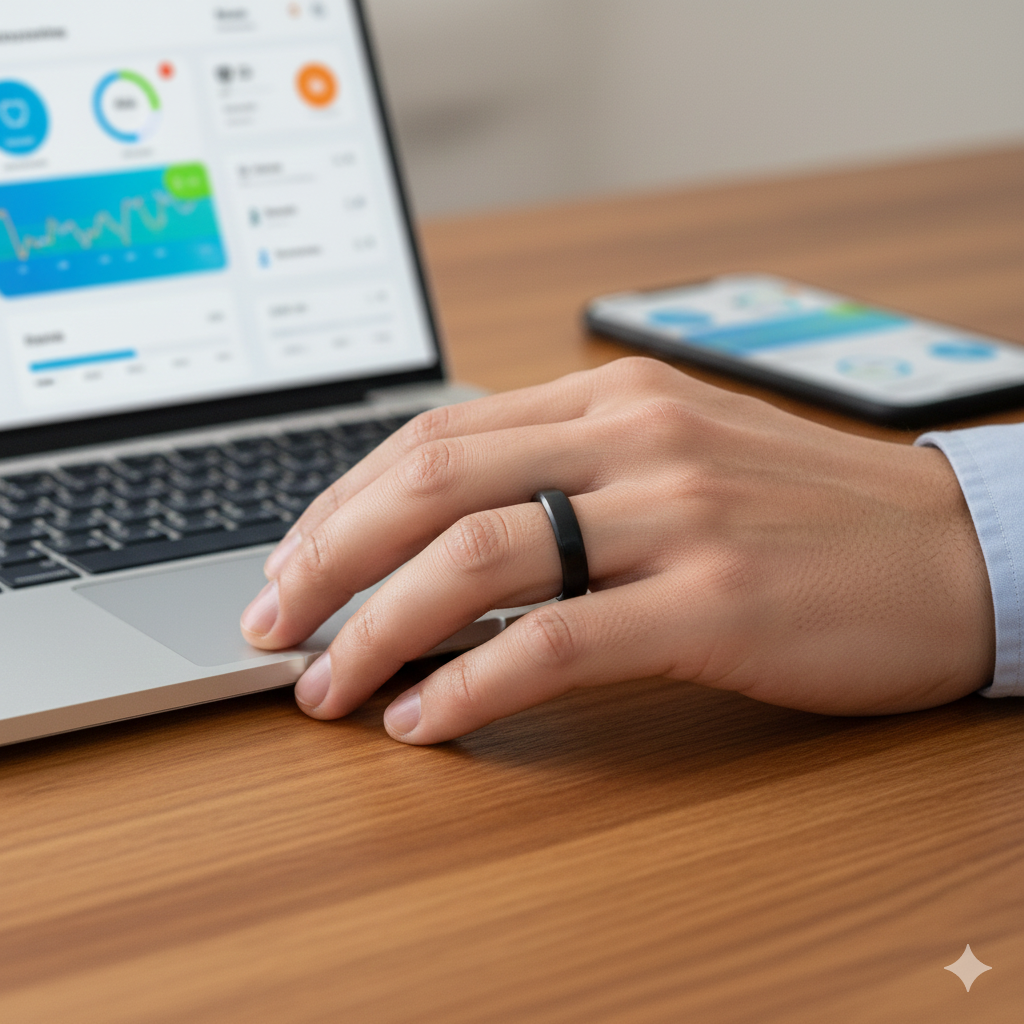
This image was created using AI to avoid copyright while conveying the context of this article.
In 2026, it seems like everyone is wearing a piece of "smart" technology. Whether it is a watch on your wrist, a ring on your finger, or a patch on your arm, we are obsessed with data. We want to know exactly how many steps we took, how many calories we burned, and, most importantly, how well we slept. These tools are incredible for building awareness, but there is a danger in trusting them too much. If you have ever woken up feeling great, only to see a "low readiness score" on your phone and suddenly feel tired, you are a victim of the "Tracker Trap."
The truth is that even the most expensive smart rings and watches are making educated guesses. They are not medical-grade machines. While they can be a great partner in your fitness journey, you need to know when to listen to the data and when to listen to your own body. To build a lasting legacy of health, you have to be the boss of your data, not the other way around.
How Trackers Actually Work
Most wearable devices use a technology called photoplethysmography (PPG). This is the little green or red light you see on the back of your device. It shines light into your skin to measure your blood flow. By looking at these patterns, the device can estimate your heart rate and your Heart Rate Variability (HRV).
However, many things can interfere with these sensors. If your ring is too loose, if your skin is cold, or even if you have a certain skin tone or tattoos, the sensor might struggle to get an accurate reading. When the sensor fails, the software "fills in the gaps" using algorithms. In other words, your device is often guessing what your heart is doing. If you rely on these numbers to tell you if you are "fit" or "healthy," you might be getting a skewed version of reality.
The Calorie Counting Myth
One of the biggest ways smart devices "lie" is in calorie tracking. Studies have shown that most fitness trackers can be off by as much as 20% to 40% (or even more!) when estimating how many calories you burn during a workout. If your watch says you burned 500 calories, you might have actually burned 300.
If you use that data to decide how much extra food you can eat, you might accidentally end up in a "calorie surplus" even though you think you are working hard. The best way to use a tracker for calories is to look at trends over weeks and months, rather than the specific number for one single day. Use it as a compass to see if you are moving more than last week, not as a calculator for your dinner.
The "Placebo Effect" of Sleep Scores
Sleep tracking is the most popular feature of smart rings in 2026. These devices track your movement and heart rate to tell you if you were in "Deep Sleep" or "REM Sleep." While this is helpful for spotting patterns (like how alcohol ruins your sleep) it can also create a problem called "orthosomnia." This is a real condition where people become so anxious about getting a "perfect" sleep score that the anxiety actually keeps them awake.
Your body is much smarter than an app. If you wake up, feel energized, and are ready to tackle the day, that matters more than a "62% Sleep Quality" notification. On the flip side, if your ring says you are 100% recovered but your joints feel sore and your brain feels foggy, you should trust your feelings over the screen. Your device doesn't know if you have a cold starting or if you are under a lot of mental stress at work.
How to Use Tech Like a Pro
To make the most of your smart tech without letting it run your life, follow these "Legacy Tech" rules:
Check Your Body Before Your Phone: When you wake up, take 30 seconds to "scan" how you feel. Are you rested? Are you sore? Make your own "score" before you look at the app.
Focus on Trends, Not Totals: Don't worry if you missed your step goal by 500 steps today. Look at your weekly average. Is it going up over time? That is where the real progress happens.
Use it for "Behavior Cues": Use your tracker to remind you to stand up every hour or to prompt you to take three deep breaths. Use it as a coach, not a judge.
Technology should be a tool that supports your intuition, not a replacement for it. This January, use your data to learn about yourself, but never let a "red" score on an app stop you from showing up for your life. You are the one doing the work, not the ring.