
The 'Human Kibble' Trend: Is Repetitive Eating Bad?
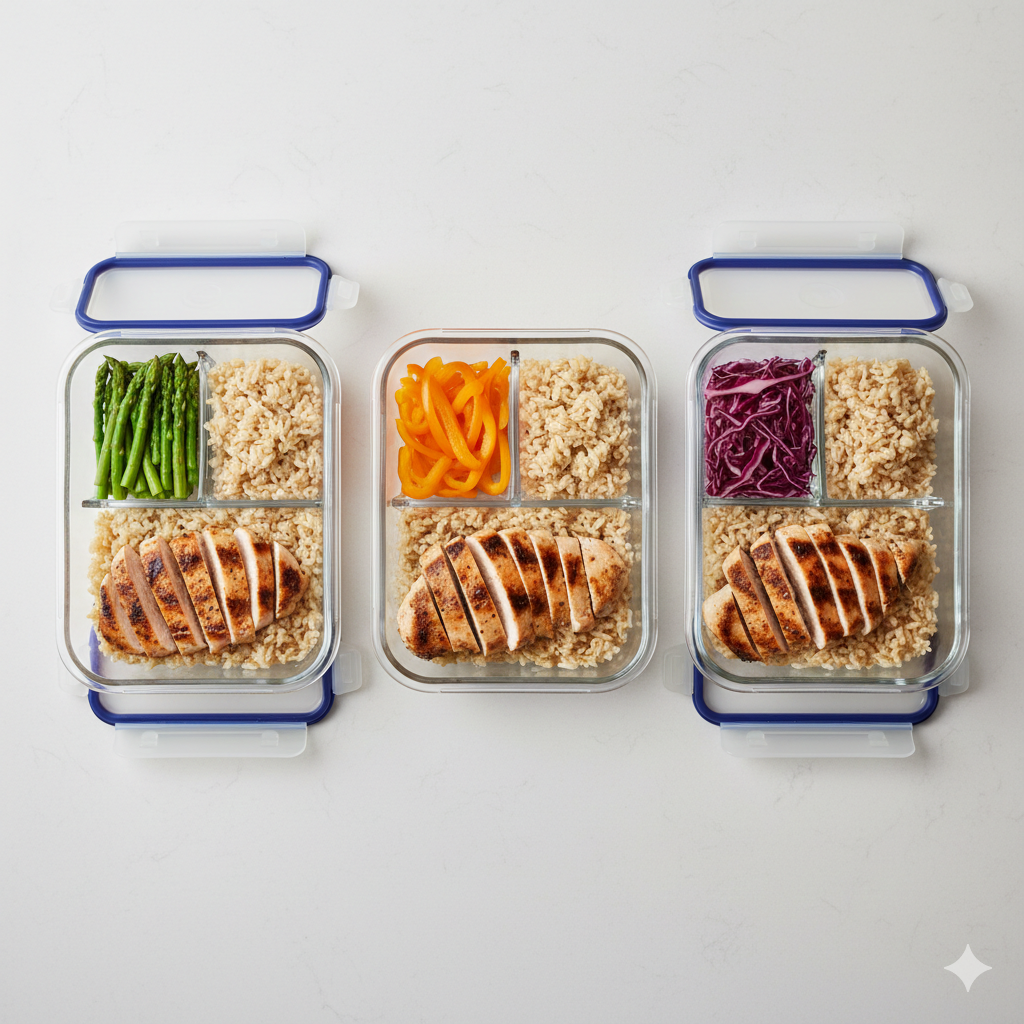
This image was created using AI to avoid copyright issues while conveying the context of this article.
As we reach the end of January, many people have found a rhythm with their food. However, for a lot of busy professionals, that rhythm often turns into eating the same three or four meals every single week. On social media, this has been jokingly called the "Human Kibble" trend. It involves finding a healthy meal that "works," like a bowl of chicken, rice, and beans, and eating it for lunch and dinner every day to save time and mental energy.
While this approach is amazing for consistency, many people wonder: "Is it bad for me to eat the same thing every day?" To build a long-term legacy of health, we need to balance the need for simplicity with the need for diversity. In 2026, the answer isn't to stop repetitive eating, but to learn how to do it "smartly" so your body gets all the nutrients it needs without you losing your mind in the kitchen.
The Power of Decision Minimalism
The biggest benefit of the "Human Kibble" approach is the elimination of decision fatigue. As we discussed in The Art of the Sunday Meal Prep (Without the Stress), making choices takes energy. If you have a go-to meal that you know is healthy and fits your goals, you are much less likely to end up in a drive-thru line on a stressful Tuesday.
By automating your nutrition, you free up "brain space" for your career, your family, and your training. Consistency is the foundation of any fitness transformation, and repetitive eating is one of the fastest ways to achieve it. When you don't have to think about what to eat, you remove the most common reason people quit their January plans.
The "Nutrient Gap" Risk
The downside of eating the same thing every day is "Nutrient Boredom" for your gut. Your microbiome (the trillions of bacteria we talked about in The Gut-Brain Connection: Foods for Mental Clarity) thrives on variety. Different bacteria eat different types of fiber. If you only eat broccoli and chicken every day, you might be starving the bacteria that help with your mood or your immune system.
Furthermore, no single food contains every vitamin and mineral. If you only eat spinach as your green vegetable, you might be getting plenty of folate but missing out on the unique nutrients found in kale, peppers, or carrots. Over months and years, these small "gaps" can add up to deficiencies that affect your energy and recovery.
The "Base and Rotation" Strategy
In 2026, the smartest way to use the "Human Kibble" trend is the Base and Rotation model. You keep the "base" of your meal the same to keep things simple, but you rotate the "accent" ingredients to ensure diversity.
Keep the Protein/Grain Base: If you like chicken and quinoa, keep that as your foundation. It’s easy to prep and easy to track.
Rotate the Colors: Every time you go to the store, pick a different color of vegetable. One week, add red peppers and purple cabbage. The next week, use green broccoli and orange carrots. This ensures a wider range of antioxidants.
The Sauce Swap: As we noted in our meal prep guide, sauces are the key to variety. The same "kibble" of turkey and rice tastes completely different with a spicy salsa versus a lemon-herb dressing.
Listening to Your "Flavor Fatigue"
Your body is very good at telling you when it needs something different. If you suddenly find that your favorite healthy meal tastes "boring" or unappealing, that is "flavor-point satiety." It’s your brain’s way of saying it needs a different set of nutrients. Don't try to "white knuckle" through it. Use it as a cue to swap your protein or your veggies for a few days.
Repetitive eating is a tool, not a prison. This January, use the "Human Kibble" method to stay consistent, but don't forget to "color in the lines" with different vegetables and spices. By building a simple system with built-in variety, you create a nutrition legacy that is both sustainable and scientifically sound.
