
The Longevity Walk: Putting Your 10,000 Steps to Work
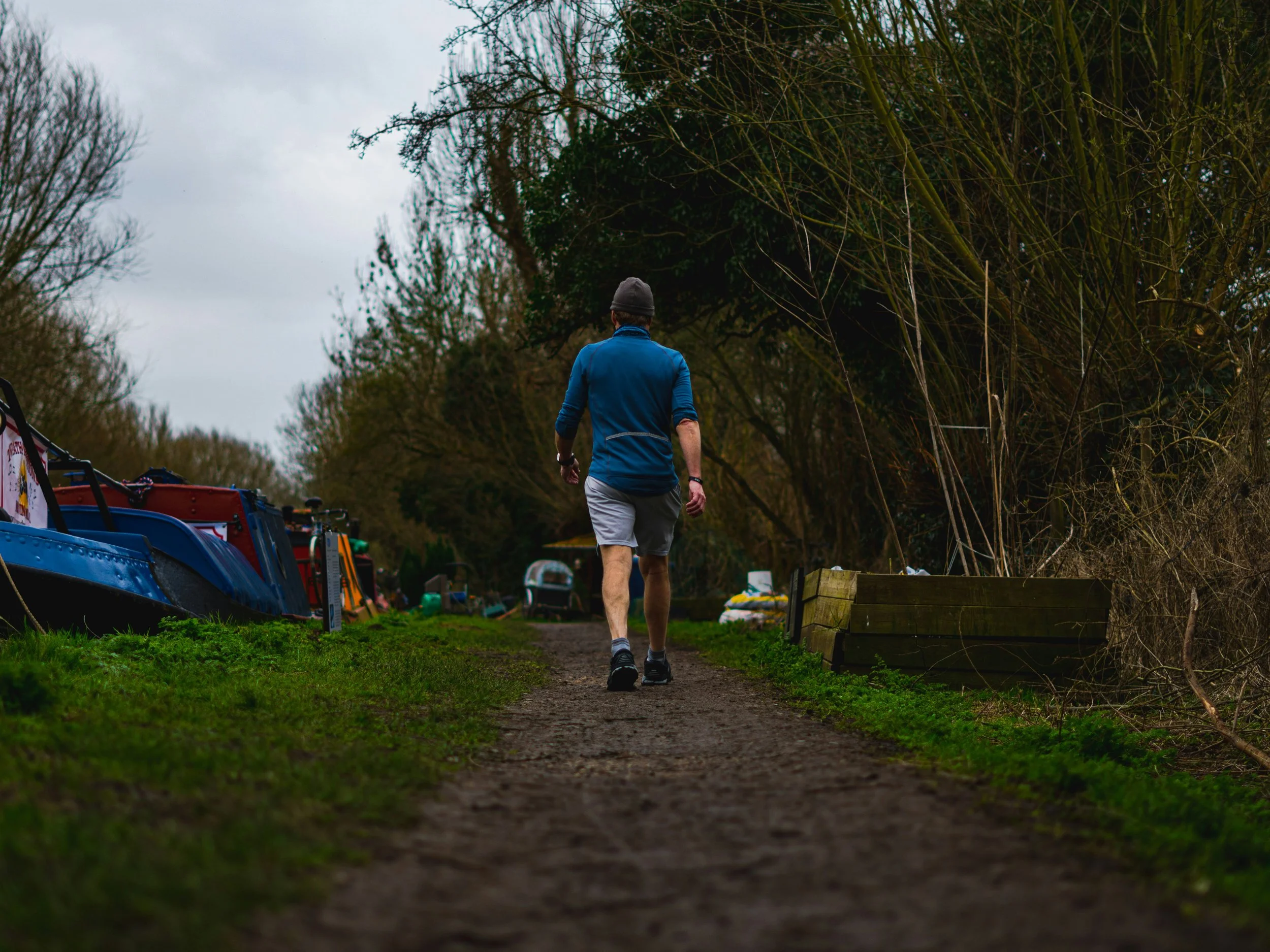
Photo by Caspar Rae on Unsplash
As January comes to a close, you might be feeling the urge to "level up" your fitness. We’ve talked about the "Zone 2" trend in Walking for Longevity: The 2026 'Zone 2' Trend, but now it is time to look at how to make every single step count toward your future self. For years, we’ve been told that "10,000 steps" is the magic number for health. While that is a great goal, the quality of those steps matters just as much as the quantity.
In 2026, the "Longevity Walk" isn't just about moving from point A to point B. It’s about using specific techniques to turn a simple walk into a full-body health treatment. To build a legacy of mobility and independence, you need to treat your daily walk with the same intention as a session in the gym. When done correctly, walking is the ultimate "maintenance" tool for your heart, your joints, and your mind.
The "Power Stride" Technique
Most people walk with a "shuffling" gait, especially when they are tired or looking at their phones. Shuffling doesn't engage your muscles and can actually lead to tight hips and back pain. The "Longevity Walk" requires a Power Stride.
Heel-to-Toe: Focus on landing softly on your heel and "rolling" the foot forward to push off with your toes. This engages the muscles in your arches and calves.
The Glute Squeeze: As your leg goes back, give your glute a small squeeze. This helps open up the front of your hips, which get tight from sitting.
The Arm Swing: Don't keep your hands in your pockets. Swing your arms from the shoulders. This cross-body movement helps "massage" your spine and increases the calories you burn.
The "Interval" Secret
You don't have to walk at a fast pace the entire time. In fact, research shows that "intermittent" walking is even better for your metabolism. Try the 3-2-1 Method during your next 20-minute walk:
3 Minutes: Normal, comfortable pace.
2 Minutes: Brisk walk (you should be breathing a little harder).
1 Minute: As fast as you can walk without running.
Repeating this cycle three or four times "wakes up" your heart and forces your body to adapt to different levels of stress. It turns a boring walk into a mini-cardio session that is easy on your joints but great for your heart.
Walking for Brain Health
One of the most powerful benefits of the Longevity Walk is what it does for your head. Walking has been shown to increase "BDNF" (Brain-Derived Neurotrophic Factor). Think of BDNF like "Miracle-Gro" for your brain cells. It helps you learn faster and protects against memory loss as you age.
To get the most brain benefit, try to walk in a "complex" environment like a park or a trail rather than a treadmill. Navigating uneven ground and looking at nature forces your brain to stay "engaged" and improves your balance. In a world where we spend so much time looking at screens (as we discussed in Why Your 'Smart Ring' Might Be Lying to You), this "unplugged" movement is vital for your mental health.
The Consistency Milestone
As we move into February, the Longevity Walk is your "safety net." Even on the days when you can't get to the gym or your meal prep falls apart, you can always walk. It is the one habit that requires no equipment and no cost, but pays the highest dividends for your health. This January, don't just "get your steps in." Put them to work. Walk with purpose, walk with power, and walk for the person you want to be thirty years from now.
