
Fiber: The Unsung Hero of Weight Management
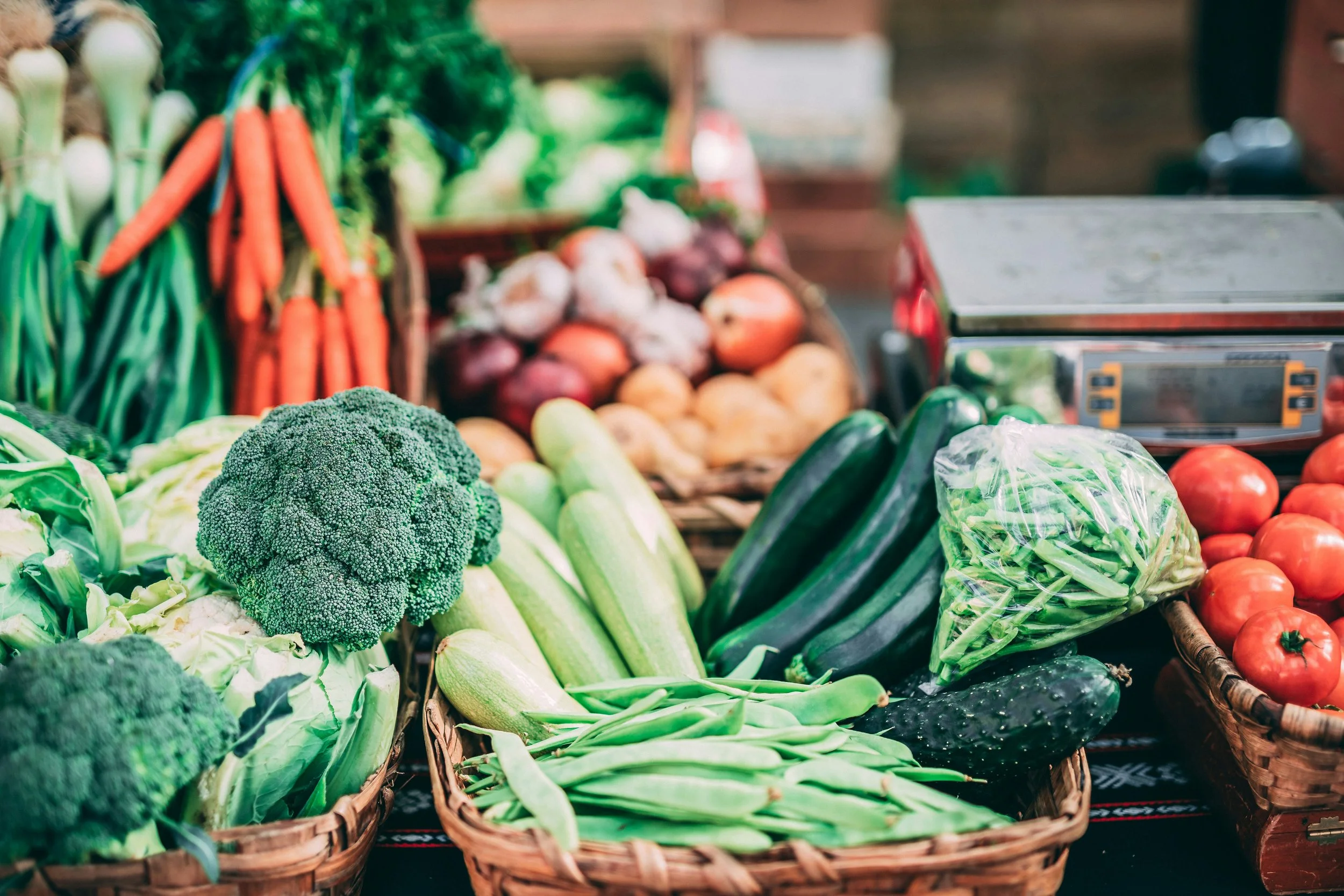
Photo by Iñigo De la Maza on Unsplash
In the world of nutrition, protein gets all the glory. We see "high protein" labels on everything from cereal to ice cream. While protein is very important for building muscle, there is another nutrient that is just as important, but much less famous. That nutrient is fiber. If protein is the "builder" of your body, fiber is the "manager." It manages your hunger, your digestion, and your blood sugar.
As we move through January, many people are struggling with hunger as they try to eat better. The secret to staying full without overeating isn't willpower; it is fiber. In 2026, the most successful nutrition plans are focusing on "Fiber Density" to help people reach their goals without the "starvation" feeling.
What is Fiber Exactly?
Fiber is a type of carbohydrate that your body cannot digest. Most carbs are broken down into sugar molecules, but fiber passes through your system relatively untouched. It comes in two types:
Soluble Fiber: This turns into a "gel" in your stomach. it slows down digestion, which helps you feel full longer and lowers your cholesterol.
Insoluble Fiber: This adds "bulk" to your stool and helps things move through your digestive tract. It is the "broom" that keeps your gut clean.
Because your body can't digest fiber, it doesn't provide many calories. However, it takes up a lot of space in your stomach. This is the "Fullness Hack" that most people are missing.
The "Volume" Trick
Imagine eating a tablespoon of olive oil. That is about 120 calories, but it won't make you feel full at all. Now, imagine eating two large heads of broccoli. That is also about 120 calories, but you would be incredibly stuffed! That is the power of fiber and volume.
When you eat high-fiber foods like beans, lentils, berries, and leafy greens you are stretching the walls of your stomach. This sends a signal to your brain that says, "We are full, you can stop eating now." If you find yourself wanting to snack an hour after lunch, it is usually because your meal was low in fiber. By adding just one cup of black beans or a large salad to your lunch, you can often stay full until dinner.
Fiber and Your "Second Brain"
In an earlier article, we talked about the Gut-Brain connection. Your gut bacteria (your microbiome) actually "eat" fiber. When you feed them enough fiber, they produce short-chain fatty acids. These are special chemicals that reduce inflammation in your body and even help your brain regulate your appetite.
When you don't eat enough fiber, your "good" bacteria starve. This can lead to cravings for sugar and processed foods because your gut environment is out of balance. By eating more fiber, you are literally training your gut to want healthier foods.
How to Boost Your Fiber (Without the Gas!)
The biggest mistake people make is trying to go from "zero to sixty" with fiber. If you don't eat much fiber now and you suddenly eat a giant bowl of beans, you will probably feel bloated and uncomfortable. Your gut needs time to adjust.
The "Slow and Steady" Rule: Add about 5 grams of fiber to your daily total each week. Start by swapping white bread for whole-grain bread, or adding a handful of raspberries to your morning yogurt.
The Hydration Rule: Fiber needs water to work! If you increase your fiber but don't increase your water, you might get constipated. Think of fiber like a sponge; it needs to be wet to move smoothly.
The "Bean" Strategy: Lentils and chickpeas are fiber superstars. Try adding them to soups, salads, or even smoothies (you won't even taste them!) to boost your "manager" nutrient.
The Legacy of a Full Belly
Weight management doesn't have to be a battle against hunger. By focusing on fiber, you are working with your body's natural signals instead of against them. This January, stop focusing on what you need to "remove" from your diet and start focusing on what you can "add." Add fiber, add volume, and add water. You’ll find that the "cravings" start to take care of themselves.
