
Fiber: The Unsung Hero of Weight Management: Why 30g a Day is the Magic Number
There is a nutrient that is important for your health, your hunger, and your waistline, yet it is often completely ignored.
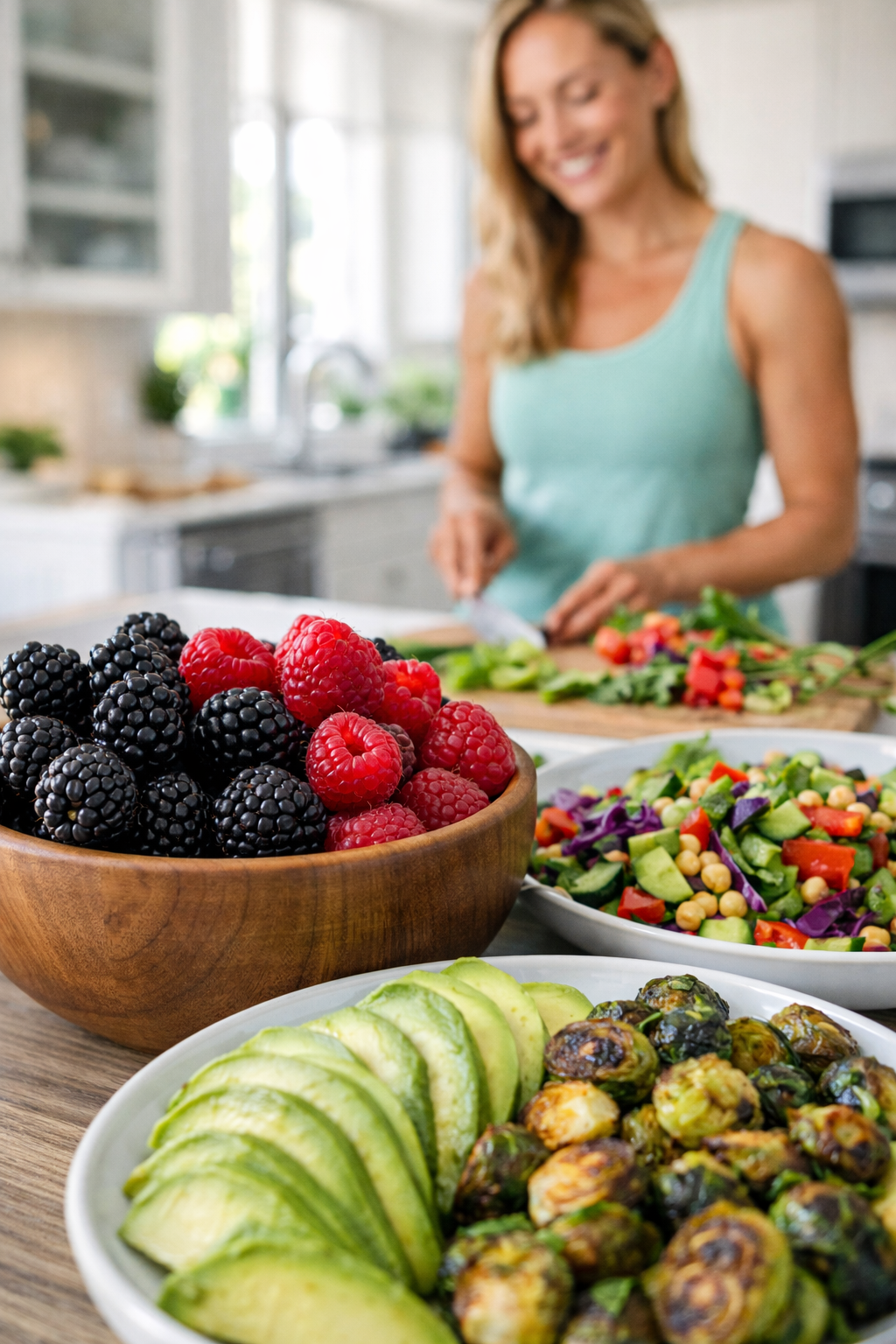
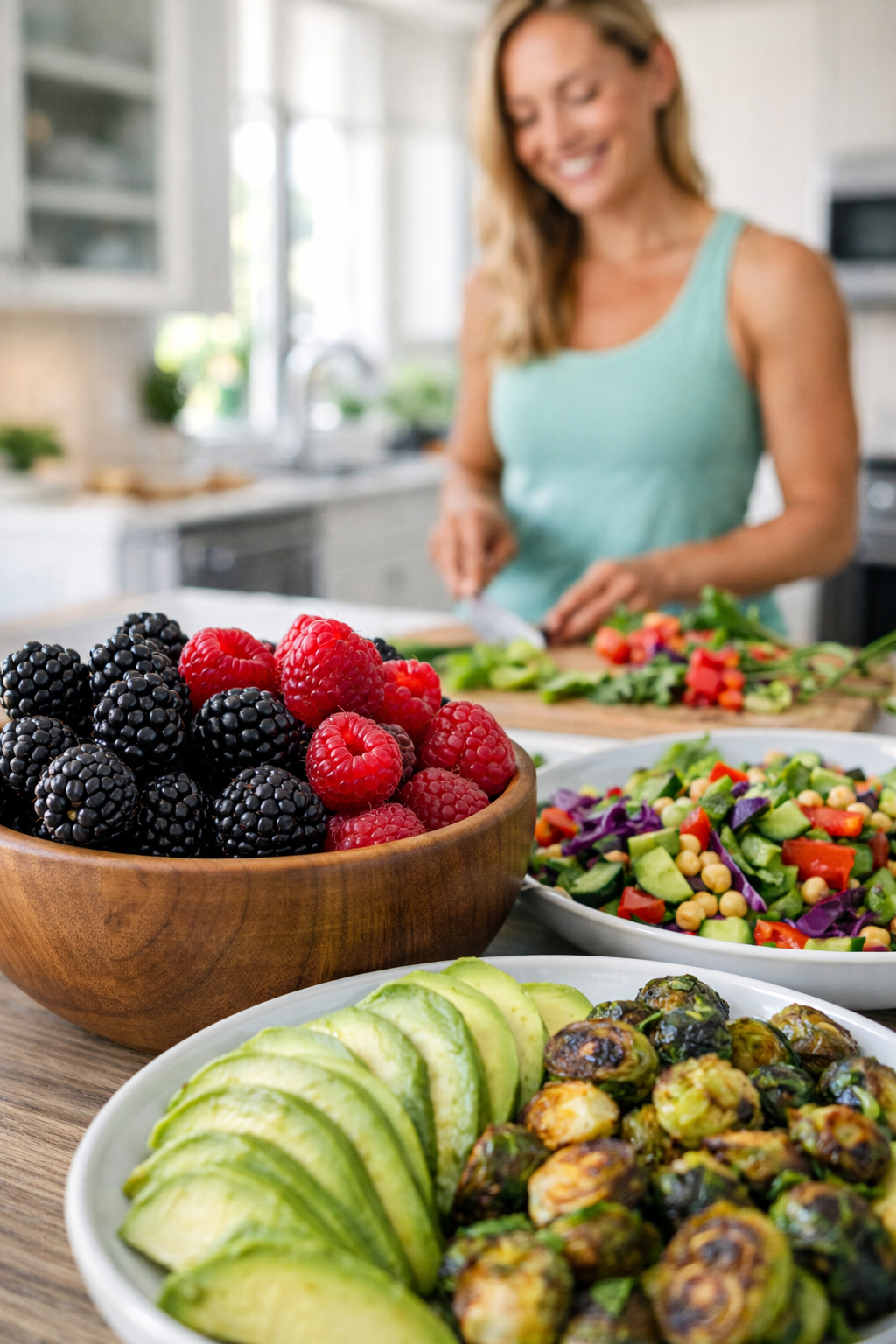
This image was created using AI to avoid copyright issues while conveying the context of this article.
In the world of fitness and nutrition, protein usually gets all the glory. We talk about it constantly; how much we need, when to eat it, and which sources are best. But there is another nutrient that is just as important for your health, your hunger, and your waistline, yet it is often completely ignored.
That nutrient is fiber.
Most people think of fiber as something only their grandparents need to worry about for "regularity." But at Legacy Fitness, we view fiber as a secret weapon for weight management and metabolic health. If you are struggling with hunger, energy crashes, or stubborn body fat, there is a high probability that you are not hitting the "magic number" for fiber: 30 grams per day.
What is Fiber, Exactly?
Fiber is a type of carbohydrate found in plant foods, vegetables, fruits, beans, and whole grains, that your body cannot digest. Unlike sugar or starch, which are broken down into energy, fiber passes through your system relatively intact.
Because your body can't "use" it for calories, fiber acts like a broom for your digestive tract. But its benefits go far beyond just keeping things moving.
The "Volume" Secret to Weight Loss
One of the biggest hurdles to losing weight is hunger. This is where fiber shines. Fiber adds "bulk" or "volume" to your meals without adding extra calories.
When you eat high-fiber foods, they take up more space in your stomach. This triggers the stretch receptors in your stomach wall, which send a signal to your brain that says, "I am full." This is why it is very easy to overeat on a bag of low-fiber chips, but nearly impossible to overeat on a giant plate of roasted broccoli or a large bowl of berries.
By hitting your 30g goal, you are essentially "crowding out" the junk food and making it much easier to stay in a calorie deficit without feeling deprived.
Stabilizing Your Energy and Mood
For the busy professional, the most important benefit of fiber might be its ability to regulate blood sugar. When you eat carbohydrates (like fruit or a piece of whole-grain toast), the fiber acts like a "speed bump." It slows down the absorption of sugar into your bloodstream.
Instead of a massive spike in energy followed by a "foggy" crash an hour later, fiber provides a slow, steady release of energy. This keeps your brain sharp and your mood stable throughout a long day of meetings. If you find yourself reaching for a third cup of coffee at 3:00 PM, you might actually just need more fiber in your lunch.
The Gut-Health Connection
As we’ve discussed before, your gut microbiome is a major player in your overall health. Your healthy gut bacteria feed on fiber. When you don't eat enough of it, you are essentially "starving" your internal army.
A fiber-rich diet supports a diverse microbiome, which reduces inflammation, improves your immune system, and even helps regulate your hormones. A healthy gut is a prerequisite for a healthy, lean body.
How to Hit the "30g Goal"
The average adult gets only 10 to 15 grams of fiber per day. Jumping to 30g overnight can be a shock to your system, so it is best to increase your intake gradually. Here is how to do it:
The "Two-Cup" Rule: Aim to have at least two cups of non-starchy vegetables (like spinach, peppers, or broccoli) at both lunch and dinner.
Switch Your Snacks: Replace processed snacks with high-fiber options like raspberries, blackberries, or a handful of almonds. Berries are particularly powerful because they are very high in fiber but low in sugar.
Beans and Legumes: Adding just a half-cup of black beans or lentils to a salad can add 7 to 8 grams of fiber in one shot.
Hydrate: Fiber needs water to work. As you increase your fiber, make sure you are following our mineral-rich hydration strategies!
Building Your Legacy
At Legacy Fitness, we believe that true health is found in the "unsexy" fundamentals. You don't need a complicated supplement stack to lose weight; you need protein, movement, and fiber.
Hitting your 30g of fiber per day is a simple, measurable habit that pays massive dividends for your energy and your longevity. It is about building a body that is fueled, efficient, and resilient from the inside out.
Wondering how many calories you actually burn?
Mastering your nutrition starts with knowing your numbers. Use my BMR Calculator to find your personalized daily calorie and macro targets so you can hit your fiber goals with precision. Use the BMR Calculator Here

GLP-1 Style Eating: How to Trigger Natural Fullness
When you feed your body the right combination of protein, fermentable fibers, and healthy fats, you are essentially "hacking" your own internal system for success.
Medical Disclaimer: The following information is for educational and informational purposes only and is not intended as medical advice. Always consult with a qualified healthcare professional before making significant changes to your diet or lifestyle, especially if you are taking prescription medications or have a pre-existing medical condition. This article is not a substitute for professional medical treatment for weight loss or metabolic disorders.

This image was created using AI to avoid copyright issues while conveying the context of this article.
If you have watched the news or scrolled through social media lately, you have likely heard of medications like Ozempic or Wegovy. These drugs have changed the conversation around weight loss by mimicking a hormone in your body called GLP-1 (Glucagon-like Peptide-1). This hormone tells your brain that you are full and tells your stomach to slow down digestion.
While these medications are important tools for many people, there is a fascinating side to the story that often gets ignored. You can actually influence your body’s own production of GLP-1 through the way you eat. By choosing specific foods and following a few simple habits, you can trigger these "fullness signals" naturally.
What is GLP-1 and Why Does It Matter?
GLP-1 is a hormone produced in your gut in response to food. It has three main jobs:
Brain Signal: It tells your hypothalamus (the hunger center of your brain) that you have had enough to eat.
Stomach Speed: It slows down "gastric emptying," meaning food stays in your stomach longer so you feel satisfied for a greater amount of time.
Insulin Response: It helps your pancreas release the right amount of insulin to manage your blood sugar.
When people say they have a "raging appetite" or can't stop snacking, it is often because their GLP-1 signals are quiet. The goal of "GLP-1 style eating" is to turn the volume up on those signals using whole foods.
The Three Pillars of Natural Fullness
1. High-Quality Protein
Protein is the strongest trigger for GLP-1. When you eat protein, your gut cells recognize the amino acids and immediately begin releasing satiety hormones. This is why a breakfast of eggs or Greek yogurt keeps you full much longer than a bagel. To maximize this effect, aim for the 4:1 protein-to-fiber ratio we have been practicing.
2. Fermentable Fibers
Not all fiber is created equal when it comes to GLP-1. "Fermentable" fibers are those that your gut bacteria love to eat. When these bacteria break down fiber, they produce short-chain fatty acids (SCFAs) like butyrate. These SCFAs are direct triggers for your gut to release GLP-1.
Top sources: Oats, barley, beans, lentils, leeks, and slightly under-ripe bananas.
3. Healthy Fats
Specific types of fats, particularly oleic acid (found in olive oil and avocados), have been shown to stimulate GLP-1 release. Adding a healthy fat to your meal acts like an "anchor," keeping the food in your stomach longer and signaling to your brain that the "hunt" for food is over.
The "Fullness" Routine
It isn't just what you eat, but how you eat it. To give your body time to release these hormones, you have to slow down. It takes about 20 minutes for the GLP-1 signal to travel from your gut to your brain. If you finish your entire meal in five minutes, you will finish before your brain even knows you are full.
Try the "Chew and Pause" method. Take a bite, put your fork down, and actually taste your food. This simple habit allows your natural chemistry to catch up with your appetite.
Bitters and Digestion
In many cultures, it is common to start a meal with something bitter, like a small salad of arugula or radicchio. There is science behind this! Bitter compounds can stimulate "bitter taste receptors" in the gut, which have been linked to an increase in GLP-1 secretion. Starting your dinner with a few bitter greens might be the secret to naturally eating less during the main course.
The Legacy View
At Legacy Fitness, we are all about working with your biology instead of against it. You don't have to rely on sheer willpower to reach your goals. When you feed your body the right combination of protein, fermentable fibers, and healthy fats, you are essentially "hacking" your own internal system for success.
This week, focus on these natural signals. Slow down your meals, prioritize your fiber-protein "Power Couple," and listen to your body. When you learn to trigger your own fullness, the "struggle" of dieting starts to disappear.
The Glucose Spiking Myth: Understanding the "Carb Curve"
You don't need a monitor on your arm to tell you that you feel better when you eat balanced meals. Don't let the "glucose myth" make you afraid of healthy foods.
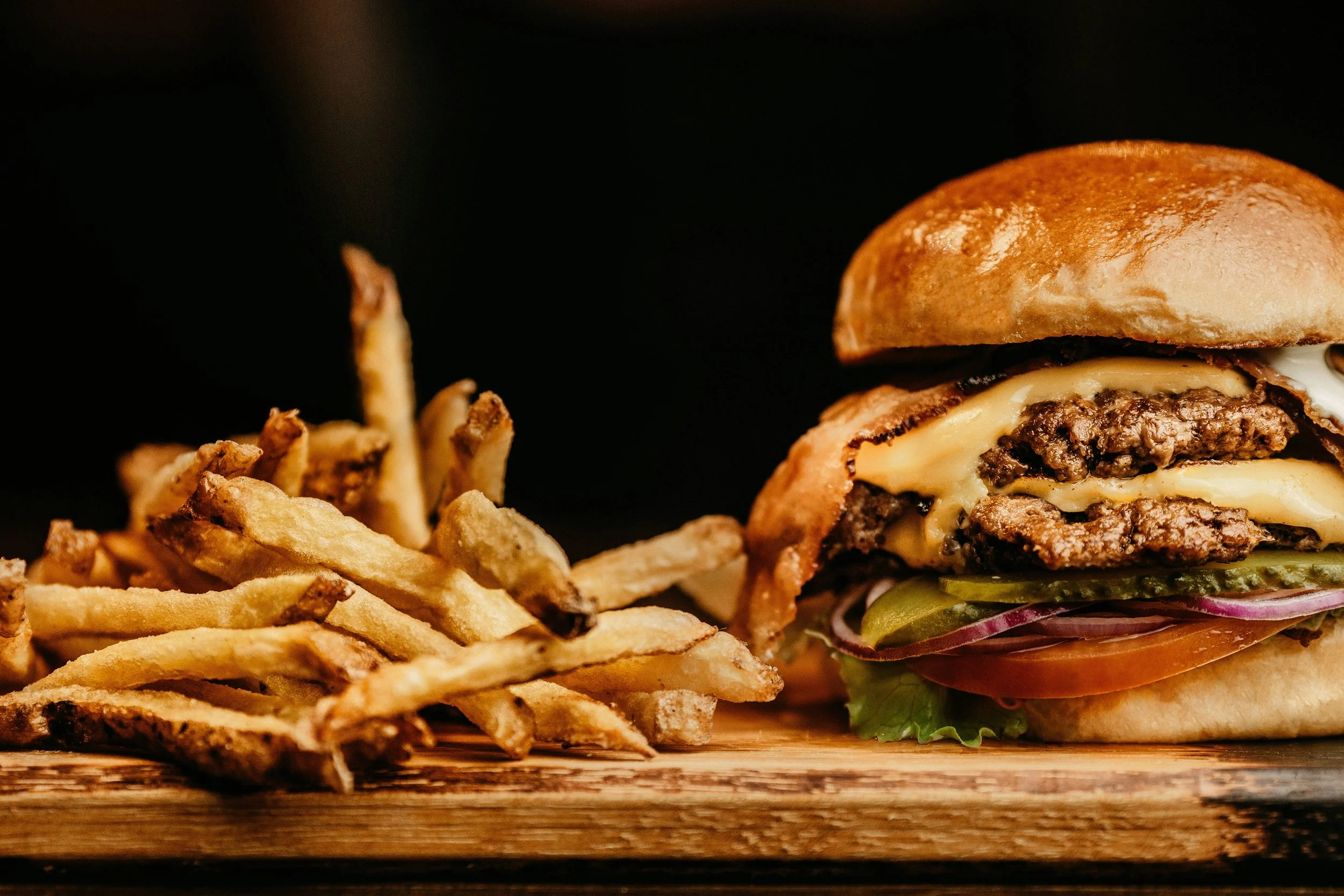
Photo by Jonathan Borba on Unsplash
If you have spent any time on social media lately, you have probably seen people wearing small white circles on their arms. These are Continuous Glucose Monitors (CGMs). Originally designed for people with diabetes, they are now being used by fitness enthusiasts to track how their blood sugar reacts to different foods.
This has led to a lot of fear around "glucose spikes." Many people are now afraid to eat an apple or a bowl of oatmeal because they are worried a spike in blood sugar will lead to instant fat storage or health problems. But it is time to clear the air: glucose spikes are not always the villain.
What is a Glucose Spike, Anyway?
When you eat carbohydrates, your body breaks them down into glucose (sugar), which enters your bloodstream to provide energy. A "spike" is simply a rapid rise in that sugar level. This is a natural, healthy process. If your blood sugar never rose, you would have no energy to walk, think, or lift weights.
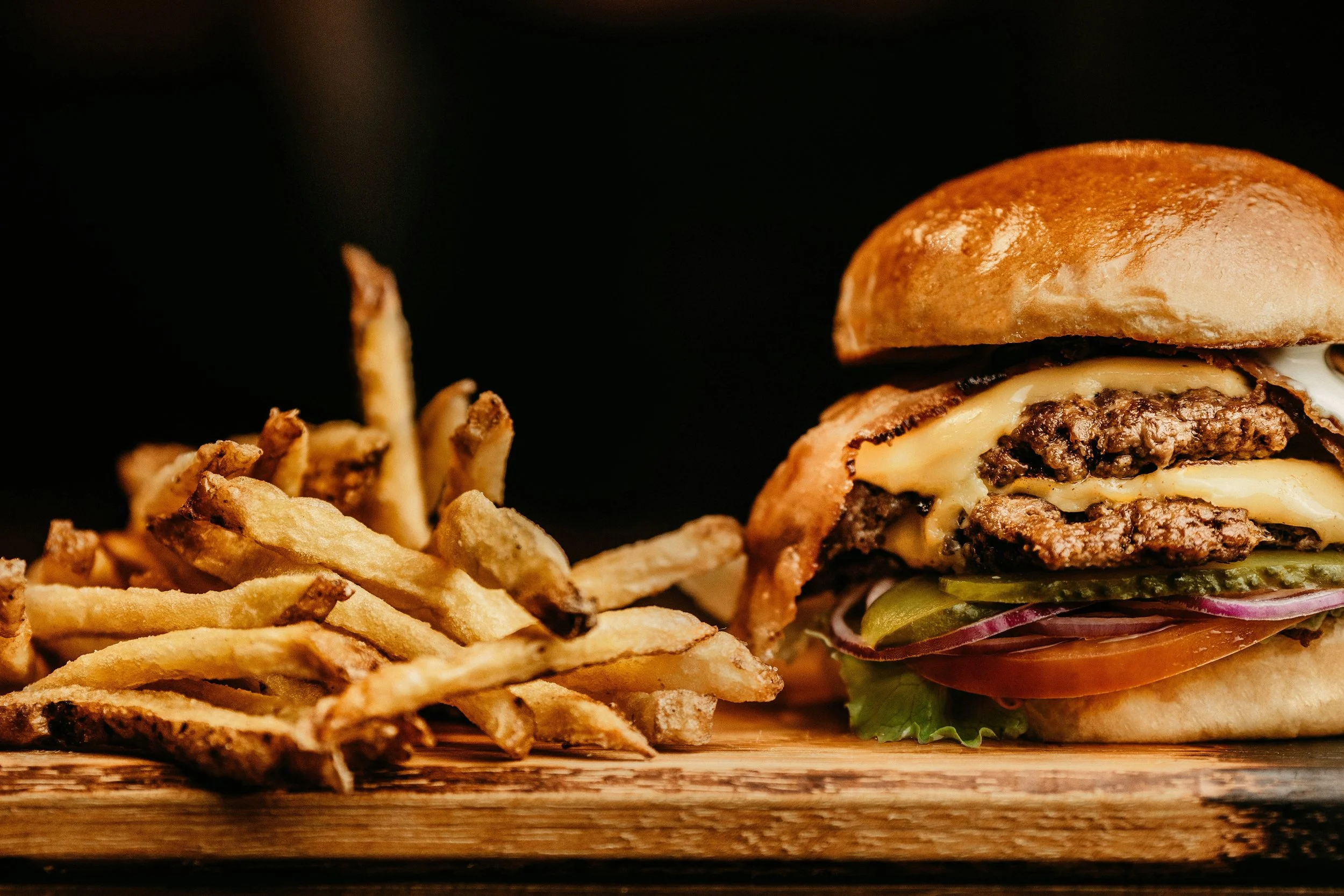
The problem isn't the spike itself; it is the uncontrolled roller coaster. When you eat "naked" carbs, like a sugary soda or a piece of white bread on its own, your blood sugar shoots up too fast and then crashes. This crash is what leaves you feeling shaky, hungry, and irritable.
The "Clothed Carb" Strategy
The secret to a healthy metabolism isn't avoiding carbs; it’s learning how to "clothe" them. Think of your carbohydrates as the "fuel" and your protein and fiber as the "insulation."
When you eat a carbohydrate by itself, the fuel burns hot and fast (a spike). But when you pair that carb with protein and fiber (the 4:1 ratio we’ve been discussing), you slow down the absorption. The fuel burns slowly and steadily, giving you energy for hours without the crash.
Why Context Matters
A glucose spike isn't a "one size fits all" event. Your body’s reaction depends on what you are doing.
The Sedentary Spike: If you eat a large bowl of pasta and then sit on the couch for four hours, that glucose has nowhere to go. Your body will likely store it as fat.
The Active Spike: If you eat that same pasta before a heavy lifting session or a long run, your muscles will soak up that glucose like a sponge and use it for performance.
In this case, the spike is actually your friend. It powers your workout and helps with recovery.
Three Ways to Flatten the Curve (Without Cutting Carbs)
Change the Order: Research shows that if you eat your vegetables (fiber) and your protein first, and save your carbohydrates for the end of the meal, you can reduce the glucose spike by up to 70%.
Add Acid: Adding a little vinegar to your salad or lemon juice to your water before a meal can help improve how your body handles the incoming sugar.
The Post-Meal Walk: Remember our talk about NEAT? A simple 10-minute walk after you eat allows your muscles to use that glucose immediately, preventing a massive spike and the subsequent "food coma."
Don’t Fear the Fruit
Lately, fruit has been getting a bad reputation because it contains sugar. But fruit is a whole food. It comes with built-in fiber and water, which naturally slows down the sugar absorption. Unless you are drinking fruit juice (which removes the fiber), an apple or a bowl of berries is a fantastic, healthy choice that your body knows exactly how to handle.
The Legacy View
At Legacy Fitness, we believe in using data to empower you, not to scare you. You don't need a monitor on your arm to tell you that you feel better when you eat balanced meals. Don't let the "glucose myth" make you afraid of healthy foods.
Focus on the 4:1 ratio. Pair your carbs with protein and fiber. Move your body after you eat. When you stop worrying about the "spikes" and start focusing on the "balance," you create a metabolism that is flexible, strong, and built to last.

Beans & Budgeting: High-Protein, High-Fiber Meals for Less
You don't need a massive salary to have a massive legacy. True fitness is about being resourceful.

This image was created using AI to avoid copyright issues while conveying the context of this article. (I couldn’t get it to fix the jar and lid situation going on here…lol)
In the fitness world, there is a common myth that eating healthy has to be expensive. We see influencers touting $15 smoothies, $40 grass-fed steaks, and exotic "superfoods" that require a second mortgage just to stock the pantry. By the middle of February, many people are tempted to quit their new habits simply because their grocery bill has skyrocketed.
But in 2026, the real "insider" secret to metabolic health isn't expensive, it is found in the humble, dry goods aisle. Welcome to the world of Beans & Budgeting.
If you want to hit your 4:1 protein-to-fiber ratio while keeping your bank account full, the bean is your best friend. It is the ultimate "dual-threat" food that builds muscle and feeds your gut without breaking the bank.
The Economic Power of the Legume
Let’s look at the math. A pound of dry black beans or lentils usually costs less than $2.00 and contains roughly 10 servings. Compare that to a pound of organic chicken breast or lean beef, which can range from $7.00 to $12.00.
While animal protein is an excellent tool for building muscle, using legumes as a "protein extender" or a primary base a few times a week can slash your food budget by 30% to 50%. In 2026, being "frugally fit" is the new status symbol. It shows you understand how to fuel your body efficiently without falling for the marketing traps of the "health food" industry.
The 4:1 Gold Standard in a Single Food
One of the hardest parts of nutrition is finding foods that naturally hit the balance we’ve been talking about all week. Most meats have zero fiber. Most vegetables have very little protein.
Beans, however, are nature’s perfect package.
Lentils: One cup provides about 18g of protein and 15g of fiber.
Black Beans: One cup provides about 15g of protein and 15g of fiber.
While these are higher in carbohydrates than a chicken breast, they are "complex" carbohydrates. Because they are packed with fiber, they don't cause the glucose spikes that white rice or pasta do. They keep you full, energized, and within your metabolic goals for pennies on the dollar.
How to Use Beans Without the "Side Effects"
The biggest complaint people have about beans is digestive discomfort. If you aren't used to high fiber, your gut bacteria need an "on-boarding" process.
Start Small: Don't eat a giant bowl of chili on day one. Add a quarter-cup of chickpeas to your regular salad or mix some lentils into your ground beef.
Rinse Thoroughly: If using canned beans, rinse them under cold water until the bubbles disappear. This removes the sugars that cause gas.
The "Soak and Simmer": If using dry beans, soak them overnight and cook them with a piece of seaweed (kombu) or ginger to help break down the difficult-to-digest starches.
Three Budget-Friendly "Legacy" Meals
The "Protein Extender" Taco: Mix one pound of lean ground beef with two cans of black beans. You’ve just doubled your meal prep for only an extra $2.00, and you’ve massively increased the fiber content.
Red Lentil "Dahl": Red lentils cook in just 15 minutes and turn into a creamy, satisfying porridge. Season with turmeric and ginger for an anti-inflammatory meal that costs about $0.50 per serving.
The Mediterranean Chickpea Bowl: Toss canned chickpeas with cucumbers, tomatoes, feta, and a little olive oil. It is a high-protein, high-fiber lunch that stays fresh in the fridge for days.
The Legacy View
At Legacy Fitness, we believe that health should be accessible to everyone. You don't need a massive salary to have a massive legacy. True fitness is about being resourceful. It’s about knowing that a bag of lentils and a rotisserie chicken can feed you better, and longer, than any expensive "meal replacement" shake.
This week, challenge yourself to a "Budget Day." Skip the expensive cuts of meat and lean into the power of the bean. Your wallet and your waistline will thank you.
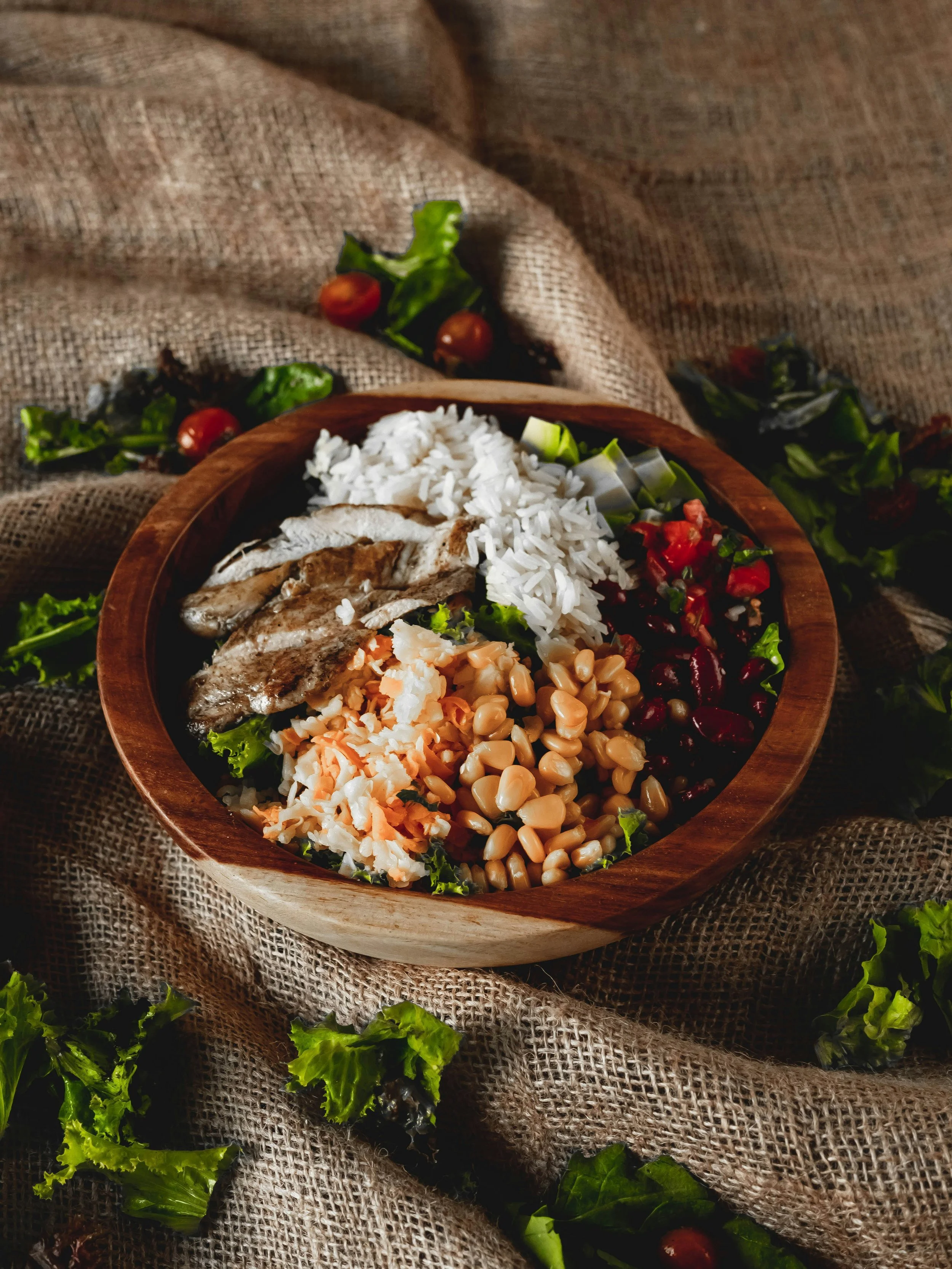
The Power Couple: Why Protein and Fiber are Better Together
If you are constantly hungry and tired, you can’t build a legacy of health. By mastering the Power Couple of protein and fiber, you take control of your biology.
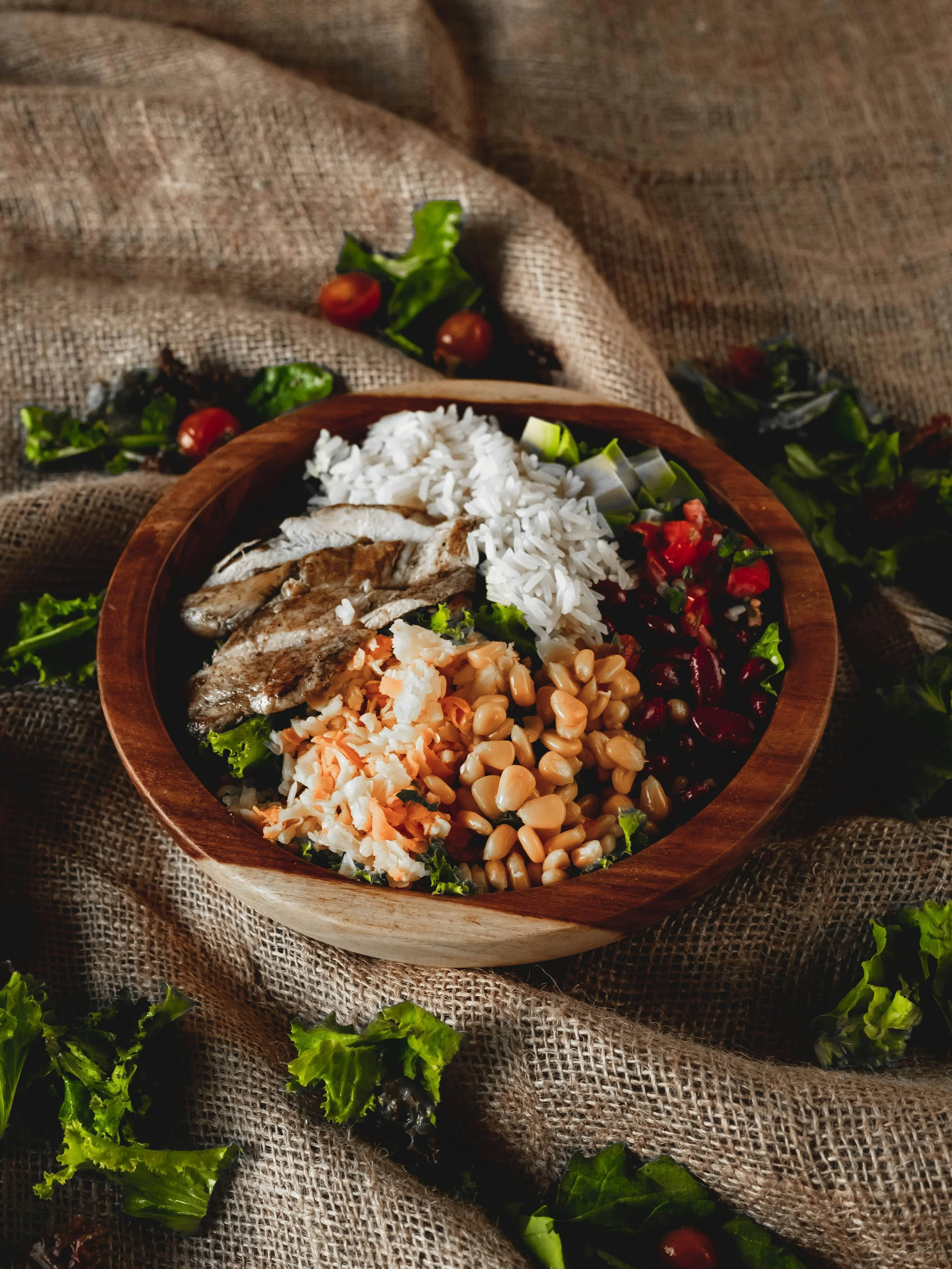
Photo by joe boshra on Unsplash
In the world of nutrition, we often talk about nutrients as if they work alone. We focus on "hitting our protein" or "getting our fiber" as separate tasks on a checklist. But in 2026, the most effective way to manage your weight and energy isn't just about the total amount of these nutrients, it is about the synergy between them.
Individually, protein and fiber are great. But when you eat them together in the same meal, they become a "Power Couple" that transforms your metabolic health. As we continue through our February focus on long-term habits, understanding this partnership is the key to making healthy eating feel effortless rather than like a chore.
The Science of the Synergy
To understand why they work so well together, we have to look at how your body processes them.
Protein is highly "thermogenic," meaning your body burns a lot of calories just trying to digest it. It also keeps your muscles fed and triggers "fullness" hormones in your gut. Fiber, on the other hand, provides physical bulk and slows down the speed at which food leaves your stomach.
When you combine them, you create a "slow-release" energy system. The fiber acts like a gatekeeper, ensuring that the amino acids from the protein and any carbohydrates in the meal enter your bloodstream at a steady, manageable pace. This prevents the "spike and crash" cycle that leads to brain fog and sugar cravings at 3:00 PM.
Flattening the Glucose Curve
One of the biggest health trends of 2026 is monitoring blood sugar (glucose) levels. Even if you aren't diabetic, large spikes in blood sugar can lead to increased fat storage and inflammation.
Eating a carbohydrate (like a piece of fruit or a slice of toast) by itself causes a sharp spike in glucose. But when you "clothe" those carbs with the Power Couple of protein and fiber, you flatten that curve. This is why a snack of an apple (fiber) and string cheese (protein) is infinitely better for your fat-loss goals than eating the apple alone.
The Satiety "Double Whammy"
Hunger is the number one reason people quit their fitness plans in February. Most people try to fight hunger with willpower, but willpower is a limited resource. The Power Couple fights hunger with biochemistry.
Protein tells your brain you are satisfied chemically.
Fiber tells your stomach you are full physically.
When you hit both of these signals at the same time, your "hunger switch" stays off for much longer. This allows you to go from meal to meal without feeling like you are starving, which makes choosing healthy options much easier.
Practical "Power Couple" Pairings
You don't need a complicated recipe book to use this strategy. You just need to look for opportunities to pair a lean protein with a high-fiber plant.
The Breakfast Swap: Instead of just eggs (protein), add a side of black beans (fiber) or half an avocado.
The Lunch Upgrade: Instead of a chicken salad with just lettuce, add chickpeas or lentils (fiber) to your chicken (protein).
The Snack Fix: Instead of a protein shake, blend that protein powder with a tablespoon of ground flaxseeds or psyllium husk (fiber).
The Dinner Strategy: Instead of steak and a potato, try steak (protein) and a double serving of roasted Brussels sprouts or asparagus (fiber).
The 4:1 Goal in Action
As we’ve discussed throughout the week, aiming for a 4:1 or 5:1 Protein-to-Fiber ratio is the "Gold Standard." By ensuring that every time you reach for protein, you also reach for a little bit of fiber, you are training your body to be metabolically flexible. You are teaching your system to burn fuel steadily rather than constantly looking for the next "sugar hit."
The Legacy View
At Legacy Fitness, we believe that "food is fuel," but it’s also the foundation of your daily experience. If you are constantly hungry and tired, you can’t build a legacy of health. By mastering the Power Couple of protein and fiber, you take control of your biology.
This week, don't let your protein travel alone. Give it a partner. Every time you have a meal, ask yourself: "Where is my protein, and where is my fiber?" When you find that balance, you find the secret to lasting consistency.
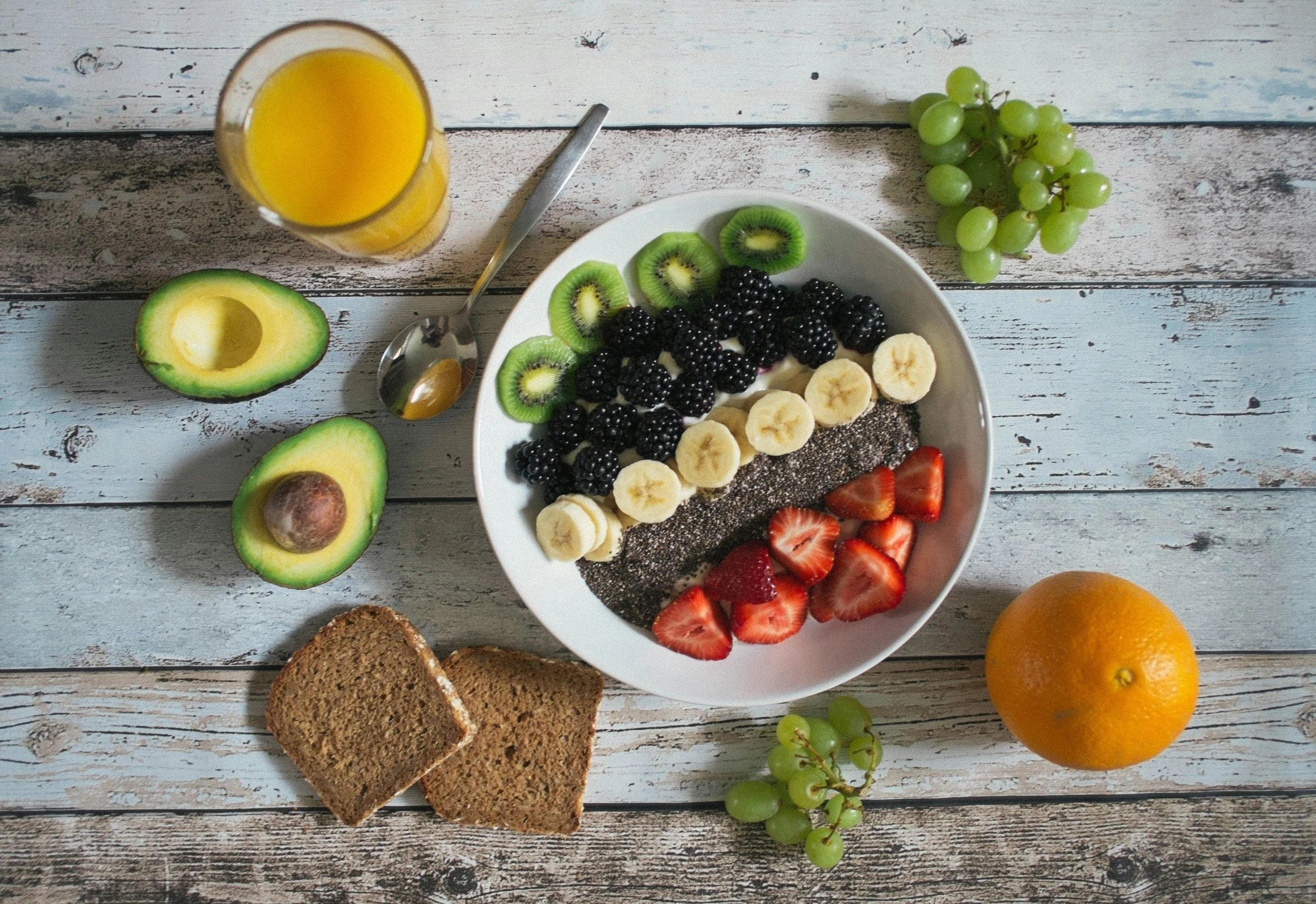
Fibermaxxing 101: Why Fiber is the New Protein for 2026
Gut health is the foundation of almost everything from your mood and brain clarity to how your body stores fat. Fiber acts like a "scrubbing brush" for your insides, but more importantly, it helps regulate GLP-1
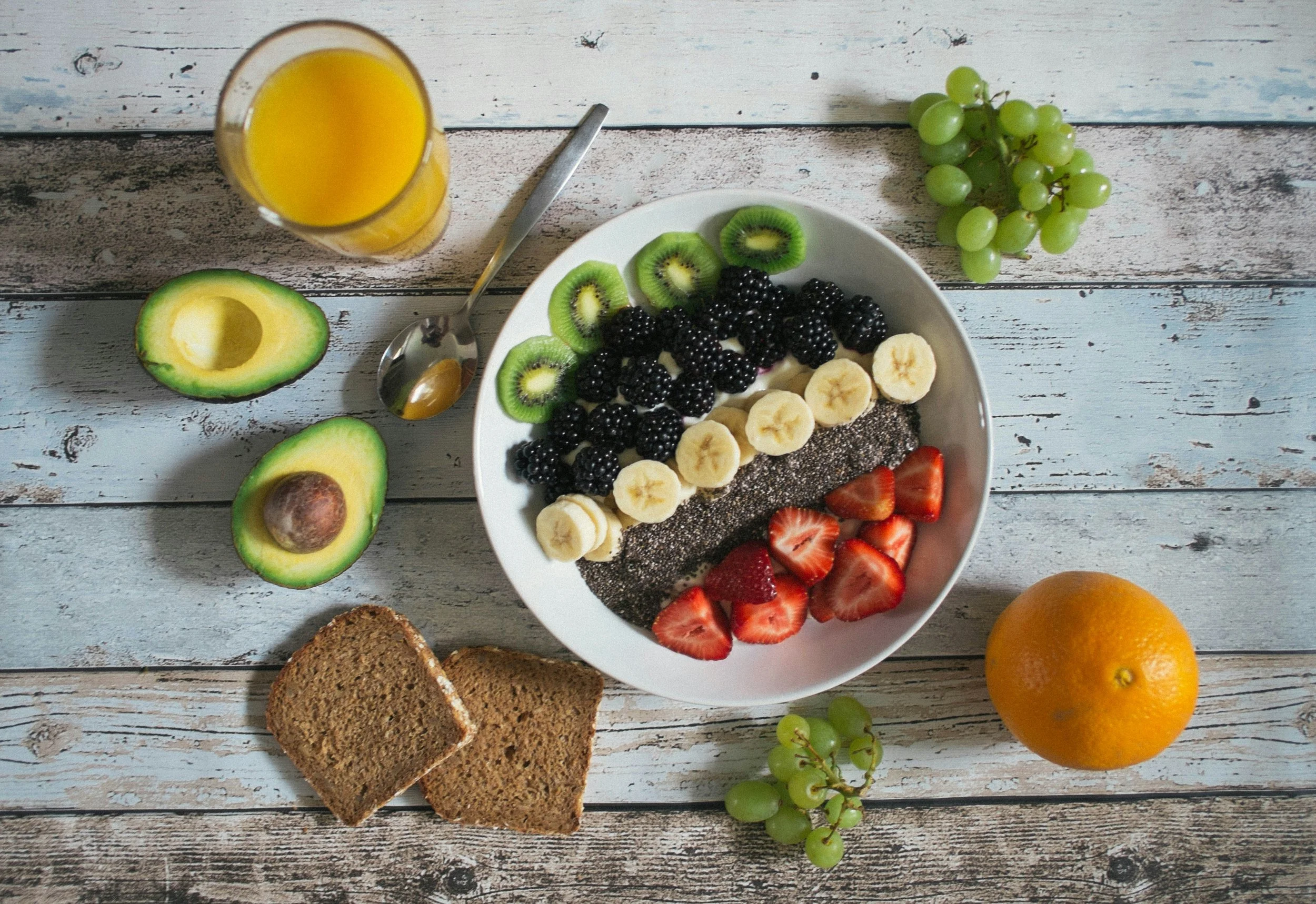
Photo by Jannis Brandt on Unsplash
For years, protein has been the undisputed king of the fitness world. We’ve been told to drink shakes, eat bars, and center every meal around a lean animal source. While protein is still vital for building muscle, there is a new heavy hitter in the nutrition space that is taking over the conversation in 2026.
Welcome to the era of "Fibermaxxing."
If you want to optimize your metabolism, flatten your glucose spikes, and finally feel "naturally full," fiber is the missing link. As we kick off the second week of February, we are diving deep into why fiber is no longer just something your grandparents worry about, it is the ultimate performance tool for the modern athlete.
What is Fibermaxxing?
"Fibermaxxing" is the intentional practice of maximizing your fiber intake to improve metabolic health and digestive efficiency. In a world of processed "keto" snacks and "high-protein" junk food, our gut microbiomes have become starved for real, complex plant fibers.
Fiber is a type of carbohydrate that your body cannot digest. While that might sound useless, it is actually its greatest strength. Because it passes through your system undigested, it provides bulk, slows down the absorption of sugar, and feeds the beneficial bacteria in your gut.
The 2026 Longevity Secret
In 2026, we’ve realized that gut health is the foundation of almost everything from your mood and brain clarity to how your body stores fat. Fiber acts like a "scrubbing brush" for your insides, but more importantly, it helps regulate GLP-1, a hormone that signals to your brain that you are full.
By "fibermaxxing," you are essentially giving your body a natural version of the satiety signals that people are currently seeking through expensive medications. When your fiber intake is high, your hunger levels stay low, making it much easier to maintain your February fitness goals.
Soluble vs. Insoluble: Know Your Tools
To be a pro at Fibermaxxing, you need to understand the two types of fiber:
Soluble Fiber: This turns into a gel-like substance in your gut. It’s found in oats, beans, and apples. It’s the "metabolic anchor" we’ve discussed, slowing down digestion and lowering cholesterol.
Insoluble Fiber: This is the "bulker." It’s found in whole grains and vegetables. It keeps things moving through your digestive tract and prevents the heavy, bloated feeling that often comes with high-protein diets.
How to "Fibermaxx" Safely
If you currently eat very little fiber, do not try to hit 50 grams tomorrow. Your digestive system needs time to adapt. If you go too fast, you will experience bloating and discomfort. Follow the "Low and Slow" rule:
Add 5 grams a week: Start by adding one extra serving of berries or a handful of leafy greens to your daily routine.
Hydrate, Hydrate, Hydrate: Fiber needs water to move through your system. If you increase fiber without increasing water, you’ll feel like you swallowed a brick.
The 4:1 Rule: Remember our goal of 1 gram of fiber for every 4-5 grams of protein. This ensures your high-protein diet doesn't "clog the pipes."
The Best Sources for 2026
Fibermaxxing isn't about eating cardboard. It’s about choosing nutrient-dense, delicious whole foods. Some of the best "bang for your buck" sources include:
Chia Seeds: Two tablespoons pack a massive 10 grams of fiber.
Raspberries: One cup gives you 8 grams and is low in sugar.
Lentils and Beans: These are the ultimate dual-threat, providing both high protein and high fiber.
Avocado: Half an avocado provides about 7 grams of healthy fats and fiber.
The Legacy View
At Legacy Fitness, we stay ahead of the curve. We know that fitness isn't just about how you look in the mirror; it’s about how your internal "engine" is running. Fiber is the fuel for a healthy gut, a steady mind, and a lean body.
This week, challenge yourself to look beyond the protein label. Start "Fibermaxxing" by adding one more plant-based fiber source to every meal. Your gut, your energy levels, and your waistline will thank you.

The P:F Ratio: Your New Secret Weapon for Fullness
This week, look at your plate. Do you have your protein? Is it anchored by fiber?

This image was created with AI to avoid copyright issues while conveying the context of this article.
If you have ever finished a large meal only to feel hungry again an hour later, you have experienced a "satiety gap." In the past, people focused solely on calories to lose weight. Then, the trend shifted to focusing only on protein. But in 2026, the most successful fitness enthusiasts are looking at a different metric: The P:F Ratio.
P:F stands for the Protein-to-Fiber Ratio. This simple math trick is the secret weapon for anyone who wants to feel full, stay lean, and stop the constant "pantry grazing" that often ruins fitness goals in February.
The Problem with "Empty" Protein
Protein is essential for building muscle and keeping you full, but protein alone isn't always enough. Have you ever eaten a plain chicken breast and felt "full" but still unsatisfied? That is because your digestive system also needs bulk and slow-digesting nutrients to tell your brain that the meal is over.
On the other hand, if you eat a bowl of pasta, you might feel very full for twenty minutes, but because it lacks protein and fiber, your blood sugar spikes and then crashes. This leaves you tired and looking for a sugary snack by mid-afternoon.
Why Fiber is the "Other Half" of the Equation
Fiber is often called the "forgotten nutrient." It doesn't build muscle like protein does, but it does something equally important: it slows down digestion. When you eat fiber, it expands in your stomach and slows the rate at which food enters your bloodstream.
When you combine high protein with a strategic amount of fiber, you create a "metabolic anchor." This combination keeps your blood sugar steady and ensures that the energy from your food lasts for hours instead of minutes.
How to Calculate the P:F Ratio
You don't need a calculator or a degree in nutrition to use this secret weapon. In 2026, health experts suggest aiming for a 4:1 or 5:1 ratio of protein to fiber. This means for every 4 or 5 grams of protein on the label, you want at least 1 gram of fiber.
This is the "Sweet Spot" for satiety. It provides enough fiber to slow down digestion without causing the bloating or discomfort that comes from overdoing it too quickly.
The "Bad" Snack: A processed protein bar with 20g of protein but 0g of fiber. This is a 20:0 ratio—you’ll be hunting for more food in thirty minutes.
The "Great" Snack: A serving of Greek yogurt (20g protein) paired with a handful of raspberries (5g fiber). This is a perfect 4:1 ratio. You will feel energized and satisfied until your next meal.
Simple Swaps for a Better Ratio
Improving your P:F ratio doesn't mean you have to change what you eat entirely. It just means you need to "clothe" your protein with a little bit of fiber.
At Breakfast: If you love eggs (high protein), add a half-cup of sautéed spinach or a few slices of avocado (fiber).
At Lunch: If you’re having a turkey wrap, ensure the tortilla is whole-grain or sprouted (fiber) rather than white flour.
At Dinner: If you’re having a lean steak or chicken, make sure half your plate is filled with colorful vegetables like roasted Brussels sprouts or broccoli.
The "Fullness" Advantage in February
February is a tricky month. The weather is often cold, and we naturally crave "comfort foods" that are usually high in carbs and low in nutrients. By focusing on a 4:1 P:F ratio, you can still eat satisfying, hearty meals without the weight-gain "side effects."
When you are physically full because of the protein-fiber synergy, you have more willpower. It is much easier to say "no" to the office donuts or the late-night ice cream when your body is actually satisfied from your last meal.
The Legacy View
At Legacy Fitness, we want to move away from "starvation diets." We believe in fueling your body so that it performs at its best. Learning the P:F ratio is like learning a new language for your health. Once you start seeing food in terms of how it makes you feel and how long it keeps you full, you’ll never go back to mindless calorie counting again.
This week, look at your plate. Do you have your protein? Is it anchored by fiber? If you hit that 4:1 mark, you have a winning legacy.
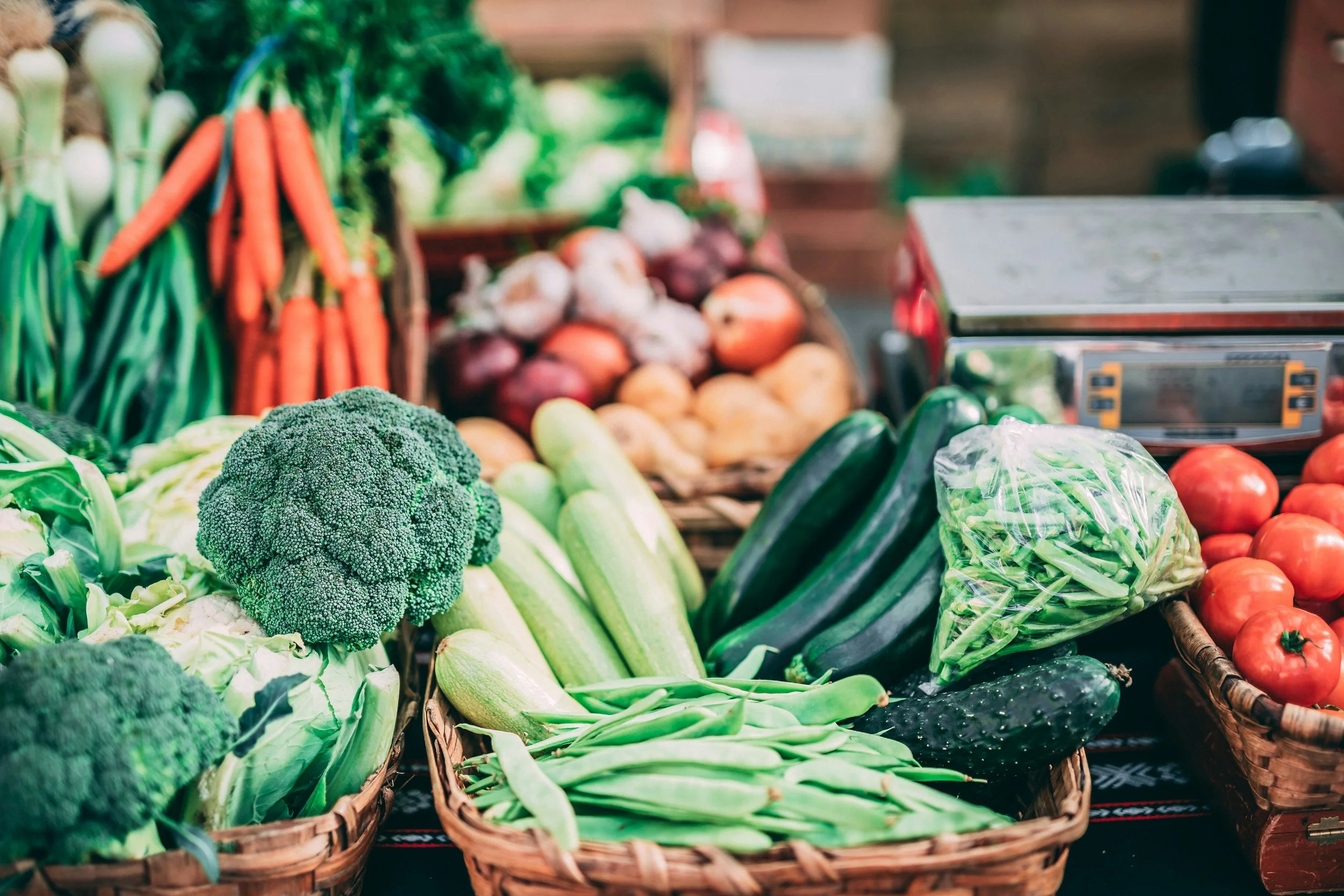
Fiber: The Unsung Hero of Weight Management
If protein is the "builder" of your body, fiber is the "manager." It manages your hunger, your digestion, and your blood sugar.
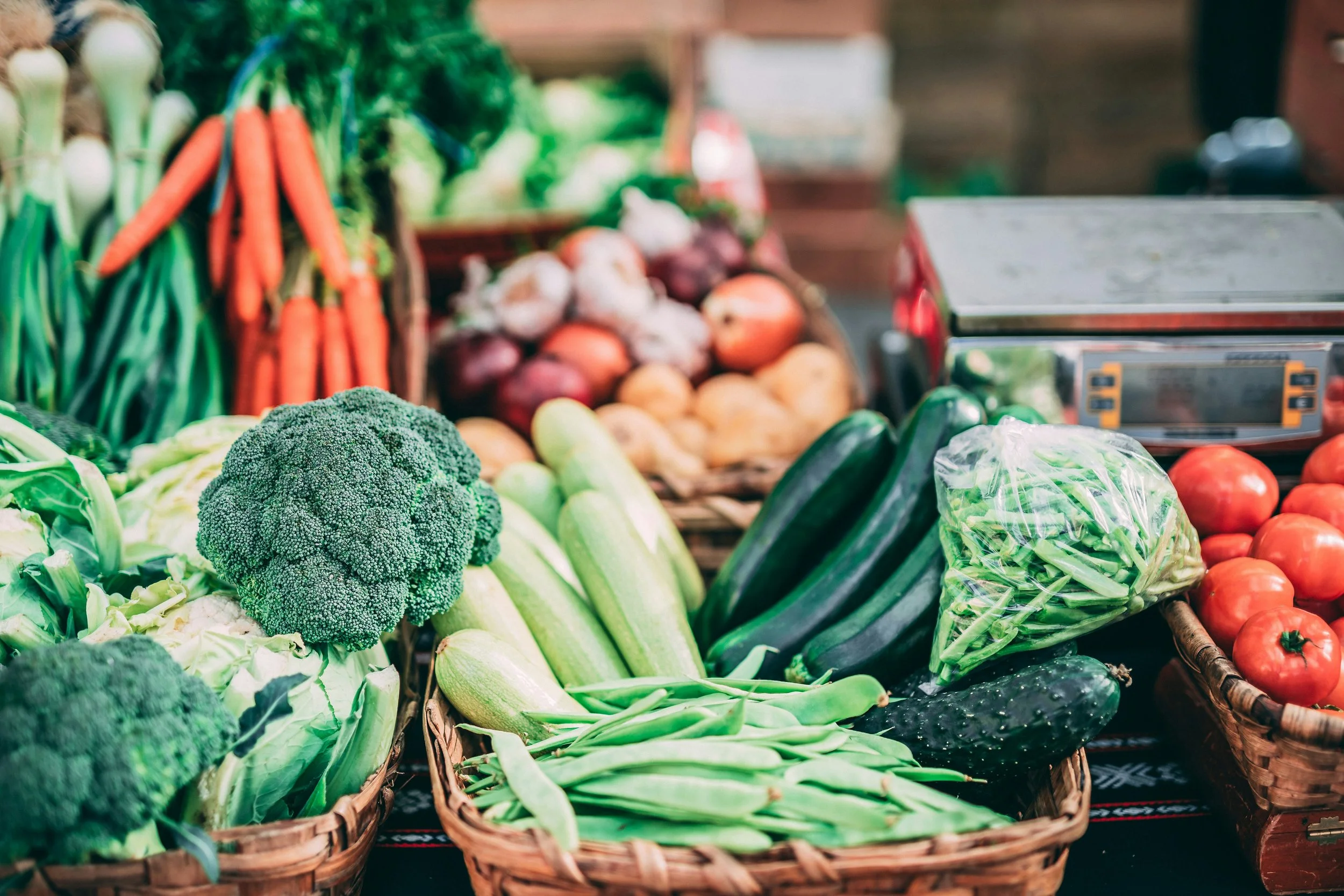
Photo by Iñigo De la Maza on Unsplash
In the world of nutrition, protein gets all the glory. We see "high protein" labels on everything from cereal to ice cream. While protein is very important for building muscle, there is another nutrient that is just as important, but much less famous. That nutrient is fiber. If protein is the "builder" of your body, fiber is the "manager." It manages your hunger, your digestion, and your blood sugar.
As we move through January, many people are struggling with hunger as they try to eat better. The secret to staying full without overeating isn't willpower; it is fiber. In 2026, the most successful nutrition plans are focusing on "Fiber Density" to help people reach their goals without the "starvation" feeling.
What is Fiber Exactly?
Fiber is a type of carbohydrate that your body cannot digest. Most carbs are broken down into sugar molecules, but fiber passes through your system relatively untouched. It comes in two types:
Soluble Fiber: This turns into a "gel" in your stomach. it slows down digestion, which helps you feel full longer and lowers your cholesterol.
Insoluble Fiber: This adds "bulk" to your stool and helps things move through your digestive tract. It is the "broom" that keeps your gut clean.
Because your body can't digest fiber, it doesn't provide many calories. However, it takes up a lot of space in your stomach. This is the "Fullness Hack" that most people are missing.
The "Volume" Trick
Imagine eating a tablespoon of olive oil. That is about 120 calories, but it won't make you feel full at all. Now, imagine eating two large heads of broccoli. That is also about 120 calories, but you would be incredibly stuffed! That is the power of fiber and volume.
When you eat high-fiber foods like beans, lentils, berries, and leafy greens you are stretching the walls of your stomach. This sends a signal to your brain that says, "We are full, you can stop eating now." If you find yourself wanting to snack an hour after lunch, it is usually because your meal was low in fiber. By adding just one cup of black beans or a large salad to your lunch, you can often stay full until dinner.
Fiber and Your "Second Brain"
In an earlier article, we talked about the Gut-Brain connection. Your gut bacteria (your microbiome) actually "eat" fiber. When you feed them enough fiber, they produce short-chain fatty acids. These are special chemicals that reduce inflammation in your body and even help your brain regulate your appetite.
When you don't eat enough fiber, your "good" bacteria starve. This can lead to cravings for sugar and processed foods because your gut environment is out of balance. By eating more fiber, you are literally training your gut to want healthier foods.
How to Boost Your Fiber (Without the Gas!)
The biggest mistake people make is trying to go from "zero to sixty" with fiber. If you don't eat much fiber now and you suddenly eat a giant bowl of beans, you will probably feel bloated and uncomfortable. Your gut needs time to adjust.
The "Slow and Steady" Rule: Add about 5 grams of fiber to your daily total each week. Start by swapping white bread for whole-grain bread, or adding a handful of raspberries to your morning yogurt.
The Hydration Rule: Fiber needs water to work! If you increase your fiber but don't increase your water, you might get constipated. Think of fiber like a sponge; it needs to be wet to move smoothly.
The "Bean" Strategy: Lentils and chickpeas are fiber superstars. Try adding them to soups, salads, or even smoothies (you won't even taste them!) to boost your "manager" nutrient.
The Legacy of a Full Belly
Weight management doesn't have to be a battle against hunger. By focusing on fiber, you are working with your body's natural signals instead of against them. This January, stop focusing on what you need to "remove" from your diet and start focusing on what you can "add." Add fiber, add volume, and add water. You’ll find that the "cravings" start to take care of themselves.

The "Pre-Game" Strategy: 3 Things to Do Before a Holiday Party to Stay on Track
December is a minefield of delicious, high-calorie food and drinks. You don't need to skip the holidays to stay healthy. You just need a strategy.

This image was created using AI to avoid copyright issues while still conveying the meaning of this article.
December is a minefield of delicious, high-calorie food and drinks. When you walk into a holiday party, the environment is perfectly designed to lead you off track. There are trays of treats, open bars, and people telling you, "Just have one!"
If you rely on willpower alone, you will fail. Willpower is a limited resource that gets drained quickly by stress and social pressure.
At Legacy Fitness & Nutrition, we recommend using a "Pre-Game" Strategy—a simple, proactive plan that stacks the odds in your favor before you even leave the house. This shifts your focus from reacting (and resisting temptation) to executing a simple, proven plan.
Here are the three non-negotiable steps in your Holiday Party Pre-Game Playbook:
1. The Fiber & Protein Armor
The biggest mistake people make is going to a party hungry, thinking, "I saved all my calories for this." As we discussed with the "Small Plate Trap" (Article 5), this guarantees a massive overeat.
The goal is to feel satisfied, not stuffed, before you arrive. This gives you the mental clarity and physical fullness required to be choosy.
Pre-Game Meal: 60 minutes before the party, eat a small snack that is high in fiber and protein.
Examples: A scoop of protein powder mixed with water, a Greek yogurt, or a handful of almonds with a piece of fruit.
Why it Works: This snack triggers the release of fullness hormones (leptin) and stabilizes your blood sugar. When you walk into the party, you are there to socialize, not to devour the snack table.
2. The Hydration Shield (The "One-to-One" Rule)
Holiday parties almost always involve alcohol or sugary drinks. As we covered in Article 7, alcohol is dehydrating and can rapidly lower your inhibitions, making it much harder to stick to your food plan.
Pre-Game Action: Before you leave, drink a full 16-ounce glass of water. If you plan to drink alcohol at the party, commit to the "One-to-One" Rule while you are there: for every alcoholic beverage you consume, you immediately follow it with one full glass of water.
Why it Works: The pre-game water provides a buffer against dehydration. The "One-to-One" rule forces you to slow down your drinking and keeps you hydrated, mitigating the negative effects of alcohol on your judgment and mood.
3. The Exit Strategy & Conversation Plan
Willpower often runs out about 90 minutes into a party. The longer you stay, the higher the chances of making poor choices. You need a behavioral plan for arrival and departure.
The Conversation Plan: Decide on your three talking points before you go. This focuses your brain on the social interaction rather than scanning the food table. Be ready with polite phrases if someone pushes food on you: "That looks amazing! I'm actually just finishing a small snack right now, but maybe later."
The Exit Strategy (The 90-Minute Rule): Decide on a specific time (e.g., 90 minutes after arrival) when you will leave, or a specific event (e.g., "After the gift exchange"). Tell someone you came with, "I have to leave at 8:30." This creates accountability.
Why it Works: You are shifting your focus from food to people. By knowing your exit time, you can be present, enjoy the party, and leave before the temptation becomes too strong.
You don't need to skip the holidays to stay healthy. You just need a strategy. By executing these three simple "Pre-Game" steps, you take control of the environment and build your legacy of consistent health, even during the chaos of December.
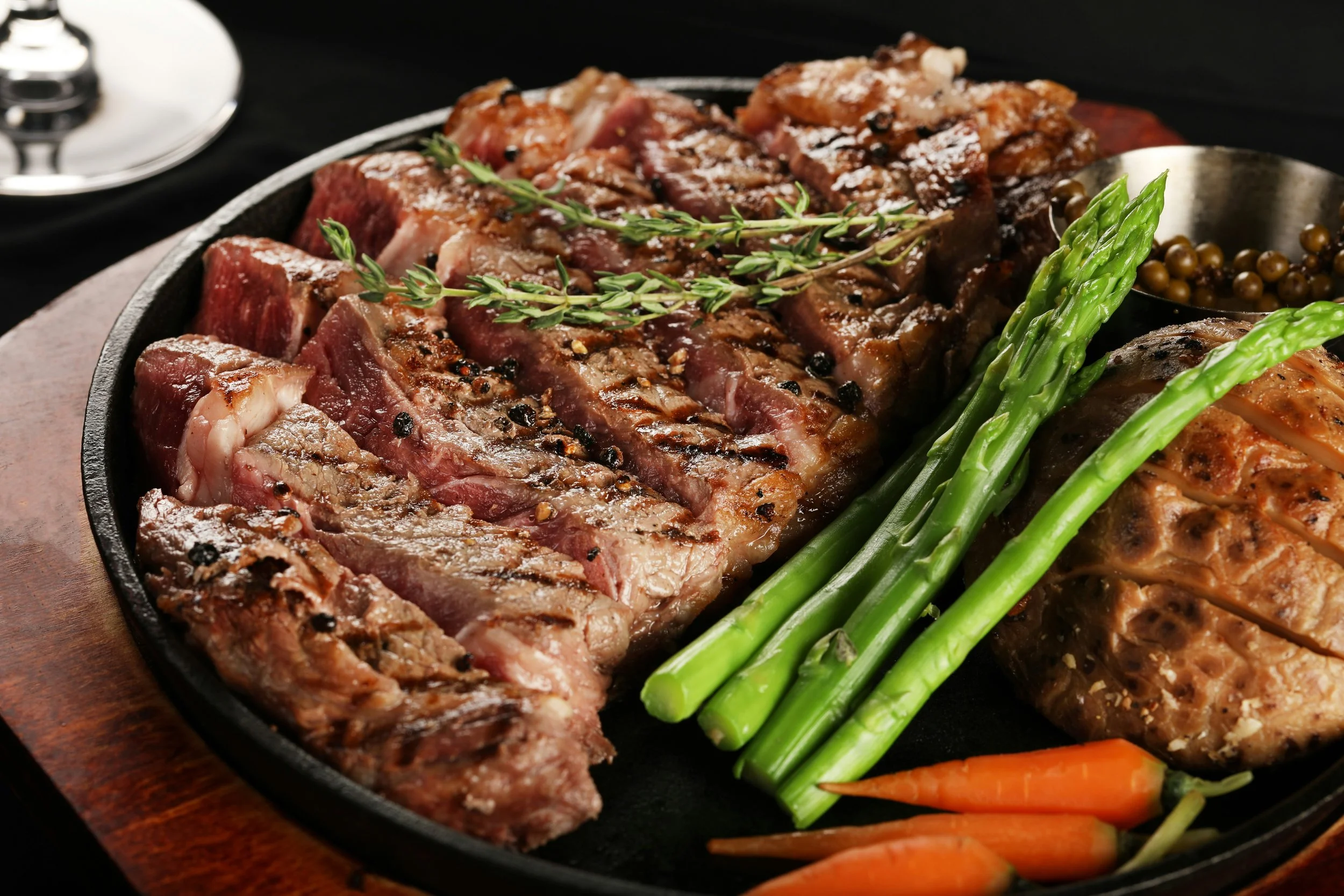
The "Small Plate" Trap: Why Restricting Food Now Makes January Harder
The belief is that restriction now will lead to success later. The reality is that extreme or sudden restriction in usually does two things that actively work against your success.
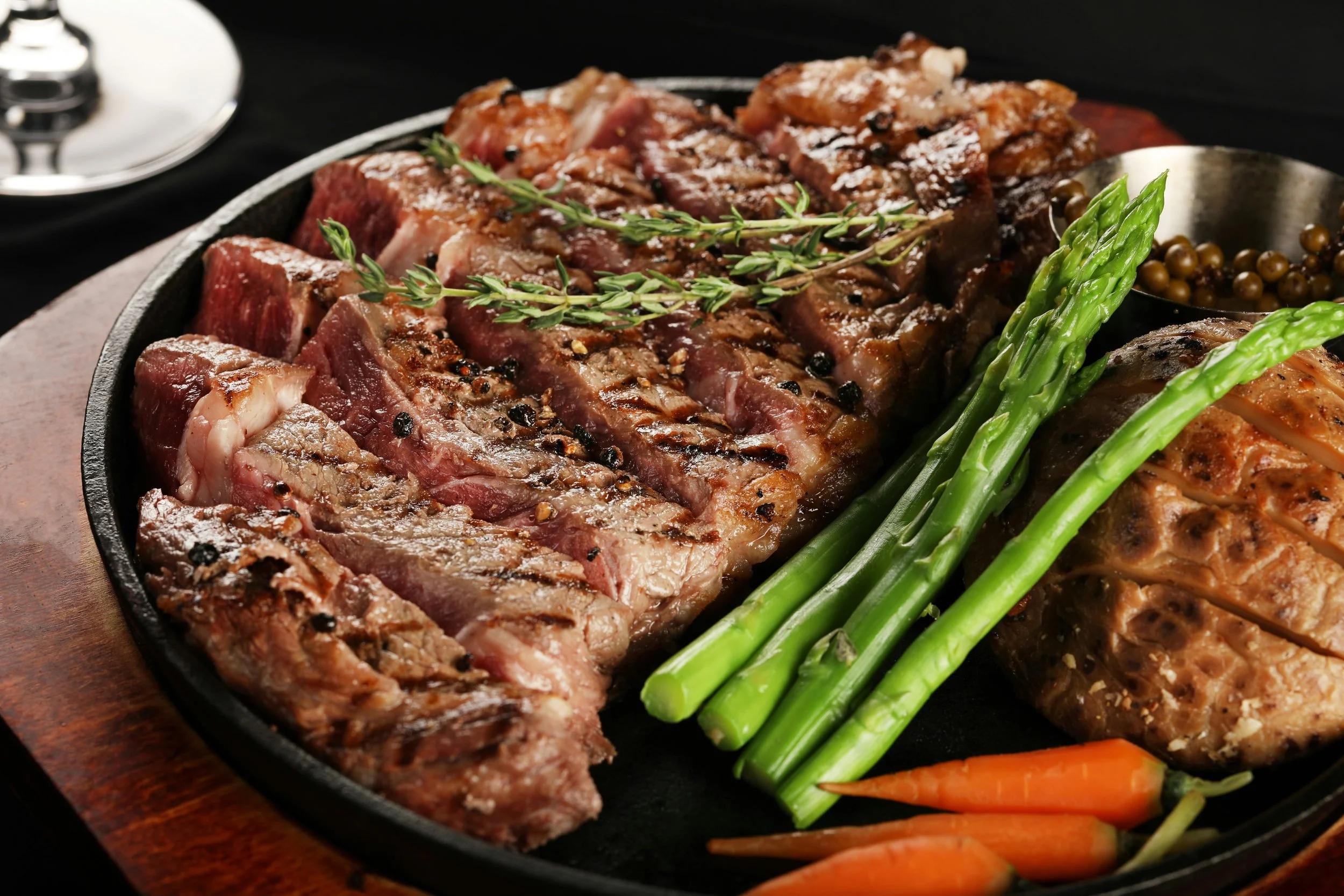
Photo by Loija Nguyen on Unsplash
As December begins, you might be thinking: "I’m going to eat light now to ‘save’ calories for the holiday parties," or "I need to start restricting my portions now so I can kick off my diet hard in January."
This is a very common approach, but it is one of the biggest pitfalls we see at Legacy Fitness & Nutrition. We call it the "Small Plate" Trap.
The belief is that restriction now will lead to success later. The reality is that extreme or sudden restriction in December usually does two things that actively work against your New Year's success:
It cranks up your cravings: You create an emotional and physical hunger that makes you more likely to overeat when you finally see that holiday buffet.
It sets a terrible precedent for January: You are teaching your body that the only way to manage weight is through severe restriction, which is a miserable and unsustainable approach.
If you want to build a lasting legacy of health, you need to focus on addition and quality right now, not subtraction and starvation.
The Physical Fallout: Why You Get Hungrier
When you suddenly cut your food intake too low, your body reacts with survival mechanisms that are much stronger than your willpower:
Hormone Shift: Your body releases ghrelin (the "hunger hormone") and drops leptin (the "fullness hormone"). This makes you feel constantly starving, not just physically, but mentally preoccupied with food.
Energy Crash: Too few calories, especially carbs, means your brain is running low on fuel. You feel tired, irritable, and completely unable to focus on work, family, or your workouts.
The Binge Trigger: When you feel deprived, the sight of a holiday cookie or a rich dish triggers an intense, primal urge to eat everything you restricted yourself from. The restriction leads directly to the loss of control.
You are essentially showing up to the holiday party with a starved brain, guaranteed to overeat.
Focus on Addition, Not Subtraction
The successful strategy for December is to maintain consistent eating habits centered around high-quality foods that provide maximum satiety (the feeling of being full and satisfied).
Here are three ways to focus on addition instead of the "Small Plate" Trap:
1. Add Protein to Every Meal (The Satiety Shield)
Protein is the single most important nutrient for controlling hunger. It takes longer to digest and signals to your brain that you are full. Instead of taking less of everything, make a point of adding a solid source of protein to breakfast, lunch, and dinner.
Instead of: Toast for breakfast.
Do This: Eggs or Greek yogurt with your toast.
Result: You stay full for hours, reducing the chance of grazing on holiday treats between meals.
2. Add Fiber-Rich Vegetables (The Volume Boost)
Fiber adds volume to your meals with minimal calories, helping you feel full and supporting healthy digestion. Before you worry about the size of your plate, worry about the content.
Instead of: Just rice and meat for dinner.
Do This: Fill half your plate with salad, steamed broccoli, or roasted greens first.
Result: You eat a large volume of filling, nutrient-dense food, leaving less space and less desire for extra heavy portions.
3. Add Movement (The Energy Generator)
If you restrict food, you feel too tired to move. If you focus on quality nutrition and feel energized, you naturally want to be more active. Instead of using food restriction to manage your weight, use a consistent movement routine. That consistency will naturally lead to better food choices because you won't want to "waste" your workout.
Building a Legacy of Balance
The Small Plate Trap is based on the idea of suffering now for a reward later. The Legacy Fitness philosophy is about creating sustainable balance now for a healthy life forever.
By focusing on adding high-quality protein and fiber, you manage hunger, boost energy, and teach your body that consistency means quality fuel, not starvation. This sets you up for an empowering, balanced, and highly successful January.