
The Glucose Spiking Myth: Understanding the "Carb Curve"
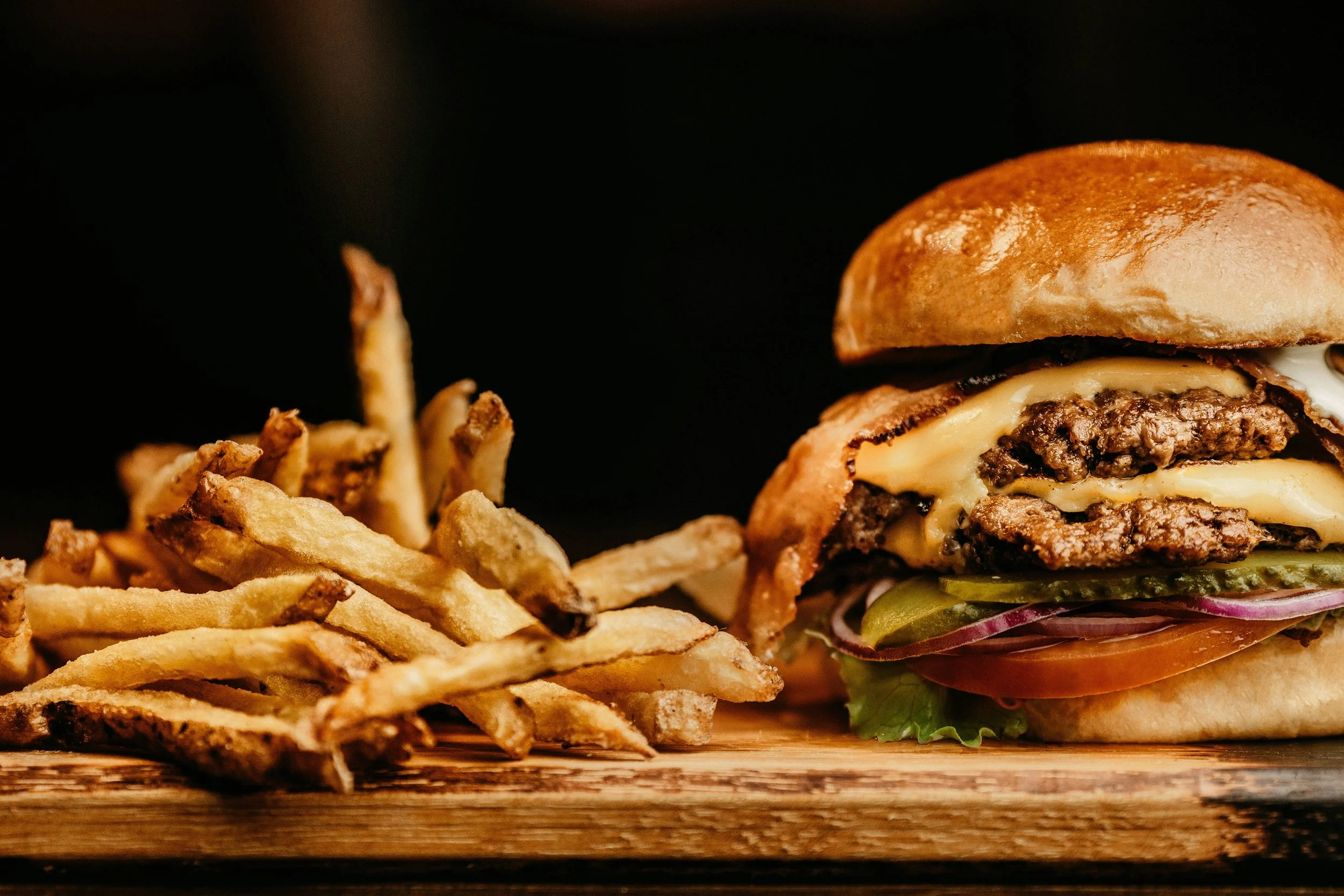
Photo by Jonathan Borba on Unsplash
If you have spent any time on social media lately, you have probably seen people wearing small white circles on their arms. These are Continuous Glucose Monitors (CGMs). Originally designed for people with diabetes, they are now being used by fitness enthusiasts to track how their blood sugar reacts to different foods.
This has led to a lot of fear around "glucose spikes." Many people are now afraid to eat an apple or a bowl of oatmeal because they are worried a spike in blood sugar will lead to instant fat storage or health problems. But it is time to clear the air: glucose spikes are not always the villain.
What is a Glucose Spike, Anyway?
When you eat carbohydrates, your body breaks them down into glucose (sugar), which enters your bloodstream to provide energy. A "spike" is simply a rapid rise in that sugar level. This is a natural, healthy process. If your blood sugar never rose, you would have no energy to walk, think, or lift weights.
The problem isn't the spike itself; it is the uncontrolled roller coaster. When you eat "naked" carbs, like a sugary soda or a piece of white bread on its own, your blood sugar shoots up too fast and then crashes. This crash is what leaves you feeling shaky, hungry, and irritable.
The "Clothed Carb" Strategy
The secret to a healthy metabolism isn't avoiding carbs; it’s learning how to "clothe" them. Think of your carbohydrates as the "fuel" and your protein and fiber as the "insulation."
When you eat a carbohydrate by itself, the fuel burns hot and fast (a spike). But when you pair that carb with protein and fiber (the 4:1 ratio we’ve been discussing), you slow down the absorption. The fuel burns slowly and steadily, giving you energy for hours without the crash.
Why Context Matters
A glucose spike isn't a "one size fits all" event. Your body’s reaction depends on what you are doing.
The Sedentary Spike: If you eat a large bowl of pasta and then sit on the couch for four hours, that glucose has nowhere to go. Your body will likely store it as fat.
The Active Spike: If you eat that same pasta before a heavy lifting session or a long run, your muscles will soak up that glucose like a sponge and use it for performance.
In this case, the spike is actually your friend. It powers your workout and helps with recovery.
Three Ways to Flatten the Curve (Without Cutting Carbs)
Change the Order: Research shows that if you eat your vegetables (fiber) and your protein first, and save your carbohydrates for the end of the meal, you can reduce the glucose spike by up to 70%.
Add Acid: Adding a little vinegar to your salad or lemon juice to your water before a meal can help improve how your body handles the incoming sugar.
The Post-Meal Walk: Remember our talk about NEAT? A simple 10-minute walk after you eat allows your muscles to use that glucose immediately, preventing a massive spike and the subsequent "food coma."
Don’t Fear the Fruit
Lately, fruit has been getting a bad reputation because it contains sugar. But fruit is a whole food. It comes with built-in fiber and water, which naturally slows down the sugar absorption. Unless you are drinking fruit juice (which removes the fiber), an apple or a bowl of berries is a fantastic, healthy choice that your body knows exactly how to handle.
The Legacy View
At Legacy Fitness, we believe in using data to empower you, not to scare you. You don't need a monitor on your arm to tell you that you feel better when you eat balanced meals. Don't let the "glucose myth" make you afraid of healthy foods.
Focus on the 4:1 ratio. Pair your carbs with protein and fiber. Move your body after you eat. When you stop worrying about the "spikes" and start focusing on the "balance," you create a metabolism that is flexible, strong, and built to last.
