
GLP-1 Style Eating: How to Trigger Natural Fullness
Medical Disclaimer: The following information is for educational and informational purposes only and is not intended as medical advice. Always consult with a qualified healthcare professional before making significant changes to your diet or lifestyle, especially if you are taking prescription medications or have a pre-existing medical condition. This article is not a substitute for professional medical treatment for weight loss or metabolic disorders.
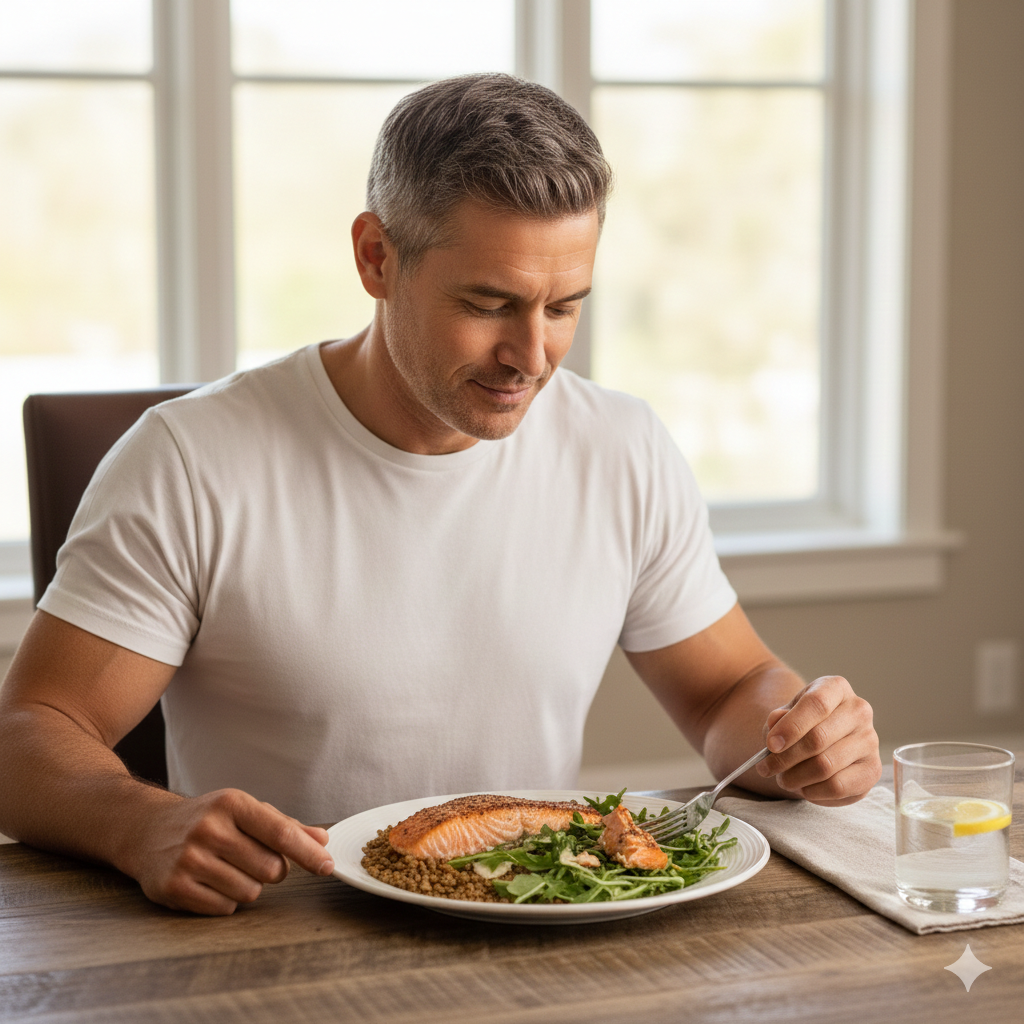
This image was created using AI to avoid copyright issues while conveying the context of this article.
If you have watched the news or scrolled through social media lately, you have likely heard of medications like Ozempic or Wegovy. These drugs have changed the conversation around weight loss by mimicking a hormone in your body called GLP-1 (Glucagon-like Peptide-1). This hormone tells your brain that you are full and tells your stomach to slow down digestion.
While these medications are important tools for many people, there is a fascinating side to the story that often gets ignored. You can actually influence your body’s own production of GLP-1 through the way you eat. By choosing specific foods and following a few simple habits, you can trigger these "fullness signals" naturally.
What is GLP-1 and Why Does It Matter?
GLP-1 is a hormone produced in your gut in response to food. It has three main jobs:
Brain Signal: It tells your hypothalamus (the hunger center of your brain) that you have had enough to eat.
Stomach Speed: It slows down "gastric emptying," meaning food stays in your stomach longer so you feel satisfied for a greater amount of time.
Insulin Response: It helps your pancreas release the right amount of insulin to manage your blood sugar.
When people say they have a "raging appetite" or can't stop snacking, it is often because their GLP-1 signals are quiet. The goal of "GLP-1 style eating" is to turn the volume up on those signals using whole foods.
The Three Pillars of Natural Fullness
1. High-Quality Protein
Protein is the strongest trigger for GLP-1. When you eat protein, your gut cells recognize the amino acids and immediately begin releasing satiety hormones. This is why a breakfast of eggs or Greek yogurt keeps you full much longer than a bagel. To maximize this effect, aim for the 4:1 protein-to-fiber ratio we have been practicing.
2. Fermentable Fibers
Not all fiber is created equal when it comes to GLP-1. "Fermentable" fibers are those that your gut bacteria love to eat. When these bacteria break down fiber, they produce short-chain fatty acids (SCFAs) like butyrate. These SCFAs are direct triggers for your gut to release GLP-1.
Top sources: Oats, barley, beans, lentils, leeks, and slightly under-ripe bananas.
3. Healthy Fats
Specific types of fats, particularly oleic acid (found in olive oil and avocados), have been shown to stimulate GLP-1 release. Adding a healthy fat to your meal acts like an "anchor," keeping the food in your stomach longer and signaling to your brain that the "hunt" for food is over.
The "Fullness" Routine
It isn't just what you eat, but how you eat it. To give your body time to release these hormones, you have to slow down. It takes about 20 minutes for the GLP-1 signal to travel from your gut to your brain. If you finish your entire meal in five minutes, you will finish before your brain even knows you are full.
Try the "Chew and Pause" method. Take a bite, put your fork down, and actually taste your food. This simple habit allows your natural chemistry to catch up with your appetite.
Bitters and Digestion
In many cultures, it is common to start a meal with something bitter, like a small salad of arugula or radicchio. There is science behind this! Bitter compounds can stimulate "bitter taste receptors" in the gut, which have been linked to an increase in GLP-1 secretion. Starting your dinner with a few bitter greens might be the secret to naturally eating less during the main course.
The Legacy View
At Legacy Fitness, we are all about working with your biology instead of against it. You don't have to rely on sheer willpower to reach your goals. When you feed your body the right combination of protein, fermentable fibers, and healthy fats, you are essentially "hacking" your own internal system for success.
This week, focus on these natural signals. Slow down your meals, prioritize your fiber-protein "Power Couple," and listen to your body. When you learn to trigger your own fullness, the "struggle" of dieting starts to disappear.
