
The Power Couple: Why Protein and Fiber are Better Together
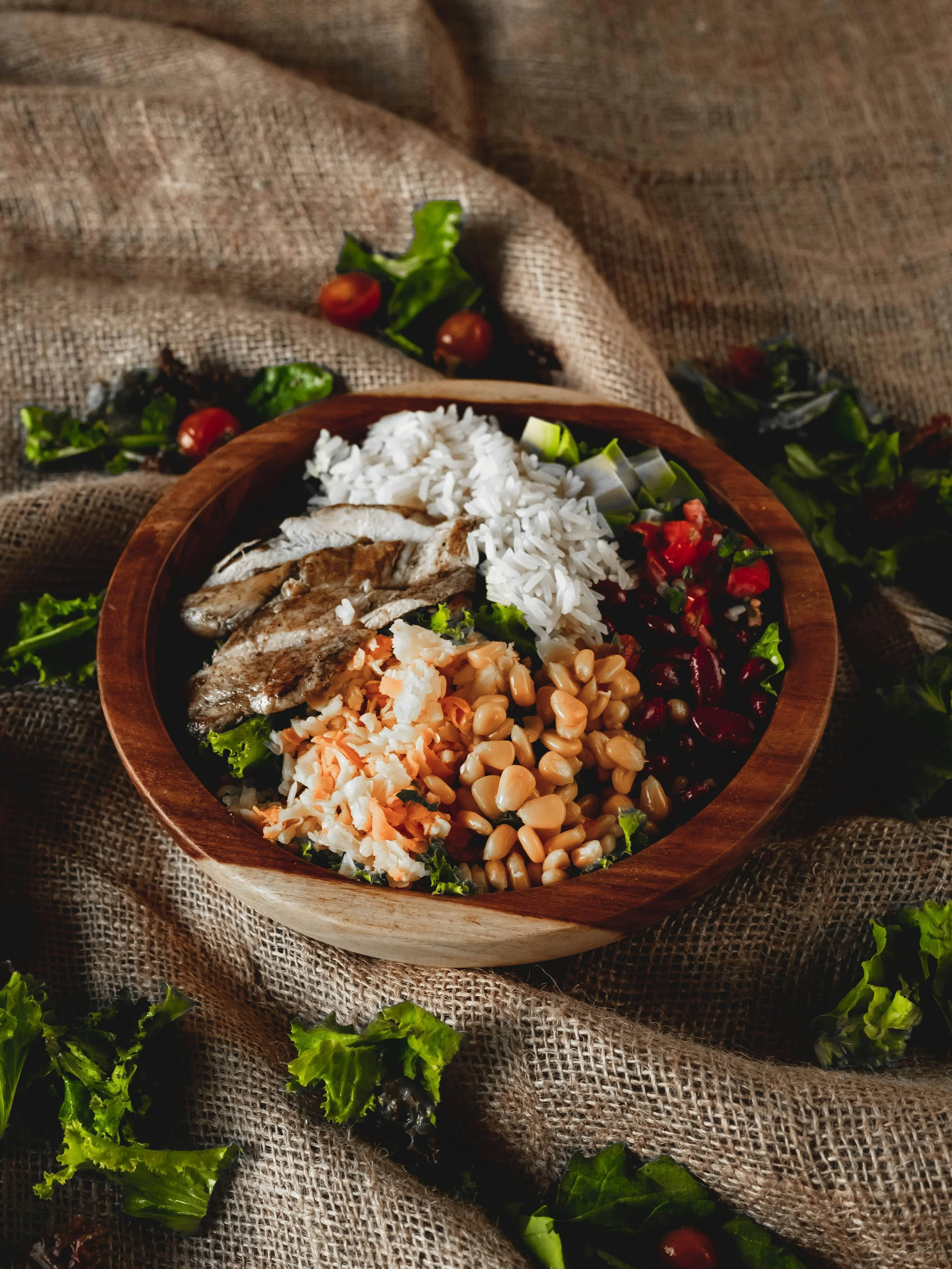
Photo by joe boshra on Unsplash
In the world of nutrition, we often talk about nutrients as if they work alone. We focus on "hitting our protein" or "getting our fiber" as separate tasks on a checklist. But in 2026, the most effective way to manage your weight and energy isn't just about the total amount of these nutrients, it is about the synergy between them.
Individually, protein and fiber are great. But when you eat them together in the same meal, they become a "Power Couple" that transforms your metabolic health. As we continue through our February focus on long-term habits, understanding this partnership is the key to making healthy eating feel effortless rather than like a chore.
The Science of the Synergy
To understand why they work so well together, we have to look at how your body processes them.
Protein is highly "thermogenic," meaning your body burns a lot of calories just trying to digest it. It also keeps your muscles fed and triggers "fullness" hormones in your gut. Fiber, on the other hand, provides physical bulk and slows down the speed at which food leaves your stomach.
When you combine them, you create a "slow-release" energy system. The fiber acts like a gatekeeper, ensuring that the amino acids from the protein and any carbohydrates in the meal enter your bloodstream at a steady, manageable pace. This prevents the "spike and crash" cycle that leads to brain fog and sugar cravings at 3:00 PM.
Flattening the Glucose Curve
One of the biggest health trends of 2026 is monitoring blood sugar (glucose) levels. Even if you aren't diabetic, large spikes in blood sugar can lead to increased fat storage and inflammation.
Eating a carbohydrate (like a piece of fruit or a slice of toast) by itself causes a sharp spike in glucose. But when you "clothe" those carbs with the Power Couple of protein and fiber, you flatten that curve. This is why a snack of an apple (fiber) and string cheese (protein) is infinitely better for your fat-loss goals than eating the apple alone.
The Satiety "Double Whammy"
Hunger is the number one reason people quit their fitness plans in February. Most people try to fight hunger with willpower, but willpower is a limited resource. The Power Couple fights hunger with biochemistry.
Protein tells your brain you are satisfied chemically.
Fiber tells your stomach you are full physically.
When you hit both of these signals at the same time, your "hunger switch" stays off for much longer. This allows you to go from meal to meal without feeling like you are starving, which makes choosing healthy options much easier.
Practical "Power Couple" Pairings
You don't need a complicated recipe book to use this strategy. You just need to look for opportunities to pair a lean protein with a high-fiber plant.
The Breakfast Swap: Instead of just eggs (protein), add a side of black beans (fiber) or half an avocado.
The Lunch Upgrade: Instead of a chicken salad with just lettuce, add chickpeas or lentils (fiber) to your chicken (protein).
The Snack Fix: Instead of a protein shake, blend that protein powder with a tablespoon of ground flaxseeds or psyllium husk (fiber).
The Dinner Strategy: Instead of steak and a potato, try steak (protein) and a double serving of roasted Brussels sprouts or asparagus (fiber).
The 4:1 Goal in Action
As we’ve discussed throughout the week, aiming for a 4:1 or 5:1 Protein-to-Fiber ratio is the "Gold Standard." By ensuring that every time you reach for protein, you also reach for a little bit of fiber, you are training your body to be metabolically flexible. You are teaching your system to burn fuel steadily rather than constantly looking for the next "sugar hit."
The Legacy View
At Legacy Fitness, we believe that "food is fuel," but it’s also the foundation of your daily experience. If you are constantly hungry and tired, you can’t build a legacy of health. By mastering the Power Couple of protein and fiber, you take control of your biology.
This week, don't let your protein travel alone. Give it a partner. Every time you have a meal, ask yourself: "Where is my protein, and where is my fiber?" When you find that balance, you find the secret to lasting consistency.
