

The Protein Leverage Hypothesis: Why Your Body Keeps Eating Until It Gets Enough Protein
When you give your body the protein it needs, it rewards you with steady energy, a sharper mind, and a body that reflects your hard work.

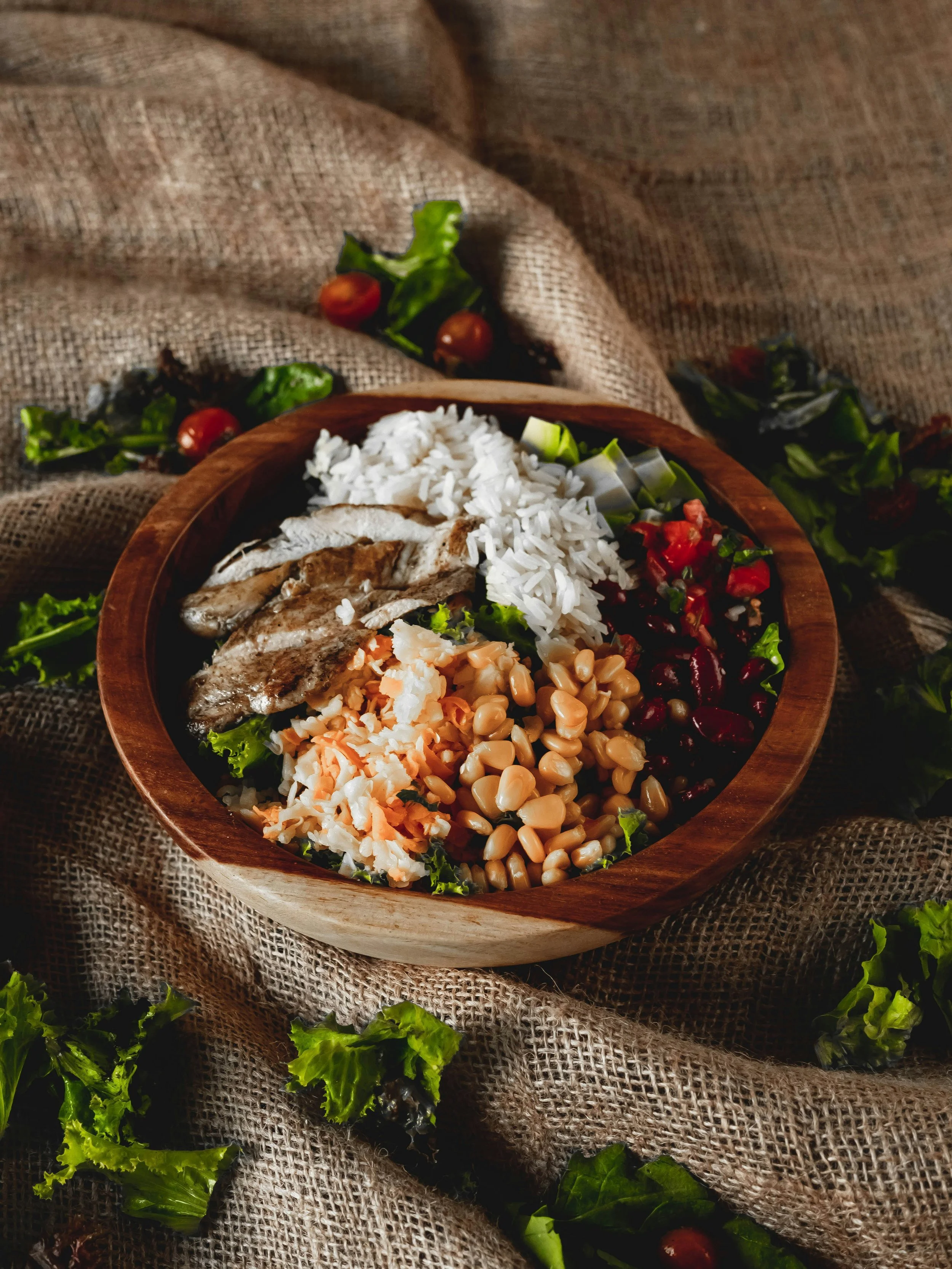
This image was created using AI to avoid copyright issues while conveying the context of this article.
Have you ever sat down with a large bag of chips or a box of crackers and realized you finished the whole thing without ever feeling "full"? Compare that to a large steak or a piece of grilled salmon. It is almost impossible to overeat on high-quality protein because your body eventually sends a loud signal that says, "I’m done!"
This isn't just a matter of willpower. It is a biological law known as the Protein Leverage Hypothesis.
This theory, developed by scientists in the early 2000s, suggests that your body has a "protein target" it must hit every single day. Until you hit that target, your brain will keep your hunger signals turned on. If you understand this one concept, you can stop fighting your appetite and start working with your biology to stay lean and energized.
Your Body’s Internal Protein Sensor
Think of your appetite like a fuel gauge in a car. Most people think the gauge is measuring "calories." They believe that once they eat enough calories, the gauge will hit "Full" and they will stop eating.
But the Protein Leverage Hypothesis tells us that the gauge is actually measuring protein.
Your body needs amino acids (the building blocks of protein) to repair your muscles, create hormones, and keep your immune system strong. Because protein is so vital for survival, your brain prioritizes it above everything else. If you eat foods that are low in protein, like chips, bread, or sugary snacks, your body will drive you to keep eating more and more of them in a desperate attempt to find the protein it needs.
The "Hidden" Reason for Overeating
This explains why it is so easy to gain weight on a modern diet. Many processed foods are engineered to be high in fats and carbs but very low in protein.
When you start your day with a sugary cereal or a bagel, you might be taking in 400 or 500 calories, but you are only getting a few grams of protein. Your brain realizes the "protein target" hasn't been met yet, so it keeps the hunger alarm ringing. This leads to you reaching for a mid-morning snack, a large lunch, and an afternoon treat.
You aren't "weak-willed." You are simply a human being with a brain that is searching for protein in a world filled with empty calories.
How to Use "Leverage" to Your Advantage
The secret to effortless weight management is to "leverage" this system. By eating high-quality protein early in the day and at every meal, you hit your protein target faster. Once that target is met, your brain naturally turns down the hunger dial. This makes it much easier to say no to the office donut or the late-night snack.
At Legacy Fitness, we often see that when clients increase their protein intake, their total calorie intake goes down automatically. They aren't "dieting" in the traditional sense; they are simply satisfied.
What is the Target?
While every person is different, a good rule of thumb for active adults is to aim for about one gram of protein per pound of ideal body weight. For a person who wants to weigh 180 pounds, that means aiming for roughly 180 grams of protein spread throughout the day.
When you hit this target, amazing things happen:
Your metabolism stays high because protein requires more energy to digest than fats or carbs.
Your muscles are protected, ensuring that the weight you lose is fat, not muscle.
Your "food focus" disappears, allowing you to concentrate on your work and your family instead of your next meal.
Building Your Nutritional Legacy
Mastering your health doesn't have to be a battle against your own hunger. By understanding the Protein Leverage Hypothesis, you can take control of your appetite and fuel your body for performance.
The goal is to stop eating for "fullness" and start eating for "fuel." When you give your body the protein it needs, it rewards you with steady energy, a sharper mind, and a body that reflects your hard work.
This week, try to make protein the center of every plate. Watch how your cravings change when your body finally feels "heard."
The Power Couple: Why Protein and Fiber are Better Together
If you are constantly hungry and tired, you can’t build a legacy of health. By mastering the Power Couple of protein and fiber, you take control of your biology.
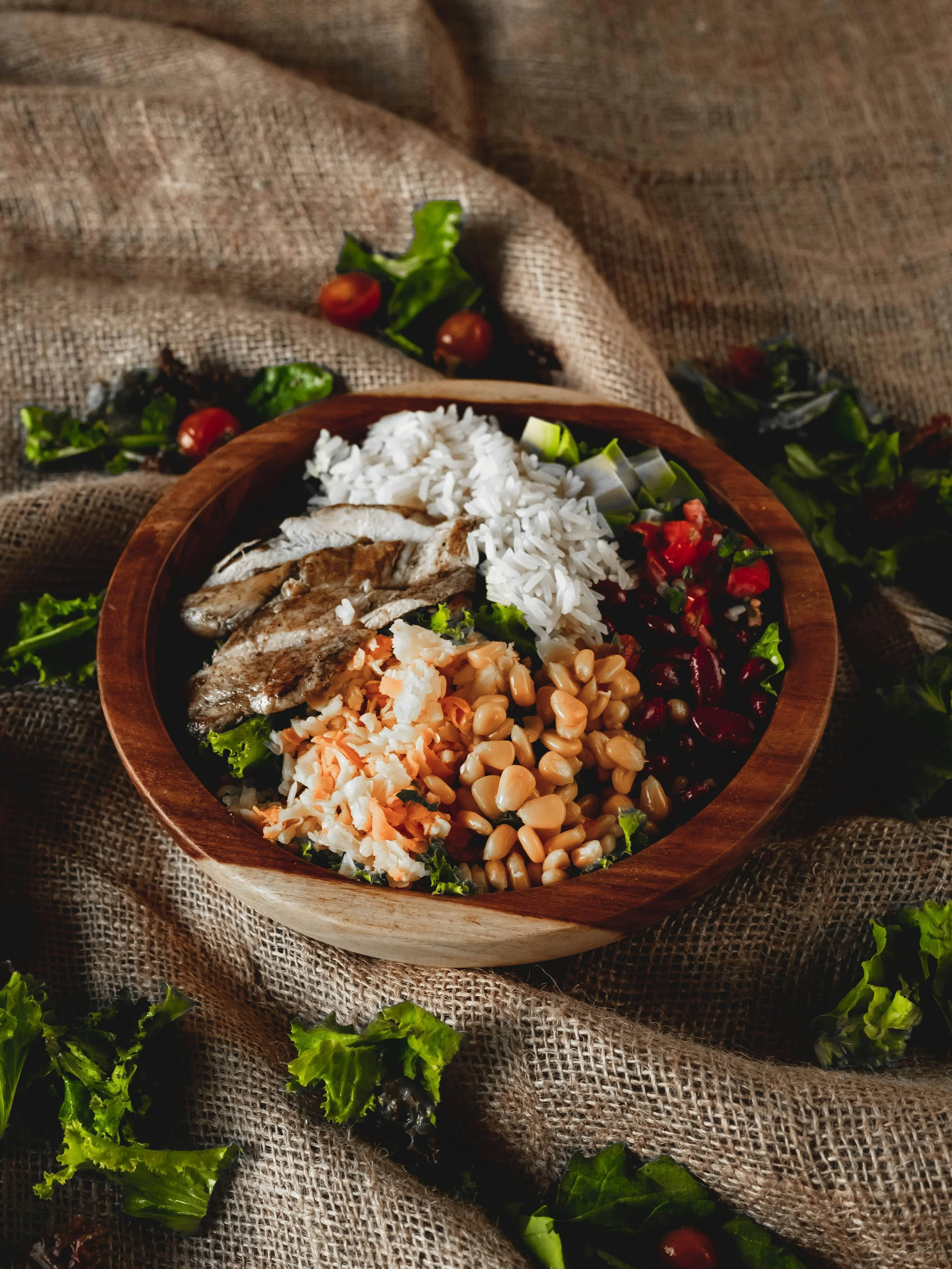
Photo by joe boshra on Unsplash
In the world of nutrition, we often talk about nutrients as if they work alone. We focus on "hitting our protein" or "getting our fiber" as separate tasks on a checklist. But in 2026, the most effective way to manage your weight and energy isn't just about the total amount of these nutrients, it is about the synergy between them.
Individually, protein and fiber are great. But when you eat them together in the same meal, they become a "Power Couple" that transforms your metabolic health. As we continue through our February focus on long-term habits, understanding this partnership is the key to making healthy eating feel effortless rather than like a chore.
The Science of the Synergy
To understand why they work so well together, we have to look at how your body processes them.
Protein is highly "thermogenic," meaning your body burns a lot of calories just trying to digest it. It also keeps your muscles fed and triggers "fullness" hormones in your gut. Fiber, on the other hand, provides physical bulk and slows down the speed at which food leaves your stomach.
When you combine them, you create a "slow-release" energy system. The fiber acts like a gatekeeper, ensuring that the amino acids from the protein and any carbohydrates in the meal enter your bloodstream at a steady, manageable pace. This prevents the "spike and crash" cycle that leads to brain fog and sugar cravings at 3:00 PM.
Flattening the Glucose Curve
One of the biggest health trends of 2026 is monitoring blood sugar (glucose) levels. Even if you aren't diabetic, large spikes in blood sugar can lead to increased fat storage and inflammation.
Eating a carbohydrate (like a piece of fruit or a slice of toast) by itself causes a sharp spike in glucose. But when you "clothe" those carbs with the Power Couple of protein and fiber, you flatten that curve. This is why a snack of an apple (fiber) and string cheese (protein) is infinitely better for your fat-loss goals than eating the apple alone.
The Satiety "Double Whammy"
Hunger is the number one reason people quit their fitness plans in February. Most people try to fight hunger with willpower, but willpower is a limited resource. The Power Couple fights hunger with biochemistry.
Protein tells your brain you are satisfied chemically.
Fiber tells your stomach you are full physically.
When you hit both of these signals at the same time, your "hunger switch" stays off for much longer. This allows you to go from meal to meal without feeling like you are starving, which makes choosing healthy options much easier.
Practical "Power Couple" Pairings
You don't need a complicated recipe book to use this strategy. You just need to look for opportunities to pair a lean protein with a high-fiber plant.
The Breakfast Swap: Instead of just eggs (protein), add a side of black beans (fiber) or half an avocado.
The Lunch Upgrade: Instead of a chicken salad with just lettuce, add chickpeas or lentils (fiber) to your chicken (protein).
The Snack Fix: Instead of a protein shake, blend that protein powder with a tablespoon of ground flaxseeds or psyllium husk (fiber).
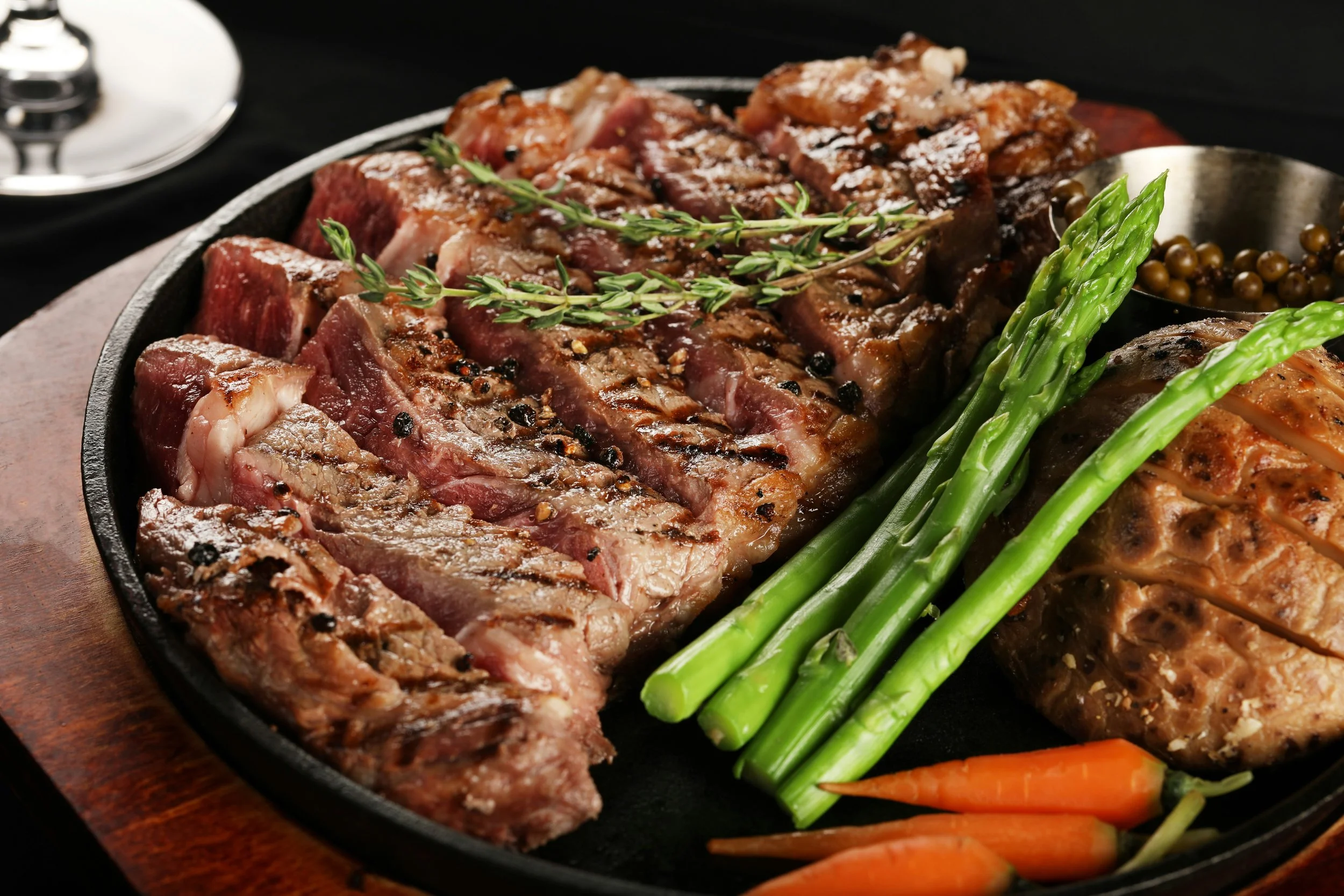
The Dinner Strategy: Instead of steak and a potato, try steak (protein) and a double serving of roasted Brussels sprouts or asparagus (fiber).
The 4:1 Goal in Action
As we’ve discussed throughout the week, aiming for a 4:1 or 5:1 Protein-to-Fiber ratio is the "Gold Standard." By ensuring that every time you reach for protein, you also reach for a little bit of fiber, you are training your body to be metabolically flexible. You are teaching your system to burn fuel steadily rather than constantly looking for the next "sugar hit."
The Legacy View
At Legacy Fitness, we believe that "food is fuel," but it’s also the foundation of your daily experience. If you are constantly hungry and tired, you can’t build a legacy of health. By mastering the Power Couple of protein and fiber, you take control of your biology.
This week, don't let your protein travel alone. Give it a partner. Every time you have a meal, ask yourself: "Where is my protein, and where is my fiber?" When you find that balance, you find the secret to lasting consistency.
The "Small Plate" Trap: Why Restricting Food Now Makes January Harder
The belief is that restriction now will lead to success later. The reality is that extreme or sudden restriction in usually does two things that actively work against your success.
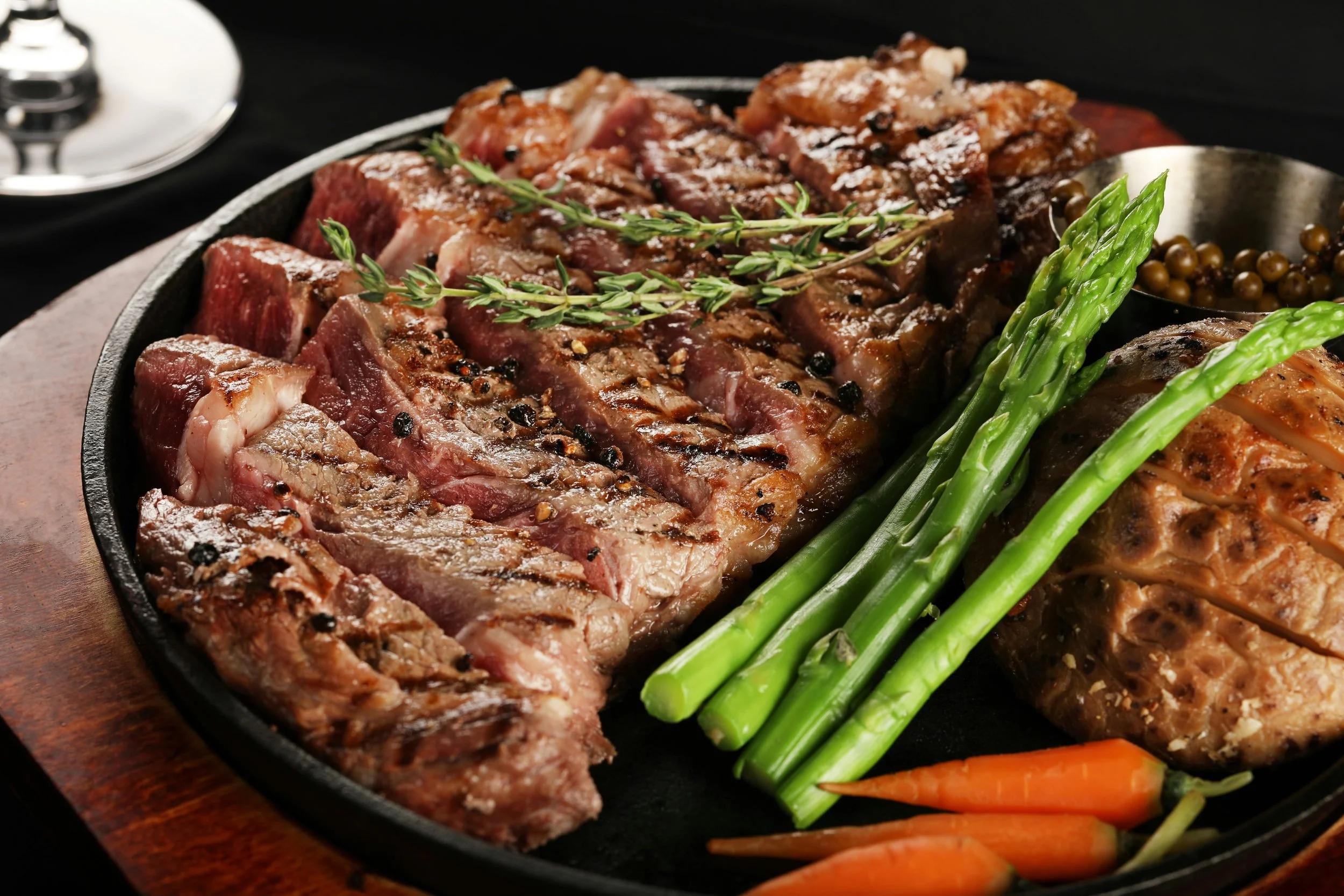
Photo by Loija Nguyen on Unsplash
As December begins, you might be thinking: "I’m going to eat light now to ‘save’ calories for the holiday parties," or "I need to start restricting my portions now so I can kick off my diet hard in January."
This is a very common approach, but it is one of the biggest pitfalls we see at Legacy Fitness & Nutrition. We call it the "Small Plate" Trap.
The belief is that restriction now will lead to success later. The reality is that extreme or sudden restriction in December usually does two things that actively work against your New Year's success:
It cranks up your cravings: You create an emotional and physical hunger that makes you more likely to overeat when you finally see that holiday buffet.
It sets a terrible precedent for January: You are teaching your body that the only way to manage weight is through severe restriction, which is a miserable and unsustainable approach.
If you want to build a lasting legacy of health, you need to focus on addition and quality right now, not subtraction and starvation.
The Physical Fallout: Why You Get Hungrier
When you suddenly cut your food intake too low, your body reacts with survival mechanisms that are much stronger than your willpower:
Hormone Shift: Your body releases ghrelin (the "hunger hormone") and drops leptin (the "fullness hormone"). This makes you feel constantly starving, not just physically, but mentally preoccupied with food.
Energy Crash: Too few calories, especially carbs, means your brain is running low on fuel. You feel tired, irritable, and completely unable to focus on work, family, or your workouts.
The Binge Trigger: When you feel deprived, the sight of a holiday cookie or a rich dish triggers an intense, primal urge to eat everything you restricted yourself from. The restriction leads directly to the loss of control.
You are essentially showing up to the holiday party with a starved brain, guaranteed to overeat.
Focus on Addition, Not Subtraction
The successful strategy for December is to maintain consistent eating habits centered around high-quality foods that provide maximum satiety (the feeling of being full and satisfied).
Here are three ways to focus on addition instead of the "Small Plate" Trap:
1. Add Protein to Every Meal (The Satiety Shield)
Protein is the single most important nutrient for controlling hunger. It takes longer to digest and signals to your brain that you are full. Instead of taking less of everything, make a point of adding a solid source of protein to breakfast, lunch, and dinner.
Instead of: Toast for breakfast.
Do This: Eggs or Greek yogurt with your toast.
Result: You stay full for hours, reducing the chance of grazing on holiday treats between meals.
2. Add Fiber-Rich Vegetables (The Volume Boost)
Fiber adds volume to your meals with minimal calories, helping you feel full and supporting healthy digestion. Before you worry about the size of your plate, worry about the content.
Instead of: Just rice and meat for dinner.
Do This: Fill half your plate with salad, steamed broccoli, or roasted greens first.
Result: You eat a large volume of filling, nutrient-dense food, leaving less space and less desire for extra heavy portions.
3. Add Movement (The Energy Generator)
If you restrict food, you feel too tired to move. If you focus on quality nutrition and feel energized, you naturally want to be more active. Instead of using food restriction to manage your weight, use a consistent movement routine. That consistency will naturally lead to better food choices because you won't want to "waste" your workout.
Building a Legacy of Balance
The Small Plate Trap is based on the idea of suffering now for a reward later. The Legacy Fitness philosophy is about creating sustainable balance now for a healthy life forever.
By focusing on adding high-quality protein and fiber, you manage hunger, boost energy, and teach your body that consistency means quality fuel, not starvation. This sets you up for an empowering, balanced, and highly successful January.