
Fibermaxxing 101: Why Fiber is the New Protein for 2026
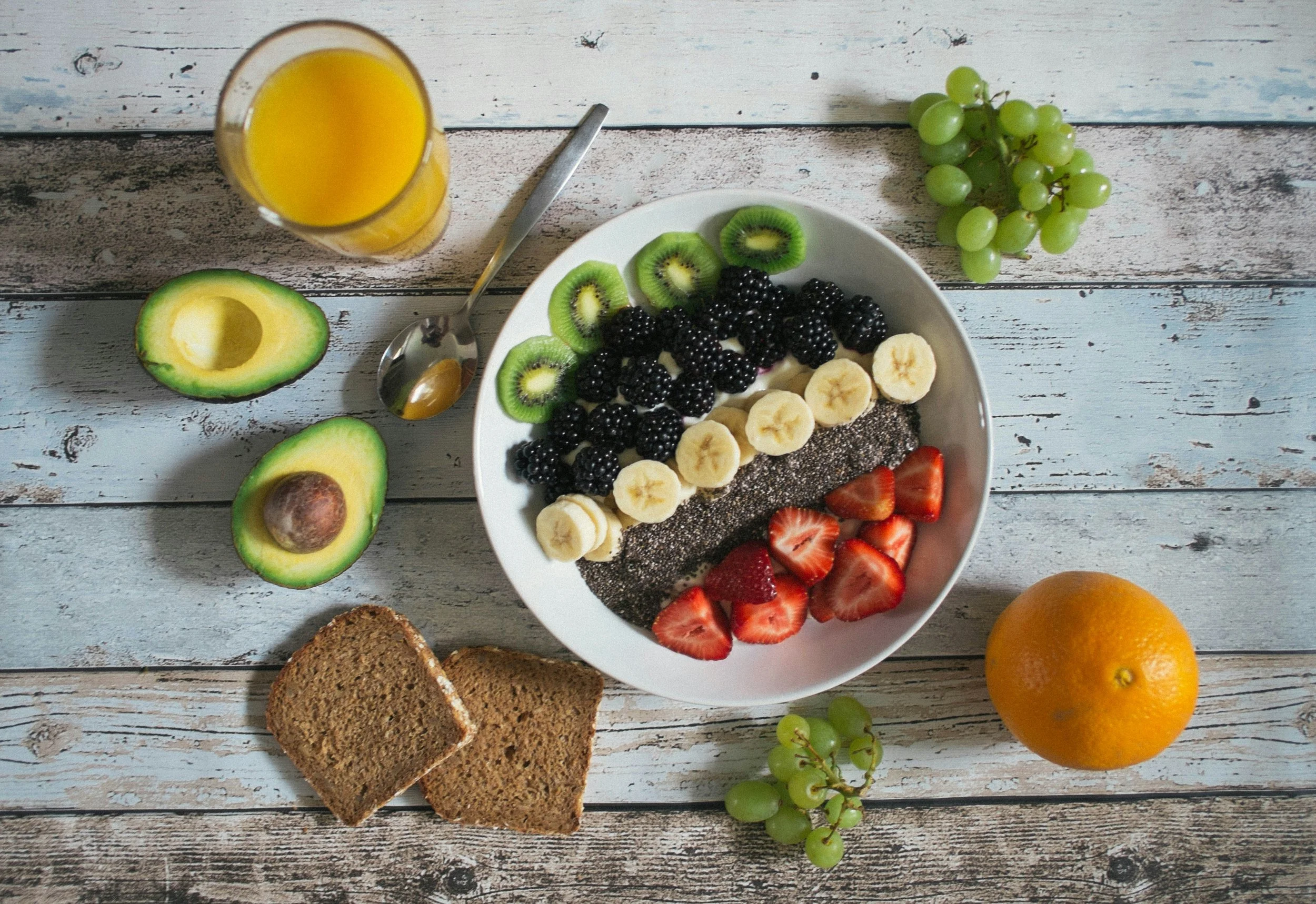
Photo by Jannis Brandt on Unsplash
For years, protein has been the undisputed king of the fitness world. We’ve been told to drink shakes, eat bars, and center every meal around a lean animal source. While protein is still vital for building muscle, there is a new heavy hitter in the nutrition space that is taking over the conversation in 2026.
Welcome to the era of "Fibermaxxing."
If you want to optimize your metabolism, flatten your glucose spikes, and finally feel "naturally full," fiber is the missing link. As we kick off the second week of February, we are diving deep into why fiber is no longer just something your grandparents worry about, it is the ultimate performance tool for the modern athlete.
What is Fibermaxxing?
"Fibermaxxing" is the intentional practice of maximizing your fiber intake to improve metabolic health and digestive efficiency. In a world of processed "keto" snacks and "high-protein" junk food, our gut microbiomes have become starved for real, complex plant fibers.
Fiber is a type of carbohydrate that your body cannot digest. While that might sound useless, it is actually its greatest strength. Because it passes through your system undigested, it provides bulk, slows down the absorption of sugar, and feeds the beneficial bacteria in your gut.
The 2026 Longevity Secret
In 2026, we’ve realized that gut health is the foundation of almost everything from your mood and brain clarity to how your body stores fat. Fiber acts like a "scrubbing brush" for your insides, but more importantly, it helps regulate GLP-1, a hormone that signals to your brain that you are full.
By "fibermaxxing," you are essentially giving your body a natural version of the satiety signals that people are currently seeking through expensive medications. When your fiber intake is high, your hunger levels stay low, making it much easier to maintain your February fitness goals.
Soluble vs. Insoluble: Know Your Tools
To be a pro at Fibermaxxing, you need to understand the two types of fiber:
Soluble Fiber: This turns into a gel-like substance in your gut. It’s found in oats, beans, and apples. It’s the "metabolic anchor" we’ve discussed, slowing down digestion and lowering cholesterol.
Insoluble Fiber: This is the "bulker." It’s found in whole grains and vegetables. It keeps things moving through your digestive tract and prevents the heavy, bloated feeling that often comes with high-protein diets.
How to "Fibermaxx" Safely
If you currently eat very little fiber, do not try to hit 50 grams tomorrow. Your digestive system needs time to adapt. If you go too fast, you will experience bloating and discomfort. Follow the "Low and Slow" rule:
Add 5 grams a week: Start by adding one extra serving of berries or a handful of leafy greens to your daily routine.
Hydrate, Hydrate, Hydrate: Fiber needs water to move through your system. If you increase fiber without increasing water, you’ll feel like you swallowed a brick.
The 4:1 Rule: Remember our goal of 1 gram of fiber for every 4-5 grams of protein. This ensures your high-protein diet doesn't "clog the pipes."
The Best Sources for 2026
Fibermaxxing isn't about eating cardboard. It’s about choosing nutrient-dense, delicious whole foods. Some of the best "bang for your buck" sources include:
Chia Seeds: Two tablespoons pack a massive 10 grams of fiber.
Raspberries: One cup gives you 8 grams and is low in sugar.
Lentils and Beans: These are the ultimate dual-threat, providing both high protein and high fiber.
Avocado: Half an avocado provides about 7 grams of healthy fats and fiber.
The Legacy View
At Legacy Fitness, we stay ahead of the curve. We know that fitness isn't just about how you look in the mirror; it’s about how your internal "engine" is running. Fiber is the fuel for a healthy gut, a steady mind, and a lean body.
This week, challenge yourself to look beyond the protein label. Start "Fibermaxxing" by adding one more plant-based fiber source to every meal. Your gut, your energy levels, and your waistline will thank you.
