
The Art of the Sunday Meal Prep (Without the Stress)
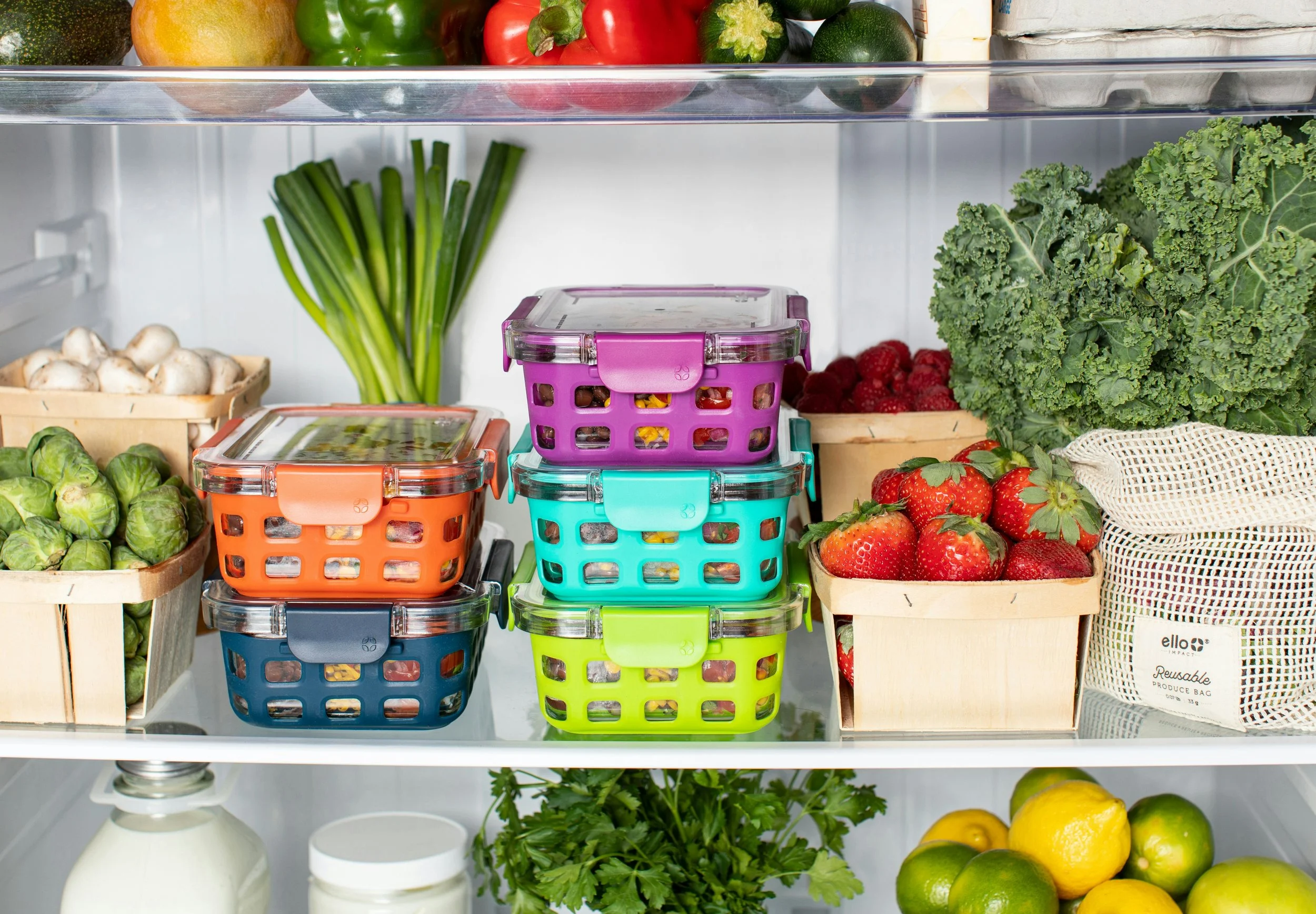
We have all seen the photos on social media: thirty identical plastic containers filled with chicken, broccoli, and brown rice, perfectly lined up on a kitchen counter. For many people, this version of "meal prep" looks like a nightmare. It looks like a whole Sunday spent in a hot kitchen and a whole week of eating boring, repetitive food. If that is what you think meal prep has to be, it is no wonder you haven’t started yet.
The truth is that meal prep is the single most powerful tool for fitness success, but it doesn't have to be stressful. In 2026, the trend is moving away from "The Batch Cook" and toward "The Component Prep." This method allows you to save hours of time during the week while still enjoying fresh, varied meals every single day. To build a legacy of health, you need a system that works for your busy life, not a second job as a chef.
Why Decision Fatigue is Your Enemy
The reason most people fail their diet on a Wednesday evening is "Decision Fatigue." Throughout the day, you use your brain to make hundreds of choices at work and with your family. By the time you get home at 6:00 PM, your "decision muscle" is exhausted. If you have to ask yourself, "What should I make for dinner?" you are much more likely to choose the easy path: takeout or a bowl of cereal.
Meal prep solves this by making the decision for you when your brain is still fresh. When the food is already partially ready, the "friction" of eating healthy disappears. You aren't "cooking dinner"; you are just "assembling" it.
The Component Method: How it Works
Instead of making full meals, you spend 60 to 90 minutes on Sunday preparing the building blocks of your week. Think of it like a "Lego set" for your nutrition. You want to prepare four main categories:
Two Proteins: Roast a large tray of chicken thighs and brown two pounds of lean ground beef or turkey. These are your "anchors" for the week.
Two Carbs: Boil a large pot of quinoa or roast a few pans of sweet potatoes. Having these ready prevents you from reaching for bread or pasta when you’re in a rush.
The "Veggie Wash": Chop your peppers, wash your spinach, and roast some broccoli. If the vegetables are ready to eat, you will actually eat them.
The "Flavor Booster": This is the secret to not getting bored. Make one or two simple sauces, like a lemon-tahini dressing or a fresh salsa. Using different sauces makes the same chicken and rice feel like a completely different meal every night.
The "Power Hour" Workflow
You don't need all day. You just need one focused hour. Start by putting your longest-cooking items in the oven (like potatoes). While those roast, start your grains on the stove. While the stove is humming, chop your vegetables. By the time the timer goes off for the potatoes, your kitchen is cleaned, and your fridge is stocked.
Winning the Week
This January, stop trying to be a gourmet chef every night. Give yourself the gift of a stocked fridge. When you remove the stress of "What's for dinner?" you gain back your time and your health. Meal prep isn't about being perfect; it’s about being prepared. Your future self on a tired Wednesday night will thank you.
