
The Power of NEAT: Why "Movement Snacks" Beat the Gym
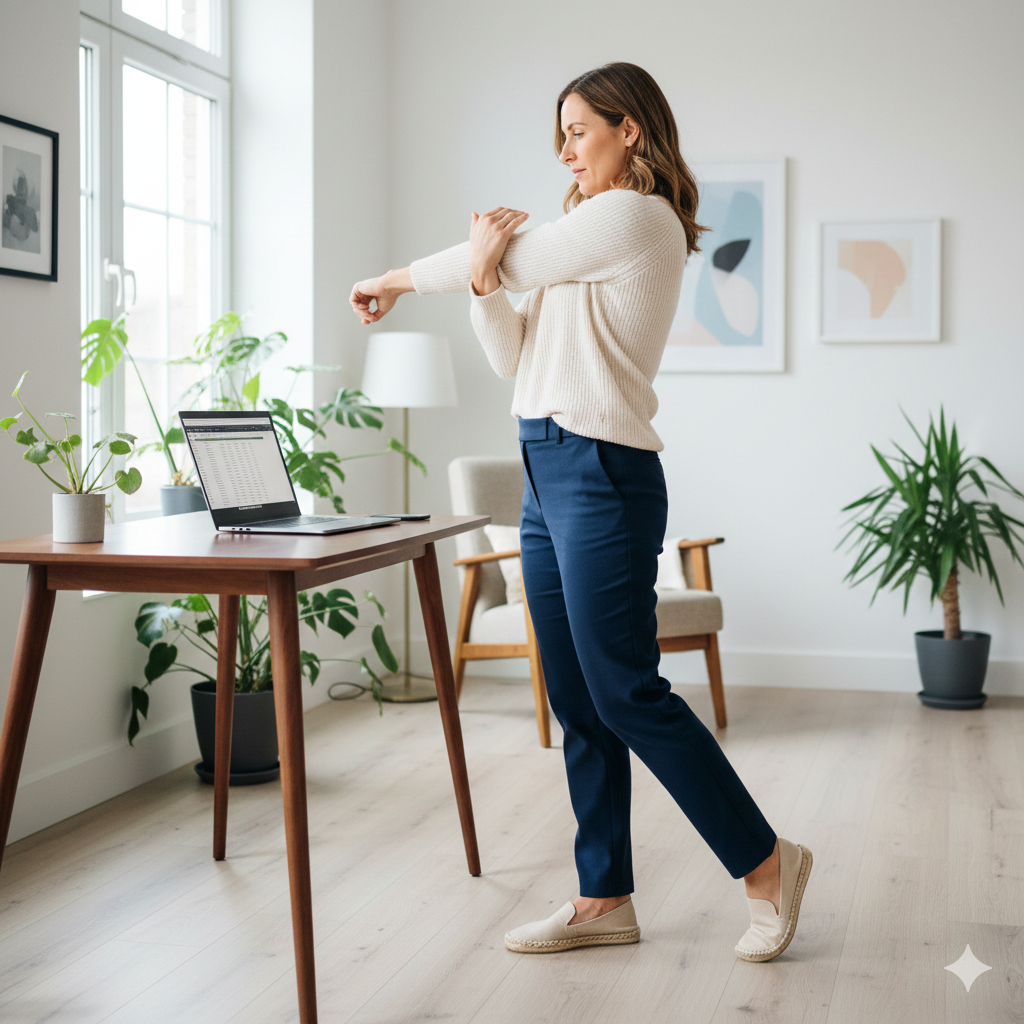
This image was created with AI to avoid copyright issues while conveying the context of this article.
When we think about getting fit, we usually picture someone sweating on a treadmill or lifting heavy weights. We call this "exercise," and it’s a vital part of health. But there is a hidden secret to fat loss and energy that most people completely overlook. It is called NEAT.
NEAT stands for Non-Exercise Activity Thermogenesis. That is a fancy scientific way of saying "all the calories you burn while you aren't actually working out." This includes walking to your car, folding laundry, pacing while you talk on the phone, or even fidgeting at your desk.
As we move into the second day of February, it’s time to look at how these "movement snacks" can change your life.
The Math of Movement
Think about your day. Even if you go to the gym for one hour, there are still 23 other hours in the day. If you spend those 23 hours sitting perfectly still, your metabolism slows down.
Research shows that for most people, NEAT accounts for a much larger portion of their daily calorie burn than a structured workout does. Someone with a high level of NEAT might burn 500 to 1,000 more calories a day than someone who is sedentary, all without ever stepping foot in a gym. This is why some people seem to stay lean effortlessly; they are simply moving more throughout the day in small, subtle ways.
Why the Gym Isn't Enough
A common mistake in February is the "I worked out, so I can sit all day" trap. Scientists call this the "Active Couch Potato" syndrome. You might hit the gym at 6:00 AM, but if you sit in an office chair until 5:00 PM, your body begins to shut down certain fat-burning enzymes.
By adding "movement snacks" to your day, you keep your metabolism "simmering" like a pot on a stove. Instead of one big boil (the gym) followed by a cold burner (the office chair), you keep the heat steady all day long.
How to Increase Your NEAT
The beauty of NEAT is that it doesn't require a change of clothes or a shower. You can do it anywhere. Here are a few ways to add more movement to your February routine:
The Phone Pace: Every time your phone rings, stand up and walk around while you talk.
The Commercial Break Squeeze: If you are watching TV, stand up and stretch or do a few air squats during the commercials.
Park Further Away: It sounds like a cliché, but parking at the back of the lot every single day adds up to miles of extra walking over a year.
Stand and Work: If you have a standing desk, use it for 20 minutes of every hour. If you don't, stand up every time you have to read a long email.
Focus on "Movement Snacks"
In 2026, we are moving away from the idea that fitness has to be "all or nothing." We now understand that small, frequent movements are better for your blood sugar and your mood than one giant workout followed by hours of sitting.
Think of these as "movement snacks." Just like a snack keeps your hunger away between meals, a movement snack keeps your energy levels high between your main workouts. These snacks help your joints stay lubricated, reduce back pain from sitting, and keep your brain sharp by increasing blood flow.
The Legacy Approach
At Legacy Fitness, we believe that fitness should fit into your life, not the other way around. You don't need to be a professional athlete to have a high-functioning body. You just need to be a human who moves.
This February, don't just focus on your gym stats. Start tracking your "activity" in general. If you find yourself sitting for more than an hour, stand up and shake it out. Those small moments of movement are the bricks that build a legacy of health.
