

Walking Meetings: The Executive’s Secret Weapon: Combining Productivity with Movement
A "Legacy Leader" understands that their health and their team's health are vital to the company's success. By initiating walking meetings, you are signaling to your organization that you value movement and well-being.

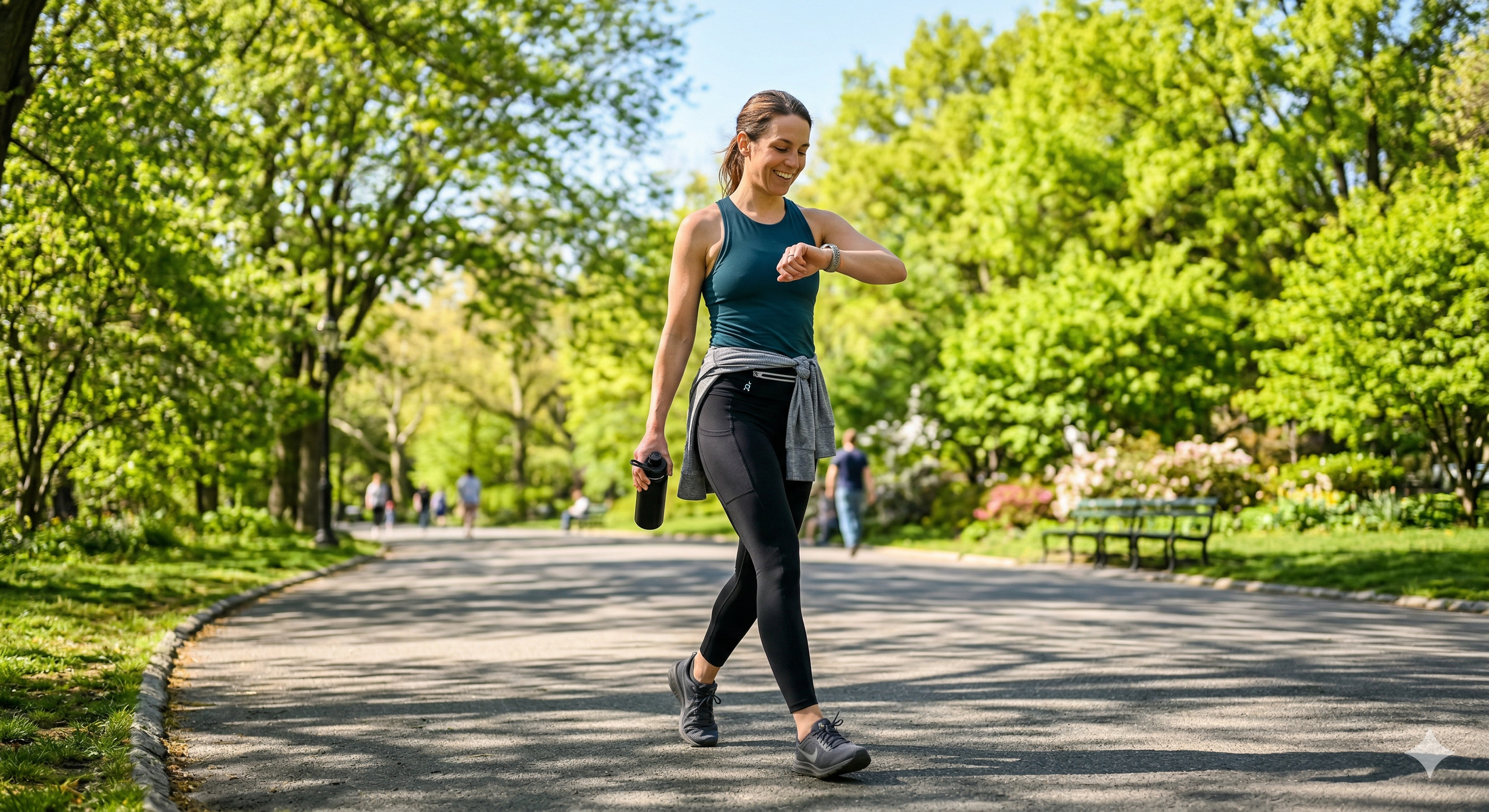
This image was created using AI to avoid copyright issues while conveying the context of this article.
In the modern corporate world, the "meeting" is the default unit of work. We bounce from one conference room to another, or from one Zoom call to the next, often spending six to eight hours a day tethered to a chair. We know that sitting for long periods is detrimental to our health, yet we feel like we have no choice. The work has to get done, and the work happens in meetings.
But what if you could change the venue without losing the value?
Enter the Walking Meeting.
At Legacy Fitness, we often talk about "NEAT" (Non-Exercise Activity Thermogenesis), which is the movement you do outside of the gym. For a busy executive, the walking meeting is the ultimate "two-birds-one-stone" strategy. It allows you to maintain your professional output while simultaneously investing in your physical health. It is a secret weapon that can improve your creativity, your connection with your team, and your waistline.
Breaking the "Stagnant" Mindset
When we sit in a traditional meeting room, our bodies enter a state of stagnation. Our heart rate slows, our posture slumps, and our blood flow to the brain decreases. It is no wonder that by the third meeting of the day, we feel sluggish and uninspired.
When you stand up and start walking, everything changes. Your heart rate increases slightly, sending more oxygenated blood to your brain. This physical "spark" leads to better cognitive function. In fact, a study from Stanford University found that creative output increased by an average of 60% when people were walking versus sitting. If you are trying to solve a complex problem or brainstorm a new strategy, the best thing you can do is get moving.
The Power of Side-by-Side Communication
There is also a psychological benefit to walking meetings. In a traditional meeting, you are often sitting across a table from someone. This can sometimes feel confrontational or overly formal. It creates a "me vs. you" dynamic.
When you walk together, you are moving in the same direction, side-by-side. This shift in physical orientation changes the tone of the conversation. It feels more collaborative and less hierarchical. Many leaders find that their team members are more open, honest, and relaxed during a walk than they are in a sterile office environment. It builds a deeper level of trust and rapport that is hard to replicate in a cubicle.
How to Implement the Walking Meeting
You don't need to hike a mountain to have a productive walking meeting. Here are a few practical ways to start:
The 1-on-1 Walk: This is the easiest place to start. If you have a weekly check-in with a direct report, suggest doing it while walking around the block or through a nearby park.
The "Internal" Call: If you have a conference call where you are mostly listening or don't need to share your screen, put on your wireless headphones and take the call while walking. You don’t need to be at your desk to be present.
The "First 15" Rule: If a full walking meeting isn't possible, try spending the first 15 minutes of a meeting walking and then head back to the office to wrap up the "paperwork" or technical details.
Overcoming the "Logistics" Hurdle
Many people worry about taking notes. If a meeting requires heavy data entry, a walk might not be the best choice. However, for 80% of business conversations, brainstorming, status updates, and relationship building, you don't need a laptop.
Use the "Voice Memo" feature on your phone to capture key takeaways as you walk, or spend three minutes at your desk immediately after the walk to type up your notes while the ideas are still fresh.
Leading by Example
A "Legacy Leader" understands that their health and their team's health are vital to the company's success. By initiating walking meetings, you are signaling to your organization that you value movement and well-being. You are giving your employees "permission" to step away from their desks and take care of their bodies without feeling guilty.
This April, look at your calendar. Find one or two meetings each day that can be taken on the move. You will be amazed at how much better you feel, how much sharper you think, and how much your team appreciates the fresh air.
Why Your "Steps" Matter More Than Your Gym Session
That hour in the gym is great for building muscle and heart health, it only accounts for a tiny part of the calories you burn in a day.
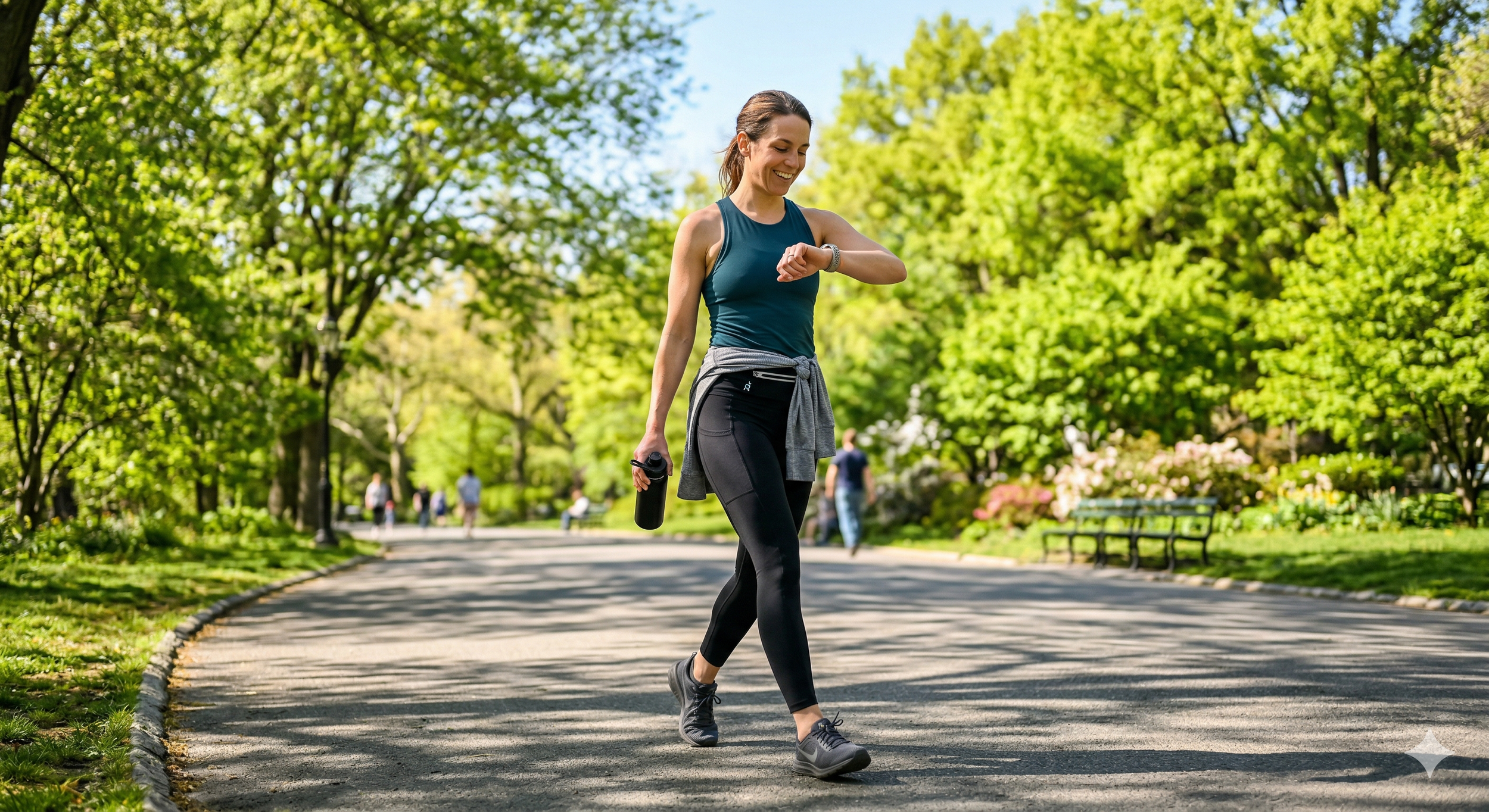
This image was created using AI to avoid copyright issues while conveying the context of this article.
We have all been there. You work hard in the gym for 60 minutes, but then you spend the next 8 hours sitting at a desk. You might think that one hour of lifting weights or running on a treadmill is enough to offset a day of sitting. However, the science of movement tells a different story.
While that hour in the gym is great for building muscle and heart health, it only accounts for a tiny part of the calories you burn in a day. The real secret to staying lean, keeping your energy high, and living longer is something called NEAT.
What is NEAT?
NEAT stands for Non-Exercise Activity Thermogenesis. That is a big name for a simple concept: it is the energy you burn doing everything that isn’t sleeping, eating, or purposeful exercise.
Walking to your car, folding laundry, pacing while you talk on the phone, and even fidgeting at your desk all count as NEAT. For most people, NEAT accounts for a much larger portion of daily calorie burn than a structured workout does. If you only focus on the gym and ignore the other 23 hours of your day, you are leaving a lot of progress on the table.
The Problem with the "Active Sedentary" Lifestyle
Many people today fall into the "active sedentary" category. This means they exercise intensely for an hour but remain almost completely still for the rest of the day. Research shows that sitting for long periods can actually "shut down" certain fat-burning enzymes in the body.
Even if you have a killer workout in the morning, sitting still for the next several hours can slow your metabolism. By increasing your daily steps and general movement, you keep those metabolic engines running all day long.
The Power of 10,000 Steps (Or Just More Than Now)
We often hear about the "10,000 steps" goal. While that specific number isn't a magical law of physics, it serves as a great target. Walking is the most underrated tool in fitness. It is low-stress, it doesn't require a change of clothes, and it doesn't make you as hungry as a high-intensity workout might.
When you focus on your step count, you are focusing on "consistent movement." This keeps your blood sugar stable and helps your body use oxygen more efficiently. More importantly, it is something you can do every single day without needing a recovery day.
Simple Ways to Boost Your NEAT
You don't need to pace around your living room for hours to see a benefit. Small changes add up quickly over the course of a week.
Take the "Phone Pace" Challenge: Whenever you are on a phone call, stand up and walk around. If you are on a 20-minute call, you could easily add 2,000 steps without even trying.
Park Further Away: It sounds like a cliché, but parking at the back of the lot every time you go to the store adds up to miles of extra walking over a month.
The 50/5 Rule: For every 50 minutes you sit at your desk, get up and move for 5 minutes. Stretch, walk to the water cooler, or just do a lap around the office.
Ditch the Remote (Sometimes): Get up to change the channel or walk over to talk to a family member instead of shouting from the other room.
Movement is Medicine
Increasing your steps and general movement isn't just about burning calories. It is also about your mental health. Walking outdoors, especially in the spring, can lower cortisol levels and reduce stress. It clears the "brain fog" that often comes from staring at a computer screen for too long.
When you view movement as a lifestyle rather than just a task on your to-do list, your fitness journey becomes much easier. You stop obsessing over the "perfect" workout because you know that every step you take is a win for your health.
Building Your Legacy
At Legacy Fitness, we believe in building a body that can move well for a lifetime. A "Legacy Body" isn't just one that looks good in the gym; it’s one that is active, capable, and full of energy all day long.
This April, try to focus less on the intensity of your gym session and more on the consistency of your daily movement. Put on your shoes, get outside, and start racking up those steps. Your body will thank you.
The Power of NEAT: Why "Movement Snacks" Beat the Gym
there is a hidden secret to fat loss and energy that most people completely overlook. It is called NEAT.
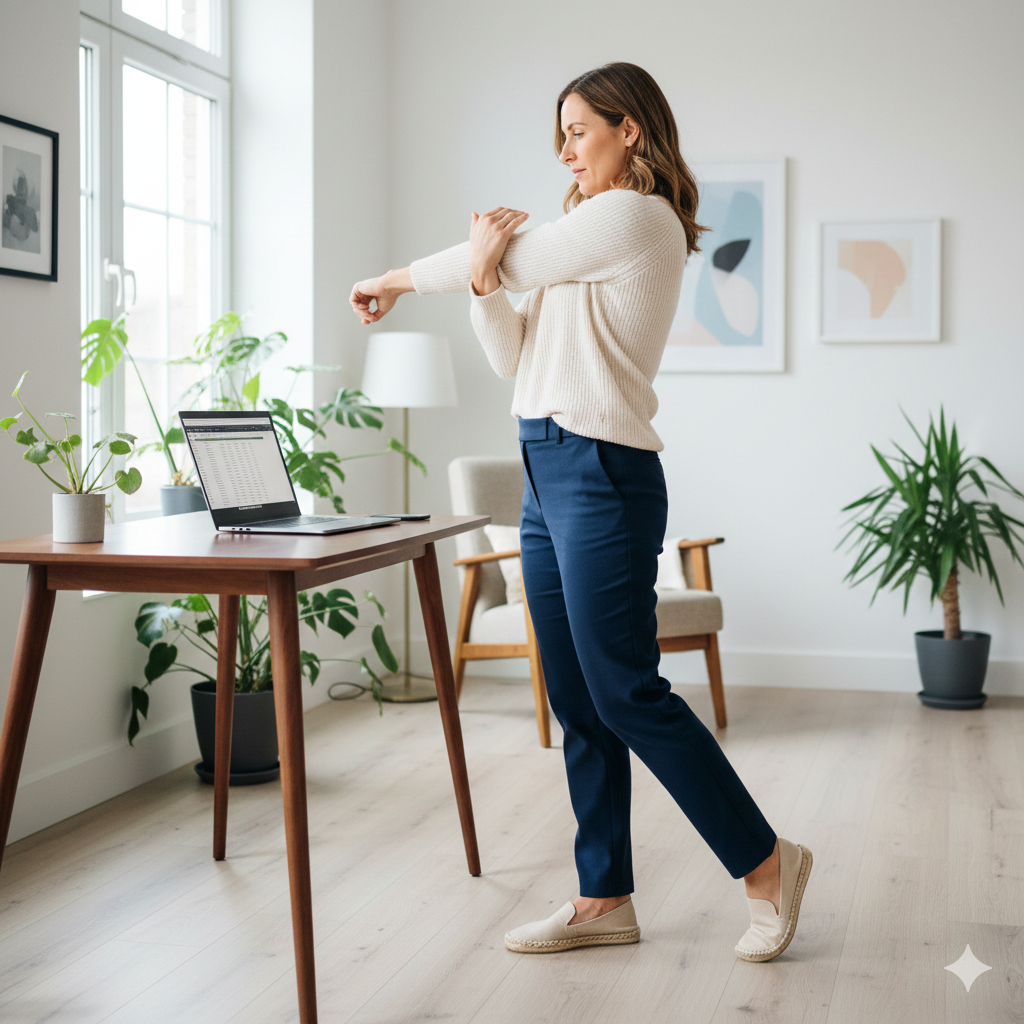
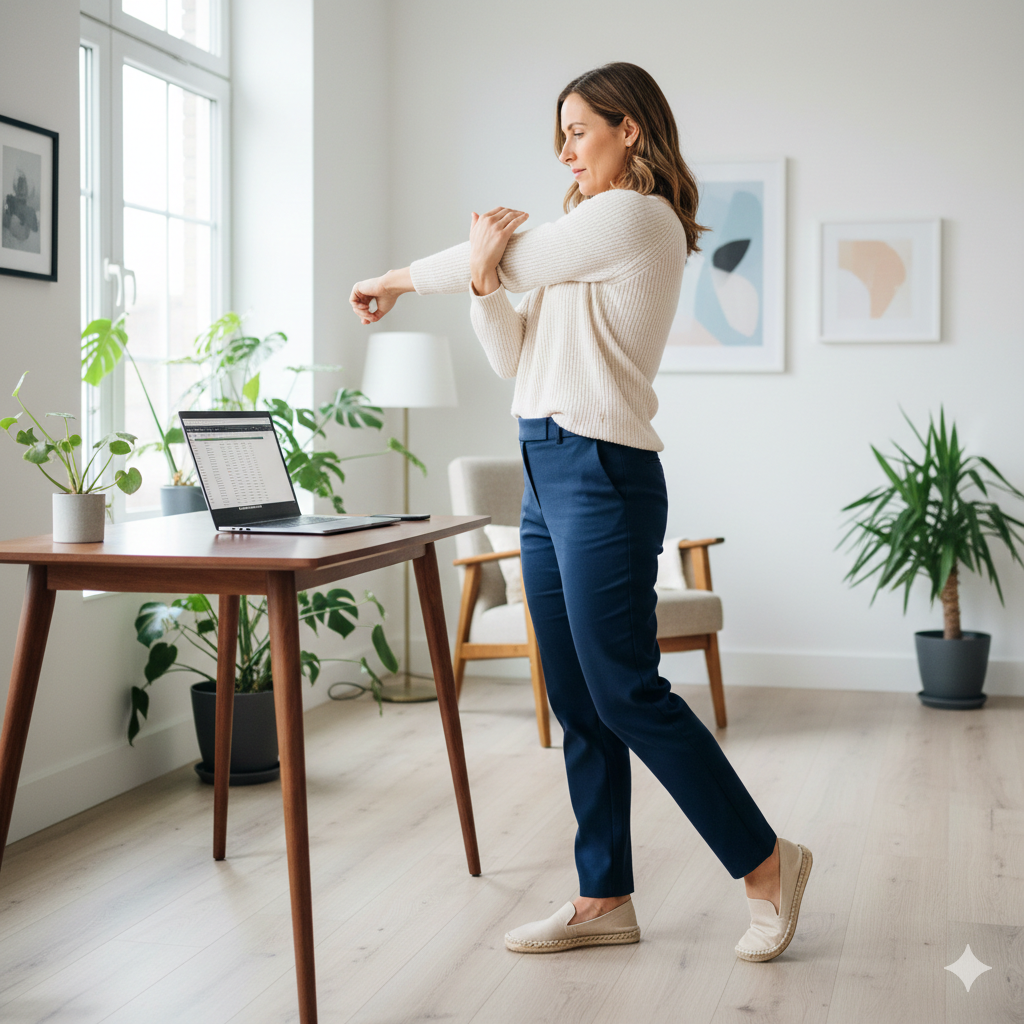
This image was created with AI to avoid copyright issues while conveying the context of this article.
When we think about getting fit, we usually picture someone sweating on a treadmill or lifting heavy weights. We call this "exercise," and it’s a vital part of health. But there is a hidden secret to fat loss and energy that most people completely overlook. It is called NEAT.
NEAT stands for Non-Exercise Activity Thermogenesis. That is a fancy scientific way of saying "all the calories you burn while you aren't actually working out." This includes walking to your car, folding laundry, pacing while you talk on the phone, or even fidgeting at your desk.
As we move into the second day of February, it’s time to look at how these "movement snacks" can change your life.
The Math of Movement
Think about your day. Even if you go to the gym for one hour, there are still 23 other hours in the day. If you spend those 23 hours sitting perfectly still, your metabolism slows down.
Research shows that for most people, NEAT accounts for a much larger portion of their daily calorie burn than a structured workout does. Someone with a high level of NEAT might burn 500 to 1,000 more calories a day than someone who is sedentary, all without ever stepping foot in a gym. This is why some people seem to stay lean effortlessly; they are simply moving more throughout the day in small, subtle ways.
Why the Gym Isn't Enough
A common mistake in February is the "I worked out, so I can sit all day" trap. Scientists call this the "Active Couch Potato" syndrome. You might hit the gym at 6:00 AM, but if you sit in an office chair until 5:00 PM, your body begins to shut down certain fat-burning enzymes.
By adding "movement snacks" to your day, you keep your metabolism "simmering" like a pot on a stove. Instead of one big boil (the gym) followed by a cold burner (the office chair), you keep the heat steady all day long.
How to Increase Your NEAT
The beauty of NEAT is that it doesn't require a change of clothes or a shower. You can do it anywhere. Here are a few ways to add more movement to your February routine:
The Phone Pace: Every time your phone rings, stand up and walk around while you talk.
The Commercial Break Squeeze: If you are watching TV, stand up and stretch or do a few air squats during the commercials.
Park Further Away: It sounds like a cliché, but parking at the back of the lot every single day adds up to miles of extra walking over a year.
Stand and Work: If you have a standing desk, use it for 20 minutes of every hour. If you don't, stand up every time you have to read a long email.
Focus on "Movement Snacks"
In 2026, we are moving away from the idea that fitness has to be "all or nothing." We now understand that small, frequent movements are better for your blood sugar and your mood than one giant workout followed by hours of sitting.
Think of these as "movement snacks." Just like a snack keeps your hunger away between meals, a movement snack keeps your energy levels high between your main workouts. These snacks help your joints stay lubricated, reduce back pain from sitting, and keep your brain sharp by increasing blood flow.
The Legacy Approach
At Legacy Fitness, we believe that fitness should fit into your life, not the other way around. You don't need to be a professional athlete to have a high-functioning body. You just need to be a human who moves.
This February, don't just focus on your gym stats. Start tracking your "activity" in general. If you find yourself sitting for more than an hour, stand up and shake it out. Those small moments of movement are the bricks that build a legacy of health.