
Outdoor Fitness in Winter: Staying Active in the Cold
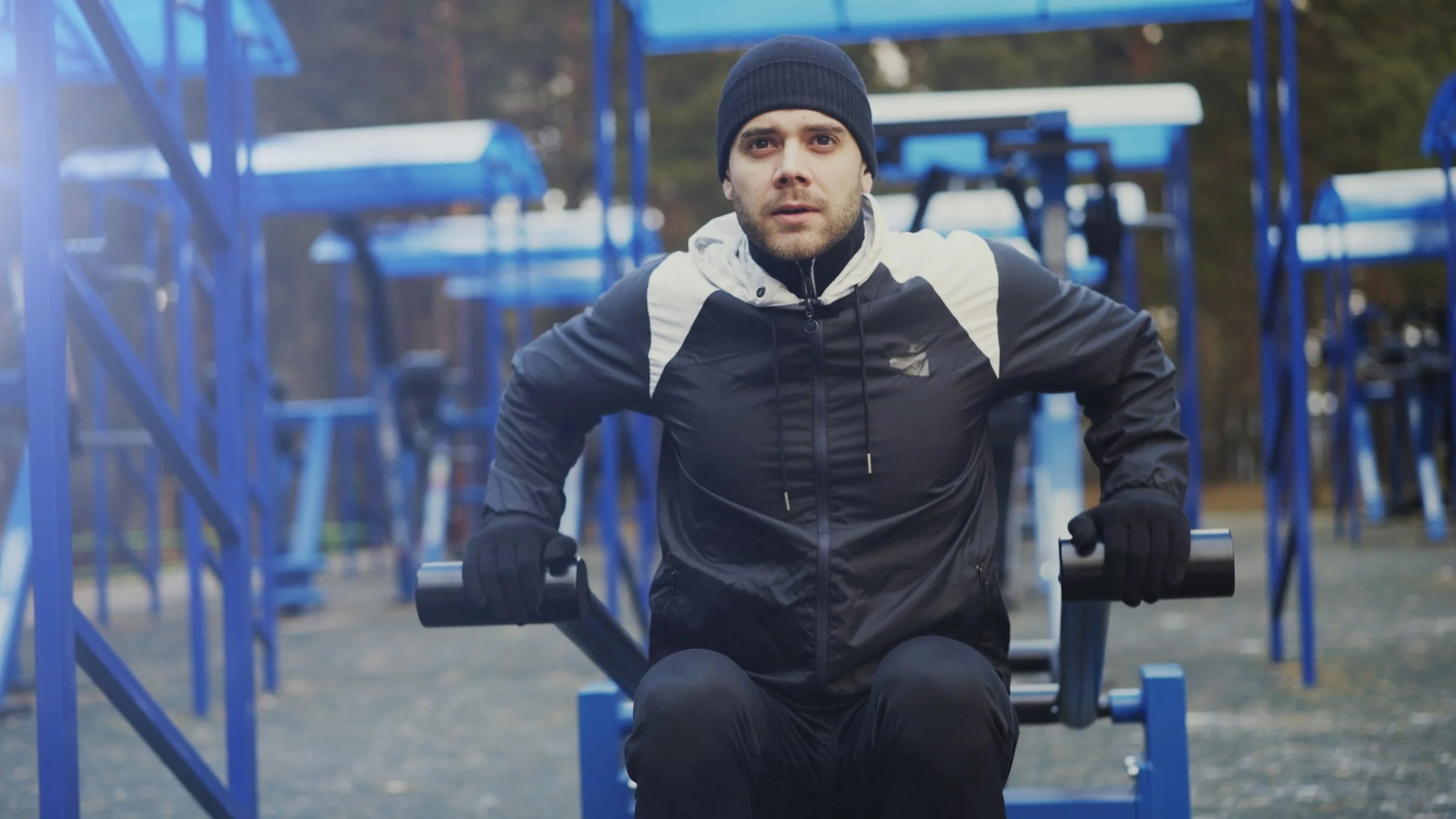
Photo by Vitaly Gariev on Unsplash
When the temperature drops and the sun starts setting at 4:30 PM, the last thing most people want to do is head outside for a workout. It is much easier to stay under a warm blanket or stick to the treadmill in a heated gym. However, in 2026, we are seeing a massive rise in "Green Exercise", the practice of working out in nature, regardless of the weather. There is something incredibly rewarding about conquering the cold. It builds a type of mental toughness and physical resilience that you simply cannot get in a climate-controlled room.
Training outdoors in the winter isn't just about "being tough"; it actually offers some unique biological benefits. Because your body has to work harder to keep your internal temperature stable, you may find that your heart rate stays higher even during moderate movements. This can lead to a boost in metabolic health. Furthermore, getting natural sunlight on your face during the winter months is one of the best ways to regulate your mood and keep your Vitamin D levels from crashing. To build a true health legacy, you have to be a person who can thrive in any environment.
The Science of "Brown Fat"
One of the most interesting reasons to embrace the winter air is a special type of tissue called brown adipose tissue, or "brown fat." Unlike regular white fat, which stores energy, brown fat burns energy to create heat. When you expose your body to cold temperatures during a walk or a run, you "activate" this brown fat. This process helps improve your insulin sensitivity and can make your body more efficient at burning fuel. Think of it as a natural way to turn up your internal furnace.
Layering for Success: The 10-Degree Rule
The biggest barrier to winter fitness is usually being under-dressed or over-dressed. If you dress so that you feel warm the moment you step outside, you will be overheating ten minutes into your workout. The "10-Degree Rule" suggests that you should dress as if it is 10 to 20 degrees warmer than it actually is.
You want to use a three-layer system:
The Base Layer: This should be a moisture-wicking fabric (like wool or synthetic blends) that pulls sweat away from your skin. Avoid cotton, as it stays wet and will make you freeze.
The Mid Layer: This is your insulation. A light fleece or a specialized running jacket helps trap heat near your body.
The Outer Layer: This should be windproof and water-resistant. In the winter, the wind is often what makes you feel the coldest, so a good "shell" is vital.
Safety and Visibility
Because it gets dark so early in January, safety is a priority. If you are running or walking near roads, you must use reflective gear or a headlamp. Additionally, pay attention to the ground. Winter "Zone 2" walking is great, but "black ice" is a real danger. Choose paths that are well-maintained or consider using "traction cleats" that slip over your shoes to give you a better grip on snow and ice.
The Mental "Green" Boost
Winter can be a lonely time, and many people struggle with Seasonal Affective Disorder (SAD). Getting outside for just 20 minutes a day can break the cycle of "winter blues." The combination of fresh air, movement, and the natural landscape acts as a reset button for your brain. This January, don't let the weather dictate your results. Put on your layers, step outside, and show the world that your commitment to your health doesn't change when the seasons do.
