
The Sleep-Muscle Connection: Recovery While You Dream
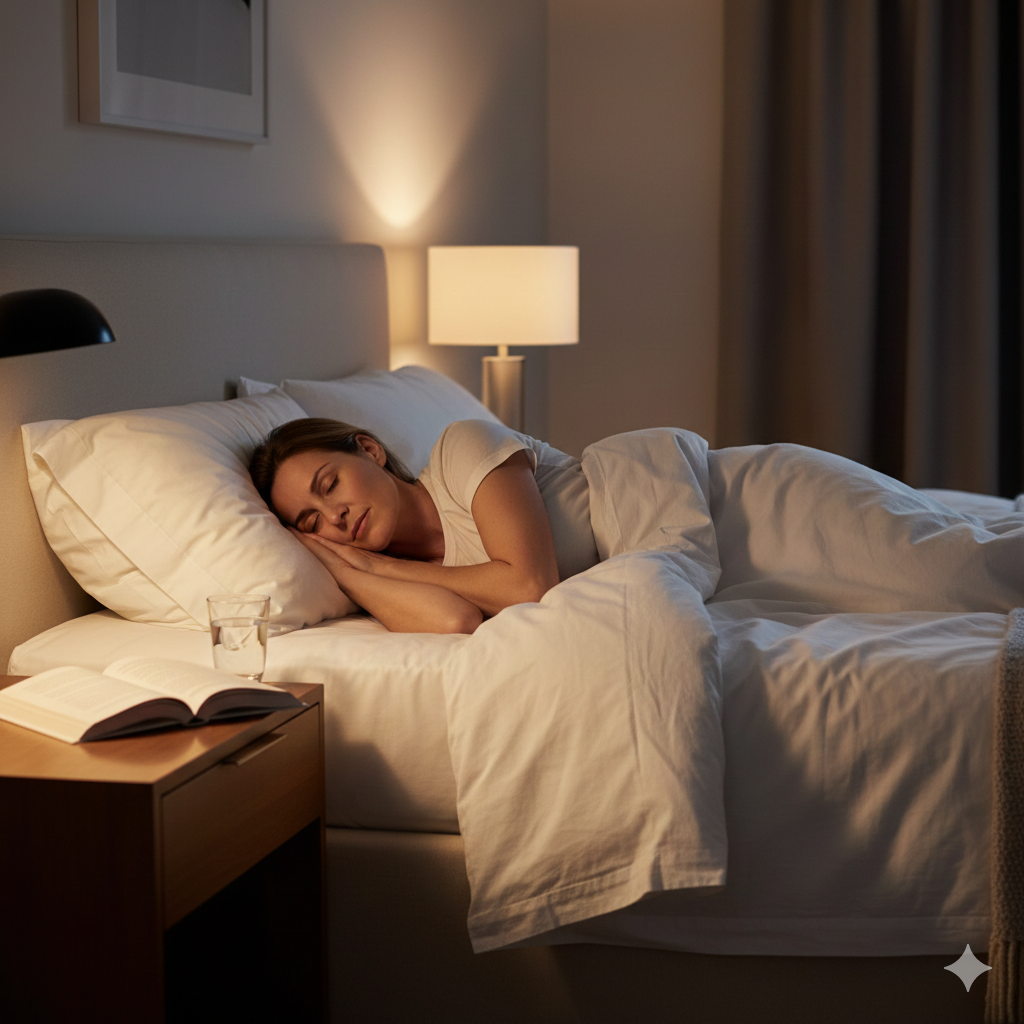
This image was created using AI to avoid copyright issues while conveying the context of this article.
We often talk about the gym as the place where you "build" muscle. We talk about the kitchen as the place where you "fuel" your goals. But there is a third pillar of the health legacy that is even more important: the bedroom. The truth is that you don't actually grow or get stronger while you are lifting weights. In the gym, you are breaking your body down. You actually build muscle and burn fat while you are asleep.
In 2026, we are finally realizing that sleep is not a "luxury" for the lazy; it is a high-performance tool for the dedicated. If you are training hard this January but only sleeping five or six hours a night, you are leaving 50% of your results on the table. To reach your full potential, you have to treat your sleep with the same respect as your heaviest lift.
The Nightly "Repair Shop"
When you enter deep sleep, your body becomes a construction site. Your brain signals the release of Human Growth Hormone (HGH) and testosterone. These are the natural chemicals your body uses to repair the tiny muscle tears from your workout and to strengthen your bones.
Sleep is also when your brain performs its "Glymphatic" cleaning. This is a process where your brain literally washes away metabolic waste from the day. If you skip sleep, that "trash" stays in your system, leading to the brain fog, irritability, and lack of focus that we often feel after a late night.
The Sleep-Hunger Link
Have you ever noticed that when you are tired, all you want to eat is sugar and bread? This isn't a lack of willpower; it is biology. When you are sleep-deprived, your body increases a hormone called ghrelin (the "hunger" hormone) and decreases a hormone called leptin (the "fullness" hormone).
Basically, your brain is looking for a quick hit of energy because it didn't get it from rest. By getting a full eight hours of sleep, you can naturally lower your cravings and make it much easier to stick to your January nutrition plan.
Creating a "Legacy" Sleep Sanctuary
To master your sleep, you need a system. Here are three steps to building a better night:
The "Cool & Dark" Rule: Your body needs its temperature to drop to fall asleep. Keep your bedroom cool (around 68 degrees) and as dark as possible.
The Digital Sunset: At least 60 minutes before bed, turn off the bright screens. The blue light from your phone tells your brain it is daytime, which stops the production of melatonin—the hormone that helps you sleep.
The Consistency Bridge: Try to go to bed and wake up at the same time every day, even on weekends. This "trains" your internal clock so that you fall asleep faster and wake up feeling more refreshed.
Sleep is Your Superpower
This January, stop wearing "I don't sleep much" as a badge of honor. It is actually a sign that you aren't recovering. When you prioritize rest, every other part of your life gets easier. You’ll be stronger in the gym, sharper at work, and more present for your family. Growth happens in the dark; make sure you’re giving yourself the time to dream.
