
Why Your 'Smart Ring' Might Be Lying to You
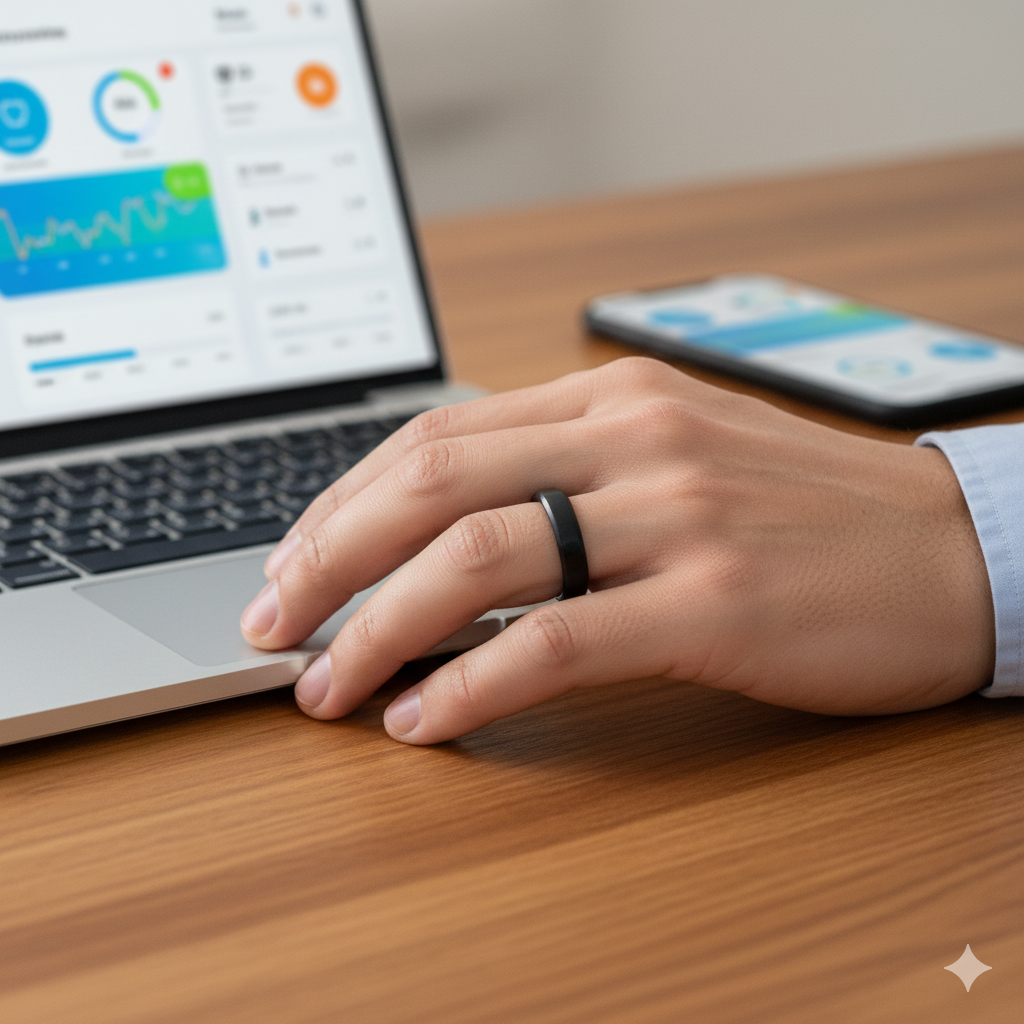
This image was created using AI to avoid copyright while conveying the context of this article.
In 2026, it seems like everyone is wearing a piece of "smart" technology. Whether it is a watch on your wrist, a ring on your finger, or a patch on your arm, we are obsessed with data. We want to know exactly how many steps we took, how many calories we burned, and, most importantly, how well we slept. These tools are incredible for building awareness, but there is a danger in trusting them too much. If you have ever woken up feeling great, only to see a "low readiness score" on your phone and suddenly feel tired, you are a victim of the "Tracker Trap."
The truth is that even the most expensive smart rings and watches are making educated guesses. They are not medical-grade machines. While they can be a great partner in your fitness journey, you need to know when to listen to the data and when to listen to your own body. To build a lasting legacy of health, you have to be the boss of your data, not the other way around.
How Trackers Actually Work
Most wearable devices use a technology called photoplethysmography (PPG). This is the little green or red light you see on the back of your device. It shines light into your skin to measure your blood flow. By looking at these patterns, the device can estimate your heart rate and your Heart Rate Variability (HRV).
However, many things can interfere with these sensors. If your ring is too loose, if your skin is cold, or even if you have a certain skin tone or tattoos, the sensor might struggle to get an accurate reading. When the sensor fails, the software "fills in the gaps" using algorithms. In other words, your device is often guessing what your heart is doing. If you rely on these numbers to tell you if you are "fit" or "healthy," you might be getting a skewed version of reality.
The Calorie Counting Myth
One of the biggest ways smart devices "lie" is in calorie tracking. Studies have shown that most fitness trackers can be off by as much as 20% to 40% (or even more!) when estimating how many calories you burn during a workout. If your watch says you burned 500 calories, you might have actually burned 300.
If you use that data to decide how much extra food you can eat, you might accidentally end up in a "calorie surplus" even though you think you are working hard. The best way to use a tracker for calories is to look at trends over weeks and months, rather than the specific number for one single day. Use it as a compass to see if you are moving more than last week, not as a calculator for your dinner.
The "Placebo Effect" of Sleep Scores
Sleep tracking is the most popular feature of smart rings in 2026. These devices track your movement and heart rate to tell you if you were in "Deep Sleep" or "REM Sleep." While this is helpful for spotting patterns (like how alcohol ruins your sleep) it can also create a problem called "orthosomnia." This is a real condition where people become so anxious about getting a "perfect" sleep score that the anxiety actually keeps them awake.
Your body is much smarter than an app. If you wake up, feel energized, and are ready to tackle the day, that matters more than a "62% Sleep Quality" notification. On the flip side, if your ring says you are 100% recovered but your joints feel sore and your brain feels foggy, you should trust your feelings over the screen. Your device doesn't know if you have a cold starting or if you are under a lot of mental stress at work.
How to Use Tech Like a Pro
To make the most of your smart tech without letting it run your life, follow these "Legacy Tech" rules:
Check Your Body Before Your Phone: When you wake up, take 30 seconds to "scan" how you feel. Are you rested? Are you sore? Make your own "score" before you look at the app.
Focus on Trends, Not Totals: Don't worry if you missed your step goal by 500 steps today. Look at your weekly average. Is it going up over time? That is where the real progress happens.
Use it for "Behavior Cues": Use your tracker to remind you to stand up every hour or to prompt you to take three deep breaths. Use it as a coach, not a judge.
Technology should be a tool that supports your intuition, not a replacement for it. This January, use your data to learn about yourself, but never let a "red" score on an app stop you from showing up for your life. You are the one doing the work, not the ring.
