

Beans & Budgeting: High-Protein, High-Fiber Meals for Less
You don't need a massive salary to have a massive legacy. True fitness is about being resourceful.

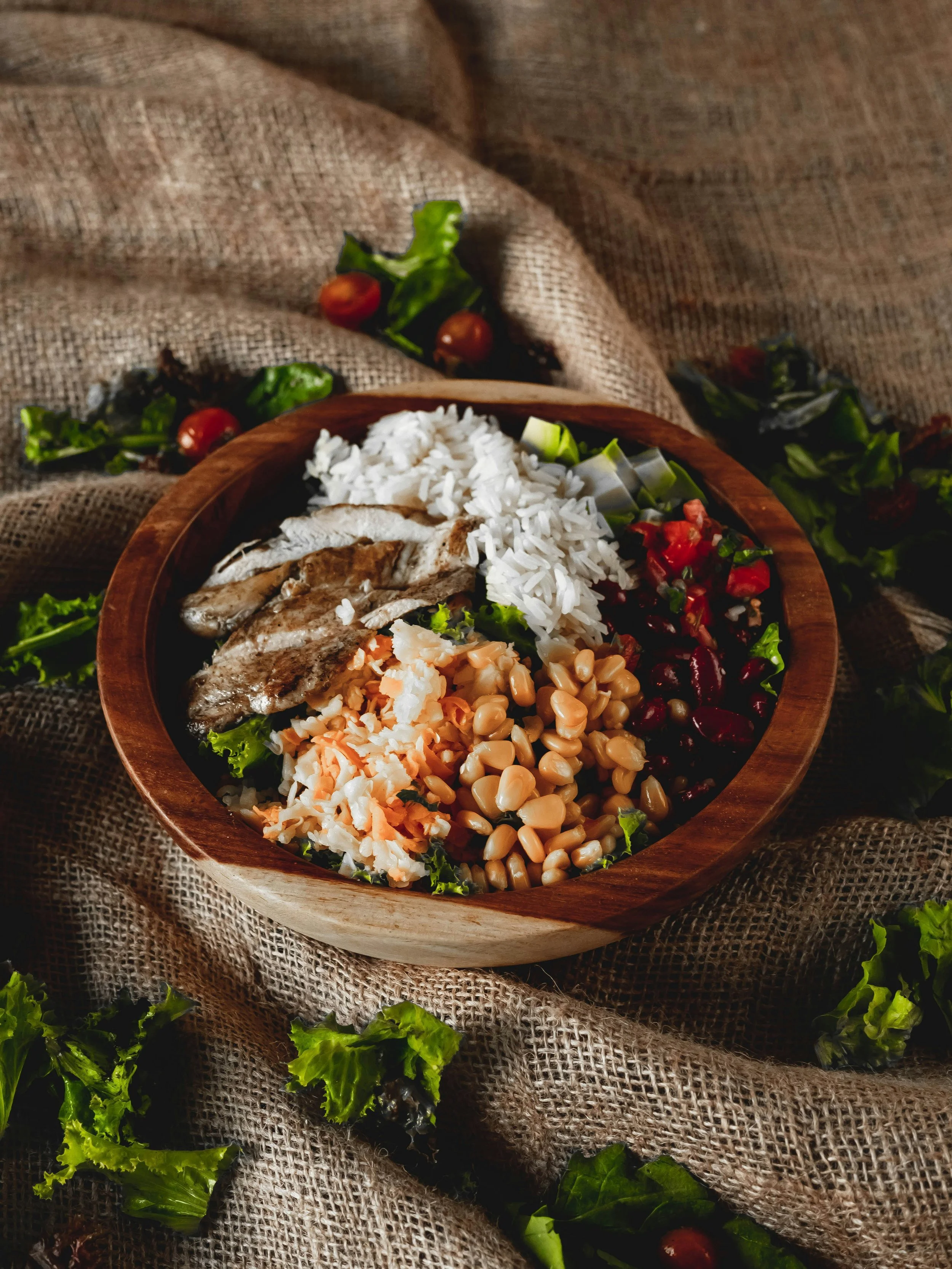
This image was created using AI to avoid copyright issues while conveying the context of this article. (I couldn’t get it to fix the jar and lid situation going on here…lol)
In the fitness world, there is a common myth that eating healthy has to be expensive. We see influencers touting $15 smoothies, $40 grass-fed steaks, and exotic "superfoods" that require a second mortgage just to stock the pantry. By the middle of February, many people are tempted to quit their new habits simply because their grocery bill has skyrocketed.
But in 2026, the real "insider" secret to metabolic health isn't expensive, it is found in the humble, dry goods aisle. Welcome to the world of Beans & Budgeting.
If you want to hit your 4:1 protein-to-fiber ratio while keeping your bank account full, the bean is your best friend. It is the ultimate "dual-threat" food that builds muscle and feeds your gut without breaking the bank.
The Economic Power of the Legume
Let’s look at the math. A pound of dry black beans or lentils usually costs less than $2.00 and contains roughly 10 servings. Compare that to a pound of organic chicken breast or lean beef, which can range from $7.00 to $12.00.
While animal protein is an excellent tool for building muscle, using legumes as a "protein extender" or a primary base a few times a week can slash your food budget by 30% to 50%. In 2026, being "frugally fit" is the new status symbol. It shows you understand how to fuel your body efficiently without falling for the marketing traps of the "health food" industry.
The 4:1 Gold Standard in a Single Food
One of the hardest parts of nutrition is finding foods that naturally hit the balance we’ve been talking about all week. Most meats have zero fiber. Most vegetables have very little protein.
Beans, however, are nature’s perfect package.
Lentils: One cup provides about 18g of protein and 15g of fiber.
Black Beans: One cup provides about 15g of protein and 15g of fiber.
While these are higher in carbohydrates than a chicken breast, they are "complex" carbohydrates. Because they are packed with fiber, they don't cause the glucose spikes that white rice or pasta do. They keep you full, energized, and within your metabolic goals for pennies on the dollar.
How to Use Beans Without the "Side Effects"
The biggest complaint people have about beans is digestive discomfort. If you aren't used to high fiber, your gut bacteria need an "on-boarding" process.
Start Small: Don't eat a giant bowl of chili on day one. Add a quarter-cup of chickpeas to your regular salad or mix some lentils into your ground beef.
Rinse Thoroughly: If using canned beans, rinse them under cold water until the bubbles disappear. This removes the sugars that cause gas.
The "Soak and Simmer": If using dry beans, soak them overnight and cook them with a piece of seaweed (kombu) or ginger to help break down the difficult-to-digest starches.
Three Budget-Friendly "Legacy" Meals
The "Protein Extender" Taco: Mix one pound of lean ground beef with two cans of black beans. You’ve just doubled your meal prep for only an extra $2.00, and you’ve massively increased the fiber content.
Red Lentil "Dahl": Red lentils cook in just 15 minutes and turn into a creamy, satisfying porridge. Season with turmeric and ginger for an anti-inflammatory meal that costs about $0.50 per serving.
The Mediterranean Chickpea Bowl: Toss canned chickpeas with cucumbers, tomatoes, feta, and a little olive oil. It is a high-protein, high-fiber lunch that stays fresh in the fridge for days.
The Legacy View
At Legacy Fitness, we believe that health should be accessible to everyone. You don't need a massive salary to have a massive legacy. True fitness is about being resourceful. It’s about knowing that a bag of lentils and a rotisserie chicken can feed you better, and longer, than any expensive "meal replacement" shake.
This week, challenge yourself to a "Budget Day." Skip the expensive cuts of meat and lean into the power of the bean. Your wallet and your waistline will thank you.
The Power Couple: Why Protein and Fiber are Better Together
If you are constantly hungry and tired, you can’t build a legacy of health. By mastering the Power Couple of protein and fiber, you take control of your biology.
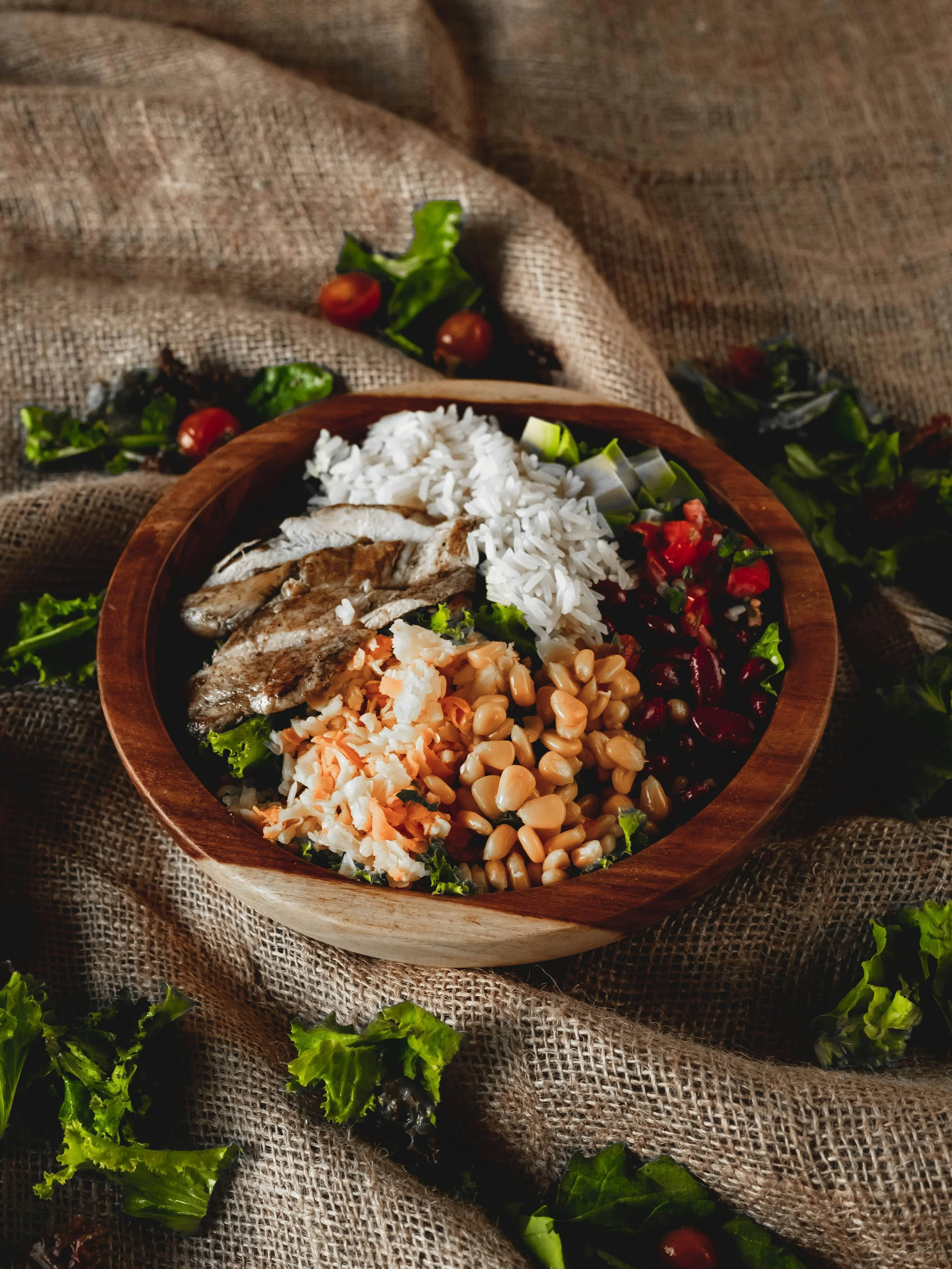
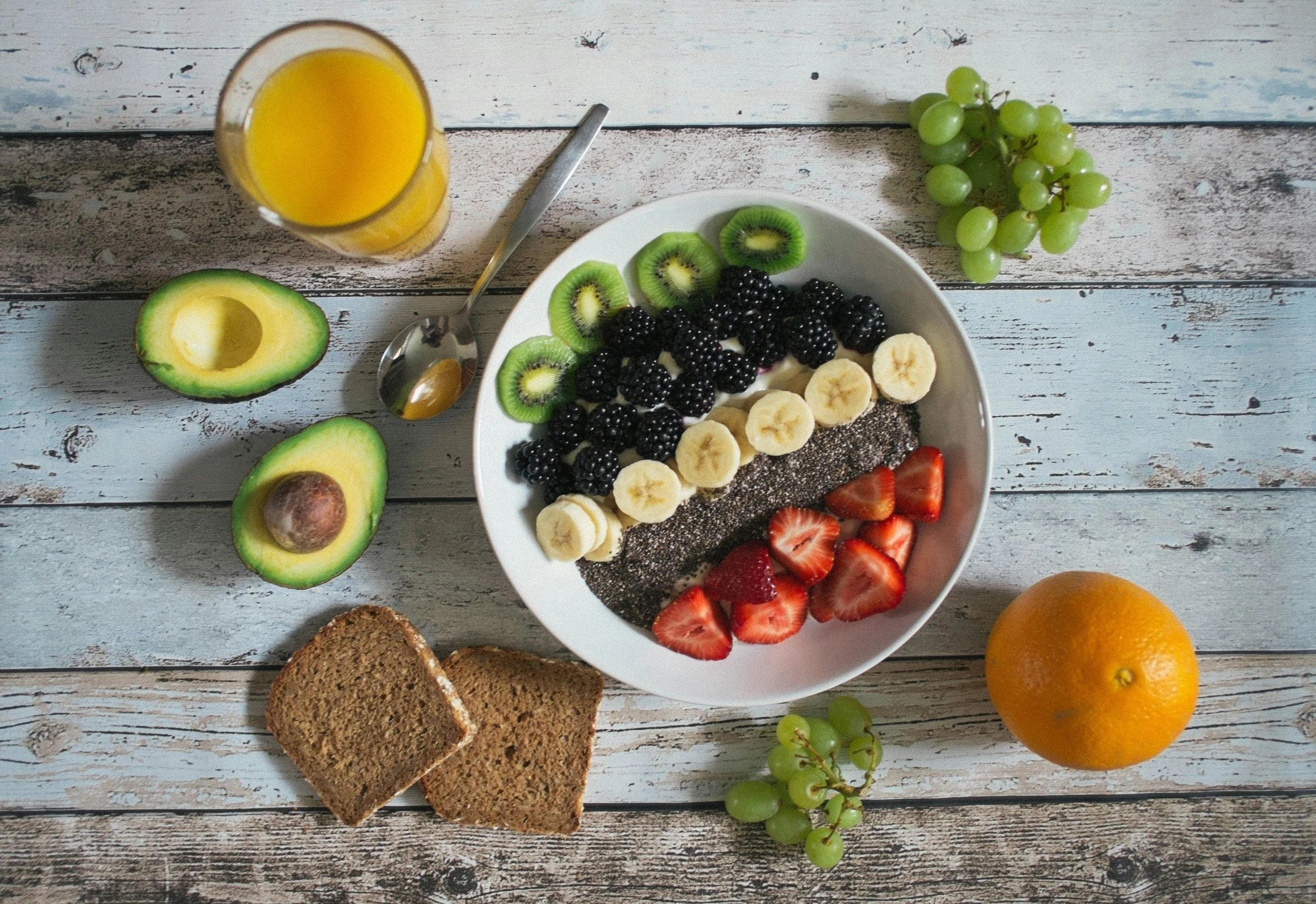
Photo by joe boshra on Unsplash
In the world of nutrition, we often talk about nutrients as if they work alone. We focus on "hitting our protein" or "getting our fiber" as separate tasks on a checklist. But in 2026, the most effective way to manage your weight and energy isn't just about the total amount of these nutrients, it is about the synergy between them.
Individually, protein and fiber are great. But when you eat them together in the same meal, they become a "Power Couple" that transforms your metabolic health. As we continue through our February focus on long-term habits, understanding this partnership is the key to making healthy eating feel effortless rather than like a chore.
The Science of the Synergy
To understand why they work so well together, we have to look at how your body processes them.
Protein is highly "thermogenic," meaning your body burns a lot of calories just trying to digest it. It also keeps your muscles fed and triggers "fullness" hormones in your gut. Fiber, on the other hand, provides physical bulk and slows down the speed at which food leaves your stomach.
When you combine them, you create a "slow-release" energy system. The fiber acts like a gatekeeper, ensuring that the amino acids from the protein and any carbohydrates in the meal enter your bloodstream at a steady, manageable pace. This prevents the "spike and crash" cycle that leads to brain fog and sugar cravings at 3:00 PM.
Flattening the Glucose Curve
One of the biggest health trends of 2026 is monitoring blood sugar (glucose) levels. Even if you aren't diabetic, large spikes in blood sugar can lead to increased fat storage and inflammation.
Eating a carbohydrate (like a piece of fruit or a slice of toast) by itself causes a sharp spike in glucose. But when you "clothe" those carbs with the Power Couple of protein and fiber, you flatten that curve. This is why a snack of an apple (fiber) and string cheese (protein) is infinitely better for your fat-loss goals than eating the apple alone.
The Satiety "Double Whammy"
Hunger is the number one reason people quit their fitness plans in February. Most people try to fight hunger with willpower, but willpower is a limited resource. The Power Couple fights hunger with biochemistry.
Protein tells your brain you are satisfied chemically.
Fiber tells your stomach you are full physically.
When you hit both of these signals at the same time, your "hunger switch" stays off for much longer. This allows you to go from meal to meal without feeling like you are starving, which makes choosing healthy options much easier.
Practical "Power Couple" Pairings
You don't need a complicated recipe book to use this strategy. You just need to look for opportunities to pair a lean protein with a high-fiber plant.
The Breakfast Swap: Instead of just eggs (protein), add a side of black beans (fiber) or half an avocado.
The Lunch Upgrade: Instead of a chicken salad with just lettuce, add chickpeas or lentils (fiber) to your chicken (protein).
The Snack Fix: Instead of a protein shake, blend that protein powder with a tablespoon of ground flaxseeds or psyllium husk (fiber).
The Dinner Strategy: Instead of steak and a potato, try steak (protein) and a double serving of roasted Brussels sprouts or asparagus (fiber).
The 4:1 Goal in Action
As we’ve discussed throughout the week, aiming for a 4:1 or 5:1 Protein-to-Fiber ratio is the "Gold Standard." By ensuring that every time you reach for protein, you also reach for a little bit of fiber, you are training your body to be metabolically flexible. You are teaching your system to burn fuel steadily rather than constantly looking for the next "sugar hit."
The Legacy View
At Legacy Fitness, we believe that "food is fuel," but it’s also the foundation of your daily experience. If you are constantly hungry and tired, you can’t build a legacy of health. By mastering the Power Couple of protein and fiber, you take control of your biology.
This week, don't let your protein travel alone. Give it a partner. Every time you have a meal, ask yourself: "Where is my protein, and where is my fiber?" When you find that balance, you find the secret to lasting consistency.
Fibermaxxing 101: Why Fiber is the New Protein for 2026
Gut health is the foundation of almost everything from your mood and brain clarity to how your body stores fat. Fiber acts like a "scrubbing brush" for your insides, but more importantly, it helps regulate GLP-1
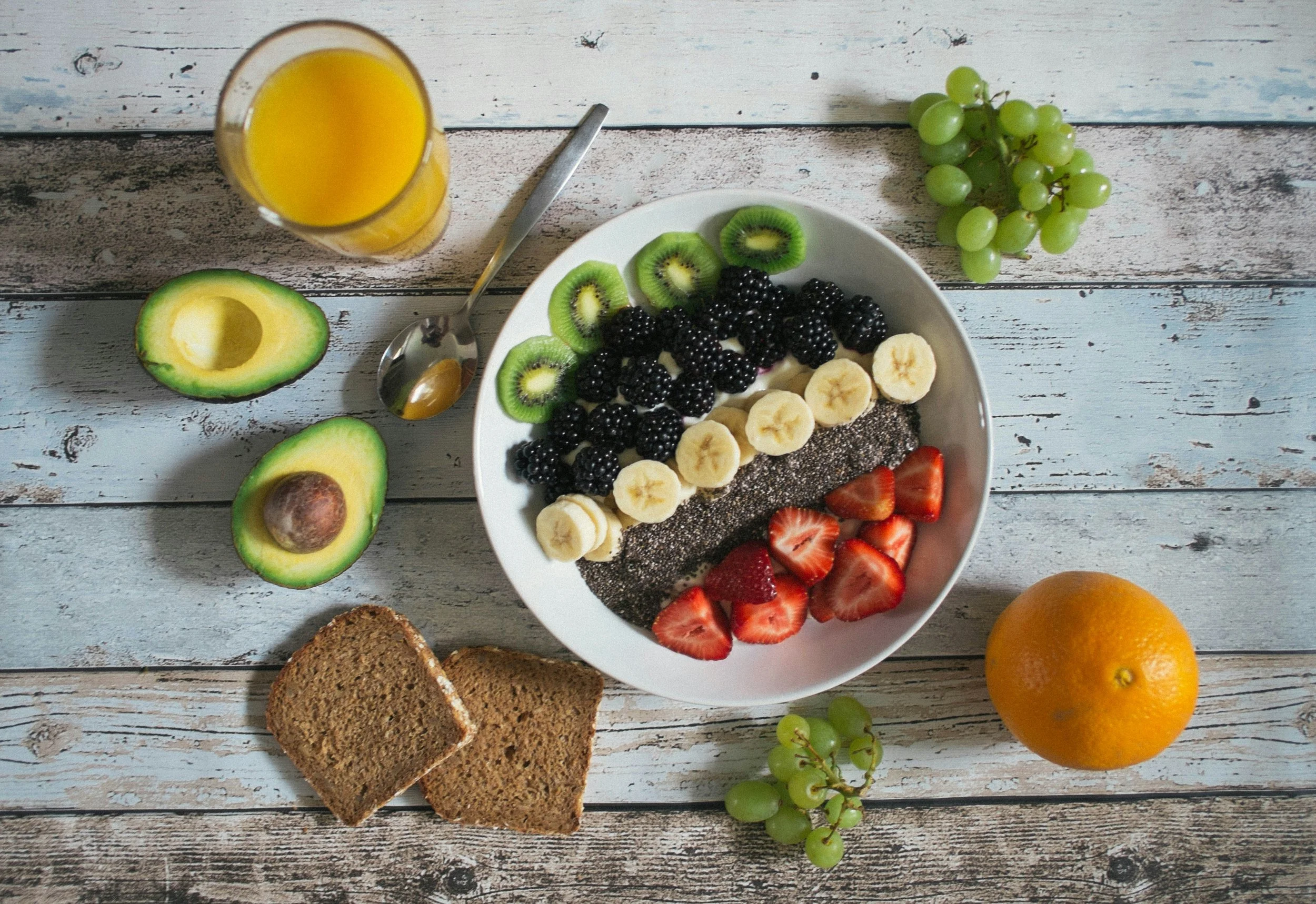
Photo by Jannis Brandt on Unsplash
For years, protein has been the undisputed king of the fitness world. We’ve been told to drink shakes, eat bars, and center every meal around a lean animal source. While protein is still vital for building muscle, there is a new heavy hitter in the nutrition space that is taking over the conversation in 2026.
Welcome to the era of "Fibermaxxing."
If you want to optimize your metabolism, flatten your glucose spikes, and finally feel "naturally full," fiber is the missing link. As we kick off the second week of February, we are diving deep into why fiber is no longer just something your grandparents worry about, it is the ultimate performance tool for the modern athlete.
What is Fibermaxxing?
"Fibermaxxing" is the intentional practice of maximizing your fiber intake to improve metabolic health and digestive efficiency. In a world of processed "keto" snacks and "high-protein" junk food, our gut microbiomes have become starved for real, complex plant fibers.
Fiber is a type of carbohydrate that your body cannot digest. While that might sound useless, it is actually its greatest strength. Because it passes through your system undigested, it provides bulk, slows down the absorption of sugar, and feeds the beneficial bacteria in your gut.
The 2026 Longevity Secret
In 2026, we’ve realized that gut health is the foundation of almost everything from your mood and brain clarity to how your body stores fat. Fiber acts like a "scrubbing brush" for your insides, but more importantly, it helps regulate GLP-1, a hormone that signals to your brain that you are full.
By "fibermaxxing," you are essentially giving your body a natural version of the satiety signals that people are currently seeking through expensive medications. When your fiber intake is high, your hunger levels stay low, making it much easier to maintain your February fitness goals.
Soluble vs. Insoluble: Know Your Tools
To be a pro at Fibermaxxing, you need to understand the two types of fiber:
Soluble Fiber: This turns into a gel-like substance in your gut. It’s found in oats, beans, and apples. It’s the "metabolic anchor" we’ve discussed, slowing down digestion and lowering cholesterol.
Insoluble Fiber: This is the "bulker." It’s found in whole grains and vegetables. It keeps things moving through your digestive tract and prevents the heavy, bloated feeling that often comes with high-protein diets.
How to "Fibermaxx" Safely
If you currently eat very little fiber, do not try to hit 50 grams tomorrow. Your digestive system needs time to adapt. If you go too fast, you will experience bloating and discomfort. Follow the "Low and Slow" rule:
Add 5 grams a week: Start by adding one extra serving of berries or a handful of leafy greens to your daily routine.
Hydrate, Hydrate, Hydrate: Fiber needs water to move through your system. If you increase fiber without increasing water, you’ll feel like you swallowed a brick.
The 4:1 Rule: Remember our goal of 1 gram of fiber for every 4-5 grams of protein. This ensures your high-protein diet doesn't "clog the pipes."
The Best Sources for 2026
Fibermaxxing isn't about eating cardboard. It’s about choosing nutrient-dense, delicious whole foods. Some of the best "bang for your buck" sources include:
Chia Seeds: Two tablespoons pack a massive 10 grams of fiber.
Raspberries: One cup gives you 8 grams and is low in sugar.
Lentils and Beans: These are the ultimate dual-threat, providing both high protein and high fiber.
Avocado: Half an avocado provides about 7 grams of healthy fats and fiber.
The Legacy View
At Legacy Fitness, we stay ahead of the curve. We know that fitness isn't just about how you look in the mirror; it’s about how your internal "engine" is running. Fiber is the fuel for a healthy gut, a steady mind, and a lean body.
This week, challenge yourself to look beyond the protein label. Start "Fibermaxxing" by adding one more plant-based fiber source to every meal. Your gut, your energy levels, and your waistline will thank you.

The Mid-Week "Hump" Meal Prep: Why Thursday is Your Most Important Day
We want you to be efficient. Sunday prep is for the strategy, but Thursday prep is for the win.

This image was created using AI to avoid copyright issues while conveying the context of this article.
By the time Wednesday night or Thursday morning rolls around, even the best-laid plans for February fitness can start to wobble. This is the "Mid-Week Hump." You probably spent Sunday afternoon prepping meals, but by now, the fridge is looking a little empty, the chicken is smelling a bit "leftover," and your willpower is starting to fade.
Most people think meal prepping is something you only do on Sundays. But at Legacy Fitness, we’ve found that the secret to a successful month isn’t a giant Sunday marathon; it is the Thursday Refresh.
The Psychology of the Thursday Fade
There is a reason why Friday night pizza and Saturday morning drive-thrus are so common. Decision fatigue is a real scientific phenomenon. By Thursday, you have made thousands of decisions at work, with your family, and in your workouts. Your brain is tired.
When you are tired, you don’t choose the meal that helps your goals; you choose the meal that is easiest. If the only thing in your fridge is a raw head of broccoli and a frozen block of meat, you are going to order takeout. The Thursday Refresh stops this cycle before it starts.
What is a "Mid-Week Hump" Prep?
Unlike a Sunday prep, which might take two hours, a Mid-Week Hump prep should take no more than 20 to 30 minutes. The goal isn't to cook five brand-new meals. The goal is to "bridge the gap" between Thursday and Monday morning.
Think of it as a pit stop. You aren't building a new car; you are just refilling the tank so you can finish the race.
The 3-Step Thursday Refresh
The Protein Pivot: Most Sunday meal preps run out of protein by Thursday. Take 15 minutes to air-fry some salmon, brown some lean ground beef, or grab a fresh rotisserie chicken from the store. Having a "ready-to-go" protein in the fridge for Thursday and Friday night is the difference between staying on track and giving up.
The "Crunch" Factor: By Thursday, pre-cut salads are often wilting. Spend 5 minutes chopping fresh peppers, cucumbers, or carrots. Having something crunchy and fresh makes a healthy meal feel more appealing when you are bored with your Sunday leftovers.
The Weekend Defense: Look at your calendar for Friday, Saturday, and Sunday. If you see a social event or a busy kids' sports schedule, prep one specific "emergency meal." This could be a high-protein, high-fiber wrap that you can eat in the car.
Building Your 4:1 Ratio on the Fly
In our previous discussion, we talked about the 4:1 Protein-to-Fiber ratio. Thursday is when this ratio usually falls apart. People start eating "protein-only" snacks or "carb-only" convenience foods.
During your Mid-Week Hump prep, make sure you have your anchors ready. If you have your protein (like that rotisserie chicken), make sure you also have a quick fiber source (like a bag of frozen cauliflower rice or pre-washed spinach). This ensures your blood sugar stays stable through the weekend.
Why the Weekend Matters More Than Monday
Most people treat Monday through Thursday like a "perfect" fitness window and then let Friday through Sunday become a free-for-all. This "on-again, off-again" cycle keeps you in a plateau.
By prepping on Thursday, you are sending a signal to your brain that the weekend is part of the plan, not an escape from it. You are choosing to be a person who stays consistent even when the "New Week" excitement has worn off.
The Legacy View
At Legacy Fitness, we don't expect you to be a kitchen slave. We want you to be efficient. Sunday prep is for the strategy, but Thursday prep is for the win. If you can master the 20-minute refresh, you will stop "restarting" your diet every Monday morning.
This Thursday, take thirty minutes. Refresh your protein, crisp up your veggies, and plan your weekend defense. Your Monday-morning self will thank you for the head start.

The P:F Ratio: Your New Secret Weapon for Fullness
This week, look at your plate. Do you have your protein? Is it anchored by fiber?

This image was created with AI to avoid copyright issues while conveying the context of this article.
If you have ever finished a large meal only to feel hungry again an hour later, you have experienced a "satiety gap." In the past, people focused solely on calories to lose weight. Then, the trend shifted to focusing only on protein. But in 2026, the most successful fitness enthusiasts are looking at a different metric: The P:F Ratio.
P:F stands for the Protein-to-Fiber Ratio. This simple math trick is the secret weapon for anyone who wants to feel full, stay lean, and stop the constant "pantry grazing" that often ruins fitness goals in February.
The Problem with "Empty" Protein
Protein is essential for building muscle and keeping you full, but protein alone isn't always enough. Have you ever eaten a plain chicken breast and felt "full" but still unsatisfied? That is because your digestive system also needs bulk and slow-digesting nutrients to tell your brain that the meal is over.
On the other hand, if you eat a bowl of pasta, you might feel very full for twenty minutes, but because it lacks protein and fiber, your blood sugar spikes and then crashes. This leaves you tired and looking for a sugary snack by mid-afternoon.
Why Fiber is the "Other Half" of the Equation
Fiber is often called the "forgotten nutrient." It doesn't build muscle like protein does, but it does something equally important: it slows down digestion. When you eat fiber, it expands in your stomach and slows the rate at which food enters your bloodstream.
When you combine high protein with a strategic amount of fiber, you create a "metabolic anchor." This combination keeps your blood sugar steady and ensures that the energy from your food lasts for hours instead of minutes.
How to Calculate the P:F Ratio
You don't need a calculator or a degree in nutrition to use this secret weapon. In 2026, health experts suggest aiming for a 4:1 or 5:1 ratio of protein to fiber. This means for every 4 or 5 grams of protein on the label, you want at least 1 gram of fiber.
This is the "Sweet Spot" for satiety. It provides enough fiber to slow down digestion without causing the bloating or discomfort that comes from overdoing it too quickly.
The "Bad" Snack: A processed protein bar with 20g of protein but 0g of fiber. This is a 20:0 ratio—you’ll be hunting for more food in thirty minutes.
The "Great" Snack: A serving of Greek yogurt (20g protein) paired with a handful of raspberries (5g fiber). This is a perfect 4:1 ratio. You will feel energized and satisfied until your next meal.
Simple Swaps for a Better Ratio
Improving your P:F ratio doesn't mean you have to change what you eat entirely. It just means you need to "clothe" your protein with a little bit of fiber.
At Breakfast: If you love eggs (high protein), add a half-cup of sautéed spinach or a few slices of avocado (fiber).
At Lunch: If you’re having a turkey wrap, ensure the tortilla is whole-grain or sprouted (fiber) rather than white flour.
At Dinner: If you’re having a lean steak or chicken, make sure half your plate is filled with colorful vegetables like roasted Brussels sprouts or broccoli.
The "Fullness" Advantage in February
February is a tricky month. The weather is often cold, and we naturally crave "comfort foods" that are usually high in carbs and low in nutrients. By focusing on a 4:1 P:F ratio, you can still eat satisfying, hearty meals without the weight-gain "side effects."
When you are physically full because of the protein-fiber synergy, you have more willpower. It is much easier to say "no" to the office donuts or the late-night ice cream when your body is actually satisfied from your last meal.
The Legacy View
At Legacy Fitness, we want to move away from "starvation diets." We believe in fueling your body so that it performs at its best. Learning the P:F ratio is like learning a new language for your health. Once you start seeing food in terms of how it makes you feel and how long it keeps you full, you’ll never go back to mindless calorie counting again.
This week, look at your plate. Do you have your protein? Is it anchored by fiber? If you hit that 4:1 mark, you have a winning legacy.
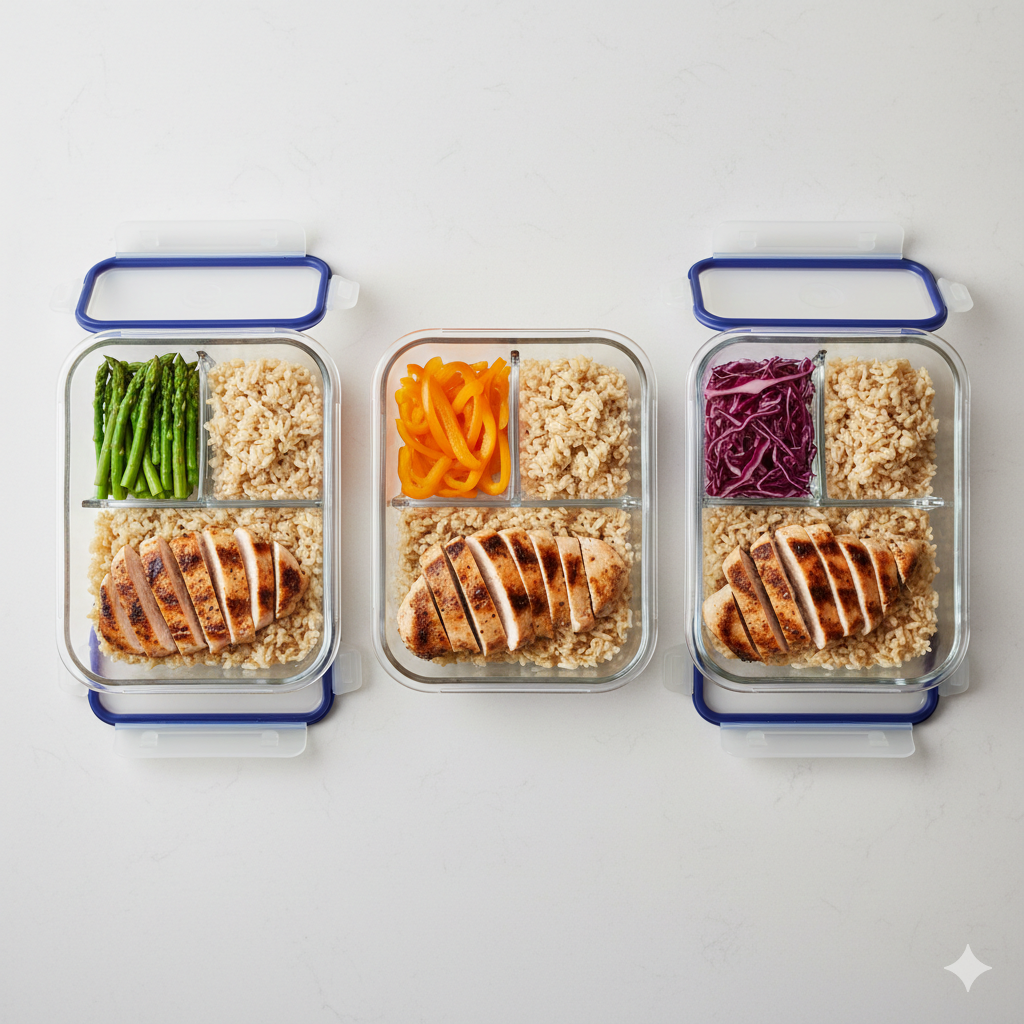
The 'Human Kibble' Trend: Is Repetitive Eating Bad?
Repetitive eating is a tool, not a prison, but don't forget to "color in the lines" with different vegetables and spices.
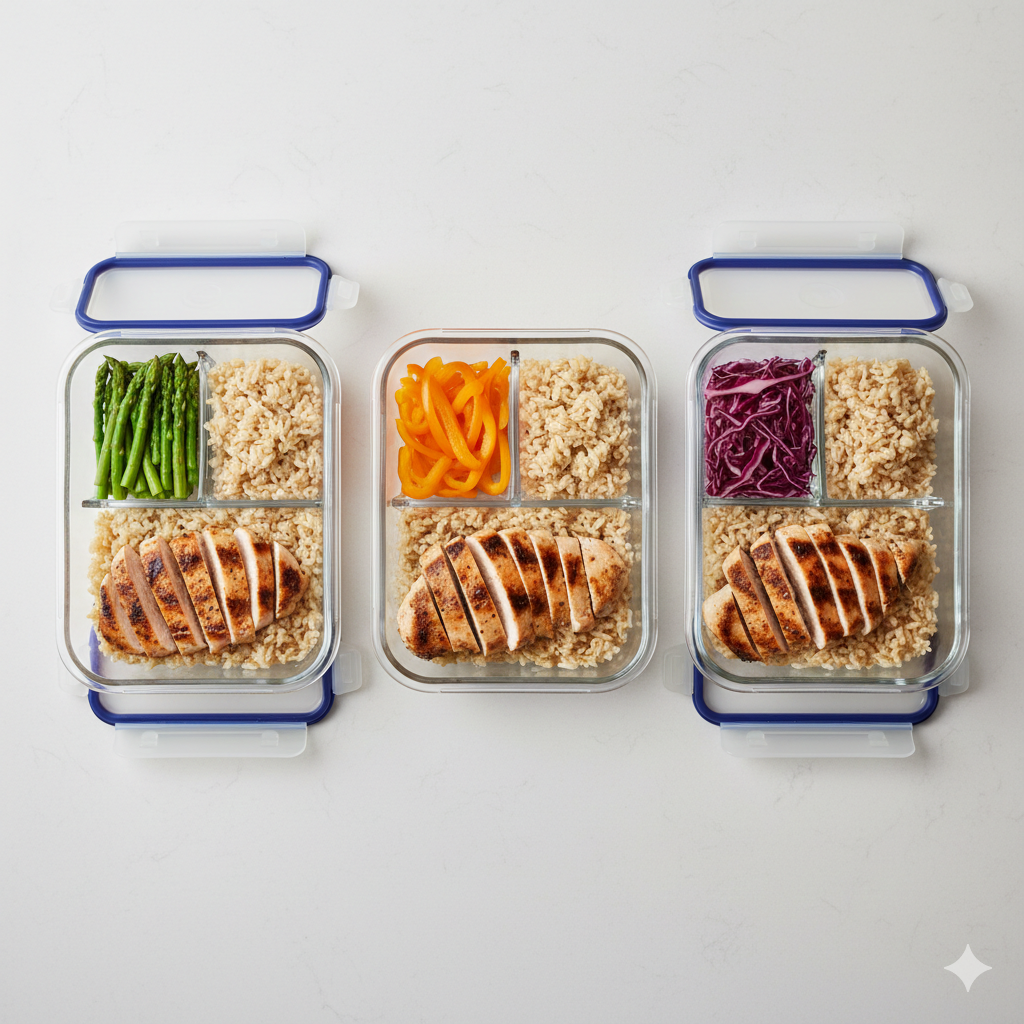
This image was created using AI to avoid copyright issues while conveying the context of this article.
As we reach the end of January, many people have found a rhythm with their food. However, for a lot of busy professionals, that rhythm often turns into eating the same three or four meals every single week. On social media, this has been jokingly called the "Human Kibble" trend. It involves finding a healthy meal that "works," like a bowl of chicken, rice, and beans, and eating it for lunch and dinner every day to save time and mental energy.
While this approach is amazing for consistency, many people wonder: "Is it bad for me to eat the same thing every day?" To build a long-term legacy of health, we need to balance the need for simplicity with the need for diversity. In 2026, the answer isn't to stop repetitive eating, but to learn how to do it "smartly" so your body gets all the nutrients it needs without you losing your mind in the kitchen.
The Power of Decision Minimalism
The biggest benefit of the "Human Kibble" approach is the elimination of decision fatigue. As we discussed in The Art of the Sunday Meal Prep (Without the Stress), making choices takes energy. If you have a go-to meal that you know is healthy and fits your goals, you are much less likely to end up in a drive-thru line on a stressful Tuesday.
By automating your nutrition, you free up "brain space" for your career, your family, and your training. Consistency is the foundation of any fitness transformation, and repetitive eating is one of the fastest ways to achieve it. When you don't have to think about what to eat, you remove the most common reason people quit their January plans.
The "Nutrient Gap" Risk
The downside of eating the same thing every day is "Nutrient Boredom" for your gut. Your microbiome (the trillions of bacteria we talked about in The Gut-Brain Connection: Foods for Mental Clarity) thrives on variety. Different bacteria eat different types of fiber. If you only eat broccoli and chicken every day, you might be starving the bacteria that help with your mood or your immune system.
Furthermore, no single food contains every vitamin and mineral. If you only eat spinach as your green vegetable, you might be getting plenty of folate but missing out on the unique nutrients found in kale, peppers, or carrots. Over months and years, these small "gaps" can add up to deficiencies that affect your energy and recovery.
The "Base and Rotation" Strategy
In 2026, the smartest way to use the "Human Kibble" trend is the Base and Rotation model. You keep the "base" of your meal the same to keep things simple, but you rotate the "accent" ingredients to ensure diversity.
Keep the Protein/Grain Base: If you like chicken and quinoa, keep that as your foundation. It’s easy to prep and easy to track.
Rotate the Colors: Every time you go to the store, pick a different color of vegetable. One week, add red peppers and purple cabbage. The next week, use green broccoli and orange carrots. This ensures a wider range of antioxidants.
The Sauce Swap: As we noted in our meal prep guide, sauces are the key to variety. The same "kibble" of turkey and rice tastes completely different with a spicy salsa versus a lemon-herb dressing.
Listening to Your "Flavor Fatigue"
Your body is very good at telling you when it needs something different. If you suddenly find that your favorite healthy meal tastes "boring" or unappealing, that is "flavor-point satiety." It’s your brain’s way of saying it needs a different set of nutrients. Don't try to "white knuckle" through it. Use it as a cue to swap your protein or your veggies for a few days.
Repetitive eating is a tool, not a prison. This January, use the "Human Kibble" method to stay consistent, but don't forget to "color in the lines" with different vegetables and spices. By building a simple system with built-in variety, you create a nutrition legacy that is both sustainable and scientifically sound.
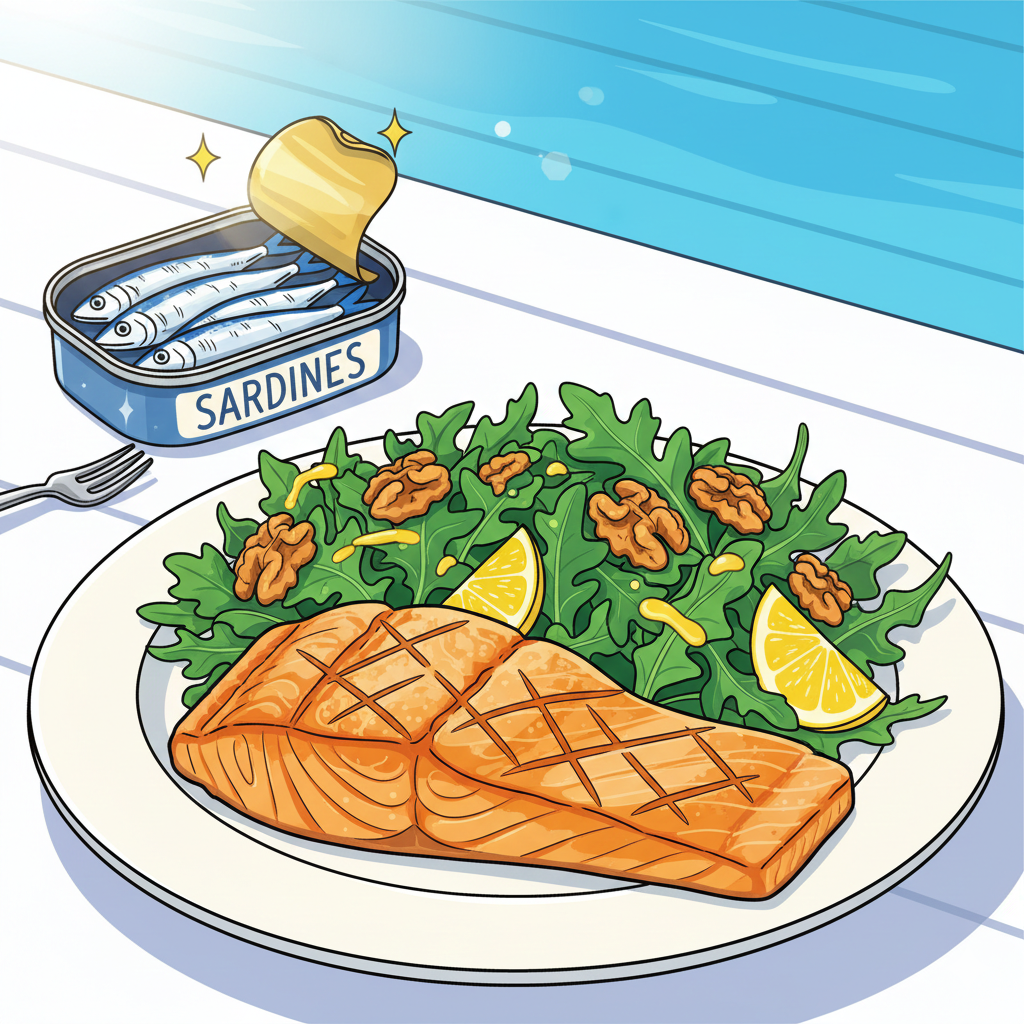
Sustainable Seafood: Omega-3s Without the Heavy Metals
Should you eat fish for the brain benefits, or avoid it to stay away from toxins?

In our earlier discussions about fueling the body for performance, we looked at how to nourish the "second brain" (The Gut-Brain Connection: Foods for Mental Clarity) and how to use specific kitchen staples to reduce soreness (The Anti-Inflammatory Kitchen: Best Spices for Recovery). When it comes to the "ultimate brain food," most experts point to fish. Seafood is packed with Omega-3 fatty acids, specifically EPA and DHA. These are the fats that make up a large portion of your brain and help your heart run smoothly. However, in 2026, many people are becoming worried about the safety of our oceans. We hear stories about mercury, heavy metals, and microplastics.
This has led to a lot of confusion. Should you eat fish for the brain benefits, or avoid it to stay away from toxins? To build a healthy legacy, you need to know how to navigate the seafood counter. The goal is to get all the anti-inflammatory benefits of Omega-3s without the "heavy metal" baggage. By following a few simple rules, you can enjoy the best that the sea has to offer while protecting your long-term health and ensuring your "second brain" stays sharp.
The SMASH Rule: Your Safety Compass
The easiest way to remember which fish are the safest and most sustainable is the "SMASH" acronym. These fish are generally smaller, which means they are lower on the food chain. In nature, toxins like mercury "bioaccumulate." This means that when a big fish eats a thousand little fish, it absorbs all the mercury from those little fish. Because SMASH fish don't live as long and don't eat other large fish, they don't have time to build up dangerous levels of heavy metals in their bodies.
S – Sardines: These are the unsung heroes of the ocean. They are full of calcium and have some of the highest Omega-3 levels per ounce. Because they are so small, they are among the cleanest protein sources you can buy.
M – Mackerel: Specifically Atlantic mackerel. It is a rich, oily fish that provides a massive boost to heart health without the mercury levels found in its larger cousins, like King Mackerel.
A – Anchovies: Don't just think of these as a pizza topping. When blended into dressings or sauces, they provide a powerful dose of minerals and healthy fats.
S – Salmon: This is the most popular choice, but sourcing matters. Always aim for "Wild-Caught" Alaskan salmon. It has a significantly better fat profile than farmed varieties.
H – Herring: A staple in many European diets, herring is clean, sustainable, and packed with high-quality protein for muscle repair.
Why Wild-Caught is the Legacy Standard
When you are at the store, you will often see "Farmed" vs. "Wild-Caught." Farmed fish are often raised in crowded pens. To keep costs low, they are often fed a diet of soy and corn pellets. This is problematic because fish are not meant to eat land-based grains. This diet lowers the amount of healthy Omega-3s in the fish and increases the "pro-inflammatory" Omega-6 fats.
Wild-caught fish eat their natural diet of algae and smaller organisms. This is what gives them their "superfood" status. While wild-caught fish can be more expensive, it is important to think of it as an investment in a cleaner, more powerful source of fuel. You are paying for the absence of antibiotics and the presence of natural nutrients.
The Problem with "The Big Fish"
The general rule of thumb for 2026 is: the bigger the fish, the bigger the risk. Predatory fish like Shark, Swordfish, and King Mackerel should be eaten very rarely. Even Albacore "White" Tuna should be limited to once a week for most adults. If you love tuna, try switching to "Light" canned tuna (Skipjack). These are smaller fish that have much lower mercury levels than the large Albacore.
By making this one simple switch, you can still enjoy your favorite tuna salad or bowl while significantly lowering your exposure to toxins. This is part of the "Identity Shift" we discussed on Day 1, making choices based on long-term health rather than just convenience.
The Environmental Legacy
In 2026, we also care about the health of the planet. A healthy body cannot exist on a sick planet. When shopping, look for the MSC (Marine Stewardship Council) "Blue Fish" label. This tells you that the fish was caught in a way that doesn't destroy the ocean's ecosystem.
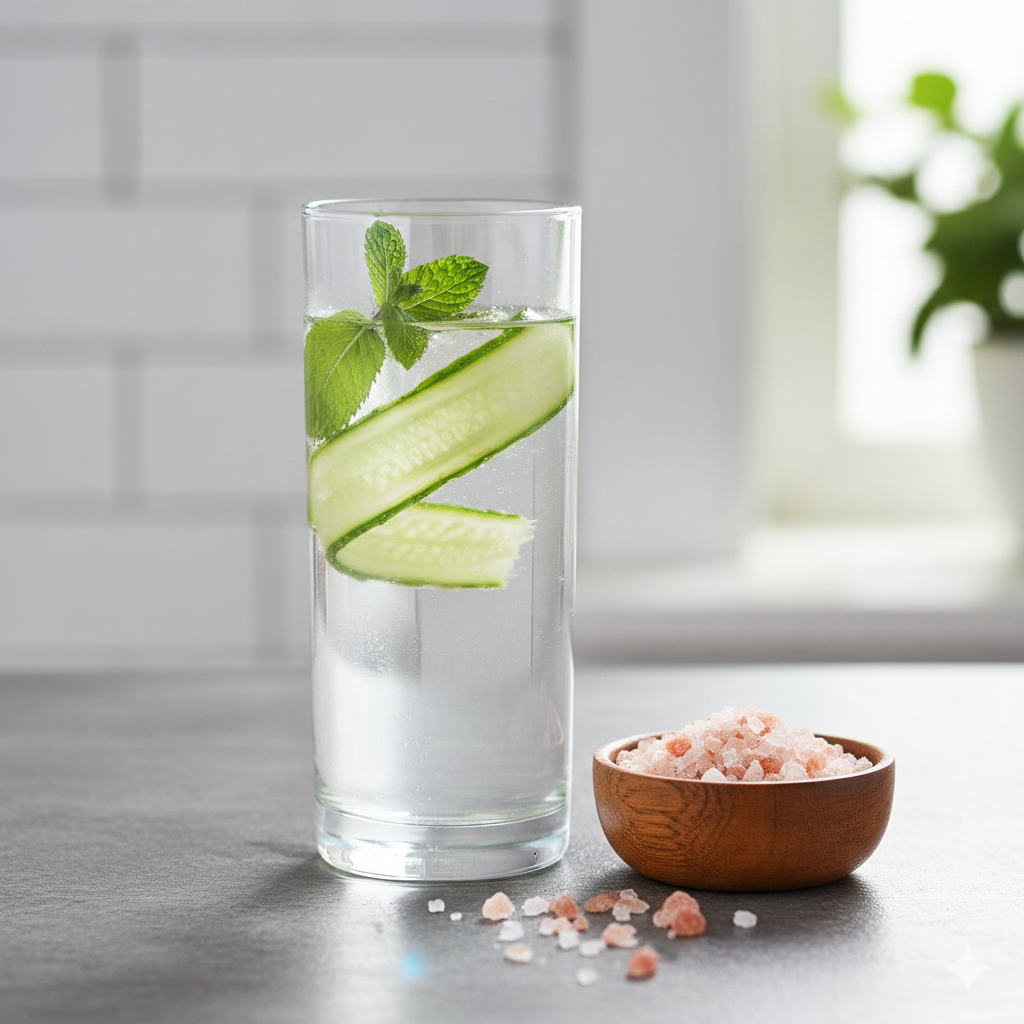
Hydration Beyond Water: Why You Need Trace Minerals
We have all been told to "drink eight glasses of water a day." But have you ever felt like no matter how much water you drink, you still feel thirsty?
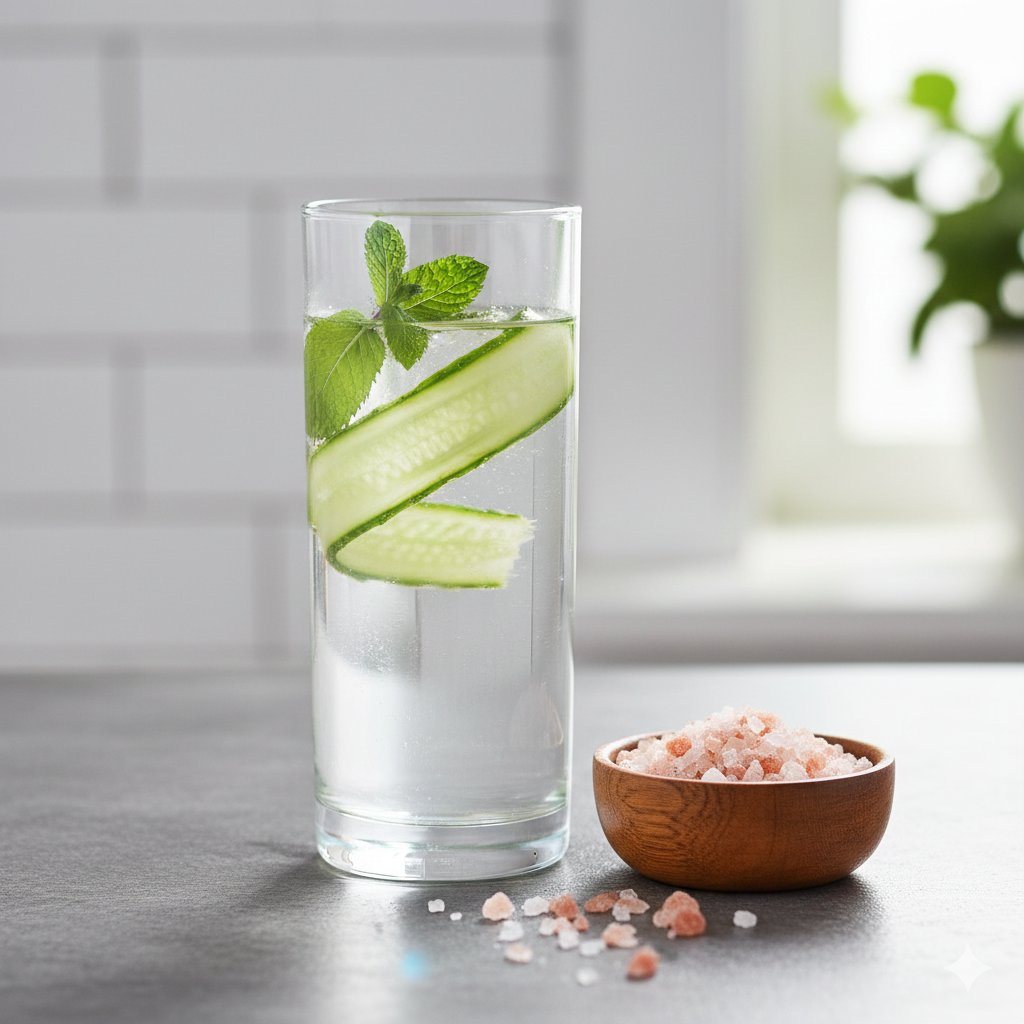
This image was created using AI to avoid copyright issues while conveying the context of this article.
We have all been told to "drink eight glasses of water a day." If you have been following your January fitness plan, you are probably carrying a water bottle with you everywhere you go. But have you ever felt like no matter how much water you drink, you still feel thirsty? Or maybe you notice that you’re getting headaches and muscle cramps even though you’re constantly "hydrating."
The truth is that your body doesn't just need water. It needs hydration. There is a big difference. In 2026, the cutting edge of wellness is moving away from just "volume" (how much you drink) and toward "mineral density." To actually get the water into your cells where it can do its work, you need electrolytes and trace minerals. Without them, the water you drink just "flushes" through you, taking important nutrients with it.
The "Electric" Body
Your body is an electrical system. Your heart, your brain, and your muscles all run on electrical signals. These signals are carried by minerals called electrolytes, things like sodium, potassium, and magnesium.
When you drink massive amounts of plain, purified water, you can actually dilute the minerals in your blood. This is why some people feel "waterlogged" but still tired. For your muscles to contract and your brain to think clearly, you need a balance of these minerals to act as the "conductors" for your internal electricity.
The Role of Trace Minerals
Beyond the big electrolytes, your body needs tiny amounts of "trace minerals" like zinc, selenium, and manganese. In the past, we got these minerals from the soil our food grew in and the natural spring water we drank. Today, because of modern farming and water filtration, our food and water are often "stripped" of these minerals.
Adding trace minerals back into your hydration routine can lead to:
Better Energy: Minerals are required for your cells to produce energy.
Clearer Skin: Zinc and selenium are vital for skin repair and glow.
Less Stress: Magnesium is known as the "relaxation mineral" and helps your nervous system calm down.
How to Hydrate Like a Pro
You don't need expensive "neon-colored" sports drinks that are full of sugar and artificial dyes. You can optimize your hydration with a few simple steps:
The "Pinch of Salt" Rule: Add a tiny pinch of high-quality sea salt (like Himalayan or Celtic salt) to your water. This provides sodium and over 80 trace minerals.
Eat Your Water: Fruits and vegetables like cucumbers, watermelon, and celery are "structured water." This water comes pre-packaged with the minerals your body needs to absorb it.
Mineral Drops: You can buy trace mineral drops to add to your filtered water. Just a few drops can turn plain water into a "super-fluid."
Listening to Your Body
This January, pay attention to the signs of "mineral thirst." If you have a dry mouth despite drinking water, if you crave salt, or if you feel a "brain fog" in the afternoon, your mineral balance might be off. By focusing on minerals, you aren't just drinking water, you are fueling your internal battery. That is how you build a legacy of high energy and peak performance.

The Anti-Inflammatory Kitchen: Best Spices for Recovery
There is a powerful "pharmacy" right in your kitchen cabinet that you might be overlooking: your spice rack.
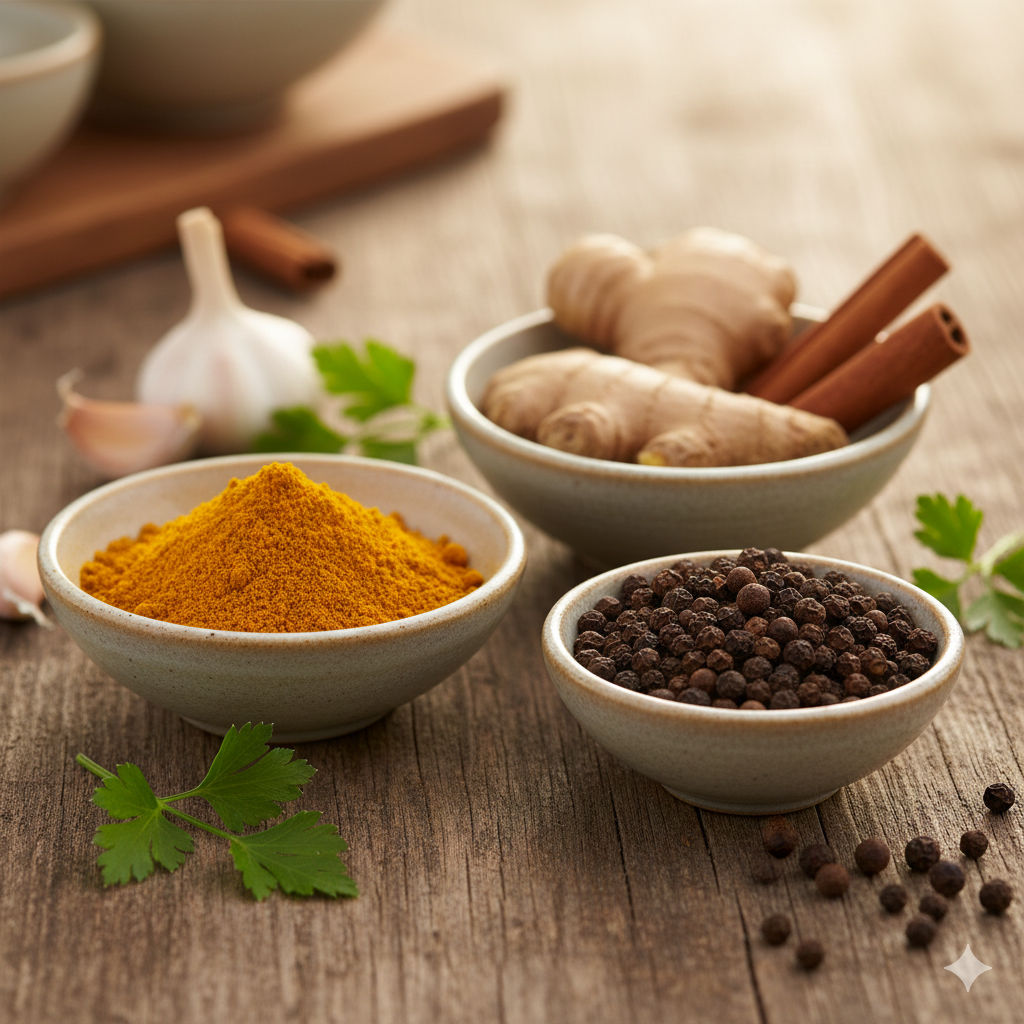
This image was created using AI to avoid copyright issues while conveying the context of this article.
When we think about post-workout recovery, we usually think about protein shakes, ice baths, or stretching. While those are all great, there is a powerful "pharmacy" right in your kitchen cabinet that you might be overlooking: your spice rack. In 2026, we are seeing a return to "Functional Cooking," where food isn't just about calories, it’s about information. The spices you use can send a signal to your body to either increase inflammation or shut it down.
If you find yourself feeling stiff, sore, or "puffy" after a hard week of January training, you might be dealing with systemic inflammation. While some inflammation is necessary to help your muscles grow, too much of it can slow down your progress and leave you feeling exhausted. By adding a few specific "Super-Spices" to your meals, you can speed up your recovery and feel better within days.
The Power of Turmeric and "The Black Pepper Secret"
If there is one king of the anti-inflammatory kitchen, it is turmeric. This golden-yellow spice contains a compound called curcumin. Curcumin has been studied for its ability to block the enzymes that cause pain and swelling in your joints. It is often as effective as over-the-counter anti-inflammatory drugs, but without the side effects.
However, there is a catch. Your body is not very good at absorbing turmeric on its own. To unlock its power, you must eat it with black pepper. A compound in black pepper called piperine increases the absorption of turmeric by up to 2,000%! So, next time you roast vegetables or make a chicken curry, make sure the gold (turmeric) and the black (pepper) go together.
Ginger: The Muscle Soother
Ginger is the cousin of turmeric, and it is a powerhouse for muscle recovery. Research has shown that eating a small amount of ginger daily can reduce the "delayed onset muscle soreness" (DOMS) that often hits 48 hours after a heavy gym session.
Ginger works by improving blood flow and reducing the chemical markers of inflammation in your blood. It is also incredible for your gut health, helping to soothe any digestive issues that might be bothering you during your January nutrition reset. You can grate fresh ginger into your morning tea, add it to a stir-fry, or even drop a slice into your water bottle.
Garlic and Cinnamon: The Health Guard
Garlic is more than just a flavor-booster; it contains sulfur compounds that help your immune system stay strong while you are training hard. Intense exercise can temporarily lower your immune system, making you more likely to catch a winter cold. Garlic helps your "natural killer cells" stay active and ready to protect you.
Cinnamon, on the other hand, is a master of blood sugar control. As we’ve discussed in earlier articles, stable blood sugar is key for energy and brain fog. Cinnamon helps your cells become more "sensitive" to insulin, meaning your body can use the carbs you eat for energy rather than storing them as fat. It’s the perfect addition to your morning coffee or oatmeal.
How to Build Your Anti-Inflammatory Legacy
You don't need to change your entire diet to see a difference. Start with these three "Legacy Habits":
The Golden Morning: Add a teaspoon of turmeric, a pinch of black pepper, and some cinnamon to your morning coffee or protein shake.
The Ginger Snap: Grate fresh ginger into hot water for a soothing afternoon drink that helps with muscle soreness.
The Garlic Rule: Try to include one or two cloves of fresh garlic in your dinner at least four nights a week.
This January, don't just work hard, cook smart. Your kitchen is the foundation of your recovery. When you feed your body the right spices, you aren't just making your food taste better; you are giving your muscles and joints the tools they need to stay strong, healthy, and pain-free.
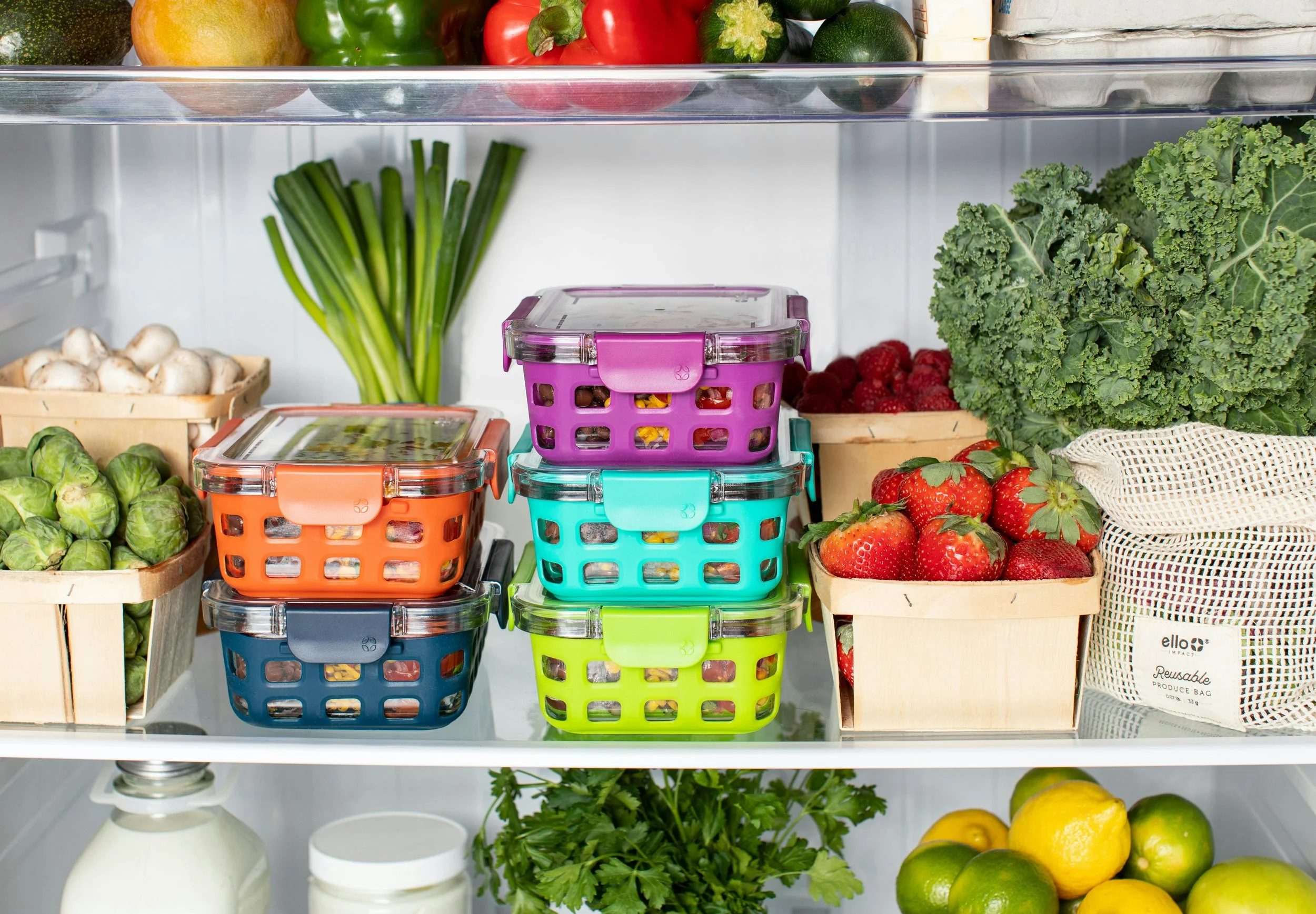
The Art of the Sunday Meal Prep (Without the Stress)
Stop trying to be a gourmet chef every night. Meal prep isn't about being perfect; it’s about being prepared.
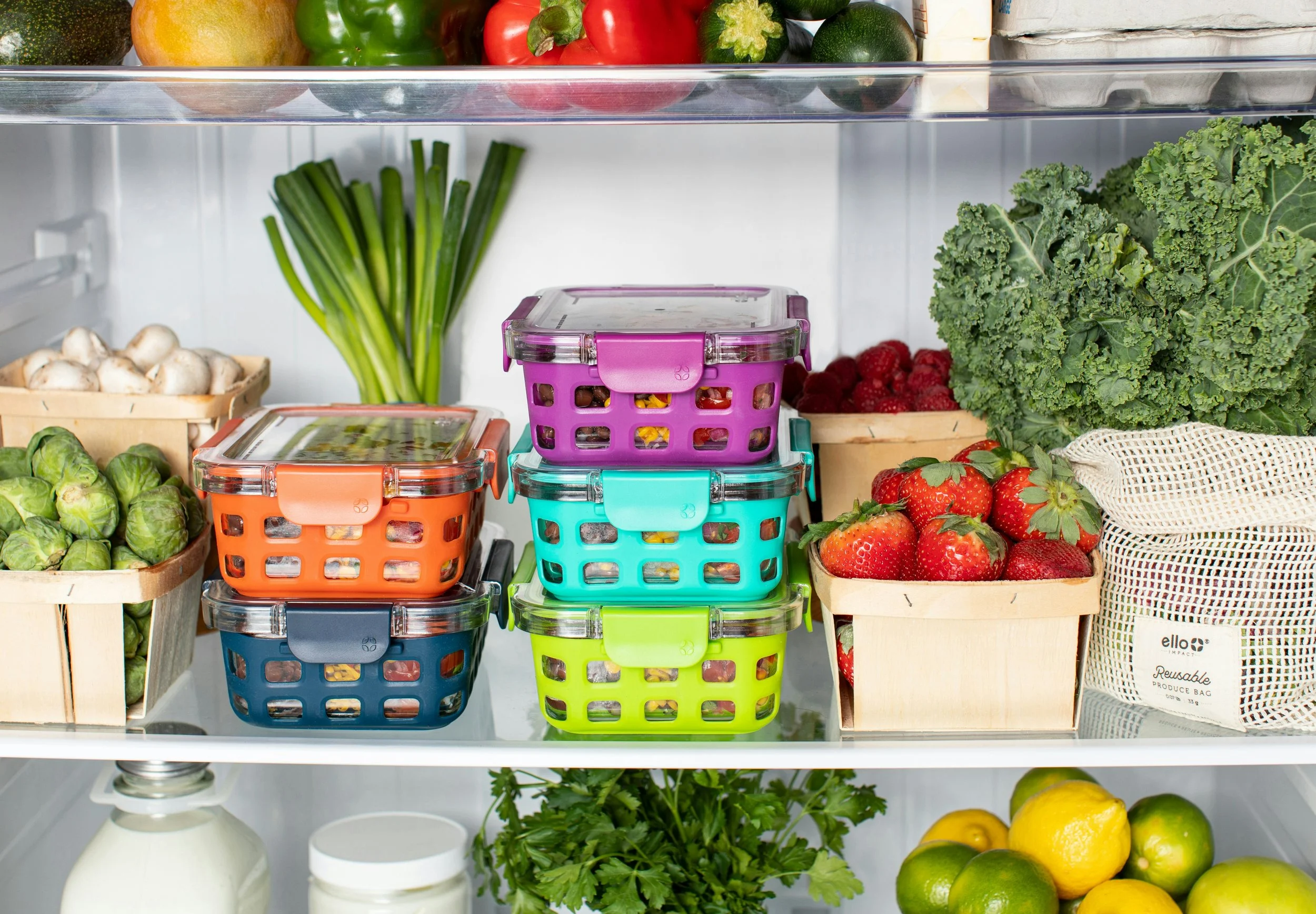
We have all seen the photos on social media: thirty identical plastic containers filled with chicken, broccoli, and brown rice, perfectly lined up on a kitchen counter. For many people, this version of "meal prep" looks like a nightmare. It looks like a whole Sunday spent in a hot kitchen and a whole week of eating boring, repetitive food. If that is what you think meal prep has to be, it is no wonder you haven’t started yet.
The truth is that meal prep is the single most powerful tool for fitness success, but it doesn't have to be stressful. In 2026, the trend is moving away from "The Batch Cook" and toward "The Component Prep." This method allows you to save hours of time during the week while still enjoying fresh, varied meals every single day. To build a legacy of health, you need a system that works for your busy life, not a second job as a chef.
Why Decision Fatigue is Your Enemy
The reason most people fail their diet on a Wednesday evening is "Decision Fatigue." Throughout the day, you use your brain to make hundreds of choices at work and with your family. By the time you get home at 6:00 PM, your "decision muscle" is exhausted. If you have to ask yourself, "What should I make for dinner?" you are much more likely to choose the easy path: takeout or a bowl of cereal.
Meal prep solves this by making the decision for you when your brain is still fresh. When the food is already partially ready, the "friction" of eating healthy disappears. You aren't "cooking dinner"; you are just "assembling" it.
The Component Method: How it Works
Instead of making full meals, you spend 60 to 90 minutes on Sunday preparing the building blocks of your week. Think of it like a "Lego set" for your nutrition. You want to prepare four main categories:
Two Proteins: Roast a large tray of chicken thighs and brown two pounds of lean ground beef or turkey. These are your "anchors" for the week.
Two Carbs: Boil a large pot of quinoa or roast a few pans of sweet potatoes. Having these ready prevents you from reaching for bread or pasta when you’re in a rush.
The "Veggie Wash": Chop your peppers, wash your spinach, and roast some broccoli. If the vegetables are ready to eat, you will actually eat them.
The "Flavor Booster": This is the secret to not getting bored. Make one or two simple sauces, like a lemon-tahini dressing or a fresh salsa. Using different sauces makes the same chicken and rice feel like a completely different meal every night.
The "Power Hour" Workflow
You don't need all day. You just need one focused hour. Start by putting your longest-cooking items in the oven (like potatoes). While those roast, start your grains on the stove. While the stove is humming, chop your vegetables. By the time the timer goes off for the potatoes, your kitchen is cleaned, and your fridge is stocked.
Winning the Week
This January, stop trying to be a gourmet chef every night. Give yourself the gift of a stocked fridge. When you remove the stress of "What's for dinner?" you gain back your time and your health. Meal prep isn't about being perfect; it’s about being prepared. Your future self on a tired Wednesday night will thank you.
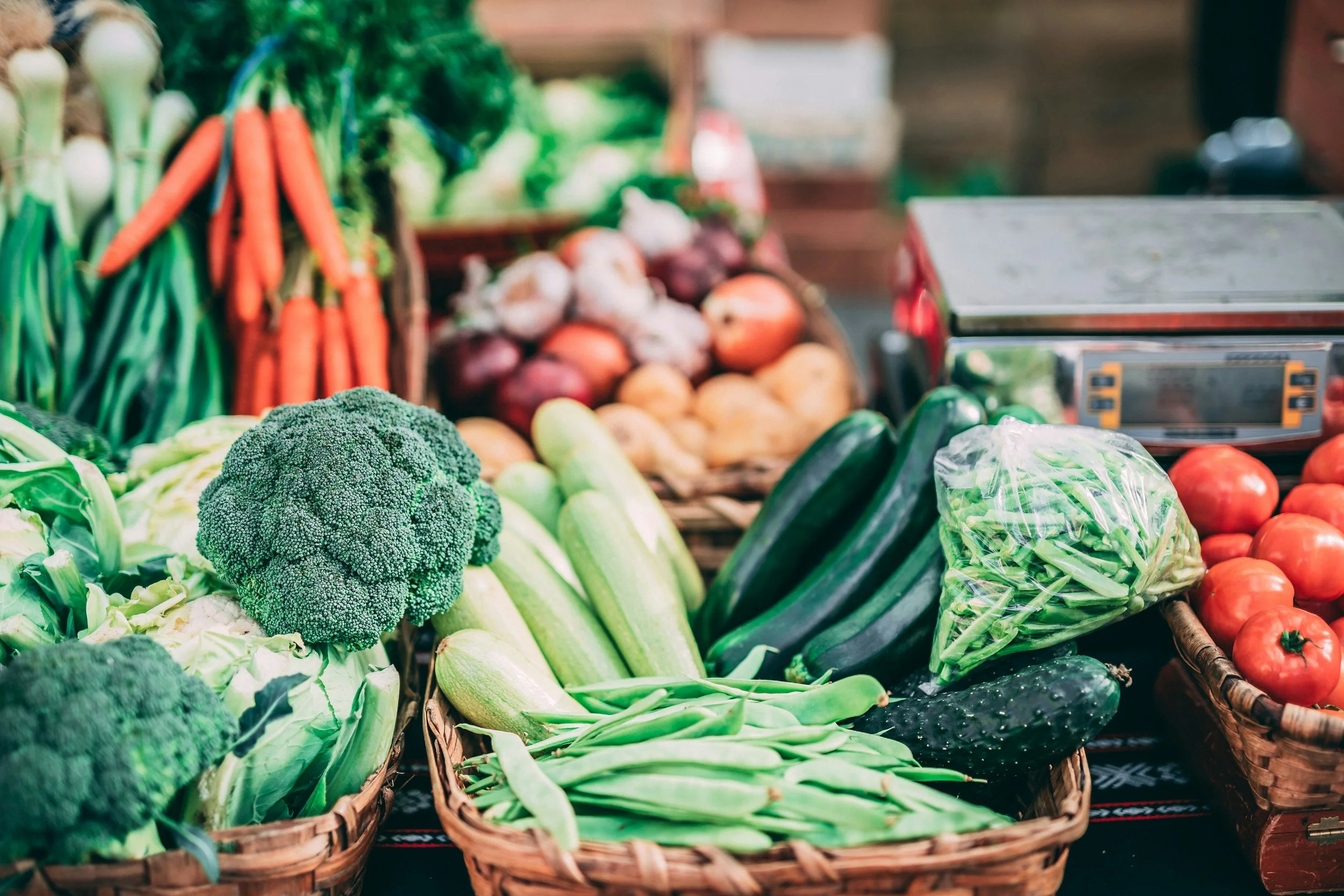
Fiber: The Unsung Hero of Weight Management
If protein is the "builder" of your body, fiber is the "manager." It manages your hunger, your digestion, and your blood sugar.
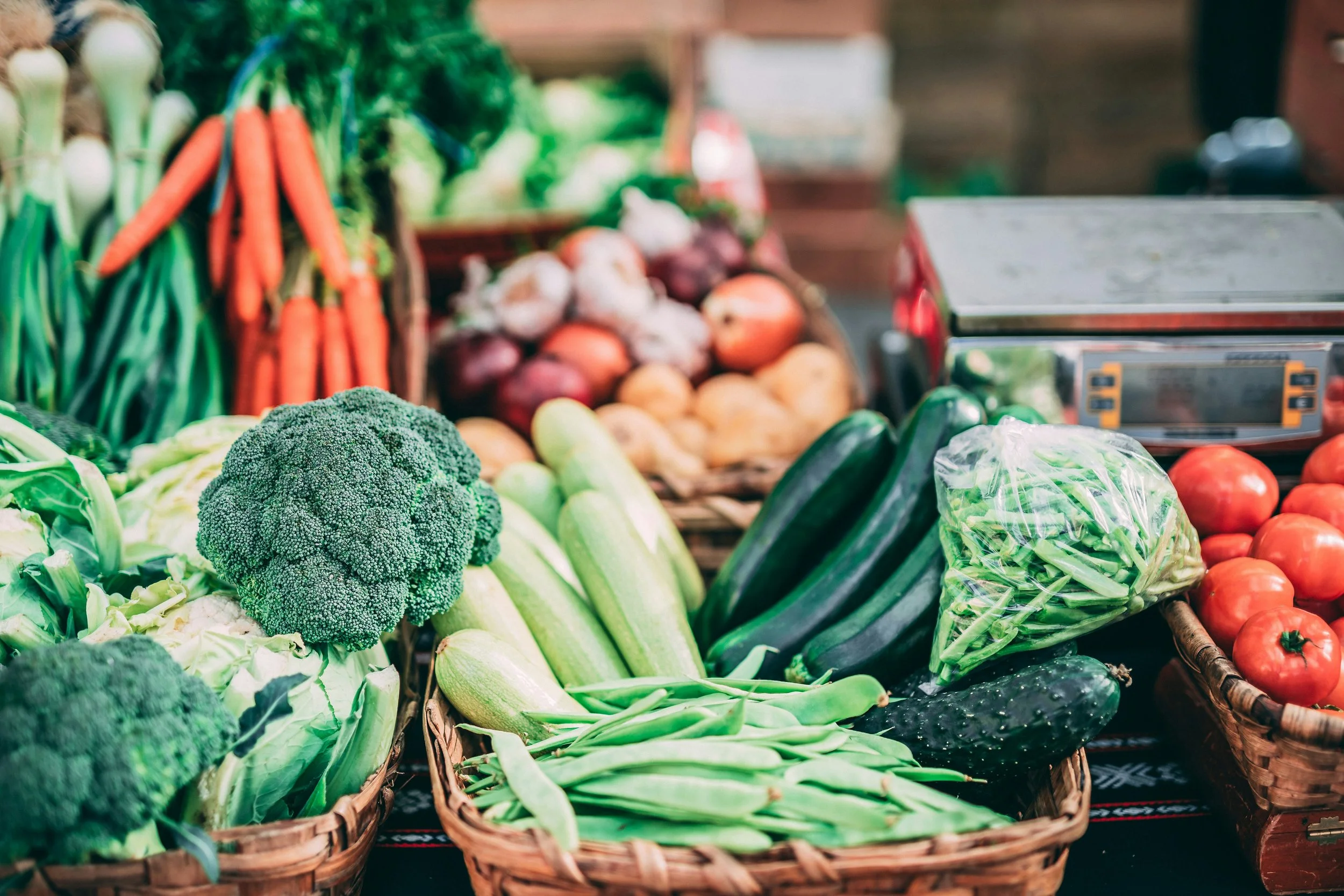
Photo by Iñigo De la Maza on Unsplash
In the world of nutrition, protein gets all the glory. We see "high protein" labels on everything from cereal to ice cream. While protein is very important for building muscle, there is another nutrient that is just as important, but much less famous. That nutrient is fiber. If protein is the "builder" of your body, fiber is the "manager." It manages your hunger, your digestion, and your blood sugar.
As we move through January, many people are struggling with hunger as they try to eat better. The secret to staying full without overeating isn't willpower; it is fiber. In 2026, the most successful nutrition plans are focusing on "Fiber Density" to help people reach their goals without the "starvation" feeling.
What is Fiber Exactly?
Fiber is a type of carbohydrate that your body cannot digest. Most carbs are broken down into sugar molecules, but fiber passes through your system relatively untouched. It comes in two types:
Soluble Fiber: This turns into a "gel" in your stomach. it slows down digestion, which helps you feel full longer and lowers your cholesterol.
Insoluble Fiber: This adds "bulk" to your stool and helps things move through your digestive tract. It is the "broom" that keeps your gut clean.
Because your body can't digest fiber, it doesn't provide many calories. However, it takes up a lot of space in your stomach. This is the "Fullness Hack" that most people are missing.
The "Volume" Trick
Imagine eating a tablespoon of olive oil. That is about 120 calories, but it won't make you feel full at all. Now, imagine eating two large heads of broccoli. That is also about 120 calories, but you would be incredibly stuffed! That is the power of fiber and volume.
When you eat high-fiber foods like beans, lentils, berries, and leafy greens you are stretching the walls of your stomach. This sends a signal to your brain that says, "We are full, you can stop eating now." If you find yourself wanting to snack an hour after lunch, it is usually because your meal was low in fiber. By adding just one cup of black beans or a large salad to your lunch, you can often stay full until dinner.
Fiber and Your "Second Brain"
In an earlier article, we talked about the Gut-Brain connection. Your gut bacteria (your microbiome) actually "eat" fiber. When you feed them enough fiber, they produce short-chain fatty acids. These are special chemicals that reduce inflammation in your body and even help your brain regulate your appetite.
When you don't eat enough fiber, your "good" bacteria starve. This can lead to cravings for sugar and processed foods because your gut environment is out of balance. By eating more fiber, you are literally training your gut to want healthier foods.
How to Boost Your Fiber (Without the Gas!)
The biggest mistake people make is trying to go from "zero to sixty" with fiber. If you don't eat much fiber now and you suddenly eat a giant bowl of beans, you will probably feel bloated and uncomfortable. Your gut needs time to adjust.
The "Slow and Steady" Rule: Add about 5 grams of fiber to your daily total each week. Start by swapping white bread for whole-grain bread, or adding a handful of raspberries to your morning yogurt.
The Hydration Rule: Fiber needs water to work! If you increase your fiber but don't increase your water, you might get constipated. Think of fiber like a sponge; it needs to be wet to move smoothly.
The "Bean" Strategy: Lentils and chickpeas are fiber superstars. Try adding them to soups, salads, or even smoothies (you won't even taste them!) to boost your "manager" nutrient.
The Legacy of a Full Belly
Weight management doesn't have to be a battle against hunger. By focusing on fiber, you are working with your body's natural signals instead of against them. This January, stop focusing on what you need to "remove" from your diet and start focusing on what you can "add." Add fiber, add volume, and add water. You’ll find that the "cravings" start to take care of themselves.
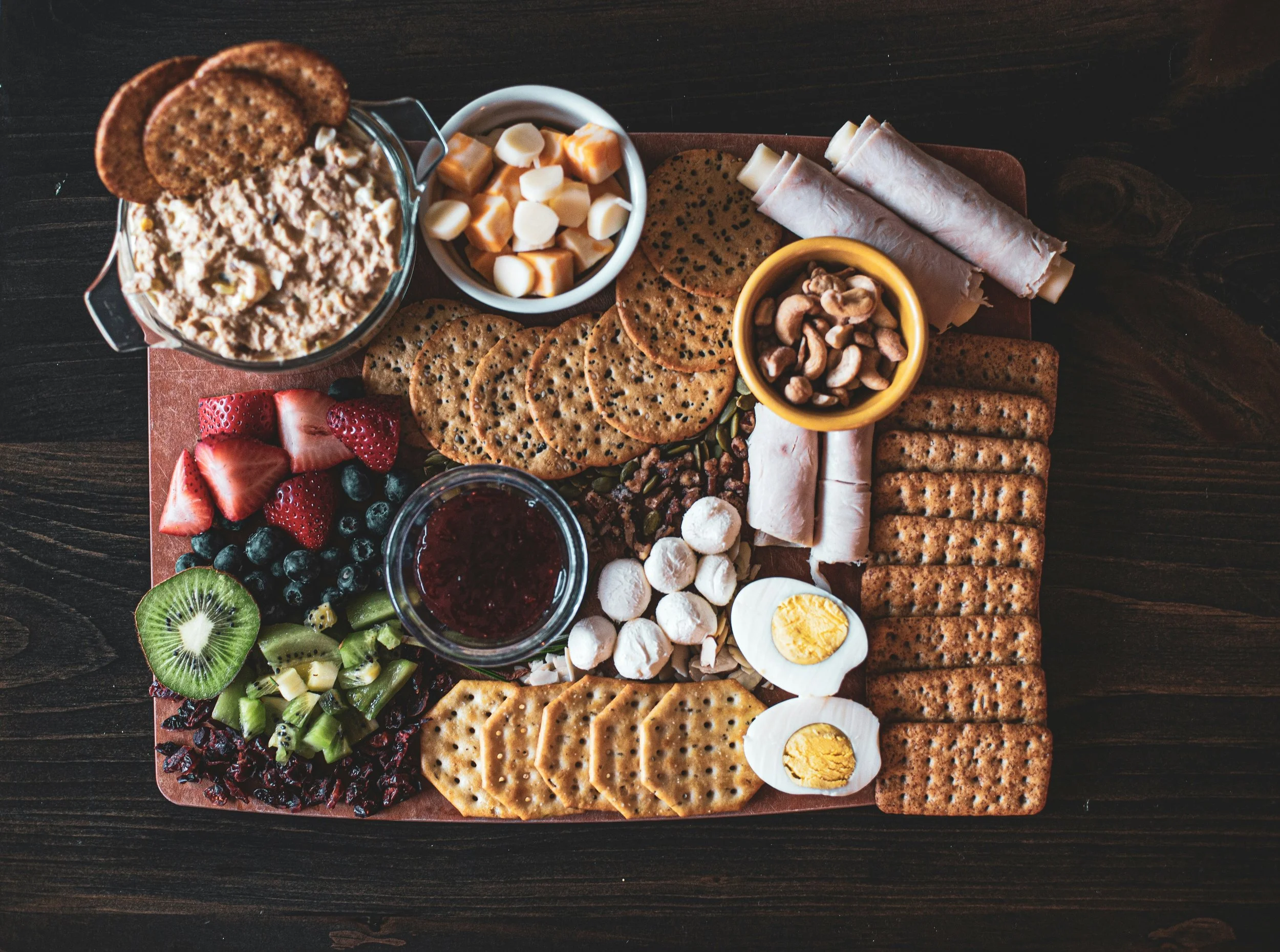
The Rise of Savory Snacks: Ditching the Sugar Crash
For decades, the "healthy snack" market has been dominated by sweet things.
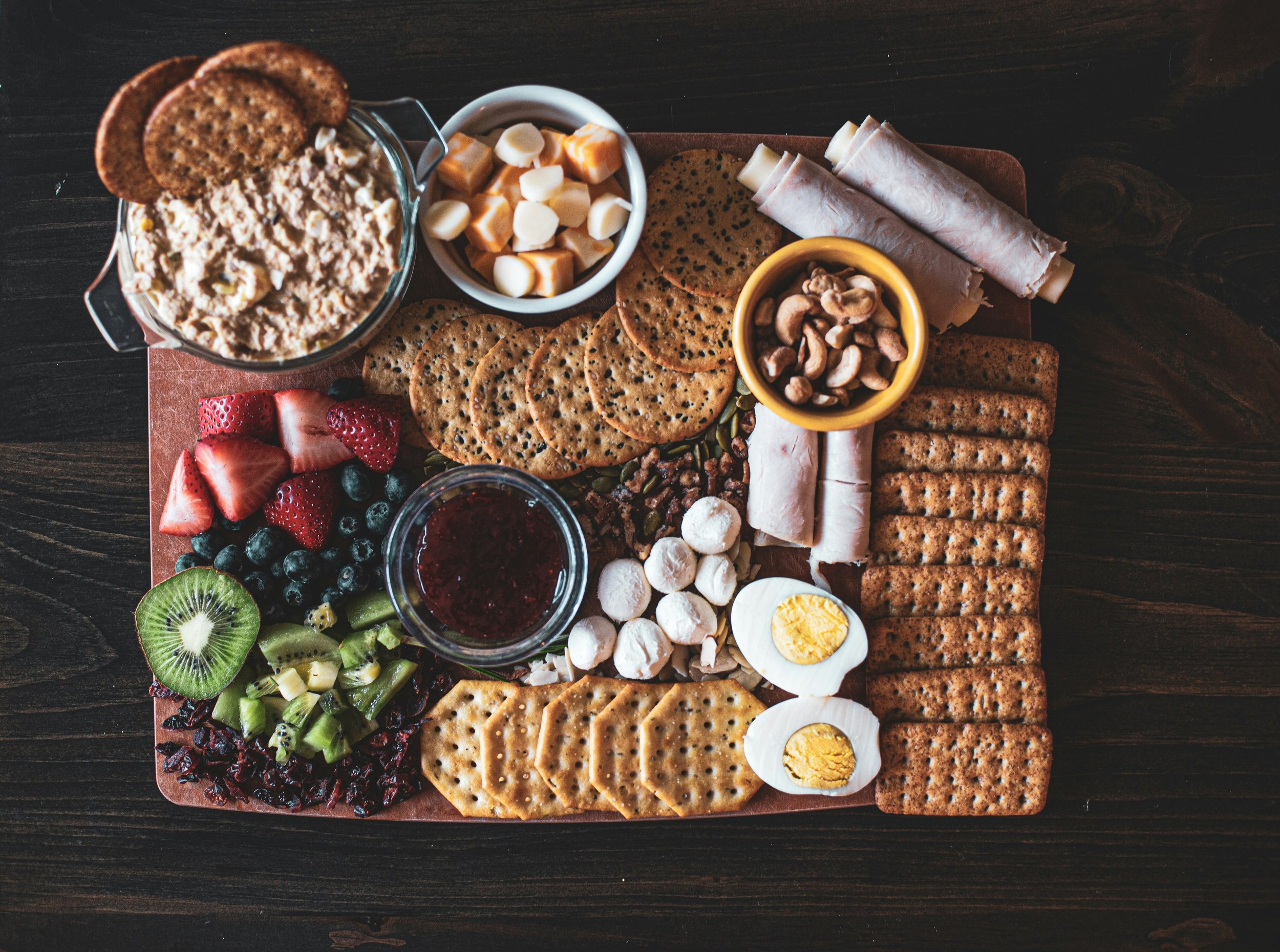
Photo by Leilani Angel on Unsplash
For decades, the "healthy snack" market has been dominated by sweet things. If you walk into any grocery store, you will see aisles filled with granola bars, protein cookies, fruit smoothies, and "low-calorie" brownies. These were the go-to choices for active people for a long time. However, as we move through 2026, we are seeing a massive shift in how people fuel their afternoons. People are finally realizing that even "healthy" sweets can trigger a physical rollercoaster that leaves them tired, irritable, and hungry an hour later.
The new gold standard for energy and focus is the Savory Snack. By choosing savory over sweet, you change the chemical signal you send to your brain. Instead of a quick spike of sugar, you prioritize protein, fiber, and healthy fats. This keeps your blood sugar stable and helps you stay focused during a long afternoon of work or a late-day workout.
The Hidden Danger of "Healthy" Sugar
The problem with the modern snack world is that the word "healthy" is often used loosely. Many protein bars on the market today have as much sugar as a standard candy bar. Even if they contain a high amount of protein, that hit of sweetness, whether from real sugar, honey, or even certain sugar alcohols—tells your brain to stay in "sugar-seeking mode."
When you eat something sweet, your body releases insulin to handle the sugar. Once that insulin does its job, your blood sugar levels drop. This is the "crash" we all know too well. It’s that 3:00 PM feeling where you can’t seem to keep your eyes open and you start looking for a second cup of coffee. By choosing a savory snack, you bypass this rollercoaster entirely. Savory foods, like nuts, seeds, jerky, and vegetables, provide "slow-burning" energy. They take longer for your stomach to break down, which means the energy is released into your bloodstream slowly over several hours.
Why Savory is the Ultimate "Brain Fuel"
If you are a professional or a busy parent, your brain is your most important tool. Your brain runs on glucose, but it prefers a steady stream rather than a flood. When you flood your system with sugar from a sweet snack, it can actually cause inflammation in the brain that leads to "brain fog." You might find it harder to remember names, focus on a spreadsheet, or stay patient in a meeting.
Savory snacks often contain higher levels of amino acids and minerals like magnesium and zinc. These are the building blocks of focus. For example, a handful of pumpkin seeds provides magnesium, which helps regulate your stress response. A piece of high-quality beef jerky provides iron and B-vitamins, which help your blood carry oxygen to your brain. When you make the switch to savory, you aren't just eating to stop being hungry; you are eating to perform better at your job and in your life.
The "Satiety" Secret: Why You Can’t Stop at One
Have you ever noticed that you can eat a whole box of crackers or a large bag of "healthy" fruit snacks and still feel like you could eat more? This is because sweet and highly processed snacks don't trigger your body's "fullness" hormones very well.
Savory foods are different. They often contain a combination of salt, fat, and protein that triggers a hormone called cholecystokinin (CCK). This hormone sends a clear signal to your brain that says, "Stop, we are full." This is why it is much easier to eat a sensible portion of hard-boiled eggs or almonds than it is to eat a sensible portion of cookies. If you struggle with "mindless snacking" while you work or watch TV, the flavor profile of your snacks is likely the problem, not your willpower.
Top Savory Swaps for your Legacy Kitchen
If you’re ready to ditch the sugar crash and reclaim your afternoon, try these practical swaps:
The Crunch Swap: Instead of pretzels or pita chips (which are just processed flour), try roasted edamame or chickpeas. You get the same satisfying crunch and salt, but you add a massive hit of protein and fiber.
The Creamy Swap: Instead of fruit-flavored yogurt (which can have 20 grams of sugar), try plain Greek yogurt or cottage cheese with a sprinkle of "everything bagel" seasoning and some sliced cucumbers.
The Portable Swap: Instead of a chocolate-coated protein bar, keep a few sticks of grass-fed beef or turkey jerky in your bag. Look for brands that have zero sugar on the label.
Making the Transition
This January, try a "Savory Week." For seven days, commit to only eating snacks that are salty or savory. Pay close attention to your energy levels around 4:00 PM. Most people find that their cravings for sweets actually disappear once they stop feeding the "sugar monster" in the afternoon. You’ll find that you have more energy for your evening workout and more patience for your family when you get home. It’s a simple change that builds a powerful legacy of health.

Mastering the 'Pantry Audit'
Your environment should reflect the person you are becoming, not the person you used to be. A clean pantry leads to a clean plate and a clear mind.

Photo by Annie Spratt on Unsplash
Willpower is a finite resource. It’s like a phone battery; it starts full in the morning, but as you make decisions throughout the day, it drains. By 8:00 PM, after a long day of work and stress, your "willpower battery" is at 5%. If you open your pantry and the first thing you see is a bag of cookies, you are probably going to eat them.
The secret to a successful fitness legacy isn't having more willpower than everyone else. It is about designing an environment where you don't need willpower. This is why we perform a Pantry Audit.
The "Visibility" Rule
Humans are visual creatures. We eat what we see. If your healthy foods, like nuts, seeds, and whole grains, are hidden in the back, and the processed snacks are at eye level, you are fighting a losing battle.
During your audit, move your "Legacy Foods" to the front. Put your fruit bowl on the counter. Hide the "indulgence" foods in a high cabinet or a drawer that is hard to reach. If you have to work for it, you are less likely to do it mindlessly.
Decoding the Label
A pantry audit is also about education. Take five minutes to look at the ingredients of your favorite snacks. Look for the "Big Three" disruptors:
Added Sugars: Often hidden under names like "high fructose corn syrup" or "maltodextrin."
Seed Oils: Highly processed oils (like soybean or canola) can increase inflammation.
Ultra-Processed Grains: Flour that has been stripped of all its fiber.
If a food has more than five ingredients and you can't pronounce half of them, it might be time to find a "Legacy Swap." For example, swap crackers for air-potted popcorn or swap sugary granola for raw walnuts.
Set Your Environment for Success
Don't think of this as "throwing away money" if you toss out junk food. Think of it as "investing in your health." If the food isn't in your house, you can't eat it at 9:00 PM when your battery is low.
This January, take 30 minutes to clean out the clutter. Your environment should reflect the person you are becoming, not the person you used to be. A clean pantry leads to a clean plate and a clear mind.

The Gut-Brain Connection: Foods for Mental Clarity
If you want to think faster, stay calm under pressure, and avoid the afternoon "brain fog," you have to feed your second brain (i.e. your gut) correctly.

This image was creating using AI to avoid copyright issues while conveying the context of this article.
Have you ever felt "butterflies" in your stomach when you were nervous? Or perhaps you’ve noticed that you feel "cranky" when you’re hungry? This isn't a coincidence. Scientists now call your gut your "second brain." There is a constant conversation happening between your digestive system and your head through a massive nerve called the Vagus nerve.
In the fitness world, we often talk about food in terms of "abs" or "weight loss." But in 2026, the real trend is eating for cognition. If you want to think faster, stay calm under pressure, and avoid the afternoon "brain fog," you have to feed your second brain correctly.
The Microbiome: Your Internal Pharmacy
Inside your gut live trillions of tiny bacteria called the microbiome. These little guys are responsible for making about 90% of your body’s serotonin, the chemical that makes you feel happy and relaxed. They also help produce GABA, which helps you stay calm.
When you eat a diet high in processed sugars and "junk" fats, you feed the "bad" bacteria. This can lead to inflammation that travels straight to your brain, making you feel anxious, tired, or unfocused. To fix your focus, you have to fix your food.
The Best Foods for Brain Power
To improve your mental clarity, you want to focus on "Prebiotics" and "Probiotics."
Probiotics (The Good Bugs): These are found in fermented foods like Greek yogurt, sauerkraut, and kimchi. They add healthy bacteria to your system.
Prebiotics (The Food for the Bugs): These are high-fiber foods that "feed" your healthy bacteria. Think of things like onions, garlic, asparagus, and bananas.
The "Anti-Fog" Shopping List
If you have a big presentation or a high-stress week coming up, prioritize these three things:
Fatty Fish: Salmon and sardines are packed with Omega-3 fatty acids, which are like oil for the "gears" of your brain.
Berries: Blueberries and raspberries are full of antioxidants that protect your brain cells from stress.
Dark Leafy Greens: Spinach and kale are high in folate, which helps your brain process information faster.
The 80/20 Legacy Rule
You don’t have to be perfect to see results. If you can make 80% of your meals "gut-friendly," your brain will have the stability it needs to handle the other 20%. This January, stop asking "Will this make me thin?" and start asking "Will this help me think?" When you fuel your brain, the body follows.

Protein-First Breakfasts: Ending Morning Brain Fog
This January, try a one-week experiment. Swap your usual carb-heavy breakfast for a protein-focused one. Pay attention to how you feel at 11:00 AM.

Photo by Shashi Chaturvedula on Unsplash
We have all heard that breakfast is the "most important meal of the day." But for many of us, breakfast is actually the meal that sets us up for an afternoon crash. If your morning routine involves a bagel, a bowl of sugary cereal, or just a large coffee with flavored creamer, you are essentially asking your body to ride a blood-sugar rollercoaster.
By 10:30 AM, you find yourself staring at your computer screen, unable to focus. This is "brain fog," and it is often caused by what you ate (or didn't eat) three hours earlier. To build a legacy of high energy, we need to change the priority of your first meal. In 2026, the rule is simple: Protein First.
The Science of the "Protein Anchor"
When you eat carbohydrates alone, like toast or fruit, your body breaks them down into sugar very quickly. This causes a spike in insulin. What goes up must come down; when that sugar level drops, your energy and focus go with it.
Protein acts like an anchor. It takes longer to digest and keeps your blood sugar stable. Even better, protein triggers the release of hormones that tell your brain you are full. When you start your day with at least 30 grams of protein, you aren't just feeding your muscles; you are protecting your focus for the entire morning.
The Dopamine Connection
Protein contains amino acids, which are the building blocks of brain chemicals like dopamine. Dopamine is what gives you the drive and motivation to tackle your "to-do" list. A high-protein breakfast provides the "raw materials" your brain needs to stay sharp and motivated from the moment you sit down at your desk.
Easy "Protein-First" Ideas
You don't need to cook a five-course meal to get this right. Here are three simple ways to hit that 30-gram goal:
The Scramble: Three eggs and a side of turkey sausage or black beans.
The Greek Bowl: One cup of plain Greek yogurt (which has about 20-25g of protein) topped with a scoop of protein powder or a handful of hemp seeds.
The Power Shake: A high-quality whey or plant-based protein powder mixed with water or unsweetened almond milk and a tablespoon of almond butter.
Stop the "Cereal Cycle"
This January, try a one-week experiment. Swap your usual carb-heavy breakfast for a protein-focused one. Pay attention to how you feel at 11:00 AM. If you find that you are more focused, less irritable, and not reaching for a second (or third) cup of coffee, you’ve found your new secret weapon. Your brain (and your coworkers) will thank you.

Cleaning the Slate: A Gentle 3-Day Nutrition Reset
After the holidays, many people feel like they need to "punish" themselves for eating too much sugar or heavy food. You don't need a magic potion to reset your nutrition. You just need to give your body the right fuel and a little bit of a break.

This image was created using AI to avoid copyright issues while still conveying the meaning of this article.
After the holidays, many people feel like they need to "punish" themselves for eating too much sugar or heavy food. You might see ads for juice cleanses or detox teas that promise to wash away your mistakes. Here is the truth: your body already has a detox system. It is called your liver and your kidneys. You don't need a magic potion to reset your nutrition. You just need to give your body the right fuel and a little bit of a break.
This 3-day reset is not about starving yourself. It is about "cleaning the slate" by removing the foods that make you feel sluggish and replacing them with high-quality, whole foods.
Why Three Days?
Three days is the perfect amount of time to break a sugar craving cycle and reduce bloating. It is long enough to see a difference in your energy, but short enough that it doesn't feel impossible. The goal here is to stabilize your blood sugar. When your blood sugar is steady, you don't get those "hangry" crashes that lead to overeating.
The Ground Rules
For the next 72 hours, we are going to focus on three simple rules:
Whole Foods Only: If it comes in a box with a long list of ingredients, skip it. Stick to things that grew in the ground or walked on it.
The Hydration Goal: Aim for half your body weight in ounces of water. If you weigh 200 pounds, drink 100 ounces of water. This helps flush out excess sodium that causes bloating.
The 12-Hour Gap: Try to give your digestive system a 12-hour break overnight. If you finish dinner at 7:00 PM, don't eat breakfast until 7:00 AM.
A Simple 3-Day Framework
You don't need a complicated recipe book. Just follow this "Legacy Plate" model for every meal:
Protein: A palm-sized portion of chicken, fish, eggs, or lentils.
Healthy Fat: A thumb-sized portion of avocado, olive oil, or raw nuts.
Fiber: Fill the rest of your plate with colorful vegetables like spinach, peppers, or broccoli.
What to Expect
On Day One, you might feel a little tired, especially if you usually drink a lot of soda or eat a lot of bread. This is your body adjusting. By Day Two, the "brain fog" usually begins to lift. By Day Three, most people report feeling "lighter" and having more steady energy throughout the afternoon.
This reset isn't a permanent diet. It’s a tool you can use whenever you feel like you’ve lost your way. It reminds your body how good it feels to be fueled by real food. Once the three days are over, don't go right back to the junk. Use this new sense of clarity to make better choices for the rest of the month.

Don't Let New Year's Eve Derail You: Tips for a Balanced Celebration
Celebrate the year, cherish the memories, and ring in the New Year feeling balanced and in control.

This image was created using AI to avoid copyright issues while conveying the context of this article.
New Year's Eve is often the final hurdle before the grand launch of your January goals. It is a night of high energy, celebration, and often, high-calorie food and abundant alcohol.
The atmosphere is designed for maximum indulgence, which makes it incredibly easy to step off the track and wake up on January 1st feeling sluggish, dehydrated, and regretful. That feeling of regret is the worst way to start a new resolution.
At Legacy Fitness & Nutrition, we believe you can celebrate the end of a successful year without sacrificing your momentum for the next one. The key is applying the same strategic planning you used for your holiday parties (as discussed in the article, The "Pre-Game" Strategy) with a focus on intentional balance and hydration.
Here are four crucial tips to ensure your New Year's Eve celebration sets you up for success, not shame.
1. Prioritize a Protein-Rich Day
The common mistake is starving all day to "save" calories for the evening feast. This is a behavioral disaster waiting to happen. By the time you get to the party, your hunger hormones (Ghrelin) are spiking, and your willpower is nonexistent.
The Strategy: Eat two well-balanced, protein-rich meals during the day (reinforcing the principles in Protein Power for the New Year).
Example: A large, protein-packed breakfast and a lean lunch of chicken or fish.
Why it Works: This keeps your blood sugar stable and your satiety hormones (Leptin) high. You walk into the party feeling in control, allowing you to choose your indulgences thoughtfully rather than reacting to desperate hunger.
2. Implement the "Hydration Ladder"
New Year's Eve involves champagne, cocktails, and late hours, a perfect storm for dehydration and a massive hangover, which will kill your ability to start your new fitness plan on January 1st.
The Strategy: Use the Hydration Ladder:
Level 1 (Pre-Game): Drink 16 ounces of water before you leave the house.
Level 2 (In-Game): Commit to the "One-to-One" rule (one glass of water for every alcoholic drink).
Level 3 (Post-Game): Drink 16 ounces of water before you go to sleep, along with an electrolyte packet if you have one.
Why it Works: This constant, strategic hydration minimizes the impact of alcohol and ensures you wake up on January 1st feeling refreshed and ready to go, not recovering from a massive headache.
3. Be Selective: Choose Your Favorite Indulgence
The key to balance is realizing you do not have to eat or drink everything that is offered. You are celebrating a successful year; be intentional about what you choose to commemorate it.
The Strategy: Pick your One True Indulgence. Is it the special champagne toast? Is it the chocolate dessert? Is it the late-night pizza? Commit to truly enjoying that one thing and politely passing on the rest.
Why it Works: This removes the guilt of overconsumption. You savor your chosen treat fully, which enhances the emotional satisfaction, making it easier to refuse the endless stream of mindlessly consumed snacks.
4. Set the January 1st Anchor
The easiest way to prevent New Year's Eve from derailing you is to set a non-negotiable anchor for the next morning.
The Strategy: Pre-plan one small, simple action for January 1st that must happen, regardless of how you feel.
Examples: Go for a 15-minute gentle walk; Do 10 push-ups; Make a protein smoothie.
Why it Works: This small action (your resolution head start) proves that you are back on track. It prevents the psychological spiral where a night of indulgence turns into a week of quitting. Your legacy begins again the moment you perform that first planned action on January 1st.
Celebrate the year, cherish the memories, and ring in the New Year feeling balanced and in control.

🎅 Santa's Secret Workout: How the Big Guy Stays Strong for the Global Sprint
How does the Big Guy do it? He does not rely on holiday magic alone.

Christmas Day has arrived, and the spirit of joy and giving is everywhere. But pause for a moment to consider the sheer physical demands of the job of being Santa Claus.
He has to cover every continent, navigate all kinds of weather, lift and carry millions of pounds of presents, and maneuver up and down countless chimneys. This is not a leisurely sleigh ride; it is the ultimate, global, high-intensity functional fitness challenge.
How does the Big Guy do it? He does not rely on holiday magic alone. At Legacy Fitness & Nutrition, we have uncovered Santa's secret routine. He maintains a consistent, strategic workout plan focused on the 3 Pillars of Functional Strength required for his annual Global Sprint.
1. The Core of the Carry: The Chimney Maneuver
The most critical functional move for Santa is the chimney maneuver. This requires extreme core stability, hip mobility, and the ability to control heavy loads while descending and ascending awkward spaces.
Santa's Workout: Farmer’s Carries and Planks.
Farmer’s Carries: Santa uses heavy dumbbells (or bags of toys) and walks for long distances. This is the single best exercise for building grip strength, core stability, and the endurance needed to carry heavy, uneven loads all night long.
Planks: He holds a strict plank for minutes at a time. This keeps his abdominal and lower back muscles rigid, allowing him to brace his core when pulling himself out of a narrow fireplace.
The Lesson for Your Legacy: Your core is built for stability, not just crunching. Train it to brace, hold, and carry heavy things to prevent injury in real life (see our article, Training for Life).
2. The Power of the Presents: The Sleigh Load
Moving millions of toys from the workshop floor, up to the sleigh, and back down again requires explosive, repetitive strength.
Santa's Workout: Goblet Squats and Sled Pushes/Pulls.
Goblet Squats: He holds a single, heavy package to his chest and squats deeply. This builds the foundational leg and hip strength needed to safely lift heavy loads from the floor without bending or stressing his lower back.
Sled Push/Pull: At the North Pole workshop, Santa uses a sled (loaded with naughty/nice lists) and performs intense, repetitive pushes and pulls. This builds the endurance and raw pushing power needed to launch the sleigh and haul it back in.
The Lesson for Your Legacy: Focus on functional, compound movements (see our article, Strength Training for Longevity). Use squats and hinges to build the hip and leg strength needed for safe lifting in your daily life, whether it is presents or a suitcase.
3. The Endurance Fuel: Anti-Cookie Strategy
You might think Santa survives on cookies, but his true secret is the Anti-Cookie Strategy. The sheer volume of energy needed for a global sprint cannot be sustained by sugar.
Santa's Diet: Protein-First Fueling.
The Secret: Before leaving the North Pole, Mrs. Claus ensures Santa loads up on lean protein (reindeer flank steak) and fiber (arctic berry oats). This stabilizes his blood sugar and provides sustained energy, preventing the massive crash that would happen if he ate every cookie on the first few continents.
The Cookie Strategy: Santa takes one small, mindful bite of the best cookie from each country and washes it down with water. He enjoys the connection and flavor, but he avoids the metabolic disaster of a full sugar binge (ref article, Christmas Day: The Permission to Enjoy).
The Lesson for Your Legacy: Use protein power for sustained energy and craving control. Enjoy the holidays mindfully, but never rely on simple sugars for the energy you need for a busy day.
This Christmas Day, as you enjoy the magic, remember that a strong legacy requires consistent, functional training, even if your job only requires one global sprint per year. Have a safe, happy, and functionally fit Christmas!
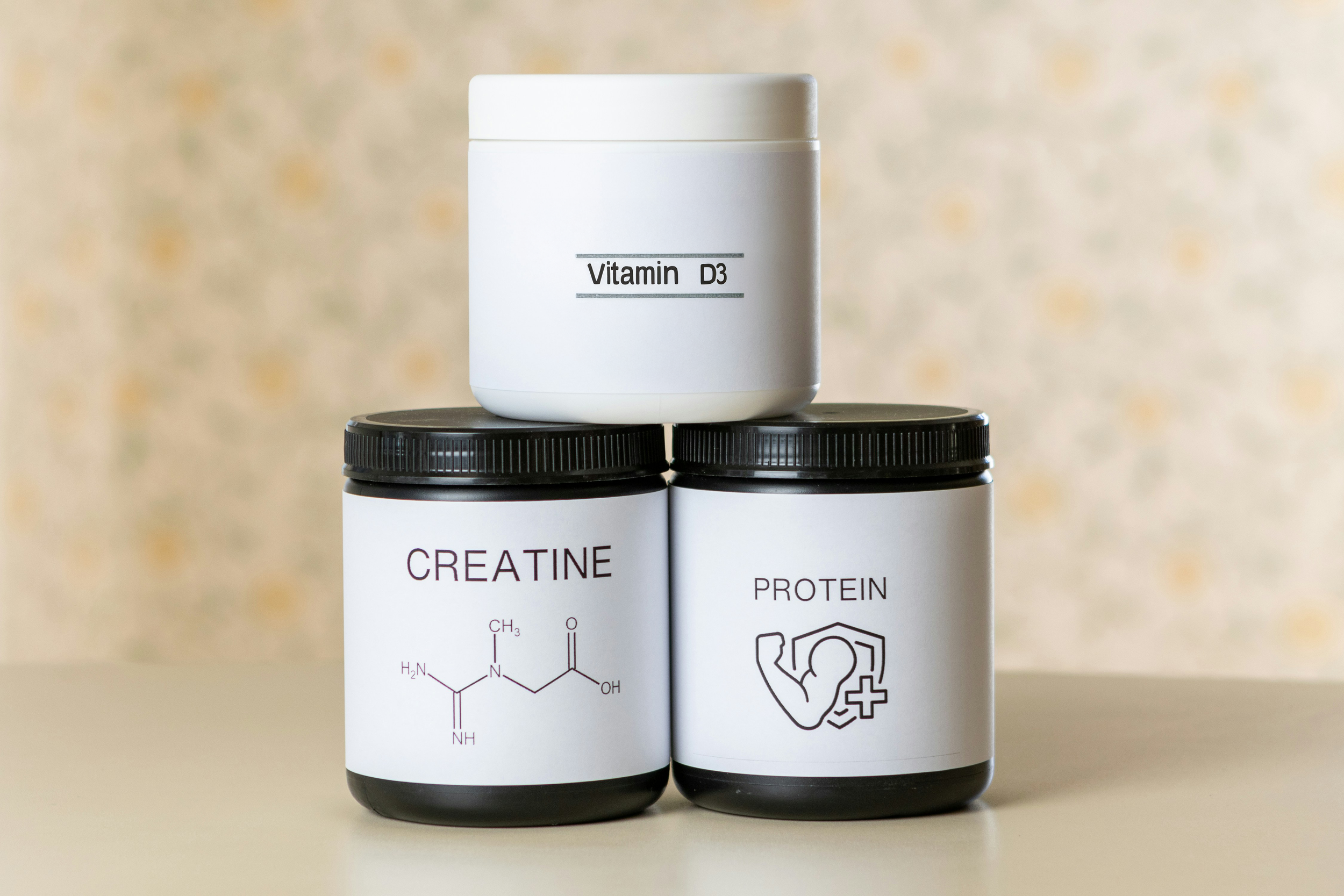
The 3 Supplements Worth Your Money in 2026 (And 3 to Skip)
Build your legacy on sound nutrition and consistent training first. Once that foundation is solid, use the evidence-based supplements to give you a small, safe edge.
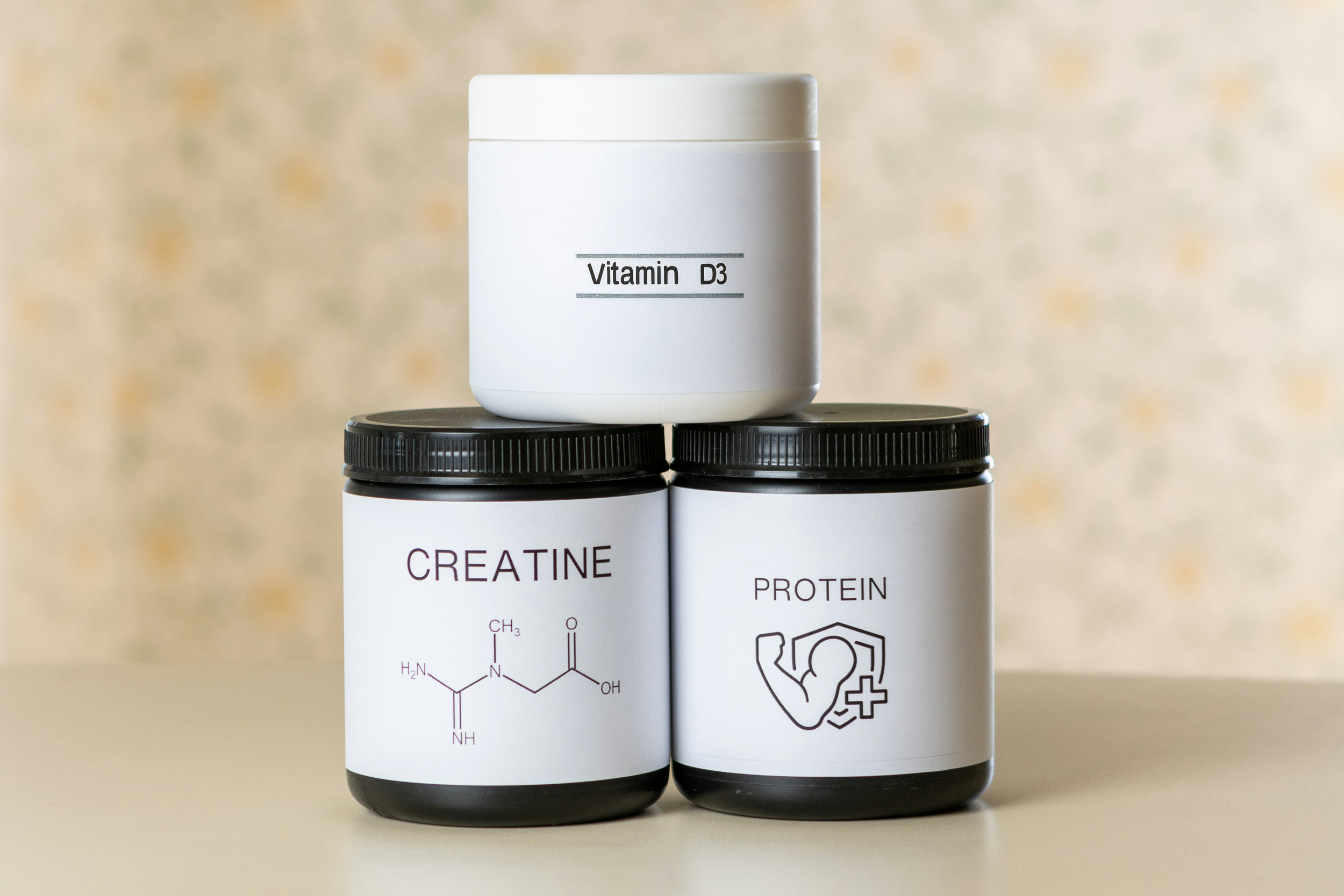
Image courtesy of Aleksander Saks via Unsplash; however it was edited to change “Pre-Workout” in the original image to “Vitamin D3” to better fit this article.
The supplement aisle is a confusing place. Every bottle promises the world, claiming to magically melt fat, build muscle overnight, or give you boundless energy. For someone trying to build a lasting fitness legacy, it is hard to know what is science and what is simply expensive hope.
At Legacy Fitness & Nutrition, we operate on a clear principle: No supplement can ever fix a bad diet, poor sleep, or inconsistent training. Supplements are exactly what the name implies; they supplement a solid foundation, they do not replace it.
Important Disclaimer: Your individual needs for vitamins, minerals, and supplements can vary widely based on your diet, health history, and blood markers. The information provided here is general knowledge. The only reliable way to determine if you have a deficiency or need a specific supplement is through medical testing, such as a blood test. We strongly recommend consulting with a qualified healthcare professional, registered dietitian, or certified nutrition coach before starting any new supplement regimen.
To help you navigate this confusing market and protect your wallet in 2026, here are the 3 supplements that have robust scientific evidence to support your goals, and 3 that you should skip entirely.
Supplements Worth Your Money (The Evidence-Based 3)
These supplements are highly researched and can effectively support a consistent training and nutrition program:
1. Creatine Monohydrate
What it is: A naturally occurring compound that helps muscles produce energy during heavy lifting or high-intensity exercise.
What it does: Creatine increases muscle power and volume, allowing you to lift slightly heavier or get one or two more reps per set. Over time, this small increase in performance translates to significant muscle and strength gains (see article, Strength Training for Longevity). It is also highly studied and safe.
Legacy Tip: Take 3-5 grams daily, every day, regardless of your workout schedule. Consistency is key.
2. Protein Powder (Whey or Plant-Based)
What it is: A convenient, cost-effective source of protein (ref article, "Protein Power" for the New Year). Whey is fast-digesting; plant blends are great for dairy sensitivities.
What it does: It helps you easily hit your daily protein goal (e.g., the 30-gram breakfast rule). This is crucial for satiety, preserving muscle mass, and maximizing recovery after exercise (see article, The 3 Rules of Recovery).
Legacy Tip: Use it as a convenient tool to fill nutritional gaps, not as a replacement for real, whole-food meals.
3. Vitamin D3
What it is: A fat-soluble vitamin the body primarily produces when skin is exposed to sunlight. Most people, especially in winter (see article, Move for Mood) or those who work indoors, are deficient.
What it does: Vitamin D is crucial for bone health (which works alongside resistance training) and plays a key role in immune function, mood regulation, and even hormone balance. Deficiency is linked to fatigue and muscle weakness.
Legacy Tip: Get your blood levels checked first, but supplementing 2,000–5,000 IUs daily is often necessary, especially in the winter months.
Supplements to Skip Entirely (The Expensive Hope)
These supplements are often highly marketed but lack the consistent scientific backing to justify the cost or the hype:
1. Fat Burners (Thermogenics)
What they are: Pills claiming to raise your metabolism to burn fat at rest. They usually contain high doses of caffeine and a blend of unproven herbs.
Why to Skip: The small metabolic boost they might offer is usually minor compared to the side effects (jitters, anxiety, heart rate spike). They do nothing to address the core issues of poor diet, low protein, or high cortisol (ref article, Your Secret Fitness Weapon). They create dependence and stress the body.
2. Branched-Chain Amino Acids (BCAAs)
What they are: Three specific amino acids (leucine, isoleucine, valine) often marketed as a way to prevent muscle breakdown during workouts.
Why to Skip: They are largely unnecessary if you are already consuming enough daily protein (either from whole food or a complete protein powder). A complete protein source, like whey, already contains BCAAs and the other essential amino acids your body needs, making BCAAs redundant and wasteful for most people.
3. "Detox" or "Cleanse" Teas/Pills
What they are: Products claiming to flush "toxins" from your body, often containing strong laxatives or diuretics.
Why to Skip: This is pure marketing fiction (see article, The Myth of "Detox"). Your liver and kidneys handle detoxification. These products simply cause temporary water loss (making you think you lost weight) and disrupt your digestive system. They undermine the goal of sustainable, healthy habits.
Build your legacy on sound nutrition and consistent training first. Once that foundation is solid, use the evidence-based supplements to give you a small, safe edge.

Setting Your GPS: Creating a Fitness Roadmap (Not Just a Wish List)
A wish list is a dream without instructions. A roadmap is a detailed plan that tells you exactly where to turn, what speed to maintain, and what obstacles to expect.

Image courtesy of Cathryn Lavery via Unsplash
Every January, people create a fitness "wish list." They write down vague goals like "I want to get healthy," "I want to lose weight," or "I want to feel better."
These statements are full of hope, but they are critically lacking one thing: A roadmap.
A wish list is a dream without instructions. A roadmap is a detailed plan that tells you exactly where to turn, what speed to maintain, and what obstacles to expect. Without a roadmap, you will quickly get lost, frustrated, and you will eventually pull over.
At Legacy Fitness & Nutrition, we teach you to set your Fitness GPS to ensure you not only reach your destination but know exactly how to get back on track when life throws a detour. A successful legacy is built on clear direction.
The Problem with Vague Goals
Why does "I want to lose 10 pounds" often fail? Because the goal is simply a destination, not a journey. It does not tell you the daily habits required to get there.
A successful fitness roadmap transforms the wish into a detailed, actionable plan using the SMART framework, but with a special focus on Actionable Habits.
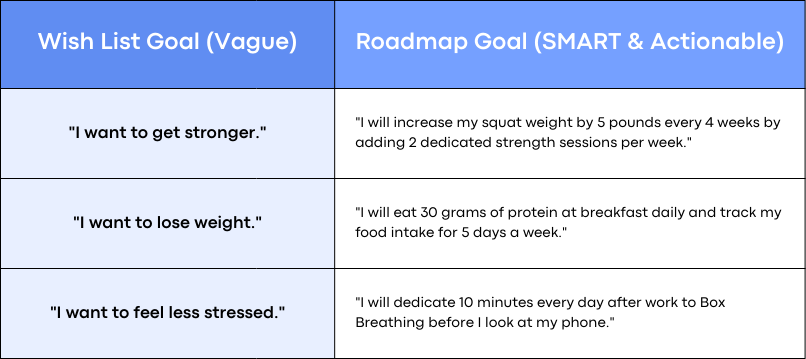
The difference is that the roadmap goal focuses on the consistent action you must take, not just the eventual outcome.
3 Essential Components of Your Fitness Roadmap
Your fitness plan needs three layers to be truly resilient and effective:
1. The Daily Checkpoint (Process Goals)
These are the small, daily actions you control 100%. These are the behaviors that, if done consistently, guarantee the bigger result.
Action: Identify 3 non-negotiable process goals for the first 30 days. These are habits, not outcomes.
Examples: Drink 60 ounces of water; Go to bed by 10 PM; Get a protein source in every meal.
Strategy: Focus 90% of your energy on winning the day by hitting these checkpoints. This builds confidence and momentum immediately.
2. The Quarterly Target (Performance Goals)
These are measurable steps that confirm you are moving in the right direction. They are big enough to be motivating but small enough to be reachable within a few months.
Action: Set a physical challenge for every three months.
Examples: Complete 10 perfect push-ups in a row by March 31st; Complete a 5K race by June 30th; Maintain a consistent sleeping average of 7.5 hours for 90 days.
Strategy: Quarterly targets keep you engaged and allow you to adjust your daily process goals based on real-time feedback.
3. The Fuel and Recovery Strategy (The Pit Stops)
The best roadmap also includes scheduled "pit stops" for fueling and maintenance. This recognizes that life isn't a straight line and that your body needs repair.
Action: Explicitly plan for rest, recovery, and nutrition management.
Examples: Schedule 2 non-negotiable rest days per week; Plan one healthy meal prep session every Sunday; Set a maximum cap on late nights (no more than one per week).
Strategy: By planning for recovery (see article, The 3 Rules of Recovery) and fueling (see article, “"Protein Power" for the New Year), you prevent the burnout and hormonal chaos (see article, Why You Can't "Out-Train" a Bad Sleep Schedule) that derail 90% of fitness journeys.
This January, don't just write a wish list. Sit down, create your detailed Fitness Roadmap, and set your GPS. Knowing the exact route gives you the power to overcome obstacles and guarantee that you arrive at your legacy destination.