
The 3 Supplements Worth Your Money in 2026 (And 3 to Skip)
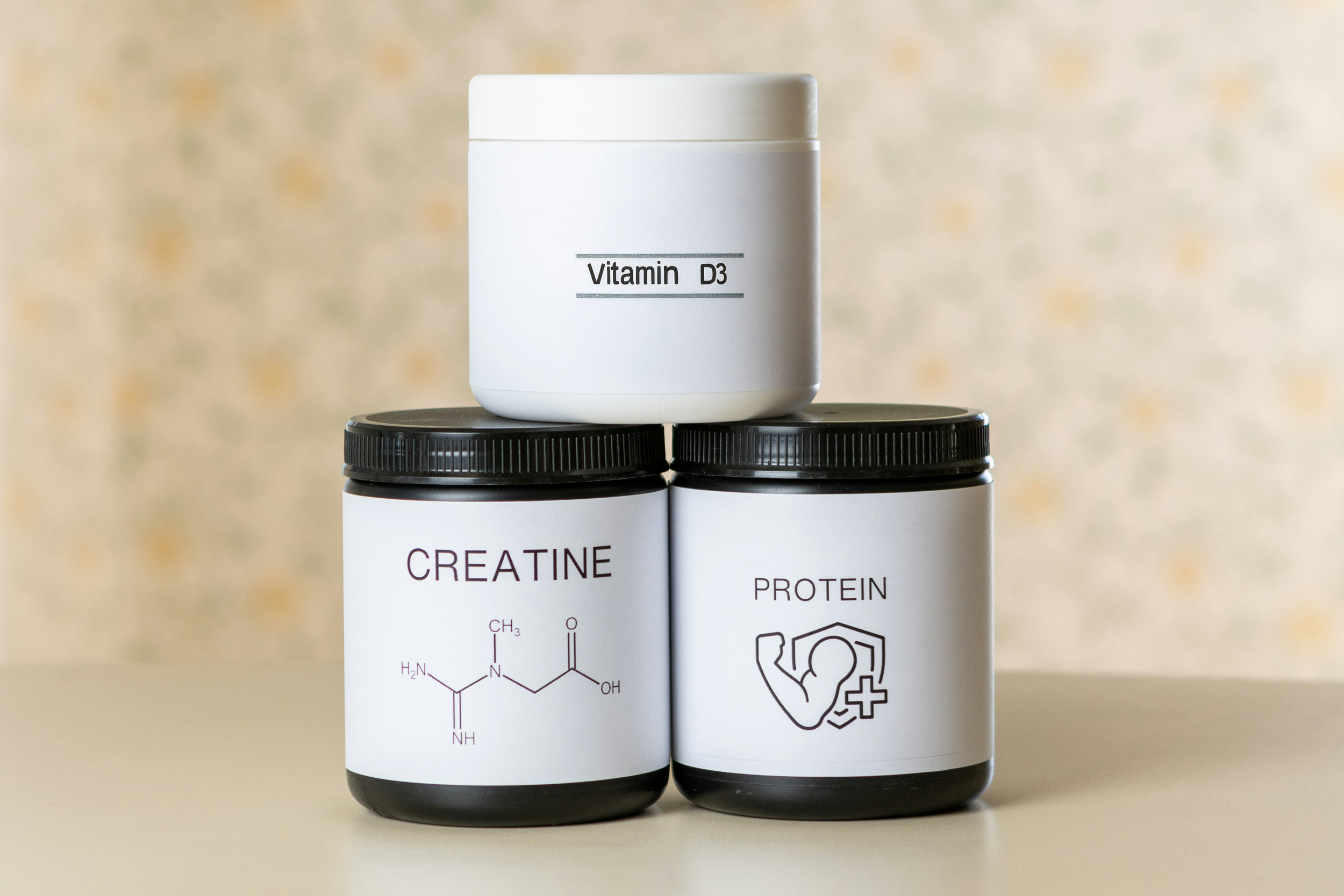
Image courtesy of Aleksander Saks via Unsplash; however it was edited to change “Pre-Workout” in the original image to “Vitamin D3” to better fit this article.
The supplement aisle is a confusing place. Every bottle promises the world, claiming to magically melt fat, build muscle overnight, or give you boundless energy. For someone trying to build a lasting fitness legacy, it is hard to know what is science and what is simply expensive hope.
At Legacy Fitness & Nutrition, we operate on a clear principle: No supplement can ever fix a bad diet, poor sleep, or inconsistent training. Supplements are exactly what the name implies; they supplement a solid foundation, they do not replace it.
Important Disclaimer: Your individual needs for vitamins, minerals, and supplements can vary widely based on your diet, health history, and blood markers. The information provided here is general knowledge. The only reliable way to determine if you have a deficiency or need a specific supplement is through medical testing, such as a blood test. We strongly recommend consulting with a qualified healthcare professional, registered dietitian, or certified nutrition coach before starting any new supplement regimen.
To help you navigate this confusing market and protect your wallet in 2026, here are the 3 supplements that have robust scientific evidence to support your goals, and 3 that you should skip entirely.
Supplements Worth Your Money (The Evidence-Based 3)
These supplements are highly researched and can effectively support a consistent training and nutrition program:
1. Creatine Monohydrate
What it is: A naturally occurring compound that helps muscles produce energy during heavy lifting or high-intensity exercise.
What it does: Creatine increases muscle power and volume, allowing you to lift slightly heavier or get one or two more reps per set. Over time, this small increase in performance translates to significant muscle and strength gains (see article, Strength Training for Longevity). It is also highly studied and safe.
Legacy Tip: Take 3-5 grams daily, every day, regardless of your workout schedule. Consistency is key.
2. Protein Powder (Whey or Plant-Based)
What it is: A convenient, cost-effective source of protein (ref article, "Protein Power" for the New Year). Whey is fast-digesting; plant blends are great for dairy sensitivities.
What it does: It helps you easily hit your daily protein goal (e.g., the 30-gram breakfast rule). This is crucial for satiety, preserving muscle mass, and maximizing recovery after exercise (see article, The 3 Rules of Recovery).
Legacy Tip: Use it as a convenient tool to fill nutritional gaps, not as a replacement for real, whole-food meals.
3. Vitamin D3
What it is: A fat-soluble vitamin the body primarily produces when skin is exposed to sunlight. Most people, especially in winter (see article, Move for Mood) or those who work indoors, are deficient.
What it does: Vitamin D is crucial for bone health (which works alongside resistance training) and plays a key role in immune function, mood regulation, and even hormone balance. Deficiency is linked to fatigue and muscle weakness.
Legacy Tip: Get your blood levels checked first, but supplementing 2,000–5,000 IUs daily is often necessary, especially in the winter months.
Supplements to Skip Entirely (The Expensive Hope)
These supplements are often highly marketed but lack the consistent scientific backing to justify the cost or the hype:
1. Fat Burners (Thermogenics)
What they are: Pills claiming to raise your metabolism to burn fat at rest. They usually contain high doses of caffeine and a blend of unproven herbs.
Why to Skip: The small metabolic boost they might offer is usually minor compared to the side effects (jitters, anxiety, heart rate spike). They do nothing to address the core issues of poor diet, low protein, or high cortisol (ref article, Your Secret Fitness Weapon). They create dependence and stress the body.
2. Branched-Chain Amino Acids (BCAAs)
What they are: Three specific amino acids (leucine, isoleucine, valine) often marketed as a way to prevent muscle breakdown during workouts.
Why to Skip: They are largely unnecessary if you are already consuming enough daily protein (either from whole food or a complete protein powder). A complete protein source, like whey, already contains BCAAs and the other essential amino acids your body needs, making BCAAs redundant and wasteful for most people.
3. "Detox" or "Cleanse" Teas/Pills
What they are: Products claiming to flush "toxins" from your body, often containing strong laxatives or diuretics.
Why to Skip: This is pure marketing fiction (see article, The Myth of "Detox"). Your liver and kidneys handle detoxification. These products simply cause temporary water loss (making you think you lost weight) and disrupt your digestive system. They undermine the goal of sustainable, healthy habits.
Build your legacy on sound nutrition and consistent training first. Once that foundation is solid, use the evidence-based supplements to give you a small, safe edge.
