

Supplements for GLP-1 Users: What Actually Helps?
Don't let a smaller appetite lead to a weaker body.
Medical Disclaimer: The information provided in this article is for educational and informational purposes only and should not be considered medical advice. Always seek the advice of your physician or other qualified health provider with any questions you may have regarding a medical condition or the use of medications. Never disregard professional medical advice or delay in seeking it because of something you have read here.

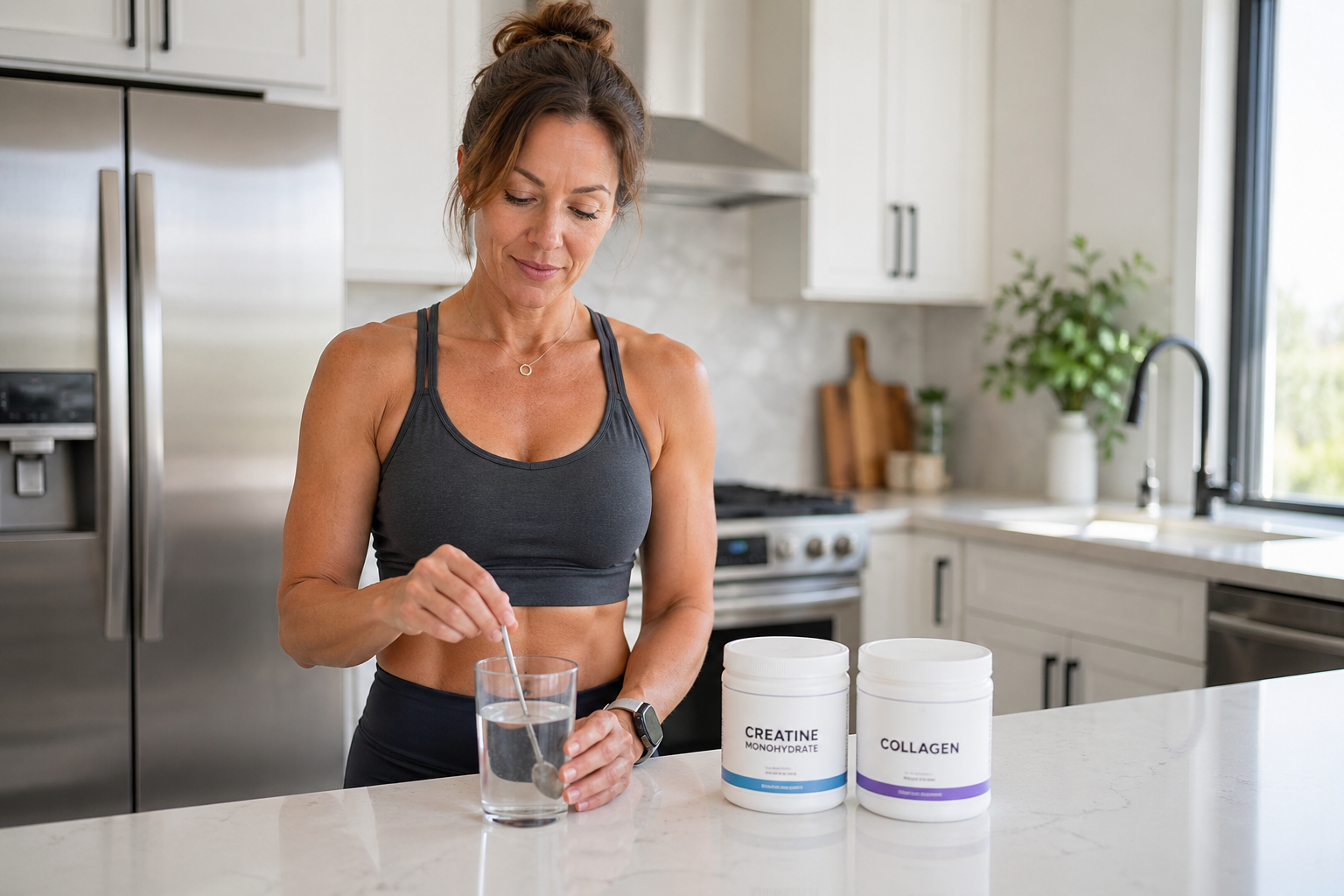
This image was created using AI to avoid copyright issues while conveying the context of this article.
When you are on a GLP-1 medication, your body is undergoing significant metabolic changes. These medications work incredibly well to quiet "food noise" and reduce your appetite. However, this success creates a new challenge. Because you are eating much less than you used to, your "nutrient real estate" is limited. While the scale is moving in the right direction, your body may be struggling to get the vitamins and minerals it needs to keep your hair, skin, and muscles healthy.
In this scenario, supplements move from being "optional extras" to being a vital part of your health management system. The goal of supplementation on this journey should be very specific. You are not looking for a "fat burner" or a magic pill. You are looking to protect your muscle, support your digestion, and fill in the nutritional gaps created by a suppressed appetite.
The Critical Need for Protein Support
As we have discussed in previous articles, protecting your lean muscle mass is the most important part of long-term weight loss. If you lose weight but lose your muscle along with it, your metabolism will slow down significantly. When your appetite is low, eating a large steak or a chicken breast can feel like a chore. This is where protein supplementation becomes a practical necessity.
A high-quality whey or plant-based protein powder allows you to get the amino acids your muscles need without the "volume" of a full meal. This helps you hit your daily protein targets without feeling uncomfortably full. By using protein shakes as a tool, you are ensuring that your body has the "bricks and mortar" it needs to maintain your strength while the medication helps you lose the fat.
Creatine and Collagen: The Structural Foundation
Two supplements that have moved to the forefront of longevity science are Creatine and Collagen. Despite old myths, Creatine is not just for young bodybuilders. It is one of the most researched substances for muscle preservation and brain health.
When you are in a large calorie deficit, your muscles can lose their "fullness" and energy. Creatine helps your muscle cells hold onto hydration and energy (ATP). This allows you to maintain your strength in the gym, even when your food intake is low. Think of it as a battery backup for your muscles.
Collagen is equally important because it acts as the "glue" for your body. Rapid weight loss can put a strain on your connective tissues, joints, and skin. Supplementing with collagen peptides provides the specific amino acids that help keep your joints moving smoothly and your skin resilient. For those on a GLP-1 journey, combining Creatine and Collagen provides a strong internal structure that supports your new, lighter frame.
Managing Micronutrients and Energy
When you eat fewer total calories, you are also getting fewer micronutrients. It is very common for people on these medications to feel "foggy" or tired. Often, this isn't because they lack calories, but because they lack minerals.
The Electrolyte Balance: GLP-1 medications can change how your body handles water and salt. If you lose too much sodium, potassium, or magnesium, you will feel exhausted and may experience muscle cramps. A high-quality electrolyte mix added to your water can "wake up" your nervous system and keep your energy levels steady throughout the day.
Fiber and Digestion: Because these medications slow down the digestive process, staying "regular" can become an issue. When you eat less, you naturally get less fiber from your diet. A gentle, non-bloating fiber supplement can help your system move smoothly and prevent the discomfort that some users experience.
The "Insurance" Multivitamin: A high-quality multivitamin acts as a safety net. It ensures that on the days when you barely feel like eating anything at all, your body still receives the basic co-factors it needs to run its metabolic processes. It’s a simple way to avoid the hidden hunger of a nutrient-depleted body.
Cutting Through the Marketing Hype
The supplement industry is notorious for making big promises with very little evidence. You do not need twenty different bottles on your counter to be successful. In fact, taking too many unnecessary supplements can actually put extra stress on your liver and kidneys.
The most effective strategy is a "targeted" approach. You should focus on high-quality products that have been tested for purity. You are looking for ingredients that support your specific needs: muscle protection, joint integrity, and digestive health. By ignoring the "fad" supplements and focusing on the science-backed basics, you can save money and get better results.
Your Health is a System
At Legacy Fitness, we help educate our clients on which supplements work best with their lifestyle and their specific health goals. We believe that supplements are a piece of a larger puzzle. When they are combined with smart resistance training and a protein-first diet, they help you reach your goal weight with your health and vitality intact.
Don't let a smaller appetite lead to a weaker body. By being intentional with your supplementation, you are investing in the quality of your weight loss. You are ensuring that you don't just become a smaller person, but a more resilient and capable one.
Creatine & Collagen: The 2026 Power Couple for Joints
If Creatine is the fuel for the engine, Collagen is the structural steel of the car.
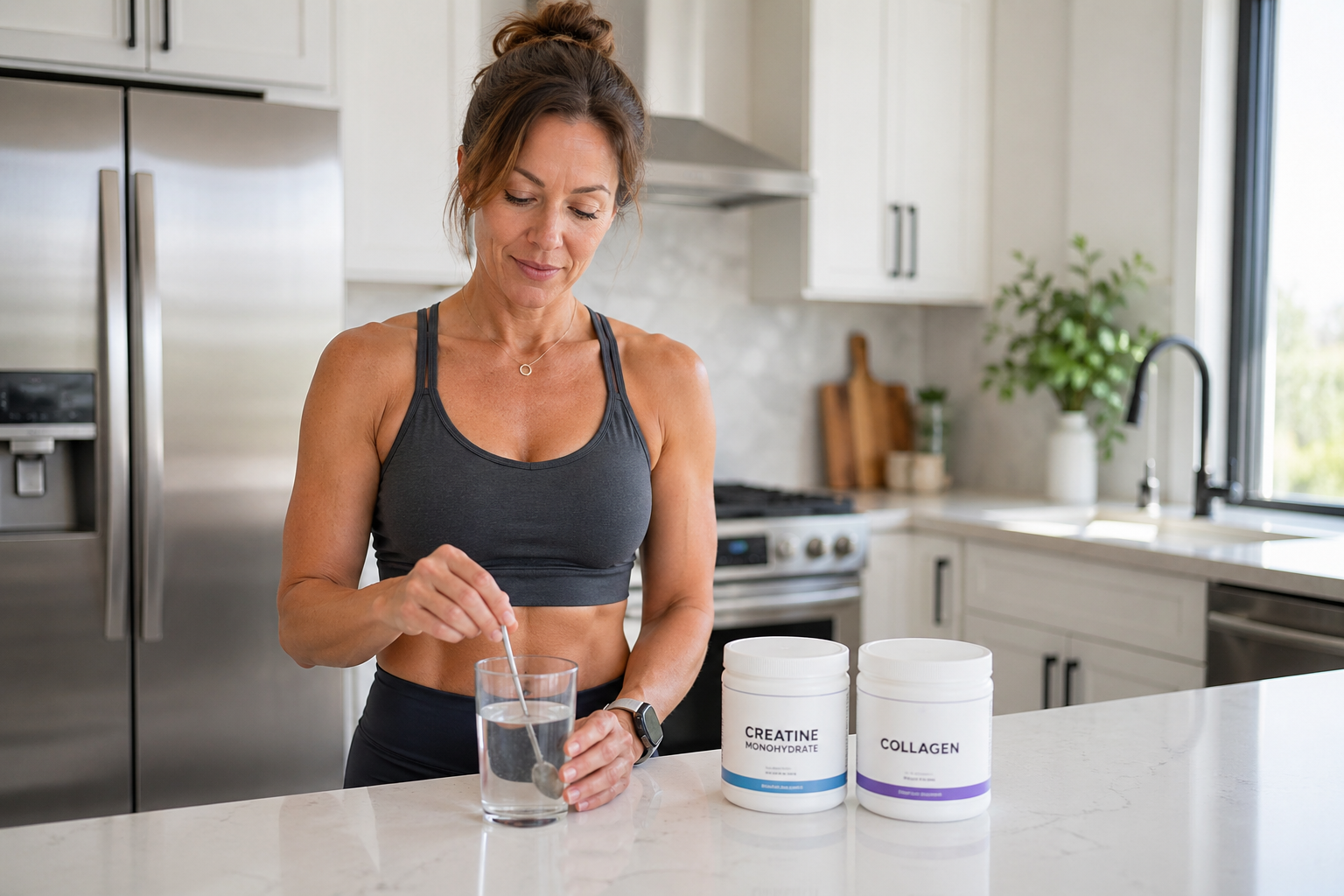
This image was created using AI to avoid copyright issues while conveying the context of this article.
In the world of fitness supplements, trends come and go. However, as we move through 2026, two specific names have risen to the top of the list, not just for building muscle, but for protecting the very foundation of our movement: our joints. Those two powerhouses are Creatine and Collagen.
For years, Creatine was seen strictly as a "muscle builder" for young athletes, while Collagen was marketed as a beauty supplement for better skin and hair. Today, we know that when these two are used together, they form a "Power Couple" that helps active adults stay strong, mobile, and most importantly, pain-free.
Creatine: More Than Just Muscle
Creatine is one of the most researched supplements in history. Its primary job is to help your cells produce energy more quickly. When you have more of this "quick energy" available, you can squeeze out an extra rep or two in the gym. Over time, those extra reps lead to more muscle mass.
However, the "new" news in 2026 is how Creatine supports joint health and recovery. Creatine helps pull water into the muscle cells, which can have a protective effect on the surrounding connective tissues. By making the muscles stronger and more hydrated, Creatine reduces the "shearing" force on your joints during heavy lifts. Furthermore, newer studies suggest Creatine may have anti-inflammatory properties, helping to reduce the "morning stiffness" that many lifters experience as they age.
Collagen: The "Glue" of the Human Body
If Creatine is the fuel for the engine, Collagen is the structural steel of the car. Collagen is the most abundant protein in your body. It is the primary component of your tendons, ligaments, and cartilage. Think of it as the "glue" that holds your skeleton together.
As we age, our body’s natural production of collagen begins to drop. This is why our joints can start to feel "creaky" or why injuries like tendonitis take longer to heal. By supplementing with high-quality collagen peptides, you are providing your body with the specific amino acids it needs to repair that "glue." In 2026, we’ve found that taking collagen specifically about 40 to 60 minutes before a workout can help "target" those nutrients to the joints you are actually using.
Why They Work Better Together
The reason we call them a "Power Couple" is because they address joint health from two different angles.
Creatine builds the strength of the muscles around the joint. When your muscles are strong, they act like a suspension system for your bones.
Collagen strengthens the connective tissue itself. It makes your tendons and ligaments more resilient and "springy."
When you combine a strong suspension system (muscles) with high-quality structural parts (tendons), you get a body that can handle the stress of lifting weights without breaking down. This is especially important for our "Active Aging" community and those on GLP-1 medications, where preserving every bit of structural integrity is vital.
The "Longevity" Protocol
In 2026, the goal isn't just to be the strongest person in the room for one day; it's to be the strongest person in the room for the next 30 years. Supplementing with 5 grams of Creatine Monohydrate daily and 10 to 20 grams of Collagen peptides is becoming a standard "insurance policy" for longevity.
It is important to remember that supplements are just that, a supplement to a solid foundation. They cannot replace a good diet or a smart training program. However, they can provide that extra 5% to 10% edge in recovery and joint comfort that keeps you coming back to the gym week after week.
Consistency is the Key
You won't feel the effects of Creatine or Collagen overnight. Unlike caffeine, which hits you in 20 minutes, these supplements work through "saturation." It takes a few weeks of consistent use for your muscles and joints to fully benefit from the extra support.
At Legacy Fitness, we believe in using every tool available to keep you moving at your best. By focusing on joint integrity now, you are ensuring that your future self remains mobile, capable, and ready for whatever life throws your way.
The Truth About Creatine for Every Age
Whether you are a 25-year-old athlete or a 65-year-old looking to stay active, creatine has something to offer.
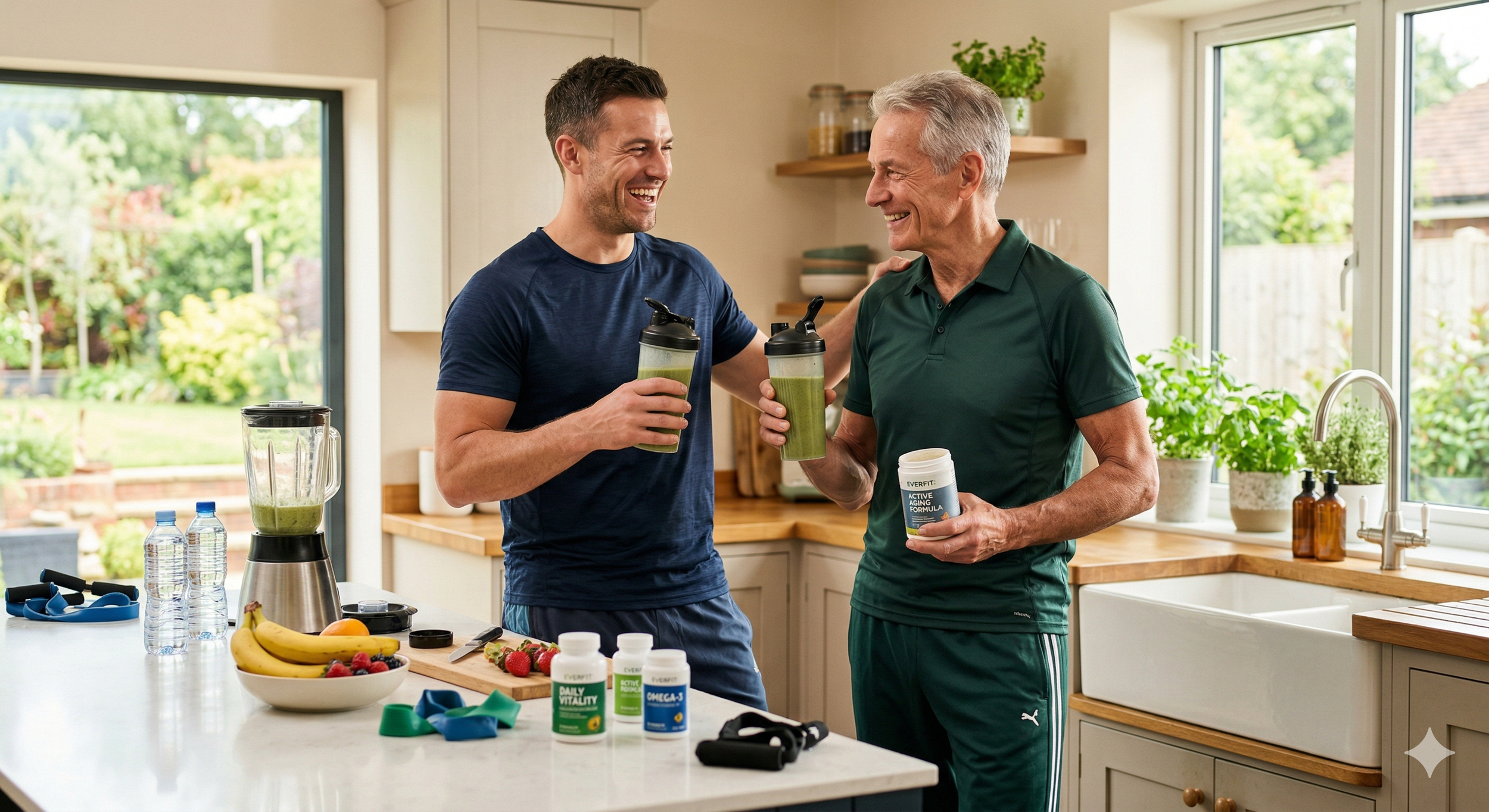
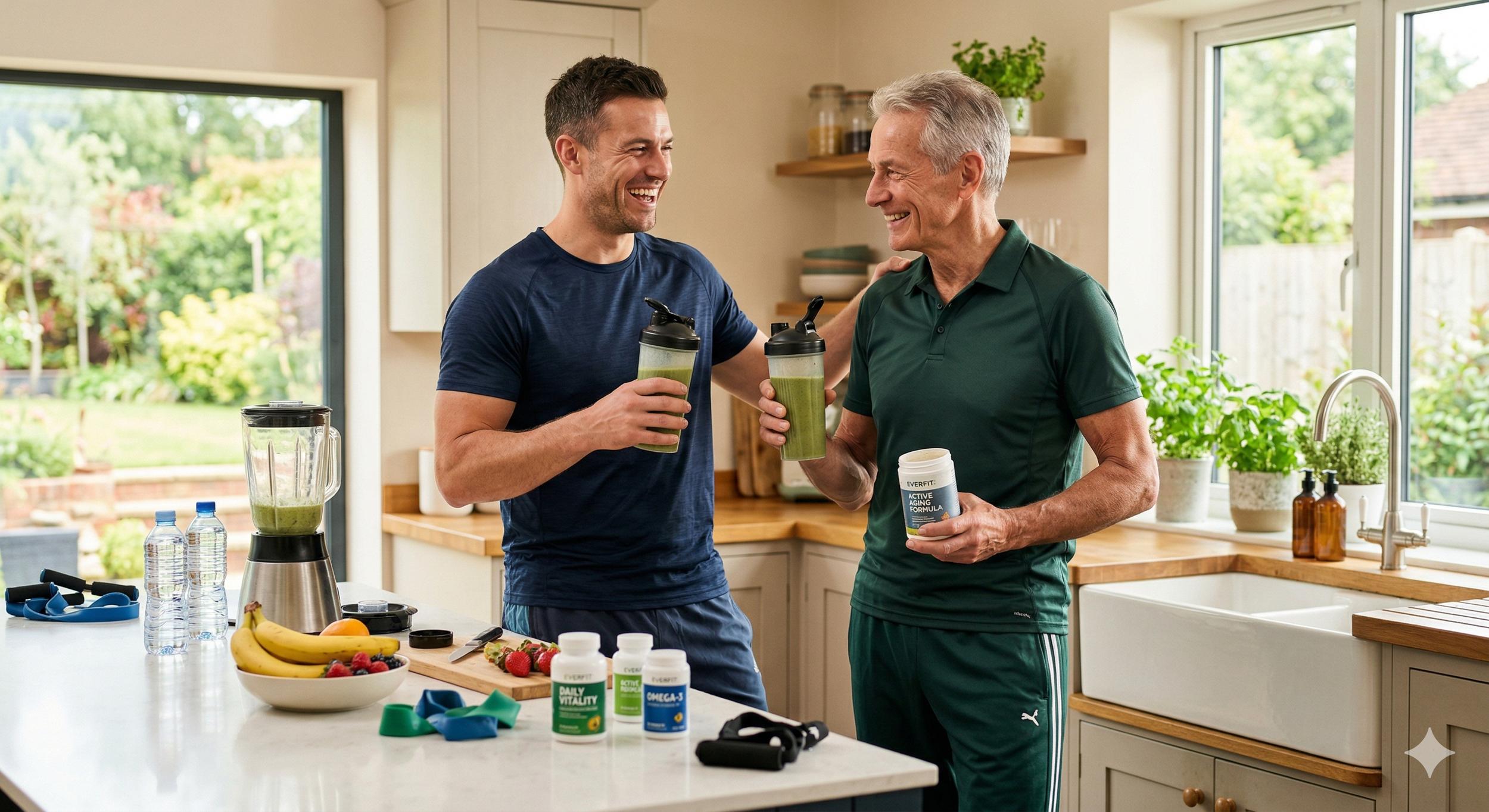
This image was created using AI to avoid copyright issues while conveying the context of this article.
If you walked into a gym twenty years ago and asked about creatine, most people would tell you it was only for bodybuilders who wanted to "bulk up." Fast forward to today, and the conversation has completely changed. Scientists now consider creatine to be one of the most researched and effective supplements in the world, not just for muscle, but for your brain and long-term health.
Whether you are a 25-year-old athlete or a 65-year-old looking to stay active, creatine has something to offer. It is time to clear up the myths and look at why this simple supplement is becoming a staple for people of every age.
What is Creatine, Anyway?
Creatine is a natural compound found in your muscle cells. It helps your muscles produce energy during heavy lifting or high-intensity exercise. Your body produces some of it naturally, and you get more from eating red meat and fish. However, to get enough to see a real health benefit, many people choose to take a small daily dose of "creatine monohydrate."
It isn't a steroid, it isn't a stimulant, and it won't make you look like a bodybuilder overnight unless you are doing the extreme training required to get there.
The Benefit for the Younger Athlete
For younger people, the benefits of creatine are well-known. It helps you recover faster between sets in the gym. It allows you to push for that extra rep, which leads to better strength gains over time. It also helps with "cell hydration," which means it pulls water into your muscle cells. This doesn't just make them look fuller; it actually helps the muscles repair themselves more efficiently.
The "Secret" Benefit: Brain Health
This is where the research gets really exciting. Your brain, just like your muscles, uses a lot of energy. Recent studies have shown that creatine can help with "mental fatigue." If you have a job that requires intense focus, or if you feel "brain fog" after a long day, creatine might help.
There is even evidence that it can help with memory and cognitive processing. As we age, keeping our brains sharp is just as important as keeping our bodies strong, and creatine is proving to be a powerful ally for both.
Why Seniors Should Consider It
As we get older, we naturally begin to lose muscle mass and bone density. This is a process called sarcopenia. Maintaining muscle is one of the best ways to prevent falls and stay independent as you age.
Creatine, when combined with even light resistance training, has been shown to help older adults maintain their strength better than training alone. It helps keep your muscles "responsive." For a senior, the benefit isn't about a bench press record; it’s about having the leg strength to get out of a chair easily or carry groceries without struggle.
Is It Safe?
Creatine is one of the most tested supplements in history. Thousands of studies have shown that it is safe for long-term use in healthy individuals. The old myths about it damaging the kidneys have been debunked many times over.
The most common "side effect" is a slight increase in water weight, but remember: that water is going inside the muscle cells where you want it, not just sitting under the skin.
How to Take It
You don't need fancy "loading phases" or expensive "buffered" versions. Simple creatine monohydrate is the gold standard.
The Dose: Most people see full benefits with just 3 to 5 grams a day (about one small scoop).
The Timing: It doesn't matter when you take it, as long as you take it consistently. Mix it with your morning water, coffee, or a protein shake.
A Tool for Your Legacy
At Legacy Fitness, we are about longevity. We want you to be the strongest version of yourself at every stage of life. Creatine is a simple, affordable, and safe tool that helps bridge the gap between "getting older" and "staying strong."
Whether you want to hit a new personal best or just want to stay sharp for your grandkids, it might be time to give creatine a second look.

Adaptogens 101: Can Mushrooms Lower Your Cortisol?
This January, stop letting stress run your life and start using the power of nature to find your balance.
Medical Disclaimer: The information provided in this article is for educational and informational purposes only and is not intended as medical advice. Legacy Fitness & Nutrition does not recommend any specific supplements or adaptogens. Nothing in this content is intended to diagnose, treat, or cure any medical condition. Always seek the advice of your physician or another qualified healthcare provider before starting any new supplement or lifestyle change, especially if you have a pre-existing medical condition or are taking medication.

This image was created using AI to avoid copyright issues while conveying the context of this article. (In case you’re wondering, it’s supposed to be mushroom coffee, lion’s mane and dried reishi.)
In the high-pressure world of 2026, stress has become our constant companion. We often talk about "managing" stress through exercise and sleep, but there is a category of natural supplements that is currently taking the wellness world by storm: Adaptogens. You may have seen ads for "mushroom coffee" or "stress-relief gummies" containing things like Ashwagandha or Reishi. While these might sound like modern fads, they have actually been used in traditional medicine for thousands of years.
The name "adaptogen" tells you exactly what they do: they help your body adapt to stress. They don't work like a cup of coffee that forces your energy up, or a sedative that forces your energy down. Instead, they act like a thermostat. If your stress levels (cortisol) are too high, they help bring them down. If your energy is too low, they help lift it up. For anyone trying to build a health legacy while working a demanding job, adaptogens might be the missing piece of the puzzle.
The Cortisol Connection
Cortisol is often called the "stress hormone." In small doses, it is actually good for us; it helps us wake up in the morning and react to danger. However, when we are under constant pressure from emails, traffic, and intense workouts, our cortisol levels stay high all day. This leads to what many call "tired but wired." You feel exhausted, but your brain won't shut off when your head hits the pillow.
High cortisol is also a disaster for your fitness goals. It tells your body to hold onto fat (especially around the midsection) and can make it harder to build muscle. This is where adaptogens come in. They work with a system in your body called the HPA axis (Hypothalamic-Pituitary-Adrenal). By "tuning" this system, adaptogens help prevent your body from overreacting to daily stressors, keeping your hormones in balance.
Meet the "Legacy" Adaptogens
There are many adaptogens out there, but in 2026, three have risen to the top because of the science backing them up:
Ashwagandha: This is the most famous adaptogen for a reason. Multiple studies have shown it can significantly lower cortisol levels and improve the quality of sleep. It is also popular among athletes because it can help with strength gains by reducing the stress of a heavy workout.
Lion’s Mane: This isn't just a mushroom; it is "brain fuel." It is known for its ability to support nerve growth and improve focus. Many professionals use it in the morning to get that sharp, mental edge without the jitters of extra caffeine.
Rhodiola Rosea: If you feel "burned out," Rhodiola is your best friend. It is known for its ability to fight fatigue and improve mental performance under pressure. It’s like a "reset button" for your mental endurance.
How to Use Them Safely
The key to adaptogens is consistency. They are not like a headache pill that works in twenty minutes. Most people need to take them for two to four weeks before they notice the "thermostat" effect. It is also important to remember that supplements are the "cherry on top" of a healthy lifestyle. If you aren't sleeping or eating whole foods, no amount of mushrooms will save you.
Always start with one at a time so you can see how your body reacts. And as with any supplement, it’s a good idea to talk to your doctor, especially if you are taking other medications. When used correctly, these natural tools can help you navigate the chaos of modern life with a calm mind and a resilient body. This January, stop letting stress run your life and start using the power of nature to find your balance.
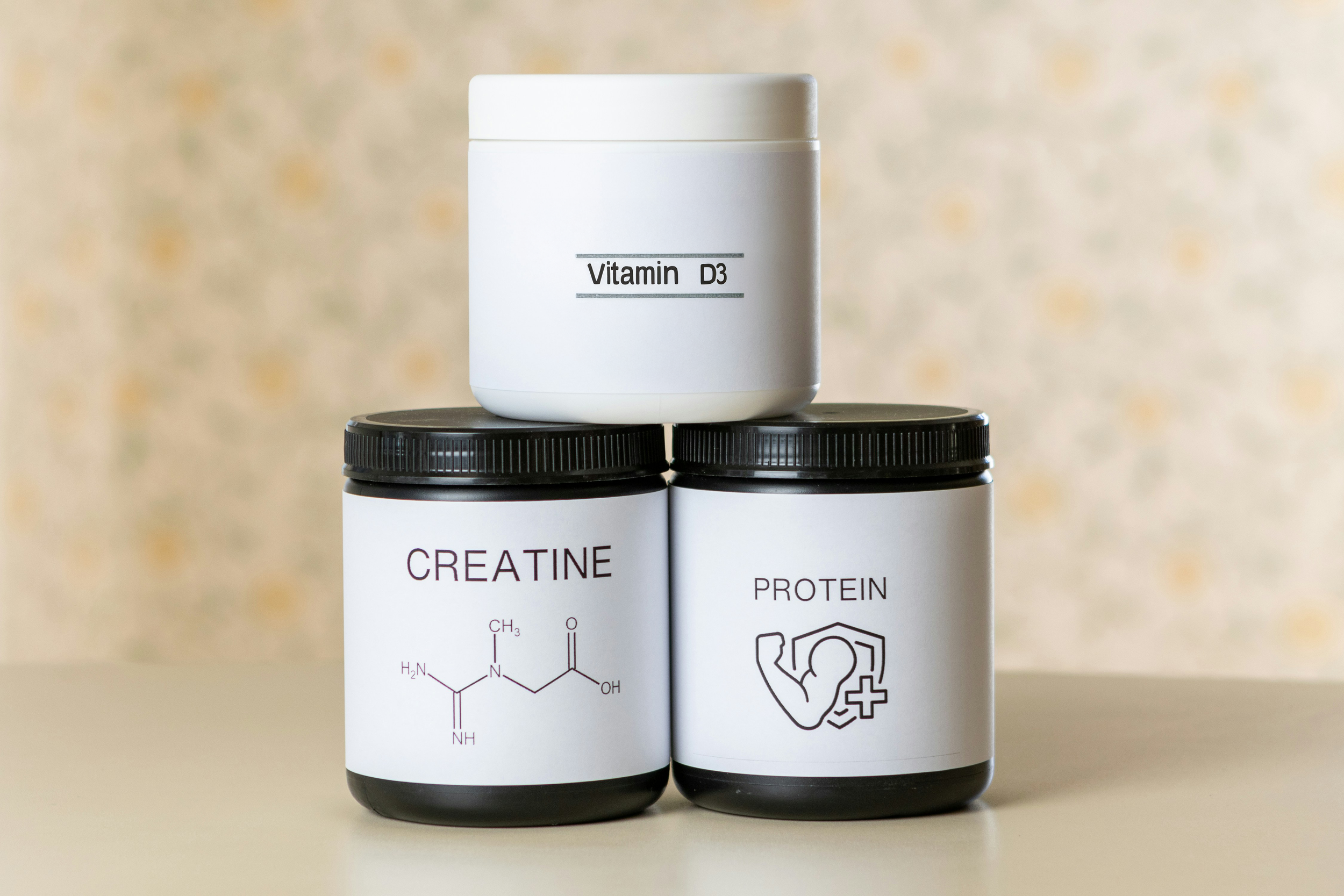
The 3 Supplements Worth Your Money in 2026 (And 3 to Skip)
Build your legacy on sound nutrition and consistent training first. Once that foundation is solid, use the evidence-based supplements to give you a small, safe edge.
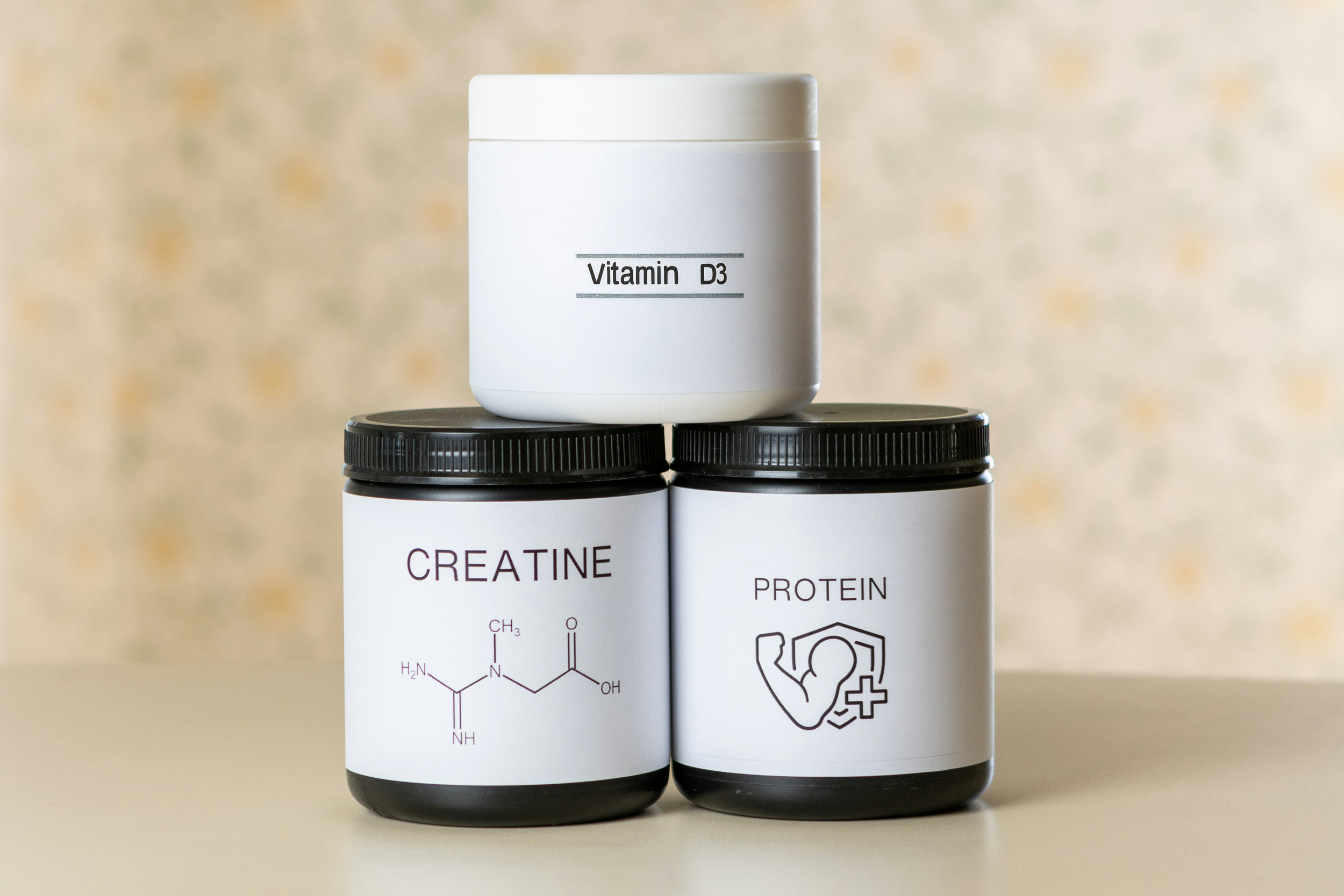
Image courtesy of Aleksander Saks via Unsplash; however it was edited to change “Pre-Workout” in the original image to “Vitamin D3” to better fit this article.
The supplement aisle is a confusing place. Every bottle promises the world, claiming to magically melt fat, build muscle overnight, or give you boundless energy. For someone trying to build a lasting fitness legacy, it is hard to know what is science and what is simply expensive hope.
At Legacy Fitness & Nutrition, we operate on a clear principle: No supplement can ever fix a bad diet, poor sleep, or inconsistent training. Supplements are exactly what the name implies; they supplement a solid foundation, they do not replace it.
Important Disclaimer: Your individual needs for vitamins, minerals, and supplements can vary widely based on your diet, health history, and blood markers. The information provided here is general knowledge. The only reliable way to determine if you have a deficiency or need a specific supplement is through medical testing, such as a blood test. We strongly recommend consulting with a qualified healthcare professional, registered dietitian, or certified nutrition coach before starting any new supplement regimen.
To help you navigate this confusing market and protect your wallet in 2026, here are the 3 supplements that have robust scientific evidence to support your goals, and 3 that you should skip entirely.
Supplements Worth Your Money (The Evidence-Based 3)
These supplements are highly researched and can effectively support a consistent training and nutrition program:
1. Creatine Monohydrate
What it is: A naturally occurring compound that helps muscles produce energy during heavy lifting or high-intensity exercise.
What it does: Creatine increases muscle power and volume, allowing you to lift slightly heavier or get one or two more reps per set. Over time, this small increase in performance translates to significant muscle and strength gains (see article, Strength Training for Longevity). It is also highly studied and safe.
Legacy Tip: Take 3-5 grams daily, every day, regardless of your workout schedule. Consistency is key.
2. Protein Powder (Whey or Plant-Based)
What it is: A convenient, cost-effective source of protein (ref article, "Protein Power" for the New Year). Whey is fast-digesting; plant blends are great for dairy sensitivities.
What it does: It helps you easily hit your daily protein goal (e.g., the 30-gram breakfast rule). This is crucial for satiety, preserving muscle mass, and maximizing recovery after exercise (see article, The 3 Rules of Recovery).
Legacy Tip: Use it as a convenient tool to fill nutritional gaps, not as a replacement for real, whole-food meals.
3. Vitamin D3
What it is: A fat-soluble vitamin the body primarily produces when skin is exposed to sunlight. Most people, especially in winter (see article, Move for Mood) or those who work indoors, are deficient.
What it does: Vitamin D is crucial for bone health (which works alongside resistance training) and plays a key role in immune function, mood regulation, and even hormone balance. Deficiency is linked to fatigue and muscle weakness.
Legacy Tip: Get your blood levels checked first, but supplementing 2,000–5,000 IUs daily is often necessary, especially in the winter months.
Supplements to Skip Entirely (The Expensive Hope)
These supplements are often highly marketed but lack the consistent scientific backing to justify the cost or the hype:
1. Fat Burners (Thermogenics)
What they are: Pills claiming to raise your metabolism to burn fat at rest. They usually contain high doses of caffeine and a blend of unproven herbs.
Why to Skip: The small metabolic boost they might offer is usually minor compared to the side effects (jitters, anxiety, heart rate spike). They do nothing to address the core issues of poor diet, low protein, or high cortisol (ref article, Your Secret Fitness Weapon). They create dependence and stress the body.
2. Branched-Chain Amino Acids (BCAAs)
What they are: Three specific amino acids (leucine, isoleucine, valine) often marketed as a way to prevent muscle breakdown during workouts.
Why to Skip: They are largely unnecessary if you are already consuming enough daily protein (either from whole food or a complete protein powder). A complete protein source, like whey, already contains BCAAs and the other essential amino acids your body needs, making BCAAs redundant and wasteful for most people.
3. "Detox" or "Cleanse" Teas/Pills
What they are: Products claiming to flush "toxins" from your body, often containing strong laxatives or diuretics.
Why to Skip: This is pure marketing fiction (see article, The Myth of "Detox"). Your liver and kidneys handle detoxification. These products simply cause temporary water loss (making you think you lost weight) and disrupt your digestive system. They undermine the goal of sustainable, healthy habits.
Build your legacy on sound nutrition and consistent training first. Once that foundation is solid, use the evidence-based supplements to give you a small, safe edge.

The Truth About Supplements: Which Ones are Worth Your Money (and Which are Just Hype)
The world of health and fitness supplements is a jungle.
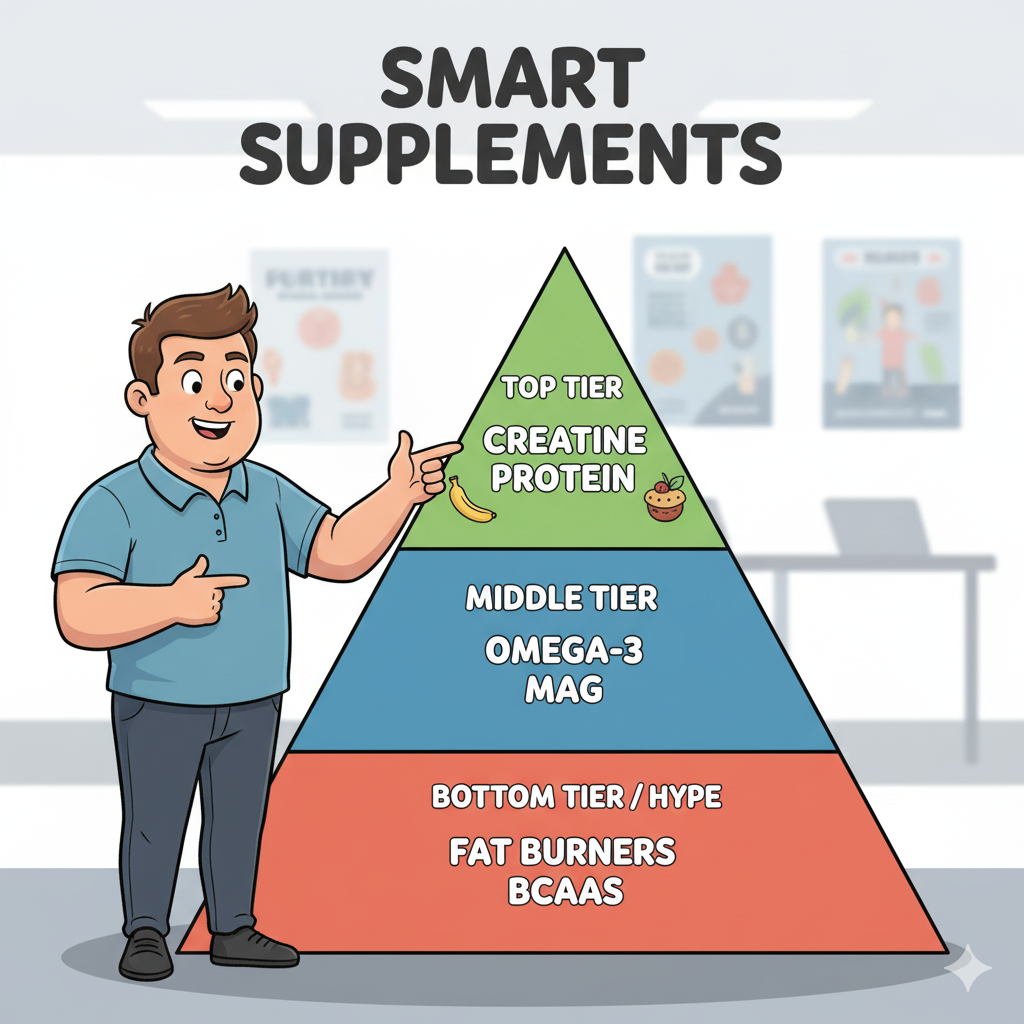
The world of health and fitness supplements is a jungle. The shelves are packed with colorful containers promising everything from instant fat loss to massive muscle gains. It’s estimated that consumers spend billions every year on pills, powders, and potions, often without seeing any real benefit.
For anyone committed to long-term health, it’s important to understand the hierarchy of results:
Diet and Lifestyle: This is the foundation (sleep, real food, consistent training). This is 90% of your results.
Supplements: These are the finishing touches, designed to fill small gaps or slightly enhance performance. This is the remaining 10%.
If your foundation is shaky, no amount of supplements will save you. But once your core diet and training are solid, a few key supplements can provide real, evidence-based benefits.
Here is an honest breakdown of which supplements are genuinely worth your money and which ones are mostly marketing hype.
The Tried-and-True (The Essentials)
These supplements have the most scientific evidence and are generally safe and effective for filling common nutritional gaps or boosting performance.
1. Protein Powder (Whey, Casein, or Plant-Based)
What it does: Provides a quick, convenient source of protein to support muscle repair and recovery (especially useful after a workout or when you need a high-protein snack).
When it's worth it: When you struggle to hit your daily protein goal (aim for about 0.7–1 gram per pound of body weight).
The Hype Check: Skip the fancy "muscle-building blends" and focus on a simple, high-quality powder with minimal added sugars.
2. Creatine
What it does: This is the most studied and proven supplement for athletic performance. It helps your muscles generate more energy during short bursts of high-intensity exercise, leading to greater strength, power, and muscle mass over time.
When it's worth it: If you do any type of resistance training (lifting weights). It works for almost everyone and is very safe.
The Hype Check: You only need 3–5 grams per day. Don't worry about "loading" phases; consistency is key.
3. Vitamin D
What it does: Essential for bone health, immune function, and mood regulation. Many people, especially those who live in northern climates or spend a lot of time indoors, are deficient.
When it's worth it: If your blood work shows you are deficient, or if you get very little direct sun exposure (which is common, especially in the winter months).
The Hype Check: Check with your doctor to find the right dosage for you, as taking too much can be harmful.
The "Maybe Worth It" (Depends on Your Diet)
These supplements are useful if your diet is lacking in a specific area, but they aren't necessary for everyone.
1. Omega-3 Fatty Acids (Fish Oil)
What it does: Provides EPA and DHA, essential fats that reduce inflammation, support heart health, and contribute to brain function.
When it's worth it: If you don't eat oily fish (like salmon, mackerel, or sardines) at least two times per week. The anti-inflammatory benefits can be great for recovery.
The Hype Check: Look for a supplement that clearly lists the amounts of EPA and DHA on the label, and ensure the product is third-party tested for purity (to check for heavy metals).
2. Magnesium
What it does: Helps relax muscles, supports hundreds of chemical reactions in the body, and promotes better sleep (as we discussed in a previous article!).
When it's worth it: If you frequently experience muscle cramps, have high stress, or struggle with sleep (choose magnesium glycinate before bed).
The Hype Check: Magnesium oxide is cheap but poorly absorbed. Choose glycinate or malate for better results.
The Hype Zone (The Budget Killers)
These supplements usually aren't worth the money for the average person and often make huge claims that the science simply doesn't support.
1. BCAA (Branched-Chain Amino Acids)
The Reality: These three specific amino acids are important, but if you are already consuming enough protein (especially whey, which is rich in BCAAs), taking extra BCAAs won't provide any added benefit. They are mostly expensive, flavored water. Eat protein instead.
2. Fat Burners / Metabolism Boosters
The Reality: These usually contain a huge dose of caffeine and various herbal extracts. They might make you feel jittery (like you're burning fat), but they do little to actually boost your metabolism or cause significant, lasting weight loss. They often carry risks like increased heart rate and anxiety. Focus on clean eating and consistent training.
3. Detox Teas / Cleanses
The Reality: Your body has its own detox system: your liver and kidneys. These supplements are often just expensive laxatives and diuretics that cause temporary weight loss (water weight) and can be harmful to your digestive system. Focus on fiber and hydration.
The Final Word: Food First
No pill or powder can outsmart a poor diet. Supplements are exactly what the word implies: they are meant to supplement, or complete, a healthy, whole-food diet. If you are sleeping well, eating enough protein and vegetables, and training consistently, then consider adding one or two evidence-based supplements. If you aren't doing the basics, save your money and invest it in high-quality groceries instead.

The Magic of Magnesium: Why This Mineral Is Key to Better Sleep and Muscle Relaxation
Magnesium is a mineral that your body uses in over 300 different reactions. It plays a huge role in energy creation and, most importantly for athletes and busy people, recovery and relaxation.
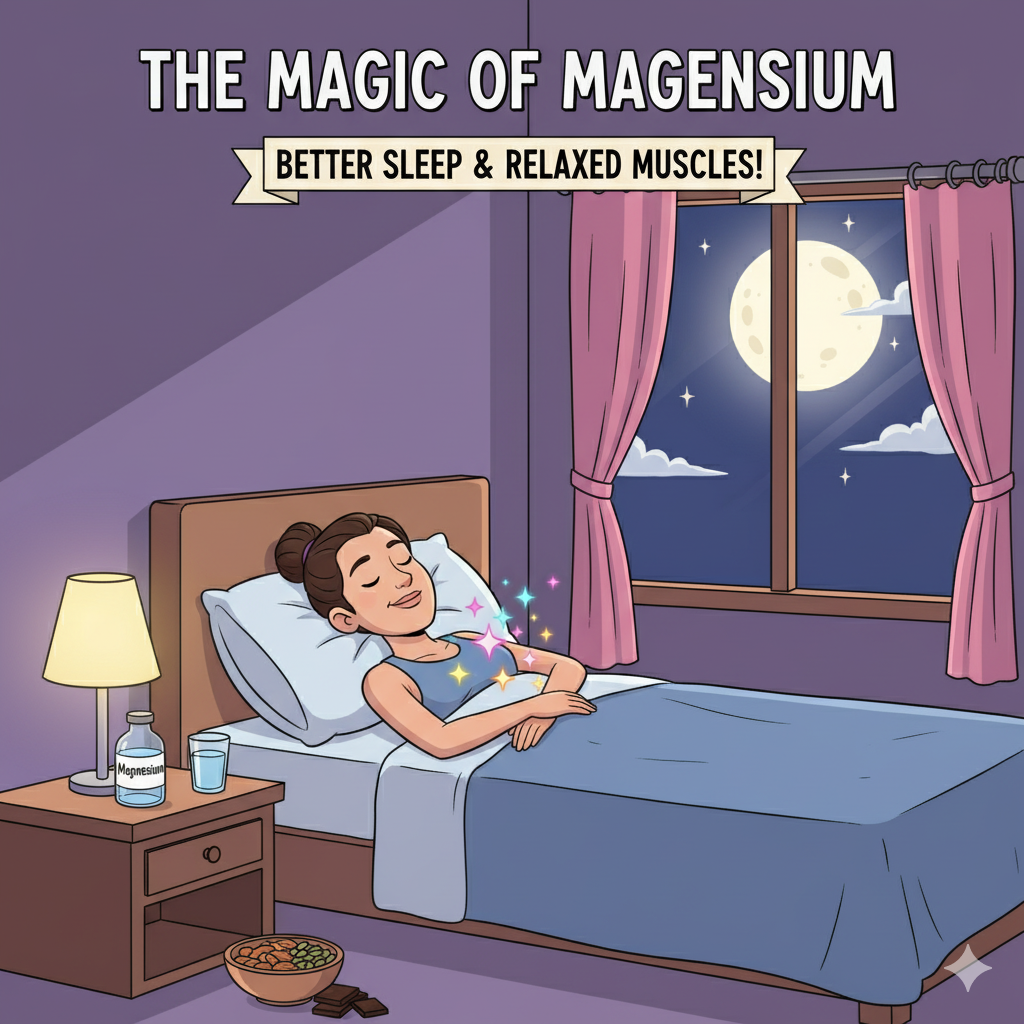
When you think about health and fitness, you probably focus on protein, carbs, and maybe big minerals like calcium. But there's a quiet superhero that's essential for almost every function in your body: magnesium.
Magnesium is a mineral that your body uses in over 300 different reactions. Think of it as the "spark plug" that powers everything from your nerves and muscles to your bones and heart. It plays a huge role in energy creation and, most importantly for athletes and busy people, recovery and relaxation.
Unfortunately, many people aren't getting enough magnesium from their diet—some studies suggest up to two-thirds of the population is deficient. Even if you eat healthy, modern farming practices have sometimes led to less magnesium in the soil, meaning less in your food.
If you’re having trouble sleeping, getting muscle cramps, or feeling stressed and tense, low magnesium might be part of the problem. Here’s why this mineral is so magical for your fitness and well-being.
Magnesium: The Ultimate Muscle and Nerve Relaxer
When you work out, your muscles contract (tighten) to lift weights or move your body. After the workout is done, those muscles need to relax and release the tension. This is where magnesium steps in.
Countering Calcium: When a muscle contracts, it’s often triggered by the mineral calcium. Magnesium works like a dimmer switch, blocking calcium from doing its job so the muscle can finally relax. Without enough magnesium, your muscles can stay slightly contracted, which can lead to cramps, tightness, and restlessness.
Fighting Aches: Magnesium helps control inflammation in the body. By reducing the overall stress response, it can help cut down on the everyday aches and pains that come from hard training or just a busy life.
If you’ve ever had a painful Charley horse or unexplained muscle twitching, a lack of magnesium could be the culprit.
Magnesium: Your Natural Sleep Aid
Sleep is when your body does all its heavy lifting for recovery, and magnesium is a powerful tool for getting deeper, more restful sleep.
Calming the Brain: Magnesium helps regulate neurotransmitters (chemical messengers) in your brain. Specifically, it helps activate the parasympathetic nervous system, which is the body’s "rest and digest" system. This calms your brain down and gets you ready for sleep.
The GABA Connection: Magnesium binds to GABA receptors in the brain. GABA is the main calming neurotransmitter, it's what tells your brain to slow down. By boosting GABA activity, magnesium acts like a natural sedative, helping you fall asleep faster and stay asleep longer.
Fixing Restless Legs: Many people who suffer from restless leg syndrome (that twitchy feeling that keeps you up) find relief with magnesium, allowing for a quieter, more still night's sleep.
Magnesium in Your Diet: Where to Find It
Before reaching for a supplement, the best place to get magnesium is from whole foods. Focus on these powerhouses:
Dark Leafy Greens: Spinach and kale are kings of magnesium. One cup of cooked spinach can provide nearly 40% of your daily needs.
Nuts and Seeds: Pumpkin seeds, chia seeds, and almonds are excellent sources. A small handful makes a perfect high-protein, high-magnesium snack.
Legumes: Black beans, lentils, and chickpeas are budget-friendly and nutrient-dense.
Whole Grains: Buckwheat and whole wheat are good sources, making whole-grain bread or oatmeal a smart choice.
Dark Chocolate: Yes, a little bit of high-quality dark chocolate (70% cocoa or higher) is a delicious source of magnesium!
Should You Supplement?
If your sleep is poor, your stress levels are high, or you train intensely, a supplement might be a good idea. However, it’s important to know the different types of magnesium, as they do different things:
Magnesium Glycinate: This is the most popular form for sleep and relaxation. It's easily absorbed and tends to be gentler on the stomach. Take it an hour before bed.
Magnesium Citrate: This is best known for helping with constipation, as it draws water into the bowels. It's not typically recommended as the primary form for daily muscle or sleep support.
Magnesium Malate: This form is often suggested for energy production and muscle pain. It may be better taken earlier in the day.
Like any essential ingredient, the magic of magnesium isn't in taking a huge dose, but in getting a consistent, healthy amount every day. When your magnesium levels are balanced, you’ll feel the difference: less muscle tension, a calmer mind, and deeper, more restorative sleep—all leading to better workouts and a healthier life.

Easy Tips to Hit Your Protein Goal
Getting enough protein each day is key if you want to build muscle, lose fat, or just feel better. But let’s be honest, sometimes it feels hard to get it in, especially if you’re busy.

Getting enough protein each day is key if you want to build muscle, lose fat, or just feel better. But let’s be honest, sometimes it feels hard to get it in, especially if you’re busy.
The good news? It doesn’t have to be. Here are 5 simple tips to help you hit your protein goal every day without overthinking it. These ideas are simple, quick, and perfect for anyone on the go.
Why Protein Matters
Protein helps your body repair muscles after workouts, keeps you full, and gives you energy. Most people need about 0.36 to 1.0 grams of protein per pound of body weight daily, depending on their goals and level of activity. For example, if you weigh 150 pounds, aim for 105 to 150 grams of protein a day. These tips will make it easy to hit that number!
5 Easy Tips to Get More Protein
Add Protein to Breakfast
Instead of starting with a carb-heavy breakfast (cereal, toast, etc…), start your day strong with a protein-packed breakfast. Try eggs (one large egg has 6 grams of protein) or blend a quick smoothie with protein powder (20-25 grams per scoop). Mix in some fruit and milk for flavor. It takes just 5 minutes to make!Use a Protein Supplement
Whole foods are great, but protein shakes and bars can help fill the gaps. They’re fast, easy, and perfect when you're busy. Look for whey isolate or plant-based protein powders for easy digestion, low-sugar protein bars or even ready to drink shakes.Include Protein in Every Meal and Snack
Don’t save all your protein for your ‘big meals’ like lunch or dinner. Instead, build your meals and snacks around your protein. It’ll help your body use the protein more efficiently (since you can only absorb about 35 to 50g of protein at a time) and keep you feeling fuller longer.Batch Cook or Prep Protein in Advance
When life gets busy, fast food wins, unless you’re ready ahead of time. Cook protein in bulk so you can grab and go. For example, grill or bake your chicken breasts for the week or hard-boil a dozen eggs. Spending about 30 to 60 minutes on the weekend meal prepping can save you hours (and stress) during the week. You can also keep grab-and-go snacks handy like yogurt (pro-tip: check out higher protein versions of Ratio or Oikos with up to 25g of protein per 5.3oz serving), beef jerky or protein bars. Stash some in your car, bag or desk so you’re never caught off-guard.Track Your Protein (At Least for a Week)
Most people think they’re getting enough protein, but when they track it they’re surprised. Try using MyFitnessPal or, for current clients, the built-in meal tracker with your Legacy Fitness & Nutrition program app. You’ll learn a lot from even a few days of logging. Work with your coach to figure out your goals to get the right amount of protein for you.
BonUS: High-Protein Foods That Are Easy to Prep or Grab
Here’s a list of protein-rich foods that are simple to prepare or buy:
Yogurt: 15-25 grams per 5.3-ounce cup (again check out Ratio or Oikos for high protein options). Buy single-serve cups for convenience.
Eggs: 6 grams per large egg. Boil a batch for the week.
Chicken Breast: 25 grams per 4-ounce serving. Grill or bake in bulk.
Canned Tuna: 25 grams per 5-ounce can.
Protein Bars: 15-20 grams per bar. Look for low-sugar options.
Edamame: 17 grams per cup. Steam and sprinkle with salt for a snack.
Cottage Cheese: 25 grams per cup.
Final Thoughts
Hitting your protein goal doesn’t have to be hard. With these tips, you can eat enough protein even on your busiest days. Keep it simple, plan ahead, and choose foods you enjoy. Your body will thank you!
Want more fitness tips? Check out our other articles at Legacy Fitness or contact us for personalized coaching!