
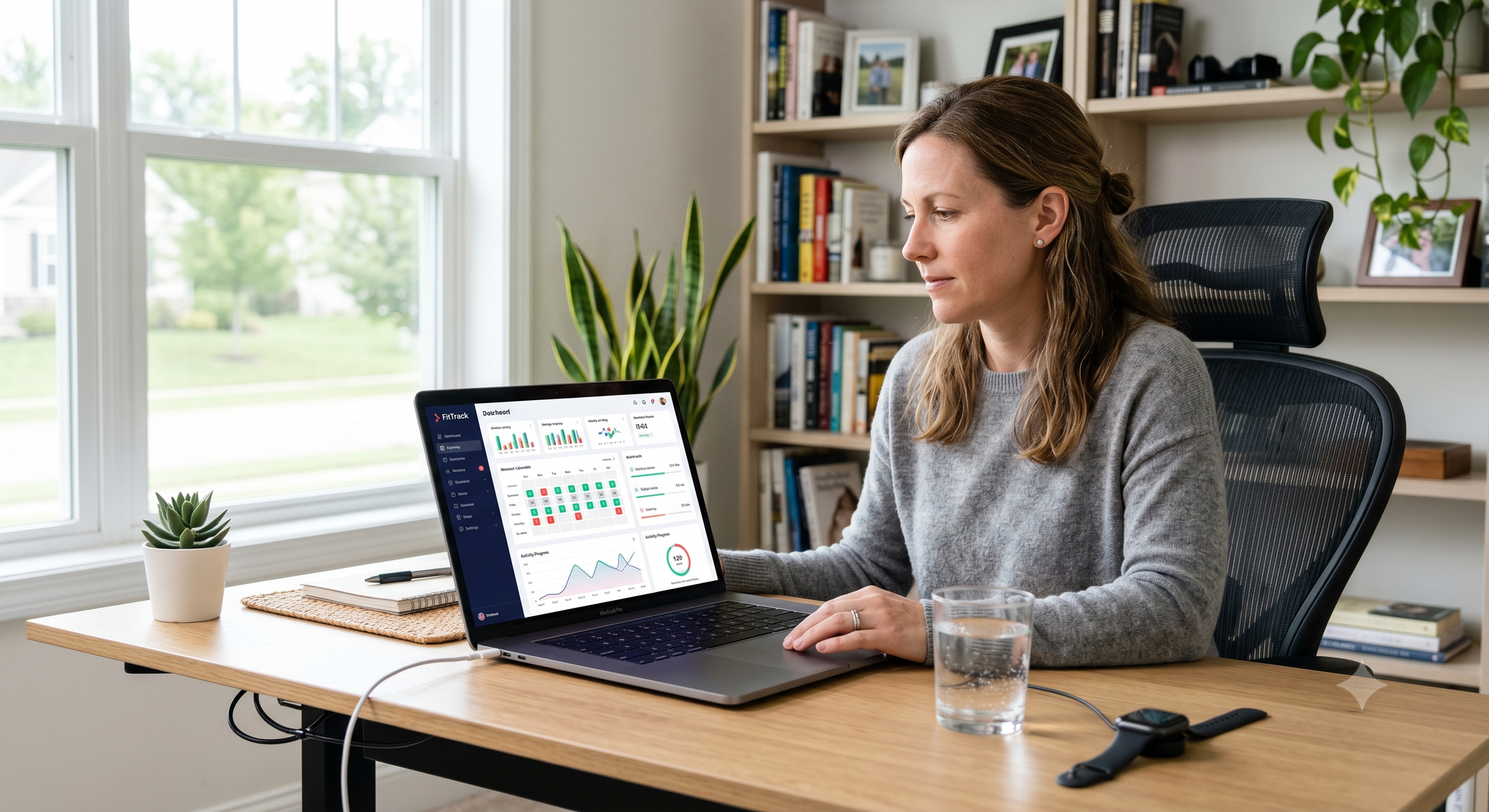
How to Choose an Online Personalized Fitness Plan in 2026
The online fitness market is crowded. Before you enter your credit card information for any subscription, look past the sleek interface. Make sure the program offers real human accountability, flexible lifestyle integration, and an adaptable framework.
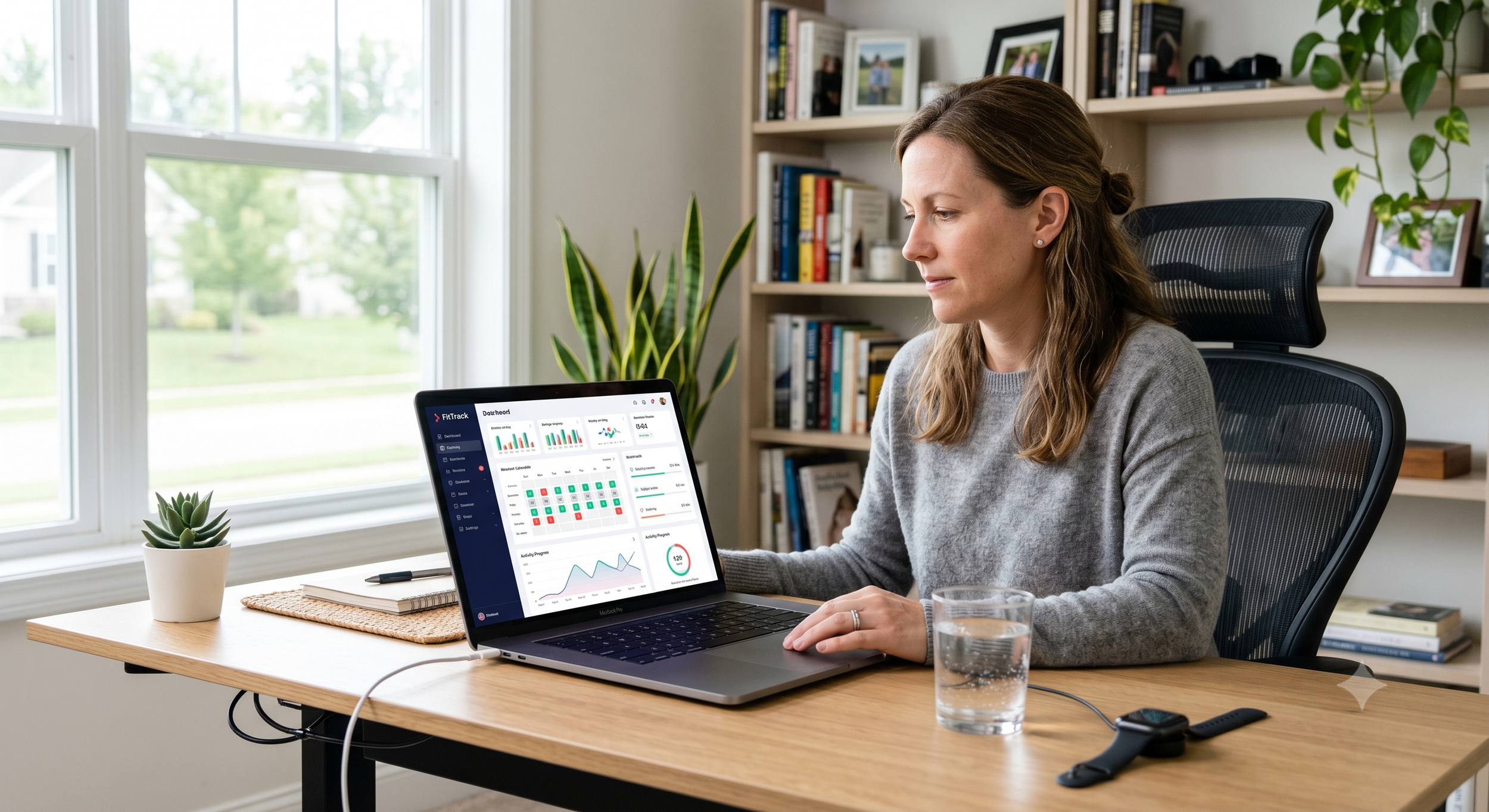
The online fitness market is crowded. If you open any social media app or search engine, you will see hundreds of ads promising the perfect body through an app, a subscription, or a virtual coach. In 2026, the technology has advanced to the point where almost anyone can spin up a professional-looking fitness platform in a weekend.
For a busy professional, this creates a major problem. You have the financial means to invest in your health, but you do not have the time to waste on a subpar service that treats you like a number. You need a system that delivers results efficiently.
So, how do you separate the high-quality coaching programs from the high-tech marketing traps? To find an online personalized fitness plan that actually works for your lifestyle, you must evaluate it across five specific pillars.
1. The Coaching Quality: Human vs. Algorithm
The biggest shift in 2026 is the rise of automated coaching. Many platforms claim to offer "personalized" plans, but the personalization is done entirely by an algorithm. You fill out a questionnaire, and a computer instantly spits out a template. If you have a question, you talk to a chatbot.
True personalization requires human empathy and human intelligence. When choosing a plan, ask who is actually reviewing your data. Is it a certified coach who understands the stress of corporate life, or is it a software program? A real coach looks at your form videos, listens to your struggles, and adjusts your plan based on human nuance. If a platform cannot name the specific coach who will be managing your file, walk away.
2. Comprehensive Nutrition Guidance
Fitness and nutrition are inseparable. If an online plan only gives you a workout routine and tells you to "eat clean," it is only doing half the job. For a professional who travels or dines with clients, "eating clean" is not actionable advice.
A premium personalized plan should offer specific, flexible nutrition targets that adapt to your schedule. Look for programs that teach you how to manage your nutrition in the real world. You need to know how to order at a steakhouse, how to fuel your body on a five-hour flight, and how to eat for sustained energy during a high-stress afternoon. The nutrition component should feel like an extension of your lifestyle, not a prison sentence.
3. Home and Gym Workout Programming Flexibility
Your schedule is unpredictable. Some weeks you can get to a fully equipped commercial gym four times. Other weeks, you are trapped in a hotel room with nothing but two light dumbbells and a yoga mat.
A great online plan must be built for this reality. The programming should be flexible enough to pivot instantly between a garage gym, a hotel fitness center, or a local park. The coach should be able to modify your movements based on the equipment you have available right then and there. If the plan forces you to use machines you do not access, it will quickly become another abandoned subscription.
4. Objective Progress Assessments
If you are not measuring, you are guessing. However, in 2026, progress assessments should go far beyond the bathroom scale. Scale weight fluctuates based on hydration, stress, and salt intake. It is a poor indicator of daily progress.
Look for a plan that utilizes modern progress tracking. This includes tracking your strength metrics, your energy levels, your sleep quality, and how your clothes fit. Your coach should analyze your biometric feedback to ensure you are losing fat and gaining muscle, not just losing overall body weight. Regular, objective check-ins keep you accountable and provide the data your coach needs to refine the system.
5. Long-Term, Adaptable Support
Many fitness programs are built on short-term challenges. They want to get you a quick result in 30 days so they can use your before-and-after photo for marketing. But what happens on day 31?
A high-performance life requires a sustainable approach. The plan you choose should be built for the long haul. It should teach you the habits, the systems, and the mindset required to stay fit for the next 10, 20, or 30 years. The ultimate goal of a great coach is to give you the autonomy and the knowledge to manage your fitness forever.
Before you enter your credit card information for any subscription, look past the sleek interface. Make sure the program offers real human accountability, flexible lifestyle integration, and an adaptable framework. That is how you find a plan that turns an investment into a lasting legacy.
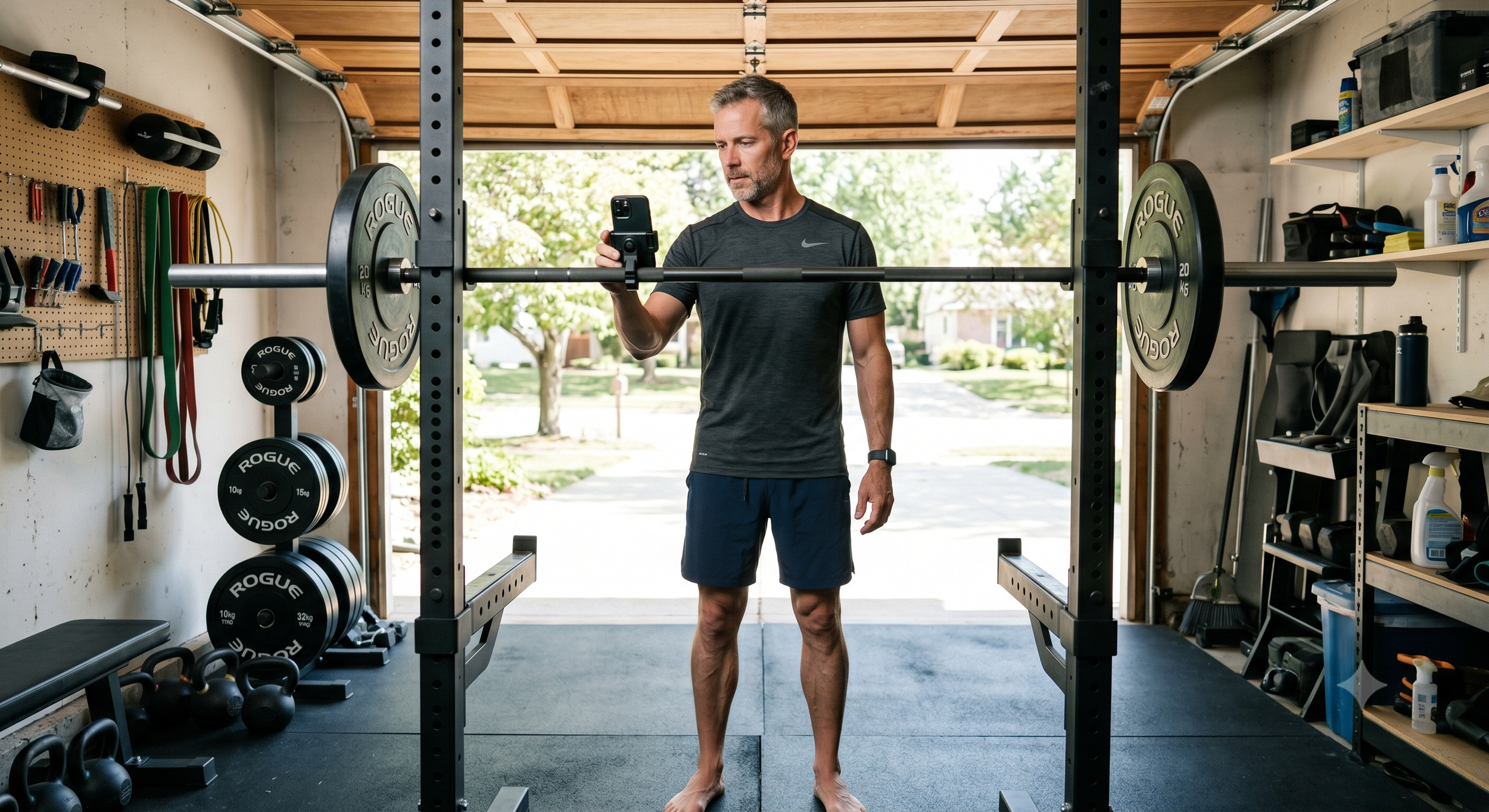
Why Your "Template" Workout is Why You’re Not Seeing Results
Legacy Fitness exists because we know that templates don't build legacies. Systems do. Habits do.
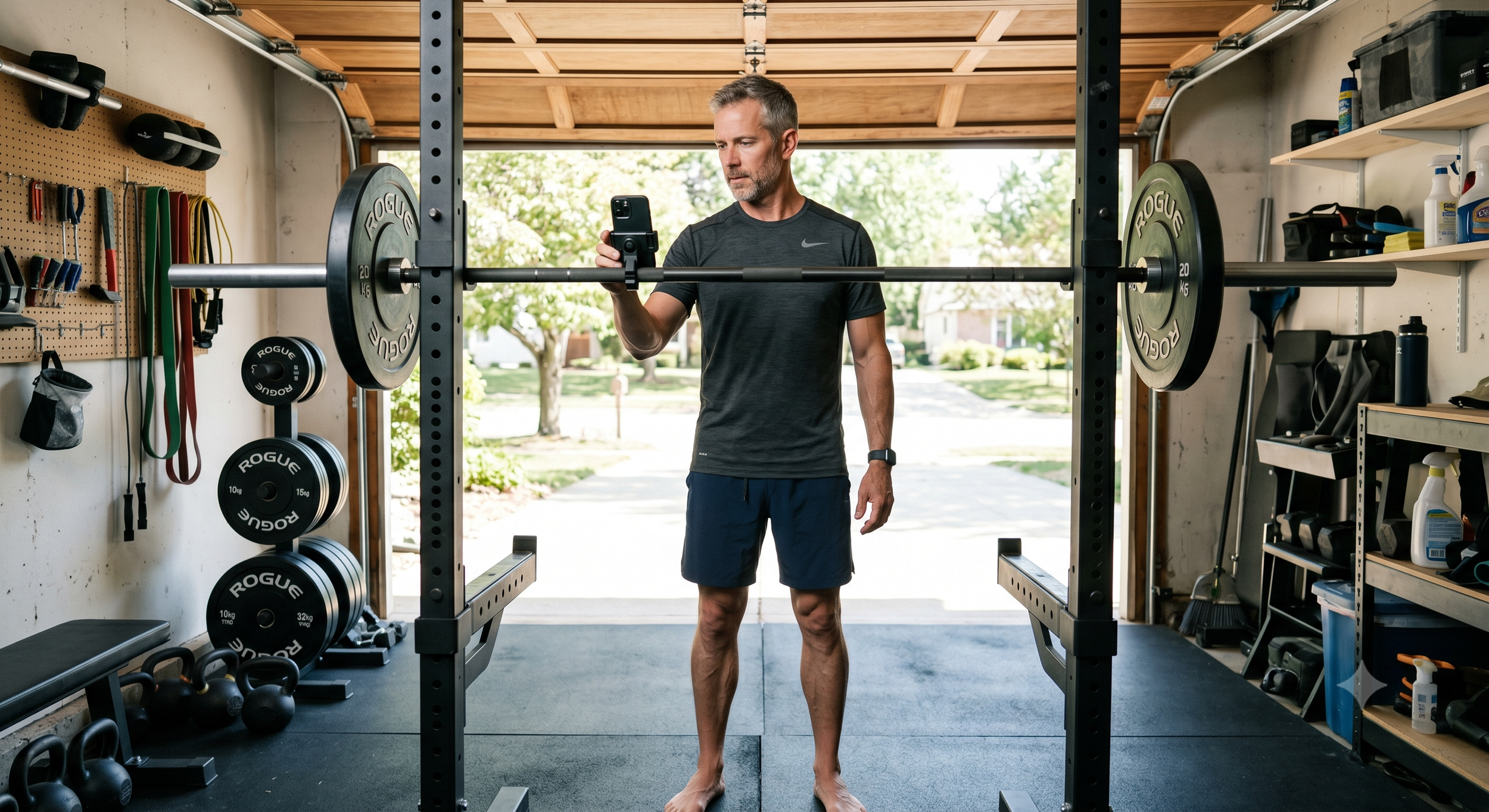
This image was created using AI to avoid copyright issues while conveying the context of this article.
You are a high performer. You have spent years building a career, managing a family, and navigating a schedule that would make most people’s heads spin. When you finally decide to invest time in your fitness, you want a return on that investment. Naturally, you go looking for a plan. You find a "6-Week Executive Shred" or a "High-Performance Muscle" program online. It looks sleek, it has thousands of downloads, and the person in the photos looks exactly how you want to look.
You follow it to the letter. You buy the gear, you clear the schedule, and you push through the sessions. But three weeks in, the cracks start to show. You’re exhausted, your shoulder has a nagging ache that wasn't there before, and despite your hard work, the scale hasn't moved an inch.
This is the "Template Trap." In 2026, we have more access to fitness information than ever before, yet people are more frustrated than ever. The reason is simple: A template is built for a ghost. It is built for a "standardized" human who does not exist. Your life is not a template, so your fitness plan shouldn't be either.
The Problem with One-Size-Fits-All
Most generic fitness plans operate on a dangerous assumption. they assume you have perfect recovery, zero stress, and no previous injuries. They assume you have exactly 60 minutes to spend in a commercial gym every single day. They are rigid. They are a "monologue" where the plan speaks and you simply listen.
But for a busy professional, life is a dialogue. Your body is constantly sending signals. If a template says you must do heavy back squats on Tuesday, but you just spent ten hours on a cross-country flight and your lower back feels like a coiled spring, the template does not care. If you follow it anyway, you get injured. If you skip it, you feel like a failure. This creates a cycle of "all or nothing" thinking that kills consistency.
At Legacy Fitness, we see this every day. A template cannot account for the fact that you have a high-stakes board meeting that ran late, or that your sleep was interrupted by a sick child. When a plan is too rigid to bend, it eventually breaks. And usually, the person following it is the one who suffers the consequences.
Your Life is a Moving Target
In 2026, personalization is about much more than just putting your name at the top of a PDF. It is about data integration and biofeedback. We now know that your "readiness" to train changes every single day. Factors like heart rate variability, sleep quality, and even caloric intake dictate what your body can actually handle on a Tuesday morning.
A generic plan is static. It stays the same regardless of what is happening in your life. But a personalized coaching approach is dynamic. It uses the tools we have in 2026, like wearable tech and real-time communication, to pivot when life gets in the way.
If your data shows that your recovery is "in the red," a real coach won't tell you to go crush a heavy lifting session. They will pivot. They might swap that session for a 20-minute mobility flow or a light Zone 2 walk. This keeps the habit of movement alive without digging you into a hole of chronic fatigue. This is how you stay in the game for decades, not just for six weeks.
Efficiency: The Professional’s Edge
The biggest lie in the fitness industry is that "more is better." For the busy professional, "effective" is better. A personalized plan is, by definition, the most efficient way to train.
When a plan is built specifically for your body, we remove the fluff. We don't have you doing "filler" exercises that don't serve your specific goals. If your goal is longevity and functional strength so you can keep up with your kids and lead your company, we don't need you doing four different types of bicep curls.
We focus on the "minimum effective dose." This means finding the exact amount of work required to trigger a result, and not a minute more. When your plan is built for your specific schedule, the friction disappears. You stop "trying" to find time to work out. You just execute the plan because the plan was built to fit inside the gaps of your real life.
The Human Element in a Digital World
While AI and apps are everywhere in 2026, they lack one thing: context. An app can tell you how many calories to eat, but it cannot understand the nuance of a social business dinner or the mental fatigue of a high-pressure week.
Personalization requires a human coach who understands your "why." It requires someone who can look at the data and the lifestyle and say, "I know the plan said X, but today we are going to do Y because that is what will keep you moving forward."
Legacy Fitness exists because we know that templates don't build legacies. Systems do. Habits do. And those habits must be sustainable. If you are tired of the cycle of starting and stopping, it is time to stop being a ghost in someone else's generic program. It is time to start a plan that was built for the person you actually are.

Summer Kickoff: The 30-Day Foundation Plan
Summer isn't a reason to put your goals on hold; it is the perfect time to build the foundation that will support you for the next 30 years.

This image was created using AI to avoid copyright issues while conveying the context of this article.
As we approach the end of May, many people start to feel a sense of urgency. The arrival of summer usually brings a mix of excitement and anxiety. We think about upcoming vacations, family reunions, and warmer weather, and we realize that the fitness goals we set in January might have slipped through the cracks. The typical reaction is to look for a "30-day shred" or a crash diet to fix the problem as quickly as possible.
However, at Legacy Fitness, we do things differently. We aren't interested in a 30-day "sprint" that leaves you exhausted and right back where you started by July. Instead, we are using the month of June to launch our 30-Day Foundation Plan. This is not a temporary fix; it is a strategic on-ramp. It is a 30-day period designed to install the systems, habits, and mindset required to manage your health for the rest of your life.
Why a "Foundation" Matters
In construction, the foundation is the most critical part of the build, even though it is often invisible once the house is finished. If the foundation is weak, it doesn't matter how expensive the windows are or how beautiful the paint looks; the structure will eventually fail.
Most fitness journeys fail because they are built on the "sand" of willpower and temporary motivation. Our 30-Day Foundation Plan is built on the "concrete" of biology and systems management. During these first 30 days, we focus on three core pillars: Metabolic Baseline, Mechanical Tension, and Decision Automation.
Phase 1: Establishing Your Metabolic Baseline
You cannot manage what you do not measure. The first week of the Foundation Plan is about data. We move away from the guesswork of "eating healthy" and move toward the precision of knowing your numbers.
We help you establish your Basal Metabolic Rate (BMR) and determine your daily "calorie budget." We focus on one primary metric: Protein Density. By ensuring you are hitting your protein targets from day one, we protect your muscle mass and stabilize your hunger signals. This isn't about restriction; it is about proper allocation of your nutritional resources. When you know your baseline, the stress of "not knowing if this is working" disappears.
Phase 2: Installing Mechanical Tension
Once the nutrition system is in place, we focus on your training. For many of our clients, the barrier to exercise is a lack of time. In the Foundation Plan, we install the "Micro-Workout" system. These are short, high-intensity resistance training sessions that can be done anywhere, whether you are at home, in a hotel, or at the office.
The goal here isn't to spend hours in the gym. The goal is to send a consistent signal to your body that your muscle is an essential asset. We focus on the big, compound movements that provide the highest return on investment. By the end of thirty days, strength training becomes a "non-negotiable" part of your identity, rather than an item on your to-do list that keeps getting pushed to tomorrow.
Phase 3: Decision Automation
The final phase of the 30-day on-ramp is about removing friction. The reason people "fall off the wagon" is usually due to decision fatigue. They get busy, they get tired, and they make poor choices because those choices are the easiest.
We help you automate your health. This involves "batching" your nutritional decisions and setting up your environment for success. We help you create a "Travel Protocol" and a "Social Setting System" so that you never have to wonder what to do when life gets complicated. By the end of June, the healthy choice becomes the default choice. You are no longer "trying" to be fit; you are simply running a system that works.
The Power of the Cohort
One of the most effective parts of the 30-Day Foundation Plan is the Legacy Coaching Cohort. While our coaching is 100% online and personalized to you, being part of a group of like-minded high-performers adds a layer of accountability that is hard to find elsewhere.
You are surrounded by people who share your values and your challenges. You are all installing the same systems at the same time. This community provides the social "proof" that the system works, and it gives you a place to share wins and troubleshoot obstacles. It is the difference between trying to figure it out on your own and having a professional team and a peer group backing you up.
Your June ROI
If you start your 30-Day Foundation in June, your July will look completely different. You won't just be "lighter"; you will be more capable. You will have more energy for your family, more focus for your business, and a newfound confidence in your ability to lead your own body.
Most importantly, you will have moved past the "dieting" mindset forever. You will have the tools, the data, and the support to manage your health with the same excellence you bring to your career. Summer isn't a reason to put your goals on hold; it is the perfect time to build the foundation that will support you for the next 30 years.
Ready to Build Your Foundation?
Our June Coaching Cohort is now forming. We are looking for high-performers who are ready to stop the cycle of temporary fixes and start building a permanent legacy of health.

The Strength-Satiety Connection: How Muscle Manages Your Hunger
Strength training is the ultimate "leverage" in your health journey. It gives you a higher ROI on every calorie you eat and every minute you spend in the gym.

This image was created using AI to avoid copyright issues while conveying the context of this article.
In the world of corporate leadership, we often talk about the importance of "signal-to-noise" ratios. A good leader needs to be able to filter out the noise of the market to hear the clear signals of their business. Interestingly, your body operates on the exact same principle. One of the greatest challenges in health management is the "noise" of hunger—the constant, nagging urge to eat that often derails even the most disciplined professionals.
For years, there has been a common myth that lifting weights makes you hungrier and, therefore, harder to manage your weight. People fear that the extra effort in the gym will lead to a "rebound" at the dinner table. However, the science of 2026 tells a much more interesting story. Resistance training doesn't just make you stronger; it actually helps regulate the hormonal signals that control your appetite. By building muscle, you are essentially improving your body's "signal-to-noise" ratio for hunger.
The Problem with the "Cardio Hunger" Trap
To understand why lifting weights is so effective for appetite control, we have to look at the alternative. Many people rely solely on steady-state cardio, like long runs or hours on an elliptical, to lose weight. While cardio is great for your heart, it can often create a "profound hunger" response.
This happens because long bouts of cardio can spike ghrelin, the hormone that tells your brain it is time to eat, while simultaneously lowering your blood sugar. This creates an urgent, "emergency" hunger signal that is very hard to ignore. This is why you often see people finish a long run and immediately feel the need to consume a massive, high-calorie meal. They are reacting to an unmanaged biological alarm.
Muscle as a Metabolic Thermostat
Resistance training affects your hormones differently. When you lift weights and build muscle, you are increasing your "metabolic currency." Muscle tissue is active tissue; it requires energy just to exist. But beyond burning calories, muscle acts as a "metabolic thermostat" for your body.
Muscle helps improve insulin sensitivity. This means your body becomes much better at moving sugar out of your blood and into your cells where it can be used for energy. When your insulin is working correctly, your blood sugar stays stable. Stable blood sugar is the secret to avoiding the "energy crashes" that lead to cravings for sweets and junk food. By building muscle, you are fixing the underlying system that causes hunger spikes in the first place.
The Role of Myokines: Your Internal Pharmacy
When you contract your muscles against resistance, they release small proteins called "myokines" into your bloodstream. Scientists often refer to these as "hope molecules" because of their positive effects on the brain and mood, but they also play a critical role in satiety.
Some of these myokines communicate directly with the area of your brain that controls appetite. They help "sharpen" the signals of fullness. This is why many people find that after a heavy strength training session, they don't feel a frantic need to eat. Instead, they feel a calm, controlled hunger that is satisfied by a high-protein meal. Strength training helps your brain realize that it has plenty of stored energy (fat) and doesn't need to panic for the next meal.
Managing the "Post-Workout" Environment
While the internal signals of strength training are helpful, a good manager still needs to control the environment. The "Strength-Satiety Connection" works best when it is paired with a protein-first nutrition system.
When you finish a workout, your muscles are primed to absorb nutrients. By feeding them high-quality protein, you are reinforcing the signal of satiety. Protein is the most "satiating" macronutrient, meaning it keeps you full for the longest period of time. When you combine the hormonal benefits of lifting with the structural benefits of protein, you create a "fullness system" that allows you to stay in a calorie deficit without the typical misery of a "diet."
The Executive Advantage of Fullness
For a busy professional, the greatest benefit of this connection isn't just physical; it is cognitive. If you are sitting in a three-hour board meeting and your brain is constantly sending you "hunger noise," your performance will suffer. You lose focus, you become irritable, and your decision-making quality drops.
By prioritizing resistance training, you are ensuring that your brain stays quiet and focused. You are managing your biological "P&L" so that you have the energy to perform at your peak without being distracted by unmanaged cravings. This is the difference between fighting your body and leading it.
A Stronger Way to Lose
At Legacy Fitness, we don't just want you to "eat less." We want you to build a body that is easier to manage. Strength training is the ultimate "leverage" in your health journey. It gives you a higher ROI on every calorie you eat and every minute you spend in the gym.
By building a stronger frame, you are building a more resilient appetite. You are moving away from the "willpower" model of dieting and toward a "system-based" model of health. When you strengthen your muscles, you are also strengthening your ability to stay in control of your plate.
Are You Ready to Lead from a Position of Strength?
The era of fighting your hunger is over. At Legacy Fitness & Nutrition, we combine high-level coaching with data-driven strategy to help you perform at your peak.
For the Individual Leader: Ready to see how a strength-based system can quiet the "hunger noise"? Book My Individual Discovery Call
For the Organization: Want to build a culture of resilient, high-performing leaders? Explore Corporate Wellness Packages

Why Your Smartwatch is Lying to You (and How to Use it Anyway)
At Legacy Fitness, we encourage our clients to use technology, but we teach them not to be slaves to it.

This image was created using AI to avoid copyright issues while conveying the context of this article.
We live in an age of data. If you look around any boardroom or gym, you will see a variety of smartwatches and fitness trackers. These devices promise to tell us everything about our health; from how many steps we have taken to exactly how many calories we burned during a morning run. For a high-performer who values efficiency and precision, this data feels like a superpower. It feels like we finally have a dashboard for our bodies.
However, there is a significant problem with this dashboard. Much of the data your smartwatch gives you is, quite frankly, a lie. While these devices are incredible pieces of technology, they are not medical-grade laboratories. If you rely too heavily on the specific numbers they show you, you might actually be sabotaging your progress. To use these tools effectively, you have to understand where they fail and how to use the "trends" instead of the "truths."
The Calorie Burning Myth
The most common way people use their smartwatches is to track "calories burned." You finish a hard workout, look down at your wrist, and see a satisfying number like "650 calories." It feels like a massive win. You might even use that number to justify eating an extra snack later in the day. After all, your watch said you earned it.
The reality is that smartwatches are notoriously inaccurate at estimating calorie expenditure. Studies have shown that these devices can be off by as much as 40% or more. They use heart rate and motion to guess how much energy you are using, but they cannot account for your specific metabolic efficiency or the "afterburn" effect of resistance training. If you eat back the calories your watch says you burned, you will almost certainly end up in a calorie surplus. In the world of health management, this is like making business decisions based on a financial report that is 40% wrong. It is a recipe for a plateau.
The Heart Rate and Sleep Trap
Smartwatches are also heavily marketed as tools for monitoring heart rate and sleep quality. While they are generally good at tracking your resting heart rate, they often struggle during high-intensity exercise. Rapid changes in heart rate, like those seen during a heavy set of squats or a sprint, are difficult for wrist-based sensors to track accurately.
Similarly, "Sleep Scores" should be taken with a grain of salt. Your watch uses movement and heart rate variability to guess which stage of sleep you are in. While it can tell if you were restless, it cannot truly measure your brain waves to determine the exact quality of your deep sleep. If you wake up feeling refreshed but your watch gives you a "poor" sleep score, you might start feeling tired simply because the data told you that you should be. This is a "nocebo" effect where the data actually creates a negative outcome.
If It Lies, Why Wear It?
If the data is inaccurate, you might wonder why you should bother wearing a tracker at all. The value of a smartwatch isn't in the specific number it gives you for a single day; the value is in the trend over time.
Think of your smartwatch like a compass, not a GPS. A GPS tells you exactly where you are, down to the inch. A compass simply tells you if you are heading in the right direction. Your smartwatch is excellent at showing you relative changes in your behavior.
If your resting heart rate is trending down over three months, your cardiovascular health is improving.
If your average daily step count is higher this month than last month, your baseline activity is increasing.
If your "Ready" score is consistently low on days after you have a late-night drink, you have clear data on how alcohol affects your recovery.
Using the Data as a "CEO"
To be the CEO of your own health, you have to manage your data with a critical eye. You should use your smartwatch as a tool for Accountability, not as a tool for Permission.
Don't use your watch to give yourself permission to eat more. Instead, use it to hold yourself accountable to a baseline of movement. A goal of 10,000 steps is a great system because it ensures a minimum level of "Non-Exercise Activity." It doesn't matter if the watch is exactly right about the distance; what matters is that you are consistently hitting the target you set for yourself.
The most powerful metric on most modern trackers is Heart Rate Variability (HRV). This is a measure of the variation in time between each heartbeat, and it is a fantastic indicator of how your nervous system is handling stress. If your HRV is trending downward, it is a signal from your "dashboard" that you may need to prioritize recovery or manage your work stress more effectively. This is "actionable data" that helps you make better executive decisions for your body.
The Legacy Approach: Systems over Sensors
At Legacy Fitness, we encourage our clients to use technology, but we teach them not to be slaves to it. We want you to develop "internal awareness" alongside your external data. You should know how your body feels when it is well-fueled and well-rested, regardless of what the screen on your wrist says.
We use the data from your wearables to help us "course-correct" your systems. If we see your activity levels dropping or your recovery scores stalling, we don't panic. We simply look at the system and make an adjustment. Technology is a brilliant servant but a terrible master. By learning how to interpret the trends and ignore the "lies," you can use your smartwatch to build a more resilient, high-performing version of yourself.
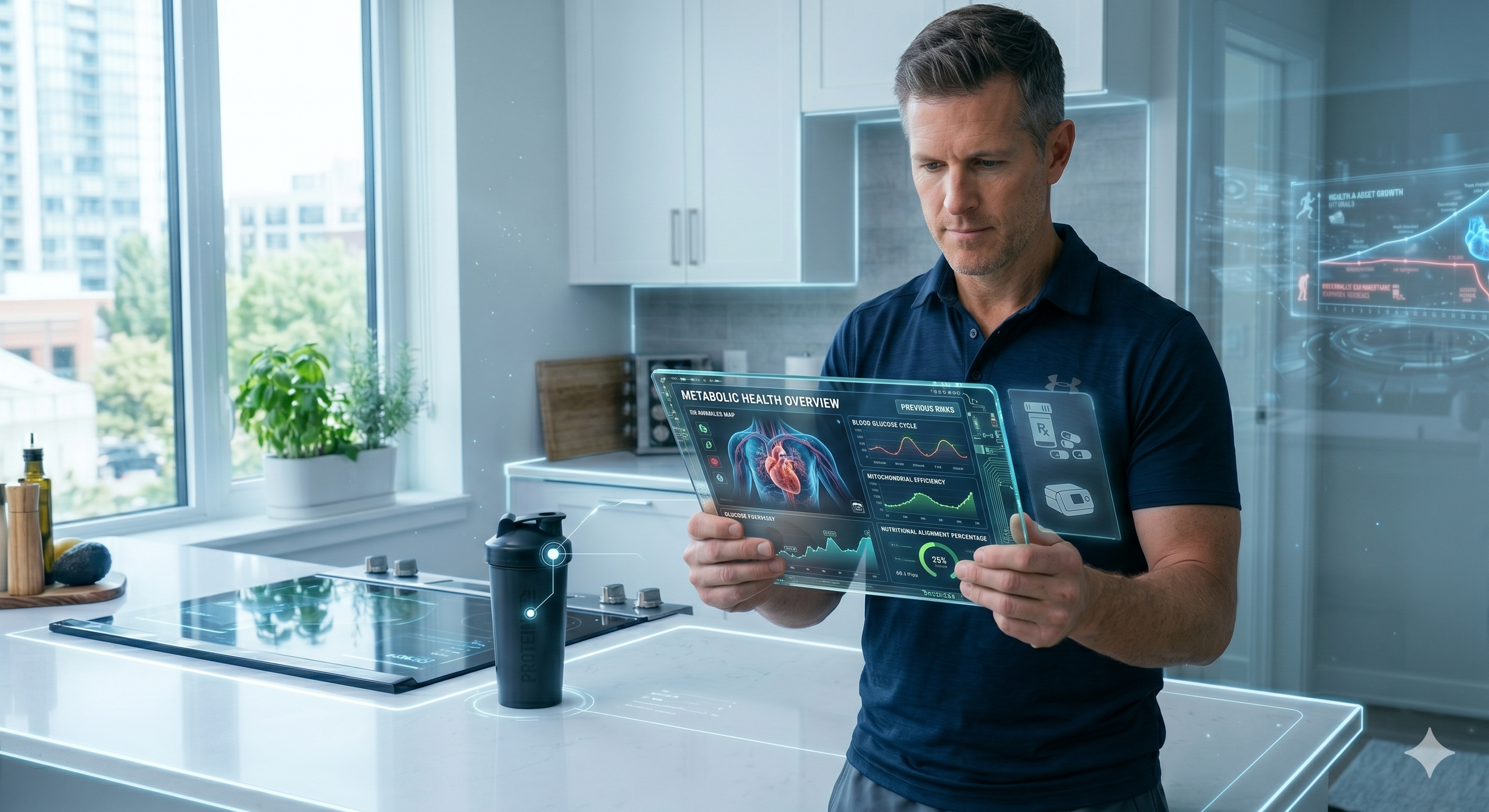
The Future of Personalized Nutrition: AI and Your Plate
The future of nutrition is personal, it is data-driven, and it is highly efficient.
This image was created using AI to avoid copyright issues while conveying the context of this article.
For decades, the world of nutrition has been dominated by "generalizations." We were told to follow the food pyramid, to count basic calories, or to try whatever the latest celebrity diet happened to be. The problem with these methods is that they treat every human being like a standardized unit. They ignore the vast differences in our genetics, our gut microbiomes, and our daily activity levels.
As we move through 2026, we are witnessing a massive shift. We are entering the era of Personalized Nutrition. This isn’t just a buzzword; it is a technological revolution driven by Artificial Intelligence. For the busy executive or business owner, this is a game-changer. It means we are moving away from "trial and error" and toward a high-precision health management system.
The End of the "Average" Diet
The reason most diets fail is that they are designed for the "average" person. But in reality, nobody is average. One person might thrive on a higher-carbohydrate intake, while another might experience significant brain fog and energy crashes from the exact same meal.
AI is changing this by processing massive amounts of personal data in real-time. By integrating data from wearable devices, blood glucose monitors, and even DNA testing, AI can create a nutritional blueprint that is unique to your specific biology. We are no longer guessing what works; we are using data to prove it. This is the same level of precision we expect in our business analytics, and it is finally available for our bodies.
Real-Time Decision Support
One of the greatest challenges for high-performers is "decision fatigue." Throughout a typical workday, you make hundreds of critical choices. By the time dinner rolls around, your ability to make a disciplined nutritional choice is often depleted.
This is where the next generation of AI tools comes in. Instead of just "tracking" what you already ate, these systems act as a real-time "Health GPS." Imagine an AI assistant that looks at your schedule, sees that you have a high-stress meeting at 2:00 PM, and suggests a specific protein-to-carb ratio for lunch to ensure your cognitive focus stays sharp. It removes the friction of choice, allowing you to maintain your peak performance without using up your mental energy.
From Monitoring to Predicting
The true power of AI in nutrition isn't just looking at the past; it is predicting the future. We are reaching a point where your health system can predict how a specific food will affect your sleep quality or your recovery from a workout before you ever take a bite.
For example, if your wearable data shows that your "Readiness Score" is low due to poor sleep, an AI-driven system can adjust your nutritional targets for the day to prioritize anti-inflammatory foods and specific micronutrients. It turns your nutrition from a static "plan" into a dynamic, living system that adapts to the stresses of your life. At Legacy Fitness, we view this as "Dynamic Allocation," adjusting your fuel to match your output.
The Human Element in a Tech-Driven World
While AI provides the data and the precision, it does not replace the need for high-level strategy and accountability. Technology is a powerful tool, but it still requires a "CEO" to make the final decisions. This is where the partnership between advanced tech and professional coaching becomes essential.
Data without direction is just noise. A coach helps you interpret that AI-driven data and integrate it into a sustainable lifestyle. We use the technology to find the "blind spots" in your nutrition, but we use coaching to build the habits and the mindset that allow you to stay consistent for the long haul.
Investing in Precision
In business, we know that the companies with the best data and the most efficient systems are the ones that win. Your health is no different. Relying on outdated, generalized advice is a low-ROI strategy.
The future of nutrition is personal, it is data-driven, and it is highly efficient. By embracing these tools, you are not just "going on a diet"; you are upgrading your biological operating system. You are ensuring that you have the energy, the focus, and the longevity required to build your legacy.
Are You Ready to Upgrade Your Biological Operating System?
The era of guessing is over. At Legacy Fitness & Nutrition, we combine high-level coaching with data-driven strategy to help you perform at your peak.
For the Individual Leader: Ready to see what personalized nutrition looks like for your body? Book My Individual Discovery Call
For the Organization: Want to equip your team with the tools of high-performance health? Explore Corporate Wellness Packages

The "Anabolic Window" Myth: When Should You Really Eat?
Stop racing against an imaginary clock and start focusing on the daily habits that build a lasting legacy of health.

If you have spent any time in a gym over the last 20 years, you have likely heard about the "anabolic window." This is the idea that you have a tiny, 30-minute gap immediately after your workout to consume protein. If you miss this window, the myth suggests that your workout was a waste and your muscles won't grow. This has led to millions of people rushing to drink a protein shake in the locker room before they even catch their breath.
As our understanding of human biology has evolved, we have learned that the body is much smarter and more resilient than the myths suggest. While the timing of your nutrients does matter to some degree, it is not nearly as critical as the fitness industry once claimed. For the busy professional, this is great news. It means you can stop stressing about the "perfect" timing and start focusing on the systems that actually drive results.
The Science of the "Barn Door"
The idea of the anabolic window was based on the belief that exercise opens a metaphorical "barn door" for nutrients, and that door slams shut shortly after you stop moving. We now know that this door stays open for a very long time, often up to 24 or 48 hours after a challenging resistance training session. Your body remains in a state of increased "muscle protein synthesis" (the process of building muscle) for a full day or more after you lift weights.
This means that the protein you eat for dinner is just as important for your morning workout as the shake you might drink immediately afterward. Your body is constantly repairing and rebuilding itself in a long-term cycle. As long as you are providing the raw materials throughout the day, your body will have what it needs to recover and get stronger.
Total Volume vs. Perfect Timing
In the world of health management, we talk a lot about "allocation." When it comes to protein and calories, the total amount you consume in a 24-hour period is the most important factor for success. Think of it like a business budget. It matters less what time of day you process a specific invoice, as long as the total budget is balanced at the end of the month.
If you hit your daily protein target, your body will find a way to use those nutrients effectively. Stressing over a 30-minute window while failing to hit your total protein goal for the day is like worrying about the color of the curtains while the foundation of the house is crumbling. At Legacy Fitness, we teach our clients to prioritize the "Big Rocks" first: total protein and total calories. Once those are managed, the fine-tuning of timing becomes a secondary concern.
When Timing Does Matter (A Little)
While the 30-minute "window" is a myth, timing is not completely irrelevant. There are a few ways that strategic eating can help your performance and your adherence to your system:
Protein Distribution: Instead of eating all your protein in one massive meal, it is more effective to spread it out over three or four sittings. This keeps your "muscle building" signal active throughout the entire day.
Pre-Workout Fuel: Some people find they have more focus and strength if they have a small amount of carbohydrates or protein an hour before they train. If this helps you lift more weight, it is a win for your long-term results.
Post-Workout Comfort: While you don't have to eat immediately after a workout, many people find it is the time when they are naturally hungriest. Eating a high-protein meal after training is a great way to satisfy that hunger and kickstart the recovery process.
Reducing the Stress of Perfection
The biggest problem with the "anabolic window" myth is that it adds unnecessary stress to an already busy life. If you are stuck in a meeting or caught in traffic after the gym, you shouldn't be worrying that your hard work is being undone. That mental stress is more damaging to your health than missing a protein shake by an hour.
Successful health management is about removing friction, not adding it. By realizing that your body is in a constant state of rebuilding, you can fit your nutrition into your schedule rather than forcing your schedule to fit around your nutrition. Whether you eat ten minutes after your workout or two hours later, the results will be virtually the same as long as your daily system is solid.
Investing in the Long Game
At Legacy Fitness, we want to move you away from the "emergency" mindset of fitness. You are not a professional athlete who needs to optimize every single second for a gold medal. You are a high-performer who needs a sustainable, effective system that works in the real world.
By focusing on your total daily protein intake and consistent resistance training, you are playing the long game. You are building a body that is resilient and a metabolism that is powerful. Stop racing against an imaginary clock and start focusing on the daily habits that build a lasting legacy of health.

Travel & Training: How to Stay on Track Away from Home
Managing your health while traveling is the ultimate test of your systems. It requires you to be the CEO of your own body when the environment is working against you.

This image was created using AI to avoid copyright issues while conveying the context of this article.
For many high-performers, travel is a regular part of the job. Whether it is a cross-country flight for a conference or a week of back-to-back meetings in a new city, being away from home can easily disrupt your health systems. Many people fall into the trap of thinking that because they aren't in their "home" environment, their fitness goals have to go on pause. They treat travel like a "get out of jail free" card for their nutrition and training.
The problem with this mindset is that for a busy professional, travel isn't a rare event; it is a consistent part of life. If you "pause" your health every time you board a plane, you are spending a large portion of your year moving backward. The secret to staying fit while traveling is not about finding the perfect hotel gym or the healthiest restaurant in town. It is about having a portable system that allows you to maintain your momentum no matter where you wake up.
The "Maintenance" Mindset
The first thing to understand is that travel is usually not the time to try and set new personal records in the weight room. The goal of training while traveling is maintenance. You want to send a loud enough signal to your body to keep its muscle and stay metabolically active.
If you can't get in your full 60-minute session, don't throw away the whole day. A 15-minute "Micro-Workout" in your hotel room is infinitely better than doing nothing. It keeps the habit alive and prevents the "stiffness" that comes from sitting in airplanes and boardrooms. Think of it like keeping a pilot light lit; it’s much easier to turn the heat back up when you get home if the flame never went out.
The Hotel Room Strength Strategy
You do not need a rack of dumbbells to protect your muscle mass. Your body weight and the environment around you provide plenty of resistance if you know how to use them. If your hotel gym is lacking (or non-existent), you can use a "Time-Under-Tension" strategy to make simple movements much harder.
Focus on the big movement patterns:
The Squat: Perform slow, controlled bodyweight squats or "split squats" with one foot on the edge of the bed.
The Push: Use elevated push-ups off the desk or standard push-ups on the floor.
The Pull: This is often the hardest to do without equipment. You can use a heavy suitcase for rows or look for a sturdy door frame to perform "doorway rows."
The Core: Planks and "dead bugs" require zero space and help counteract the effects of sitting in cramped seats all day.
The key is intensity. If you are doing bodyweight movements, perform them slowly and focus on the "squeeze" of the muscle. Ten slow, perfect reps are more effective than 20 fast, sloppy ones.
Navigating the "Road Food" Challenge
Nutrition is often where travel goes off the rails. Airport terminals and hotel room service menus are designed for convenience and comfort, not for protein density. However, you can manage your "calorie budget" on the road by following two simple rules: Protein First and Hydration Always.
When looking at a menu, look for the leanest protein source available: grilled chicken, salmon, or even a lean steak. Make that the centerpiece of your meal. If you prioritize your protein, you will feel more satisfied and be less likely to overeat on the high-calorie "filler" foods like bread baskets or pasta sides.
Additionally, travel is incredibly dehydrating. The "fatigue" you feel after a flight is often just severe dehydration. Carry a reusable water bottle and consider using an electrolyte mix. Proper hydration keeps your brain sharp for your meetings and prevents your body from mistaking thirst for hunger.
Packing Your Success
Successful travel training starts before you leave the house. A little bit of "strategic packing" can save your week.
Resistance Bands: These take up almost no room in a carry-on but can add significant challenge to your hotel room workouts.
Portable Protein: Pack a few servings of high-quality protein powder or jerky. This ensures you have a "safety net" when you’re stuck in a meeting that runs through lunch.
The "Uniform": Pack your gym clothes on top. It’s a visual reminder of your commitment the moment you open your suitcase.
Leading Yourself on the Road
Managing your health while traveling is the ultimate test of your systems. It requires you to be the CEO of your own body when the environment is working against you. By choosing to move and fuel yourself intentionally, you aren't just protecting your muscle; you are building the mental resilience that makes you a better leader.
At Legacy Fitness, we help our clients design "Travel Protocols" that fit their specific itineraries. We don't want your progress to stall just because you’re at 30,000 feet. With a few simple shifts in mindset and a portable strength strategy, you can return home feeling stronger and more energized than when you left.
Mindset & Muscle: Why Your "Why" is Your Greatest Strength
One of the biggest mindset shifts you can make in your health management is changing your language.
This image was created using AI to avoid copyright issues while conveying the context of this article.
We spend a significant amount of time talking about the technical side of fitness. We discuss the perfect amount of protein for your body weight, the best way to lift a dumbbell to protect your joints, and how to manage your daily calorie budget. These things are the "how" of your transformation. They are the tools in your toolbox. However, the "how" will only get you so far. To achieve results that actually last for decades, you have to understand your "why."
Building muscle and changing your health is difficult work. There will be days when you are physically tired, days when the scale does not move despite your best efforts, and days when you would rather do anything other than train. In those moments, your physical strength is not what gets you through the workout; it is your mental strength. Your mindset is the foundation upon which all your physical results are built. Without a strong "why," even the best fitness system will eventually gather dust.
The Problem with Superficial Goals
Many people start a fitness journey with a goal that lives on the surface. They say things like, "I want to lose 20 pounds," or "I want to look better in a swimsuit for my summer vacation." While these are fine starting points, they are often too shallow to sustain you for the long haul. These goals are about an external result rather than an internal identity shift. They have a "finish line," and once you cross it, or if the finish line feels too far away, the motivation vanishes.
When your goal is just a number on a scale, it is very easy to give up when progress slows down. If your "why" is superficial, your commitment will be superficial too. To build lasting muscle and permanent health, you need a reason that taps into your core values and the person you want to become. You need a reason that feels important even on your worst day at the office.
Finding Your "Deep Why"
A "Deep Why" is a reason that connects to the life you want to lead and the legacy you want to leave behind. It is not about how you look to others; it is about how you show up for yourself and your family. When you find this reason, exercise stops being a chore and starts being a requirement for your success as a human being.
For some, the "why" is about being a more active parent or grandparent. They want to be the person who can run around the backyard or pick up a child without worrying about their back "going out." For others, it is about having the physical stamina to lead their company with more energy and focus. Perhaps it is about maintaining your independence as you age so you never have to rely on others for basic daily tasks. When your "why" is about being a more capable human being, a missed workout feels like a missed opportunity to grow, not just a missed chance to burn calories.
Muscle as a Metaphor for Resilience
The process of building muscle is a perfect lesson in mindset. To make a muscle grow, you have to put it under stress. You have to push it to the point where it is uncomfortable. The muscle then adapts and grows back stronger so it can handle that same stress more easily in the future. This is a biological law: growth requires resistance.
Your mindset works exactly the same way. Every time you choose to follow your health system when you are tired or busy, you are strengthening your "mental muscle." You are teaching your brain that you are the kind of person who keeps promises to themselves. This resilience is your greatest business and personal asset. It is what allows you to handle the high-pressure stresses of work and life without breaking. When you strengthen your body, you are also training your mind to handle the "heavy lifting" of life.
The Shift from "Have To" to "Get To"
One of the biggest mindset shifts you can make in your health management is changing your language. Most people approach fitness with a sense of obligation. They say, "I have to go to the gym," or "I have to eat this much protein today." This language makes health feel like a second job or a punishment for what you ate over the weekend. It creates friction in your mind.
Successful high-performers shift that language to "I get to." You get to move your body while many others cannot. You get to fuel yourself with high-quality nutrients that keep your brain sharp. You get to build a physical frame that will support your ambitions for the next 30 or 40 years. When you view your health management as a privilege and a strategic investment, the friction of staying consistent disappears. You aren't "dieting"; you are building a legacy of health that allows you to do everything else in life better.
Managing the "Internal Conversation"
We all have an internal voice that tries to talk us out of doing the hard things. On a rainy Tuesday morning, that voice will tell you that you’re too busy for your Micro-Workout or that one meal won't matter. Mindset management is about learning how to respond to that voice.
Instead of relying on a sudden burst of "motivation," which is notoriously unreliable, you rely on your identity. You tell yourself, "I am a person who prioritizes my vitality." When you make that shift, the conversation ends. You don't negotiate with yourself about whether or not to brush your teeth; you just do it because of who you are. Your fitness should eventually reach that same level of "non-negotiable" status.
The Partnership of Mind and Body
At Legacy Fitness, we know that a strong body is limited if the mind leading it is full of doubt or lacks direction. We don't just coach you on your reps, your sets, and your protein grams. We help you clarify your vision and audit your mindset. We want to help you find the reason that makes your health an essential part of your identity.
When your "why" is strong enough, the "how" becomes much easier to execute. By focusing on your mindset as much as your muscle, you ensure that your transformation isn't just a temporary phase or a "12-week challenge." It becomes a permanent change in who you are and how you live. You are training for the body you want to keep, but you are also building the mind that will make it possible.

Supplements for GLP-1 Users: What Actually Helps?
Don't let a smaller appetite lead to a weaker body.
Medical Disclaimer: The information provided in this article is for educational and informational purposes only and should not be considered medical advice. Always seek the advice of your physician or other qualified health provider with any questions you may have regarding a medical condition or the use of medications. Never disregard professional medical advice or delay in seeking it because of something you have read here.

This image was created using AI to avoid copyright issues while conveying the context of this article.
When you are on a GLP-1 medication, your body is undergoing significant metabolic changes. These medications work incredibly well to quiet "food noise" and reduce your appetite. However, this success creates a new challenge. Because you are eating much less than you used to, your "nutrient real estate" is limited. While the scale is moving in the right direction, your body may be struggling to get the vitamins and minerals it needs to keep your hair, skin, and muscles healthy.
In this scenario, supplements move from being "optional extras" to being a vital part of your health management system. The goal of supplementation on this journey should be very specific. You are not looking for a "fat burner" or a magic pill. You are looking to protect your muscle, support your digestion, and fill in the nutritional gaps created by a suppressed appetite.
The Critical Need for Protein Support
As we have discussed in previous articles, protecting your lean muscle mass is the most important part of long-term weight loss. If you lose weight but lose your muscle along with it, your metabolism will slow down significantly. When your appetite is low, eating a large steak or a chicken breast can feel like a chore. This is where protein supplementation becomes a practical necessity.
A high-quality whey or plant-based protein powder allows you to get the amino acids your muscles need without the "volume" of a full meal. This helps you hit your daily protein targets without feeling uncomfortably full. By using protein shakes as a tool, you are ensuring that your body has the "bricks and mortar" it needs to maintain your strength while the medication helps you lose the fat.
Creatine and Collagen: The Structural Foundation
Two supplements that have moved to the forefront of longevity science are Creatine and Collagen. Despite old myths, Creatine is not just for young bodybuilders. It is one of the most researched substances for muscle preservation and brain health.
When you are in a large calorie deficit, your muscles can lose their "fullness" and energy. Creatine helps your muscle cells hold onto hydration and energy (ATP). This allows you to maintain your strength in the gym, even when your food intake is low. Think of it as a battery backup for your muscles.
Collagen is equally important because it acts as the "glue" for your body. Rapid weight loss can put a strain on your connective tissues, joints, and skin. Supplementing with collagen peptides provides the specific amino acids that help keep your joints moving smoothly and your skin resilient. For those on a GLP-1 journey, combining Creatine and Collagen provides a strong internal structure that supports your new, lighter frame.
Managing Micronutrients and Energy
When you eat fewer total calories, you are also getting fewer micronutrients. It is very common for people on these medications to feel "foggy" or tired. Often, this isn't because they lack calories, but because they lack minerals.
The Electrolyte Balance: GLP-1 medications can change how your body handles water and salt. If you lose too much sodium, potassium, or magnesium, you will feel exhausted and may experience muscle cramps. A high-quality electrolyte mix added to your water can "wake up" your nervous system and keep your energy levels steady throughout the day.
Fiber and Digestion: Because these medications slow down the digestive process, staying "regular" can become an issue. When you eat less, you naturally get less fiber from your diet. A gentle, non-bloating fiber supplement can help your system move smoothly and prevent the discomfort that some users experience.
The "Insurance" Multivitamin: A high-quality multivitamin acts as a safety net. It ensures that on the days when you barely feel like eating anything at all, your body still receives the basic co-factors it needs to run its metabolic processes. It’s a simple way to avoid the hidden hunger of a nutrient-depleted body.
Cutting Through the Marketing Hype
The supplement industry is notorious for making big promises with very little evidence. You do not need twenty different bottles on your counter to be successful. In fact, taking too many unnecessary supplements can actually put extra stress on your liver and kidneys.
The most effective strategy is a "targeted" approach. You should focus on high-quality products that have been tested for purity. You are looking for ingredients that support your specific needs: muscle protection, joint integrity, and digestive health. By ignoring the "fad" supplements and focusing on the science-backed basics, you can save money and get better results.
Your Health is a System
At Legacy Fitness, we help educate our clients on which supplements work best with their lifestyle and their specific health goals. We believe that supplements are a piece of a larger puzzle. When they are combined with smart resistance training and a protein-first diet, they help you reach your goal weight with your health and vitality intact.
Don't let a smaller appetite lead to a weaker body. By being intentional with your supplementation, you are investing in the quality of your weight loss. You are ensuring that you don't just become a smaller person, but a more resilient and capable one.

The ROI of Employee Wellness: Fitness as a Business Asset
For too long, employee wellness has been treated as a "soft" benefit or a secondary perk.

In the world of corporate finance, we are meticulous about how we manage our physical assets. We track the depreciation of our machinery, we invest in the latest software to stay ahead of the curve, and we ensure our office spaces are optimized for productivity. However, many organizations still overlook their most valuable, and most volatile, asset: the physical health of their people.
For too long, employee wellness has been treated as a "soft" benefit or a secondary perk. It is often the first budget item to be cut during a lean quarter. But as we look at the data in 2026, it is becoming clear that wellness is not a luxury; it is a high-yield business strategy. When an organization treats the fitness of its team as a business asset, it sees a direct return on investment (ROI) in the form of increased productivity, lower healthcare costs, and higher employee retention.
The True Cost of "Presenteeism"
Most business leaders focus on absenteeism; the cost of employees being away from their desks due to illness. While absenteeism is expensive, there is a much larger and more invisible drain on resources called "presenteeism." This happens when employees are physically present at work but are operating at a fraction of their capacity due to poor health, low energy, or chronic pain.
An employee who is struggling with poor metabolic health or high stress is not capable of high-level creative problem-solving. Their cognitive stamina is limited. They are more prone to errors and less likely to engage in the collaborative efforts that drive innovation. By investing in the physical durability of your workforce, you are essentially "upgrading the hardware" of your company. A physically fit team has more focus, more resilience, and a higher capacity for sustained effort.
Resilience as a Competitive Advantage
In a rapidly changing market, resilience is the ultimate competitive advantage. A resilient company is one that can handle stress without breaking. That organizational resilience is built from the ground up, starting with the individuals on the team.
Physical fitness, specifically resistance training, is one of the most effective ways to build mental and emotional durability. When an employee engages in a structured fitness program, they are practicing the ability to handle stress and overcome challenges. They are learning to focus under pressure. These skills translate directly to the boardroom. A workforce that is physically strong is a workforce that does not panic when a deadline looms or a project goes off track.
Reducing Healthcare Volatility
From a purely financial standpoint, the ROI of wellness is most visible in healthcare savings. Chronic diseases, many of which are related to lifestyle choices, are the primary drivers of rising insurance premiums. By providing employees with the tools to manage their nutrition and build muscle, a company can significantly lower its long-term liability.
However, the 2026 approach to wellness goes beyond just "not being sick." It is about optimizing health. When you provide your team with professional coaching and a system for health management, you are reducing the volatility of your human capital. You are ensuring that your key players stay in the game longer and perform better throughout their careers.
Building a Culture of High Performance
An employee wellness program is also a powerful signal to your team. It says that you value them as people, not just as line items on a spreadsheet. In an era where top talent can work anywhere, a culture that prioritizes the health and longevity of its employees is a culture that wins the war for talent.
When a company integrates fitness into its identity, it attracts a certain type of high-performer. It attracts people who value discipline, consistency, and long-term thinking. These are the same traits that lead to business success. By investing in wellness, you are fostering an environment where high performance is the natural byproduct of a healthy culture.
A Strategic Partnership
At Legacy Fitness & Nutrition, we don't provide generic step challenges or “feel good” webinars that feel like another meeting to fit in . We provide a strategic partnership for organizations that want to lead from a position of strength. We help you build the physical infrastructure required to support your business goals.
Investing in the health of your team is not an expense; it is a capital improvement. It is time to stop viewing wellness as a checkbox and start viewing it as a core business strategy. When your people thrive, your business thrives.
Are You Ready to Lead from a Position of Strength?
Resilience is built, not born. At Legacy Fitness & Nutrition, we provide the roadmap for high-performers to build the physical and mental durability required for long-term success.
For the Individual Leader: Ready to stop reacting to stress and start leading through it? Let’s talk about your physical roadmap. Book My Individual Discovery Call
For the Organization: Want to build a culture of resilience and high performance in your team? Explore Corporate Wellness Packages

GLP-1s and the "Skinny Fat" Trap
There is a hidden danger in losing weight too fast without a structured plan; that danger is the "skinny fat" trap.
Medical Disclaimer: The information provided in this article is for educational and informational purposes only and should not be considered medical advice. Always seek the advice of your physician or other qualified health provider with any questions you may have regarding a medical condition or the use of medications. Never disregard professional medical advice or delay in seeking it because of something you have read here.

This image was created using AI to avoid copyright issues while conveying the context of this article.
When people start taking GLP-1 medications, they are usually focused on one thing: the number on the scale. Seeing that number drop quickly feels like a major win, especially if they have struggled with their weight for years. However, there is a hidden danger in losing weight too fast without a structured plan. That danger is the "skinny fat" trap.
The term "skinny fat" describes a body that looks smaller in clothes but still has a high percentage of body fat and very little muscle. When you are on a medication that suppresses your appetite, you are in a massive calorie deficit. This means your body is receiving much less energy from food than it needs to function. If you do not give your body a reason to keep its muscle, it will harvest that muscle for energy right along with the fat.
The Science of Body Composition
Your total weight is just a number, but your body composition is the real story of your health. Body composition is the ratio of fat to lean muscle in your body. This is a much more important metric than your Body Mass Index (BMI). Two people can weigh 150 pounds, but their health profiles can be completely different. The person with more muscle will have a tighter physical appearance, more daily energy, and a significantly higher resting metabolism.
When you fall into the "skinny fat" trap, you might reach your goal weight, but you will not feel or look the way you expected. You may feel soft, weak, and tired even after a full night of sleep. This happens because muscle is what gives your body its shape and its structural strength. Without muscle, you are essentially becoming a smaller, less powerful version of your previous self. More importantly, you are losing the very tissue that helps you manage your blood sugar and keep the weight off for good.
Why Your Body "Eats" Its Own Muscle
Our bodies are survival machines. In a state of a large calorie deficit, your body looks for the easiest ways to save energy. Muscle is "metabolically expensive" tissue. This means it takes a lot of calories just to keep muscle on your frame. If your body thinks it is in a period of food scarcity, it will gladly get rid of that expensive muscle to lower its "monthly bills."
Resistance training is the only way to override this survival instinct. When you lift weights, you create mechanical tension. This tension sends a signal to your nervous system that your muscle is vital for your daily survival. Even if you are eating very few calories, that signal tells your body to burn stored fat for fuel instead of breaking down your muscle. Without this signal, research shows that a high percentage (up to 40%!) of weight lost on GLP-1s can come directly from your lean tissue, which is a metabolic disaster in the long run.
The Problem with "Cardio Only" Programs
A common mistake many people make is trying to "speed up" their weight loss with excessive cardio. While walking or cycling is excellent for your heart and your mood, it does not do much to build or protect muscle. In some cases, doing too much cardio while on a GLP-1 can actually make the "skinny fat" problem worse.
Your body is highly adaptive. If you do hours of cardio every week without lifting weights, your body tries to become as efficient as possible. It may decide to shed muscle mass to make you "lighter" for those walks or runs. This leads to a body that is smaller, but also has a much lower metabolic rate. To stay out of the trap, you must prioritize strength over endurance. You should focus on lifting weights that challenge you at least two or three times a week. This ensures that the weight leaving your body is fat, not the strength you need to live an active life.
The Long-Term Metabolic Rebound
The biggest risk of the "skinny fat" trap isn't just how you look in the mirror; it is what happens if you ever stop taking the medication. If you lose 40 pounds but 15 of those pounds are muscle, you have effectively downsized your internal "engine." Your body now requires fewer calories to maintain its new weight.
If your appetite returns or you stop the medication, you are now eating with a broken metabolism. This is why many people experience a rapid "rebound" in weight gain. Because they lost their muscle, they have no place to "store" the extra energy from food. By protecting your muscle through resistance training now, you are building a metabolism that is resilient. You are ensuring that you have a strong foundation that can support you whether you are on medication or not.
Professional Guidance for Quality Weight Loss
At Legacy Fitness, we focus on what we call "Quality of Loss." We are not interested in just making you a smaller person. We want to make you a more capable, more energetic, and more durable person. Our job is to help you navigate the nutrition and training required to bridge the muscle gap.
By combining your medical journey with a smart strength system, you can reach your goal weight with a body you are proud to show off. Muscle is the fountain of youth, and it is the only permanent solution to weight management. Don't just settle for being a lighter version of yourself; aim to be the strongest version of yourself.

The Truth About "Anti-Aging" vs. Longevity Science
In the world of high-performance fitness, we aren't just trying to turn back the clock; we are trying to build a body that doesn't care what the clock says.

This image was created using AI to avoid copyright issues while conveying the context of this article.
If you walk down the health aisle of any store, you will see hundreds of products promising "anti-aging" miracles. Usually, these products focus on the outside, creams to hide wrinkles or dyes to cover gray hair. While there is nothing wrong with wanting to look your best, there is a massive difference between anti-aging and longevity science.
Anti-aging is often about the appearance of youth. Longevity science is about the function of youth. It is the study of "healthspan", how long we can live while remaining strong, sharp, and independent. In the world of high-performance fitness, we aren't just trying to turn back the clock; we are trying to build a body that doesn't care what the clock says.
The Problem with "Anti-Aging" Marketing
Most anti-aging trends are "passive." They ask you to buy a pill, a lotion, or a special tea. These things are easy to sell because they don't require any effort. However, true longevity is "active." It requires a lifestyle that tells your cells to stay resilient.
The hard truth is that no cream can fix a weak metabolic system, and no pill can replace the strength required to stand up off the floor without help. To truly move the needle on how long you live and how well you feel, you have to move past the surface-level fixes and look at your internal biology.
Muscle: The Ultimate Longevity Drug
If there were a pill that could lower your risk of heart disease, improve your brain health, stabilize your blood sugar, and protect your bones, it would be the most expensive drug on earth. That "drug" exists, but you can't buy it in a bottle. You have to build it in the weight room.
Muscle mass is one of the strongest predictors of how long you will live. As we age, our risk of "all-cause mortality" (the risk of dying from anything) drops significantly as our strength levels go up. This is because muscle is more than just a tool for movement; it is a metabolic organ. It helps your body manage inflammation and clear glucose from your blood. When you have more muscle, you have a larger "buffer" against the diseases of aging.
The "Healthspan" vs. "Lifespan" Gap
Lifespan is simply the number of years you are alive. Thanks to modern medicine, we are very good at keeping people alive for a long time. Healthspan, however, is the number of years you are healthy and capable.
The goal of longevity science is to close the gap between these two. We don't want to spend the last twenty years of our lives in a state of physical decline. We want to be the 80-year-old who is still hiking, traveling, and lifting weights. This is achieved by prioritizing "Metabolic Resilience", the ability of your body to bounce back from stress.
The Longevity Pillars for 2026
To shift your focus from anti-aging to longevity, focus on these three pillars:
Resistance Training: This is the non-negotiable foundation. You must challenge your muscles to maintain your "Skeletal 401(k)" and metabolic health.
Protein Density: As we discussed earlier this month, protein is the raw material for longevity. It maintains the tissues that keep you functional.
Stress Management (Hormesis): True longevity comes from "good stress." This includes things like challenging workouts, which force your cells to clean themselves up and become stronger.
Changing the Goal
Stop trying to "anti-age" and start trying to "out-live" the average. When you focus on your strength, your energy, and your metabolic health, the "looking younger" part often happens as a side effect. At Legacy Fitness, we train for the long game. We want you to be the most capable version of yourself, not just today, but for decades to come.

Stop "Dieting," Start Managing: The Power of Health Systems
Dieting is almost always about what you can't have. Management is about allocation.

This image was created using AI to avoid copyright issues while conveying the context of this article.
The word "diet" has a branding problem. For most people, it brings up images of restriction, hunger, and a "countdown" to the day they can finally stop. We have been conditioned to think that a diet is something you go on, which unfortunately means it is something you eventually go off.
This "on-and-off" cycle is the primary reason people struggle to keep weight off long-term. They are relying on willpower, which is a finite and unreliable resource. As we move into a more sophisticated era of health, the most successful people are ditching the willpower model. They have stopped "dieting" and started "managing." They realize that sustainable health isn't about trying harder; it’s about building better systems.
Willpower vs. Systems
Most people approach a diet like a military operation. They use sheer force of will to avoid the foods they love and drag themselves to the gym. This works for a week or two, but eventually, life happens. A stressful day at work, a poor night's sleep, or a family emergency drains your willpower "battery," and the diet collapses.
Managing your health through systems is different. A system is a repeatable process that produces a predictable result without requiring constant decision-making. When you have a system, you don't have to "decide" to be healthy every morning; your environment and your routines make the healthy choice the default choice. Successful executives don't manage their companies by hoping everyone works hard; they build systems that ensure work gets done. Your body is no different.
The Budgeting System: From Restriction to Allocation
Dieting is almost always about what you can't have. Management is about allocation. Think of your daily calories like a financial budget.
A manager doesn't say, "I can't spend money." They say, "I have 2,000 dollars to spend today. I’m going to spend 1,200 on my 'fixed costs', the protein and fiber that keep the lights on, and I have 800 left for 'discretionary spending.'"
When you treat your nutrition like a budget, you remove the guilt. If you want a slice of pizza, you don't "cheat"; you simply adjust your "spending" elsewhere in the day. This system allows for flexibility, which is the key to long-term sustainability. It moves you from a state of deprivation to a state of executive control.
Building Your "Health Infrastructure"
To move from a dieter to a manager, you need to build the infrastructure that supports your goals. This is where systems-thinking truly shines.
The Automated Kitchen: If you have to decide what to eat for lunch every day at 12:00 PM when you are already hungry, you’ve already lost. A management system involves "decision-batching", preparing protein sources ahead of time or having a "go-to" meal list that requires zero thought.
The Friction System: Managers look at where their systems are failing and fix the friction. If you find yourself snacking on junk food at night, the "system" problem is that junk food is in the house. A good manager changes the environment to make the "bad" choice difficult and the "good" choice easy.
The Data Feedback Loop: You wouldn't run a business without looking at your P&L statements. A health manager uses data whether that’s tracking macros, monitoring steps, or checking body composition to see if the system is working. If the data shows a plateau, the manager doesn't "punish" themselves; they simply tweak the system.
Managing the Modern Landscape
With the rise of new weight-loss tools and medications, the management mindset is more important than ever. These tools are like bringing in a consultant to help your business; they can help lower the "noise" and make things run smoother, but they don't replace the need for a solid internal system.
If you use a tool like a GLP-1 to lose weight but never build the systems of protein-first eating and resistance training, you haven't actually "managed" your health; you’ve just taken out a temporary loan. The goal at Legacy Fitness is to help you become the CEO of your own body. We want to give you the blueprint to manage your health so that you never have to "go on a diet" again.
The CEO of Your Body
Management isn't about being perfect; it’s about being effective. Some days the "business" of your health will be booming, and other days you’ll be in a deficit. The key is that you stay in the game because your systems are still running in the background. By shifting your focus from a 12-week diet to a lifetime of management systems, you ensure that the results you work so hard for stay with you forever.
Get Your Metabolic "Profit and Loss" Statement
You can't manage what you don't measure. If you're ready to stop guessing and start managing your nutrition like a pro, you need to know your baseline.
Use our free BMR and Macro Calculator to find your daily "budget" and start building your system today.

Circadian Coaching: Why the Sun is Your Best Pre-Workout
One of the most powerful tools for your physical performance doesn't come in a tub or a cup; it’s actually 93 million miles away.

This image was created using AI to avoid copyright issues while conveying the context of this article.
When we think about preparing for a workout, we usually think about drinking a cup of coffee, putting on our favorite playlist, or taking a pre-workout supplement. However, one of the most powerful tools for your physical performance doesn't come in a tub or a cup. It’s actually 93 million miles away: the sun.
In 2026, we are learning that when you do things is often just as important as what you do. This is the heart of Circadian Coaching. Every cell in your body has a "clock." When these clocks are in sync with the natural cycle of light and dark, your body works like a well-oiled machine. When they are out of sync, your fat loss stalls, your energy dips, and your workouts feel like a chore.
The Morning Signal: Setting Your Metabolic Clock
Your circadian rhythm, your body's internal 24-hour clock, is primarily set by light. When blue light from the sun hits your eyes early in the morning, it sends a signal to your brain to stop producing melatonin (the sleep hormone) and start producing cortisol (the "get up and go" hormone).
This morning light exposure does more than just wake you up; it sets a timer for your metabolism. By getting outside for just 10 to 15 minutes of natural light shortly after waking, you are telling your body to start burning energy efficiently. This "morning signal" helps regulate your blood sugar throughout the day and ensures that you have the energy required for your training session later on.
The Afternoon Peak: When to Lift for Results
While morning light is great for setting the clock, research suggests that for many people, the "sweet spot" for physical strength happens in the late afternoon or early evening.
Between 4:00 PM and 6:00 PM, your core body temperature is at its highest, and your protein synthesis (the process of building muscle) is most active. By aligning your hardest "Micro-Workouts" or heavy lifting sessions with this natural peak, you can often lift more weight and recover faster than you would at 5:00 AM. Circadian coaching isn't about forcing your body to perform; it's about working with your body's natural peaks.
The Blue Light Trap: Why Your Screen is Killing Your Gains
The biggest enemy of a healthy circadian rhythm is the artificial blue light from our phones, laptops, and TVs. In 2026, we spend more time in front of screens than ever before. When you look at a bright screen late at night, your brain thinks the sun is still up.
This confuses your internal clock and prevents your body from entering "repair mode." Most of your muscle growth and fat burning happens while you are in deep sleep. If your blue light exposure is high at night, your sleep quality drops, and your body stays in a state of stress. This can lead to higher levels of belly fat and slower recovery from your workouts.
Practical Tips for Circadian Success
You don't need to live in a cave to benefit from circadian coaching. Here are three simple steps to get in sync:
Seek Early Light: Get outside within 30 minutes of waking. Even if it’s cloudy, natural light is much stronger than indoor bulbs.
Time Your Intensity: If your schedule allows, try to schedule your heaviest lifts in the late afternoon when your body is naturally primed for performance.
Dim the Lights at Night: Two hours before bed, lower the lights in your house and put your phone away. This allows your body to start the "cleaning and repair" process that makes your fitness efforts actually show up in the mirror.
The Environmental Advantage
At Legacy Fitness, we look at the whole person. We know that if your environment is working against you, your progress will be twice as hard. By aligning your lifestyle with the natural rhythms of the day, you make fat loss easier and muscle gain more consistent. Stop fighting your biology and start using the sun as your ultimate pre-workout.

The Executive's Guide to "Micro-Workouts"
In the corporate world, we are obsessed with efficiency.

This image was created using AI to avoid copyright issues while conveying the context of this article.
In the corporate world, we are obsessed with efficiency. We look for the most effective way to manage our teams, our budgets, and our quarterly targets. We speak the language of ROI and optimization. Yet, when it comes to personal physical health, many high-performers still operate on an outdated "all or nothing" model. They believe that if they cannot carve out 90 minutes for a commute, a high-intensity workout, and a shower, the day is a wash.
As we move through 2026, the data is clear: the most successful leaders are ditching the marathon gym sessions in favor of "Micro-Workouts." These short, high-intensity bursts of resistance training are designed to fit into the cracks of a demanding schedule. They aren't just a "backup plan," they are a strategic tool for maintaining metabolic health, cognitive function, and physical resilience. For the modern executive, the goal isn't just to be "fit"; it is to be physically capable of handling the cognitive and emotional demands of high-stakes leadership.
The Myth of the "Hour-Long" Requirement
The idea that you need an hour to get a "real" workout is a relic of the past, born out of 1980s fitness culture. From a biological perspective, your muscles do not have a clock; they have a threshold for tension. Your body does not count minutes; it counts the quality of the stimulus you provide to your nervous system.
If you can push your muscles to a high level of effort in 15 minutes, you can trigger the same muscle-saving signals as a much longer, slower session. For the busy professional, Micro-Workouts solve the primary barrier to entry: time friction. By breaking the daily requirement into 10 or 15-minute blocks, you eliminate the mental weight of "finding time." You don't find time for Micro-Workouts; you insert them into the transition periods of your day, the gap between back-to-back meetings, the time before a commute, or the window during a lunch break.
The Biological "Compound Interest" of Movement
Think of Micro-Workouts like a small daily investment in a high-yield account. A single 10-minute set of heavy squats or push-ups might not seem like a significant event in isolation. However, the cumulative effect over months and years is massive. In finance, we know that small, consistent contributions outperform occasional large deposits (think dollar cost averaging for you investor types). Fitness is no different.
This is especially critical for leaders who spend long hours in sedentary roles. Sitting for extended periods leads to "metabolic stalls" where your insulin sensitivity drops, and your body’s ability to process glucose efficiently slows down. This is the physiological root of the "afternoon slump." A "micro-burst" of movement acts as a manual override. It restarts your metabolic engine and clears "brain fog" by increasing blood flow to the prefrontal cortex, the part of the brain responsible for executive function and complex decision-making.
The 2026 "Minimum Effective Dose" Protocol
So, how do you execute this at a professional level? It isn't about running in place or doing frantic jumping jacks in a suit. It is about Mechanical Tension. The goal is to challenge your muscles enough to signal the body to keep its lean tissue and stay metabolically active.
A standard Executive Micro-Workout focuses on a "Minimum Effective Dose" of intensity. It might look like this:
The Preparation (2 Minutes): Focus on dynamic mobility. If you’ve been sitting, your hip flexors are tight and your shoulders are rounded. Perform simple movements like "world’s greatest stretches" or arm circles to signal to your nervous system that you are moving out of "desk mode."
The Work (10 Minutes): Choose one "Core" compound movement and perform it with high intensity. This could be a set of heavy goblet squats, overhead presses, or weighted rows. The goal is to reach a level of effort where the last two reps of each set are difficult to complete.
The Transition (3 Minutes): Deep breathing to lower cortisol and transition back into a state of "Deep Work."
By focusing on one major movement pattern per "micro-session," you ensure that every muscle group is hit throughout the week. You are building a body that is durable without ever feeling overwhelmed by a long to-do list.
The Cost of Inaction: Cognitive and Metabolic Decline
For the executive, the cost of neglecting physical health isn't just a larger waistline; it is a decrease in "Executive Stamina." As we age, our natural muscle mass declines through a process called sarcopenia. This decline is accelerated by stress and sedentary behavior. When you lose muscle, you lose the primary organ responsible for glucose disposal. This leads to erratic energy levels, decreased focus, and a lower threshold for stress.
Furthermore, high-level leadership often involves high levels of cortisol. If you are constantly "on" without a physical outlet, that cortisol remains elevated, leading to systemic inflammation and burnout. Micro-workouts provide a "cortisol dump," allowing you to physically process the stress of the day. You are essentially using movement to reset your biological baseline, allowing you to return to your tasks with a "cool" nervous system.
Integrating Health as a Business Strategy
Health is not a hobby; it is a business asset. A leader who is physically resilient is a leader who can maintain focus under pressure, recover faster from the demands of travel, and lead with a presence that inspires confidence. In the same way that you wouldn't let your company's infrastructure crumble through neglect, you cannot let your own physical infrastructure fail.
At Legacy Fitness & Nutrition, we help professionals build these systems. We understand that your time is your most valuable resource. Our goal is to ensure you get the maximum metabolic return on every minute you spend training. You don't need more time; you need a better strategy.
Optimize Your Most Valuable Asset: Your Capability
You wouldn't accept a low ROI in your business; don't accept one in your fitness. At Legacy Fitness & Nutrition, we specialize in high-efficiency protocols that integrate seamlessly with a demanding professional life.
For the Individual Leader: Ready to stop "finding time" and start building a high-yield physical strategy? Let’s design your roadmap. Book My Individual Strategy Call
For the Organization: Want to equip your executive team with the tools to maintain focus and stamina under pressure? Explore Executive Performance Packages
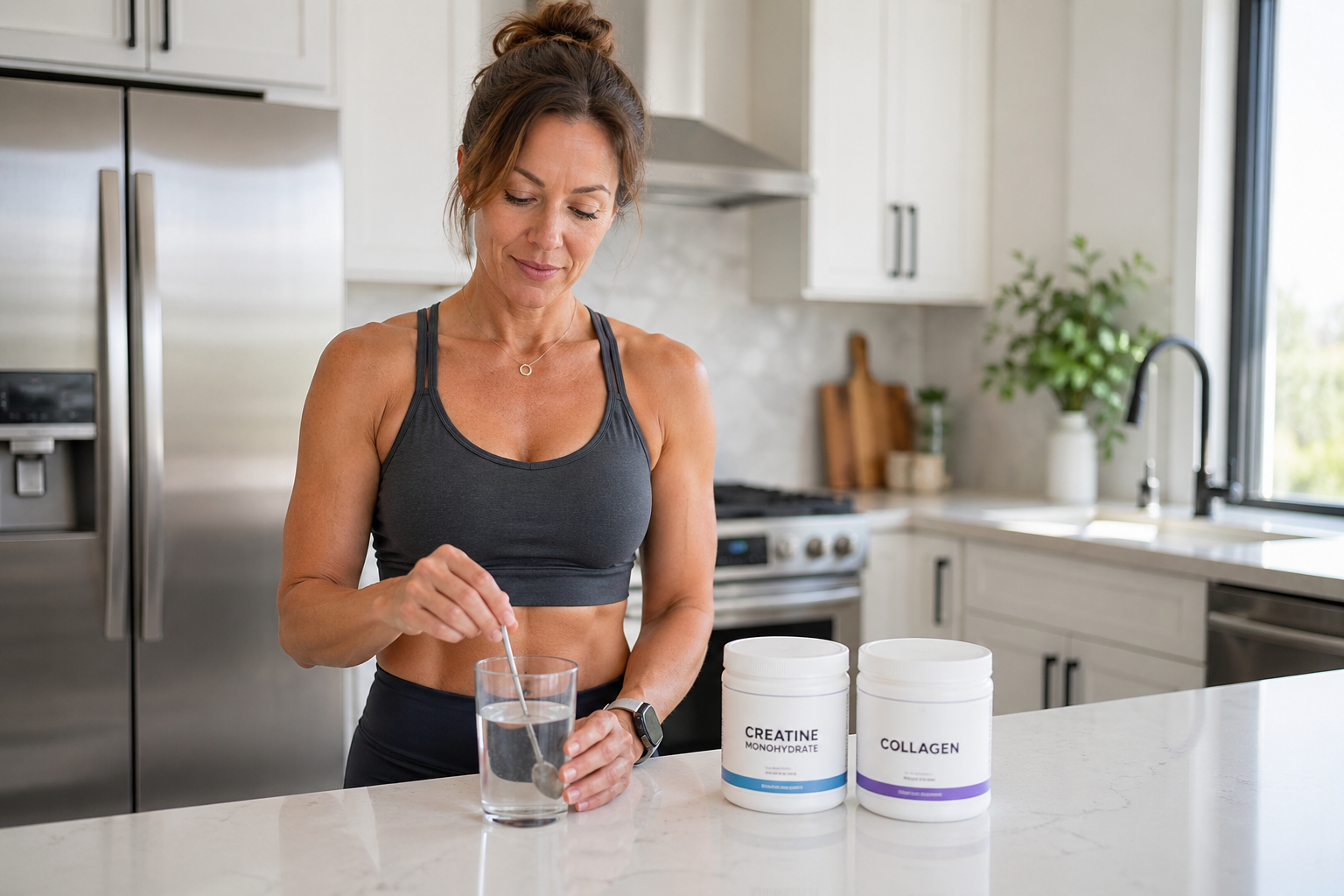
Creatine & Collagen: The 2026 Power Couple for Joints
If Creatine is the fuel for the engine, Collagen is the structural steel of the car.
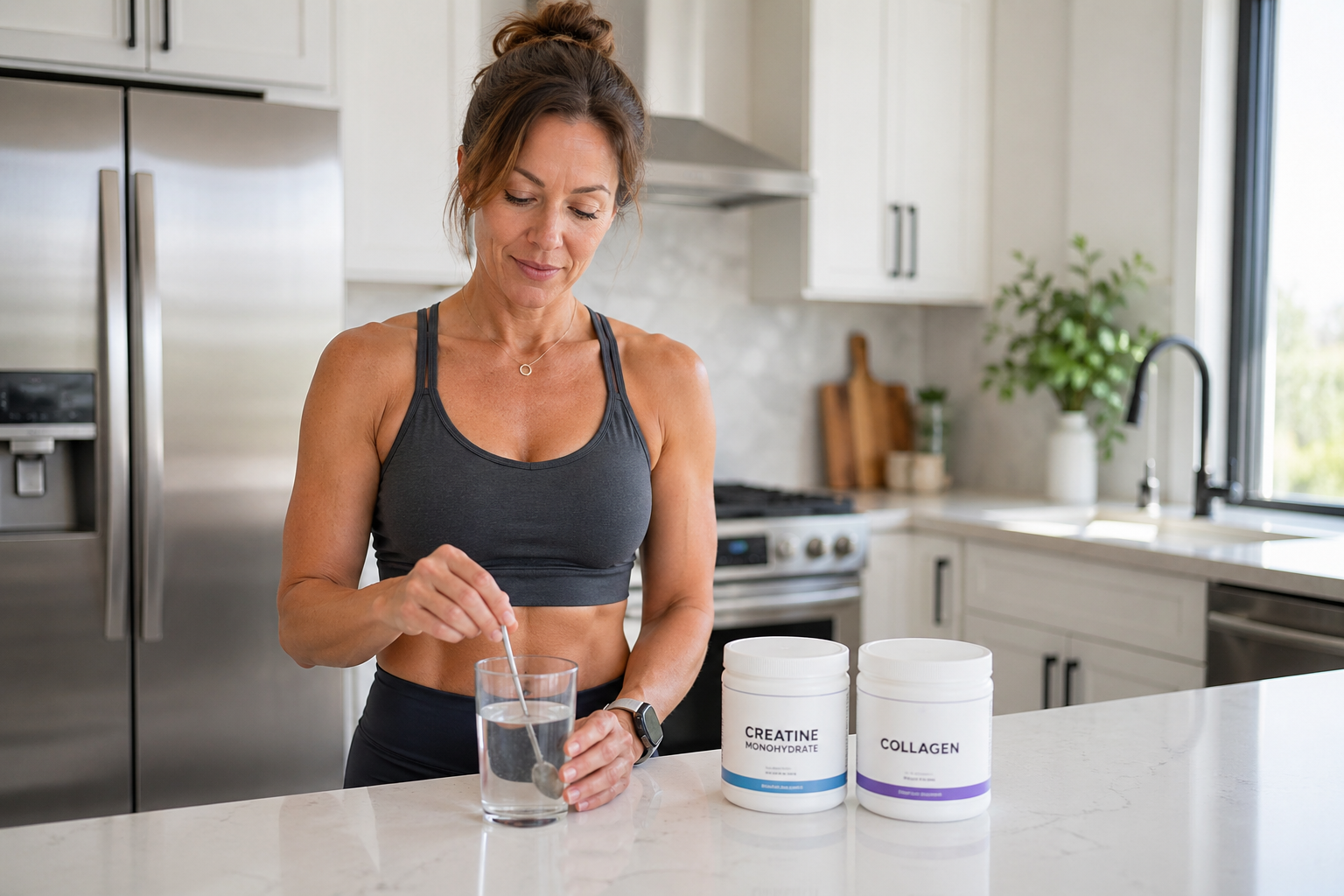
This image was created using AI to avoid copyright issues while conveying the context of this article.
In the world of fitness supplements, trends come and go. However, as we move through 2026, two specific names have risen to the top of the list, not just for building muscle, but for protecting the very foundation of our movement: our joints. Those two powerhouses are Creatine and Collagen.
For years, Creatine was seen strictly as a "muscle builder" for young athletes, while Collagen was marketed as a beauty supplement for better skin and hair. Today, we know that when these two are used together, they form a "Power Couple" that helps active adults stay strong, mobile, and most importantly, pain-free.
Creatine: More Than Just Muscle
Creatine is one of the most researched supplements in history. Its primary job is to help your cells produce energy more quickly. When you have more of this "quick energy" available, you can squeeze out an extra rep or two in the gym. Over time, those extra reps lead to more muscle mass.
However, the "new" news in 2026 is how Creatine supports joint health and recovery. Creatine helps pull water into the muscle cells, which can have a protective effect on the surrounding connective tissues. By making the muscles stronger and more hydrated, Creatine reduces the "shearing" force on your joints during heavy lifts. Furthermore, newer studies suggest Creatine may have anti-inflammatory properties, helping to reduce the "morning stiffness" that many lifters experience as they age.
Collagen: The "Glue" of the Human Body
If Creatine is the fuel for the engine, Collagen is the structural steel of the car. Collagen is the most abundant protein in your body. It is the primary component of your tendons, ligaments, and cartilage. Think of it as the "glue" that holds your skeleton together.
As we age, our body’s natural production of collagen begins to drop. This is why our joints can start to feel "creaky" or why injuries like tendonitis take longer to heal. By supplementing with high-quality collagen peptides, you are providing your body with the specific amino acids it needs to repair that "glue." In 2026, we’ve found that taking collagen specifically about 40 to 60 minutes before a workout can help "target" those nutrients to the joints you are actually using.
Why They Work Better Together
The reason we call them a "Power Couple" is because they address joint health from two different angles.
Creatine builds the strength of the muscles around the joint. When your muscles are strong, they act like a suspension system for your bones.
Collagen strengthens the connective tissue itself. It makes your tendons and ligaments more resilient and "springy."
When you combine a strong suspension system (muscles) with high-quality structural parts (tendons), you get a body that can handle the stress of lifting weights without breaking down. This is especially important for our "Active Aging" community and those on GLP-1 medications, where preserving every bit of structural integrity is vital.
The "Longevity" Protocol
In 2026, the goal isn't just to be the strongest person in the room for one day; it's to be the strongest person in the room for the next 30 years. Supplementing with 5 grams of Creatine Monohydrate daily and 10 to 20 grams of Collagen peptides is becoming a standard "insurance policy" for longevity.
It is important to remember that supplements are just that, a supplement to a solid foundation. They cannot replace a good diet or a smart training program. However, they can provide that extra 5% to 10% edge in recovery and joint comfort that keeps you coming back to the gym week after week.
Consistency is the Key
You won't feel the effects of Creatine or Collagen overnight. Unlike caffeine, which hits you in 20 minutes, these supplements work through "saturation." It takes a few weeks of consistent use for your muscles and joints to fully benefit from the extra support.
At Legacy Fitness, we believe in using every tool available to keep you moving at your best. By focusing on joint integrity now, you are ensuring that your future self remains mobile, capable, and ready for whatever life throws your way.
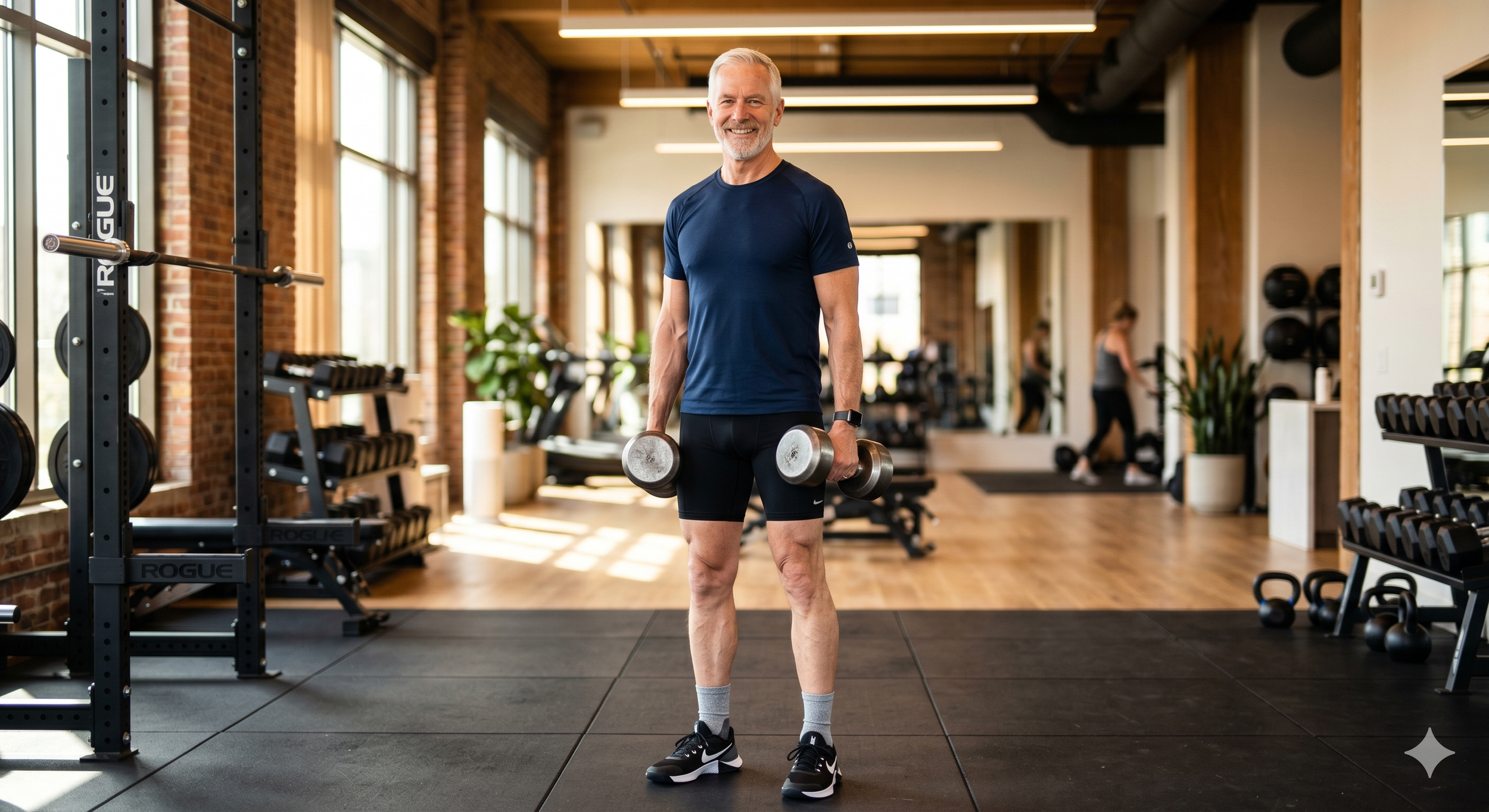
Active Aging: Why 60 is the New 40 in the Weight Room
Functional Strength keeps you independent; independence is the ultimate currency as we get older.
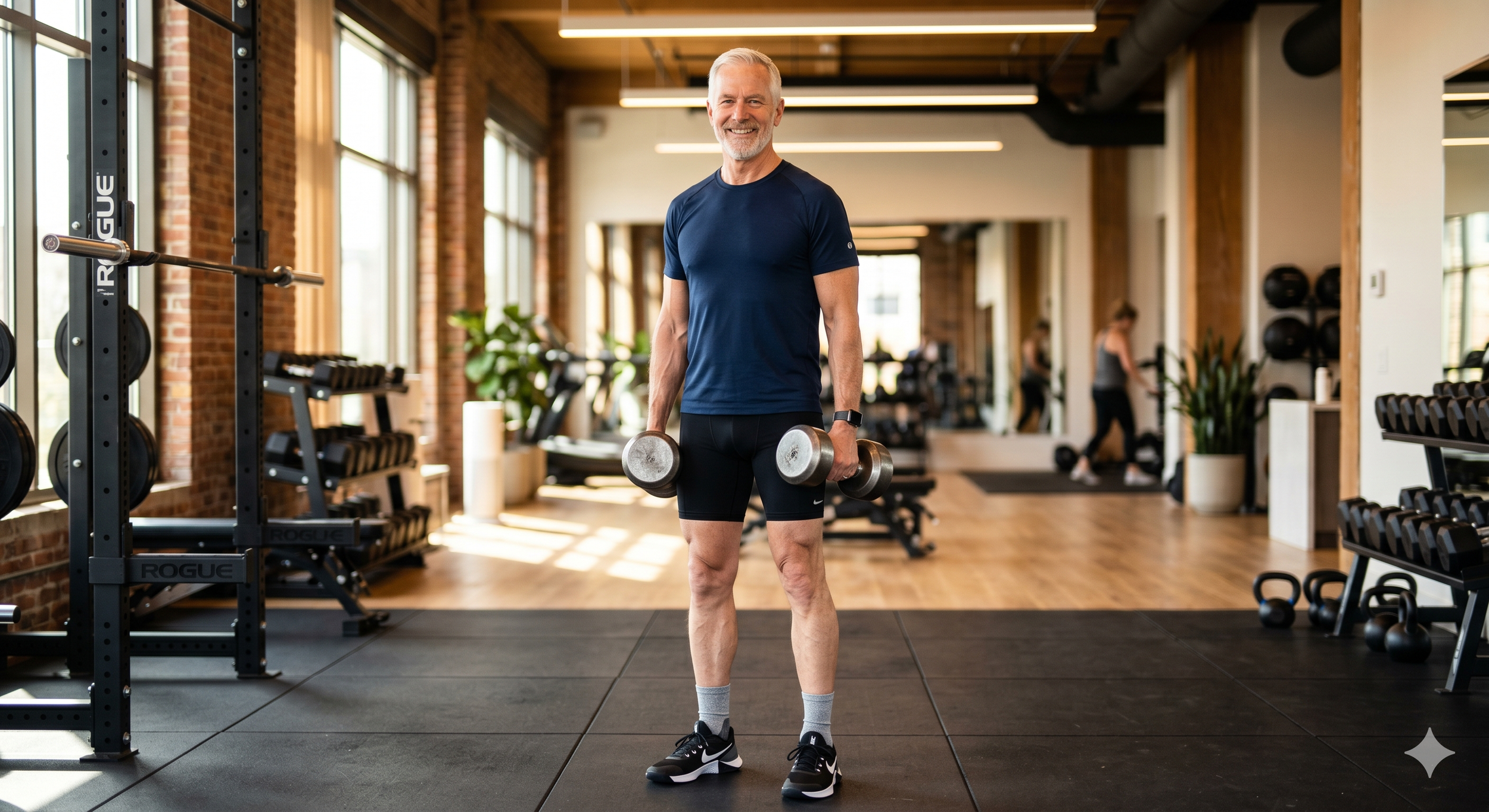
This image was created using AI to avoid copyright issues while conveying the context of this article.
There was a time when "fitness for seniors" meant light water aerobics or a gentle stroll around the mall. The general advice was to "be careful" and avoid anything strenuous. While any movement is better than none, we now know that the older we get, the more we actually need the "heavy stuff."
In 2026, we are seeing a massive shift in the gym. People in their 60s and 70s aren't just showing up; they are picking up dumbbells, using the squat rack, and out-performing people half their age. They have discovered the secret to "Active Aging": your muscles don't know how old you are, they only know how much you challenge them. By treating the weight room as a fountain of youth, this generation is redefining what it means to grow older.
Understanding the Enemy: Sarcopenia and Anabolic Resistance
To understand why lifting is so important, we have to look at what happens to the body naturally as the candles on the birthday cake add up. The medical term for age-related muscle loss is sarcopenia. Starting in our 30s, we begin to lose about 3% to 5% of our muscle mass per decade. By the time someone reaches 60, this loss can accelerate, leading to balance issues, joint pain, and a slower metabolism.
But there is another hurdle called anabolic resistance. As we age, our bodies become less efficient at turning protein from our food into new muscle tissue. A 20-year-old can grow muscle just by looking at a protein shake, but a 60-year-old has to work harder for it. To overcome this "resistance," the stimulus needs to be stronger. This is why "light" weights often don't work for older adults; you need a load that is heavy enough to force the body to pay attention and trigger the muscle-building process.
Muscle: The Armor of Longevity
Strength training acts like armor for your body. When you build muscle in your 60s, you aren't just "toning up" for the beach. You are building a physical shield that protects you from the most common risks of aging.
First, muscle protects your joints. When the muscles around your knees, hips, and spine are strong, they take the "impact" of daily life. Instead of your bones and cartilage grinding together, your muscles act as shock absorbers. This is why many people find that their chronic back or knee pain disappears once they start a structured lifting program.
Second, muscle is your metabolic insurance. Muscle is active tissue, meaning it burns calories even when you are sleeping. Sarcopenia is often the reason people "gain weight as they age" even if they aren't eating more food. Their "engine" has shrunk. By reclaiming that muscle, you are essentially "upgrading" your metabolism to that of a much younger person.
The Power of "Functional" Strength
When we talk about lifting weights for active aging, we are talking about Functional Strength, the kind of power that keeps you independent. Independence is the ultimate currency as we get older.
Training in your 60s is about ensuring you can always carry your own groceries, get up off the floor without help, and play with your grandkids without your back acting up. We focus on "The Big Patterns":
The Squat: This is the ability to get on and off a chair or a toilet without needing to grab a rail.
The Hinge: This is the ability to pick up a heavy box (or a toddler) off the ground using your hips instead of your lower back.
The Carry: This is the ability to maintain balance and core strength while moving weight from point A to point B.
These aren't just gym exercises; they are life skills. A 60-year-old who can deadlift 100 pounds is a 60-year-old who is unlikely to ever need a walker.
It Is Never Too Late to Start (The Science of Plasticity)
One of the biggest myths in fitness is that if you haven't been an athlete your whole life, the "ship has sailed." Science says the opposite. Your body remains "plastic" meaning it can change and adapt well into your 80s and 90s.
In fact, research has shown that previously sedentary people in their 70s can see a 10% to 20% increase in muscle size and a massive jump in strength in as little as 12 weeks. You don't need a history of athletics; you just need a willingness to start. The key is starting at the right level and focusing on "progressive overload," which simply means doing a little bit more this week than you did last week.
Recovery and the "New 40" Mindset
The reason we say "60 is the new 40" is that our understanding of recovery has changed in 2026. We used to think that older people needed weeks to recover from a hard workout. We now know that with high protein intake and proper sleep, the recovery gap between a 40-year-old and a 60-year-old is much smaller than we thought.
Lifting weights doesn't make you "worn out." It makes you more resilient. It gives you the energy to say "yes" to adventures, travel, and hobbies that others might have to give up. At Legacy Fitness, we don't look at your age on a calendar; we look at your capability in the gym. We are here to help you build a body that serves you for the rest of your life, ensuring that your "golden years" are spent in the squat rack, not the waiting room.
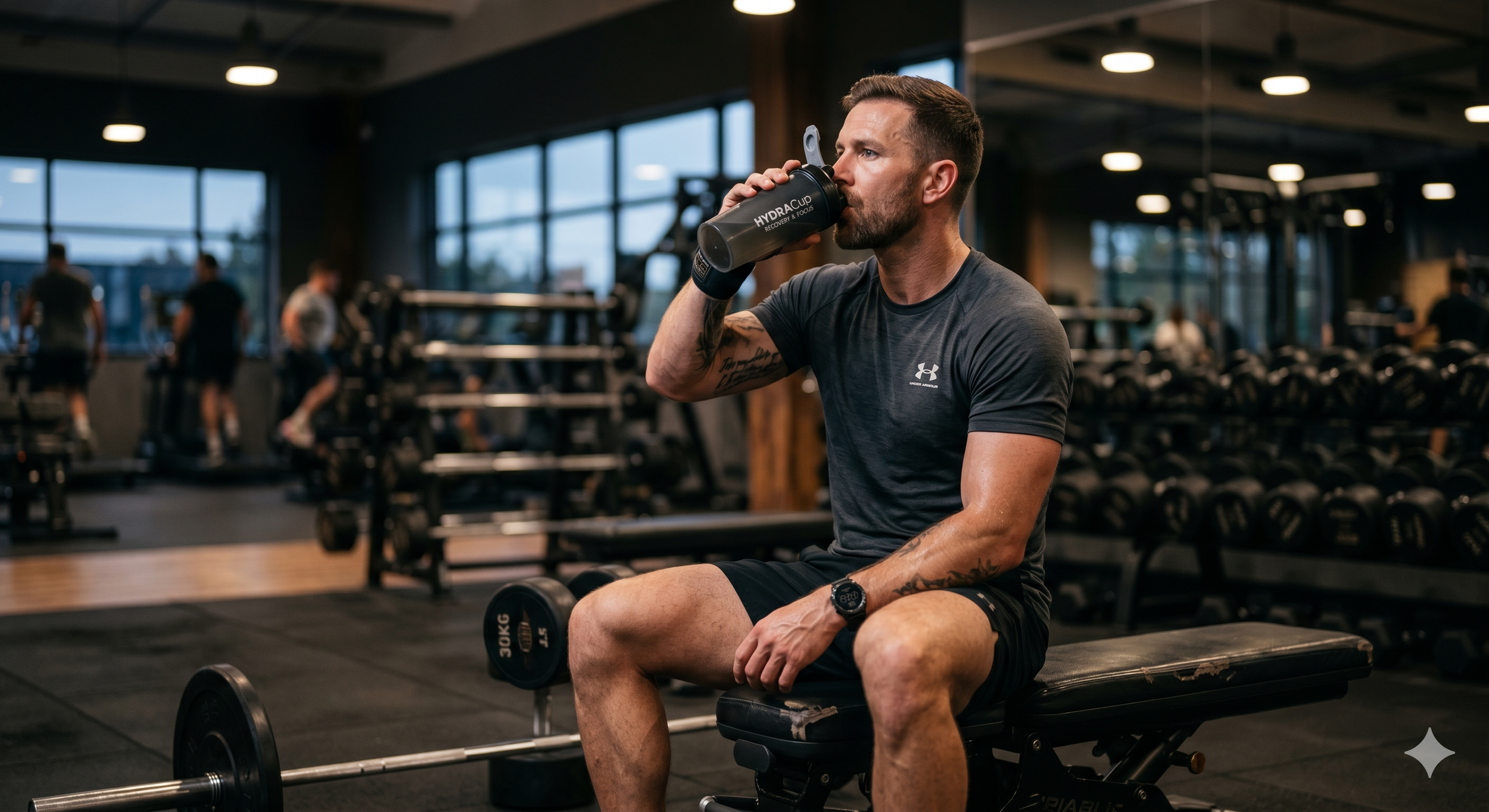
The Energy Audit: Fueling Your Workouts on Low Calories
You want to hit the gym and get your workout done, but your "battery" feels like it is at 5%.
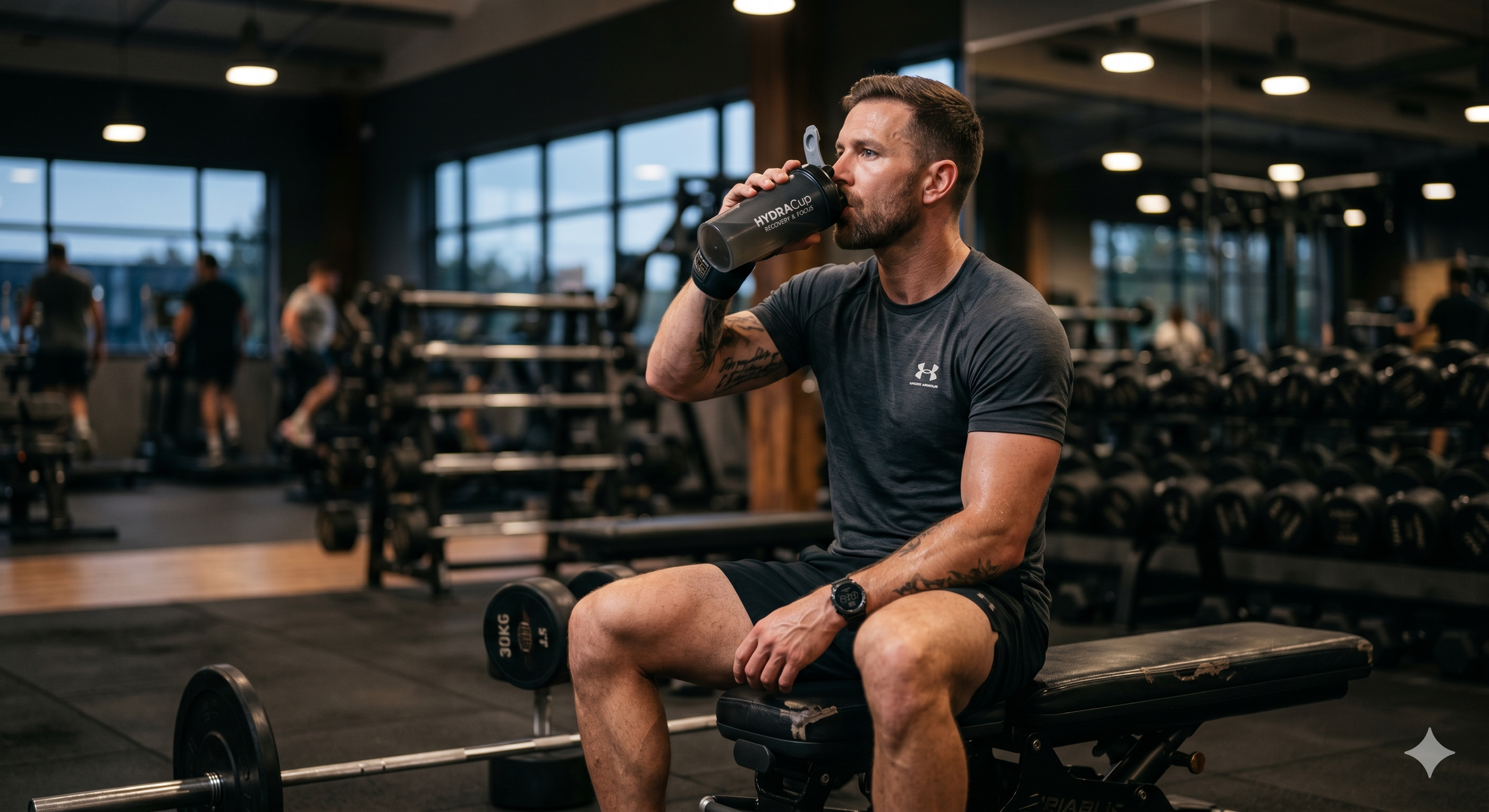
This image was created using AI to avoid copyright issues while conveying the context of this article.
One of the most common complaints people have when they start a new nutrition plan is a sudden drop in energy. This is especially true for those using GLP-1 medications or anyone in a significant calorie deficit. You want to hit the gym and get your workout done, but your "battery" feels like it is at 5%.
This is often referred to as the "energy gap." When you consume fewer calories and carbohydrates, your body has less immediate "fuel" in the bloodstream to power high-intensity movement. However, skipping your workouts will only slow down your progress. To stay on track, you need to perform an "Energy Audit" and adjust how you fuel your body.
Understanding Your Fuel Sources
Your body primarily uses two types of fuel for exercise: fats and carbohydrates.
Fats are like a giant log on a campfire. They burn slowly and provide energy for a long time (like during a long walk).
Carbohydrates are like kindling or paper. They burn hot and fast, providing the "explosion" you need to lift heavy weights or do a sprint.
When you are on a low-calorie plan, your "kindling" is low. This is why a heavy set of squats might feel twice as hard as it used to. Your body is trying to figure out how to do "expensive" work on a "budget" income.
Timing is Everything
When calories are limited, timing becomes your best friend. Since you don't have a lot of fuel to go around, you need to make sure it is in your system right when you need it most.
Instead of spreading your small amount of carbohydrates evenly throughout the day, try "clustering" them around your workout. Eating a small amount of easy-to-digest carbs (like a piece of fruit or a rice cake) about 30 to 60 minutes before you lift can provide just enough "kindling" to get you through the session without feeling like you’re dragging.
The Role of Electrolytes and Hydration
Sometimes, what feels like "low energy" is actually a lack of minerals. When you eat fewer processed foods and lower carbs, your body tends to flush out water and salt more quickly. This can lead to brain fog, muscle cramps, and a general feeling of weakness.
Before you reach for a third cup of coffee, try adding a high-quality electrolyte mix to your water. Ensuring your sodium, potassium, and magnesium levels are balanced can often "wake up" your nervous system more effectively than caffeine ever could.
Adjusting the Volume
If your energy is low, you might need to change how you train, not if you train. On low-calorie days, focus on "Quality over Quantity."
Instead of doing five sets of ten reps, you might do three sets of five reps with a bit more rest in between. The goal is to keep the intensity high enough to protect your muscle, but the total "volume" low enough that you don't burn out. Remember, the goal of training during a fat-loss phase is muscle preservation, not necessarily setting a world record in endurance.
Listen to the "Check Engine" Light
There is a difference between being "diet tired" and being "system exhausted." If you are consistently feeling dizzy, cold, or unable to recover between sessions, your calorie deficit might be too steep.
As coaches, we look for the "Sweet Spot", the place where you are losing body fat but still have enough vigor to live your life and lift your weights. If you find yourself consistently hitting a wall, it’s time to audit your intake and perhaps add a small amount of "functional fuel" to keep the engine running.

Walking vs. Training: Which One Saves Your Metabolism?
We often hear that "movement is medicine, but you might be wondering: "Is my daily walk enough, or do I really need to lift weights?"

This image was created using AI to avoid copyright issues while conveying the context of this article.
We often hear that "movement is medicine," and it’s true. In a world where many of us sit at desks for eight hours a day, getting up and moving is vital. However, when it comes to your metabolism, the internal engine that burns calories, not all movement is created equal.
If you are trying to lose weight or maintain your health, you might be wondering: "Is my daily walk enough, or do I really need to lift weights?" The answer depends on whether you want to just be "active" or if you want to actually change how your body burns energy.
Walking: The Heart’s Best Friend
Walking is one of the best things you can do for your overall health. It lowers stress, improves your heart health, and helps with digestion. In terms of "burning calories," walking is great because it is something you can do every single day without needing a lot of recovery time.
However, walking is a "steady-state" activity. While it burns calories while you are doing it, the burn stops almost the moment you sit back down on the couch. Walking keeps you healthy, but it doesn't do much to increase your Resting Metabolic Rate (RMR)—the number of calories your body burns just to stay alive.
Strength Training: The Metabolic Engine
Strength training, or resistance training, works differently. When you lift weights, you aren't just burning calories during the workout. You are actually damaging tiny muscle fibers so they can grow back stronger.
This process of building and maintaining muscle is very "expensive" for your body. Muscle is active tissue. Even when you are sleeping, your muscles are burning calories. If you have more muscle mass, your "engine" is bigger. A person with more muscle will burn more calories while watching TV than a person with less muscle, even if they weigh the exact same.
Why "Saving" Your Metabolism Matters
As we age, or when we lose weight quickly, our metabolism tends to slow down. If you only do cardio (like walking) while eating fewer calories, your body may actually get "smaller," but it also gets "slower." It becomes more efficient at surviving on fewer calories.
This is why many people hit a plateau where the weight stops coming off. Their metabolism has adapted to the walking and the lower food intake. Strength training "saves" the metabolism by forcing the body to keep its muscle. It signals to your system that it cannot slow down because it has to support the strength you are building.
The Perfect Partnership
You don't have to choose one over the other. In fact, the best results come from a combination of both.
Walking should be your daily baseline. It keeps your joints moving and your heart strong.
Strength Training should be your metabolic insurance. Two to three days a week of lifting weights ensures that your body stays a "fat-burning machine" rather than a "calorie-storing machine."
If you only have 30 minutes to exercise, and your goal is long-term weight management, you should prioritize the weights. You can always find ways to "sneak" in more steps throughout the day, but you have to be intentional about building muscle.
Don't Just Move, Build!
At Legacy Fitness, we see walking as a vital part of a healthy lifestyle, but we see strength training as the foundation of a healthy body. We want you to have a metabolism that works for you, not against you. By focusing on your strength, you are ensuring that your results last long after the walk is over.