
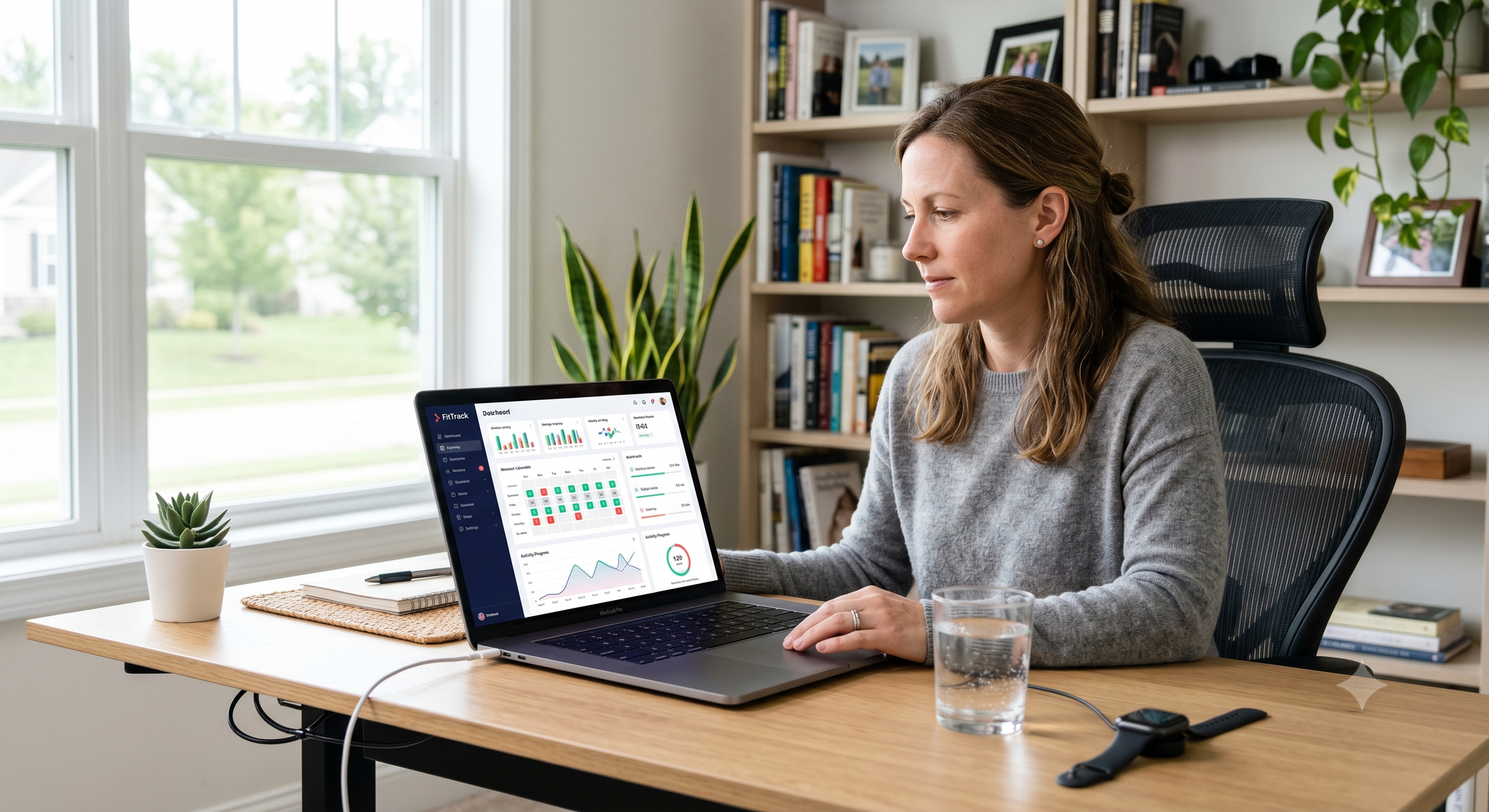
How to Choose an Online Personalized Fitness Plan in 2026
The online fitness market is crowded. Before you enter your credit card information for any subscription, look past the sleek interface. Make sure the program offers real human accountability, flexible lifestyle integration, and an adaptable framework.
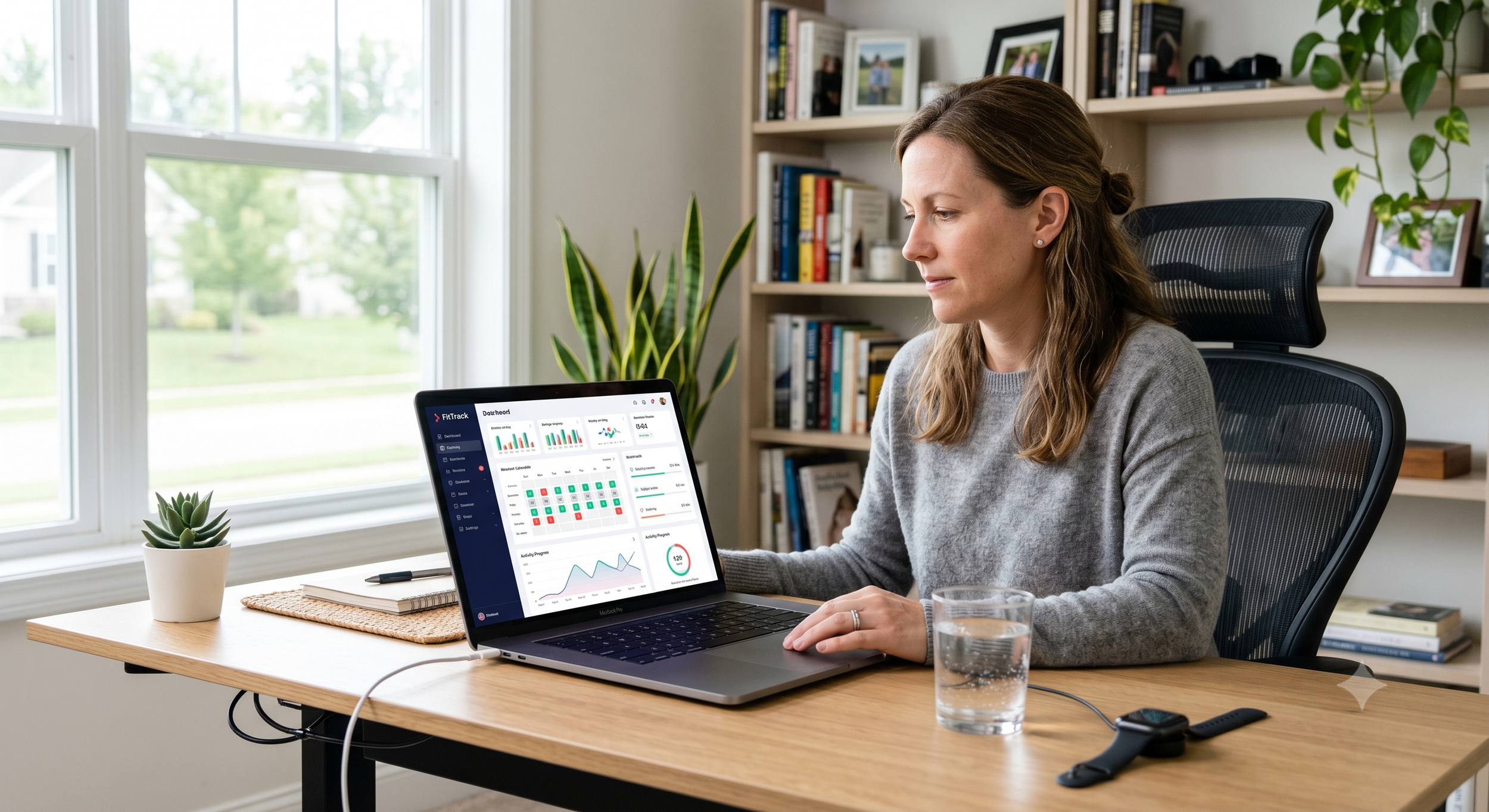
The online fitness market is crowded. If you open any social media app or search engine, you will see hundreds of ads promising the perfect body through an app, a subscription, or a virtual coach. In 2026, the technology has advanced to the point where almost anyone can spin up a professional-looking fitness platform in a weekend.
For a busy professional, this creates a major problem. You have the financial means to invest in your health, but you do not have the time to waste on a subpar service that treats you like a number. You need a system that delivers results efficiently.
So, how do you separate the high-quality coaching programs from the high-tech marketing traps? To find an online personalized fitness plan that actually works for your lifestyle, you must evaluate it across five specific pillars.
1. The Coaching Quality: Human vs. Algorithm
The biggest shift in 2026 is the rise of automated coaching. Many platforms claim to offer "personalized" plans, but the personalization is done entirely by an algorithm. You fill out a questionnaire, and a computer instantly spits out a template. If you have a question, you talk to a chatbot.
True personalization requires human empathy and human intelligence. When choosing a plan, ask who is actually reviewing your data. Is it a certified coach who understands the stress of corporate life, or is it a software program? A real coach looks at your form videos, listens to your struggles, and adjusts your plan based on human nuance. If a platform cannot name the specific coach who will be managing your file, walk away.
2. Comprehensive Nutrition Guidance
Fitness and nutrition are inseparable. If an online plan only gives you a workout routine and tells you to "eat clean," it is only doing half the job. For a professional who travels or dines with clients, "eating clean" is not actionable advice.
A premium personalized plan should offer specific, flexible nutrition targets that adapt to your schedule. Look for programs that teach you how to manage your nutrition in the real world. You need to know how to order at a steakhouse, how to fuel your body on a five-hour flight, and how to eat for sustained energy during a high-stress afternoon. The nutrition component should feel like an extension of your lifestyle, not a prison sentence.
3. Home and Gym Workout Programming Flexibility
Your schedule is unpredictable. Some weeks you can get to a fully equipped commercial gym four times. Other weeks, you are trapped in a hotel room with nothing but two light dumbbells and a yoga mat.
A great online plan must be built for this reality. The programming should be flexible enough to pivot instantly between a garage gym, a hotel fitness center, or a local park. The coach should be able to modify your movements based on the equipment you have available right then and there. If the plan forces you to use machines you do not access, it will quickly become another abandoned subscription.
4. Objective Progress Assessments
If you are not measuring, you are guessing. However, in 2026, progress assessments should go far beyond the bathroom scale. Scale weight fluctuates based on hydration, stress, and salt intake. It is a poor indicator of daily progress.
Look for a plan that utilizes modern progress tracking. This includes tracking your strength metrics, your energy levels, your sleep quality, and how your clothes fit. Your coach should analyze your biometric feedback to ensure you are losing fat and gaining muscle, not just losing overall body weight. Regular, objective check-ins keep you accountable and provide the data your coach needs to refine the system.
5. Long-Term, Adaptable Support
Many fitness programs are built on short-term challenges. They want to get you a quick result in 30 days so they can use your before-and-after photo for marketing. But what happens on day 31?
A high-performance life requires a sustainable approach. The plan you choose should be built for the long haul. It should teach you the habits, the systems, and the mindset required to stay fit for the next 10, 20, or 30 years. The ultimate goal of a great coach is to give you the autonomy and the knowledge to manage your fitness forever.
Before you enter your credit card information for any subscription, look past the sleek interface. Make sure the program offers real human accountability, flexible lifestyle integration, and an adaptable framework. That is how you find a plan that turns an investment into a lasting legacy.
Why Your "Template" Workout is Why You’re Not Seeing Results
Legacy Fitness exists because we know that templates don't build legacies. Systems do. Habits do.
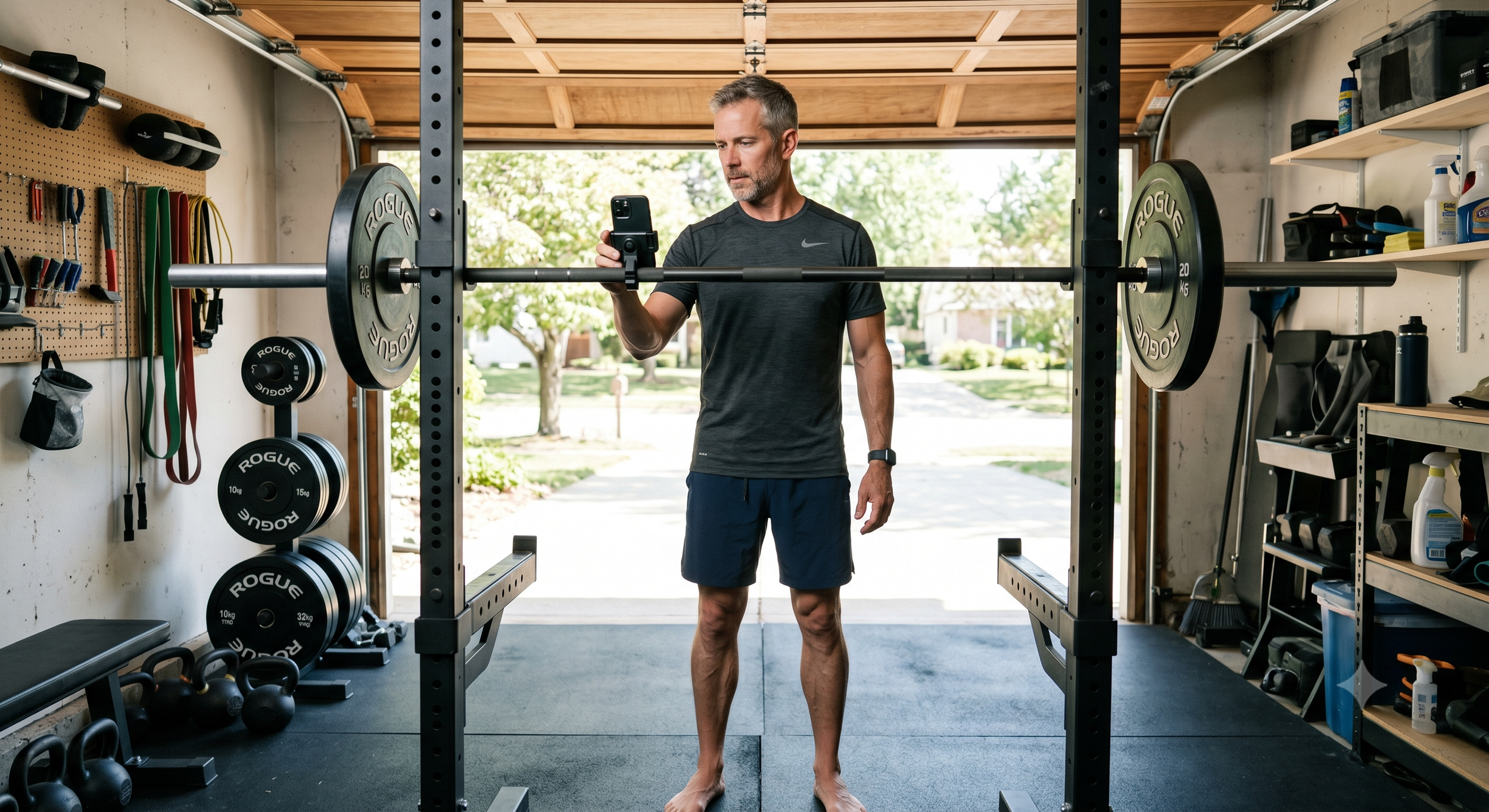
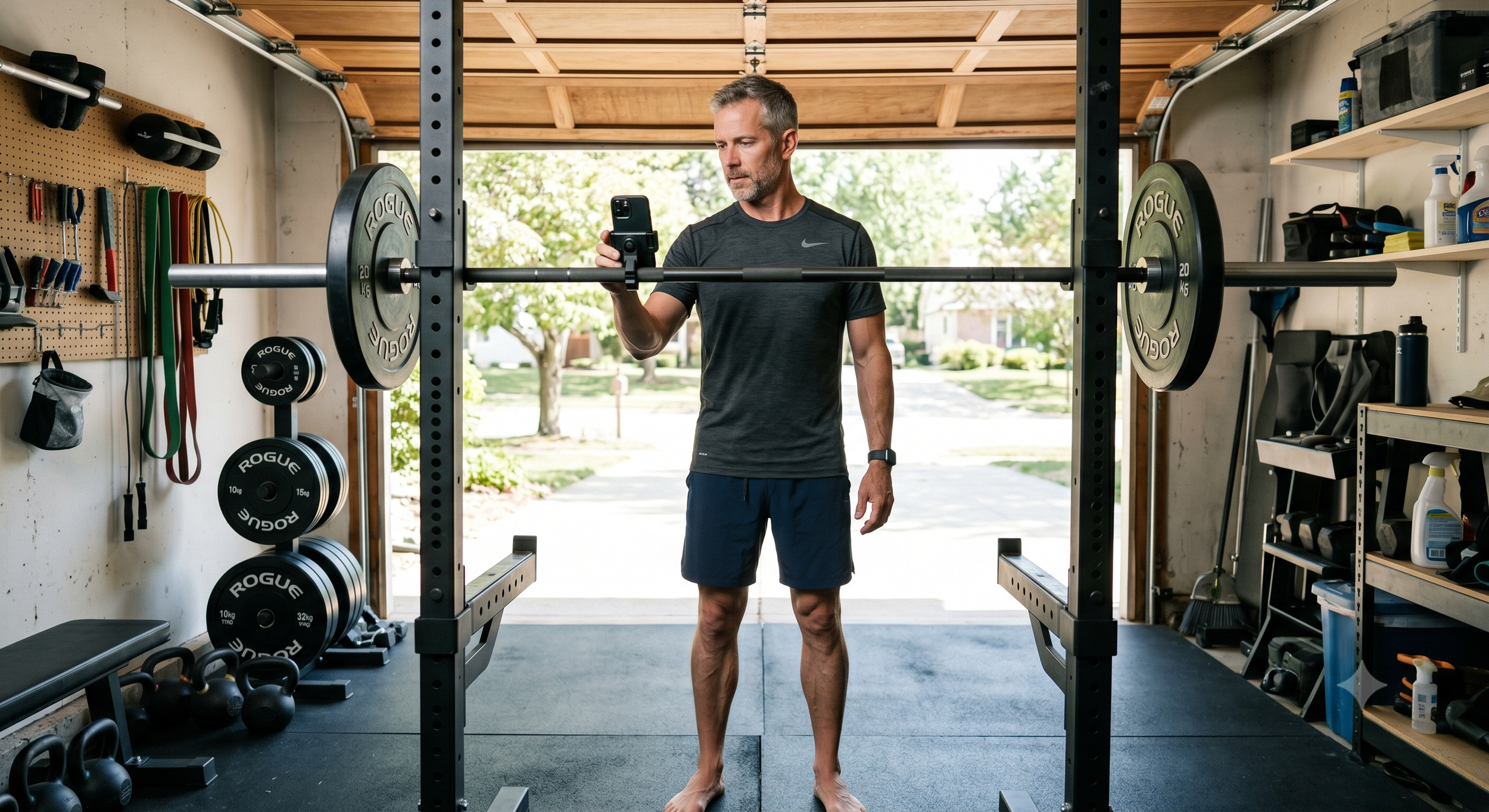
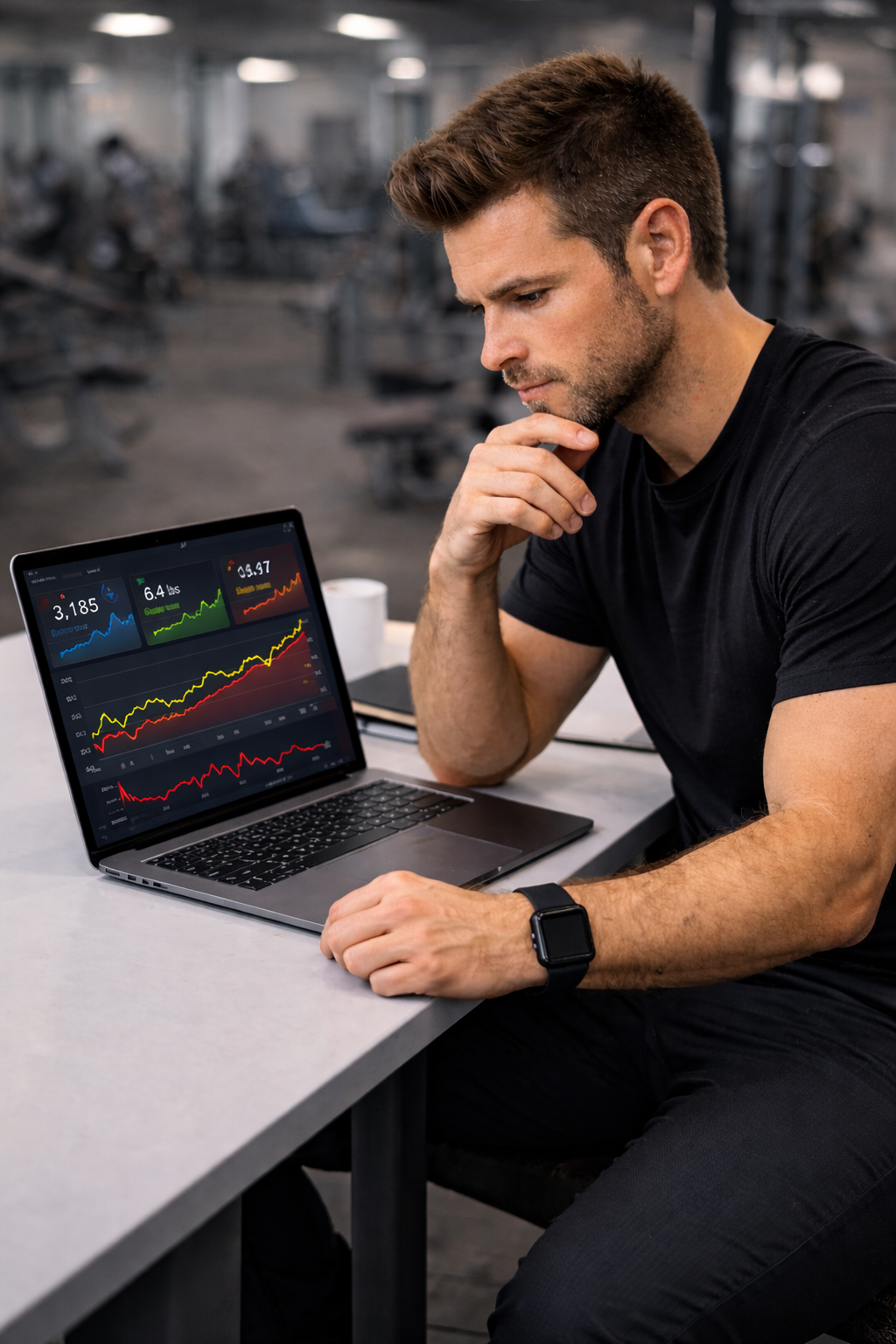
This image was created using AI to avoid copyright issues while conveying the context of this article.
You are a high performer. You have spent years building a career, managing a family, and navigating a schedule that would make most people’s heads spin. When you finally decide to invest time in your fitness, you want a return on that investment. Naturally, you go looking for a plan. You find a "6-Week Executive Shred" or a "High-Performance Muscle" program online. It looks sleek, it has thousands of downloads, and the person in the photos looks exactly how you want to look.
You follow it to the letter. You buy the gear, you clear the schedule, and you push through the sessions. But three weeks in, the cracks start to show. You’re exhausted, your shoulder has a nagging ache that wasn't there before, and despite your hard work, the scale hasn't moved an inch.
This is the "Template Trap." In 2026, we have more access to fitness information than ever before, yet people are more frustrated than ever. The reason is simple: A template is built for a ghost. It is built for a "standardized" human who does not exist. Your life is not a template, so your fitness plan shouldn't be either.
The Problem with One-Size-Fits-All
Most generic fitness plans operate on a dangerous assumption. they assume you have perfect recovery, zero stress, and no previous injuries. They assume you have exactly 60 minutes to spend in a commercial gym every single day. They are rigid. They are a "monologue" where the plan speaks and you simply listen.
But for a busy professional, life is a dialogue. Your body is constantly sending signals. If a template says you must do heavy back squats on Tuesday, but you just spent ten hours on a cross-country flight and your lower back feels like a coiled spring, the template does not care. If you follow it anyway, you get injured. If you skip it, you feel like a failure. This creates a cycle of "all or nothing" thinking that kills consistency.
At Legacy Fitness, we see this every day. A template cannot account for the fact that you have a high-stakes board meeting that ran late, or that your sleep was interrupted by a sick child. When a plan is too rigid to bend, it eventually breaks. And usually, the person following it is the one who suffers the consequences.
Your Life is a Moving Target
In 2026, personalization is about much more than just putting your name at the top of a PDF. It is about data integration and biofeedback. We now know that your "readiness" to train changes every single day. Factors like heart rate variability, sleep quality, and even caloric intake dictate what your body can actually handle on a Tuesday morning.
A generic plan is static. It stays the same regardless of what is happening in your life. But a personalized coaching approach is dynamic. It uses the tools we have in 2026, like wearable tech and real-time communication, to pivot when life gets in the way.
If your data shows that your recovery is "in the red," a real coach won't tell you to go crush a heavy lifting session. They will pivot. They might swap that session for a 20-minute mobility flow or a light Zone 2 walk. This keeps the habit of movement alive without digging you into a hole of chronic fatigue. This is how you stay in the game for decades, not just for six weeks.
Efficiency: The Professional’s Edge
The biggest lie in the fitness industry is that "more is better." For the busy professional, "effective" is better. A personalized plan is, by definition, the most efficient way to train.
When a plan is built specifically for your body, we remove the fluff. We don't have you doing "filler" exercises that don't serve your specific goals. If your goal is longevity and functional strength so you can keep up with your kids and lead your company, we don't need you doing four different types of bicep curls.
We focus on the "minimum effective dose." This means finding the exact amount of work required to trigger a result, and not a minute more. When your plan is built for your specific schedule, the friction disappears. You stop "trying" to find time to work out. You just execute the plan because the plan was built to fit inside the gaps of your real life.
The Human Element in a Digital World
While AI and apps are everywhere in 2026, they lack one thing: context. An app can tell you how many calories to eat, but it cannot understand the nuance of a social business dinner or the mental fatigue of a high-pressure week.
Personalization requires a human coach who understands your "why." It requires someone who can look at the data and the lifestyle and say, "I know the plan said X, but today we are going to do Y because that is what will keep you moving forward."
Legacy Fitness exists because we know that templates don't build legacies. Systems do. Habits do. And those habits must be sustainable. If you are tired of the cycle of starting and stopping, it is time to stop being a ghost in someone else's generic program. It is time to start a plan that was built for the person you actually are.
The Feedback Loop: How Your Coach Uses Your Data to Find Your "Superpowers"
In the world of fitness, data is the difference between a "guess" and a "guarantee."
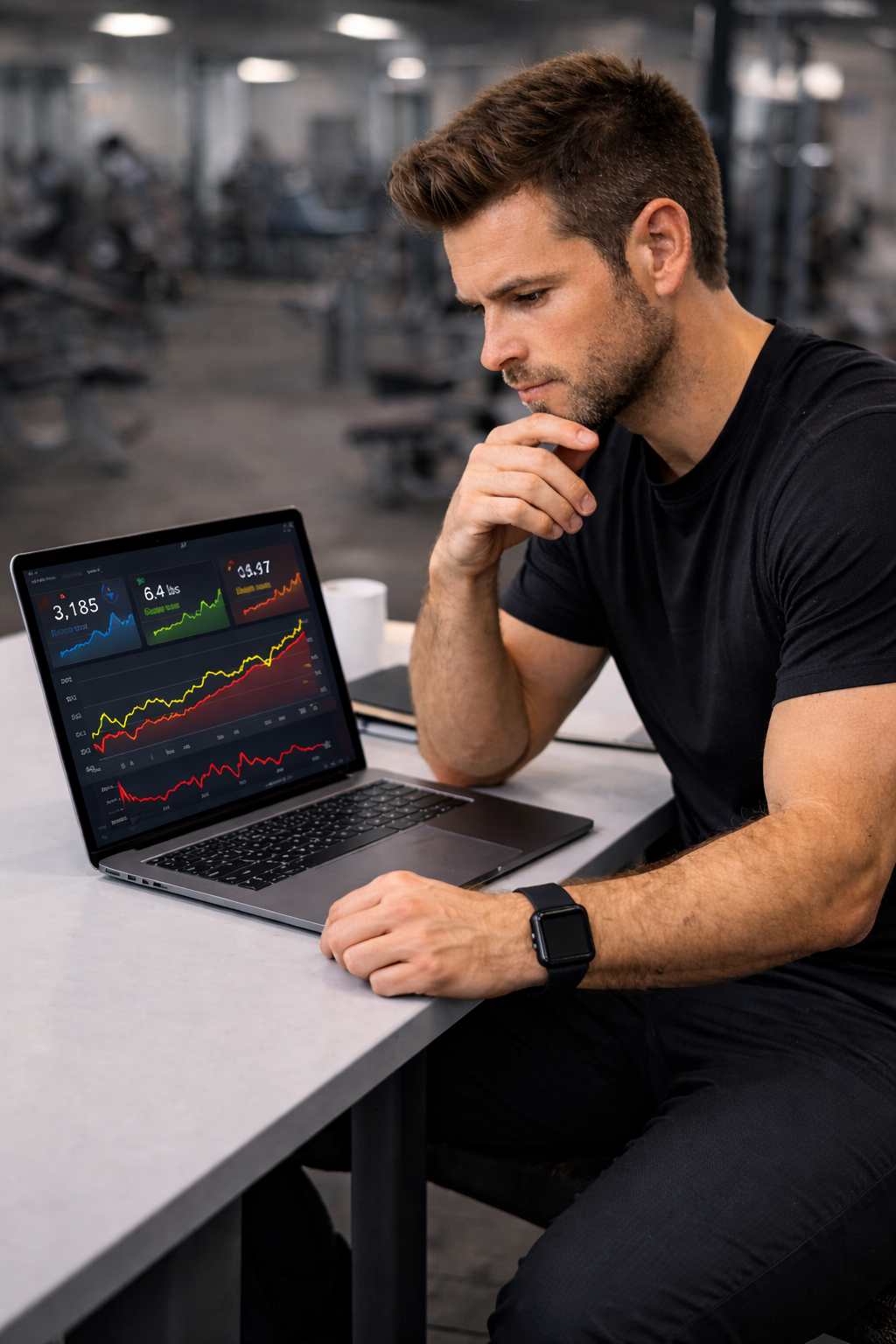
This image was created using AI to avoid copyright issues while conveying the context of this article.
By now, you have been logging your food and your workouts for a few days. You might feel like you are just sending numbers into a void. You might even wonder, "Does my coach actually look at all this?"
The answer is a resounding yes.
In the world of fitness, data is the difference between a "guess" and a "guarantee." When you log your metrics, your protein, your weights, your sleep, and even your mood, you aren't just doing homework. You are participating in a Feedback Loop. This loop is the most powerful tool we have to unlock your "superpowers," those specific dietary and training styles that make you feel unstoppable.
What is a Feedback Loop?
A feedback loop is a cycle where we take an action, measure the result, and then adjust the next action based on what we learned.
Imagine you are trying to find the perfect temperature for a shower. You turn the handle (Action), feel the water (Result), and then move the handle slightly (Adjustment). You keep doing this until the water is perfect.
Fitness coaching works the exact same way. Without your data, I am just standing outside the shower, guessing which way to turn the handle. With your data, we can find your "sweet spot" for fat loss and muscle gain much faster.
Hunting for Your "Superpowers"
Everyone’s body reacts differently to various inputs. Some people feel like superheroes when they eat a high-carb breakfast. Others feel sluggish and find they perform better on higher fats. Some people recover best with three heavy lifting days, while others thrive on five moderate days.
By looking at your logs over time, I can identify patterns that even you might not notice. I am looking for your "superpowers":
The Energy Sweet Spot: I look at the meals you logged before your best workouts. Did you have a specific amount of carbs? Did you eat two hours prior? Once we find what fuels your best performance, we can replicate it.
The Recovery Threshold: I look at your sleep data alongside your lifting volume. If your strength starts to drop after four days of training, we’ve found your limit. We can then adjust your schedule so you are always training at 100% capacity.
The Hunger Fix: If I see that you consistently "fall off the wagon" on Wednesday nights, I look at your protein intake on Tuesday and Wednesday mornings. Often, we find that increasing protein earlier in the week completely kills those late-night cravings.
The Danger of the "Silent" Week
The feedback loop only works if the loop stays closed. When a client stops logging or skips a weekly check-in, the loop breaks.
If I don't see your data, I can't see the "red flags" before they become problems. I can't tell if you are plateauing because of your metabolism or because of a lack of sleep. A "silent" week is a week where we lose the ability to move forward. We end up just treading water.
Your Data is a Conversation
Think of your logs as a conversation between us that happens even when we aren't talking. Every time you input a weight or a meal, you are telling me: "This is working," or "This is a struggle."
In March, I want you to view your data as a tool for empowerment. You aren't being monitored; you are being studied. We are scientists, and your body is the lab. The more information you give me, the more I can help you find the version of yourself that is the strongest, leanest, and most energized.
Let’s keep the loop closed and find out what you are truly capable of.
The Power of Accountability: Why a Coach is a Long-Term Investment, Not a Short-Term Fix
A coach is not a short-term fix; a coach is a long-term investment in your human potential and the resilience of your health legacy.
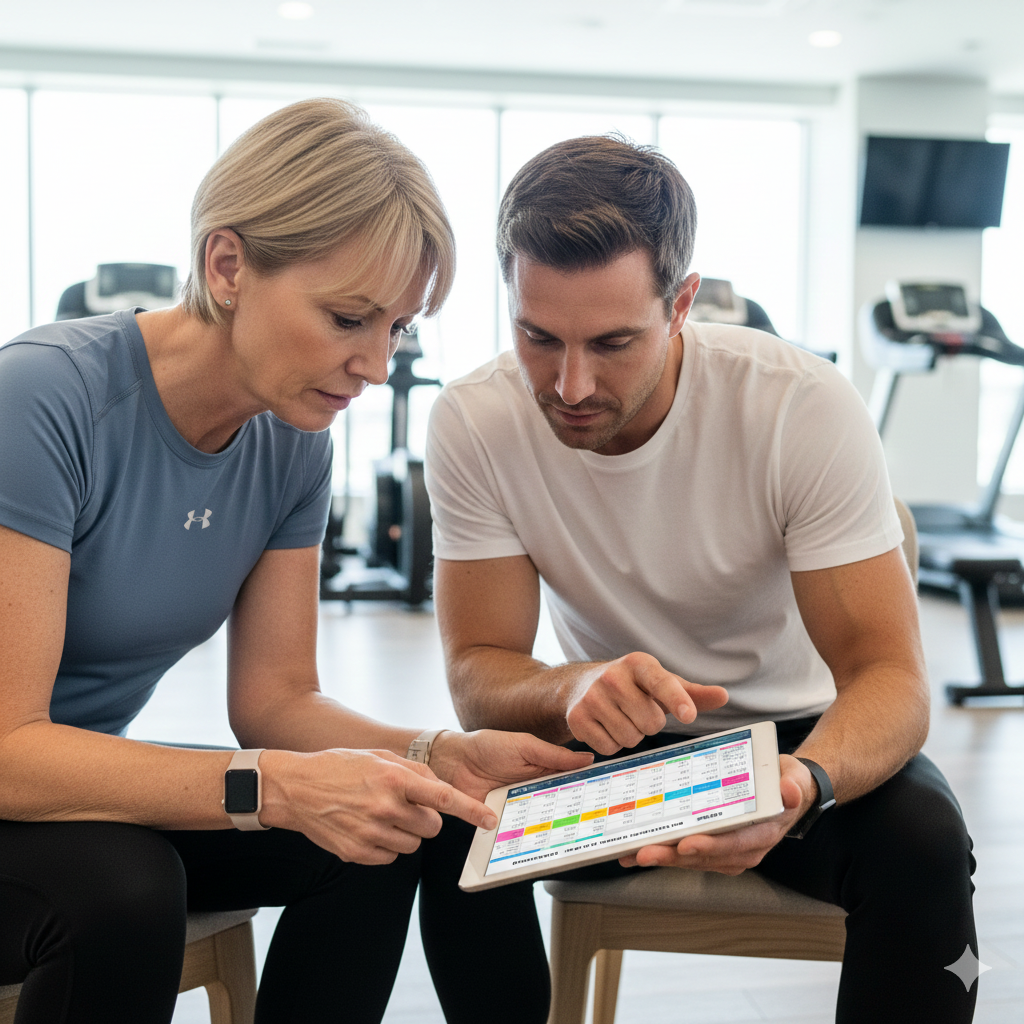
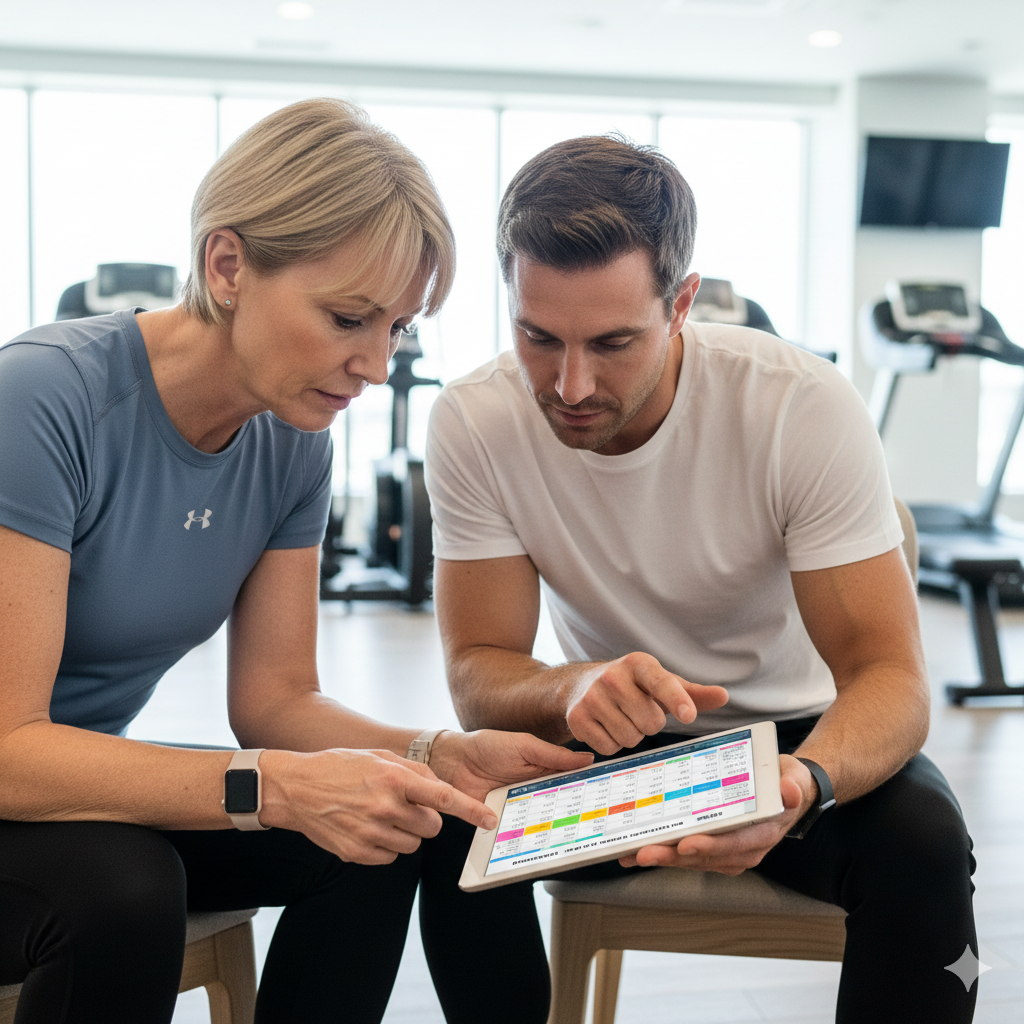
This image was created using AI to avoid copyright issues while conveying the context of this article.
As people plan their New Year's resolutions, many will decide they need to hire a trainer or a coach. They often view this relationship as a short-term fix: "I need a coach for six weeks to lose 10 pounds," or "I'll hire one until I know all the exercises."
At Legacy Fitness & Nutrition, we encourage a different, more powerful perspective: A coach is not a short-term fix; a coach is a long-term investment in your human potential and the resilience of your health legacy.
The true power of a coaching relationship lies not in the exercise plan they write, but in the Accountability and Strategy they provide. This is the difference between achieving a temporary weight loss goal and establishing a health legacy that endures decades of change and challenge.
Why Willpower Fails, But Accountability Works
We have discussed why willpower is a finite resource (ref article, The "Failure Filter"). When life gets stressful, that willpower disappears, and you default back to old, comfortable habits. This is where accountability steps in as your most powerful tool.
A Coach Creates a System: A coach removes the burden of constant decision-making. You do not wake up wondering what to eat or how to train; you simply follow the system that has been proven to work for you.
A Coach Provides the "External Spine": When your internal motivation sags (and it will), your coach is the external spine that reminds you of your deeper "Why" (see our article, Your "Why" is Not a Number). Knowing that someone is checking in and expecting your results prevents that 5-minute skip from becoming a 5-week breakdown.
A Coach Filters Failure: A coach applies the Failure Filter to your setbacks objectively. When you see a plateau as personal failure, a coach sees it as data and immediately adjusts the roadmap (see our article, Setting Your GPS: Creating a Fitness Roadmap). This eliminates emotional quitting.
The 3 Ways Coaching Secures Your Legacy
The value of a coach extends far beyond the gym floor and impacts your overall healthspan:
1. The Expert Guide to Longevity
Longevity is built on precision: specific movement patterns, targeted metabolic conditioning, and tailored nutrition. A coach is an expert guide who can quickly identify the subtle errors in form, the hormonal imbalances (ref article, Why You Can't "Out-Train" a Bad Sleep Schedule) you are facing, or the nutritional gaps (see article, "Protein Power" for the New Year) that are stalling progress. You do not pay for their time; you pay for the tens of thousands of hours of expertise that prevents costly mistakes and accelerates results.
2. The Investor in Your Identity
The most profound shift in fitness is changing your identity from "someone who tries to work out" to "someone who is an athlete." A coach treats you like an athlete, and their consistent belief in your potential slowly forces you to internalize that identity. This identity shift is the ultimate guarantee of long-term consistency.
3. The Planner for Life Changes
Life is unpredictable. You will deal with injuries, job changes, family needs, and travel. A relationship with a coach means you never have to scrap your fitness plan. Instead, the coach is there to adapt the plan to your current circumstances, ensuring that your health legacy continues to be built during busy, stressful, or low-energy periods.
View hiring a coach not as a cost center, but as an investment in your long-term independence, resilience, and vitality. It is the most direct path to securing a lifelong legacy of health.