
The 2026 Longevity Blueprint: Combining Strength, Nutrition, and Recovery
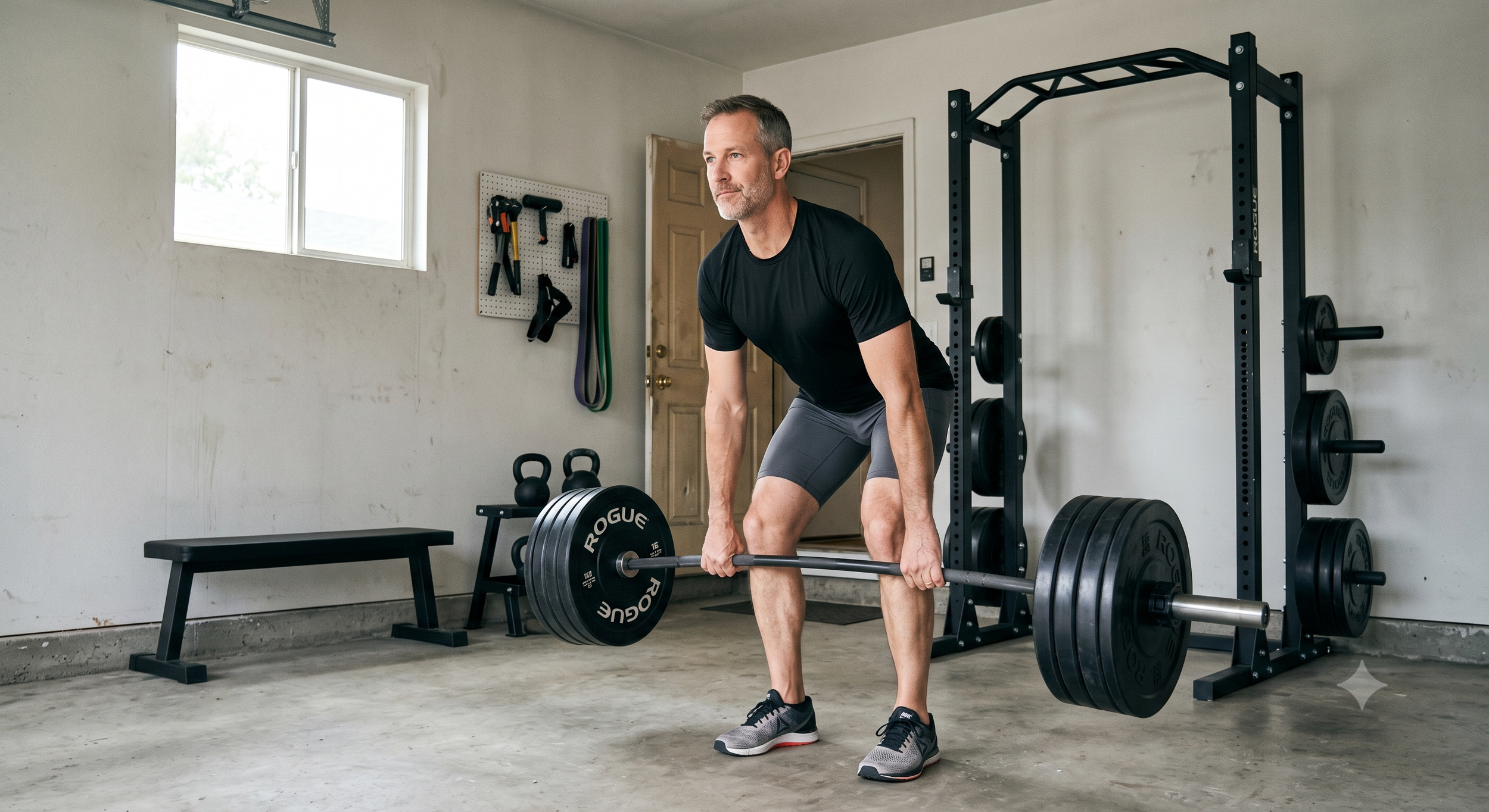
This image was created using AI to avoid copyright issues while conveying the context of this article.
Somewhere along the way, fitness got split into separate conversations. Strength training lives in one corner. Nutrition advice lives in another. Recovery gets mentioned mostly when something hurts. But if you're in your 40s or 50s and thinking seriously about the next decade of your life, that fragmented approach is leaving results on the table and possibly taking years off your healthspan.
The science has caught up. And what it's telling us is simple: longevity isn't about doing more. It's about doing the right things together.
Why Longevity Thinking Has Changed
The old model of fitness for aging adults was mostly about maintenance. Keep the weight off. Stay mobile. Don't fall. That bar is too low.
The emerging model, backed by research from institutions like the Buck Institute and Stanford's Longevity Center, focuses on compressing morbidity. The goal is not just a longer life but a longer healthy life, one where you're strong, sharp, and functional well into your 70s and beyond. That shift changes everything about how you should train and eat right now.
What the research consistently shows is that three pillars work together, or they barely work at all: strength, nutrition, and recovery. Optimize one while neglecting the others and you get diminishing returns. Align all three and the compound effect on your health is significant.
The Strength Imperative
Muscle mass is no longer just an aesthetic goal. It is a metabolic asset and a longevity marker. Research published in the American Journal of Medicine found that muscle mass is a stronger predictor of mortality risk than body mass index in older adults. Sarcopenia, the age-related loss of muscle, begins in your 30s and accelerates if you don't actively fight it.
The prescription is not complicated, but it is non-negotiable: resistance training two to four times per week, focused on compound movements. Squats, deadlifts, rows, presses. Movements that load multiple muscle groups and drive the hormonal response your body needs to preserve and build tissue.
You do not need to train like an athlete. You need to train consistently, with progressive overload, which means gradually increasing the challenge over time. If you are doing the same workout you were doing six months ago with the same weights, you are maintaining at best and declining at worst.
Nutrition: The Lever Most People Underuse
You can train hard and eat in a way that undermines all of it. For longevity, the nutritional priorities are clearer than the fitness industry often makes them sound.
Protein is the starting point. Most adults over 40 are chronically under-eating protein, which matters because muscle protein synthesis becomes less efficient with age. The current evidence supports consuming between 0.7 and 1 gram of protein per pound of bodyweight daily, distributed across meals rather than loaded into one sitting. Chicken, eggs, fish, Greek yogurt, legumes. The sources matter less than the consistency.
Beyond protein, the longevity research points strongly toward dietary patterns that reduce systemic inflammation. Processed foods, excess refined carbohydrates, and seed oils are not your friends if your goal is a long and functional life. Vegetables, healthy fats, whole foods, and adequate hydration form the base. This is not a new idea. It just requires actually doing it.
One area gaining significant attention in 2026 is the role of creatine supplementation for older adults. Once seen as a tool for bodybuilders, creatine monohydrate is now being studied for its neuroprotective properties and its ability to support muscle retention in aging populations. It is one of the most researched supplements in existence, and the evidence for it is strong.
Recovery Is Not Optional
This is where most busy professionals fall short, not because they don't know recovery matters, but because they treat it as a luxury rather than a requirement.
Sleep is the foundation. Seven to nine hours is not a lifestyle preference; it is the window during which your body repairs tissue, regulates hormones, and consolidates memory. Chronic sleep deprivation raises cortisol, impairs glucose metabolism, and accelerates the very aging processes you're trying to slow. If you are serious about longevity, your sleep hygiene deserves the same attention as your training program.
Beyond sleep, recovery includes managing stress load, which for entrepreneurs and professionals is often the silent variable that derails everything else. Elevated cortisol from chronic stress blunts muscle protein synthesis, disrupts sleep, and drives fat storage around the midsection. Breathwork, intentional rest periods, and simply protecting downtime are not soft skills. They are performance variables.
Zone 2 cardio, which is low-intensity steady-state exercise where you can hold a conversation, has also emerged as a longevity tool. It supports mitochondrial health, cardiovascular function, and metabolic flexibility. Two to three sessions per week of 30 to 45 minutes is enough to produce meaningful benefit.
Putting the Blueprint Together
The 2026 longevity blueprint is not a 12-week program. It is a permanent operating system. Resistance training built around compound movements. Protein and whole-food nutrition that supports muscle and reduces inflammation. Sleep, stress management, and aerobic work that allow your body to actually recover and adapt.
These three pillars are interdependent. Shortchange one and the others compensate poorly. Align all three and you build the kind of health that compounds over years, not just weeks.
At Legacy Fitness & Nutrition, this is exactly how we build programs for our clients. We don't hand you a workout and send you on your way. We look at the full picture, your training, your nutrition, your recovery, and build a system that fits your life. Because longevity isn't a phase. It's the whole point.
