
The 2026 Longevity Blueprint: Combining Strength, Nutrition, and Recovery
Somewhere along the way, fitness got split into separate conversations. Strength training lives in one corner. Nutrition advice lives in another. Recovery gets mentioned mostly when something hurts.
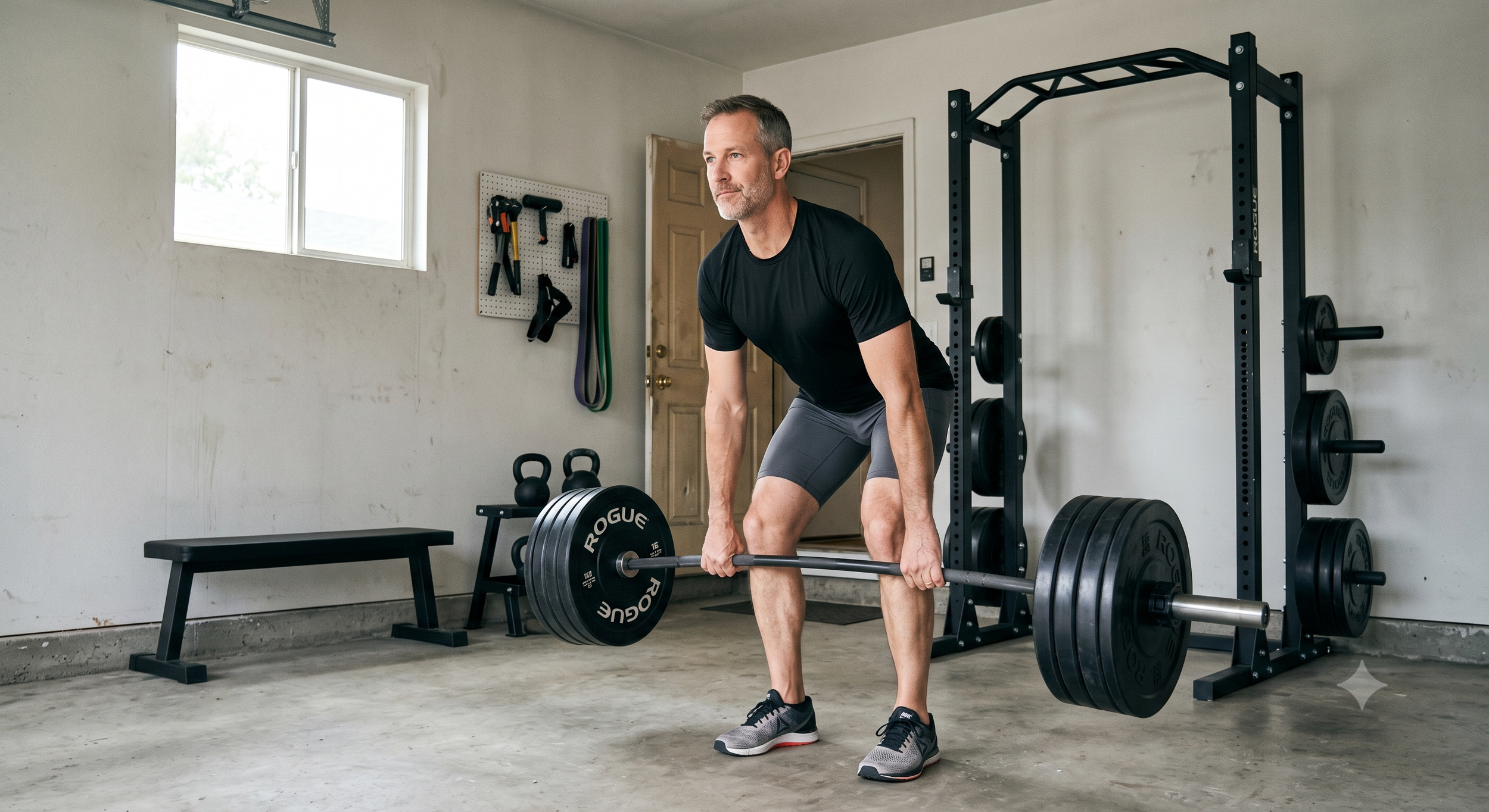
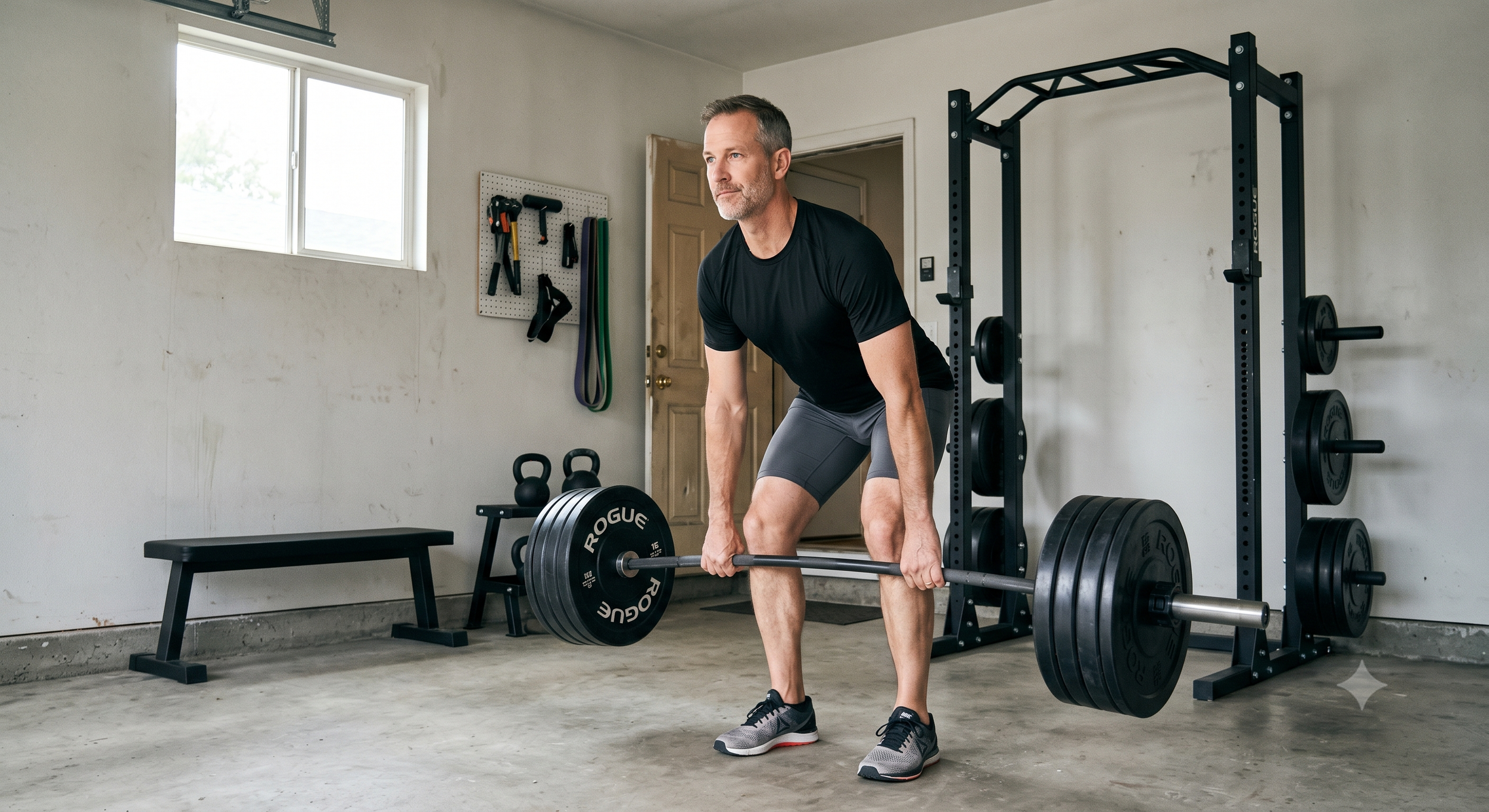
This image was created using AI to avoid copyright issues while conveying the context of this article.
Somewhere along the way, fitness got split into separate conversations. Strength training lives in one corner. Nutrition advice lives in another. Recovery gets mentioned mostly when something hurts. But if you're in your 40s or 50s and thinking seriously about the next decade of your life, that fragmented approach is leaving results on the table and possibly taking years off your healthspan.
The science has caught up. And what it's telling us is simple: longevity isn't about doing more. It's about doing the right things together.
Why Longevity Thinking Has Changed
The old model of fitness for aging adults was mostly about maintenance. Keep the weight off. Stay mobile. Don't fall. That bar is too low.
The emerging model, backed by research from institutions like the Buck Institute and Stanford's Longevity Center, focuses on compressing morbidity. The goal is not just a longer life but a longer healthy life, one where you're strong, sharp, and functional well into your 70s and beyond. That shift changes everything about how you should train and eat right now.
What the research consistently shows is that three pillars work together, or they barely work at all: strength, nutrition, and recovery. Optimize one while neglecting the others and you get diminishing returns. Align all three and the compound effect on your health is significant.
The Strength Imperative
Muscle mass is no longer just an aesthetic goal. It is a metabolic asset and a longevity marker. Research published in the American Journal of Medicine found that muscle mass is a stronger predictor of mortality risk than body mass index in older adults. Sarcopenia, the age-related loss of muscle, begins in your 30s and accelerates if you don't actively fight it.
The prescription is not complicated, but it is non-negotiable: resistance training two to four times per week, focused on compound movements. Squats, deadlifts, rows, presses. Movements that load multiple muscle groups and drive the hormonal response your body needs to preserve and build tissue.
You do not need to train like an athlete. You need to train consistently, with progressive overload, which means gradually increasing the challenge over time. If you are doing the same workout you were doing six months ago with the same weights, you are maintaining at best and declining at worst.
Nutrition: The Lever Most People Underuse
You can train hard and eat in a way that undermines all of it. For longevity, the nutritional priorities are clearer than the fitness industry often makes them sound.
Protein is the starting point. Most adults over 40 are chronically under-eating protein, which matters because muscle protein synthesis becomes less efficient with age. The current evidence supports consuming between 0.7 and 1 gram of protein per pound of bodyweight daily, distributed across meals rather than loaded into one sitting. Chicken, eggs, fish, Greek yogurt, legumes. The sources matter less than the consistency.
Beyond protein, the longevity research points strongly toward dietary patterns that reduce systemic inflammation. Processed foods, excess refined carbohydrates, and seed oils are not your friends if your goal is a long and functional life. Vegetables, healthy fats, whole foods, and adequate hydration form the base. This is not a new idea. It just requires actually doing it.
One area gaining significant attention in 2026 is the role of creatine supplementation for older adults. Once seen as a tool for bodybuilders, creatine monohydrate is now being studied for its neuroprotective properties and its ability to support muscle retention in aging populations. It is one of the most researched supplements in existence, and the evidence for it is strong.
Recovery Is Not Optional
This is where most busy professionals fall short, not because they don't know recovery matters, but because they treat it as a luxury rather than a requirement.
Sleep is the foundation. Seven to nine hours is not a lifestyle preference; it is the window during which your body repairs tissue, regulates hormones, and consolidates memory. Chronic sleep deprivation raises cortisol, impairs glucose metabolism, and accelerates the very aging processes you're trying to slow. If you are serious about longevity, your sleep hygiene deserves the same attention as your training program.
Beyond sleep, recovery includes managing stress load, which for entrepreneurs and professionals is often the silent variable that derails everything else. Elevated cortisol from chronic stress blunts muscle protein synthesis, disrupts sleep, and drives fat storage around the midsection. Breathwork, intentional rest periods, and simply protecting downtime are not soft skills. They are performance variables.
Zone 2 cardio, which is low-intensity steady-state exercise where you can hold a conversation, has also emerged as a longevity tool. It supports mitochondrial health, cardiovascular function, and metabolic flexibility. Two to three sessions per week of 30 to 45 minutes is enough to produce meaningful benefit.
Putting the Blueprint Together
The 2026 longevity blueprint is not a 12-week program. It is a permanent operating system. Resistance training built around compound movements. Protein and whole-food nutrition that supports muscle and reduces inflammation. Sleep, stress management, and aerobic work that allow your body to actually recover and adapt.
These three pillars are interdependent. Shortchange one and the others compensate poorly. Align all three and you build the kind of health that compounds over years, not just weeks.
At Legacy Fitness & Nutrition, this is exactly how we build programs for our clients. We don't hand you a workout and send you on your way. We look at the full picture, your training, your nutrition, your recovery, and build a system that fits your life. Because longevity isn't a phase. It's the whole point.

The Strength-Satiety Connection: How Muscle Manages Your Hunger
Strength training is the ultimate "leverage" in your health journey. It gives you a higher ROI on every calorie you eat and every minute you spend in the gym.

This image was created using AI to avoid copyright issues while conveying the context of this article.
In the world of corporate leadership, we often talk about the importance of "signal-to-noise" ratios. A good leader needs to be able to filter out the noise of the market to hear the clear signals of their business. Interestingly, your body operates on the exact same principle. One of the greatest challenges in health management is the "noise" of hunger—the constant, nagging urge to eat that often derails even the most disciplined professionals.
For years, there has been a common myth that lifting weights makes you hungrier and, therefore, harder to manage your weight. People fear that the extra effort in the gym will lead to a "rebound" at the dinner table. However, the science of 2026 tells a much more interesting story. Resistance training doesn't just make you stronger; it actually helps regulate the hormonal signals that control your appetite. By building muscle, you are essentially improving your body's "signal-to-noise" ratio for hunger.
The Problem with the "Cardio Hunger" Trap
To understand why lifting weights is so effective for appetite control, we have to look at the alternative. Many people rely solely on steady-state cardio, like long runs or hours on an elliptical, to lose weight. While cardio is great for your heart, it can often create a "profound hunger" response.
This happens because long bouts of cardio can spike ghrelin, the hormone that tells your brain it is time to eat, while simultaneously lowering your blood sugar. This creates an urgent, "emergency" hunger signal that is very hard to ignore. This is why you often see people finish a long run and immediately feel the need to consume a massive, high-calorie meal. They are reacting to an unmanaged biological alarm.
Muscle as a Metabolic Thermostat
Resistance training affects your hormones differently. When you lift weights and build muscle, you are increasing your "metabolic currency." Muscle tissue is active tissue; it requires energy just to exist. But beyond burning calories, muscle acts as a "metabolic thermostat" for your body.
Muscle helps improve insulin sensitivity. This means your body becomes much better at moving sugar out of your blood and into your cells where it can be used for energy. When your insulin is working correctly, your blood sugar stays stable. Stable blood sugar is the secret to avoiding the "energy crashes" that lead to cravings for sweets and junk food. By building muscle, you are fixing the underlying system that causes hunger spikes in the first place.
The Role of Myokines: Your Internal Pharmacy
When you contract your muscles against resistance, they release small proteins called "myokines" into your bloodstream. Scientists often refer to these as "hope molecules" because of their positive effects on the brain and mood, but they also play a critical role in satiety.
Some of these myokines communicate directly with the area of your brain that controls appetite. They help "sharpen" the signals of fullness. This is why many people find that after a heavy strength training session, they don't feel a frantic need to eat. Instead, they feel a calm, controlled hunger that is satisfied by a high-protein meal. Strength training helps your brain realize that it has plenty of stored energy (fat) and doesn't need to panic for the next meal.
Managing the "Post-Workout" Environment
While the internal signals of strength training are helpful, a good manager still needs to control the environment. The "Strength-Satiety Connection" works best when it is paired with a protein-first nutrition system.
When you finish a workout, your muscles are primed to absorb nutrients. By feeding them high-quality protein, you are reinforcing the signal of satiety. Protein is the most "satiating" macronutrient, meaning it keeps you full for the longest period of time. When you combine the hormonal benefits of lifting with the structural benefits of protein, you create a "fullness system" that allows you to stay in a calorie deficit without the typical misery of a "diet."
The Executive Advantage of Fullness
For a busy professional, the greatest benefit of this connection isn't just physical; it is cognitive. If you are sitting in a three-hour board meeting and your brain is constantly sending you "hunger noise," your performance will suffer. You lose focus, you become irritable, and your decision-making quality drops.
By prioritizing resistance training, you are ensuring that your brain stays quiet and focused. You are managing your biological "P&L" so that you have the energy to perform at your peak without being distracted by unmanaged cravings. This is the difference between fighting your body and leading it.
A Stronger Way to Lose
At Legacy Fitness, we don't just want you to "eat less." We want you to build a body that is easier to manage. Strength training is the ultimate "leverage" in your health journey. It gives you a higher ROI on every calorie you eat and every minute you spend in the gym.
By building a stronger frame, you are building a more resilient appetite. You are moving away from the "willpower" model of dieting and toward a "system-based" model of health. When you strengthen your muscles, you are also strengthening your ability to stay in control of your plate.
Are You Ready to Lead from a Position of Strength?
The era of fighting your hunger is over. At Legacy Fitness & Nutrition, we combine high-level coaching with data-driven strategy to help you perform at your peak.
For the Individual Leader: Ready to see how a strength-based system can quiet the "hunger noise"? Book My Individual Discovery Call
For the Organization: Want to build a culture of resilient, high-performing leaders? Explore Corporate Wellness Packages

The "Active Aging" Secret: Why Strength is Your Fountain of Youth
There is a common misconception that as we get older, we should "slow down" or switch to "easier" exercises like light water aerobics or gentle stretching.

This image was created using AI to avoid copyright issues while conveying the context of this article.
There is a common misconception that as we get older, we should "slow down" or switch to "easier" exercises like light water aerobics or gentle stretching. While any movement is better than none, the science of 2026 tells a different story. If you want to maintain your independence, keep your metabolism firing, and stay vibrant well into your 70s and 80s, the secret isn't slowing down, it’s lifting heavy.
This is the core of Active Aging. It is the shift from just "living longer" to "living better." And it all starts with your muscles.
The Muscle-Loss Cliff
After the age of 30, the human body begins to lose muscle mass at a rate of about 3% to 5% per decade if you aren't actively working to keep it. This process is called "sarcopenia." By the time someone reaches 60, they could have lost a significant portion of their functional strength.
This loss of muscle is the "hidden" cause of many problems we associate with aging: a slower metabolism, brittle bones, and an increased risk of falls. But here is the good news: your muscles are incredibly resilient. You can build strength and muscle at 40, 60, or even 80 years old. Your body never loses the ability to respond to a challenge; it only loses what you stop using.
Strength as "Skeletal Armor"
When you perform resistance training, you aren't just building bigger biceps. You are building skeletal armor. * Bone Density: Lifting weights puts healthy stress on your bones, signaling your body to deposit more minerals. This is the single best way to prevent osteoporosis.
Joint Protection: Strong muscles act like shock absorbers for your joints. If your quads and glutes are strong, they take the pressure off your knees and lower back.
Metabolic Health: Muscle is your body’s primary "glucose sink." The more muscle you have, the better your body handles carbohydrates and manages insulin.
The "Active Aging" Strategy
You don't need to train like a competitive bodybuilder to see these benefits. For most adults over 40, the goal is Functional Strength.
Prioritize Compound Moves: Focus on movements that mimic real life. Squats (sitting in a chair), Deadlifts (picking up a grocery bag), and Overhead Presses (putting something on a high shelf).
The 4:1 Protein-to-Fiber Ratio: As we age, our bodies become less efficient at processing protein (a condition called anabolic resistance). This means hitting your protein goals is more important now than it was in your 20s. Pair that protein with fiber to keep inflammation low.
Balance and Power: Don't just move slowly. Incorporate some "power" moves, like a fast step-up or a controlled medicine ball toss. Power is the first thing we lose as we age, and it’s what helps us catch ourselves if we trip.
The Mindset of a Lifelong Athlete
The biggest obstacle to active aging is the "Old Man" (or "Old Woman") mindset. If you decide that you are "too old" to lift weights, your body will follow that command. But if you view yourself as an athlete who is simply in a different season of training, you change the trajectory of your health.
At Legacy Fitness, we see 50-year-olds who are stronger than they were at 25. That isn't luck; it’s the result of choosing strength over surrender.
The Legacy View
A legacy is something that stands the test of time. Your body is the vessel that carries that legacy. By prioritizing strength training today, you are ensuring that you can pick up your grandkids, travel the world, and stay independent for decades to come.
This February, don't let the calendar tell you what you can do. Get under the bar, lift something heavy, and claim your fountain of youth.

Strength Training for Longevity (The 'Power' Phase)
Train for how you want to move when you’re 80. Your future self is counting on you to build that strength now.

This image was created using AI to avoid copyright issues while conveying the context of this article.
When we think about aging, we often think about slowing down. We imagine getting "frail" or losing our balance. But what if I told you that you have more control over that process than you think?
As we get older, we naturally lose muscle mass, a process called sarcopenia. But even more important than muscle "size" is muscle power. Power is your ability to move a weight quickly. It’s what helps you catch yourself if you trip on a curb or stand up quickly from a low chair. In 2026, the best way to protect your future self is through a specific type of strength training focused on longevity.
Use It or Lose It
Your body is very efficient. If you don't use your "fast-twitch" muscle fibers (the ones responsible for power and speed) your body will stop maintaining them. Strength training isn't just for bodybuilders; it is the "fountain of youth" for your skeletal system.
Lifting weights puts a healthy stress on your bones, making them denser and stronger. It also improves your "insulin sensitivity," which means your body is better at processing the food you eat.
The Power Move: Multi-Joint Exercises
You don't need to spend hours doing "bicep curls." For longevity, you want to focus on "compound movements" that use multiple joints at once. These moves mimic how you move in real life:
The Squat: Sitting down and standing up.
The Hinge: Picking a heavy bag up off the floor (like a deadlift).
The Push/Pull: Opening a heavy door or pushing a grocery cart.
How to Train for the Long Haul
You don't have to lift the heaviest weight in the gym. The key to the "Power Phase" is controlled speed. When you stand up from a squat, try to do it with a bit of "pop" or speed. When you lower the weight, do it slowly. This combination trains your nervous system to stay sharp and your muscles to stay responsive.
Consistency Over Intensity
The goal of longevity training isn't to be "sore" every day. It’s to be able to train again in two days. If you can lift weights twice a week for the rest of your life, you will be ahead of 90% of the population.
This January, don't just train for how you look in the mirror today. Train for how you want to move when you’re 80. Your future self is counting on you to build that strength now.

Strength Training for Longevity: Why Lifting Weights is Your Retirement Plan
Lifting weights is not just for bodybuilders or young athletes; it is a non-negotiable insurance policy against frailty, injury, and dependence in your later years.

Image courtesy of Vitaly Gariev via Unsplash
When most people think of retirement planning, they think of money, stocks, and savings accounts. They focus on financial legacy. But what good is a large bank account if you don't have the health or physical capacity to enjoy it?
At Legacy Fitness & Nutrition, we encourage a holistic view: Your strength training routine is your most powerful, essential physical retirement plan.
Lifting weights is not just for bodybuilders or young athletes; it is a non-negotiable insurance policy against frailty, injury, and dependence in your later years. In short, strength training is the key to longevity, independence, and an active healthspan.
If you want to maintain your ability to travel, play with grandchildren, carry groceries, or simply get up off the floor without assistance well into your 70s and 80s, you need to be lifting weights right now.
The Muscle Loss Crisis (Sarcopenia)
The single biggest threat to independence as we age is a process called sarcopenia; the natural, age-related loss of muscle mass.
Starting around age 30, we can begin to lose 3% to 5% of our muscle mass per decade if we do not actively train it. This loss is not just aesthetic; it is functional. Less muscle means:
Slower Metabolism: Muscle is metabolically active, burning calories even at rest. Less muscle means a slower metabolism, making weight management much harder.
Increased Fall Risk: Muscle acts as a shock absorber and stabilizer. Weak muscles lead to poor balance and coordination, making falls (which can be life-threatening later in life) much more likely.
Bone Density Loss: Muscle pulls on bone. This tension is the signal that tells the body to strengthen the bone. Without resistance training, bones become brittle (osteoporosis), and the risk of fracture is high.
Strength training is the only effective defense against sarcopenia and its dangers. It is the key to maintaining your physical independence.
Your Strength Retirement Strategy: 3 Pillars
You don't need to train like an Olympic powerlifter. You need a consistent routine that focuses on maintaining and building functional, foundational strength.
1. Focus on Compound Lifts
Compound lifts are exercises that use multiple joints and muscle groups simultaneously. These are the most efficient and functional exercises for longevity because they mimic real-life movements.
Actions: Squats (sitting and standing), Deadlifts or RDLs (bending and picking things up), Presses (pushing overhead or away from you), and Rows (pulling things toward you).
Strategy: Perform these movements using weights that challenge you, aiming for 8 to 12 repetitions per set.
2. Prioritize Lower Body Strength
Falls are the number one danger to aging independence. Falls are primarily prevented by strong legs, hips, and core.
Actions: Prioritize exercises like squats, lunges, and glute bridges. These build the stability and power needed to quickly react, maintain balance, and get up off the floor after a fall. Your legs are the engine of your independence.
3. Maintain Mobility and Flexibility
Muscle strength is useless if you do not have the range of motion to use it. A strong muscle that is also tight increases your risk of injury.
Actions: Dedicate 10 minutes before and after every session to dynamic and static stretching. Incorporate mobility movements like light hip circles, T-spine rotations, and ankle movements (as discussed in Article 4, The 3 Rules of Recovery).
Strategy: Strong and flexible is the goal. Never pursue strength at the expense of your range of motion.
Your future self will thank you for the health you invest in today. Stop viewing strength training as a way to get a six-pack, and start viewing it as the non-negotiable investment in a long, active, and independent life. Start funding your physical retirement plan today.

Why You Need to Get Strong in Your 40s and Beyond: The Case for Strength Training for Longevity
If you want to keep playing, traveling, and living life to the fullest well into your later years, you can’t afford to skip strength training.
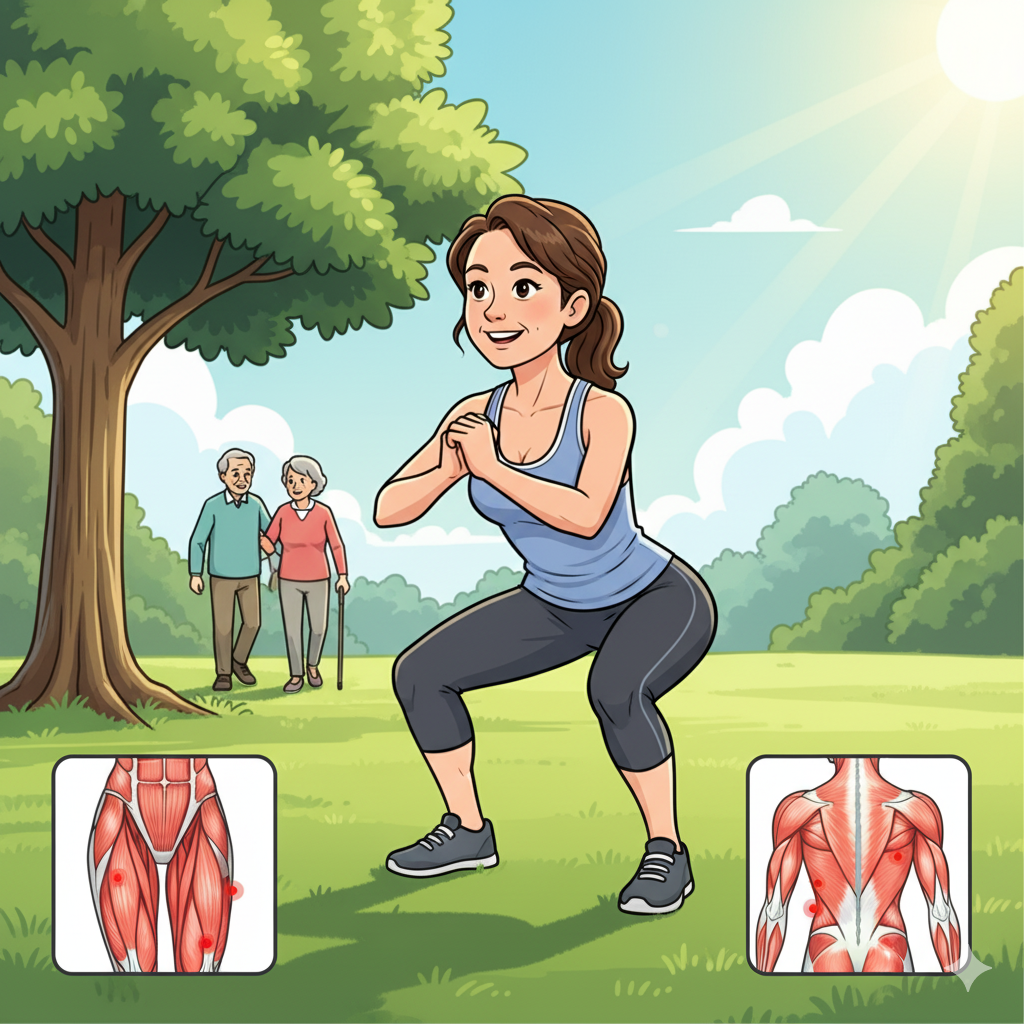
If you're in your 40s, 50s, or beyond, you might think of fitness in terms of walking, jogging, or doing a bit of cardio to stay healthy. Those things are great for your heart, but there is one type of exercise that is truly non-negotiable for anyone who wants to live a long, independent, and high-quality life: strength training.
Strength training isn’t just about looking good, it’s about having a strong, resilient body that fights back against aging. It is, quite literally, the medicine you need to keep your independence, protect your joints, and manage your health for decades to come.
Here is the compelling case for why lifting weights (or using resistance bands, or your own body weight) becomes the most important workout you do after age 40.
1. The Fight Against Sarcopenia (Muscle Loss)
After about age 30, the average person starts to lose muscle mass at a rate of 3–8% per decade. This muscle loss is called sarcopenia, and it’s a silent thief of your strength and metabolism. By the time you hit your 60s or 70s, this loss can make simple tasks incredibly difficult.
The Solution: Strength training is the only way to stop and reverse sarcopenia. It sends a powerful signal to your muscles to not just hold onto the mass you have, but to actually build new muscle tissue. More muscle means more strength to carry groceries, pick up grandkids, and feel powerful every day.
2. Building Stronger Bones (The Osteoporosis Defense)
Osteoporosis, or weak bones, is a major health risk as we age, especially for women. A single fall that results in a hip fracture can seriously impact a person's independence and quality of life.
The Solution: Strength training is one of the best defenses against bone loss. When you lift weights, your muscles pull on your bones. This stress signals the bone cells to grow denser and stronger. This process is called bone density improvement. By stressing the bones in a safe, controlled way, you make them more resilient and less likely to break in a fall.
3. Boosting Your Metabolism (The Efficient Engine)
Muscle tissue is metabolically active, which means it burns more calories at rest than fat tissue does. As you lose muscle mass with age, your metabolism naturally slows down, making it easier to gain weight.
The Solution: When you build muscle through strength training, you effectively turn up your body’s furnace. This increase in muscle mass helps you burn more calories around the clock, making weight management much easier and more sustainable in the long run.
4. Supporting Hormonal Health
Aging is often accompanied by changes in hormone levels, which can affect everything from energy and mood to body composition.
The Solution: Resistance exercise has been shown to positively influence key hormones. It can help improve insulin sensitivity (important for fighting type 2 diabetes) and even boost natural growth hormone, which aids in recovery and repair. Strength training gives you a natural, healthy way to support your body's internal chemistry.
5. Keeping Your Independence (Functional Longevity)
This is the most critical reason of all. Longevity isn't just about living a long time; it's about living a high-quality long time.
The Solution: Strong legs and core muscles built through strength training are what allow you to get up off the floor without help, stand up from a low chair easily, and maintain balance to prevent falls. These are called functional movements, and they are the movements that define your ability to live independently. By prioritizing strength now, you are investing directly in your freedom tomorrow.
Getting Started Safely
It's never too late to start a strength program! If you are new to it, remember these three simple rules:
Prioritize Form Over Weight: Focus on doing every lift perfectly. If you can’t maintain good form, the weight is too heavy.
Focus on Compound Movements: These are exercises that use multiple joints and muscle groups, like squats, lunges, push-ups (or wall push-ups), and rows. These give you the most "bang for your buck."
Start with What You Have: You don't need a gym full of equipment. Bodyweight exercises (squats, lunges, planks) are a fantastic place to begin, or you can use inexpensive resistance bands or dumbbells.
If you want to keep playing, traveling, and living life to the fullest well into your later years, you can’t afford to skip strength training. It is the core investment in your legacy of health.

Hormones and Health: The Fitness Guide for Women in Their 30s, 40s, and Beyond
Navigating hormonal changes can feel frustrating, but it doesn't have to be. By adjusting your fitness routine to include more strength training and stress management, and by fueling your body with the right nutrients, you can feel strong, energized, and in control.

As women move through their 30s, 40s, and into their 50s, many start to notice a few changes. The workout that used to work so well for weight management might not seem as effective anymore. It might feel harder to build muscle or easier to gain a little weight around the middle. If you’ve experienced this, you’re not imagining things. These changes are often linked to shifts in your body’s hormones.
Your hormones are like messengers that tell your body what to do. As you get older, the levels of key hormones like estrogen and progesterone begin to change. These shifts can affect everything from your metabolism and muscle mass to your energy levels and sleep patterns. But this isn't a dead end! By understanding these changes, you can adjust your fitness routine and diet to work with your body, not against it.
The Hormone Connection
Estrogen: This hormone plays a role in where your body stores fat. As estrogen levels start to drop, fat storage tends to shift from your hips and thighs to your abdomen, which can be frustrating.
Progesterone: A key player in your monthly cycle, progesterone levels also begin to change. This can affect your sleep and stress levels, which in turn impacts your energy and recovery.
Cortisol: Often called the "stress hormone," cortisol levels can rise when you’re under pressure or not getting enough sleep. High cortisol can cause your body to hold on to fat, especially around your stomach.
The New Fitness Rules
Since the old rules don't always apply, here's how to build a routine that truly supports your body in this new phase of life.
Embrace Strength Training: This is the most important change you can make. As you age, your body naturally loses muscle mass, which slows down your metabolism. Lifting weights is the best way to fight this. Building and maintaining muscle will help you burn more calories, even when you’re resting. Aim for two to three strength training sessions per week, focusing on major muscle groups with exercises like squats, deadlifts, and rows.
Rethink Your Cardio: While cardio is still great for your heart, endless hours on the treadmill might not be the most effective for fat loss, especially if it's stressing your body out. Instead of long, slow cardio, consider mixing in some high-intensity interval training (HIIT). Short bursts of intense effort followed by rest can be more time-efficient and can help your body burn fat more effectively.
Prioritize Sleep: Sleep is when your body does its most important repair work. It helps regulate your hormones, especially cortisol. Aim for 7-9 hours of quality sleep each night. A consistent sleep schedule and a relaxing bedtime routine can make a big difference.
Manage Stress: Chronic stress can be a major roadblock to your fitness goals. High cortisol levels can slow your metabolism and increase cravings for unhealthy foods. Find ways to manage stress that work for you, whether it's through meditation, walking in nature, yoga, or simply taking a few minutes for yourself each day.
The Nutrition Piece of the Puzzle
What you eat is just as important as how you move. As your body changes, so should your diet.
Pump Up the Protein: Protein is essential for building and maintaining muscle mass. Make sure you’re getting enough protein at every meal. Lean sources like chicken, fish, eggs, and legumes are great choices.
Focus on Whole Foods: A diet rich in fruits, vegetables, and whole grains provides your body with the nutrients it needs to function at its best. These foods help manage blood sugar levels and keep your energy steady.
Stay Hydrated: Drinking enough water is crucial for a healthy metabolism, energy levels, and overall health.
Navigating hormonal changes can feel frustrating, but it doesn't have to be. By adjusting your fitness routine to include more strength training and stress management, and by fueling your body with the right nutrients, you can feel strong, energized, and in control. This is a journey of celebrating your body's strength and resilience at every stage of life.