
Is Your Nutrition Plan Adaptable? Why Rigid Diets Fail
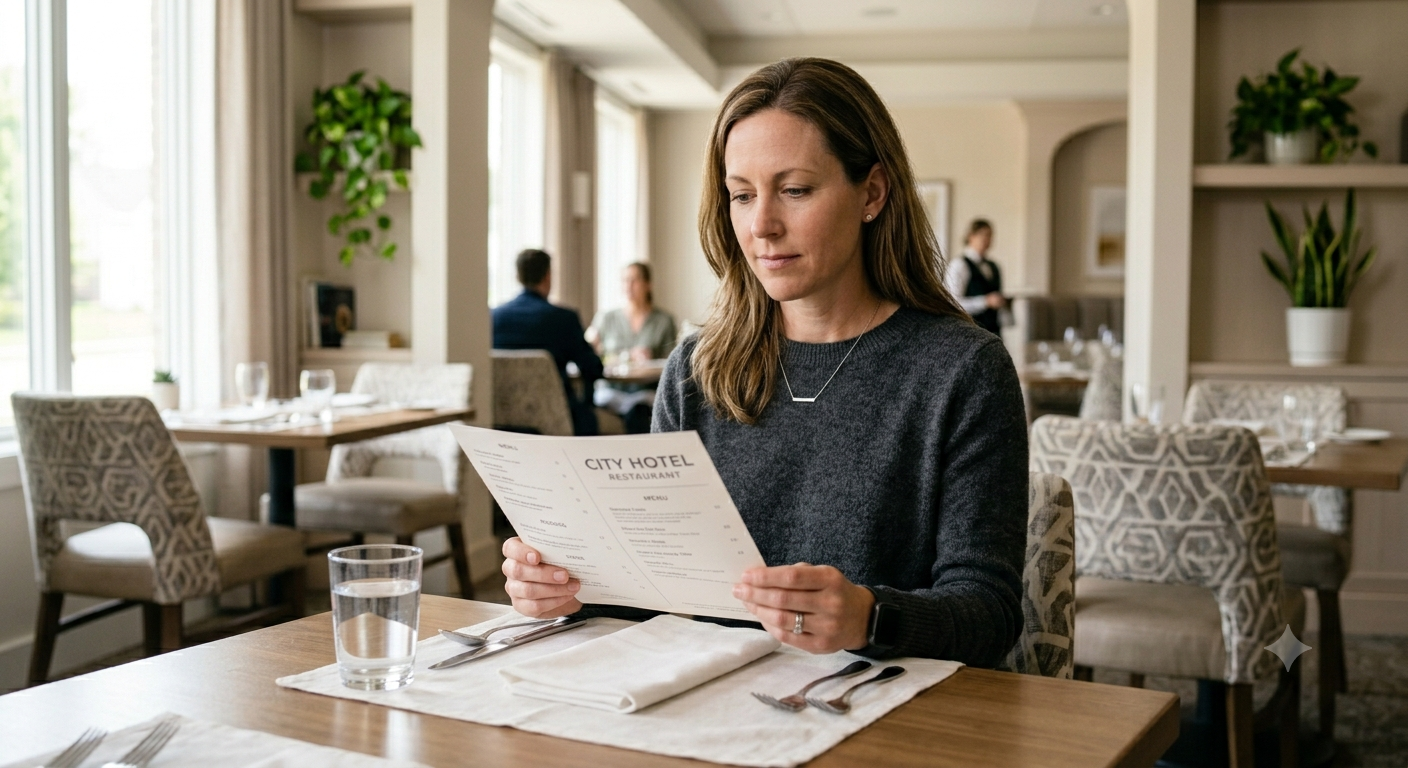
This image was created using AI to avoid copyright issues while conveying the context of this article.
You followed the plan perfectly for three weeks. Meal prep on Sunday, macros tracked, nothing off-script. Then a work trip hit. Or a dinner out with clients. Or you just had a week where everything went sideways. And instead of adjusting, the whole thing collapsed.
That's not a discipline problem. That's a design flaw.
Rigid diets are built for ideal conditions, and ideal conditions are rare in the life of a busy professional. What looks like a sustainable plan on paper becomes a liability the moment your schedule shifts, which it always does. If your nutrition strategy can't bend, it will break, and it will take your confidence with it when it goes.
Why Rigid Plans Feel Safe (But Aren't)
There's a reason people are drawn to strict protocols. Rules feel safe. When someone tells you to eat exactly this, in exactly this amount, at exactly these times, there's no guesswork. It feels like control.
But that sense of control is fragile. It only holds when your environment cooperates. The moment you're eating at an airport, attending a catered event, or dealing with a week of back-to-back meetings, the rules fall apart. And when the rules fall apart, most people don't adapt. They quit.
Research consistently shows that dietary flexibility is one of the strongest predictors of long-term adherence. It's not the strictest plans that produce lasting results; it's the ones people can actually stick to across the long, messy arc of real life.
The Real Problem with All-or-Nothing Thinking
Rigid plans breed an all-or-nothing mindset. If you ate the wrong thing, the day is blown. If you missed the window, the week is shot. You end up in a cycle of perfect weeks followed by total abandonment, and every restart feels harder than the last.
This pattern is especially common among high-performing professionals. You're used to executing at a high level. When a system breaks down, there's a strong pull to scrap it entirely and start over with something stricter. But nutrition doesn't work like a project plan. It's not something you execute once and move on from. It's a practice you return to every single day, under different circumstances, with different variables.
Flexibility isn't a compromise. It's a feature.
What an Adaptable Nutrition Plan Actually Looks Like
An adaptable plan isn't a loose plan. It's a plan built with decision rules, not rigid scripts.
Instead of "eat 40 grams of protein at 7am," an adaptable approach sounds like: "Prioritize protein at every meal, and if I'm eating out, I'll anchor my plate around a protein source and build from there." Instead of "no carbs after 6pm," it sounds like: "On high-activity days, I'll include more carbs. On lower-activity days, I'll pull back."
This kind of thinking keeps your core principles intact while giving you room to operate in the real world. You're not winging it. You're applying judgment within a framework you understand.
The building blocks of a flexible plan include: a solid grasp of your caloric range (not a single target number), a working knowledge of protein priorities, a few go-to meals you can execute anywhere, and a recovery strategy for days that go off-plan. That last piece matters more than most people realize. Knowing how to get back on track in 24 hours is more valuable than having a flawless week.
Travel, Restaurants, and the High-Variability Week
The true test of a nutrition plan isn't how it performs when you're home, rested, and in control of your kitchen. It's how it holds up during a three-day conference, a family visit, or a week where work pushes everything else to the margins.
Adaptable eaters have a few tools that rigid dieters don't. They know how to read a menu and make a reasonable call without spiraling. They understand that one or two less-than-perfect meals don't move the needle on their overall progress. They've built the habit of returning to their baseline quickly, without guilt and without a long recovery ramp.
The goal isn't perfection. The goal is consistency over time, and consistency requires flexibility.
Building the Habit of Adjusting, Not Abandoning
Adaptability is a skill. It gets better with practice. The more you make in-the-moment adjustments and see that the plan survives, the more confident you become in your ability to navigate real-world situations without losing progress.
Start by identifying your highest-variability scenarios: travel, social events, high-stress weeks. Then build a decision framework for each one. It doesn't need to be complicated. A few simple rules that keep your priorities in place are far more powerful than a detailed plan that falls apart under pressure.
Ask yourself: what does "good enough" look like in this situation? Because good enough, consistently applied, will outperform perfect, intermittently achieved, every time.
At Legacy Fitness, we help our clients build nutrition strategies that actually fit their lives, not the other way around. If your current plan only works when everything goes right, it's time to build something better.
