
Hydration Beyond Water: The Role of Electrolytes and Minerals
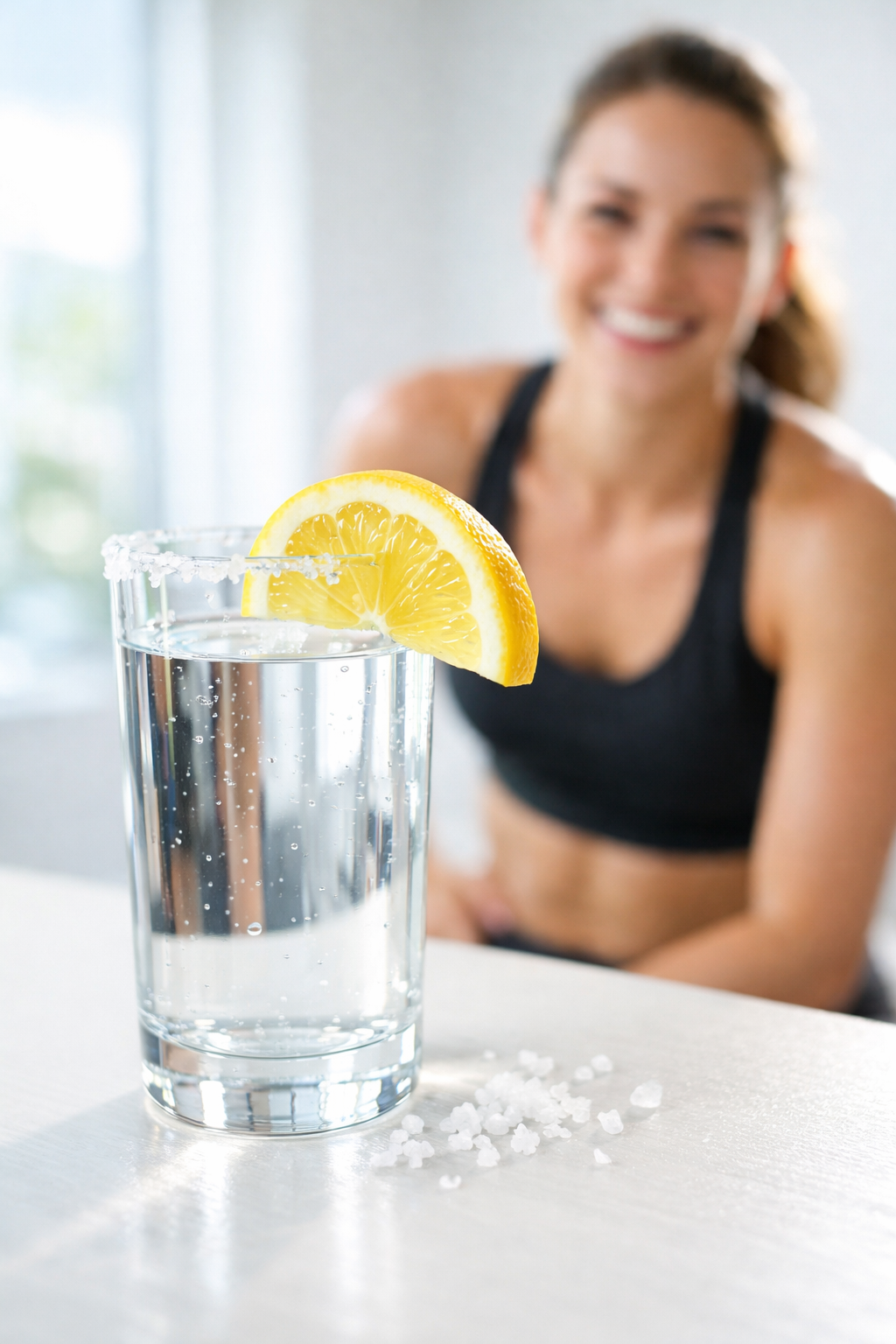
This image was created using AI to avoid copyright issues while conveying the context of this article.
We have all heard the advice: "Drink eight glasses of water a day." We carry around giant water bottles and try to sip on them from morning until night. But have you ever noticed that sometimes, no matter how much water you drink, you still feel thirsty? Or maybe you feel "waterlogged" and tired instead of energized?
The truth is that hydration is about much more than just the volume of liquid you swallow. It is about mineral balance. If you want to perform at your best, in the gym and in the office, you need to understand how your body actually absorbs fluid.
Water Needs a "Driver"
Think of your cells like a club with a security guard at the door. Water wants to get inside the club, but it isn't allowed in by itself. It needs a "driver" to show it the way. Those drivers are electrolytes.
Electrolytes are minerals like sodium, potassium, and magnesium. They carry an electrical charge that helps move water across your cell membranes. If you drink massive amounts of plain, filtered water without enough electrolytes, the water just passes through you. This is why you might find yourself running to the bathroom every 30 minutes but still feeling "dry" and fatigued.
The Sodium Myth
For years, we were told that salt was the enemy. But for active people, sodium is the most important electrolyte for hydration. When you sweat, even just a little bit, you lose salt.
If your sodium levels get too low, your brain starts to feel "foggy," and your muscles can start to cramp. For a high-performer, a small pinch of high-quality sea salt in your water (or eating mineral-rich foods) can actually improve your focus and stop those afternoon headaches.
Does Your Coffee Count?
There is a common myth that coffee dehydrates you because caffeine is a diuretic. You may have heard that for every cup of coffee you drink, you need to drink two cups of water to "make up for it."
The science says otherwise. While caffeine can have a slight diuretic effect, the water that makes up your coffee more than covers it. For regular coffee drinkers, coffee is actually a net positive for hydration. It counts toward your daily fluid goals!
However, the quality of your hydration still matters. While your morning brew provides fluid, it doesn't provide the high levels of electrolytes your body needs to stay balanced during a tough workout or a stressful day of meetings.
The "Big Three" Minerals for Hydration
To hydrate effectively, you need a balance of three key players:
Sodium: The primary driver that holds water in your blood and keeps your blood pressure stable.
Potassium: The partner to sodium that helps move water inside the cells. You can get this from avocados and coconut water.
Magnesium: This mineral helps your muscles relax and is involved in over 300 processes in your body.
How to Hydrate Like a Pro
If you want to move beyond just "drinking water" and start truly hydrating, try these steps:
Add a Pinch of Salt: If you use highly filtered water, it has been stripped of natural minerals. Add a tiny pinch of Himalayan pink salt to your morning glass. It helps the water actually get into your cells.
Eat Your Water: Fruits and vegetables like cucumbers and celery are packed with "structured water" that comes naturally packaged with minerals.
Balance Your Brew: You don't need to give up your coffee! Just ensure you are balancing your day with mineral-rich fluids so your nervous system stays calm and hydrated.
The Focus Connection
Dehydration is a leading cause of "afternoon brain fog." Even a small drop in hydration can lead to a big decrease in brain power. You might think you need another espresso, but what your brain actually needs is a glass of water with some electrolytes.
Building Your Legacy
At Legacy Fitness, we focus on the small details that make a big difference. Proper hydration isn't just about surviving; it is about thriving. When your cells are fully hydrated, you think faster, move better, and recover more quickly. This week, stop just "chugging" water. Start thinking about your minerals.
