
Grip Strength: The Longevity Metric You Can’t Ignore
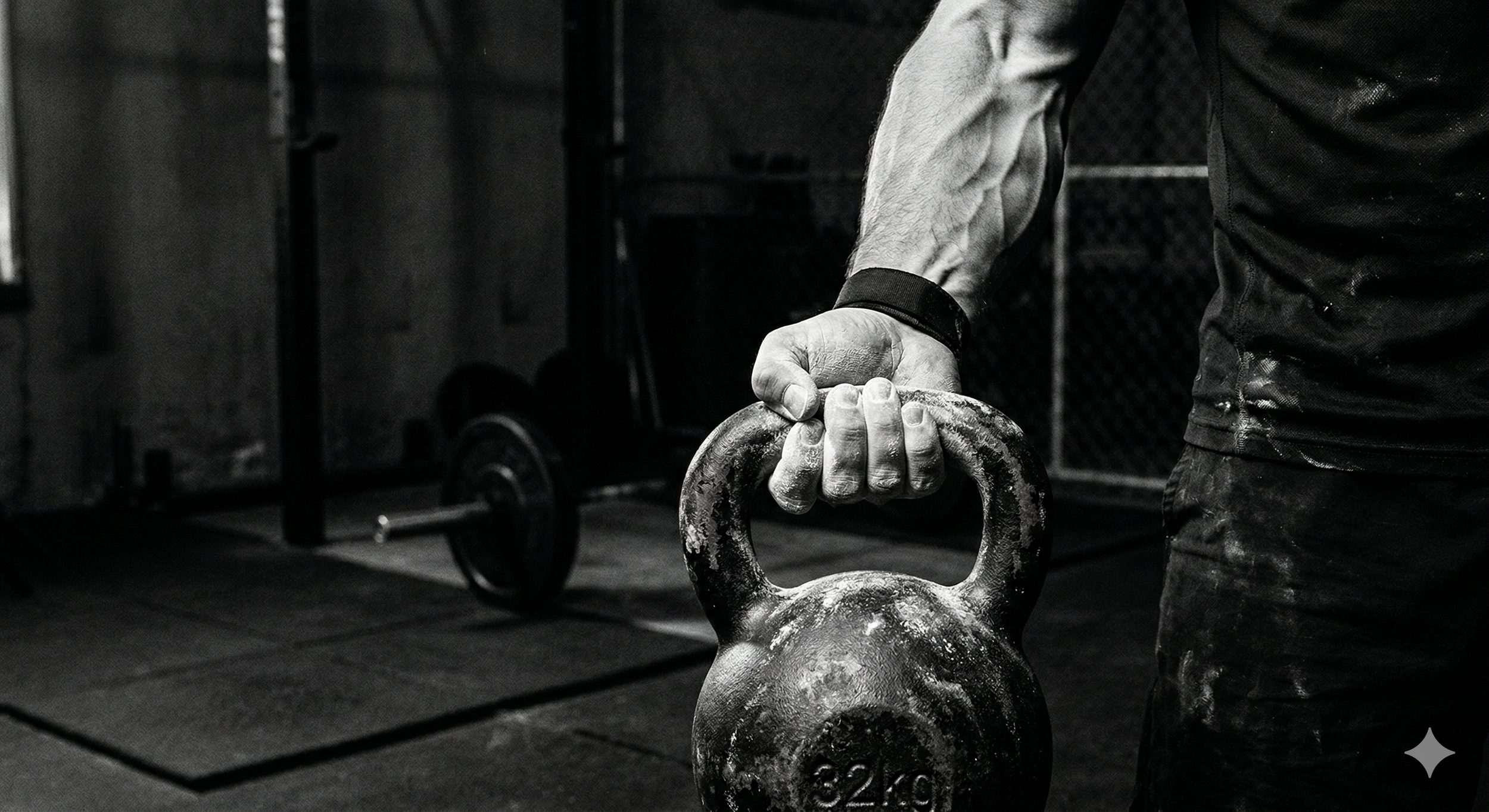
This image was created using AI to avoid copyright issues while conveying the context of this article.
If you walked into a doctor’s office for a check-up, you would expect them to take your blood pressure and check your heart rate. But there is another test that many experts believe is just as important for predicting your long-term health: how hard you can squeeze a handle.
This is your grip strength. While it might seem like a small detail, science has shown that the strength of your hands is one of the most powerful "crystal balls" we have for predicting how long (and how well) you will live.
Why Your Hands Tell Your Health Story
Your grip strength is a "proxy" for your overall muscle mass and the health of your nervous system. To have a strong grip, your brain has to send a powerful signal through your nerves to the muscles in your forearms and hands.
If that signal is weak, or if those muscles have wasted away, it’s often a sign that the rest of your body is struggling, too. Large-scale studies have found that people with higher grip strength tend to have:
Lower Risk of Heart Disease: A stronger grip is linked to a healthier heart.
Better Brain Health: There is a direct connection between hand strength and cognitive function as we age.
Increased Independence: Being able to carry your own groceries, open jars, and lift yourself up prevents the "frailty" that leads to many problems later in life.
It’s Not Just for Seniors
While grip strength is a major focus for longevity in older adults, it’s something we should be mindful of at every stage of life. Whether it’s a toddler learning to climb and carry weighted objects or an adult in the prime of their career, developing that "crushing power" pays dividends.
In fact, if you find that your grip is the "weak link" during your workouts, meaning your hands give out before your legs do during a deadlift, it is a sign that your body has more potential than your hands are currently allowing you to use.
The "Deadlift" Connection
One of the best ways to improve grip strength is through "big" movements like deadlifts and lat pull-downs. When you hold onto a heavy barbell or a pull-down bar, you aren't just training your back and legs; you are forcing your hands and forearms to adapt to a high level of tension.
For many, the simple act of holding a heavy weight for 30 to 60 seconds is enough to trigger massive improvements in hand health.
How to Build a "Legacy" Grip
You don't need fancy machines to improve your grip. You can build world-class hand strength with just a few simple habits:
Farmer’s Carries: This is the king of grip exercises. Pick up two heavy dumbbells or kettlebells and walk for 40 yards. Keep your chest up and your grip tight. This mimics "real-world" strength better than almost anything else.
Dead Hangs: Find a pull-up bar and simply hang from it for as long as you can. Aim for 30 seconds at first, and work your way up to a full minute. This decompresses your spine while building incredible forearm endurance.
Plate Pinches: Take two weight plates and pinch them together with just your fingers and thumb. Hold them for time. This builds "pinch" strength, which is vital for dexterity.
Stop Using Straps (At First): If you use lifting straps for every set in the gym, your grip never has to work. Try to do your "warm-up" and "moderate" sets without straps to give your hands a chance to grow stronger.
A Metric for Life
At Legacy Fitness, we talk a lot about "Muscle for Life." We want you to be the person who can still carry their own luggage at 75 and still play with their grandkids on the floor at 80.
Grip strength is the foundation of that independence. It is a simple, measurable way to track your vitality. So, the next time you pick up a heavy weight, don't just think about your muscles, think about your grip. It’s the literal handle on your long-term health.
