
Hydration Beyond Water: The Role of Electrolytes and Minerals
Stop just "chugging" water. Start thinking about your minerals.
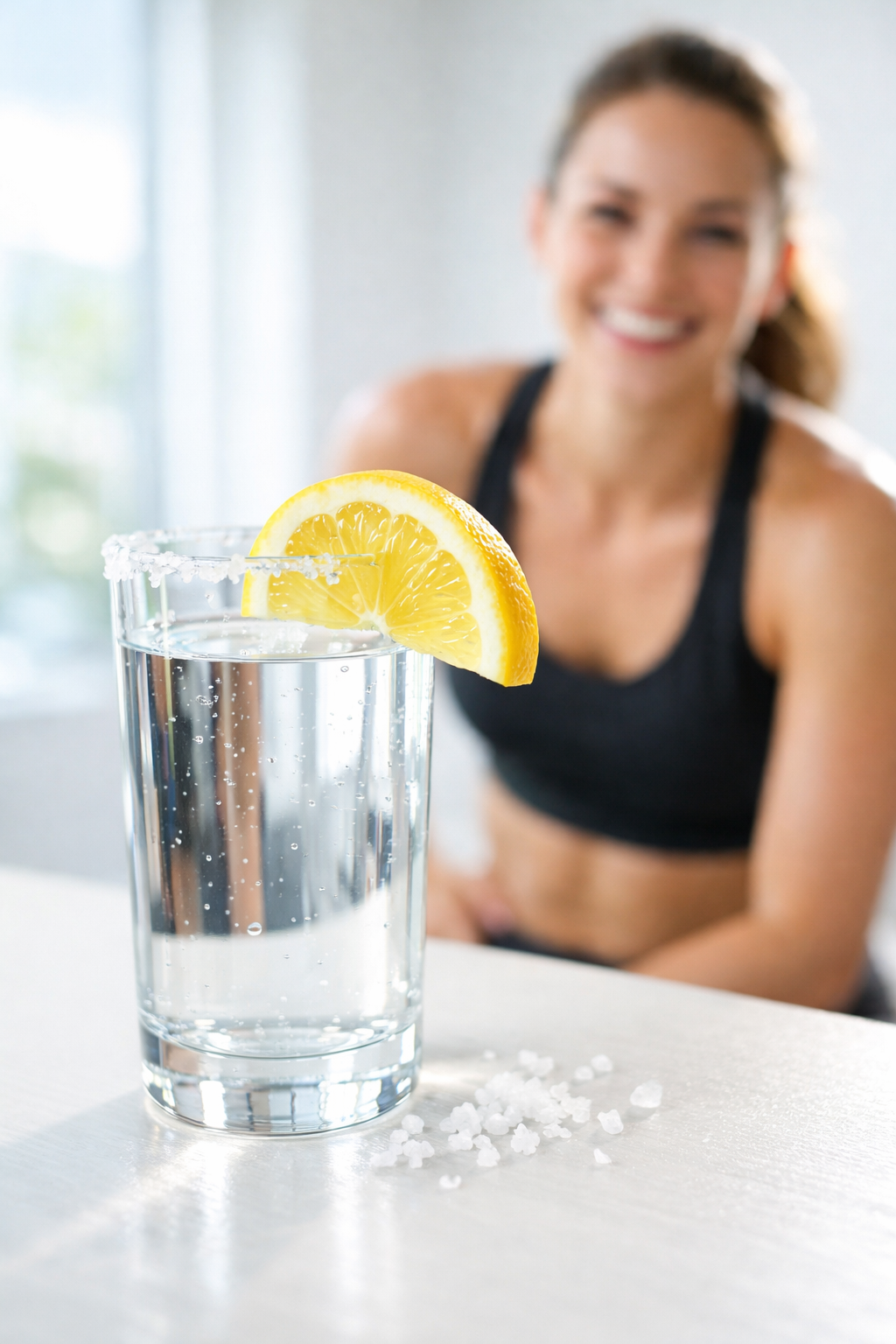
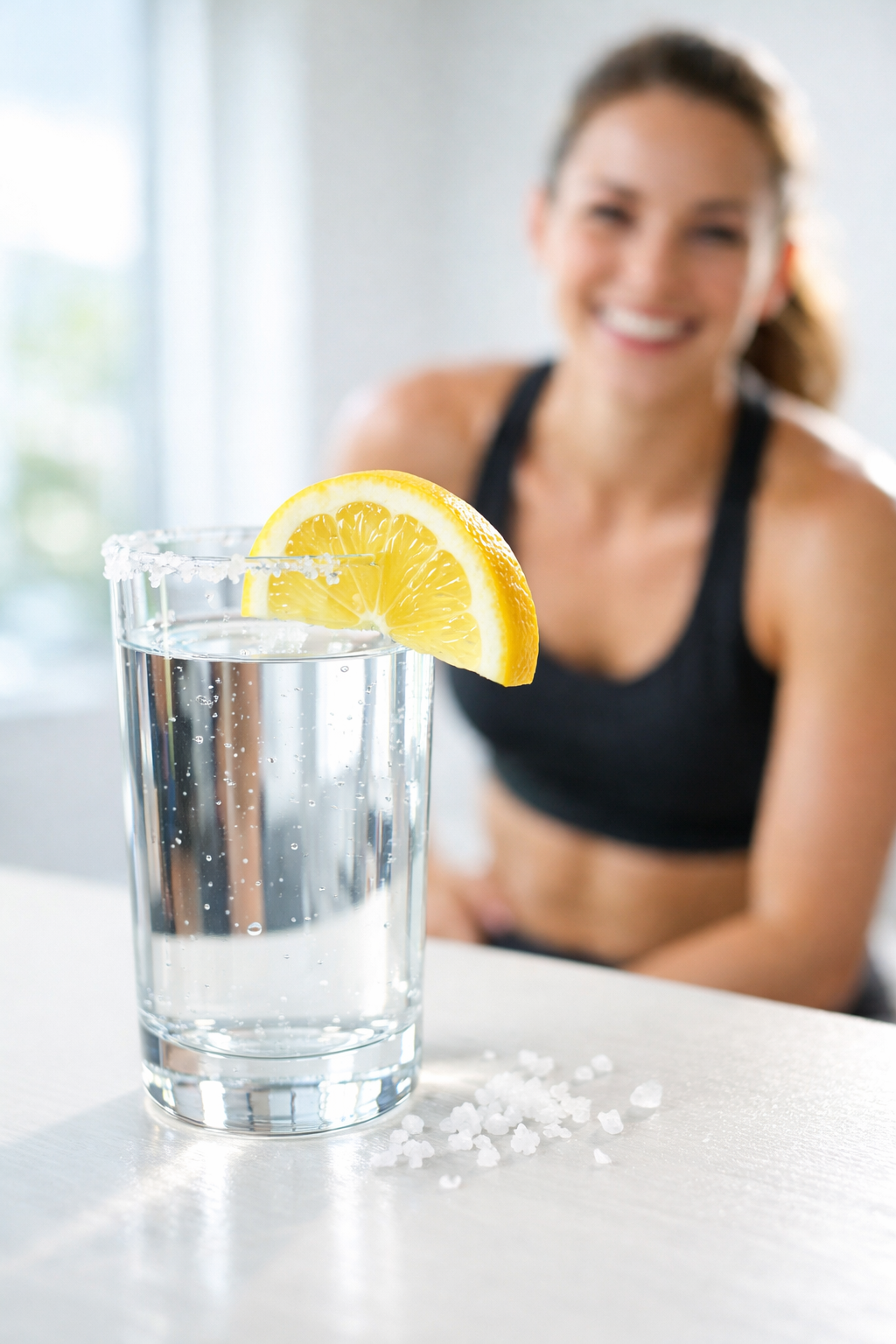
This image was created using AI to avoid copyright issues while conveying the context of this article.
We have all heard the advice: "Drink eight glasses of water a day." We carry around giant water bottles and try to sip on them from morning until night. But have you ever noticed that sometimes, no matter how much water you drink, you still feel thirsty? Or maybe you feel "waterlogged" and tired instead of energized?
The truth is that hydration is about much more than just the volume of liquid you swallow. It is about mineral balance. If you want to perform at your best, in the gym and in the office, you need to understand how your body actually absorbs fluid.
Water Needs a "Driver"
Think of your cells like a club with a security guard at the door. Water wants to get inside the club, but it isn't allowed in by itself. It needs a "driver" to show it the way. Those drivers are electrolytes.
Electrolytes are minerals like sodium, potassium, and magnesium. They carry an electrical charge that helps move water across your cell membranes. If you drink massive amounts of plain, filtered water without enough electrolytes, the water just passes through you. This is why you might find yourself running to the bathroom every 30 minutes but still feeling "dry" and fatigued.
The Sodium Myth
For years, we were told that salt was the enemy. But for active people, sodium is the most important electrolyte for hydration. When you sweat, even just a little bit, you lose salt.
If your sodium levels get too low, your brain starts to feel "foggy," and your muscles can start to cramp. For a high-performer, a small pinch of high-quality sea salt in your water (or eating mineral-rich foods) can actually improve your focus and stop those afternoon headaches.
Does Your Coffee Count?
There is a common myth that coffee dehydrates you because caffeine is a diuretic. You may have heard that for every cup of coffee you drink, you need to drink two cups of water to "make up for it."
The science says otherwise. While caffeine can have a slight diuretic effect, the water that makes up your coffee more than covers it. For regular coffee drinkers, coffee is actually a net positive for hydration. It counts toward your daily fluid goals!
However, the quality of your hydration still matters. While your morning brew provides fluid, it doesn't provide the high levels of electrolytes your body needs to stay balanced during a tough workout or a stressful day of meetings.
The "Big Three" Minerals for Hydration
To hydrate effectively, you need a balance of three key players:
Sodium: The primary driver that holds water in your blood and keeps your blood pressure stable.
Potassium: The partner to sodium that helps move water inside the cells. You can get this from avocados and coconut water.
Magnesium: This mineral helps your muscles relax and is involved in over 300 processes in your body.
How to Hydrate Like a Pro
If you want to move beyond just "drinking water" and start truly hydrating, try these steps:
Add a Pinch of Salt: If you use highly filtered water, it has been stripped of natural minerals. Add a tiny pinch of Himalayan pink salt to your morning glass. It helps the water actually get into your cells.
Eat Your Water: Fruits and vegetables like cucumbers and celery are packed with "structured water" that comes naturally packaged with minerals.
Balance Your Brew: You don't need to give up your coffee! Just ensure you are balancing your day with mineral-rich fluids so your nervous system stays calm and hydrated.
The Focus Connection
Dehydration is a leading cause of "afternoon brain fog." Even a small drop in hydration can lead to a big decrease in brain power. You might think you need another espresso, but what your brain actually needs is a glass of water with some electrolytes.
Building Your Legacy
At Legacy Fitness, we focus on the small details that make a big difference. Proper hydration isn't just about surviving; it is about thriving. When your cells are fully hydrated, you think faster, move better, and recover more quickly. This week, stop just "chugging" water. Start thinking about your minerals.

Beyond Water: The New Hydration Strategy that Optimizes Electrolytes, Energy, and Performance
If you’re exercising consistently, managing high stress, and drinking gallons of plain water every day, you might actually be missing a critical piece of the performance puzzle.

You know you need to drink water. It’s the most basic rule of health and fitness. But if you’re exercising consistently, managing high stress, and drinking gallons of plain water every day, you might actually be missing a critical piece of the performance puzzle.
The new focus in sports and wellness is moving beyond water to a smarter approach called "Electrolyte Optimization." If you want steady energy through your mid-week slump and faster recovery from your fall workouts, you need to understand that hydration is about more than just volume, it's about balance.
The Problem with Just Drinking Water
When you sweat during a workout, in a high-stress meeting, or even while sleeping, you don't just lose water; you lose electrolytes. These are essential minerals (like sodium, potassium, and magnesium) that carry electrical signals your body needs to function.
If you drink massive amounts of plain water without replacing those lost electrolytes, you can dilute the ones you have left. This can lead to:
Cramps and Muscle Spasms: Especially during or after a workout.
Fatigue and Brain Fog: Your brain needs electrolytes for proper function.
Poor Recovery: Muscle repair slows down without the right mineral balance.
To truly hydrate, you need a strategy that puts back what you lose, especially as you increase your physical activity this fall.
The Electrolyte Power Trio
To optimize your energy and recovery, focus on getting these three key electrolytes:
1. Sodium (The Key Conductor)
Salt is often demonized, but it’s crucial for athletes and active people. It regulates fluid balance in and out of your cells and drives your thirst mechanism. Without enough sodium, your body can’t hold onto the water you drink.
Action: For hard, sweaty workouts, add a pinch of high-quality sea salt or a small amount of electrolyte powder to your water bottle.
2. Potassium (The Muscle Regulator)
Potassium works with sodium to balance the fluids inside your cells. It's essential for nerve signaling, muscle contraction, and preventing cramps.
Action: Don’t rely on supplements; eat potassium-rich foods like bananas, spinach, sweet potatoes, and avocados. These also provide great nutrients.
3. Magnesium (The Relaxation Mineral)
Magnesium is a powerhouse involved in over 300 body processes, including muscle relaxation and energy production. It is a vital tool for stress management and sleep quality (key for your October goals).
Action: Snack on almonds and cashews, or make sure to include dark leafy greens and dark chocolate (in moderation) in your diet.
Your Daily Hydration Game Plan
Don’t wait until you're thirsty to drink; thirst is already a sign you’re behind. Use this simple daily strategy:
Start Strong: Drink a large glass of water with a pinch of sea salt and lemon juice immediately upon waking. This kick-starts your hydration and electrolyte balance after hours of sleep.
During Workouts: If you sweat heavily for more than 45 minutes, use an electrolyte mix (like LMNT, and no I’m not sponsored, yet…lol) or a homemade solution (water, small amount of salt, and a dash of fruit juice).
Post-Workout Snack: Combine hydration with recovery. A glass of low-fat milk, a banana, or coconut water are all excellent sources of natural electrolytes and necessary nutrients.
By focusing on a smarter, electrolyte-optimized approach, you will maximize your energy, reduce the risk of cramps, and ensure your body is fully ready to take on the demands of a busy autumn.