
The Truth About Creatine for Every Age
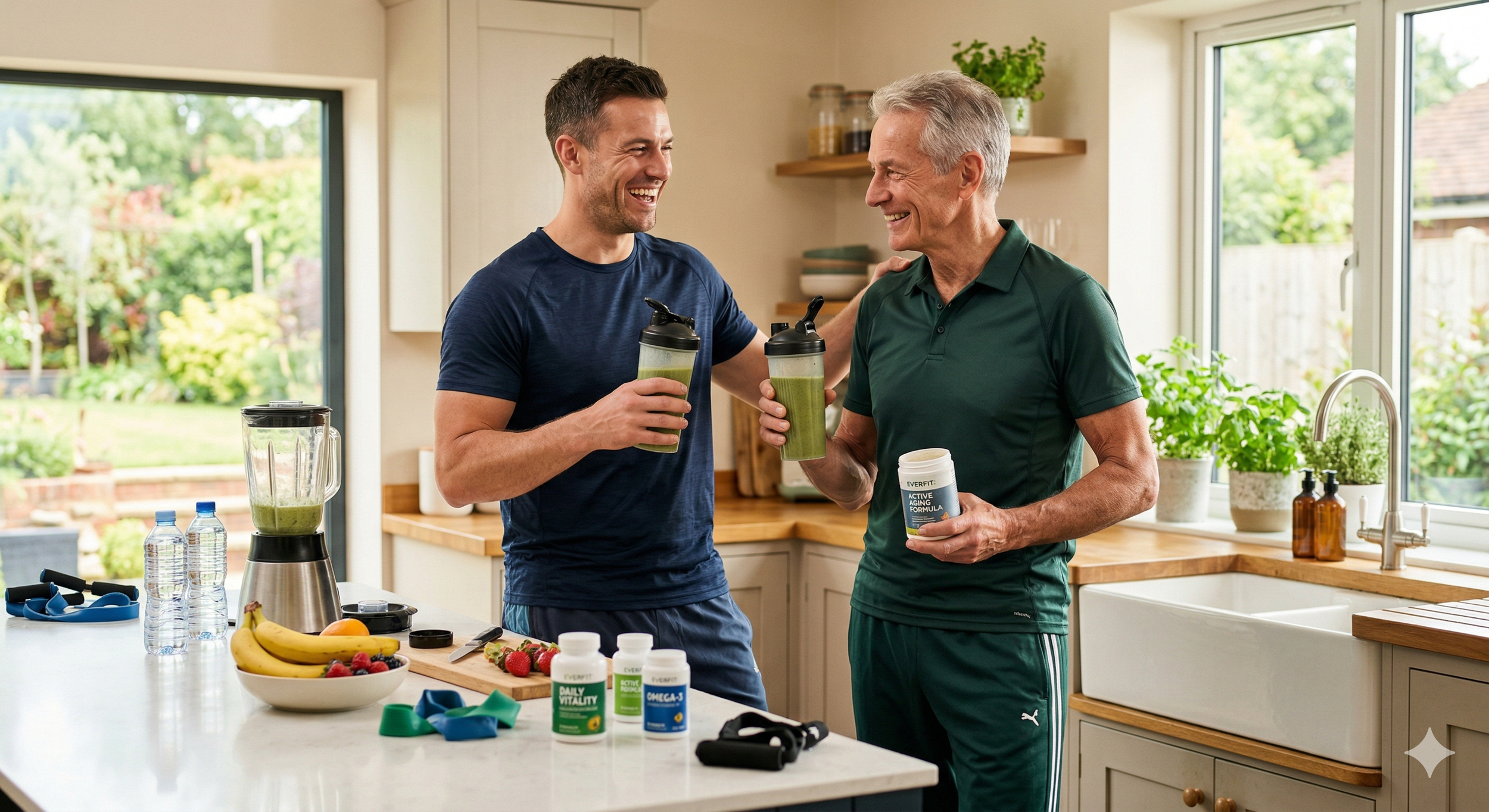
This image was created using AI to avoid copyright issues while conveying the context of this article.
If you walked into a gym twenty years ago and asked about creatine, most people would tell you it was only for bodybuilders who wanted to "bulk up." Fast forward to today, and the conversation has completely changed. Scientists now consider creatine to be one of the most researched and effective supplements in the world, not just for muscle, but for your brain and long-term health.
Whether you are a 25-year-old athlete or a 65-year-old looking to stay active, creatine has something to offer. It is time to clear up the myths and look at why this simple supplement is becoming a staple for people of every age.
What is Creatine, Anyway?
Creatine is a natural compound found in your muscle cells. It helps your muscles produce energy during heavy lifting or high-intensity exercise. Your body produces some of it naturally, and you get more from eating red meat and fish. However, to get enough to see a real health benefit, many people choose to take a small daily dose of "creatine monohydrate."
It isn't a steroid, it isn't a stimulant, and it won't make you look like a bodybuilder overnight unless you are doing the extreme training required to get there.
The Benefit for the Younger Athlete
For younger people, the benefits of creatine are well-known. It helps you recover faster between sets in the gym. It allows you to push for that extra rep, which leads to better strength gains over time. It also helps with "cell hydration," which means it pulls water into your muscle cells. This doesn't just make them look fuller; it actually helps the muscles repair themselves more efficiently.
The "Secret" Benefit: Brain Health
This is where the research gets really exciting. Your brain, just like your muscles, uses a lot of energy. Recent studies have shown that creatine can help with "mental fatigue." If you have a job that requires intense focus, or if you feel "brain fog" after a long day, creatine might help.
There is even evidence that it can help with memory and cognitive processing. As we age, keeping our brains sharp is just as important as keeping our bodies strong, and creatine is proving to be a powerful ally for both.
Why Seniors Should Consider It
As we get older, we naturally begin to lose muscle mass and bone density. This is a process called sarcopenia. Maintaining muscle is one of the best ways to prevent falls and stay independent as you age.
Creatine, when combined with even light resistance training, has been shown to help older adults maintain their strength better than training alone. It helps keep your muscles "responsive." For a senior, the benefit isn't about a bench press record; it’s about having the leg strength to get out of a chair easily or carry groceries without struggle.
Is It Safe?
Creatine is one of the most tested supplements in history. Thousands of studies have shown that it is safe for long-term use in healthy individuals. The old myths about it damaging the kidneys have been debunked many times over.
The most common "side effect" is a slight increase in water weight, but remember: that water is going inside the muscle cells where you want it, not just sitting under the skin.
How to Take It
You don't need fancy "loading phases" or expensive "buffered" versions. Simple creatine monohydrate is the gold standard.
The Dose: Most people see full benefits with just 3 to 5 grams a day (about one small scoop).
The Timing: It doesn't matter when you take it, as long as you take it consistently. Mix it with your morning water, coffee, or a protein shake.
A Tool for Your Legacy
At Legacy Fitness, we are about longevity. We want you to be the strongest version of yourself at every stage of life. Creatine is a simple, affordable, and safe tool that helps bridge the gap between "getting older" and "staying strong."
Whether you want to hit a new personal best or just want to stay sharp for your grandkids, it might be time to give creatine a second look.
