
The Pelvic Floor & Power: The Missing Link in Your Core
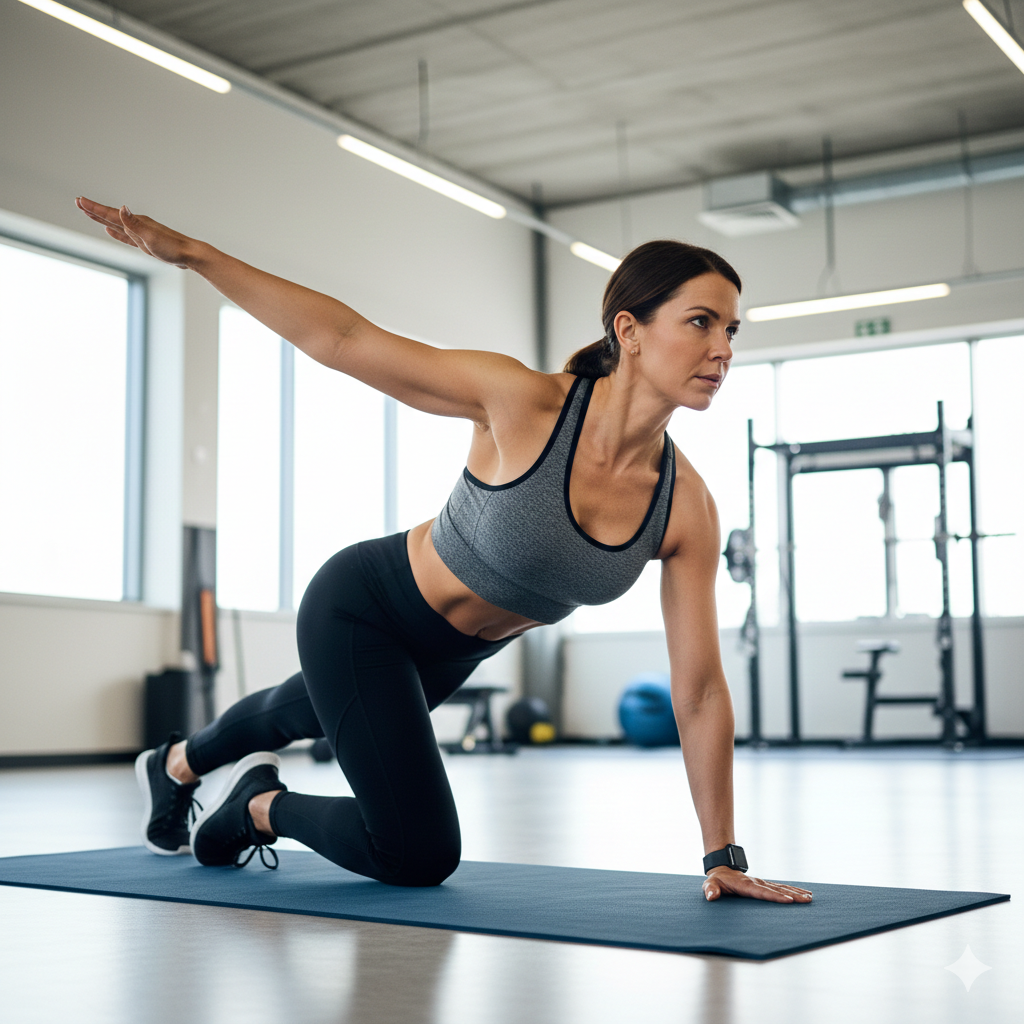
This image was created using AI to avoid copyright issues while conveying the context of this article.
When we talk about "core strength," most people immediately think of a six-pack. We picture sit-ups, planks, and leg raises. But your core is actually a 3D canister, and the most important part of that canister isn't the front, it’s the bottom.
Welcome to the Pelvic Floor. For a long time, pelvic floor health was only discussed in the context of women’s health after pregnancy. But in the world of high-performance fitness, we now know that a strong, functional pelvic floor is the secret to true power for both men and women. If you want to lift heavier, run faster, and protect your spine, you need to stop ignoring the floor of your core.
The Canister Concept
Think of your torso as a soda can.
The Top: Your diaphragm (your breathing muscle).
The Sides: Your abdominal muscles and back muscles.
The Bottom: Your pelvic floor.
If the bottom of that can is weak or "leaky," you cannot create internal pressure. Without that pressure, your spine isn't stable. When you go to lift a heavy grocery bag or a barbell, a weak pelvic floor can lead to lower back pain, hernia issues, or even "accidents" during high-impact movements like jumping or heavy squatting.
Power Starts from the Bottom Up
Your pelvic floor muscles are responsible for supporting your organs and controlling internal pressure. When you brace your core for a big movement, the pelvic floor should lift and contract to meet the pressure coming down from your diaphragm.
If this timing is off, your power "leaks" out. You might find that your strength has plateaued, or that you feel "unstable" even when your abs feel tight. By learning to engage the pelvic floor, you create a solid foundation that allows your bigger muscles (like your glutes and legs) to produce maximum force.
How to Train Your Floor
Training the pelvic floor isn't about doing a thousand "Kegels" while sitting at a red light. It’s about integration.
360-Degree Breathing: Instead of breathing into your chest, practice breathing into your ribs and belly. As you inhale, feel your pelvic floor relax and drop. As you exhale, feel a gentle lift.
The "Pre-Lift" Engagement: Before you start a heavy lift, exhale slightly and imagine "lifting" the muscles between your sit-bones. This creates a solid base before the weight even moves.
Core Integration: Movements like Dead Bugs or Bird-Dogs are perfect for learning how to keep the pelvic floor active while your arms and legs are moving.
Nutrition for Muscle Integrity
Just like every other muscle we’ve discussed this February, your pelvic floor requires the right fuel. The 4:1 Protein-to-Fiber ratio is vital here.
Protein: Provides the collagen and amino acids needed for the connective tissues and muscles of the pelvic bowl to stay resilient.
Fiber: This is a secret pelvic floor hack! Chronic constipation and straining are the #1 enemies of pelvic floor health. By hitting your fiber goals, you ensure smooth digestion, which prevents the unnecessary pressure that weakens these muscles over time.
The Legacy View
At Legacy Fitness, we don't just care about the muscles people can see. We care about the muscles that keep you functional for life. Pelvic floor health is about dignity, power, and long-term spinal safety.
This week, stop thinking of your core as just your "abs." Start thinking of it as a complete system. Breathe deep, lift from the bottom, and build a foundation that is truly unbreakable.
