

Alcohol & Muscle Protein Synthesis: The Hidden Cost of the "Nightcap"
Choose your indulgences wisely. It’s important to understand exactly what happens to your hard-earned progress when you mix a heavy training session with a few drinks.
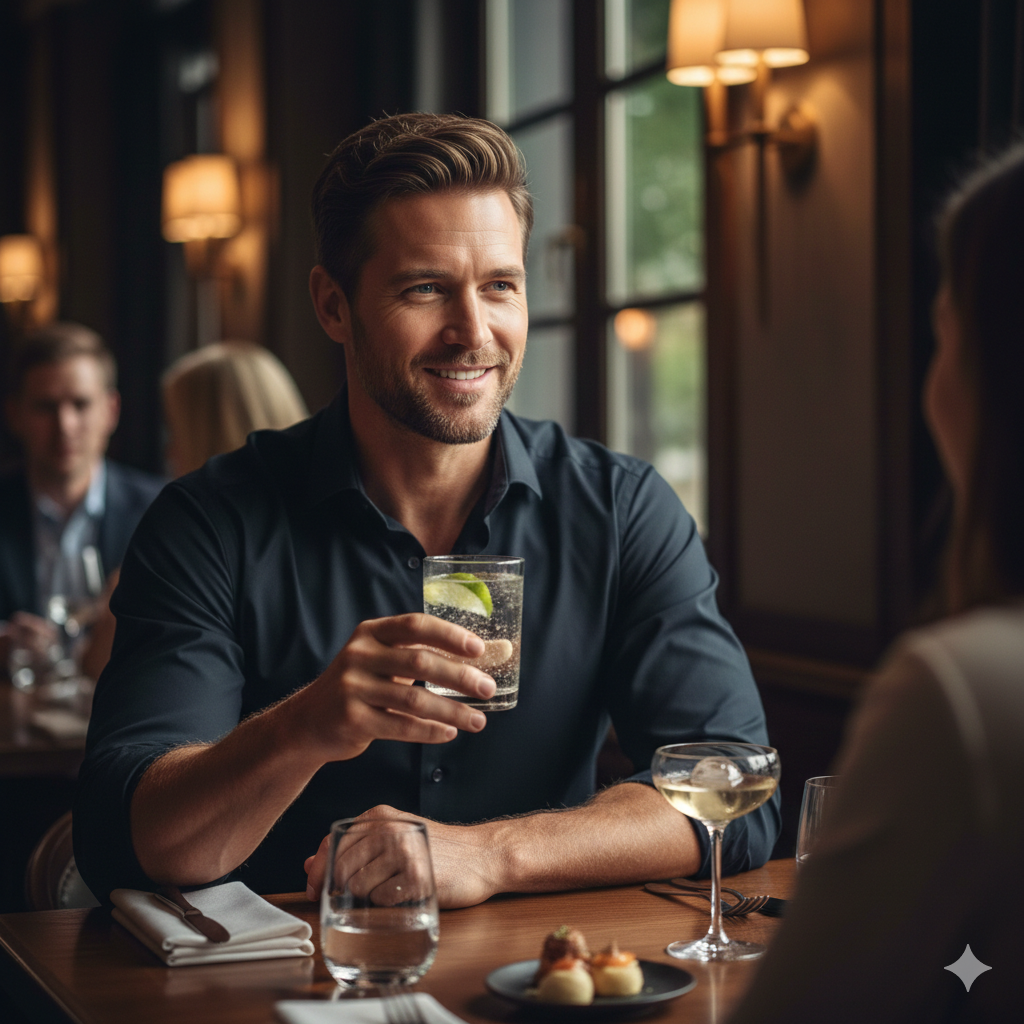
This image was created using AI to avoid copyright issues while conveying the context of this article.
As we approach the end of February, social calendars often start to fill up. Whether it’s a mid-week happy hour or a celebratory dinner, alcohol frequently makes an appearance. While we advocate for a life of balance, it’s important to understand exactly what happens to your hard-earned progress when you mix a heavy training session with a few drinks.
If you’ve been pushing yourself in our Pre-Spring Strength Phase, you need to know about the biological tug-of-war between alcohol and your muscles.
The Muscle Growth "Off Switch"
The process your body uses to repair and grow muscle tissue is called Muscle Protein Synthesis (MPS). When you lift weights, you "turn on" this switch. However, research has shown that consuming alcohol, especially in higher amounts, acts like a dimmer switch on this process.
Alcohol interferes with the signaling pathways (specifically one called mTOR) that tell your body to use protein to build muscle. Even if you hit your protein goals for the day, having several drinks after a workout can reduce your MPS by as much as 24% to 37%. Essentially, you are doing the work in the gym but blocking the results in the kitchen.
The Fat Loss Double-Whammy
Alcohol doesn't just stall muscle growth; it also prioritizes fat storage. Your body views alcohol as a toxin, meaning it stops burning fat and carbohydrates to focus entirely on clearing the alcohol from your system.
Liquid Calories: Most drinks are "empty" calories that provide no nutritional value.
Lowered Inhibitions: Alcohol suppresses the part of your brain responsible for willpower, making those late-night nachos or pizza seem like a great idea, further derailing your 4:1 P:F ratio.
Dehydration and Recovery
Alcohol is a diuretic, meaning it flushes water out of your system. Muscle tissue is roughly 75% water. When you are dehydrated, your strength decreases, your joints feel "creaky," and your recovery time doubles. That "B-grade" workout we talked about becomes much harder to achieve when you’re nursing a metabolic hangover.
How to Navigate the Social Scene
We aren't saying you can never have a drink again. We are saying you should be intentional about it.
The "Separation" Rule: If you know you’re going to have a few drinks, don't make that your heaviest training day. Try to keep at least 24 hours between a high-intensity strength session and alcohol consumption.
The Protein Buffer: If you do drink, ensure you have a high-protein, high-fiber meal before you start. This slows the absorption of alcohol and ensures your body at least has the raw materials it needs for repair.
Hydration Sandwich: For every alcoholic drink, have one full glass of water. This helps mitigate the dehydration and keeps your head clear.
The Legacy View
At Legacy Fitness, we want you to enjoy your life, but we also want you to see the results of your hard work. Understanding the "hidden cost" of alcohol allows you to make an informed choice. Is that third drink worth losing 30% of your muscle-building potential for the day?
This week, as we close out February, choose your indulgences wisely. Your legacy is built on the choices you make when no one is watching—and when the drinks are flowing.

Alcohol-Free & Thriving: The 'Sober Curious' Benefit
For many high-performers, alcohol is the "silent disruptor." It is the one thing that prevents a good workout program from becoming a great one.

This image was generated using AI to avoid copyright issues while conveying the context of this article.
January has become synonymous with "Dry January," a time when millions of people around the world decide to put down the glass and pick up a healthier habit. But as we move into 2026, we are seeing this move beyond a simple 31-day challenge. A new movement called "Sober Curiosity" is taking over. This isn't necessarily about quitting forever; it’s about being curious about how much better your life could be without the regular presence of alcohol.
For many high-performers, alcohol is the "silent disruptor." It is the one thing that prevents a good workout program from becoming a great one. It is the one thing that turns a productive morning into a foggy one. If you have been working hard in the gym and eating well but still feel "stuck," taking a break from alcohol might be the most powerful move you make this year.
The Sleep-Alcohol Trap
The most common myth about alcohol is that it helps you sleep. While a glass of wine or a beer might help you "fall" asleep faster because it is a sedative, it actually destroys the quality of that sleep. Sleep is divided into different stages, and the most important stage for your brain is called REM (Rapid Eye Movement) sleep. This is when your brain cleans out toxins, processes the day's emotions, and stores memories.
Alcohol significantly cuts your REM sleep short. This is why, after a few drinks, you might wake up at 3:00 AM with your heart racing or feeling dehydrated. Even if you stay in bed for eight hours, your brain hasn't actually rested. When you go alcohol-free, one of the first things you will notice is "vivid dreams" and a feeling of genuine freshness in the morning. This is your brain finally getting the deep cleaning it has been missing.
How Alcohol Blocks Your Gains
In the world of fitness and nutrition, we talk a lot about "protein synthesis." This is the process where your body repairs the tiny tears in your muscles caused by exercise. Alcohol is a toxin, and your liver treats it as a priority. When you have alcohol in your system, your body stops almost everything else, including burning fat and repairing muscle, to get that toxin out of your blood.
If you hit a heavy leg day on Friday and then have three or four drinks on Friday night, you have essentially cancelled out a large portion of your recovery. Furthermore, alcohol is a "vasodilator," which can increase inflammation in your joints. If you find that your knees or back feel extra stiff the day after a few drinks, it isn’t just "getting older"; it is the inflammatory response to the alcohol. By removing it, you allow your body to stay in an "anabolic" or building state rather than a "catabolic" or breaking-down state.
Mental Health and the "Dopamine Reset"
Alcohol is a "borrowed happiness" tool. It artificially spikes your dopamine levels, which is why you feel relaxed and happy while drinking. However, the next day, your brain tries to balance itself out by lowering your natural dopamine levels. This leads to what many call "Hangxiety," a feeling of unexplained anxiety, low mood, or dread the day after drinking.
For the modern professional, this "dopamine dip" is a disaster for productivity. It makes difficult tasks feel impossible and kills your motivation to go to the gym. When you go alcohol-free, your brain's natural chemistry begins to reset. After about two weeks, you’ll find that you find more joy in small things, like a good cup of coffee or a sunset, because your brain is no longer waiting for a chemical spike to feel "normal."
Navigating the Social Scene in 2026
One of the biggest fears people have about going alcohol-free is that they will be "boring" or that their social life will end. In 2026, the opposite is true. The market for non-alcoholic (NA) options has exploded. You can now go to almost any high-end restaurant or lounge and find sophisticated NA spirits, botanical tonics, and "functional" drinks that contain adaptogens to help you relax without the buzz.
When you go to a social event and stay sober, you are choosing to be fully present. You remember the conversations. You don't say things you regret. And best of all, you own your Sunday morning. While everyone else is sleeping off a hangover, you are at the park, in the gym, or enjoying a quiet breakfast. That is the ultimate "Legacy" move.
Your 31-Day Experiment
This January, don't look at "Dry January" as a punishment. Look at it as a data-gathering mission. Pay attention to your skin, is it clearer? Pay attention to your waistline, is the bloating gone? Pay attention to your workouts, are you stronger? Most people find that the benefits are so great that they don't want to go back to their old habits. Whether you decide to stay alcohol-free forever or just be more mindful about when you drink, the "Sober Curious" path is a shortcut to your best self.