
Alcohol-Free & Thriving: The 'Sober Curious' Benefit
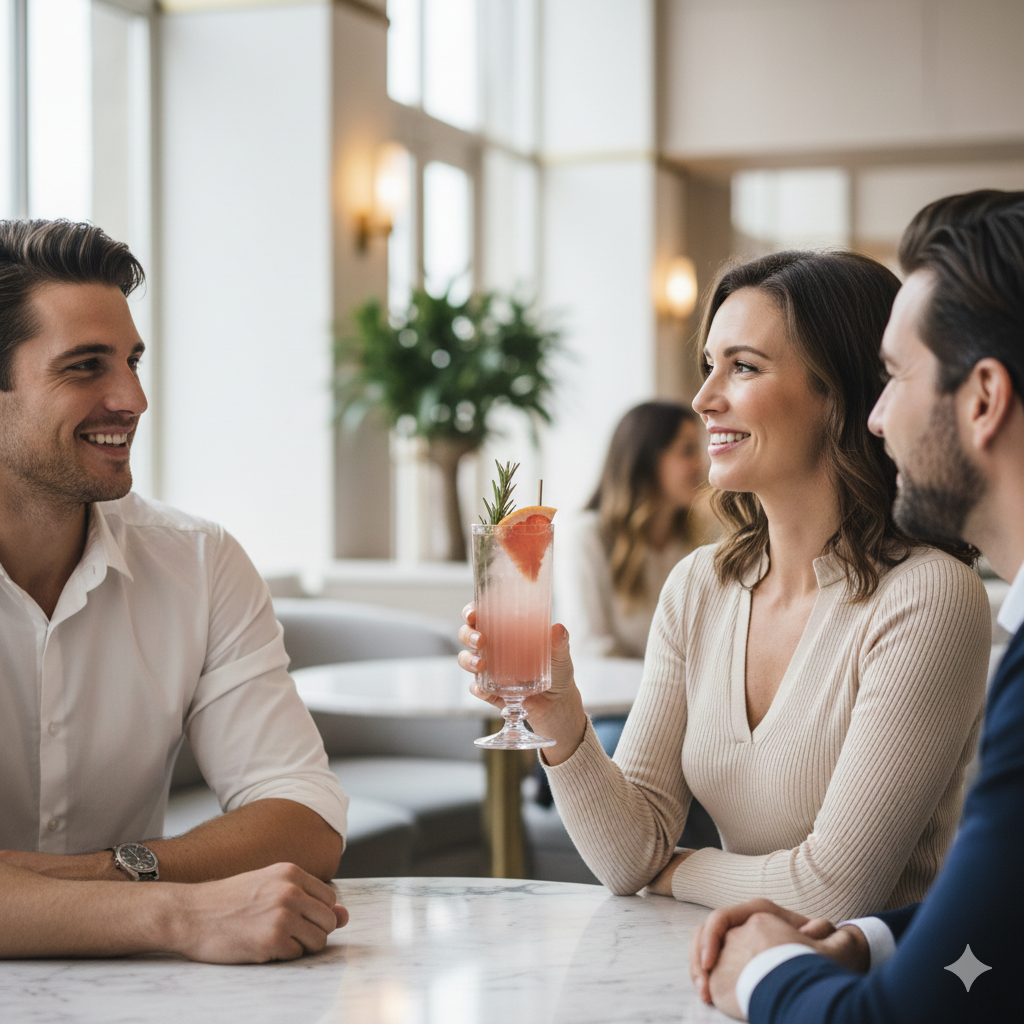
This image was generated using AI to avoid copyright issues while conveying the context of this article.
January has become synonymous with "Dry January," a time when millions of people around the world decide to put down the glass and pick up a healthier habit. But as we move into 2026, we are seeing this move beyond a simple 31-day challenge. A new movement called "Sober Curiosity" is taking over. This isn't necessarily about quitting forever; it’s about being curious about how much better your life could be without the regular presence of alcohol.
For many high-performers, alcohol is the "silent disruptor." It is the one thing that prevents a good workout program from becoming a great one. It is the one thing that turns a productive morning into a foggy one. If you have been working hard in the gym and eating well but still feel "stuck," taking a break from alcohol might be the most powerful move you make this year.
The Sleep-Alcohol Trap
The most common myth about alcohol is that it helps you sleep. While a glass of wine or a beer might help you "fall" asleep faster because it is a sedative, it actually destroys the quality of that sleep. Sleep is divided into different stages, and the most important stage for your brain is called REM (Rapid Eye Movement) sleep. This is when your brain cleans out toxins, processes the day's emotions, and stores memories.
Alcohol significantly cuts your REM sleep short. This is why, after a few drinks, you might wake up at 3:00 AM with your heart racing or feeling dehydrated. Even if you stay in bed for eight hours, your brain hasn't actually rested. When you go alcohol-free, one of the first things you will notice is "vivid dreams" and a feeling of genuine freshness in the morning. This is your brain finally getting the deep cleaning it has been missing.
How Alcohol Blocks Your Gains
In the world of fitness and nutrition, we talk a lot about "protein synthesis." This is the process where your body repairs the tiny tears in your muscles caused by exercise. Alcohol is a toxin, and your liver treats it as a priority. When you have alcohol in your system, your body stops almost everything else, including burning fat and repairing muscle, to get that toxin out of your blood.
If you hit a heavy leg day on Friday and then have three or four drinks on Friday night, you have essentially cancelled out a large portion of your recovery. Furthermore, alcohol is a "vasodilator," which can increase inflammation in your joints. If you find that your knees or back feel extra stiff the day after a few drinks, it isn’t just "getting older"; it is the inflammatory response to the alcohol. By removing it, you allow your body to stay in an "anabolic" or building state rather than a "catabolic" or breaking-down state.
Mental Health and the "Dopamine Reset"
Alcohol is a "borrowed happiness" tool. It artificially spikes your dopamine levels, which is why you feel relaxed and happy while drinking. However, the next day, your brain tries to balance itself out by lowering your natural dopamine levels. This leads to what many call "Hangxiety," a feeling of unexplained anxiety, low mood, or dread the day after drinking.
For the modern professional, this "dopamine dip" is a disaster for productivity. It makes difficult tasks feel impossible and kills your motivation to go to the gym. When you go alcohol-free, your brain's natural chemistry begins to reset. After about two weeks, you’ll find that you find more joy in small things, like a good cup of coffee or a sunset, because your brain is no longer waiting for a chemical spike to feel "normal."
Navigating the Social Scene in 2026
One of the biggest fears people have about going alcohol-free is that they will be "boring" or that their social life will end. In 2026, the opposite is true. The market for non-alcoholic (NA) options has exploded. You can now go to almost any high-end restaurant or lounge and find sophisticated NA spirits, botanical tonics, and "functional" drinks that contain adaptogens to help you relax without the buzz.
When you go to a social event and stay sober, you are choosing to be fully present. You remember the conversations. You don't say things you regret. And best of all, you own your Sunday morning. While everyone else is sleeping off a hangover, you are at the park, in the gym, or enjoying a quiet breakfast. That is the ultimate "Legacy" move.
Your 31-Day Experiment
This January, don't look at "Dry January" as a punishment. Look at it as a data-gathering mission. Pay attention to your skin, is it clearer? Pay attention to your waistline, is the bloating gone? Pay attention to your workouts, are you stronger? Most people find that the benefits are so great that they don't want to go back to their old habits. Whether you decide to stay alcohol-free forever or just be more mindful about when you drink, the "Sober Curious" path is a shortcut to your best self.
