
Tracking More Than Scale Weight: The Metrics That Actually Matter
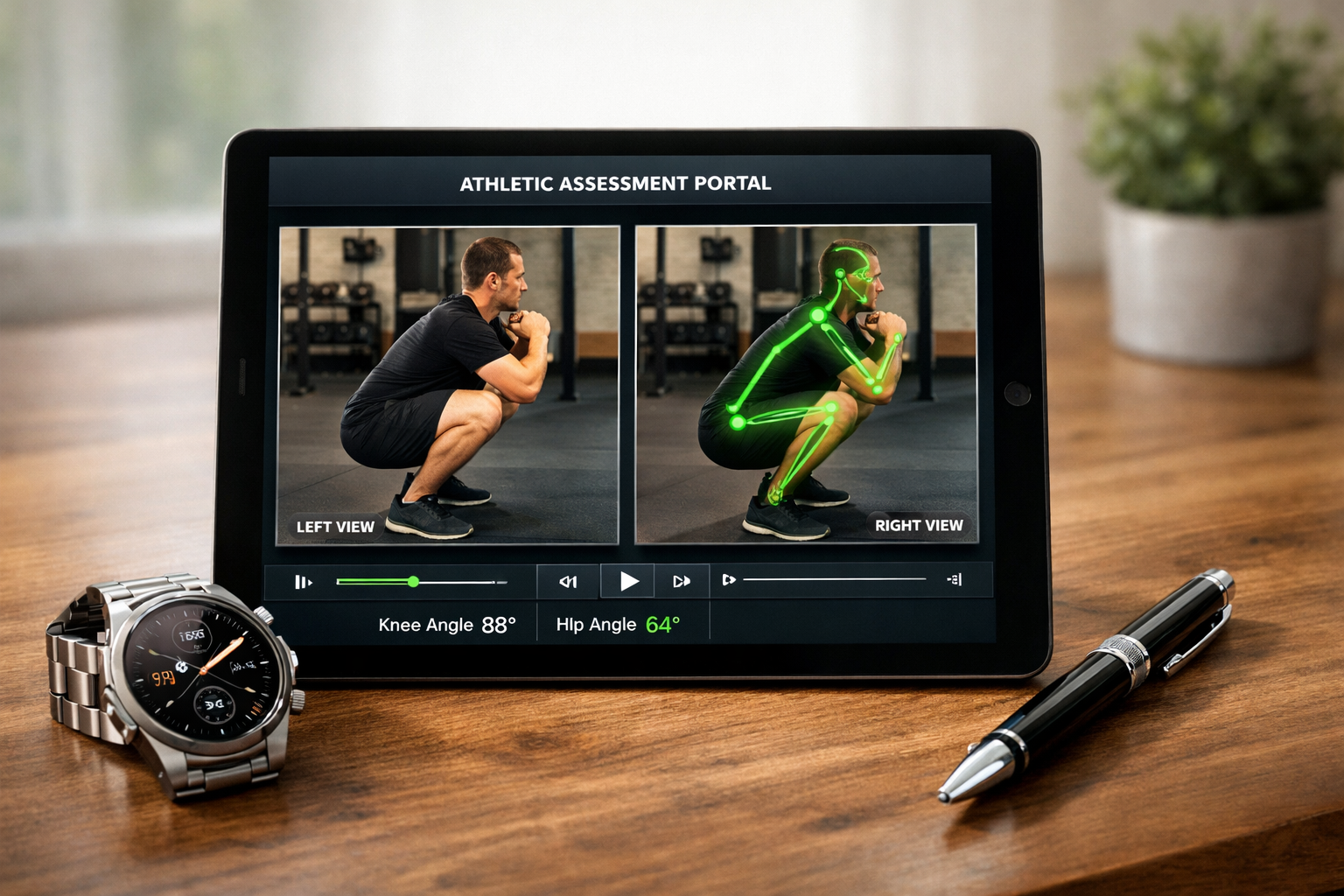
This image was created using AI to avoid copyright issues while conveying the context of this article. Screen images are simulated and may vary from actual interfaces.
If your entire fitness strategy lives and dies by the number on your bathroom scale, you are setting yourself up for failure.
It is a common routine for busy professionals. You invest in a premium coaching program, clean up your nutritional habits, and execute your strength training blocks flawlessly for two weeks. You feel lighter, your focus is sharper, and your energy during afternoon meetings is higher than it has been in years.
Then, you step on the scale. It hasn't moved an inch. In fact, it might even show that you are up a pound.
Instantly, frustration sets in. The mental narrative shifts from "this is working" to "I am wasting my time." For many high performers, this single metric becomes a psychological trap that derails their consistency and causes them to abandon a perfectly designed health system.
The problem isn't your progress. The problem is your choice of data. The bathroom scale is a blunt instrument that measures the total gravitational pull on your body. It cannot distinguish between fat tissue, dense lean muscle mass, water retention, or digestive contents.
To manage your body with corporate precision, you must upgrade your metrics. Here are the four distinct data vectors that actually matter for long-term health optimization and physical performance.
1. Progressive Structural Performance
Your body is an adaptive machine. When you challenge it through resistance training, it does not instantly drop fat tissue; it first focuses on neural adaptations and muscle fiber recruitment.
The metrics you log inside your daily training dashboard are a direct reflection of this structural evolution. Are you lifting more weight for the same number of repetitions than you did two weeks ago? Is your recovery time between sets decreasing? Can you maintain crisp, stable form on your final set of squats?
Progressive overload is the ultimate leading indicator of body composition change. If your strength metrics are climbing, your metabolism is adapting, your muscle density is increasing, and fat loss is guaranteed to follow. Focus on the execution metrics, and let the scale catch up.
2. Physical Foundations and Joint Alignment
A plan that makes you drop weight but leaves your joints inflamed and your posture broken is a liability to your career. True physical longevity requires monitoring how your body handles movement.
This is why we leverage specialized milestone check-ins using Demotu video assessment technology. By measuring your dynamic stability, hip mobility, and kinetic alignment over time, we get objective proof that your physical structural base is improving.
If an assessment shows your lateral hip drops have decreased or your thoracic spine mobility has increased, you are actively reducing your injury risk. Protecting your joints means you can continue to train hard and stay active for decades, a metric that a simple scale completely ignores.
3. Sleep Architecture and HRV Trends
Your physical output during the day is dictated by your recovery efficiency at night. When you look at the biometric trend data synced from your fitness rings or smartwatches, you should be looking for changes in your recovery markers.
Specifically, pay attention to your Heart Rate Variability (HRV) and deep sleep cycles. If your resting heart rate is steadily decreasing and your weekly HRV average is climbing, your central nervous system is moving out of chronic fight-or-flight and into a state of optimal recovery. This shift improves your mental clarity, keeps your cognitive focus sharp during high-pressure meetings, and balances the stress hormones that frequently stall fat loss.
4. Macro Nutritional Compliance Over Time
Consistency beats perfection every single day. Instead of panicking over a single heavy dinner or a chaotic travel weekend, a premium system tracks your total macro compliance score over a moving seven-day window.
By syncing your logs smoothly through tools like MyFitnessPal straight into your coaching hub, your coach looks at your weekly averages. Did you hit your protein targets 80% of the time this week? Were your total weekly calories aligned with your fat loss trajectory?
When you shift your perspective from daily restriction to weekly compliance tracking, the anxiety evaporates. You realize that one off-track meal cannot break a consistent system, giving you the mental autonomy to manage social business dinners and hectic schedules without feeling like you failed.
The Summary Scorecard
Your health is a complex, multi-variable enterprise. Managing it using only the bathroom scale is like running an entire corporation based purely on yesterday's petty cash logs. Pull back the lens. Track your strength, monitor your joint alignment, measure your nervous system recovery, and watch your weekly habit compliance. When you control the right variables, your physical transformation becomes an automatic byproduct of a well-engineered system.
