
The 7 Best Personalized Fitness Subscriptions: A Busy Pro’s Guide
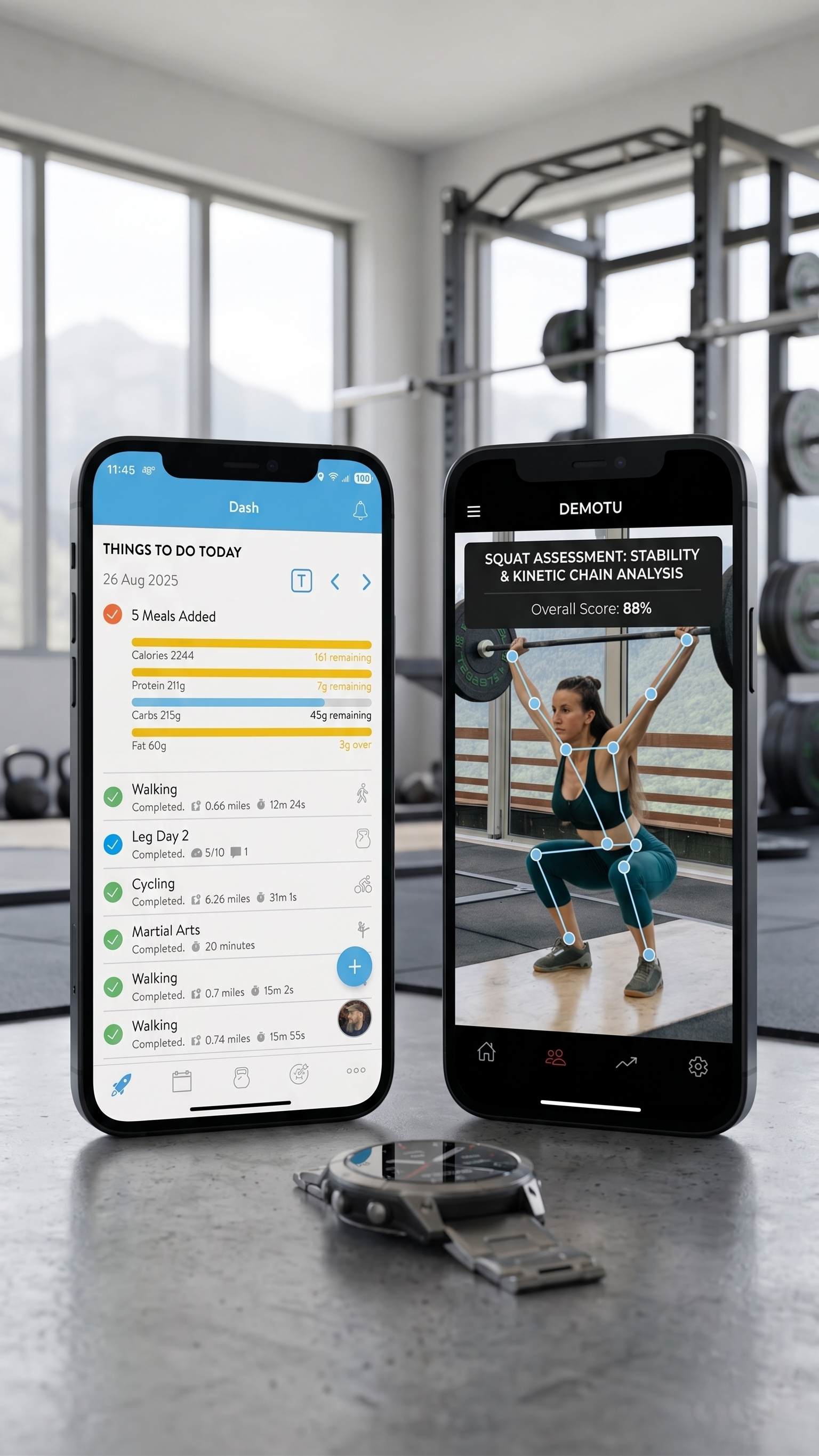
Image is a conceptual illustration of the Legacy Fitness system. Mobile application screens are simulated; actual interfaces may vary slightly.
Time is your most valuable asset. If you are managing a demanding career, a family, and a chaotic schedule, you cannot afford to waste hours on a fitness routine that does not yield a return. You need a system that removes guesswork, automates accountability, and fits seamlessly into your lifestyle.
The online fitness marketplace has responded to this need with a wave of premium coaching subscriptions. However, not all platforms are created equal. Some rely entirely on automated artificial intelligence, while others offer true human partnership.
To help you make an informed investment, we have reviewed the top seven personalized fitness subscriptions available today, evaluating them on coaching quality, technology integration, and lifestyle adaptability.
1. Legacy Fitness & Nutrition
Best for: Comprehensive, executive-level health management.
The Mechanics: Legacy combines elite human-led coaching with a highly compatible tech ecosystem. Workouts are delivered cleanly via an app interface, while your physical foundation is secured using specialized Demotu movement technology to find and fix muscle imbalances.
Why it works: Legacy avoids the cookie-cutter templates common to online programs. A dedicated coach maps out your programming based on an initial movement screen, builds tailored travel tracks into your profile for hectic weeks, and monitors long-term biometric trends. Additionally, Legacy integrates seamlessly with popular tools like MyFitnessPal, allowing you to log nutrition natively or sync your existing tracking preferences directly into your coach's dashboard.
2. Future
Best for: Daily workout accountability.
The Mechanics: Future pairs you with a remote coach who builds weekly training blocks. You communicate primarily through text messaging inside the app, and you record your workouts using an Apple Watch or compatible wearable.
Why it works: Future is effective for individuals who already know how to perform exercises but struggle with consistency. The constant text-based communication keeps you accountable, though it lacks deep diagnostic physical therapy assessments or built-in, custom-tailored macro food systems.
3. Caliber
Best for: Data-driven strength training enthusiasts.
The Mechanics: Caliber focuses heavily on evidence-based strength training metrics. Coaches look at your progressive overload data—such as weight lifted, reps, and sets—to advance your programming over time.
Why it works: The platform offers great utility for data nerds who want to see their metric charts climb. However, the interface can feel overly clinical for a casual user, and its environment is heavily skewed toward traditional commercial gym setups rather than traveling professionals.
4. TrainWell (Formerly Copilot)
Best for: Cost-conscious remote personal training.
The Mechanics: TrainWell pairs users with a real human coach who builds basic exercise paths and leverages smartwatch motion tracking to provide automated, real-time pacing feedback during your lifting sets.
Why it works: It is a solid entry-level option if you want a live person checking in on your consistency at a mid-tier price point. The trade-off comes in the depth of total lifestyle optimization, as it generally lacks advanced physical screening technology like Demotu or comprehensive executive health strategy.
5. Ladder
Best for: Team-based, structured workout tracks.
The Mechanics: Ladder groups users into digital "teams" led by a single coach. Everyone on the team follows the exact same workout track, interacting through a shared community board.
Why it works: While highly engaging and structured, Ladder is not a truly personalized subscription. It relies on high-quality templates delivered to a group. If you have unique joint limitations, high stress, or a travel-heavy schedule, you will find the rigid team format difficult to sustain.
6. Centr
Best for: General wellness variety.
The Mechanics: Founded on a celebrity wellness model, Centr offers a massive library of pre-recorded video workouts, meal plans, and mindfulness tracks.
Why it works: It is an excellent utility app for self-motivated individuals who want a mix of yoga, HIIT, and basic meal recipes. However, there is zero human interaction or personalized accountability, meaning you are completely on your own to figure out how to adapt the content to your life.
7. MyFitnessPal Premium
Best for: Pure nutrition logging.
The Mechanics: This platform functions as a robust food database and tracking utility designed to help users log calories, track macronutrients, and monitor dietary trends over time.
Why it works: If you already have your training and movement entirely sorted out and simply need a standalone digital journal to measure your meals, it remains an industry standard. However, it lacks integrated human fitness coaching or structural physical movement tracking.
How to Make Your Decision
When choosing a platform, look past the marketing videos. If you simply want a text buddy to ask if you went to the gym, entry-level apps will suffice. But if you want a complete management system that safeguards your joints, values your favorite tracking habits, and builds adaptable tracks for your busy schedule, look for an integrated approach. Your health is a long-term strategy, choose a platform that treats it like one.
