
Using Data, Not Guesswork: How We Use Your Wearable Tech
Technology is an exceptional servant, but a terrible master.
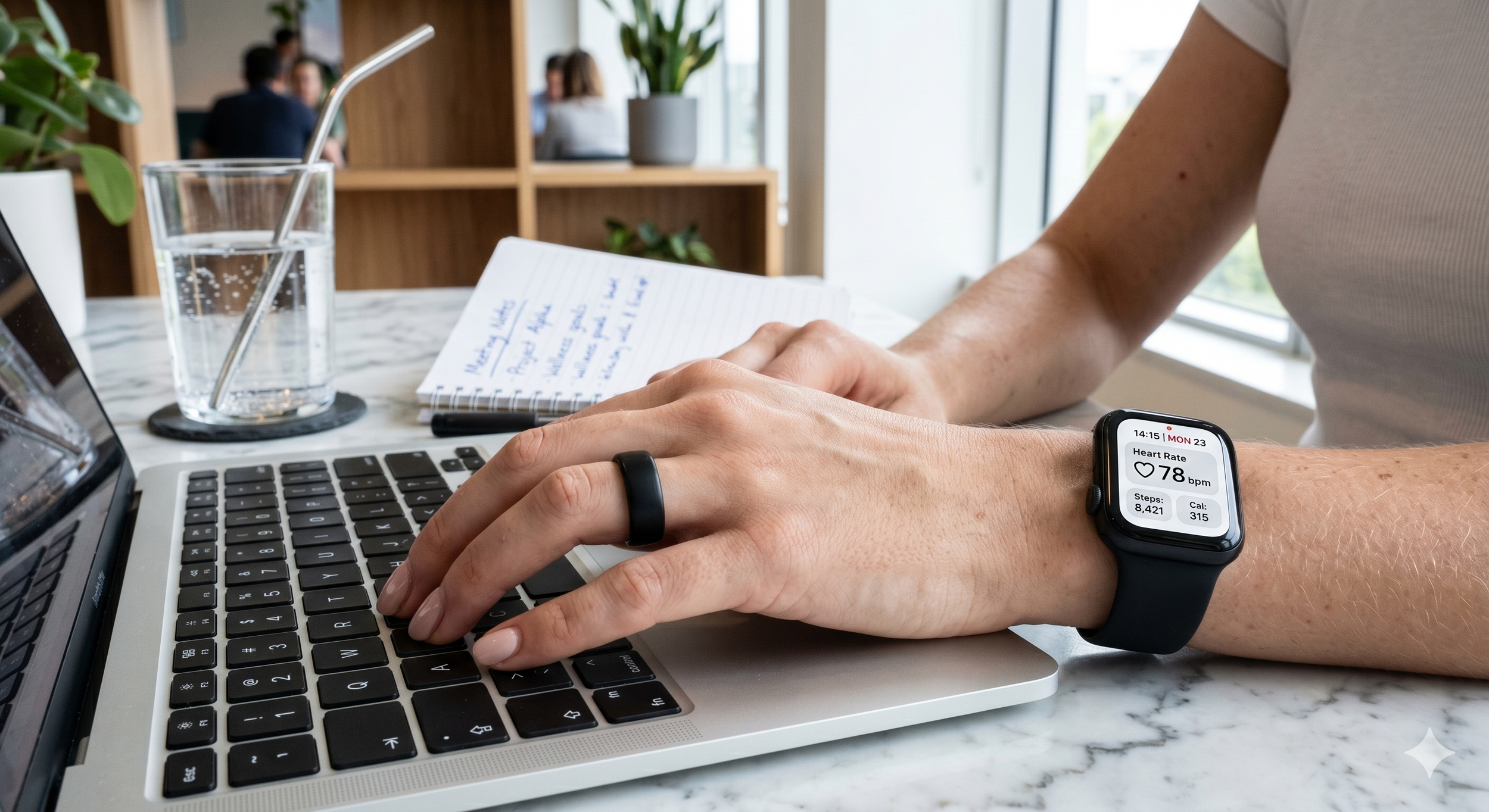
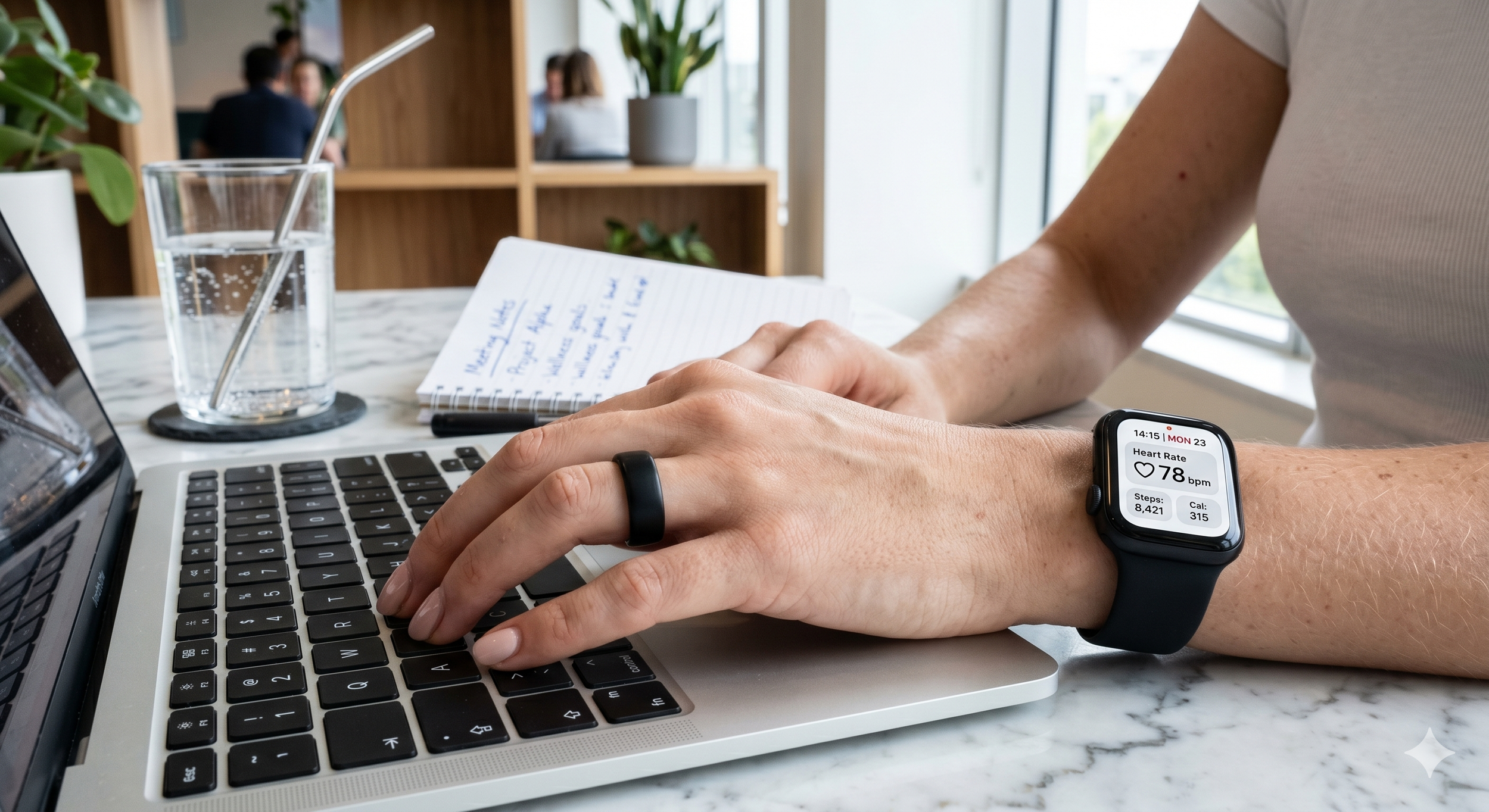
This image was created using AI to avoid copyright issues while conveying the context of this article.
Most high-performing professionals own at least one wearable device. You might wear a premium smartwatch to tracking your daily steps, an advanced fitness ring to monitor your sleep cycles, or a dedicated health strap to measure your resting heart rate. These devices are incredible pieces of engineering. They collect millions of data points every single day, creating a beautiful library of charts and statistics right on your phone.
But what are you actually doing with that information?
For the average person, a wearable device functions as little more than an expensive scoreboard. You look down at your wrist, notice that you slept poorly or hit your arbitrary 10,000 step goal, and then move on with your day. The data exists, but it doesn't change your behavior. It creates digital noise rather than driving meaningful physical results.
At Legacy Fitness, we operate on a fundamental principle: if you are not measuring, you are guessing. However, measuring is only half the equation. You also need an expert system to interpret the metrics. We integrate your wearable data directly into our coaching framework, moving past short-term tracking gimmicks to focus on macro trends that optimize your recovery, safeguard your joints, and maximize your energy.
Here is the exact framework we use to turn your wearable data from a passive scoreboard into a strategic roadmap for your health.
The Myth of Real-Time Micro-Adjustments
There is a common misconception in the fitness industry that premium coaching means monitoring your vitals 24 hours a day. Some programs claim that if your recovery score drops on a Tuesday morning, your coach will instantly text you to alter your morning schedule.
This approach is operationally unrealistic, and more importantly, it is strategically flawed. Your body’s daily metrics fluctuate constantly based on minor variables like hydration, salt intake, or acute work stress. Reacting to every single micro-fluctuation is a recipe for mental fatigue and hyper-fixation.
We do not look at your data under a microscope every hour. Instead, we pull back the lens to look at your macro trends. During our regular check-in phases, your coach reviews your weekly metrics to identify patterns. We look at moving averages over seven, 30, and 90 days. This high-level view allows us to see the deep truths about your health, filtering out the daily noise so we can make permanent, calculated adjustments to your training and nutrition strategy.
Decoupling Sleep Metrics from Stress
Sleep is the ultimate high-performance drug. It regulates your cognitive focus, controls your hunger hormones, and serves as the primary engine for physical recovery. Your wearable device does an excellent job of breaking down your sleep into deep, REM, and light cycles.
When you experience a high-stress corporate week, your sleep architecture is often the first thing to suffer. Your tracker might show a sudden drop in deep sleep or a spike in night-time restlessness. An automated app will simply send you a notification telling you that you are tired, which is information you already know.
A human coach uses that data trend to look for the structural cause. If we notice your recovery metrics dipping over a two-week period, we don't just tell you to sleep more. We look at your daily habit architecture. We work together to build a practical evening wind-down routine, adjust your late-day caffeine timing, or look at how your nutrition timing impacts your digestive system at night. We use the technology to verify that our lifestyle interventions are actually working to restore your energy.
Activity Trends and Metabolic Precision
Most busy professionals believe that the only metric that matters during a workout is how many calories their watch says they burned. This is another data trap. Wearable devices are notoriously inaccurate at estimating real-time caloric expenditure during weight training, often leaving users frustrated when the math doesn't add up on the bathroom scale.
We utilize your activity tracking for a different purpose: assessing your baseline energy expenditure outside of the gym. We monitor your weekly step trends to ensure you maintain a healthy metabolic foundation.
If your work schedule shifts and you spend three weeks trapped in long board meetings, your baseline activity will naturally plummet. By identifying this trend early, your coach can adjust your nutrition targets or build a brief, ten-minute mobility block into your afternoon dashboard. We manage your physical output across the entire week, ensuring your body composition goals stay on track even when your calendar gets chaotic.
Data Teamed with Human Strategy
Technology is an exceptional servant, but a terrible master. A smartwatch can tell you your heart rate, but it cannot understand the nuance of your career demands, your family responsibilities, or your personal joint history.
Our dual-tech stack combining comprehensive trend tracking with specialized diagnostic tools like Demotu movement assessments, exists to give our coaches an objective view of your physiology. We strip away the guesswork, the generic templates, and the fitness myths. By pairing your daily biometric trends with elite human coaching, we build a physical foundation that is engineered specifically for your life.