
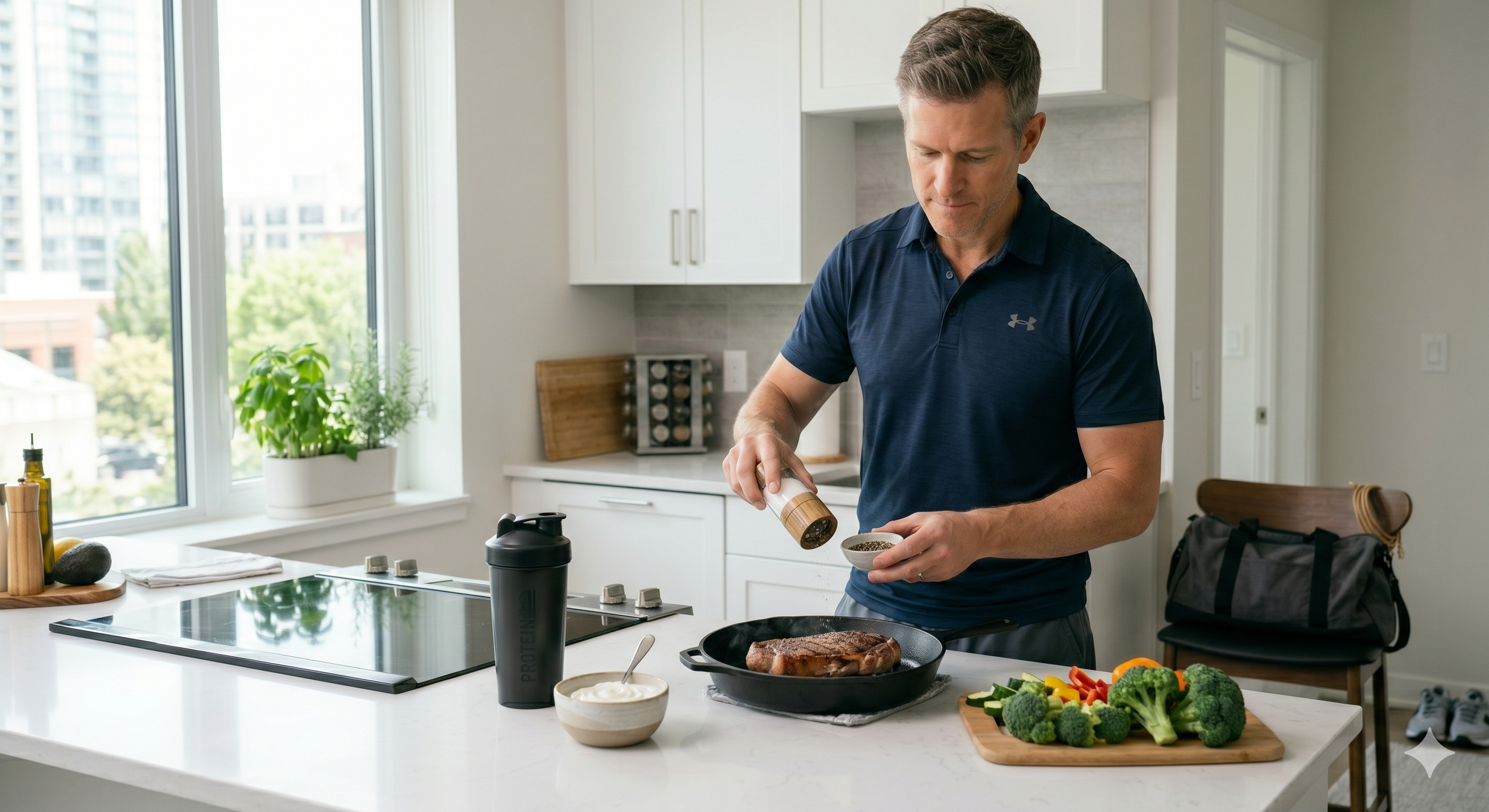
The "Anabolic Window" Myth: When Should You Really Eat?
Stop racing against an imaginary clock and start focusing on the daily habits that build a lasting legacy of health.
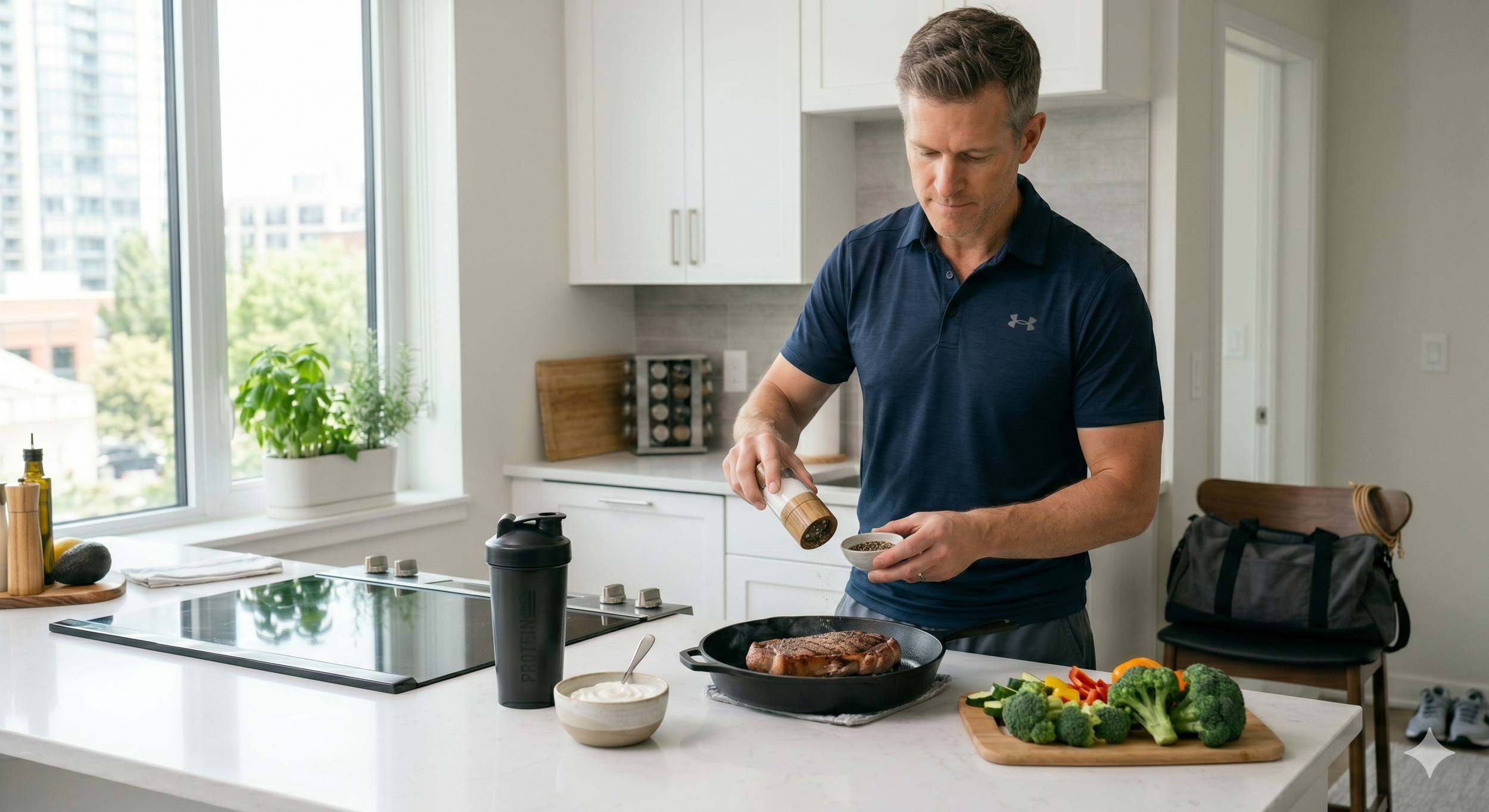
If you have spent any time in a gym over the last 20 years, you have likely heard about the "anabolic window." This is the idea that you have a tiny, 30-minute gap immediately after your workout to consume protein. If you miss this window, the myth suggests that your workout was a waste and your muscles won't grow. This has led to millions of people rushing to drink a protein shake in the locker room before they even catch their breath.
As our understanding of human biology has evolved, we have learned that the body is much smarter and more resilient than the myths suggest. While the timing of your nutrients does matter to some degree, it is not nearly as critical as the fitness industry once claimed. For the busy professional, this is great news. It means you can stop stressing about the "perfect" timing and start focusing on the systems that actually drive results.
The Science of the "Barn Door"
The idea of the anabolic window was based on the belief that exercise opens a metaphorical "barn door" for nutrients, and that door slams shut shortly after you stop moving. We now know that this door stays open for a very long time, often up to 24 or 48 hours after a challenging resistance training session. Your body remains in a state of increased "muscle protein synthesis" (the process of building muscle) for a full day or more after you lift weights.
This means that the protein you eat for dinner is just as important for your morning workout as the shake you might drink immediately afterward. Your body is constantly repairing and rebuilding itself in a long-term cycle. As long as you are providing the raw materials throughout the day, your body will have what it needs to recover and get stronger.
Total Volume vs. Perfect Timing
In the world of health management, we talk a lot about "allocation." When it comes to protein and calories, the total amount you consume in a 24-hour period is the most important factor for success. Think of it like a business budget. It matters less what time of day you process a specific invoice, as long as the total budget is balanced at the end of the month.
If you hit your daily protein target, your body will find a way to use those nutrients effectively. Stressing over a 30-minute window while failing to hit your total protein goal for the day is like worrying about the color of the curtains while the foundation of the house is crumbling. At Legacy Fitness, we teach our clients to prioritize the "Big Rocks" first: total protein and total calories. Once those are managed, the fine-tuning of timing becomes a secondary concern.
When Timing Does Matter (A Little)
While the 30-minute "window" is a myth, timing is not completely irrelevant. There are a few ways that strategic eating can help your performance and your adherence to your system:
Protein Distribution: Instead of eating all your protein in one massive meal, it is more effective to spread it out over three or four sittings. This keeps your "muscle building" signal active throughout the entire day.
Pre-Workout Fuel: Some people find they have more focus and strength if they have a small amount of carbohydrates or protein an hour before they train. If this helps you lift more weight, it is a win for your long-term results.
Post-Workout Comfort: While you don't have to eat immediately after a workout, many people find it is the time when they are naturally hungriest. Eating a high-protein meal after training is a great way to satisfy that hunger and kickstart the recovery process.
Reducing the Stress of Perfection
The biggest problem with the "anabolic window" myth is that it adds unnecessary stress to an already busy life. If you are stuck in a meeting or caught in traffic after the gym, you shouldn't be worrying that your hard work is being undone. That mental stress is more damaging to your health than missing a protein shake by an hour.
Successful health management is about removing friction, not adding it. By realizing that your body is in a constant state of rebuilding, you can fit your nutrition into your schedule rather than forcing your schedule to fit around your nutrition. Whether you eat ten minutes after your workout or two hours later, the results will be virtually the same as long as your daily system is solid.
Investing in the Long Game
At Legacy Fitness, we want to move you away from the "emergency" mindset of fitness. You are not a professional athlete who needs to optimize every single second for a gold medal. You are a high-performer who needs a sustainable, effective system that works in the real world.
By focusing on your total daily protein intake and consistent resistance training, you are playing the long game. You are building a body that is resilient and a metabolism that is powerful. Stop racing against an imaginary clock and start focusing on the daily habits that build a lasting legacy of health.

Circadian Coaching: Why the Sun is Your Best Pre-Workout
One of the most powerful tools for your physical performance doesn't come in a tub or a cup; it’s actually 93 million miles away.

This image was created using AI to avoid copyright issues while conveying the context of this article.
When we think about preparing for a workout, we usually think about drinking a cup of coffee, putting on our favorite playlist, or taking a pre-workout supplement. However, one of the most powerful tools for your physical performance doesn't come in a tub or a cup. It’s actually 93 million miles away: the sun.
In 2026, we are learning that when you do things is often just as important as what you do. This is the heart of Circadian Coaching. Every cell in your body has a "clock." When these clocks are in sync with the natural cycle of light and dark, your body works like a well-oiled machine. When they are out of sync, your fat loss stalls, your energy dips, and your workouts feel like a chore.
The Morning Signal: Setting Your Metabolic Clock
Your circadian rhythm, your body's internal 24-hour clock, is primarily set by light. When blue light from the sun hits your eyes early in the morning, it sends a signal to your brain to stop producing melatonin (the sleep hormone) and start producing cortisol (the "get up and go" hormone).
This morning light exposure does more than just wake you up; it sets a timer for your metabolism. By getting outside for just 10 to 15 minutes of natural light shortly after waking, you are telling your body to start burning energy efficiently. This "morning signal" helps regulate your blood sugar throughout the day and ensures that you have the energy required for your training session later on.
The Afternoon Peak: When to Lift for Results
While morning light is great for setting the clock, research suggests that for many people, the "sweet spot" for physical strength happens in the late afternoon or early evening.
Between 4:00 PM and 6:00 PM, your core body temperature is at its highest, and your protein synthesis (the process of building muscle) is most active. By aligning your hardest "Micro-Workouts" or heavy lifting sessions with this natural peak, you can often lift more weight and recover faster than you would at 5:00 AM. Circadian coaching isn't about forcing your body to perform; it's about working with your body's natural peaks.
The Blue Light Trap: Why Your Screen is Killing Your Gains
The biggest enemy of a healthy circadian rhythm is the artificial blue light from our phones, laptops, and TVs. In 2026, we spend more time in front of screens than ever before. When you look at a bright screen late at night, your brain thinks the sun is still up.
This confuses your internal clock and prevents your body from entering "repair mode." Most of your muscle growth and fat burning happens while you are in deep sleep. If your blue light exposure is high at night, your sleep quality drops, and your body stays in a state of stress. This can lead to higher levels of belly fat and slower recovery from your workouts.
Practical Tips for Circadian Success
You don't need to live in a cave to benefit from circadian coaching. Here are three simple steps to get in sync:
Seek Early Light: Get outside within 30 minutes of waking. Even if it’s cloudy, natural light is much stronger than indoor bulbs.
Time Your Intensity: If your schedule allows, try to schedule your heaviest lifts in the late afternoon when your body is naturally primed for performance.
Dim the Lights at Night: Two hours before bed, lower the lights in your house and put your phone away. This allows your body to start the "cleaning and repair" process that makes your fitness efforts actually show up in the mirror.
The Environmental Advantage
At Legacy Fitness, we look at the whole person. We know that if your environment is working against you, your progress will be twice as hard. By aligning your lifestyle with the natural rhythms of the day, you make fat loss easier and muscle gain more consistent. Stop fighting your biology and start using the sun as your ultimate pre-workout.

Fueling Your Future: A Beginner's Guide to Nutrient Timing for Maximum Energy and Results
Have you ever hit the gym feeling sluggish, or finished a tough workout and felt completely drained? Nutrient timing doesn't have to be complicated. The most important rule is to eat a balanced, whole-food diet throughout the day.
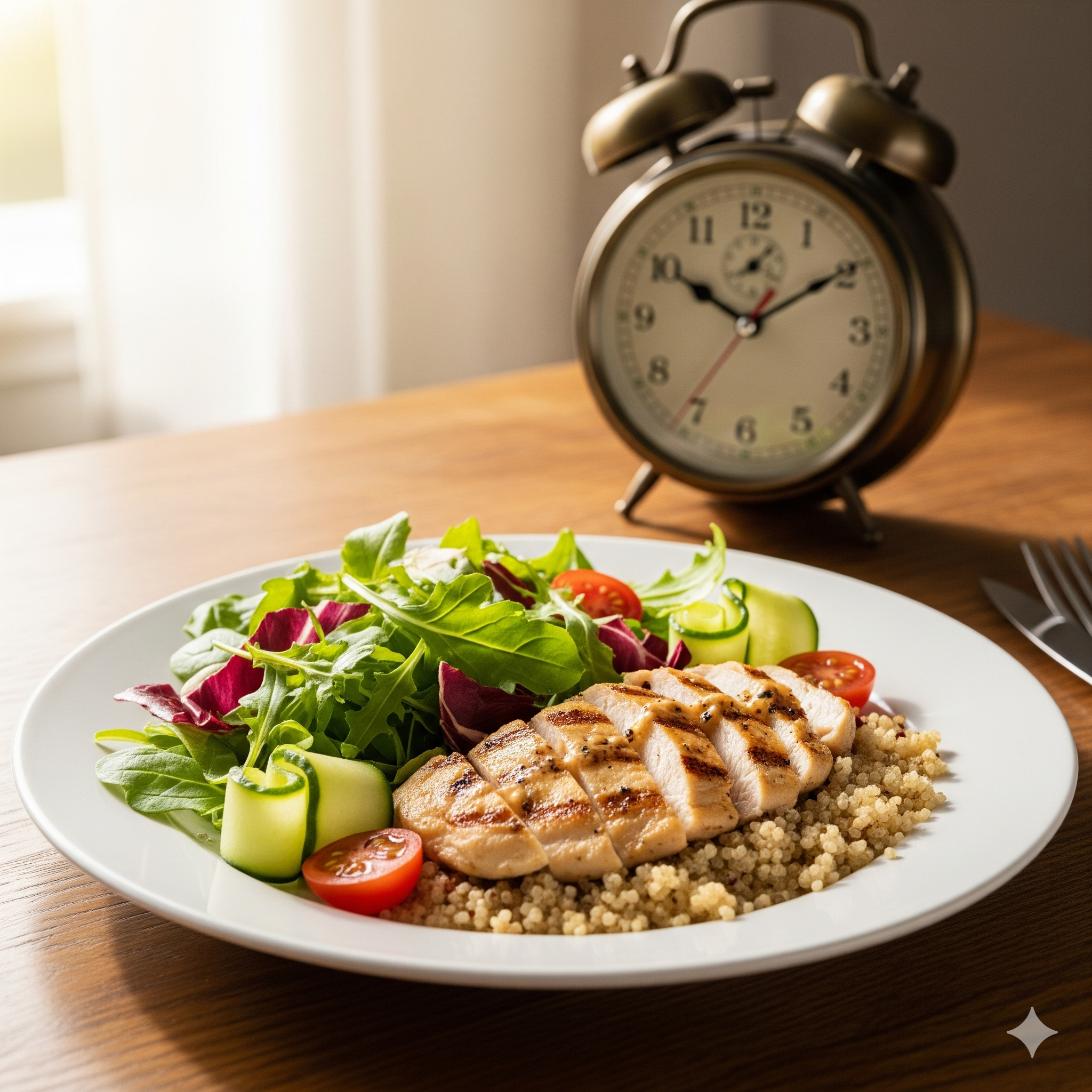
This image was created with AI to avoid copyright issues while conveying the idea of this article.
Have you ever hit the gym feeling sluggish, or finished a tough workout and felt completely drained? Maybe you’ve wondered why your energy levels crash in the middle of the day. It’s not just about what you eat; it's also about when you eat it. The concept of nutrient timing might sound complicated, but it's a simple idea that can make a huge difference in your energy, performance, and recovery.
Nutrient timing is all about eating the right types of food at the right times to give your body the fuel it needs to perform, repair, and rebuild. It's like putting the right kind of gas in your car at the right time. For beginners, you don’t need to get too technical. You just need to focus on two key windows: before your workout and after your workout.
The "Before" Workout Meal: Energy for the Burn
Think of your pre-workout meal as your energy supply. You need to give your body fuel that it can use quickly and efficiently. The best choice here is carbohydrates. They are your body’s preferred energy source and will power your muscles through your workout.
What to Eat: A small, easy-to-digest meal or snack about 30 minutes to an hour before you exercise. Focus on protein and carbs, less on slower digesting fats.
Good examples: A banana, a slice of whole-wheat toast with a little peanut butter, a handful of dried fruit, or a small bowl of oatmeal. My go to is just simple chicken, rice and pineapple or a banana.
Why it Works: This will top off your energy stores, so you don't run out of gas halfway through your workout. It helps you lift heavier, run faster, and have more stamina.
The "After" Workout Meal: The Golden Hour for Recovery
After you've finished exercising, your muscles have been broken down, and your body's energy stores (glycogen) have been depleted. This is a critical time for refueling and repairing. The 30 to 60 minutes after your workout is often called the "golden hour" because your body is primed to absorb nutrients.
What to Eat: A combination of protein and carbohydrates.
Protein: This is essential for muscle repair and growth.
Carbohydrates: These are needed to replenish your energy stores and to help shuttle protein to your muscles.
Good examples: A smoothie with protein powder and a banana, Greek yogurt with berries, chicken breast with brown rice and veggies, or a turkey sandwich on whole-wheat bread.
Why it Works: Eating a good post-workout meal helps your muscles recover faster and rebuild stronger. It also prevents muscle soreness and helps you feel less tired after a tough workout.
Hydration: The Third Pillar
Don't forget about water! It’s essential before, during, and after your workout. Staying hydrated helps your body regulate its temperature, transport nutrients, and prevent cramps. Make sure you’re sipping water throughout the day.
The Rhythm of Your Meals: Why Spacing Matters
Have you ever gone too long between meals only to find yourself feeling "hangry" and ready to eat everything in sight? When you have a gap of three to five hours between meals, your blood sugar can drop. This sends a powerful signal to your brain that you're starving, which often leads to intense cravings and overeating.
A simple and effective approach is to eat a balanced meal or snack every three to four hours. This helps keep your blood sugar levels stable, so you avoid those extreme hunger pangs. By eating more regularly, you’re less likely to overeat at your next meal, making it easier to stick to a plan and manage portion sizes without feeling deprived. This approach also helps keep your metabolism humming along throughout the day.
Let’s Talk About Intermittent Fasting: Is It Right for You?
Intermittent fasting, or IF, is an eating pattern that cycles between periods of eating and fasting. Common methods include the 16/8 method (fasting for 16 hours and eating all your meals within an 8-hour window) or the 5:2 method (eating normally for five days and restricting calories on two days).
Why It Seems to Work: The biggest reason IF is effective for weight loss is that it naturally leads to calorie restriction. When you have a smaller window to eat, it's often much harder to consume as many calories as you would throughout a full day. It simplifies eating by removing the need for breakfast or late-night snacking, which can work for people who struggle with overeating.
Why It's Not for Everyone: While it works for some, IF is not a magic solution. It can be difficult to stick with, especially at the beginning, and can lead to intense hunger that might cause binging during the eating window. It can also be challenging for people who exercise in the morning, as working out on an empty stomach might lead to low energy and poor performance. The best diet for you is one you can stick to consistently, and for many people, IF just isn't sustainable.
The Late-Night Eating Myth
You’ve probably heard the old rule that eating late at night will make you gain weight. This myth comes from the idea that your metabolism slows down when you sleep, so any food you eat at night will be stored as fat.
The Reality: Your body is a complex machine that is always working. Your metabolism doesn't just stop at night. Weight gain is caused by a calorie surplus over time—meaning you eat more calories than you burn, regardless of when you eat them. Eating a snack at 10 PM isn’t inherently fattening.
The Nuance: That said, there is a good reason to be mindful of late-night eating. Many people tend to choose unhealthy snacks at night out of boredom or stress. Eating a large, heavy meal right before bed can also interfere with your sleep, and poor sleep is linked to weight gain. A small, balanced snack, like a scoop of protein powder mixed with milk or a handful of nuts, can actually be beneficial for muscle recovery, especially if you had a hard workout that day.
Putting It All Together
Nutrient timing doesn't have to be complicated. The most important rule is to eat a balanced, whole-food diet throughout the day. But by paying a little extra attention to what you eat before and after your workouts, you can give your body the best chance to perform at its peak and recover quickly. It’s a simple change that can lead to big results in your energy levels and your overall fitness journey.