
Hydration Beyond Water: Why You Need Trace Minerals
We have all been told to "drink eight glasses of water a day." But have you ever felt like no matter how much water you drink, you still feel thirsty?
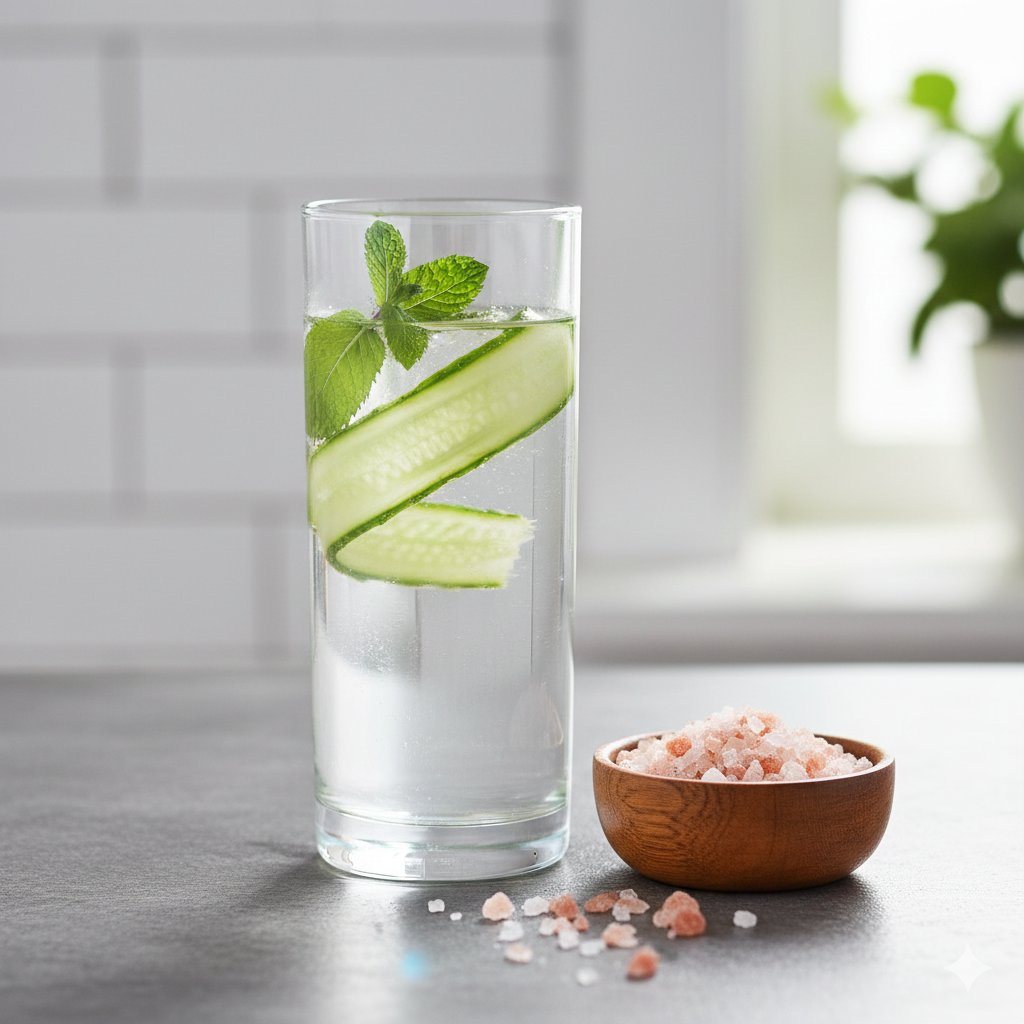
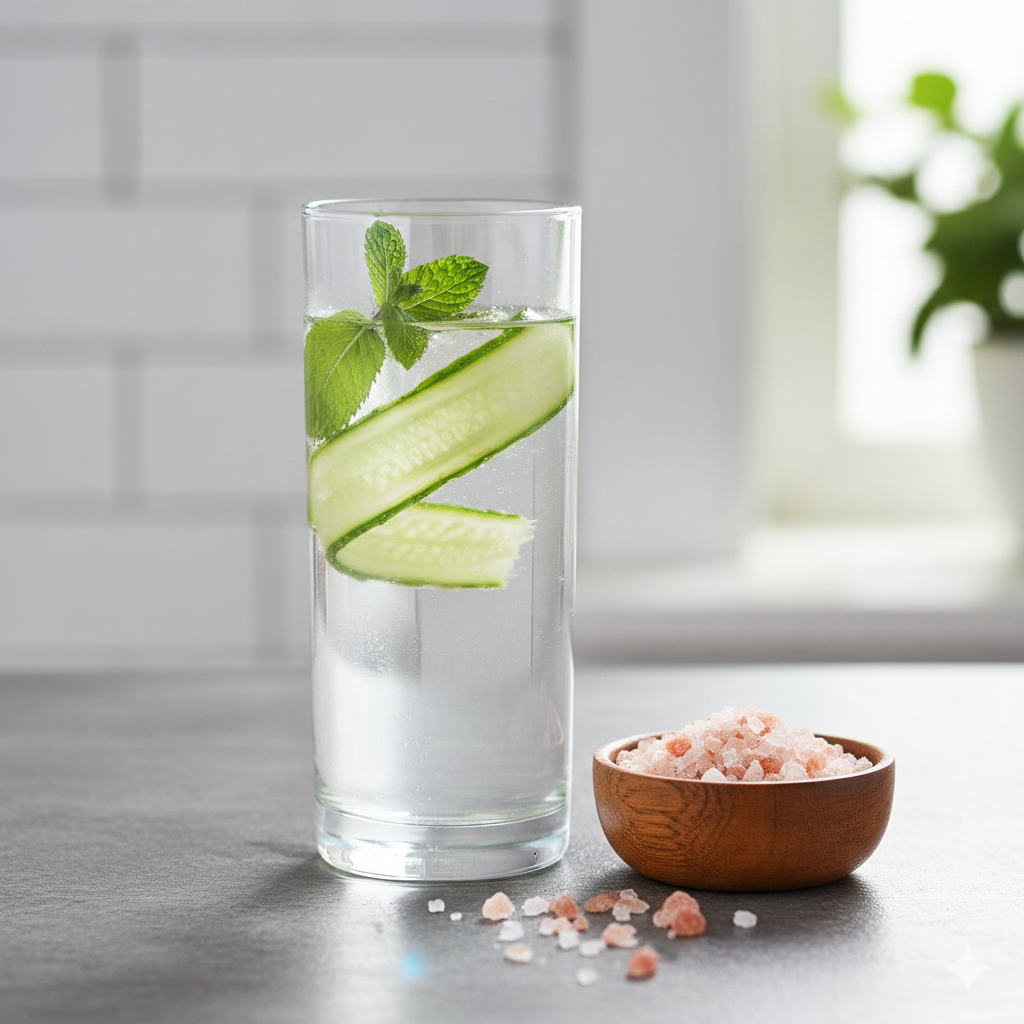
This image was created using AI to avoid copyright issues while conveying the context of this article.
We have all been told to "drink eight glasses of water a day." If you have been following your January fitness plan, you are probably carrying a water bottle with you everywhere you go. But have you ever felt like no matter how much water you drink, you still feel thirsty? Or maybe you notice that you’re getting headaches and muscle cramps even though you’re constantly "hydrating."
The truth is that your body doesn't just need water. It needs hydration. There is a big difference. In 2026, the cutting edge of wellness is moving away from just "volume" (how much you drink) and toward "mineral density." To actually get the water into your cells where it can do its work, you need electrolytes and trace minerals. Without them, the water you drink just "flushes" through you, taking important nutrients with it.
The "Electric" Body
Your body is an electrical system. Your heart, your brain, and your muscles all run on electrical signals. These signals are carried by minerals called electrolytes, things like sodium, potassium, and magnesium.
When you drink massive amounts of plain, purified water, you can actually dilute the minerals in your blood. This is why some people feel "waterlogged" but still tired. For your muscles to contract and your brain to think clearly, you need a balance of these minerals to act as the "conductors" for your internal electricity.
The Role of Trace Minerals
Beyond the big electrolytes, your body needs tiny amounts of "trace minerals" like zinc, selenium, and manganese. In the past, we got these minerals from the soil our food grew in and the natural spring water we drank. Today, because of modern farming and water filtration, our food and water are often "stripped" of these minerals.
Adding trace minerals back into your hydration routine can lead to:
Better Energy: Minerals are required for your cells to produce energy.
Clearer Skin: Zinc and selenium are vital for skin repair and glow.
Less Stress: Magnesium is known as the "relaxation mineral" and helps your nervous system calm down.
How to Hydrate Like a Pro
You don't need expensive "neon-colored" sports drinks that are full of sugar and artificial dyes. You can optimize your hydration with a few simple steps:
The "Pinch of Salt" Rule: Add a tiny pinch of high-quality sea salt (like Himalayan or Celtic salt) to your water. This provides sodium and over 80 trace minerals.
Eat Your Water: Fruits and vegetables like cucumbers, watermelon, and celery are "structured water." This water comes pre-packaged with the minerals your body needs to absorb it.
Mineral Drops: You can buy trace mineral drops to add to your filtered water. Just a few drops can turn plain water into a "super-fluid."
Listening to Your Body
This January, pay attention to the signs of "mineral thirst." If you have a dry mouth despite drinking water, if you crave salt, or if you feel a "brain fog" in the afternoon, your mineral balance might be off. By focusing on minerals, you aren't just drinking water, you are fueling your internal battery. That is how you build a legacy of high energy and peak performance.