
The Human Element: Why AI Workouts Still Need a Human Coach
The fitness industry has spent years trying to turn health into a pure tech product. But information is rarely the bottleneck; consistency is. Leave the strategy, the empathy, and the execution to a human relationship.
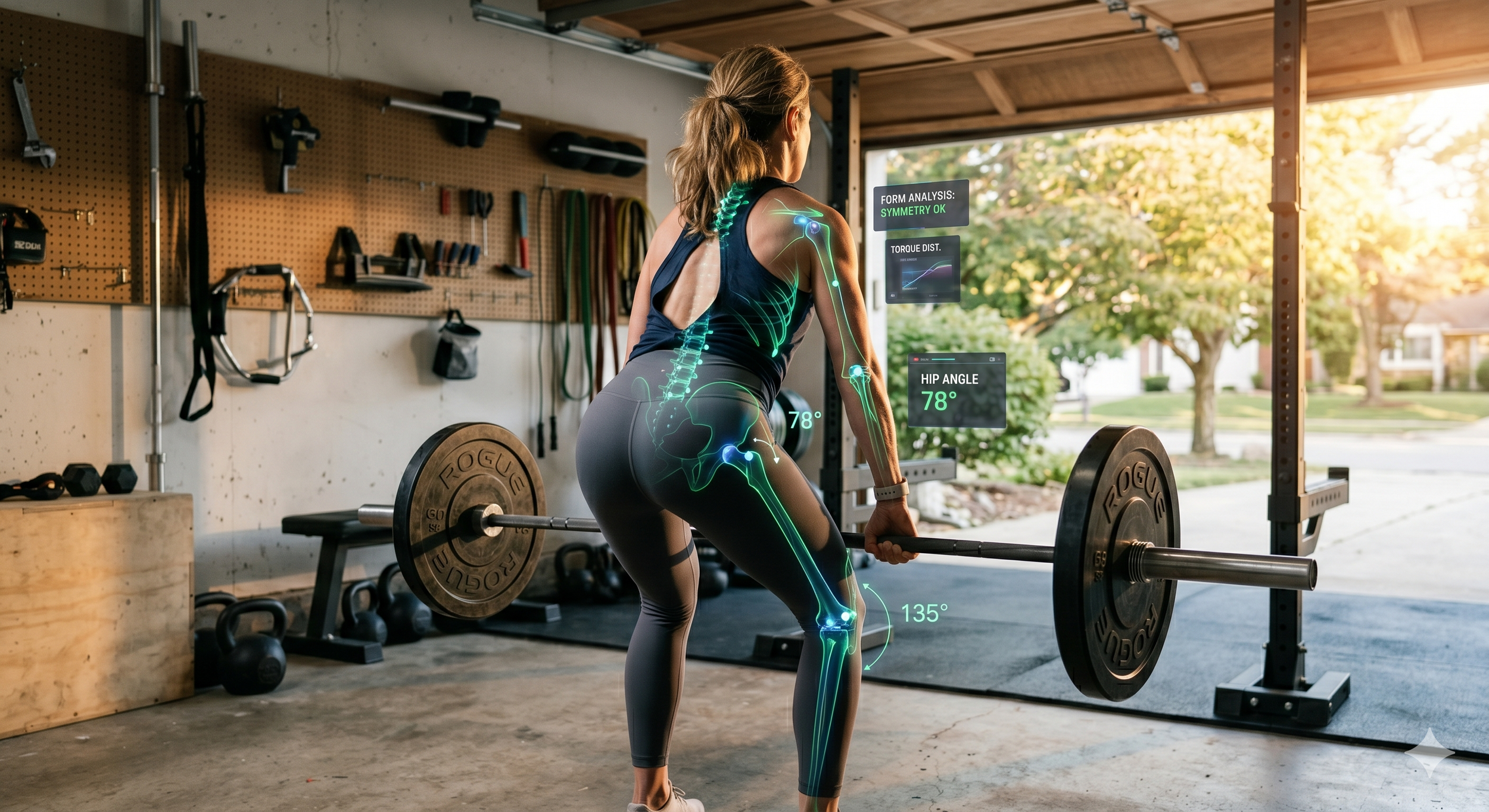
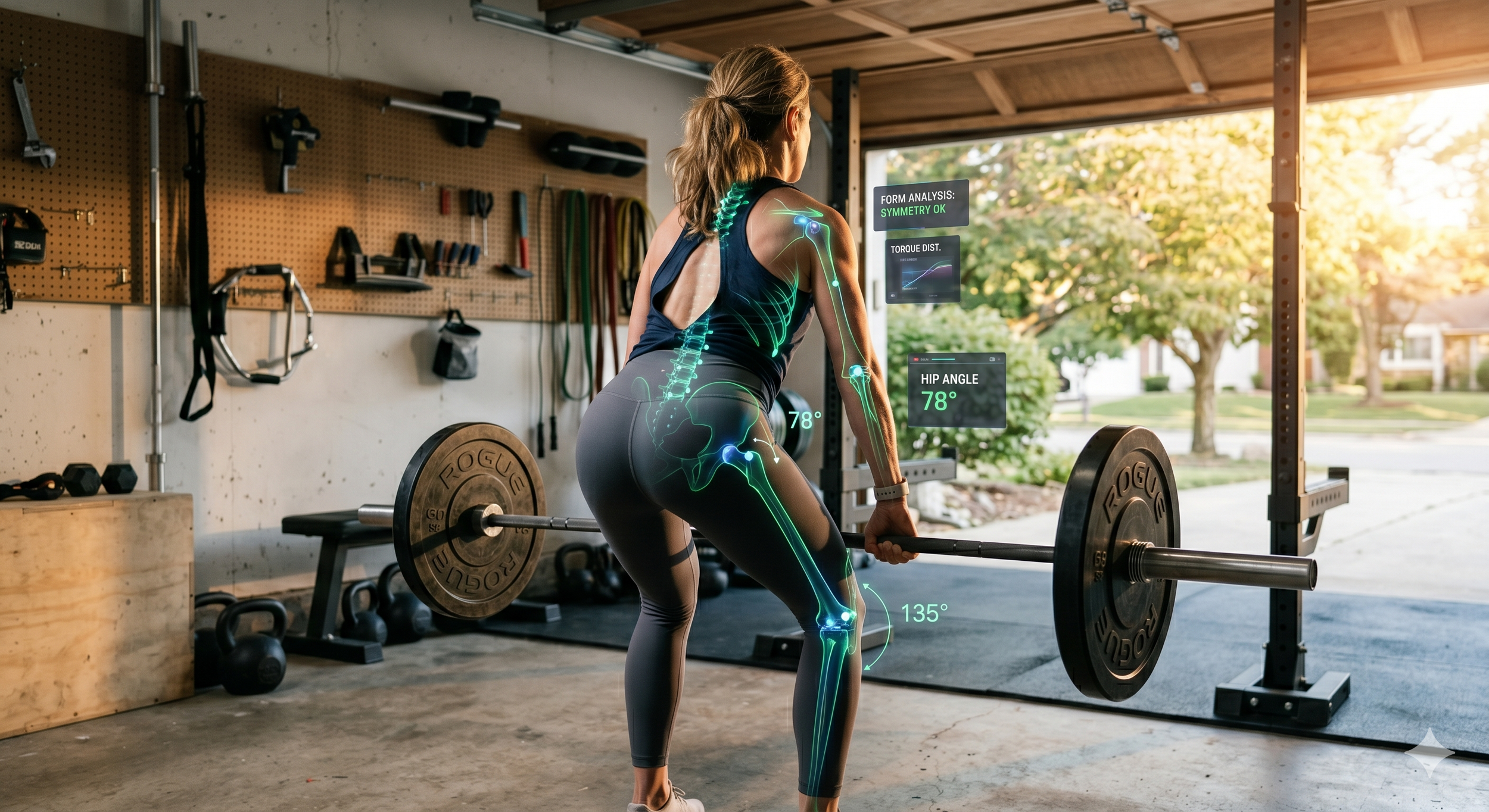
This image was created using AI to avoid copyright issues while conveying the context of this article.
Artificial intelligence can build a workout program in three seconds flat. If you log into any major AI tool and type, "Give me a three-day strength routine for a busy manager," it will instantly spit out a neatly formatted list of exercises, sets, and reps. It costs nothing, it happens immediately, and on paper, the workout looks completely reasonable.
Because of this seamless technology, many professionals are wondering if the traditional fitness coach is obsolete. If a computer can calculate your caloric needs and design your lifting blocks, why would you invest your hard-earned money in a human partnership?
The answer lies in the massive gap between information and execution. While software is exceptional at processing data, it is entirely blind to the human experience. For a busy executive navigating high-stakes career demands, a family, and a fluid schedule, information is rarely the bottleneck. Consistency is.
To understand why automated programs eventually fail high-performers, you must look at where the math of artificial intelligence collides with the messy reality of real life.
AI Cannot Read the Context of Stress
An algorithm views your body as a closed mathematical equation. It assumes that if you consume a specific number of calories and lift a specific amount of volume, a predictable physical result will occur. It operates under the assumption of a perfect, sterile environment.
But your life does not happen in a vacuum. Your body does not distinguish between the physical stress of a heavy barbell and the mental stress of a volatile market or a difficult corporate restructure. Stress is cumulative.
When you sit down with a high-stakes week ahead of you, your nervous system can easily enter a state of chronic fight-or-flight. If you open an automated app on a morning when your sleep is completely wrecked and your mental fatigue is at an all-time high, the app will still tell you to go break your personal record on the deadlift. It doesn't know context.
A human coach, however, looks at the macro picture. During your regular check-ins, a coach can look at your data trends, listen to the tone of your voice, and say, "Your career is demanding 100% of your energy right now. Pushing your body to the limit this week will only lead to burnout or injury. We are pivoting your track to focus on movement consistency, joint recovery, and stress management." That level of strategic nuance cannot be automated.
The Illusion of Algorithmic Accountability
A software notification is not accountability. When your phone flashes a pop-up alert at 6:00pm saying, "Time to log your dinner!" or "Did you complete your workout?", what do you do? You swipe it away. You mute the notification. You ignore it because there are zero social consequences to disappointing an app dashboard.
True accountability requires a relational contract. It relies on knowing that a real human being—someone who understands your goals, knows your name, and is genuinely invested in your legacy—is going to review your tracking trends at the end of the week.
When you know your coach is looking at your consistency metrics, your psychology changes. You don't make the decision to skip a workout based solely on your immediate mood; you make it based on the partnership you have established. A human coach provides the guardrails that prevent a stressful afternoon from turning into a three-month fitness hiatus.
Diagnostic Nuance vs. Automated Guesswork
Technology like Demotu allows us to map out your structural movement patterns with extreme digital precision. It gives us a beautiful roadmap of your joint mechanics, muscle imbalances, and physical baselines. But the data itself is only half the battle.
An automated tool can point out that your right hip drops during a bodyweight squat, but it cannot ask you about the old college football injury that caused you to favor that side for two decades. It cannot watch a video of your lifting form and notice that you are rushing through your reps because you are mentally distracted by an incoming email.
Interpretation requires human expertise. A real coach bridges the gap between what the technology measures and how you actually feel. They help you integrate the data into sustainable habits that respect your limitations, rather than forcing your body to adapt to a cold, unyielding code.
The Ultimate Competitive Advantage
The fitness industry has spent years trying to turn health into a pure tech product. But the high performers who maintain their physical capacity into their 40s, 50s, and 60s do not do it because they found a better app. They do it because they built a sustainable system backed by an expert human partner.
Use technology to organize your metrics, track your habits, and assess your movement. But leave the strategy, the empathy, and the execution to a human relationship. That is the only way to build a physical foundation that lasts.