
Beyond the Marathon: Why Mobility Training is the New Foundation of Fitness
A body that is mobile is a body that is durable. Investing in mobility training now is not just about avoiding future injury; it is about building the foundation for a lifetime of pain-free, active living.
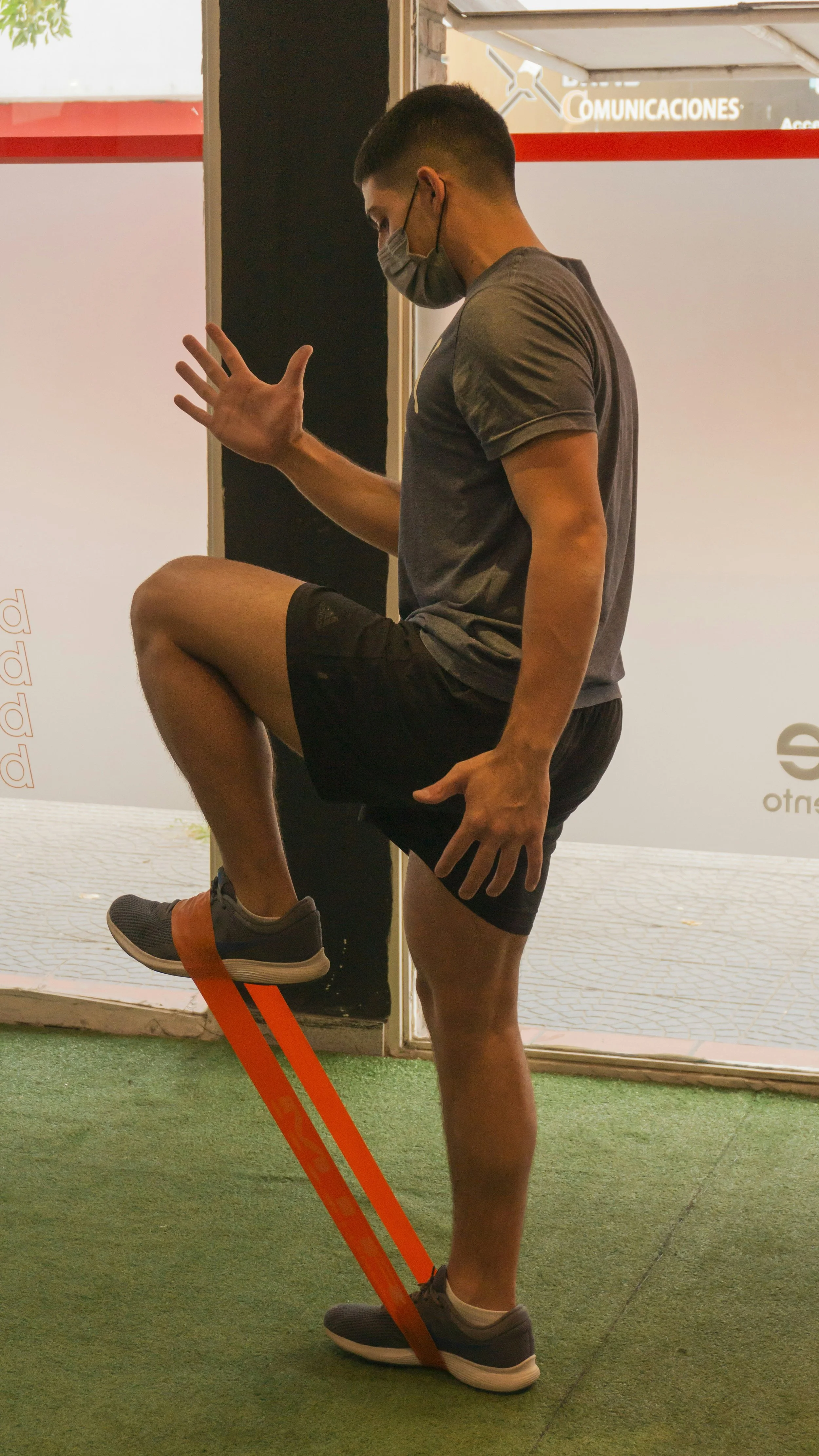
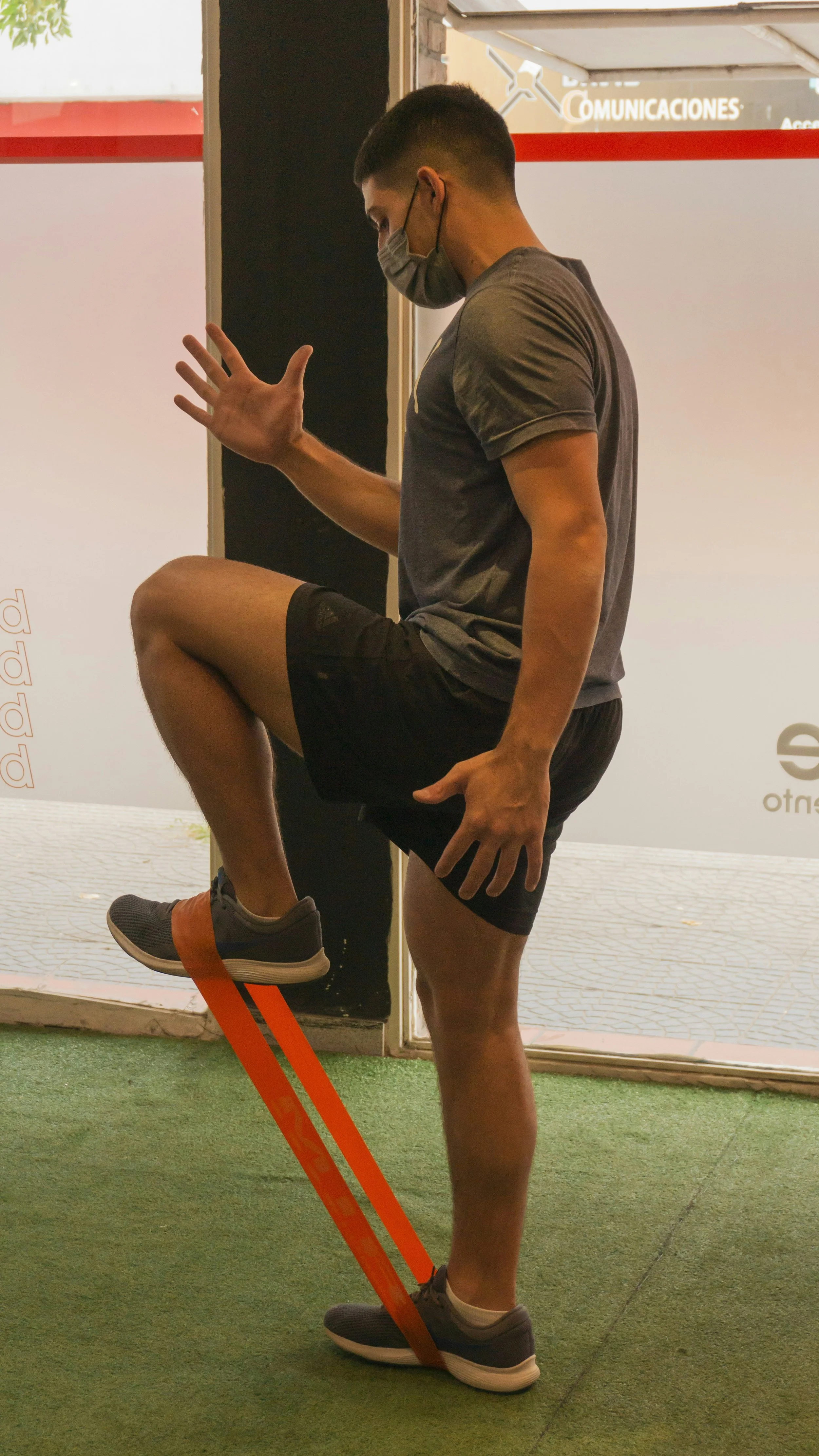
Image courtesy of Federico Faccipieri via Unsplash
When you think of fitness foundations, your mind probably goes to cardio endurance or strength training. While those are essential parts of the picture, a massive piece is often overlooked: Mobility.
Mobility is the ability to move a joint actively through its full range of motion with control. It is the core reason you can squat without knee pain, pick up a dropped object without straining your back, or reach overhead without shoulder stiffness.
At Legacy Fitness & Nutrition, we view Mobility Training as the new foundation of fitness. It is the difference between a body that can simply move and a body that can move well, without pain, for a lifetime. Mobility is the ultimate injury prevention tool and the key to true longevity.
Mobility vs. Flexibility: Understanding the Difference
These two terms are often used interchangeably, but they are not the same:
Flexibility: The length of a muscle (how far you can stretch it). This is passive. (e.g., You can touch your toes, but you are not actively controlling the movement.)
Mobility: The combination of flexibility and strength. It is the usable range of motion in your joints. (e.g., You can actively lower yourself into a deep, controlled squat and return without pain.)
If you have great flexibility but poor control, you are weak at the ends of your range of motion, which is a major setup for injury. Mobility training strengthens your joints through their full range, making movement safe and reliable.
The 3 Pillars of a Mobile Legacy
Mobility work does not need to be complicated. It needs to be consistent and strategic.
1. Daily Joint Priming (The 5-Minute Habit)
If you sit for long periods, your joints start to become "sticky" and weak from lack of use. Taking 5 minutes to actively move your joints daily is the most effective defense.
Action: Dedicate 5 minutes to actively rotating your ankles, knees, hips, and shoulders. Focus on slow, controlled circles and movements, trying to move each joint through its largest comfortable range of motion.
Why it Works: This simple movement lubricates the joints with synovial fluid, improving their function and reducing the "cranky" feeling of stiffness.
2. The Hip and T-Spine Imperative
For most people, two areas are the biggest limiting factors for functional movement and the source of most pain: the Hips and the Thoracic Spine (T-Spine), or your mid-back.
Action: Incorporate daily hip flexor stretches (like the half-kneeling stretch) and T-spine rotation movements (like the "thread the needle" stretch or foam roller extensions).
Why it Works: Tight hips cause lower back pain when you try to bend or lift. Stiff T-spines force your shoulders to overwork, leading to shoulder and neck issues. Opening up these two areas fixes a chain reaction of pain throughout the body.
3. Mobility as a Warm-Up
Stop thinking of mobility as something you do only when you are injured. Mobility work is the perfect preparation for your workout.
Action: Replace passive stretching (holding a stretch) with dynamic mobility exercises before you lift.
Example: Perform light squats, arm circles, leg swings, and bodyweight lunges.
Why it Works: Dynamic movement raises your core temperature and activates the muscles that stabilize the joints you are about to use, preventing injury during the workout itself.
A body that is mobile is a body that is durable. Investing in mobility training now is not just about avoiding future injury; it is about building the foundation for a lifetime of pain-free, active living. That is the definition of a lasting legacy.

3 Rules for Maximizing Your Mobility: Ditch the Stiff Joints for Good
Do you ever feel stiff when you wake up in the morning? You're not alone. Many people confuse flexibility with mobility, but they're not quite the same.

Do you ever feel stiff when you wake up in the morning? Do everyday tasks like reaching for something on a high shelf or tying your shoes feel a little harder than they should? You're not alone. Many people confuse flexibility with mobility, but they're not quite the same. While flexibility is about how far a muscle can stretch, mobility is about how well your joints can move through their full range of motion, with control.
Good mobility is key to living a pain-free, active life, especially as we get older. It helps prevent injuries, improves your performance in workouts, and simply makes daily living more comfortable. Think of it this way: you can be flexible enough to touch your toes (good hamstring flexibility), but still have poor hip mobility if your hips feel "stuck" when you try to squat.
The good news is that you don't need to spend hours stretching to improve your mobility. By following three simple rules, you can dramatically improve how your body moves and feels.
Rule 1: Move It or Lose It (Regular Joint Motion)
Our bodies are designed to move. If a joint isn't regularly moved through its full range, it starts to get stiff. This is often called the "use it or lose it" principle. Sitting for long periods is one of the biggest enemies of good mobility.
Why it works: Moving your joints helps circulate the fluid inside them (synovial fluid), which acts like oil for a machine. It keeps the cartilage healthy and prevents stiffness. Regular movement also sends signals to your brain that "this joint is active and needs to stay mobile."
How to apply it:
Daily Mobility Flow: Spend 5-10 minutes each morning going through gentle movements for your major joints: neck rolls, shoulder circles, hip swings, ankle rotations, cat-cow stretches for your spine. You're not forcing a stretch, just gently moving.
Movement Breaks: If you have a desk job, set a timer to stand up and move every 30-60 minutes. Do some arm circles, hip rotations, or even a few gentle squats.
Incorporate into Warm-ups: Before any workout, dedicate 5 minutes to dynamic warm-ups that move your joints (like arm swings, leg swings, torso twists) rather than static stretching.
Rule 2: Strengthen Your End Ranges (Controlled Movement)
This is where mobility differs from just flexibility. It's not enough to just get into a position; you need to be strong and stable in that position. This means strengthening the muscles that support your joints throughout their full range of motion.
Why it works: Your brain won't let your body go into positions it doesn't feel safe in. If the muscles around a joint are weak when that joint is at its longest reach, your brain puts on the brakes to protect you. By building strength in these "end ranges," your brain trusts your body more, allowing greater, more controlled movement.
How to apply it:
Deep Squats: Work on getting into a full, deep squat (if safe for your knees) while keeping your chest up. This strengthens your hips, knees, and ankles through a large range.
Controlled Articular Rotations (CARs): These are slow, controlled circles for your joints (like hips, shoulders, spine) where you actively try to make the circle as big as possible without moving other parts of your body. This builds strength at the edge of your range.
Loaded Stretches: Instead of just holding a stretch, try to gently add a small amount of weight or resistance to a stretch (e.g., holding a light dumbbell while in a lunge stretch). This tells your body it's safe and strong in that lengthened position.
Rule 3: Breathe Deep, Breathe Often (Unlock Your Body)
This rule might surprise you, but your breathing deeply impacts your mobility, especially around your spine and rib cage. Shallow, chest breathing can create tension and stiffness.
Why it works: Your diaphragm, the main breathing muscle, is connected to your spine and core. Deep, belly breathing (diaphragmatic breathing) helps relax your core muscles, improves spine mobility, and signals your nervous system to calm down. When you’re relaxed, your body is less likely to hold onto tension.
How to apply it:
Diaphragmatic Breathing: Lie on your back, place one hand on your chest and one on your belly. Breathe in deeply through your nose, aiming to only raise your belly hand, not your chest hand. Exhale slowly through your mouth. Do this for 5 minutes daily.
Breath-Anchored Stretches: When you are doing any stretch, focus on exhaling deeply as you move into the stretch. The exhale helps your body relax and allows for greater range of motion.
Rib Cage Mobility: Combine deep breathing with gentle movements like side bends and rotations to free up your rib cage, which is often stiff from sitting.
The Path to Lasting Freedom of Movement
You don’t need to be a gymnast to have great mobility. By consistently applying these three rules—regularly moving your joints, strengthening your muscles through their full range, and practicing deep, conscious breathing—you can unlock a level of movement freedom you might not have thought possible. Ditch the stiffness, embrace effortless movement, and enjoy a more comfortable, active life for years to come.