
Beyond the Marathon: Why Mobility Training is the New Foundation of Fitness
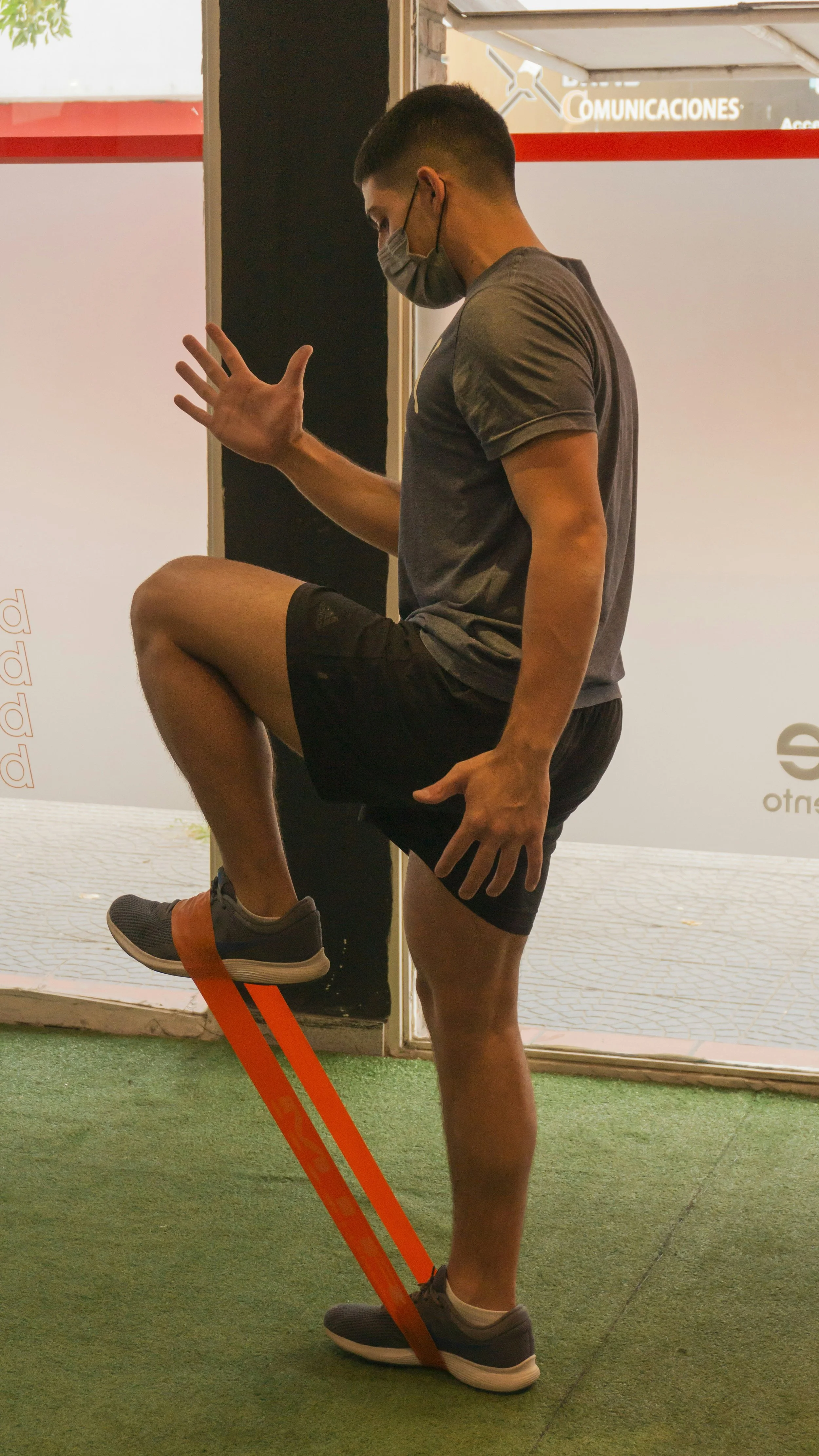
Image courtesy of Federico Faccipieri via Unsplash
When you think of fitness foundations, your mind probably goes to cardio endurance or strength training. While those are essential parts of the picture, a massive piece is often overlooked: Mobility.
Mobility is the ability to move a joint actively through its full range of motion with control. It is the core reason you can squat without knee pain, pick up a dropped object without straining your back, or reach overhead without shoulder stiffness.
At Legacy Fitness & Nutrition, we view Mobility Training as the new foundation of fitness. It is the difference between a body that can simply move and a body that can move well, without pain, for a lifetime. Mobility is the ultimate injury prevention tool and the key to true longevity.
Mobility vs. Flexibility: Understanding the Difference
These two terms are often used interchangeably, but they are not the same:
Flexibility: The length of a muscle (how far you can stretch it). This is passive. (e.g., You can touch your toes, but you are not actively controlling the movement.)
Mobility: The combination of flexibility and strength. It is the usable range of motion in your joints. (e.g., You can actively lower yourself into a deep, controlled squat and return without pain.)
If you have great flexibility but poor control, you are weak at the ends of your range of motion, which is a major setup for injury. Mobility training strengthens your joints through their full range, making movement safe and reliable.
The 3 Pillars of a Mobile Legacy
Mobility work does not need to be complicated. It needs to be consistent and strategic.
1. Daily Joint Priming (The 5-Minute Habit)
If you sit for long periods, your joints start to become "sticky" and weak from lack of use. Taking 5 minutes to actively move your joints daily is the most effective defense.
Action: Dedicate 5 minutes to actively rotating your ankles, knees, hips, and shoulders. Focus on slow, controlled circles and movements, trying to move each joint through its largest comfortable range of motion.
Why it Works: This simple movement lubricates the joints with synovial fluid, improving their function and reducing the "cranky" feeling of stiffness.
2. The Hip and T-Spine Imperative
For most people, two areas are the biggest limiting factors for functional movement and the source of most pain: the Hips and the Thoracic Spine (T-Spine), or your mid-back.
Action: Incorporate daily hip flexor stretches (like the half-kneeling stretch) and T-spine rotation movements (like the "thread the needle" stretch or foam roller extensions).
Why it Works: Tight hips cause lower back pain when you try to bend or lift. Stiff T-spines force your shoulders to overwork, leading to shoulder and neck issues. Opening up these two areas fixes a chain reaction of pain throughout the body.
3. Mobility as a Warm-Up
Stop thinking of mobility as something you do only when you are injured. Mobility work is the perfect preparation for your workout.
Action: Replace passive stretching (holding a stretch) with dynamic mobility exercises before you lift.
Example: Perform light squats, arm circles, leg swings, and bodyweight lunges.
Why it Works: Dynamic movement raises your core temperature and activates the muscles that stabilize the joints you are about to use, preventing injury during the workout itself.
A body that is mobile is a body that is durable. Investing in mobility training now is not just about avoiding future injury; it is about building the foundation for a lifetime of pain-free, active living. That is the definition of a lasting legacy.
