
Christmas Eve Prep: Simple Swaps to Keep Your Holiday Meal Heart-Healthy
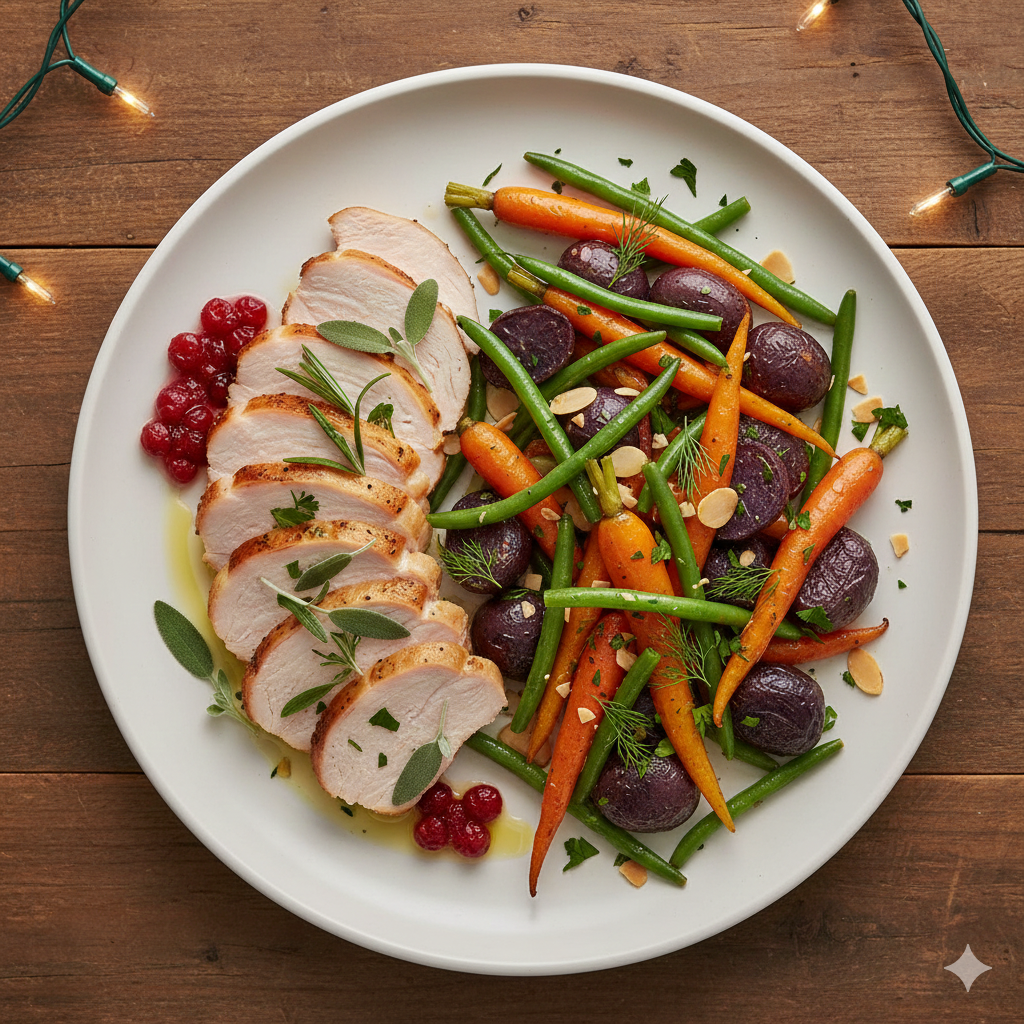
This image was created by AI to avoid copyright issues while still conveying the idea of this article.
The Christmas Eve meal is often one of the biggest and richest meals of the year. It's a time for family, celebration, and tradition, and the food should absolutely be enjoyed.
However, many traditional holiday dishes are packed with hidden fats, sugars, and sodium, turning a wonderful meal into a metabolic shock that leaves you feeling sluggish for days.
At Legacy Fitness & Nutrition, we believe you can have both tradition and better health. You don't have to throw out your favorite recipes; you just need to make a few strategic, simple swaps. These subtle changes will significantly lighten the load on your heart and digestive system, ensuring you wake up feeling energized for Christmas Day, not exhausted.
Here are four simple, effective swaps to keep your Christmas Eve meal delicious and heart-healthy.
1. Upgrade the Cream and Butter
Many holiday recipes rely heavily on cream, whole milk, and butter for richness. Think mashed potatoes, creamy soups, and gravies. These sources are often high in saturated fat.
The Swap: Substitute the heavy dairy where possible.
Instead of: Cream or whole milk in mashed potatoes and soups.
Use: Unsweetened almond milk or cashew milk (for soups and sauces) and Greek yogurt or blended cottage cheese (for mashed potatoes).
Why it Works: Greek yogurt provides a creamy texture plus a boost of protein while slashing saturated fat. The non-dairy milks reduce fat while still providing the necessary liquid base. You still get the creamy mouthfeel without the heavy, digestive burden.
2. Rethink the Roast: Leaner Protein, Richer Flavor
The main protein source is often the centerpiece of the meal. You can choose a leaner protein without sacrificing the festive feel.
The Swap:
Instead of: Heavy, marbled prime rib or dark-meat turkey.
Use: Lean cuts of pork tenderloin, turkey breast (white meat), or even a fish like salmon (which is rich in heart-healthy Omega-3 fats).
Why it Works: Leaner proteins are easier to digest, and salmon delivers Omega-3 fatty acids, which are known to reduce inflammation and support cardiovascular health. If you stick with turkey, simply focus on the white breast meat.
3. Boost Flavor with Herbs, Not Salt and Fat
A lot of the flavor we love in holiday food comes from heavy-handed use of butter and salt. You can achieve a richer, more complex taste using natural herbs and acids.
The Swap: Reduce added salt and fat in vegetable side dishes and stuffings.
Instead of: Butter or bacon grease to cook vegetables.
Use: Olive oil, fresh garlic, lemon juice, balsamic glaze, and fresh herbs like rosemary, thyme, and sage.
Why it Works: Herbs and spices add deep flavor complexity that tricks your palate into feeling satisfied, allowing you to cut back on sodium and fat without feeling deprived. Lemon juice or a vinegar-based dressing cuts through richness and aids in digestion.
4. Prioritize the Fiber in Dessert
Dessert is a sacred tradition. The goal is not to eliminate sugar, but to balance it with a little bit of fiber and whole ingredients to slow down the sugar spike.
The Swap: Choose desserts built around fruit, nuts, or whole grain crusts.
Instead of: Heavy cream pies or dense chocolate cakes.
Use: Pies based on pumpkin, apple, or pecan (or a lighter fruit tart).
Why it Works: Fruit and nuts contain fiber, which slows the absorption of sugar into your bloodstream, making the sugar easier for your body to manage and preventing a massive energy crash later in the evening.
These small, strategic swaps ensure that your Christmas Eve meal remains a delicious celebration, but one that actively supports your digestive system and your heart. Enjoy the tradition without the heavy metabolic hangover, allowing you to build a health legacy that celebrates balance and joy.
