
Christmas Eve Prep: Simple Swaps to Keep Your Holiday Meal Heart-Healthy
Many traditional holiday dishes are packed with hidden fats, sugars, and sodium, turning a wonderful meal into a metabolic shock that leaves you feeling sluggish for days. However, here at Legacy Fitness & Nutrition, we believe you can have both tradition and better health.
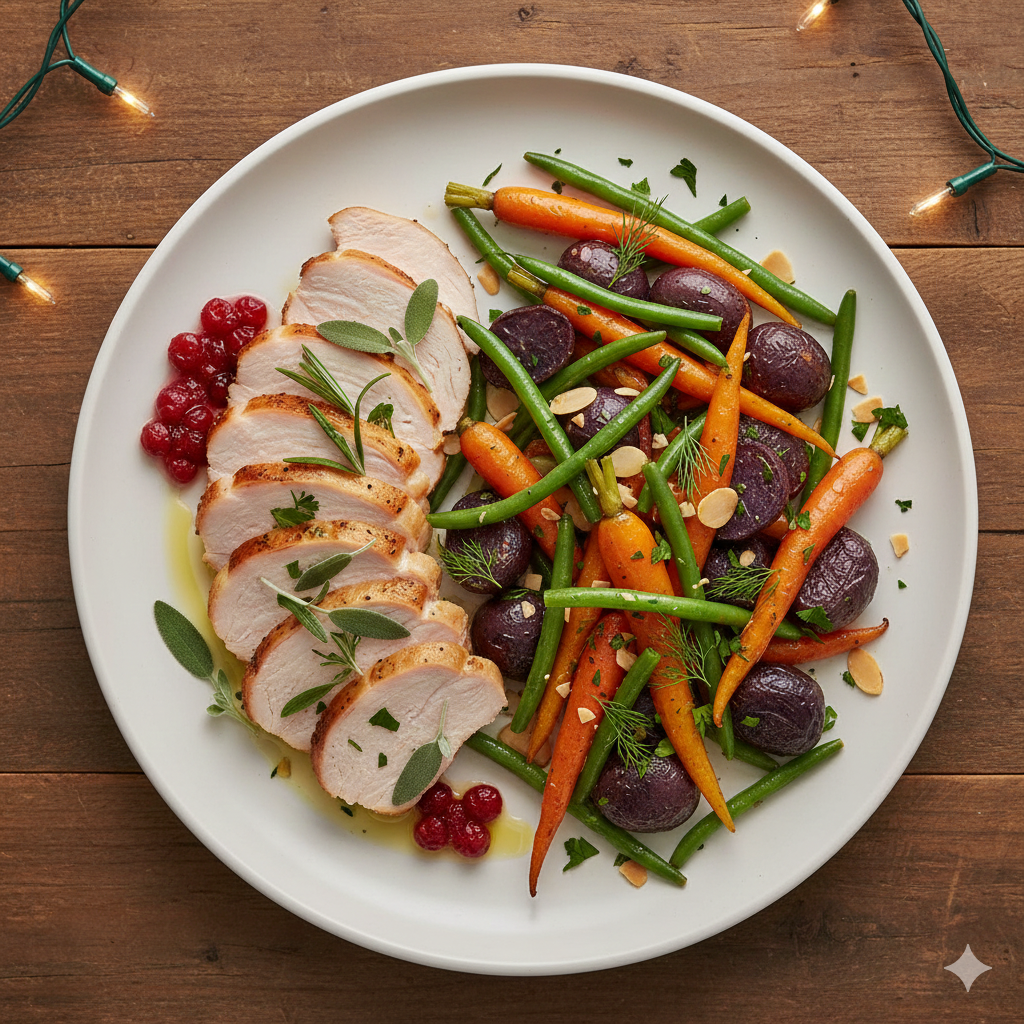
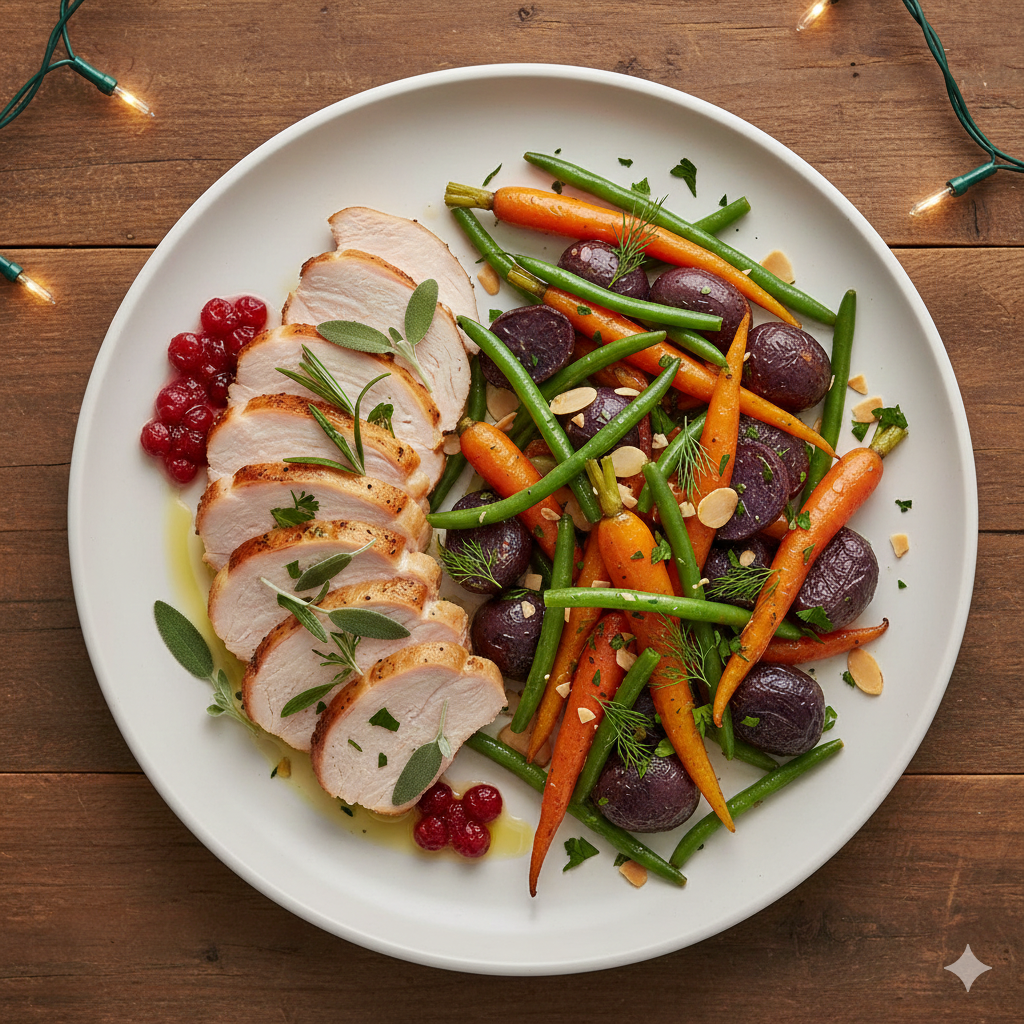
This image was created by AI to avoid copyright issues while still conveying the idea of this article.
The Christmas Eve meal is often one of the biggest and richest meals of the year. It's a time for family, celebration, and tradition, and the food should absolutely be enjoyed.
However, many traditional holiday dishes are packed with hidden fats, sugars, and sodium, turning a wonderful meal into a metabolic shock that leaves you feeling sluggish for days.
At Legacy Fitness & Nutrition, we believe you can have both tradition and better health. You don't have to throw out your favorite recipes; you just need to make a few strategic, simple swaps. These subtle changes will significantly lighten the load on your heart and digestive system, ensuring you wake up feeling energized for Christmas Day, not exhausted.
Here are four simple, effective swaps to keep your Christmas Eve meal delicious and heart-healthy.
1. Upgrade the Cream and Butter
Many holiday recipes rely heavily on cream, whole milk, and butter for richness. Think mashed potatoes, creamy soups, and gravies. These sources are often high in saturated fat.
The Swap: Substitute the heavy dairy where possible.
Instead of: Cream or whole milk in mashed potatoes and soups.
Use: Unsweetened almond milk or cashew milk (for soups and sauces) and Greek yogurt or blended cottage cheese (for mashed potatoes).
Why it Works: Greek yogurt provides a creamy texture plus a boost of protein while slashing saturated fat. The non-dairy milks reduce fat while still providing the necessary liquid base. You still get the creamy mouthfeel without the heavy, digestive burden.
2. Rethink the Roast: Leaner Protein, Richer Flavor
The main protein source is often the centerpiece of the meal. You can choose a leaner protein without sacrificing the festive feel.
The Swap:
Instead of: Heavy, marbled prime rib or dark-meat turkey.
Use: Lean cuts of pork tenderloin, turkey breast (white meat), or even a fish like salmon (which is rich in heart-healthy Omega-3 fats).
Why it Works: Leaner proteins are easier to digest, and salmon delivers Omega-3 fatty acids, which are known to reduce inflammation and support cardiovascular health. If you stick with turkey, simply focus on the white breast meat.
3. Boost Flavor with Herbs, Not Salt and Fat
A lot of the flavor we love in holiday food comes from heavy-handed use of butter and salt. You can achieve a richer, more complex taste using natural herbs and acids.
The Swap: Reduce added salt and fat in vegetable side dishes and stuffings.
Instead of: Butter or bacon grease to cook vegetables.
Use: Olive oil, fresh garlic, lemon juice, balsamic glaze, and fresh herbs like rosemary, thyme, and sage.
Why it Works: Herbs and spices add deep flavor complexity that tricks your palate into feeling satisfied, allowing you to cut back on sodium and fat without feeling deprived. Lemon juice or a vinegar-based dressing cuts through richness and aids in digestion.
4. Prioritize the Fiber in Dessert
Dessert is a sacred tradition. The goal is not to eliminate sugar, but to balance it with a little bit of fiber and whole ingredients to slow down the sugar spike.
The Swap: Choose desserts built around fruit, nuts, or whole grain crusts.
Instead of: Heavy cream pies or dense chocolate cakes.
Use: Pies based on pumpkin, apple, or pecan (or a lighter fruit tart).
Why it Works: Fruit and nuts contain fiber, which slows the absorption of sugar into your bloodstream, making the sugar easier for your body to manage and preventing a massive energy crash later in the evening.
These small, strategic swaps ensure that your Christmas Eve meal remains a delicious celebration, but one that actively supports your digestive system and your heart. Enjoy the tradition without the heavy metabolic hangover, allowing you to build a health legacy that celebrates balance and joy.

How to Hack Your Plate: The 3:1 Rule for Balanced Holiday Meals
Holiday plates are famous for being overloaded, usually with a mountain of carbohydrates (mashed potatoes, stuffing, yams) and very little else.

Holiday plates are famous for being overloaded, usually with a mountain of carbohydrates (mashed potatoes, stuffing, yams) and very little else. This imbalance is the real culprit behind the heavy, sleepy feeling you get after a big meal.
To combat the chaos of the holiday buffet, you need a simple, visual guide that ensures your plate stays balanced. The best way to do this is with the 3:1 Rule for Plate Hacking.
The 3:1 Rule is simple: For every 3 parts of starchy food you take, you must take 1 part of protein.
This isn't a restrictive rule; it's a strategic one. It forces you to build the structural foundation of your meal first (protein and fiber) before you indulge in the delicious but heavy starches.
The Three-Step Plate Hacking Method
When you approach the buffet, follow this order to build a balanced plate that supports stable energy and good digestion.
Step 1: The Foundation (The First Half of Your Plate)
Focus on filling half of your plate with non-starchy vegetables and greens. These foods are low in calories and high in fiber, which helps slow down the digestion of everything else you eat.
Holiday Hacks: Green beans (skip the fried onions on top), side salad, roasted carrots, or raw veggie sticks.
The Goal: Make fiber your priority. If you start here, you'll naturally be too full for a second plate of heavy food.
Step 2: The Structure (The Protein Anchor)
Fill one-quarter of your plate with your main protein source. Protein is essential for satiety and keeping your blood sugar steady.
Holiday Hacks: Focus on the leanest cuts of turkey breast. Avoid or limit dark meat or heavily buttered ham, which add unnecessary fat and calories.
The Goal: Make this a substantial serving. Protein should be the densest food on your plate.
Step 3: The Reward (The Last Quarter)
Only now do you address the starches and sauces. Use the final quarter of your plate for the heavy, higher-calorie holiday items. This is where the 3:1 Rule comes into play.
The 3:1 Rule in Action: For a scoop of mashed potatoes (3 parts), make sure you have a balanced amount of turkey (1 part) to follow it. This encourages you to enjoy the starches in moderation.
Holiday Hacks: Choose your absolute favorite, stuffing, mashed potatoes, or yams, and take a moderate portion. Don't feel obligated to try every single dish.
The Psychology of the Small Plate
Beyond the 3:1 ratio, use a smaller dinner plate if one is available. This is a simple visual hack:
Small Plate, Big Impact: A moderate portion size looks generous on a small plate, satisfying the psychological need to feel full. The same portion size looks skimpy on a large plate.
Take One Trip: Commit to taking one trip to the buffet. If you still want more 20 minutes after you finish, take a second trip, but often, the physical feeling of fullness will have caught up, and the craving will be gone.
The holidays are about celebrating abundance, not restriction. By using the simple 3:1 Rule and strategic plate hacking, you ensure that abundance is focused on the foods that fuel your body—leaving you feeling energized and strong, not sluggish and guilty.

Mindful Indulgence: A Guilt-Free Guide to Enjoying Holiday Treats
Mindful indulgence means accepting that treats are part of the holiday experience and deciding how you will enjoy them before you take the first bite.

Image courtesy of Nadiia Shuran via Unsplash
The weeks between Thanksgiving and New Year's Day often turn into an all-or-nothing eating pattern. We tell ourselves, "I can't eat that cookie!" or "I'll start over in January." This mindset leads to a cycle of restriction, followed by guilt-ridden bingeing, followed by more restriction.
This year, let's replace the guilt with a strategy of Mindful Indulgence. This approach is based on the idea that health isn't measured by one day or one meal, but by consistent habits over time. It gives you permission to fully enjoy the unique treats of the holiday season while keeping your long-term goals firmly in view.
Mindful indulgence means accepting that treats are part of the holiday experience and deciding how you will enjoy them before you take the first bite.
Rule 1: Pre-Decide the Treat, Not the Restriction
The moment you see a plate of your favorite holiday cookies, the emotional brain takes over. Don't wait until that moment to decide.
The Strategy: The 2-Treat Rule. Before you walk into a party or start a holiday dinner, look at the menu (or the dessert table) and decide, "I will enjoy two of my absolute favorite treats tonight."
Why it works: This removes the emotional fight ("Should I or shouldn't I?") and replaces it with a calm decision ("Which one should I choose?"). It shifts your focus from avoidance to selection, making the experience feel intentional and enjoyable, not accidental and guilty.
Rule 2: Engage All Five Senses
When you mindlessly eat a handful of treats while doing something else (like watching a movie or talking), you don't actually register the taste, but you still absorb the calories.
The Strategy: The Slow-Down Test. When you indulge, do so fully. Put your chosen treat on a small plate, sit down, and focus only on the food for a few minutes.
How to do it: Look at the treat, notice the color and texture. Smell the treat, notice the spices and warmth. Take a small bite and chew it slowly, focusing on the flavor profile (sweet, spicy, salty). The goal is to get 100% satisfaction from 25% of the food. When the satisfaction drops below 100%, put it down.
Rule 3: Build the Buffer Zone
Mindful indulgence doesn't mean ignoring your habits; it means strengthening them to support your indulgences. You build a "buffer zone" of healthy choices around the occasional treat.
Prioritize Protein First: Every day, ensure you hit your protein target (around 0.7g/lb of bodyweight). Protein keeps you full, supports your metabolism, and stabilizes blood sugar. If you fill up on protein and fiber first, you'll naturally have less room and less desire for simple sugars.
Don't Skip the Workout: The minute you decide to indulge, commit to your workout the next morning. Knowing you have a workout planned reinforces your identity as an active person and prevents the guilty feeling of "giving up." The workout is not punishment; it's a non-negotiable part of your routine.
Rule 4: Embrace the 80/20 Rule for the Whole Season
No one single meal or single treat will derail your goals. It is the continuous stream of "little cheats" that turns a week into a setback.
The Mindset Shift: Focus on controlling the 80% of your time that is not a holiday party. This means returning to your core habits (protein, veggies, water, sleep) immediately after the holiday event is over.
The Legacy Lesson: Think of the season as a marathon, not a sprint. The goal is to cross the finish line feeling good. By being intentional with your treats and consistent with your core habits, you eliminate the need for a frantic "January detox." You prove that healthy living is flexible enough to include joy, celebration, and tradition.
This holiday season, give yourself the gift of presence and peace. Replace the guilt with intentionality, and enjoy your holiday treats mindfully.

Meal Sequencing: The Simple Trick to Better Blood Sugar Control at Your Holiday Table
The holidays are a wonderful time for celebration, but they often come with a side of worry about heavy meals and blood sugar spikes.
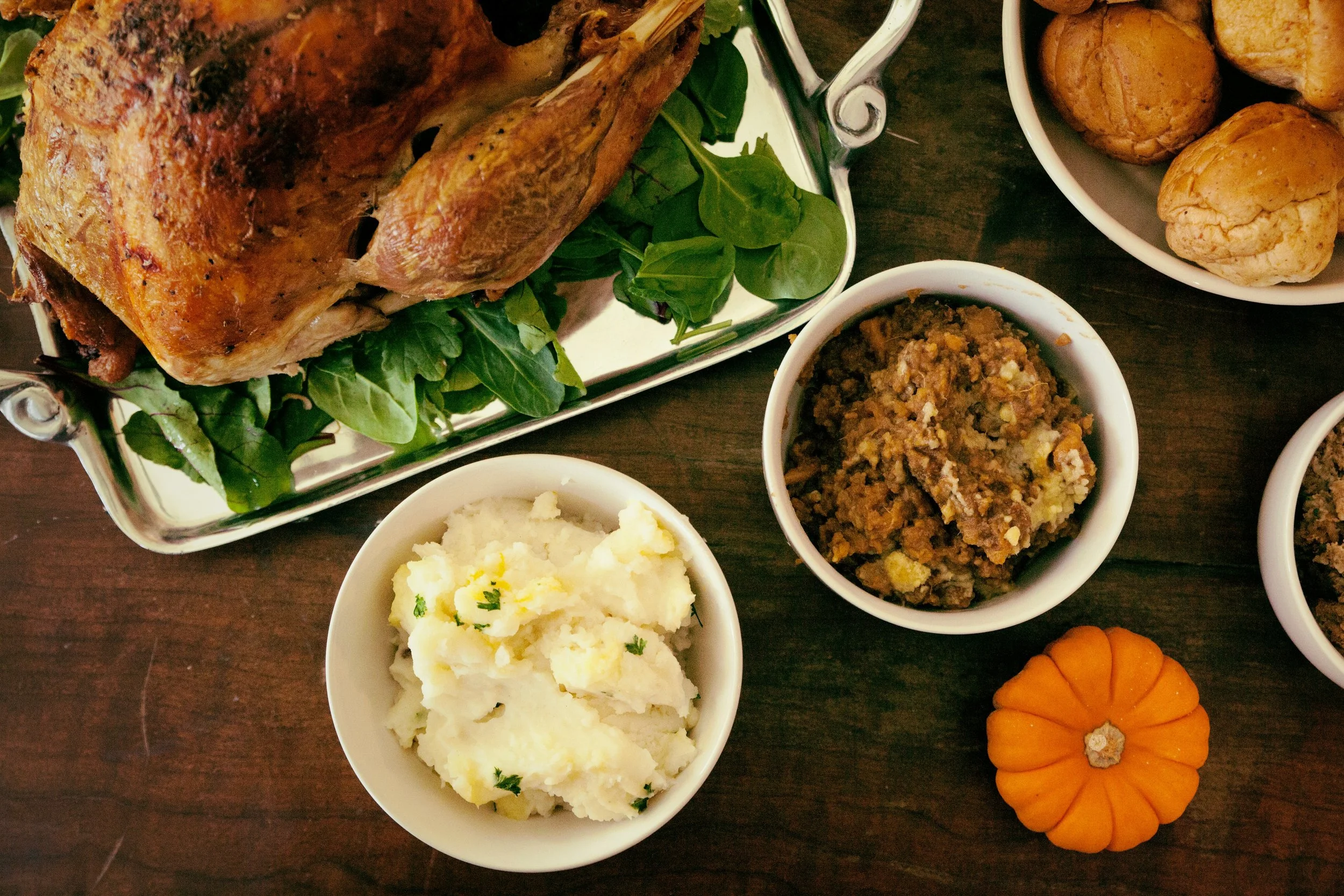
Image courtesy of Megan Watson via Unsplash
The holidays are a wonderful time for celebration, but they often come with a side of worry about heavy meals and blood sugar spikes. When you’re faced with a lavish holiday spread complete with starches, desserts, and rich gravies, it’s easy to feel sluggish afterward, a common sign of a big blood sugar roller coaster.
But what if you could enjoy the food you love and dramatically reduce that post-meal crash without dieting or cutting carbs?
The secret lies in meal sequencing: simply changing the order in which you eat your foods. This powerful, simple trick leverages science to protect your blood sugar, reduce insulin spikes, and keep your energy stable, allowing you to enjoy your holiday meal without the guilt or the crash.
The Science: Why Order Matters
When you eat food, your body breaks down carbohydrates into glucose (sugar), which enters your bloodstream. The faster this happens, the higher the spike.
The key players in meal sequencing are fiber, fat, and protein. These three nutrients slow down digestion and create a physical barrier in your stomach and small intestine.
If you eat carbs first (like a roll or mashed potatoes), they hit your system fast. If you eat fiber, protein, and fat before those carbs, they coat the intestinal walls, acting like a traffic jam to slow the absorption of glucose.
The Best Sequence: Veggies ➔ Protein ➔ Starches
To use meal sequencing effectively at the holiday table, simply apply this proven order:
Step 1: The Starter: Veggies and Salad (The Fiber Barrier)
Begin your meal with the non-starchy vegetables (like green beans, salad, or raw carrots) and a protein-rich appetizer.
Action: Eat your fiber first! A high-fiber start helps create that viscous, gel-like barrier in your gut that slows down the entire digestive process.
Holiday Application: Start with a small salad, green bean casserole (focus on the beans, not the crunchy topping), or even a few stalks of celery.
Step 2: The Main Event: Protein and Healthy Fats (The Speed Bump)
Move on to the turkey, ham, or any other protein source, along with healthy fats (like avocado or nuts, if available).
Action: Protein requires more complex digestion and dramatically slows down gastric emptying (how fast food leaves your stomach). This provides the major braking action for the incoming glucose.
Holiday Application: Focus on a generous serving of turkey breast or your main protein, savoring it before moving on.
Step 3: The Finale: Starches and Sugars (The Slow Release)
Finish your plate with the heavier starches, breads, and desserts.
Action: Because the carbs are entering an environment already rich in protein and fiber, the glucose from the mashed potatoes, stuffing, or pie will be absorbed over a longer, gentler period. This flattens the blood sugar curve.
Holiday Application: Take a moderate portion of your favorite starch, but eat it last. This is not about restriction; it's about strategic placement.
Simple Rules for the Holiday Table
Don't Load the Plate All at Once: If you put everything on your fork at the same time, you negate the sequencing effect. Take a few bites of turkey, then a few bites of green beans, and finish with a small scoop of potatoes.
Take Your Time: Meal sequencing works hand-in-hand with mindful eating. Slow down and chew your food thoroughly. This aids digestion and gives your body's satiety hormones time to kick in.
Stay Hydrated: Drink water throughout the meal, but avoid sugary drinks, which deliver glucose straight into your system without the benefit of fiber or protein.
This year, treat your holiday meal as a simple science experiment. By using the secret of meal sequencing, you can enjoy all the wonderful flavors of the season while giving your body the stability it needs to keep your energy high and your focus sharp, all the way to dessert.