

The 'Fitness Fails' You Can Learn From: Common Workout Mistakes and How to Fix Them
Don't let these "fails" discourage you. The only real failure is giving up. The moment you recognize a mistake and decide to change it, you’ve already won. Remember, every expert was once a beginner.
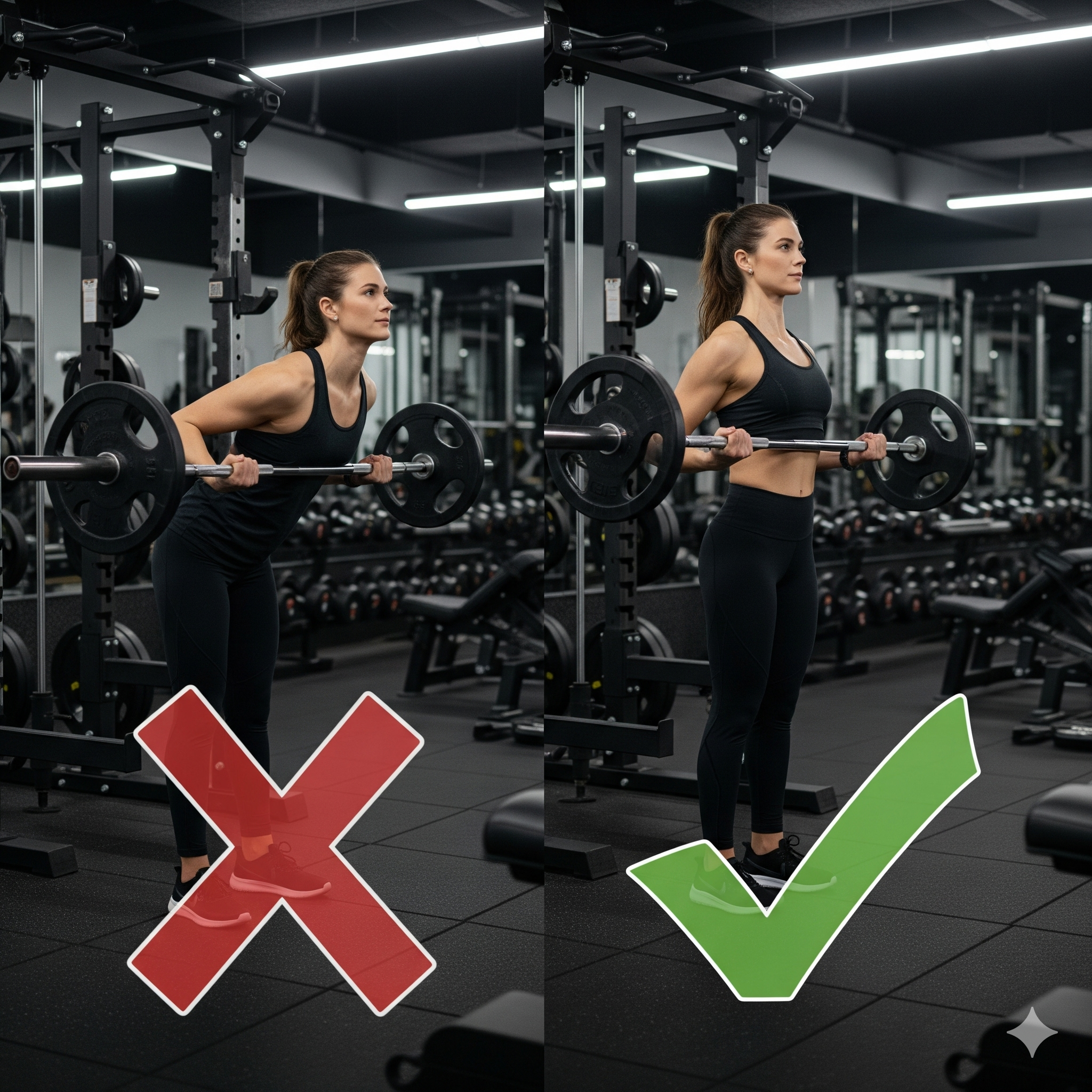
This image was created with AI to avoid copyright issue while conveying the idea of this article. :-)
We've all been there. You're at the gym, feeling good about yourself, when you see it happen. Maybe it's the person doing a bicep curl with their whole body, or the one trying to lift a weight that's way too heavy. We might even look back on our own early workout attempts and cringe a little. These moments, which we might call "fitness fails," aren't just funny stories; they are important lessons in disguise. Everyone makes mistakes when they're learning something new. What matters is that you learn from them and use them to get better.
Here are some of the most common workout "fails" that people make, and how you can easily fix them to see real progress and avoid injury.
Fail #1: Bad Form
This is probably the most common mistake. People often rush to lift heavier weights or go faster without paying attention to how they're moving. A squat with a hunched back or a push-up with your hips sagging can lead to serious injury and keeps you from working the right muscles.
The Fix: Before you add any weight or speed, focus on mastering the correct form. Watch videos from trusted experts, ask a trainer for help, or even record yourself on your phone to see what you're doing. It’s far better to do 5 perfect squats than 20 sloppy ones.
Fail #2: Skipping the Warm-Up
You walk into the gym and want to get right to it. You jump on the weights or the treadmill and start your workout cold. Just like a car engine needs to warm up, your muscles and joints need to get ready for exercise. Skipping this step can lead to muscle pulls and strains.
The Fix: Spend 5 to 10 minutes doing a warm-up. This can be as simple as light cardio (like a brisk walk or a slow jog) followed by some dynamic stretches (like leg swings or arm circles). This gets blood flowing to your muscles and prepares your body for the work ahead.
Fail #3: Not Taking Rest Days
You're motivated and want to work out every single day. While that's great for your mind, it's not so great for your body. Your muscles don't get stronger when you're working out; they get stronger when you're resting and recovering. Overworking yourself can lead to burnout, poor performance, and a higher risk of injury.
The Fix: Plan at least one or two rest days each week. On these days, you can still be active with light activities like a walk or gentle stretching, but you should avoid intense exercise. Think of rest days as an essential part of your training.
Fail #4: Obsessing Over the Scale
You weigh yourself every morning, and if the number doesn't go down, you feel defeated. The scale can be a very misleading tool. Your weight can change daily because of things like water retention, time of day, or the food you've eaten. Plus, if you're building muscle, the scale might not budge—or it could even go up!
The Fix: Put the scale away for a while. Focus on other signs of progress that are much more meaningful. Are your clothes fitting better? Do you have more energy? Are you able to lift heavier weights or run for longer? These are all much better ways to measure your success.
Fail #5: Getting Stuck in a Routine
You found a workout you like, and you do it every single time you're at the gym. While consistency is good, your body is smart. It will quickly get used to the same routine, and your progress will slow down. This is called a "plateau."
The Fix: Mix things up every few weeks. Try a new exercise, add more weight, increase your reps, or change the order of your workout. This "muscle confusion" will challenge your body in new ways and help you continue to see results.
Fail #6: Thinking Nutrition is a Separate Thing
Some people believe they can "out-train" a bad diet. They work out hard but then eat whatever they want, thinking the workout will cancel it out. The truth is, nutrition and exercise are two sides of the same coin. You can't reach your full potential if you're not fueling your body correctly.
The Fix: Think of food as fuel. Try to build your meals around whole foods: lean protein, fruits, vegetables, and whole grains. You don't have to be perfect all the time, but making smart food choices will greatly increase your results.
Don't let these "fails" discourage you. The only real failure is giving up. The moment you recognize a mistake and decide to change it, you’ve already won. Remember, every expert was once a beginner. By learning from these common mistakes, you're not just getting fitter; you're becoming a smarter, more capable version of yourself.

Fueling Your Future: A Beginner's Guide to Nutrient Timing for Maximum Energy and Results
Have you ever hit the gym feeling sluggish, or finished a tough workout and felt completely drained? Nutrient timing doesn't have to be complicated. The most important rule is to eat a balanced, whole-food diet throughout the day.
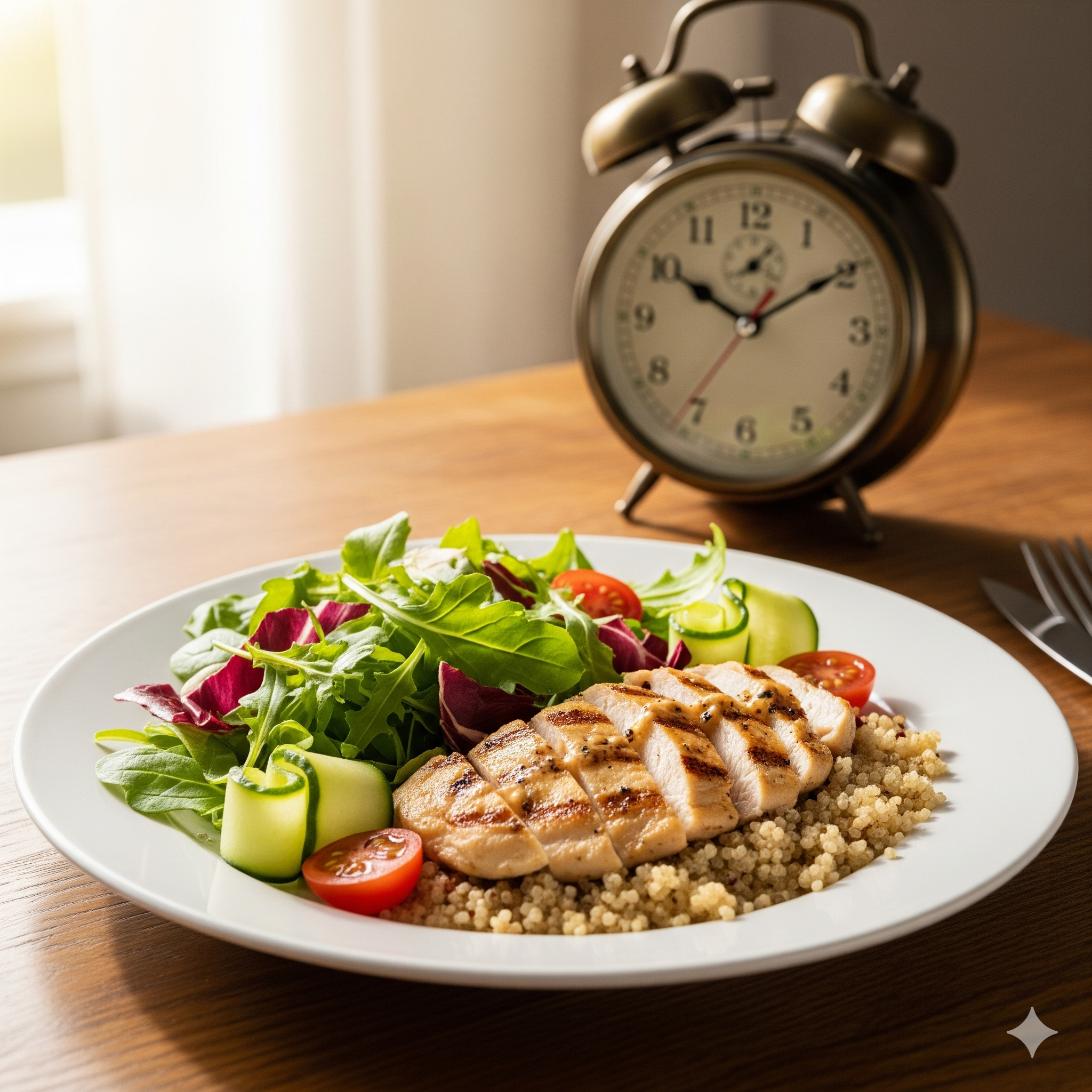
This image was created with AI to avoid copyright issues while conveying the idea of this article.
Have you ever hit the gym feeling sluggish, or finished a tough workout and felt completely drained? Maybe you’ve wondered why your energy levels crash in the middle of the day. It’s not just about what you eat; it's also about when you eat it. The concept of nutrient timing might sound complicated, but it's a simple idea that can make a huge difference in your energy, performance, and recovery.
Nutrient timing is all about eating the right types of food at the right times to give your body the fuel it needs to perform, repair, and rebuild. It's like putting the right kind of gas in your car at the right time. For beginners, you don’t need to get too technical. You just need to focus on two key windows: before your workout and after your workout.
The "Before" Workout Meal: Energy for the Burn
Think of your pre-workout meal as your energy supply. You need to give your body fuel that it can use quickly and efficiently. The best choice here is carbohydrates. They are your body’s preferred energy source and will power your muscles through your workout.
What to Eat: A small, easy-to-digest meal or snack about 30 minutes to an hour before you exercise. Focus on protein and carbs, less on slower digesting fats.
Good examples: A banana, a slice of whole-wheat toast with a little peanut butter, a handful of dried fruit, or a small bowl of oatmeal. My go to is just simple chicken, rice and pineapple or a banana.
Why it Works: This will top off your energy stores, so you don't run out of gas halfway through your workout. It helps you lift heavier, run faster, and have more stamina.
The "After" Workout Meal: The Golden Hour for Recovery
After you've finished exercising, your muscles have been broken down, and your body's energy stores (glycogen) have been depleted. This is a critical time for refueling and repairing. The 30 to 60 minutes after your workout is often called the "golden hour" because your body is primed to absorb nutrients.
What to Eat: A combination of protein and carbohydrates.
Protein: This is essential for muscle repair and growth.
Carbohydrates: These are needed to replenish your energy stores and to help shuttle protein to your muscles.
Good examples: A smoothie with protein powder and a banana, Greek yogurt with berries, chicken breast with brown rice and veggies, or a turkey sandwich on whole-wheat bread.
Why it Works: Eating a good post-workout meal helps your muscles recover faster and rebuild stronger. It also prevents muscle soreness and helps you feel less tired after a tough workout.
Hydration: The Third Pillar
Don't forget about water! It’s essential before, during, and after your workout. Staying hydrated helps your body regulate its temperature, transport nutrients, and prevent cramps. Make sure you’re sipping water throughout the day.
The Rhythm of Your Meals: Why Spacing Matters
Have you ever gone too long between meals only to find yourself feeling "hangry" and ready to eat everything in sight? When you have a gap of three to five hours between meals, your blood sugar can drop. This sends a powerful signal to your brain that you're starving, which often leads to intense cravings and overeating.
A simple and effective approach is to eat a balanced meal or snack every three to four hours. This helps keep your blood sugar levels stable, so you avoid those extreme hunger pangs. By eating more regularly, you’re less likely to overeat at your next meal, making it easier to stick to a plan and manage portion sizes without feeling deprived. This approach also helps keep your metabolism humming along throughout the day.
Let’s Talk About Intermittent Fasting: Is It Right for You?
Intermittent fasting, or IF, is an eating pattern that cycles between periods of eating and fasting. Common methods include the 16/8 method (fasting for 16 hours and eating all your meals within an 8-hour window) or the 5:2 method (eating normally for five days and restricting calories on two days).
Why It Seems to Work: The biggest reason IF is effective for weight loss is that it naturally leads to calorie restriction. When you have a smaller window to eat, it's often much harder to consume as many calories as you would throughout a full day. It simplifies eating by removing the need for breakfast or late-night snacking, which can work for people who struggle with overeating.
Why It's Not for Everyone: While it works for some, IF is not a magic solution. It can be difficult to stick with, especially at the beginning, and can lead to intense hunger that might cause binging during the eating window. It can also be challenging for people who exercise in the morning, as working out on an empty stomach might lead to low energy and poor performance. The best diet for you is one you can stick to consistently, and for many people, IF just isn't sustainable.
The Late-Night Eating Myth
You’ve probably heard the old rule that eating late at night will make you gain weight. This myth comes from the idea that your metabolism slows down when you sleep, so any food you eat at night will be stored as fat.
The Reality: Your body is a complex machine that is always working. Your metabolism doesn't just stop at night. Weight gain is caused by a calorie surplus over time—meaning you eat more calories than you burn, regardless of when you eat them. Eating a snack at 10 PM isn’t inherently fattening.
The Nuance: That said, there is a good reason to be mindful of late-night eating. Many people tend to choose unhealthy snacks at night out of boredom or stress. Eating a large, heavy meal right before bed can also interfere with your sleep, and poor sleep is linked to weight gain. A small, balanced snack, like a scoop of protein powder mixed with milk or a handful of nuts, can actually be beneficial for muscle recovery, especially if you had a hard workout that day.
Putting It All Together
Nutrient timing doesn't have to be complicated. The most important rule is to eat a balanced, whole-food diet throughout the day. But by paying a little extra attention to what you eat before and after your workouts, you can give your body the best chance to perform at its peak and recover quickly. It’s a simple change that can lead to big results in your energy levels and your overall fitness journey.

The Secret to Staying on Track: How to Build Lasting Fitness Habits
How many times have you started a new fitness routine with a burst of excitement, only to find yourself falling off track a few weeks later? You’re not alone. Building lasting fitness habits isn't about willpower; it's about designing a system that makes healthy choices easier and more automatic.
How many times have you started a new fitness routine with a burst of excitement, only to find yourself falling off track a few weeks later? You’re not alone. Many people struggle not with what to do, but with how to stick with it. The truth is, motivation is a fickle thing; it comes and goes. The real secret to long-term fitness success isn't about constant motivation, it's about building strong, lasting habits.
Habits are those things you do almost automatically, without having to think much about them. Brushing your teeth, making your morning coffee – these are habits. Imagine if working out or eating healthy felt just as natural and easy. The good news is, you can train your brain to make healthy choices a part of your daily routine. It takes a bit of effort at the start, but once those habits are built, they become your secret weapon for staying on track.
1. Start Small, Think Big
One of the biggest mistakes people make is trying to change everything at once. You decide to work out for an hour every day, cut out all sugar, and meal prep for the entire week, all starting tomorrow. This is a recipe for burnout.
The Fix: Instead, pick one tiny habit to focus on. Could you commit to just 10 minutes of walking every day? Or maybe swapping one sugary drink for water? Once that small habit feels easy and automatic, then you can add another. Small wins build confidence and momentum.
2. Make It Obvious
Our environment plays a huge role in our habits. If your running shoes are buried in the back of your closet, you're less likely to go for a run. If healthy snacks are out of sight, you're more likely to grab the chips.
The Fix: Make your desired habit easy to see and access. Lay out your workout clothes the night before. Keep a water bottle on your desk. Put healthy snacks at eye level in your fridge. Make the healthy choice the easy choice.
3. Stack Your Habits
This is a powerful trick. Habit stacking means attaching a new habit to an existing one. You already have routines in your day – use them!
The Fix: Think about something you already do every single day without fail. For example, "After I brush my teeth in the morning, I will do 10 squats." Or, "After I finish my morning coffee, I will review my meal prep for the day." By linking a new habit to an old one, you create a natural trigger.
4. Make It Enjoyable (or at Least Tolerable)
If you dread your workout, you won't stick with it. While not every part of fitness is always "fun," you can find ways to make it more appealing.
The Fix: Experiment with different types of exercise until you find something you genuinely like. This could be dancing, hiking, cycling, or a specific class. If you hate running, don't force yourself to run. For nutrition, find healthy recipes that you actually enjoy cooking and eating. Even adding a good playlist to your workout can make a big difference.
5. Reward Yourself (Sensibly)
Our brains love rewards. When you get a positive feeling after doing something, you're more likely to repeat it. But the reward should not undo your good work.
The Fix: For a small win (like completing your workout), your reward could be listening to your favorite podcast, taking a warm bath, or calling a friend. For bigger milestones (like sticking to a habit for a month), it could be new workout gear, a massage, or a fun experience.
6. Don't Break the Chain (Too Often)
Consistency is key. Try to hit your new habit every day, or most days. If you miss a day, don't let it derail you. One missed workout doesn't ruin your progress.
The Fix: The "never miss twice" rule. If you miss a day, make sure you get back on track the very next day. This prevents one slip-up from turning into a complete abandonment of your goals. Forgive yourself, learn from it, and restart.
Building lasting fitness habits isn't about willpower; it's about designing a system that makes healthy choices easier and more automatic. By starting small, making it obvious, stacking your habits, finding enjoyment, and being kind to yourself when you slip, you can transform your fitness journey from a temporary effort into a sustainable, lifelong lifestyle. Your future, fitter self will thank you for it.

Beyond the Shake: Why Protein Is the Key to Your Fitness Goals
Protein is far more than just a muscle builder; it's a foundational nutrient for almost every aspect of your health and fitness.

When you think about protein, your mind might immediately go to big muscle builders drinking protein shakes at the gym. And while protein is definitely crucial for muscle growth, its importance extends far beyond the bodybuilding world. For anyone on a fitness journey, regardless of their goal – whether it's weight loss, increased energy, or just feeling healthier – protein is a powerhouse nutrient that deserves your full attention.
Protein is one of the three macronutrients (along with carbohydrates and fats) that your body needs in large amounts. It's made up of amino acids, which are often called the "building blocks" of life. These amino acids are used to build and repair not just your muscles, but also your bones, skin, hair, and every single cell in your body. Understanding protein's full role can help you make smarter food choices and unlock better results from all your hard work.
1. Muscle Repair and Growth
This is protein's most well-known role. Every time you work out, especially with strength training, you create tiny tears in your muscle fibers. Protein provides the amino acids needed to repair these tears, making your muscles stronger and bigger over time. Without enough protein, your body struggles to recover, leading to slower progress and increased soreness.
2. Satiety and Weight Management
If you're trying to lose weight or simply manage it, protein is your best friend. Protein-rich foods are incredibly filling. They help you feel fuller for longer compared to carbs or fats, which means you're less likely to overeat or snack on unhealthy foods between meals. This "satiety effect" is a game-changer for controlling your appetite and reducing overall calorie intake naturally.
3. Boosted Metabolism
As we discussed in the metabolism article, protein has a higher "thermic effect of food" (TEF) than carbohydrates or fats. This means your body uses more energy (burns more calories) to digest and process protein. So, by simply including more protein in your diet, you're giving your metabolism a little boost just by eating!
4. Stable Energy Levels
Unlike simple carbohydrates, which can cause a quick spike and then crash in blood sugar, protein helps stabilize your blood sugar levels. When your blood sugar is stable, you experience more consistent energy throughout the day, avoiding those mid-afternoon slumps and cravings. This also helps with focus and overall mood.
5. Hormone and Enzyme Production
Protein isn't just for building physical structures; it's also vital for creating hormones, enzymes, and other chemicals that help your body function correctly. Hormones regulate nearly every process in your body, from metabolism and growth to mood and reproductive health. Without enough protein, these essential functions can be disrupted.
How Much Protein Do You Need?
The exact amount varies based on your activity level, age, and goals. A good general guideline for active individuals is to aim for roughly 0.7 to 1 gram of protein per pound of body weight per day. For example, a 150-pound person might aim for 105-150 grams of protein daily. It’s best to spread this intake throughout your day, aiming for 20-40 grams of protein at each main meal.
Beyond the Shake: Excellent Protein Sources
While protein shakes are convenient, there are many delicious whole-food sources:
Lean Meats: Chicken breast, turkey, lean beef, pork loin
Fish: Salmon, tuna, cod, shrimp
Eggs: A complete protein source, versatile and affordable
Dairy: Greek yogurt, cottage cheese, milk
Legumes: Beans, lentils, chickpeas
Nuts and Seeds: Almonds, walnuts, pumpkin seeds, chia seeds
Protein is far more than just a muscle builder; it's a foundational nutrient for almost every aspect of your health and fitness. By making sure you're getting enough high-quality protein throughout your day, you'll be giving your body the essential tools it needs to recover faster, feel fuller, boost your metabolism, and ultimately achieve your fitness goals.

Stoking Your Inner Furnace: 5 Simple Ways to Boost Your Metabolism
Have you ever wondered why some people seem to eat whatever they want and never gain a pound, while others feel like they just look at food and put on weight?

This image was created with AI to avoid copyright issues while conveying the meaning of this article
Have you ever wondered why some people seem to eat whatever they want and never gain a pound, while others feel like they just look at food and put on weight? A lot of it comes down to something called metabolism. Your metabolism is basically your body's engine – it's the process by which your body converts what you eat and drink into energy. A faster metabolism means your body burns more calories, even when you're resting.
While genetics play a part, your metabolism isn't set in stone. There are many simple, powerful ways you can stoke your inner furnace and get your body burning calories more efficiently. It's not about magic pills or extreme diets; it's about smart, consistent habits that add up to big results.
1. Build More Muscle
This is probably the most impactful way to boost your metabolism. Muscle tissue burns more calories at rest than fat tissue does. Think of it like this: muscles are active and always working, even when you’re just sitting on the couch. The more muscle you have, the more calories your body naturally burns throughout the day.
How to do it: Start strength training! This doesn't mean you need to become a bodybuilder. Aim for 2-3 full-body strength workouts per week, focusing on major muscle groups with exercises like squats, push-ups, rows, and lunges. Use weights that challenge you, or even just your own body weight.
2. Don't Skip Breakfast
You've heard that breakfast is the most important meal of the day, and for your metabolism, it's especially true. Eating breakfast jumpstarts your metabolism after a long night of sleep. It tells your body that fuel is available and it's time to start burning calories. Skipping it can signal your body to conserve energy, potentially slowing things down.
How to do it: Aim for a breakfast that includes protein and complex carbohydrates. Think eggs and whole-wheat toast, oatmeal with berries and nuts, or Greek yogurt with fruit.
3. Hydrate, Hydrate, Hydrate
Water is essential for almost every bodily function, including your metabolism. If you're even slightly dehydrated, your metabolism can slow down. Water also helps your body break down nutrients and transport them to where they need to go, making all metabolic processes more efficient.
How to do it: Make water your go-to drink. Aim for at least 8 glasses (around 2 liters) per day, and more if you’re exercising or it's hot. Keep a water bottle handy and sip throughout the day.
4. Get Enough Sleep
In our busy lives, sleep is often the first thing to go. But lack of sleep can seriously mess with your hormones, including those that regulate your metabolism and appetite. When you don’t get enough shut-eye, your body produces more cortisol (the stress hormone) and ghrelin (the hunger hormone), which can lead to increased cravings and a slower metabolism.
How to do it: Aim for 7-9 hours of quality sleep each night. Create a relaxing bedtime routine, make your bedroom dark and cool, and try to go to bed and wake up around the same time each day, even on weekends.
5. Eat Enough Protein
Protein has a higher "thermic effect" than carbs or fats. This means your body uses more energy to digest and process protein than it does for other macronutrients. So, by eating more protein, you're essentially burning more calories just by eating! Protein also helps you feel fuller for longer, which can prevent overeating.
How to do it: Include a source of lean protein at every meal. Good options include chicken, turkey, fish, eggs, beans, lentils, and Greek yogurt.
Boosting your metabolism isn't about quick fixes; it's about building consistent, healthy habits that support your body's natural calorie-burning power. By focusing on strength training, smart eating, hydration, and sleep, you can stoke your inner furnace and enjoy more energy, easier weight management, and a healthier you.

Navigating the Menu: Your Guide to Eating Healthy While Dining Out
Eating out with friends, family, or for a business meeting is a part of life. It’s a chance to relax, enjoy new flavors, and connect with people. But for many, a trip to a restaurant can feel like a setback on their fitness journey.

Eating out with friends, family, or for a business meeting is a part of life. It’s a chance to relax, enjoy new flavors, and connect with people. But for many, a trip to a restaurant can feel like a setback on their fitness journey. They worry about undoing their hard work in the gym or at home. The good news is that you don't have to choose between a fun night out and your health goals. With a few simple strategies, you can enjoy a delicious meal while staying on track.
The secret isn’t about being perfect; it’s about making smart choices most of the time. You can think of it as a fun challenge, not a stressful test. By preparing just a little bit, you can take control of your meal before you even walk through the door.
1. Look at the Menu Before You Go
This is the number one secret weapon for healthy dining. Almost every restaurant has its menu online. Before you leave the house, take a few minutes to look at your options. This helps you avoid the pressure of making a last-minute decision when you're hungry and surrounded by delicious-smelling food. You can look for dishes that are grilled, baked, or steamed. Many menus even have a healthy-options section or use symbols to mark lighter meals.
2. Start with a Smart Appetizer
When you're starving, it's easy to overdo it on the bread basket or a plate of fried starters. Instead, try ordering a healthy appetizer to fill up a little. A small salad with vinaigrette dressing on the side, a bowl of broth-based soup, or fresh spring rolls are all great choices. This small step can prevent you from overeating later in the meal.
3. Don't Be Afraid to Ask for Changes
Remember, you are the customer, and most restaurants want you to be happy. Don't be shy about asking for changes to your meal. A simple request like "Can I have the dressing on the side?" or "Could you swap the fries for steamed vegetables?" can make a huge difference. Swapping fried for grilled meat, or swapping a heavy sauce for a lighter one, is often an easy switch for the kitchen and a big win for you.
4. Watch Out for Hidden Calories
Some of the sneakiest sources of extra calories are not the main dishes themselves but the things that come with them. Think about sauces, dressings, and drinks. A creamy sauce can add hundreds of calories to an otherwise healthy piece of chicken. A soda or a sugary cocktail can do the same. Ask for sauces on the side, choose oil-and-vinegar dressing for your salad, and opt for water with lemon or unsweetened iced tea.
5. Master the Art of Portion Control
Restaurant portions are often way bigger than a single serving. It’s okay to eat only half of your meal. You can ask for a to-go box right away and put half of the meal in it before you even start eating. That way, you won't be tempted to finish the entire plate just because it’s there. You'll get to enjoy a second meal the next day, which is a great bonus!
6. Choose the Right Main Dish
When you're looking at the menu, gravitate toward simple, classic choices. A good rule of thumb is to build your plate around a lean protein (like grilled fish, chicken breast, or lean steak), some healthy fats (like avocado or nuts), and a good serving of vegetables. Dishes that sound simple are usually your best bet. Words like "fried," "breaded," "creamy," and "smothered" are clues that the dish might be loaded with extra fat and calories. On the other hand, words like "grilled," "baked," "roasted," and "steamed" are signs of a healthy choice.
Eating out is a chance to enjoy a different environment and food you didn't have to cook yourself. It’s a chance to connect with the people around you. By using these simple tips, you can feel confident and in control of your choices, making the experience enjoyable and stress-free. Remember, a single meal out won't ruin your progress. It's about building healthy habits that you can stick with in every situation.

Workout on the Road: Your Guide to Staying Fit While Traveling
Whether it's a family vacation or a busy work trip, travel can often throw a wrench into your fitness routine. By being prepared, getting creative with your workouts, and making smart food choices, you can truly enjoy your travels without losing sight of your fitness goals.

This image was created with AI to avoid copyright issues while conveying the idea of this article.
Whether it's a family vacation or a busy work trip, travel can often throw a wrench into your fitness routine. Suddenly, your regular gym is gone, your favorite healthy foods aren't readily available, and the temptation to relax (or overindulge) is everywhere. It's easy to feel like you have to put your health goals on hold until you get back home.
But staying fit while traveling doesn't have to be a struggle. With a little planning and a willingness to be flexible, you can keep your momentum going and return feeling refreshed, not regretful. The key is to shift your mindset: instead of aiming for your perfect, at-home routine, focus on making the best choices you can, enjoying the experience, and finding creative ways to move your body.
1. Plan Ahead (But Don't Over-Plan)
Before you even pack your bags, do a quick check of your destination.
Check the hotel: Does it have a gym? A pool? Are there walking paths nearby? Many hotels now list their fitness facilities online.
Pack smart: Bring versatile workout clothes and good walking shoes. Consider packing resistance bands; they're lightweight and great for a full-body workout anywhere.
Research local activities: Is there a hiking trail, a city park, or a walking tour you can join? Incorporate activity into your sightseeing.
2. Embrace Bodyweight Workouts (No Gym Needed!)
No gym? No problem! Your body is your best piece of equipment. Hotel rooms, parks, or even an empty corner of a conference room are all you need for a great workout.
Quick Circuit Ideas:
Warm-up: 5 minutes of jumping jacks or high knees.
Circuit (3-4 rounds): 10-15 push-ups, 15-20 squats, 10-15 lunges (each leg), 20-30 second plank, 10-15 tricep dips (using a chair).
Cool-down: Gentle stretches.
Time it: Even 15-20 minutes of these exercises can make a big difference in maintaining your strength and energy.
3. Make Movement Part of Your Day
Traveling often involves a lot of sitting, whether in a car, plane, or meeting. Actively look for ways to integrate movement.
Walk everywhere: Explore new cities on foot. Take the stairs instead of the elevator. Walk to dinner instead of taking a cab.
Breaks on long journeys: If you're driving, stop every couple of hours to stretch and walk around for 10-15 minutes. On a flight, stand up and stretch in the aisle when appropriate.
Morning walks/jogs: Start your day with some fresh air. It’s a great way to see a new place and wake up your body.
4. Navigate Restaurant Menus Wisely
Eating out is a big part of travel, and you should enjoy it! But you can make healthier choices without feeling deprived.
Look ahead: Check menus online before you go to the restaurant.
Portion control: Restaurant portions are often huge. Consider sharing a main dish, or ask for a to-go box and put half your meal away immediately.
Smart swaps: Ask for dressings and sauces on the side. Choose grilled, baked, or steamed options over fried. Load up on vegetables.
Hydrate: Drink plenty of water throughout the day and with your meals.
5. Prioritize Sleep and Stress Management
Travel can be tiring and stressful. Giving your body enough rest and managing stress will help you stay on track.
Aim for consistent sleep: Try to stick to a regular sleep schedule as much as possible, even with time zone changes.
Relax: Don't stress if you miss a workout or have an indulgent meal. Focus on consistency over perfection. Enjoy your trip!
Staying fit while traveling isn't about being perfect; it's about being present and making conscious choices to support your well-being. By being prepared, getting creative with your workouts, and making smart food choices, you can truly enjoy your travels without losing sight of your fitness goals.
Ready to build a routine that works for you, no matter where life takes you? A fitness coach can help you create a personalized plan that fits seamlessly into your busy life and travel schedule. At Legacy Fitness & Nutrition, we specialize in helping people build strength and confidence wherever you are, with or without a gym, on your schedule not your trainer’s schedule.
Building a Budget-Friendly Home Gym: Essentials for an Effective Fall Workout
What if you could eliminate the commute to the gym entirely and get a great workout without ever leaving your house? Creating an effective home gym doesn't have to mean spending thousands of dollars on bulky equipment or dedicating an entire room to it.
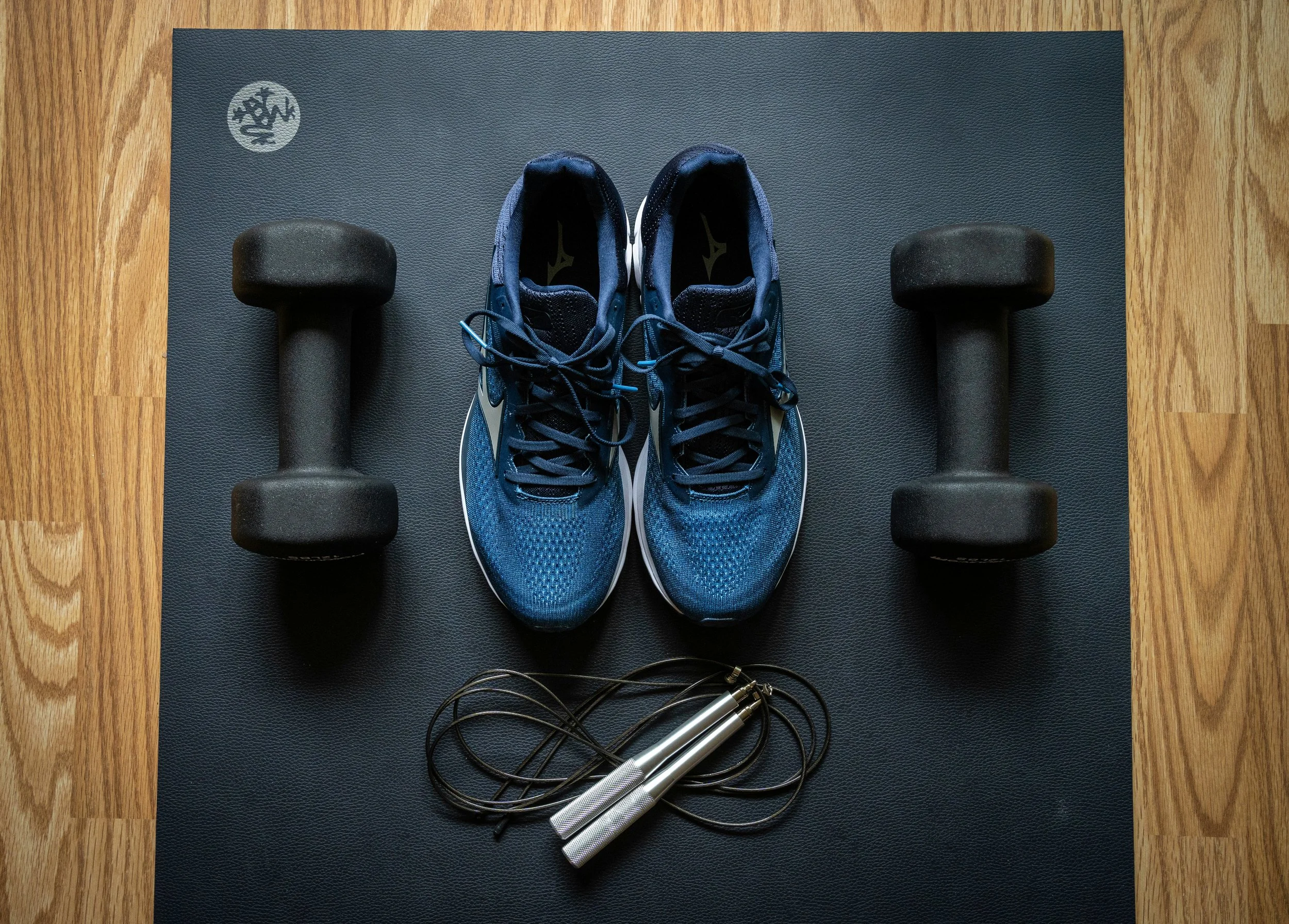
As the days get shorter and the weather gets cooler, finding the time and motivation to get to the gym can feel like a real challenge. Between back-to-school routines, busier work schedules, and a general lack of daylight, the thought of an extra commute to the gym can be enough to make you skip your workout altogether. But what if you could eliminate that commute entirely and get a great workout without ever leaving your house?
Creating an effective home gym doesn't have to mean spending thousands of dollars on bulky equipment or dedicating an entire room to it. In fact, you can build a highly functional workout space with just a few key items that are both affordable and versatile. The goal isn't to replicate a commercial gym; it's to create a space that makes it easier for you to stay consistent with your fitness, especially during the busy fall season. With a little planning and a few smart purchases, you can have everything you need to build strength, improve your cardio, and feel great from the comfort of your home.
This article will guide you through the essential, low-cost equipment you need to create a functional home gym and even give you a sample workout to get started.
The "Why" Behind a Home Gym
Before we dive into the gear, let's talk about why a home gym is such a game-changer.
Saves Time: The time you spend driving to and from the gym can be used for your workout itself, or for other important things in your day.
Saves Money: A one-time investment in a few pieces of equipment is often far cheaper than a gym membership over the course of a year.
Convenience and Privacy: You can work out whenever you want, in whatever you want, without worrying about other people. You'll never have to wait for a machine again.
The Core Essentials: What You Really Need
You don't need a lot of equipment to get a great workout. In fact, a handful of carefully chosen items can provide endless exercise options. Here are the core essentials for your budget-friendly home gym:
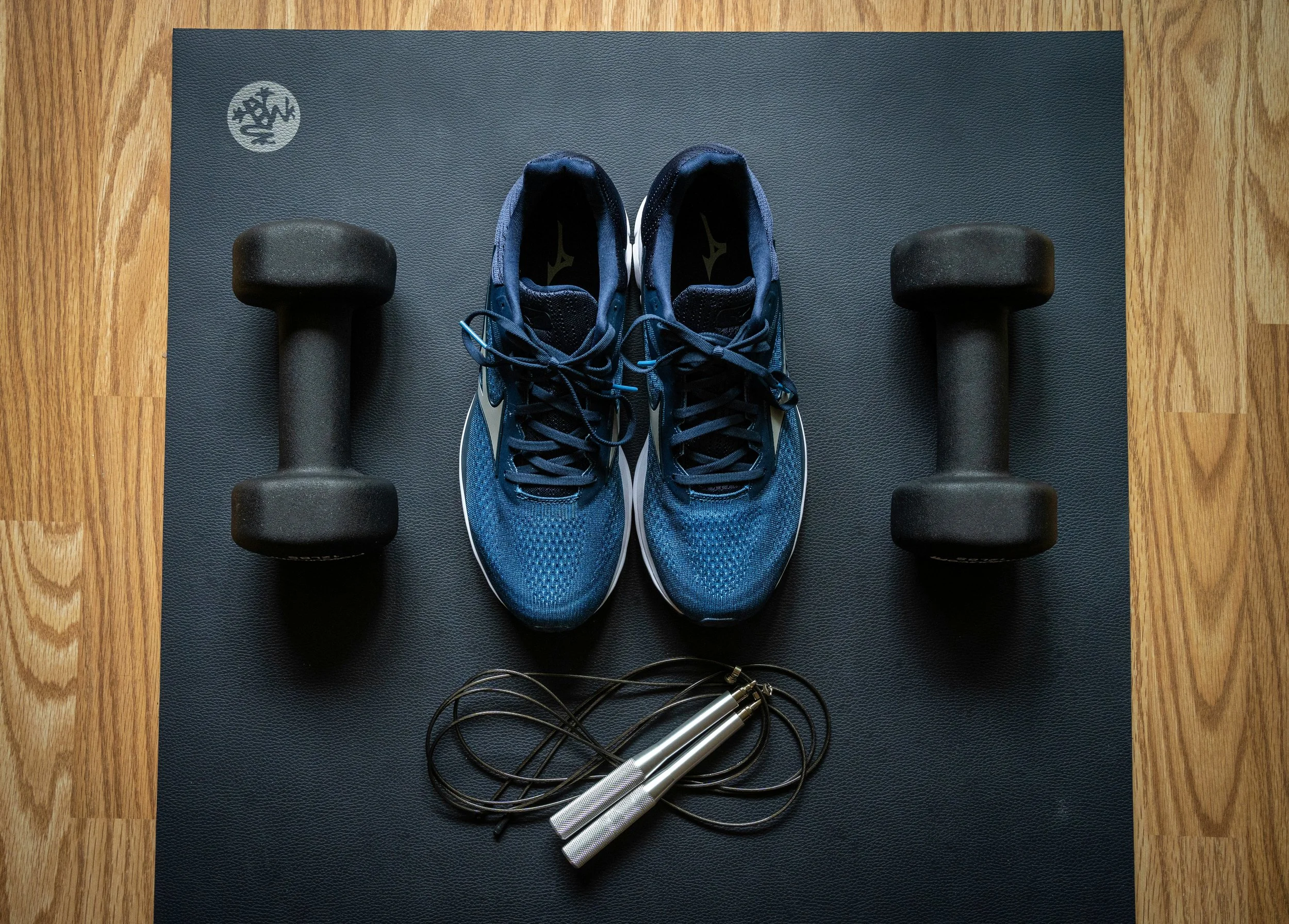
A Yoga Mat: This is your foundation. A mat provides a clean, comfortable surface for floor exercises like planks, sit-ups, and stretches. It also gives you a non-slip surface for standing exercises and helps you define your workout space, even if it's just a small corner of a room.
A Set of Dumbbells or a Kettlebell: A set of dumbbells is incredibly versatile for strength training. You can use them for squats, lunges, presses, rows, and more. If you only want to buy one item, a single kettlebell is an excellent choice. It can be used for dynamic exercises like swings, presses, and rows, working multiple muscle groups at once. A medium-weight kettlebell is a great starting point for most people.
Resistance Bands: These are one of the most underrated pieces of workout equipment. They are cheap, take up almost no space, and are incredibly versatile. Resistance bands can be used for warming up your muscles, adding resistance to exercises like squats and bicep curls, and helping with stretching. They come in different resistance levels, making it easy to adjust the difficulty of your workout.
A Jump Rope: Looking for a quick and effective cardio workout? A jump rope is your answer. It's affordable, portable, and an excellent way to get your heart rate up without a lot of space. Just 10 minutes of jumping rope can be as effective as a 30-minute run.
A Sample Full-Body Workout with Your New Gear
Once you have your equipment, you can put it to use with a simple, effective full-body workout.
Warm-up (5 minutes): Start with some dynamic stretches like jumping jacks and arm circles. Do some bodyweight squats and lunges to get your muscles ready.
The Workout (3 rounds, rest for 60 seconds between rounds):
Dumbbell or Kettlebell Goblet Squats: 12 reps. Hold the weight at your chest as you squat. This is a great exercise for your legs and core.
Push-ups: 10 reps (on your knees if needed). This works your chest, shoulders, and triceps.
Resistance Band Rows: 15 reps per arm. Anchor the band to a sturdy object or stand on it. This builds strength in your back.
Plank: Hold for 30-60 seconds. The plank is a fantastic exercise for strengthening your entire core.
Jump Rope: 60 seconds. A quick burst of cardio to keep your heart rate up.
Cool-down (5 minutes): Stretch your major muscle groups, including your hamstrings, quads, and shoulders.
This simple routine proves that you don't need a lot of space or money to get an amazing workout. A few versatile tools and a little bit of time are all it takes to build a sustainable fitness habit. As you get back into the rhythm of the fall season, having a home gym can be the key to staying active, feeling stronger, and achieving your fitness goals.

Final Summer Push: 3 Fun Workouts to Make the Most of Your Labor Day Weekend
This Labor Day, instead of letting your fitness take a backseat, embrace the opportunity to move your body in enjoyable ways.

Labor Day weekend often feels like the bittersweet end of summer. It’s a time for backyard BBQs, soaking up the last rays of sunshine, and enjoying a well-deserved break. But while relaxing is key, it’s also a perfect opportunity to get in some fun, active workouts that embrace the spirit of the season before fall officially arrives.
Instead of seeing it as a disruption to your routine, think of your Labor Day workout as a celebration! It’s a chance to get outside, try something a little different, and move your body in ways that feel good and are truly enjoyable. Here are three fun workout ideas that you can easily fit into your long weekend, whether you're at home, visiting a park, or enjoying a local trail.
1. The "Park & Play" Bodyweight Circuit
No gym? No problem! Your local park is a fantastic outdoor gym. The open space, fresh air, and natural elements can make a bodyweight workout feel less like a chore and more like an adventure. Grab a water bottle and a towel, and head to a nearby green space.
Warm-up (5 minutes): Light jog around the perimeter of the park, arm circles, leg swings.
The Circuit (Repeat 3-4 times, rest for 60-90 seconds between rounds):
Squats (15-20 reps): Use a park bench for support if needed.
Push-ups (as many as you can): Use a bench or picnic table for an incline push-up if ground push-ups are too challenging.
Walking Lunges (10-12 per leg): Focus on your balance as you move across the grass.
Bench Dips (10-15 reps): Use a sturdy park bench.
Plank (30-60 seconds): Hold a strong, straight line from head to heels.
Bonus: Finish with a few sprints across the open field or some playful jumping jacks!
Cool-down (5 minutes): Gentle stretching, focusing on legs, chest, and shoulders.
Why it's fun: The changing scenery and fresh air make it more engaging than indoor workouts. You can also bring a friend or family member for a partner workout!
2. The "Scenic Stroll or Power Walk" Adventure
Labor Day is ideal for exploring. Whether it's a new trail, a charming neighborhood, or a dedicated walking path, a good walk or power walk can be both a workout and a mini-adventure. It's low-impact, great for clearing your head, and allows you to take in your surroundings.
Choose your route: Look for local walking trails, state parks, or even just a long, interesting street you haven't explored before.
Set a goal: Aim for a specific distance (e.g., 3-5 miles) or a time (e.g., 45-60 minutes).
Incorporate variety:
Intervals: Alternate between a brisk power walk (where you're breathing hard) and a more relaxed pace.
Hills: Seek out routes with inclines to get your heart rate up.
Bodyweight stops: Every 10-15 minutes, stop for 10 squats or 5 push-ups against a tree.
Why it's fun: It combines exercise with exploration. Put on a great podcast or some motivating music, or simply enjoy the quiet of nature. It's a fantastic way to destress.
3. The "Backyard Sports & Games" Burn
Who says a workout can't be pure fun? Gather your family and friends for some classic backyard games that will get everyone moving and laughing. You'll be surprised how quickly time flies and how many calories you burn when you're having a good time.
Classic options:
Frisbee: Get those steps in as you chase the frisbee.
Badminton or Volleyball: Great for agility, jumping, and upper body movement.
Tag or Red Light, Green Light: If you have kids (or are just a kid at heart!), these games are fantastic for quick bursts of cardio.
Water Balloon Fight: A surprisingly intense and refreshing cardio workout on a warm day!
Create a "Field Day": Set up a few different stations and rotate through them for a fun competition.
Why it's fun: It's social, doesn't feel like a workout, and creates great memories. Plus, a little friendly competition can be a huge motivator!
This Labor Day, instead of letting your fitness take a backseat, embrace the opportunity to move your body in enjoyable ways. Whether you prefer a quiet walk, an energetic park circuit, or some playful games, make activity a part of your celebration. You'll return to your routine feeling refreshed, re-energized, and ready to tackle whatever comes next!
Functional Fitness: Training Your Body for Everyday Life
When you think about fitness, what comes to mind? Functional fitness is about building a strong, capable body that supports you in all aspects of your life.
When you think about fitness, what comes to mind? For many of us, it’s images of lifting heavy weights, running on a treadmill, or doing a certain number of sit-ups. These things are all part of being fit, but there's a type of training that focuses less on how you look and more on how you live. It's called functional fitness, and it’s about making your body stronger and more capable for the movements you do every single day.
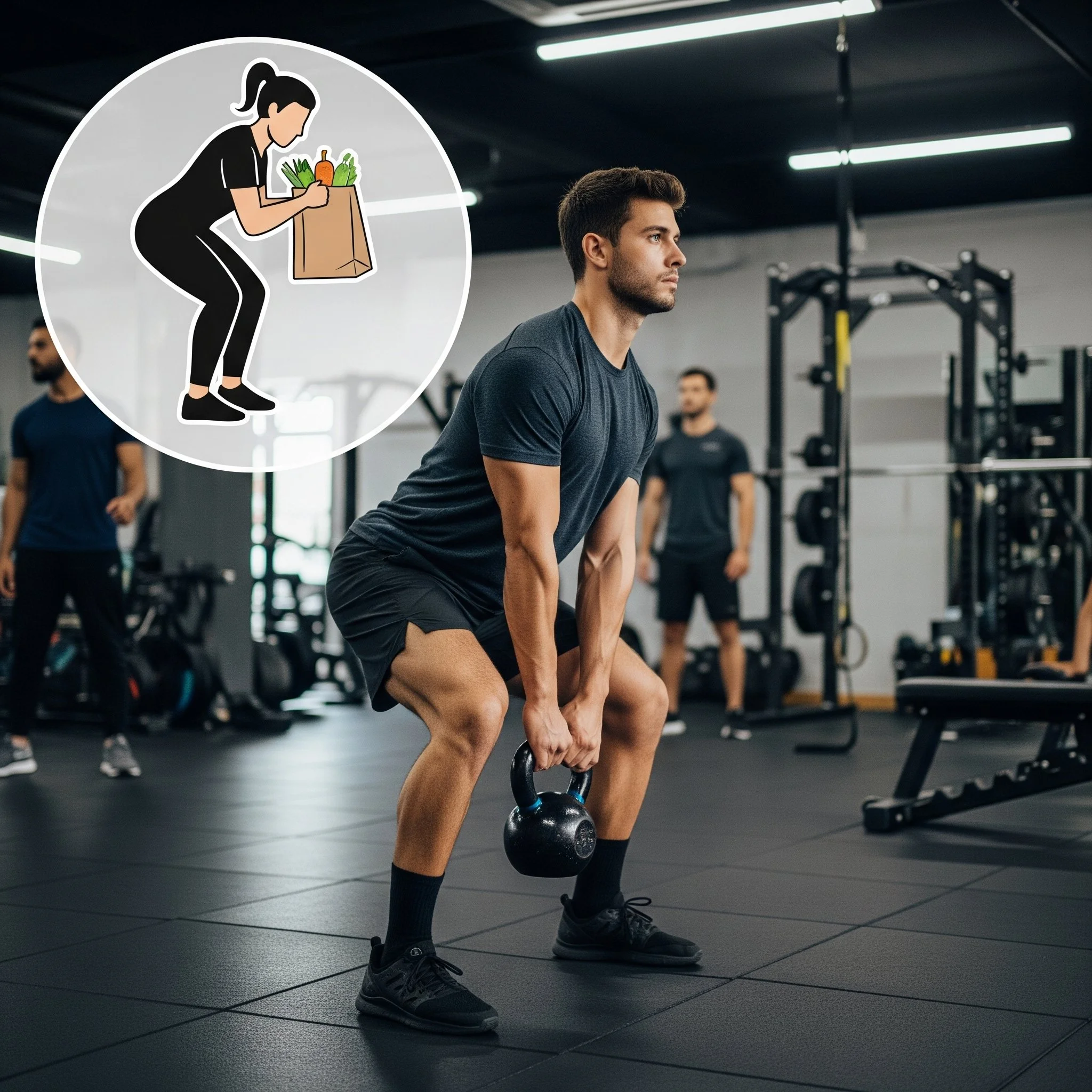
Functional fitness is a different way of thinking about exercise. Instead of training isolated muscles—like doing bicep curls to build your biceps—functional fitness focuses on training your body to work as a whole. The goal is to improve your strength, balance, coordination, and flexibility so you can perform everyday tasks with greater ease and without pain. Think about movements like carrying a heavy bag of groceries, lifting a child, climbing stairs, or bending down to tie your shoes. Functional fitness trains the muscles you use for these activities, making your real life your gym.
The benefits of this type of training are huge. By focusing on multi-joint, multi-muscle movements, you build a body that is more resilient and less prone to injury. You also improve your balance and stability, which becomes more and more important as you get older. Ultimately, functional fitness helps you move better, feel better, and live a more active and independent life.
The Core Movements of Functional Fitness
You don't need fancy machines or a complicated workout plan to start functional fitness. The best exercises are based on the natural movement patterns of the human body. By getting good at these core movements, you will build a strong foundation for a capable body.
1. The Squat: This is one of the most important movements you can do. A squat isn't just an exercise; it's what you do every time you sit down in a chair, get out of bed, or go to the bathroom.
How to do it: Stand with your feet shoulder-width apart. Keep your back straight, chest up, and look straight ahead. Slowly lower your hips as if you are sitting in a chair. Go as low as you can comfortably, keeping your heels on the floor. Push through your feet to stand back up.
2. The Lunge: The lunge mimics the movement of walking, climbing stairs, or stepping over an obstacle. It's great for strengthening your legs and improving your balance.
How to do it: Stand with your feet together. Take a big step forward with one foot. Bend both knees to about a 90-degree angle. Your front knee should be over your ankle, and your back knee should be a few inches off the floor. Push off your front foot to return to the starting position.
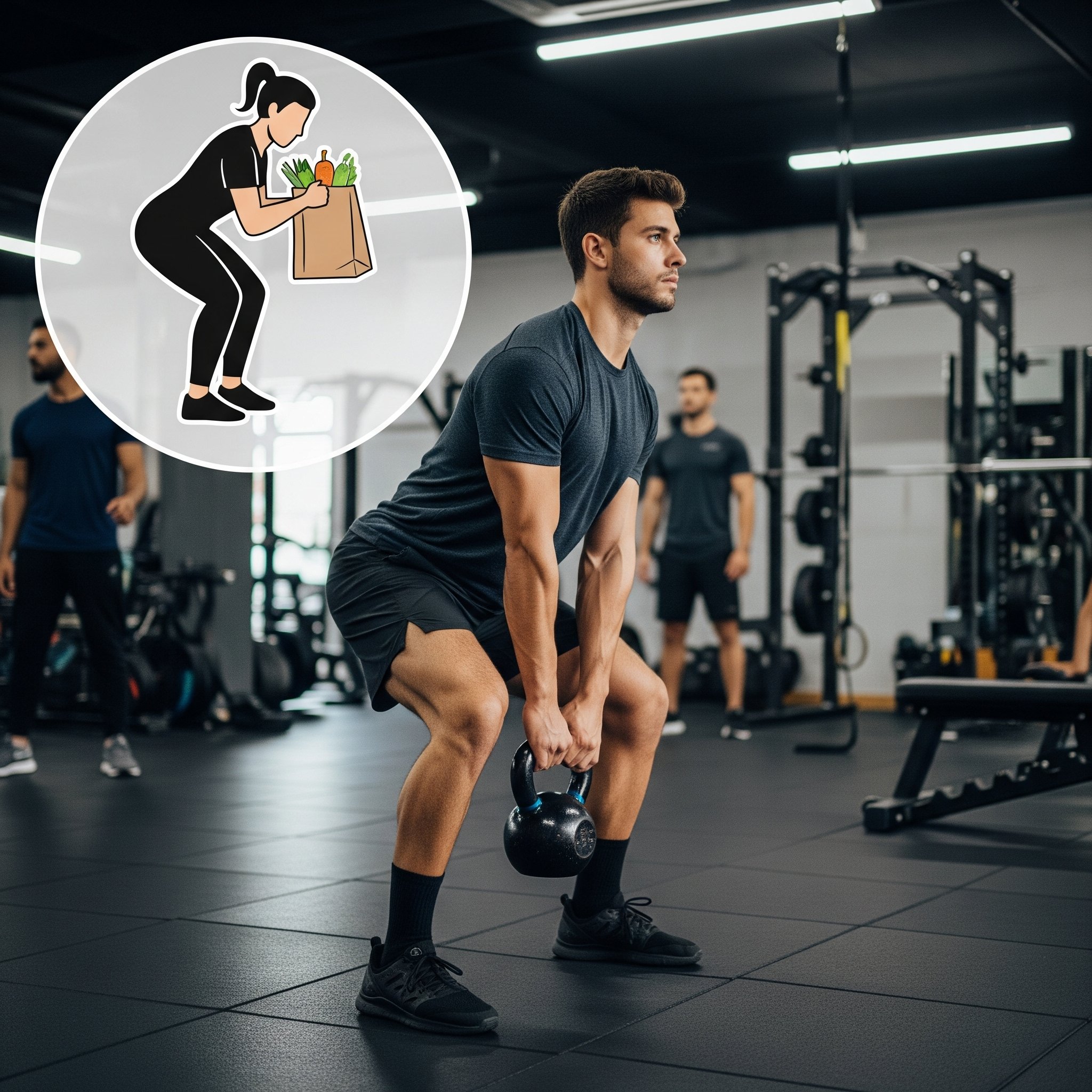
3. The Hinge (Deadlift): This movement is crucial for learning how to pick things up from the floor without hurting your back. It’s what you do when you pick up a laundry basket, a box, or a heavy bag of groceries.
How to do it: Stand with your feet hip-width apart. Keep your back flat and your knees slightly bent. Hinge at your hips, pushing your butt backward as you lower your torso toward the floor. You should feel a stretch in your hamstrings. Keep the weight close to your body as you return to a standing position.
4. The Push and Pull: Pushing and pulling are movements you do constantly. Pushing a door open, pushing a heavy box, or pushing yourself up from the floor. Pulling a weed from the garden or pulling open a stubborn door.
How to do it (Push): A push-up is the perfect example. Start in a plank position with your hands under your shoulders. Lower your chest toward the floor, keeping your body in a straight line. Push back up to the starting position.
How to do it (Pull): A dumbbell or resistance band row works great. Bend at the hips, keeping your back flat. With a weight in one hand (or a resistance band), pull your elbow back toward the ceiling, squeezing your shoulder blade. Lower the weight slowly and repeat.
A Simple Functional Fitness Workout
You can use these core movements to create a simple, effective workout that can be done at home with minimal equipment.
Warm-up (5 minutes): Light cardio like jumping jacks or jogging in place.
The Workout (3 rounds, rest for 60 seconds between rounds):
Bodyweight Squats: 15 reps
Walking Lunges: 10 reps per leg
Push-ups: 10 reps (modify on your knees if needed)
Dumbbell Rows: 10 reps per arm (using a light weight or a full water bottle)
Plank: Hold for 30-60 seconds
Cool-down (5 minutes): Gentle stretching for your legs, back, and shoulders.
Functional fitness is about building a strong, capable body that supports you in all aspects of your life. By moving away from training just for looks and toward training for function, you can create a fitness routine that not only improves your health but also makes your everyday life easier and more enjoyable.

The Science of Habit: How to Build a Sustainable Fitness Routine
By understanding the science of habits and using these simple strategies, you can stop relying on fleeting motivation and start building a fitness routine that will last a lifetime.

You've probably felt the excitement of starting a new fitness routine. You buy new workout clothes, set ambitious goals, and feel a burst of motivation that seems unstoppable. But then, a few weeks or months go by, and that motivation starts to fade. Life gets in the way, and suddenly, going to the gym feels like a chore.
The struggle to stay consistent is one of the biggest reasons people don't reach their fitness goals. But what if the problem isn't a lack of willpower? What if it's about understanding how your brain works? The secret to a lasting fitness routine isn't about being perfectly disciplined; it's about turning exercise into a habit. A habit is a behavior that your brain performs almost on autopilot, making it easy to do without a lot of thinking or effort.
This article will break down the simple science of habit formation and give you the tools to create a fitness routine that becomes a natural, non-negotiable part of your life.
Understanding the Habit Loop: Cue, Routine, Reward
All habits, good or bad, follow a simple three-part cycle. Understanding this "habit loop" is the first step to building a sustainable fitness routine.
Cue: This is the trigger that tells your brain to go into autopilot and start a specific behavior. For a fitness habit, a cue could be waking up in the morning, putting on your workout clothes, or getting home from work. It's the signal that says, "It's time to work out."
Routine: This is the behavior itself—the workout. It could be a 30-minute run, a 15-minute home workout, or a trip to the gym. The key is that the routine is simple enough that you can complete it without a lot of struggle.
Reward: This is the positive feeling or benefit you get from completing the routine. The reward is what makes your brain want to do the habit again. The reward could be the feeling of accomplishment, a surge of energy from endorphins, a post-workout smoothie, or even the feeling of a hot shower after a good sweat.
By intentionally setting up this loop, you can train your brain to associate exercise with a positive outcome, making it easier to stick with over the long haul.
Practical Strategies for Building Your Fitness Habit
Now that you understand the science, let's look at some simple strategies to put it into practice.
Start Small: This is one of the most important rules. Instead of aiming for an hour-long workout every day, start with something you can't possibly fail at. Try a 10-minute walk, 5 push-ups, or 2 minutes of stretching. The goal here isn't to get fit; it's to build consistency and reinforce the habit loop. Once your brain gets used to the small routine, you can slowly increase the time or intensity.
Habit Stacking: This technique involves "stacking" a new habit on top of an old, established one. The cue for your new habit becomes an existing habit you already do automatically. For example, you could say to yourself: "After I brush my teeth in the morning, I will do 10 squats." Or, "After I make my morning coffee, I will go for a 15-minute walk." This uses an existing cue to trigger your new fitness routine, making it much easier to remember.
Schedule It: Don't just hope you'll find time to work out—make time. Treat your workout like an important appointment and put it on your calendar. When you see it written down, you're more likely to follow through. Be specific with your schedule, noting the time and type of workout you will do. For example, "Tuesday at 6:00 PM: 30-minute strength training."
Make It Enjoyable: You are far more likely to stick with a habit if you actually enjoy it. If you hate running, don't force yourself to do it. Experiment with different activities until you find one that brings you joy. This could be dancing, hiking, cycling, or playing a sport. The reward from a workout you love will be much more powerful than one you dread.
Navigating Setbacks and Staying Motivated
Building a habit isn't about being perfect. Life happens, and you will miss a workout or two. The key is to not let a small slip-up become a total derailment.
Forgive Yourself: Acknowledge that you missed a workout and move on. Don't let guilt or shame take over.
Get Back on Track Immediately: If you miss a Monday workout, don't wait until next Monday to start again. Get back to your routine the very next day.
Remember Your "Why": Take a moment to think about why you started this journey in the first place. Is it to have more energy for your kids? To feel stronger? To live a longer, healthier life? Connecting back to your core motivation can give you the push you need to get back on track.
From Discipline to Second Nature
The first few weeks of building a new fitness habit will require some discipline and effort. But with consistent action, your brain will begin to create new neural pathways, and the behavior will start to feel more automatic. Eventually, your workout won't feel like a chore you have to do; it will feel like a natural part of your day.
By understanding the science of habits and using these simple strategies, you can stop relying on fleeting motivation and start building a fitness routine that will last a lifetime.

Navigating the Grocery Store: 5 Simple Rules for Making Healthier Choices
Navigating the grocery store is a skill, and like any skill, it gets easier with practice. By adopting these five simple rules, you can transform your shopping trips from a challenge into a rewarding part of your healthy lifestyle.

Stepping into a grocery store can sometimes feel like walking into a maze of a thousand choices. Brightly colored packages, tempting treats, and endless aisles of snacks can make it tough to stick to your healthy eating goals. You might have the best intentions when you walk through the doors, but it’s easy to get sidetracked by impulse buys and confusing nutrition labels.
The truth is, making healthy food choices starts long before you even start cooking. The decisions you make while shopping have a huge impact on what ends up on your plate throughout the week. But navigating the grocery store doesn't have to be a confusing or stressful experience. By arming yourself with a few simple strategies, you can take control of your shopping trip and fill your cart with foods that truly support your health and fitness journey.
This article will give you five simple, powerful rules for making healthier choices every time you shop. These rules are designed to be easy to remember and put into practice, helping you build better habits without a lot of extra effort.
1. Shop the Perimeter
Have you ever noticed how grocery stores are laid out? The fresh stuff is almost always around the outside walls. The perimeter of the store is where you'll find the produce, meat, seafood, dairy, and eggs. These are the whole, unprocessed foods that form the foundation of a healthy diet. The inner aisles, on the other hand, are where you'll find most of the packaged, processed foods—the snacks, sodas, and boxed dinners.
Your first rule of thumb is to spend the majority of your time and money on the outer edges of the store. Fill your cart with a variety of colorful fruits and vegetables, lean proteins, and healthy dairy products. By sticking to the perimeter, you naturally limit your exposure to foods that are high in sugar, unhealthy fats, and artificial ingredients. This simple strategy can dramatically change what you bring home and, in turn, what you eat.
2. Read the Nutrition Label (The Right Way)
Most of us look at nutrition labels, but do we know what to look for? The numbers can be confusing, but a few key details will tell you everything you need to know.
Serving Size: This is the first thing to check. All the other numbers on the label are based on this amount. A small bag of chips might contain two or more servings, so you have to double or triple the numbers to know what you're actually eating.
Added Sugar: Many packaged foods are loaded with sugar, even things you wouldn't expect like bread or tomato sauce. Look for "added sugars" on the label. The lower this number is, the better.
Sodium: Too much salt can be bad for your heart. Look for foods with a lower sodium content, especially in canned soups, sauces, and frozen meals.
Ingredients List: The ingredients are listed in order from the greatest amount to the least. If sugar, white flour, or unhealthy oils are at the top of the list, you know that’s what the food is mostly made of.
Don't let labels intimidate you. By focusing on these few key areas, you can make informed decisions in seconds.
3. Use the "Fewer Ingredients, the Better" Test
A good rule of thumb for healthy eating is to choose foods that have a short and simple ingredients list. Think about a container of plain yogurt: the ingredients might be "milk, live and active cultures." Now, think about a container of fruit-on-the-bottom yogurt, which might have a long list of ingredients that includes sugar, corn syrup, food coloring, and a bunch of things you can't pronounce.
The fewer ingredients a food has, the closer it is to its natural, whole form. By choosing foods with simple ingredient lists, you are choosing to eat real food, not a collection of highly processed additives and fillers.
4. Plan Your Meals and Stick to a List
Shopping without a plan is like driving without a map, you'll probably end up lost. Before you even leave the house, take 10 minutes to plan your meals for the week. Look at what you already have and what you need. Then, create a detailed shopping list based on your plan.
A shopping list is a powerful tool because it keeps you focused and prevents those random, unplanned purchases. When you have a clear list, you can move through the store with purpose, knowing exactly what you need. This saves you time, money, and calories from foods you didn’t really need in the first place.
5. Don't Shop When You're Hungry
This rule seems obvious, but it's one of the most common mistakes people make. When you go to the store hungry, your body is in a state of seeking energy, and your brain is much more likely to crave high-sugar, high-fat foods. This is your body's survival instinct kicking in, but it doesn't align with your health goals.
The solution is simple: have a healthy snack before you go. A handful of nuts, an apple, or a small protein bar can make all the difference. When you shop with a full stomach, you’re more likely to stick to your list and make rational, healthy decisions.
Your New Grocery Store Strategy
Navigating the grocery store is a skill, and like any skill, it gets easier with practice. By adopting these five simple rules, you can transform your shopping trips from a challenge into a rewarding part of your healthy lifestyle. From filling your cart with fresh perimeter foods to making smart choices from a pre-planned list, you are taking control of your health one item at a time.

The Desk Job Dilemma: Posture and Strength Training Tips to Combat "Text Neck"
"Text neck" is a modern-day term for the pain and damage caused by constantly looking down at an electronic device. Fighting "text neck" is an ongoing process, but by strengthening your supporting muscles and being mindful of your posture, you can prevent pain and improve your overall health.

Ever find yourself at the end of a long day with a nagging ache in your neck and shoulders? You’re not alone. In our modern world, many of us spend hours hunched over a laptop, smartphone, or tablet. This common habit has led to a growing problem known as "text neck." It’s more than just a temporary pain; it’s a posture issue that can have a big impact on your health and well-being.
"Text neck" is a modern-day term for the pain and damage caused by constantly looking down at an electronic device. The human head weighs about 10-12 pounds. When you hold your head upright, your neck muscles and spine are designed to support that weight. But when you tilt your head forward just 15 degrees, the effective weight on your neck increases to about 27 pounds. Tilt it to 60 degrees, and that weight can feel like 60 pounds! This puts a tremendous amount of strain on your neck and upper back muscles, leading to stiffness, soreness, and even chronic pain. Over time, this can lead to a rounded upper back and a head that juts forward, making it a difficult habit to break.
The good news is, you can fight back against "text neck." The solution isn't just about sitting up straight; it's about strengthening the muscles that support your spine and stretching the ones that get tight. Think of your body like a house, if the foundation is weak, the whole structure will start to sag. By building a strong foundation with targeted exercises, you can correct your posture and prevent future pain.
Your 10-Minute Desk-Side Routine
You don’t need to hit the gym to start improving your posture. This simple routine can be done in your office chair or standing up at your desk. Try to do it once or twice a day to reset your posture and relieve tension.
1. Chin Tucks (3 sets of 10)
Why it works: This exercise directly targets the muscles in the front of your neck and helps to realign your head over your spine.
How to do it: Sit or stand up tall. Imagine a string pulling the top of your head toward the ceiling. Gently pull your chin straight back, as if you’re making a double chin. Keep your eyes and head level—don't tilt up or down. You should feel a gentle stretch in the back of your neck. Hold for 3 seconds and then release.
2. Scapular Retractions (3 sets of 15)
Why it works: This move strengthens the muscles between your shoulder blades, which are often weak from prolonged sitting.
How to do it: Sit or stand with your arms at your sides. Squeeze your shoulder blades together as if you’re trying to hold a pencil between them. Keep your shoulders down and relaxed, not shrugged up to your ears. Hold the squeeze for 5 seconds and then release.
3. Seated Cat-Cow (10 repetitions)
Why it works: This classic yoga move increases flexibility in your spine and helps to relieve stiffness in your back.
How to do it: Sit on the edge of your chair with your feet flat on the floor. Place your hands on your knees. As you inhale, arch your back, pull your shoulders back, and look up toward the ceiling (this is the "cow" pose). As you exhale, round your spine, tuck your chin to your chest, and let your shoulders roll forward (this is the "cat" pose). Flow between these two movements, matching the rhythm to your breath.
4. Doorway Chest Stretch (2 sets of 30 seconds)
Why it works: Our chest muscles get tight from hunching forward. This stretch opens them up, allowing you to stand and sit taller.
How to do it: Stand in a doorway. Place your forearms on the doorframe with your elbows bent at a 90-degree angle. Step one foot forward and gently lean your body through the doorway until you feel a stretch across your chest. Hold for 30 seconds, then repeat.
5. Wall Angels (2 sets of 10)
Why it works: This is a fantastic exercise for building awareness of good posture and strengthening the muscles in your back and shoulders.
How to do it: Stand with your back against a wall. Your feet should be about six inches away from the wall. Bring your arms up so your elbows and wrists are pressed against the wall, forming a "goalpost" shape. Slowly slide your arms up the wall, keeping your wrists, elbows, and back in contact with the wall as much as possible. Go as high as you can without letting your elbows or wrists come off the wall. Slowly slide them back down.
Beyond the Workout: Ergonomics and Mindful Movement
While these exercises are powerful, they are most effective when paired with good habits throughout your day.
Check Your Setup: Make sure your computer monitor is at eye level, so you aren't looking down. Your feet should be flat on the floor and your knees bent at a 90-degree angle.
Take a Break: Use an alarm or a simple timer to remind yourself to stand up, walk around, and stretch every 30-45 minutes. Maybe even consider taking a short walk every couple hours.
Be Mindful: Pay attention to your posture throughout the day. When you find yourself slouching, take a deep breath, do a quick chin tuck, and realign your head over your spine.
Fighting "text neck" is an ongoing process, but by strengthening your supporting muscles and being mindful of your posture, you can prevent pain and improve your overall health. These simple tips and exercises will help you feel stronger, stand taller, and get back to living your life without that constant ache in your neck.

Fueling Your Family: Simple and Nutritious Late-Summer Recipes
Late summer is a beautiful time of year, with gardens and markets overflowing with juicy tomatoes, crisp corn, sweet berries, and tender zucchini. This season offers a perfect opportunity to get your family involved in the kitchen and set a healthy tone for the busy months ahead.

As the long, sun-filled days of summer begin to shorten, many of us feel a subtle shift in our routine. The casual nature of summer barbecues and spontaneous meals gives way to the structured schedule of school and work. But while the pace of life might pick up, one thing remains constant: the abundance of fresh, vibrant produce. Late summer is a beautiful time of year, with gardens and markets overflowing with juicy tomatoes, crisp corn, sweet berries, and tender zucchini. This season offers a perfect opportunity to get your family involved in the kitchen and set a healthy tone for the busy months ahead.
Healthy family eating doesn't have to be complicated or time-consuming. It’s about making the most of what's available, and in late summer, that means celebrating fresh, seasonal ingredients. These foods are not only more flavorful and affordable, but they are also packed with essential vitamins and nutrients that fuel your body and mind. By focusing on simple recipes that highlight these seasonal stars, you can create delicious meals that everyone at the table will love, from the pickiest eater to the health-conscious adult.
Why Seasonal Produce Is a Game Changer
There's a reason farmers' markets and grocery stores look so colorful this time of year. Late-summer produce is at its peak, and the benefits go beyond just a pretty display.
First, seasonal produce tastes better. When fruits and vegetables are harvested at their natural peak, they have a higher nutrient content and a more intense flavor. A tomato picked in August tastes completely different from one shipped in from another country in January. This natural, rich flavor means you don't need a lot of extra seasoning or unhealthy sauces to make your meals delicious, simplifying your cooking and making your dishes healthier.
Second, it’s a smart choice for your wallet. When produce is in season, it's more abundant and doesn't require as much effort to grow or transport. This drives the cost down, allowing you to fill your shopping cart with a variety of healthy ingredients without breaking the bank.
Finally, cooking with seasonal foods encourages variety in your family's diet. Instead of eating the same things all year, you get to try new recipes and introduce your family to different tastes and textures, which is a key part of developing a healthy relationship with food. It’s an educational experience, too, as it teaches children about the rhythm of nature and where their food comes from.
Getting the Kids Involved: Fun in the Kitchen
Cooking with your children is a great way to bond while teaching them a valuable life skill. When kids help prepare a meal, they are more likely to be excited about eating it. Here are some simple ways to get them involved:
Be a "Prep Pro": Ask them to help wash vegetables, stir ingredients, or tear lettuce for a salad.
Measure Up: Let them measure ingredients like flour or spices. This is also a fun way to practice math!
Set the Table: Giving them a job that contributes to the family meal makes them feel proud and important.
Even if it gets a little messy, the memories and healthy habits you build together are well worth it.
Simple, Delicious Recipes to Try This Week
Here are three easy recipes that make the most of late-summer flavors. These meals are simple enough for a busy weeknight and nutritious enough to fuel your family's bodies.
Recipe 1: Sheet Pan Chicken and Veggies
This recipe is a lifesaver for busy weeknights because it requires minimal cleanup. Everything cooks on one pan!
Ingredients:
1.5 pounds boneless, skinless chicken breast, cut into 1-inch cubes
1 zucchini, chopped
1 bell pepper (any color), chopped
1 red onion, chopped
1 cup cherry tomatoes
2 tablespoons olive oil
1 teaspoon dried oregano
1 teaspoon garlic powder
Salt and pepper to taste
Instructions:
Preheat your oven to 400°F (200°C).
On a large sheet pan, combine the chicken and all the vegetables.
Drizzle with olive oil and sprinkle with oregano, garlic powder, salt, and pepper. Toss everything together until evenly coated.
Spread the ingredients in a single layer.
Bake for 20-25 minutes, or until the chicken is cooked through and the vegetables are tender. Serve hot.
Recipe 2: Fresh Corn and Tomato Salad
This salad is a refreshing and vibrant side dish that requires no cooking. It’s perfect for a light lunch or as a complement to grilled chicken or fish.
Ingredients:
3-4 ears of fresh corn
2 cups cherry tomatoes, halved
1/2 red onion, finely chopped
1/4 cup fresh cilantro, chopped
Juice of 1 lime
2 tablespoons olive oil
Salt and pepper to taste
Instructions:
Using a sharp knife, carefully cut the corn kernels from the cobs and place them in a large bowl.
Add the halved tomatoes, chopped red onion, and fresh cilantro to the bowl.
In a small bowl, whisk together the lime juice, olive oil, salt, and pepper to make the dressing.
Pour the dressing over the vegetables and toss gently to combine.
You can serve immediately or let it sit in the fridge for 30 minutes to allow the flavors to blend.
Recipe 3: No-Bake Berry and Yogurt Parfaits
For a quick breakfast or a healthy dessert, these parfaits are a family favorite. They are incredibly easy to make and can be prepared ahead of time.
Ingredients:
2 cups Greek yogurt (plain or vanilla)
2 cups mixed fresh berries (strawberries, blueberries, raspberries)
1 cup granola (look for one with low sugar)
Optional: a drizzle of honey or maple syrup
Instructions:
In clear glasses or jars, create layers starting with granola on the bottom.
Add a layer of Greek yogurt.
Top with a generous layer of mixed berries.
Repeat the layers until the glass is full, ending with berries on top.
You can enjoy them right away or store them in the fridge for a quick meal later.
As you get back into the swing of a new season, let these simple, nutritious meals be a source of strength and connection for your family. By making the most of late-summer produce, you can enjoy delicious food while staying on track with your health goals. Happy cooking!

Is Your Workout Working? Using Wearable Tech to Track Your Progress
Wearable fitness devices like smartwatches and fitness trackers are more popular than ever. They can give you a clear look at your progress and help you get the most out of your workouts.

Do you ever wonder if your workouts are making a difference? It can be hard to tell just by looking in the mirror or stepping on a scale. Luckily, modern technology can help! Wearable fitness devices like smartwatches and fitness trackers are more popular than ever. They can give you a clear look at your progress and help you get the most out of your workouts.
These cool gadgets are not just for counting steps; they provide a ton of useful information that can help you understand your fitness journey. Let's take a closer look at the data they provide and why it matters.
A Deeper Look at the Data
1. Counting Your Every Move (and More!) At the heart of most fitness trackers are tiny motion sensors that watch your every move. They count your steps, but also track other movements to figure out how far you've walked or run, and even how many calories you've burned. This data helps you see how active you are throughout the day, not just during a workout. Seeing your step count go up can be a powerful motivator to take the stairs instead of the elevator or go for a short walk after dinner.
2. Listening to Your Heart (and Heart Rate Zones) One of the most important things these devices do is track your heart rate. Your heart rate is a simple way to measure how hard your body is working. By using heart rate zones, you can make sure your workout is effective for your specific goals.
First, you can estimate your maximum heart rate by subtracting your age from 220. For a 30-year-old, the max heart rate would be about 190 beats per minute. From there, you can find your zones:
Zone 1 & 2 (Light): About 50-70% of your max heart rate. This is great for a warm-up, a cool-down, or a light walk. This is often called the "fat-burning zone."
Zone 3 (Moderate): About 70-80% of your max heart rate. This is where you get a good aerobic workout, like a jog or a brisk bike ride.
Zone 4 & 5 (Hard): About 80-100% of your max heart rate. This is for high-intensity exercise like sprinting or interval training.
Tracking your heart rate helps you know if you're pushing yourself enough or if you need to slow down and recover.
3. The Power of Rest: Tracking Your Sleep Your fitness journey doesn't end when you go to bed. Sleep is a huge part of recovery. Wearable devices can track the different stages of sleep: light, deep, and REM.
Deep sleep is when your body repairs and rebuilds muscles.
REM sleep is important for your brain and memory. Getting enough of both is crucial for bouncing back from a tough workout and feeling great the next day.
Finding the Right Fit for You: A Quick Look at Popular Tech There are many different types of wearable tech out there. The "best" one for you depends on your goals and budget.
Smartwatches (Apple Watch, Samsung Galaxy Watch): These are full-featured mini-computers for your wrist.
Pros: They have great screens, tons of apps for fitness and everyday life, and can send you messages and calls.
Cons: They are usually more expensive and need to be charged every day or two.
Fitness Trackers (Fitbit, Garmin Vivosmart): These are smaller, more focused on health and fitness.
Pros: They are often more affordable, have a much longer battery life (sometimes over a week!), and are great at the basics like step counting and sleep tracking.
Cons: They have smaller screens and don't have all the "smart" features of a smartwatch.
Smart Rings (Oura Ring): This is a newer option that is very discreet.
Pros: They are comfortable to wear all day and night, especially for sleep tracking.
Cons: They don't have a screen, so you need to check your phone for data. Some also require a monthly subscription fee to see all your stats.
By using the right wearable technology, you can get a comprehensive view of your health, not just your workouts. The data it provides is a powerful tool to help you make smarter choices, set better goals, and stay motivated on your fitness journey.

Fall into Fitness: The Best Outdoor Workouts for a Cooler Autumn
As the seasons change, it's the perfect time to switch up your workout routine. Trading in the hot, humid summer air for a comfortable autumn breeze can make outdoor exercise feel more refreshing and enjoyable.

It might not feel like it yet, but the days are starting to get shorter, and soon the cool, crisp air of autumn will be here. As the seasons change, it's the perfect time to switch up your workout routine. Trading in the hot, humid summer air for a comfortable autumn breeze can make outdoor exercise feel more refreshing and enjoyable.
Exercising outdoors in the fall has some extra benefits. The beautiful scenery and colorful leaves can make you feel more motivated. Plus, spending time in nature is great for your mental health. Here are some fun ways to take your workouts outside and "fall" in love with a new routine.
Hiking for a Healthier Heart Hiking is an amazing way to get a full-body workout while exploring local parks and trails. It strengthens your leg muscles, improves your balance on uneven ground, and gets your heart pumping.
Finding a Location: Start by searching online for "local hiking trails" or checking your state's parks and recreation website. Many trails are rated by difficulty, so you can find one that's a good fit for your fitness level.
Safety First: Always tell someone where you're going and when you expect to be back. Stay on marked trails, and if you can, bring a buddy.
What to Bring: Pack a small backpack with water, a snack, and a fully charged cell phone. Check the weather forecast and wear layers so you can adjust to temperature changes. Good hiking shoes are a must to prevent slips and falls.
Rake Up a Workout Who says yard work isn't a workout? It’s a great way to use your arm, shoulder, and back muscles. Think of it as a full-body functional exercise.
Raking Leaves: The repeated motions of raking and bending to pick up piles of leaves can get your heart rate up and build strength.
Tending the Garden: Pulling weeds, digging in the soil, and carrying bags of mulch or soil are all great ways to burn calories and work your muscles. It’s like doing squats and bicep curls, but with the added bonus of a beautiful garden.
Keep it Safe: Remember to bend your knees when you lift heavy bags and switch sides when you're raking to work both sides of your body evenly.
Fun Runs and Local Run Clubs Fall is the most popular season for running races, from charity walks to 5Ks and even longer distances. These events are a great way to set a fitness goal and stay motivated.
Finding Events: Look up "local fun runs near me" or check websites like Active.com. You can often find races that are themed around holidays like Halloween or Thanksgiving.
Join a Club: Many cities have local running clubs that welcome all fitness levels. This is a great way to meet new people and have a built-in support system for your runs. Search for "running clubs in [Your City]" to see what's available.
What to Expect: Fun runs are usually more about the experience than the competition. The atmosphere is friendly and encouraging, and you'll find people walking, jogging, and running at their own pace.
So, don't stay inside just because the days are getting shorter. Get out there, enjoy the crisp air, and use these tips to make the most of your autumn workouts. By trying new activities and being prepared, you can make this season your healthiest one yet.

Back to the Grind: Easy Fitness Routines for Busy Parents
The school year is starting up again, and it's time to get back into a routine! If you're a parent, you know this is a busy time.

The school year is starting up again, and it's time to get back into a routine! If you're a parent, you know this is a busy time. Between packing lunches, school drop-offs, homework, and after-school activities, it can feel like there's no time left for you. But staying active is important for your health and for setting a good example for your kids.
Don't worry, you don't need a lot of time to get a good workout. The trick is to find short, easy routines that fit into your busy life and add up throughout the week.
Morning Power-Up (15-20 Minutes) Before the kids wake up, get in a quick workout that combines heart-pumping cardio and muscle-building strength training. This mix is great for your overall health. For this workout, you might want to use some dumbbells or a resistance band, which are inexpensive and don't take up much space.
Warm-up (2 minutes): Start with jumping jacks or a light jog in place to get your blood flowing.
Bodyweight Moves:
30 seconds of squats, then rest for 10 seconds.
30 seconds of push-ups (you can do these on your knees!), then rest for 10 seconds.
30 seconds of lunges, then rest for 10 seconds.
Resistance Moves: Now, grab your dumbbells or resistance band. Resistance training isn't just about big muscles—it's super important for making your bones stronger, too.
Bicep Curls: Stand with a dumbbell in each hand. Keep your elbows at your sides and lift the weights up to your shoulders. Do this for 30 seconds.
Overhead Press: Hold a dumbbell in each hand at your shoulders. Push the weights straight up overhead and then slowly lower them back down. Do this for 30 seconds.
Resistance Band Rows: Wrap a resistance band around a pole or door handle. Hold an end in each hand and pull the band back toward your chest, squeezing your shoulder blades together. Do this for 30 seconds.
Repeat: Go through all of the bodyweight and resistance moves again to complete your workout.
Lunch Break Lunge (10 Minutes) If your mornings are too hectic, a midday workout is a great choice. Take 10 minutes during your lunch break to take a brisk walk around your neighborhood or office park. A quick walk can help clear your head, reduce stress, and give you an energy boost for the rest of the day. If you have stairs nearby, walking up and down a few times is a great way to get your heart rate up even more.
Family Fun Fitness (20 Minutes) Make fitness a family activity! In the evenings, turn on some music and have a dance party in the living room. Or, head to a nearby park to play tag, ride bikes, or kick a soccer ball around. This is a great way to be active and spend quality time with your children. Not only will you be exercising, but you’ll also be creating fun, active memories with your family.
Putting It All Together: The 30-Minute Goal
The key to a successful routine is to be consistent, not perfect. Even a few minutes of exercise each day can make a big difference in how you feel. The good news is that all these activities count toward a big fitness goal. Health experts recommend that adults get at least 150 minutes of moderate cardio exercise per week, which comes out to about 30 minutes a day, five days a week.
The workouts above—like your morning routine, your quick walk, and your family fun time—can easily add up to meet this goal. So, don't feel like you have to find a single 30-minute block of time. Squeeze in 15 minutes here and 10 minutes there, and you'll be on your way to a healthier you. Start small, and you'll see big results.

How Different Foods Affect Your Blood Sugar (and How to Use This to Your Advantage)
We're going to explore a simple but powerful idea called the Glycemic Index, and how understanding it can help you feel better, have more steady energy, and even improve your health, especially if you're dealing with blood sugar concerns.

Ever feel super energized after a meal, only to crash and feel tired an hour later? Or maybe you're trying to eat healthier but aren't sure which foods are truly helping you? This article is for you! We're going to explore a simple but powerful idea called the Glycemic Index, and how understanding it can help you feel better, have more steady energy, and even improve your health, especially if you're dealing with blood sugar concerns.
What is the Glycemic Index and Why Should You Care?
Imagine you eat a piece of white bread. Then imagine you eat a bowl of oatmeal. Do you think they affect your body in the same way? Not quite! The Glycemic Index (GI) is like a speedometer for how quickly the carbohydrates in a food turn into sugar in your bloodstream.
High GI foods (like white bread, sugary cereals, or fruit juice) are like hitting the gas pedal – they cause a quick and big jump in your blood sugar.
Low GI foods (like whole-grain bread, most vegetables, beans, and lean meats) are more like a slow, steady cruise – they cause a gentler, more gradual rise in your blood sugar.
Why does this matter to you?
Steady Energy, No Crashes: When your blood sugar shoots up fast and then drops, you often feel that "sugar crash" – tired, hungry, and maybe even a little grumpy. Low GI foods help keep your energy levels more stable throughout the day.
Feeling Fuller, Longer: Foods that cause quick sugar spikes can make you feel hungry again sooner. Low GI foods help you feel satisfied for longer, which can be helpful if you're trying to manage your weight.
Taking Control of Your Health: Regularly having big blood sugar spikes can put a lot of stress on your body over time. Learning about GI can give you a simple way to make smarter food choices that support your overall health.
How Your Food Choices (Using GI Info) Affect Your Health
Understanding the GI can be especially powerful if you're concerned about your blood sugar, perhaps if you have prediabetes or diabetes.
If you have Prediabetes: This means your blood sugar levels are higher than normal, but not high enough to be called full-blown diabetes yet. It's a warning sign, and a chance to make changes! Choosing more low GI foods is a fantastic way to help your body manage blood sugar better. It can help prevent or delay type 2 diabetes, keeping you healthier in the long run.
If you have Diabetes: For people with diabetes, keeping blood sugar levels stable is a daily challenge and a key to good health. Low GI foods can be a big help here. They lead to smaller, more controlled increases in blood sugar after meals, which can make it easier to manage your condition and reduce the risk of complications. It's not the only tool, but it's an important one, alongside counting carbs and watching portion sizes. Always chat with your doctor or a dietitian to create the best eating plan for you.
Common Misconceptions About the GI
It's easy to misunderstand the GI, so let's clear up a few common ideas:
GI isn't the only factor in "healthy": A candy bar might have a lower GI than a baked potato (because of its fat content slowing digestion), but that doesn't make the candy bar healthier! Always think about the overall nutrition – vitamins, minerals, and fiber.
How you cook matters: The way food is prepared can change its GI. For example, overcooked pasta has a higher GI than pasta cooked "al dente" (still a bit firm).
Everyone is a little different: Your body might react slightly differently to a food than someone else's. Also, what you eat with a high GI food can make a difference. Eating protein or fat with carbs can slow down sugar absorption.
Putting It All Together for Your Advantage
Thinking about the Glycemic Index doesn't mean you need to be a math expert at every meal. It's more about understanding the general idea:
Choose more whole, unprocessed foods: These are almost always naturally lower GI. Think whole grains, fruits with their skin, vegetables, lean proteins, and healthy fats.
Limit highly processed foods: These often contain refined sugars and flours that are high GI.
Balance your meals: If you do eat a higher GI food, try to pair it with a good source of protein, healthy fats, or fiber to help slow down its effect on your blood sugar.
By making a few smart switches, you can use the Glycemic Index to your advantage, keeping your energy steady, feeling fuller, and boosting your long-term health. It's a simple change that can make a big difference!
BTW, when writing this article, we found a great resource including an app over at https://glycemic-index.net/glycemic-index-chart/
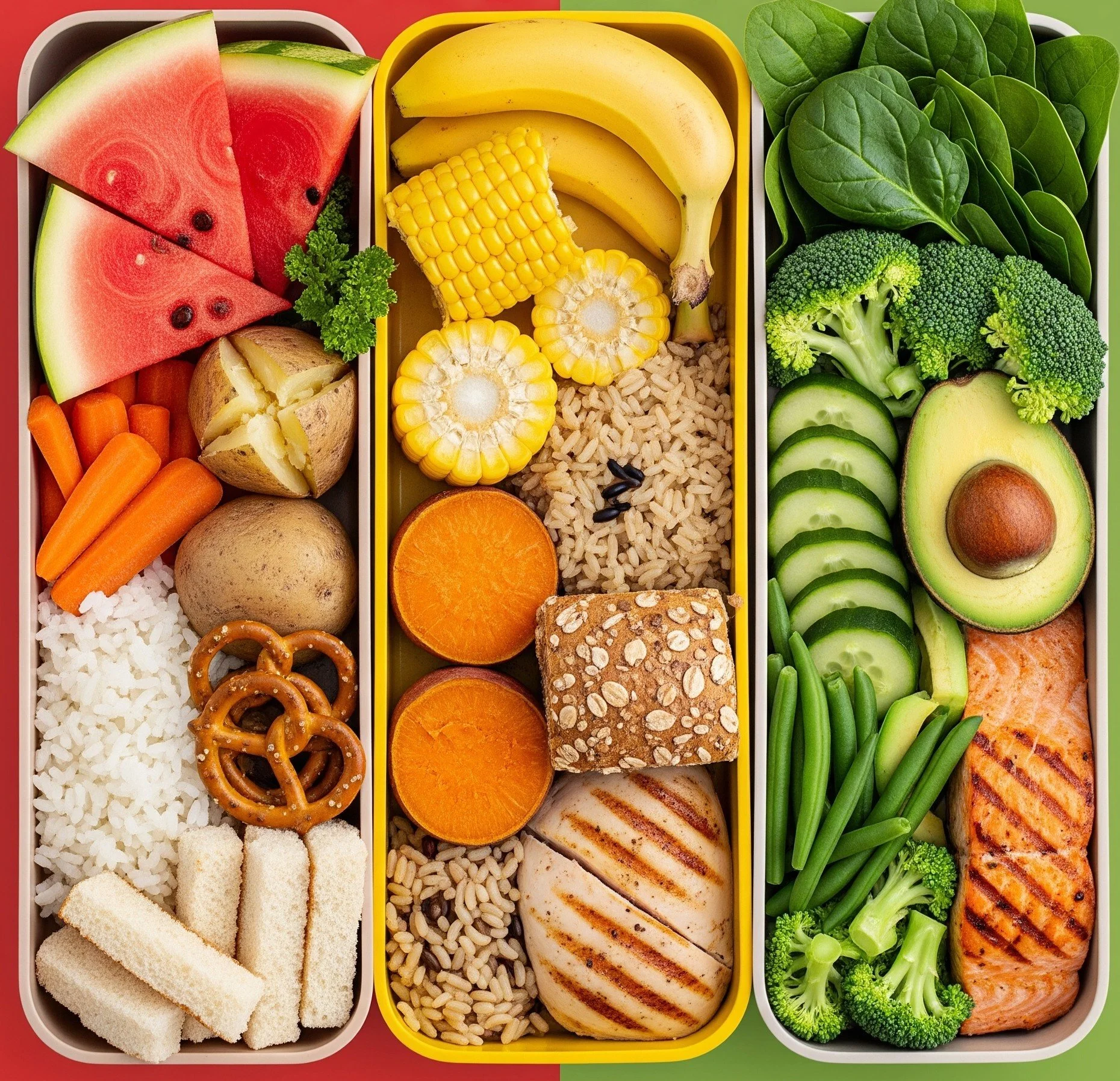
Some examples of high, moderate and low glycemic index foods. This image was created with the assistance of AI to avoid copyright issues.

Unpacking the Truth: Busting Top Nutrition Myths
Hey there, health seekers! What you eat plays a huge role in your health and how you feel. The world is full of confusing advice about food, making it tough to know what's true. Let's clear up some common misunderstandings about nutrition and get to the facts!

Photo by Markus Winkler on Unsplash
Hey there, health seekers! What you eat plays a huge role in your health and how you feel. The world is full of confusing advice about food, making it tough to know what's true. Let's clear up some common misunderstandings about nutrition and get to the facts!
Myth 1: Carbs Are Bad and Make You Fat.
Carbohydrates often get a bad rap, but they are your body's main source of energy! The key is to choose the right carbs. Whole grains, fruits, and vegetables are packed with good carbs, fiber, and important nutrients. These are essential for everything from brain function to digestion. Sugary snacks, white bread, and highly processed foods are the types of carbs you should limit. It's about balance and quality, not avoiding carbs completely.
Myth 2: Eating Fat Makes You Fat.
Just like carbs, not all fats are bad. Healthy fats, found in foods like avocados, nuts, seeds, olive oil, and fatty fish (like salmon), are important for your body to work correctly. They help absorb vitamins, protect organs, and are vital for brain health. Eating too much of any type of food, whether it's carbs, fats, or protein, can lead to weight gain if you consume more calories than your body uses. Focus on healthy fats in moderation.
Myth 3: You Shouldn't Eat After 7 PM.
Many people believe that eating late at night will automatically make you gain weight. But the truth is, it's the total amount and type of food you eat over a whole day that matters most, not the specific time on the clock. If you eat a huge, unhealthy meal right before bed, that's different from having a small, healthy snack if you're truly hungry. Your body uses calories no matter when you eat them. Listen to your hunger cues, regardless of the time.
Myth 4: Skipping Meals Helps You Lose Weight.
You might think skipping meals will help you eat less and lose weight, but it can actually backfire! When you skip meals, you might get so hungry that you end up overeating much more later on due to intense hunger. This can lead to less control over your food choices and often results in eating more calories overall. Eating regular, balanced meals and snacks helps keep your energy levels steady and can help you control your appetite throughout the day.
Myth 5: All Processed Foods Are Bad.
The word "processed" can sound scary, but it doesn't always mean a food is unhealthy. Some processed foods, like frozen vegetables, canned beans, or pasteurized milk, are processed to keep them safe, fresh, and convenient, and they still have lots of nutrients. These can be valuable parts of a healthy diet. Ultra-processed foods, which have many added sugars, unhealthy fats, and artificial ingredients, are the ones you should try to limit as much as possible.

Unpacking the Truth: Busting Top Fitness Myths
Hey there, health seekers! Ever feel confused by all the different advice about staying fit? You're not alone! The world is full of myths that can make it hard to know what's real and what's not.

Photo by Zhuo Cheng you on Unsplash
Hey there, health seekers! Ever feel confused by all the different advice about staying fit? You're not alone! The world is full of myths that can make it hard to know what's real and what's not. Let's clear things up and bust some of the biggest fitness myths out there.
Myth 1: No Pain, No Gain!
This is one you hear a lot, but it's not entirely true. While a good workout can make your muscles feel tired or a little sore the next day, sharp or stabbing pain is a sign to stop. "Good pain" is when your muscles feel like they've worked hard, but "bad pain" means you might be hurting yourself. Listen to your body! Pushing through real pain can lead to injuries that set you back even further.
Myth 2: You Have to Work Out for Hours Every Day.
Good news! You don't need to live at the gym to see results. Even shorter, intense workouts can be very effective if you make them count. It's more about how smart you train, not just how long. High-intensity interval training (HIIT), for example, can give you great benefits in less time. Plus, your body needs rest to get stronger and recover, so don't skip those rest days! Rest is when your muscles actually repair and grow.
Myth 3: Sweating a Lot Means You Had a Great Workout.
While sweating is your body's way of cooling down, how much you sweat doesn't always show how many calories you're burning or how hard you're working. You might sweat less in a cool room even if you're doing a really tough workout. It depends on many things, like the temperature of the room, how hydrated you are, and even your own unique body. Focus on your effort and how your body feels, not just the sweat puddle.
Myth 4: Lifting Weights Will Make You "Bulky" (Especially for Women).
This is a big one, especially for women! Many people think lifting weights will make them look like a bodybuilder. But for most people, especially women, it's very hard to get "bulky" without a lot of very specific training, diet, and often, certain hormonal factors. What lifting weights will do is help you build strong, lean muscles, which can actually help you burn more calories even when you're resting! More muscle equals a more efficient metabolism.
Myth 5: You Can "Spot Reduce" Fat.
Ever heard that doing a thousand crunches will give you a flat stomach, or endless squats will shrink your thighs? Sadly, it doesn't work that way. Your body loses fat from all over, not just from the area you're exercising. A healthy diet and overall exercise that burns calories are the best ways to reduce fat throughout your body. Crunches will strengthen your abs, but they won't magically melt away the fat covering them.