
Why You Can't "Out-Train" a Bad Sleep Schedule (And How to Fix It)
You cannot out-train a bad sleep schedule. If you are struggling to see results, stop looking at your workout log or your food diary first. Look at your sleep log.
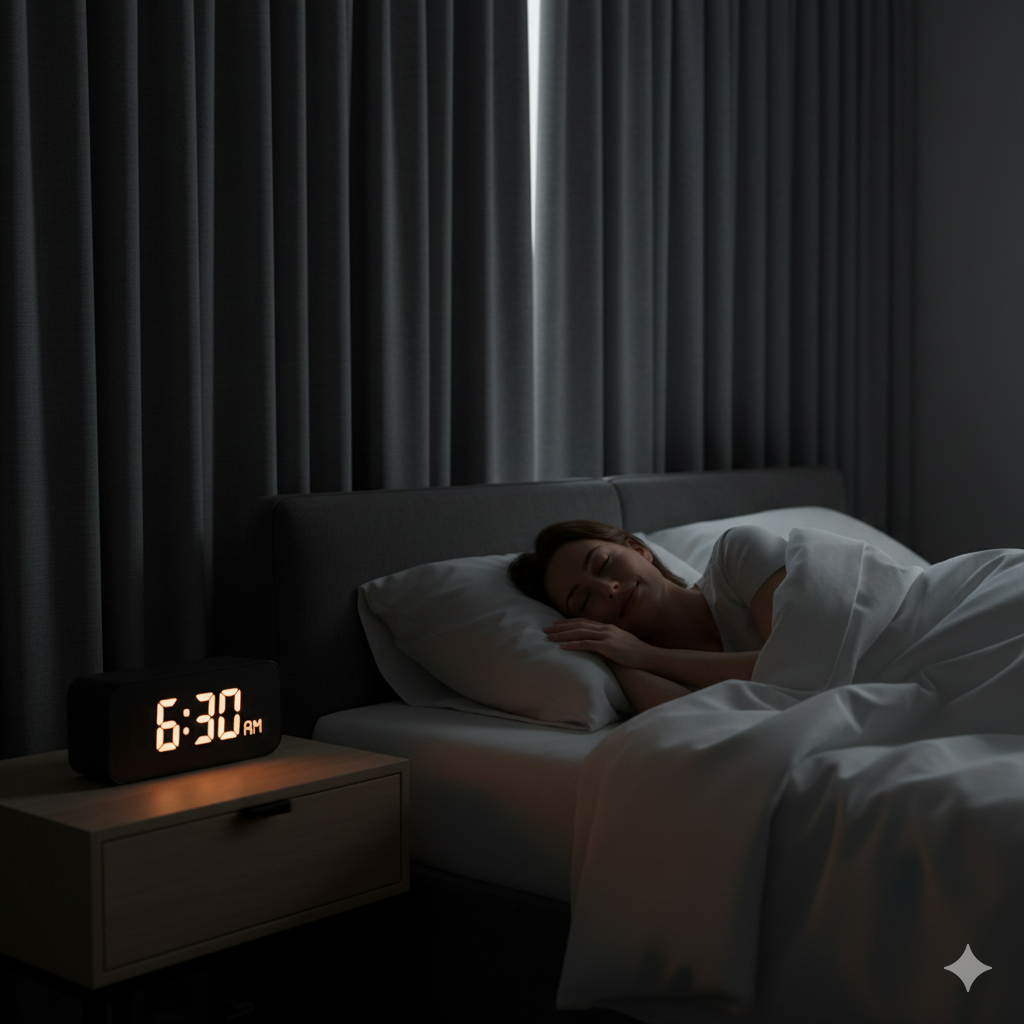
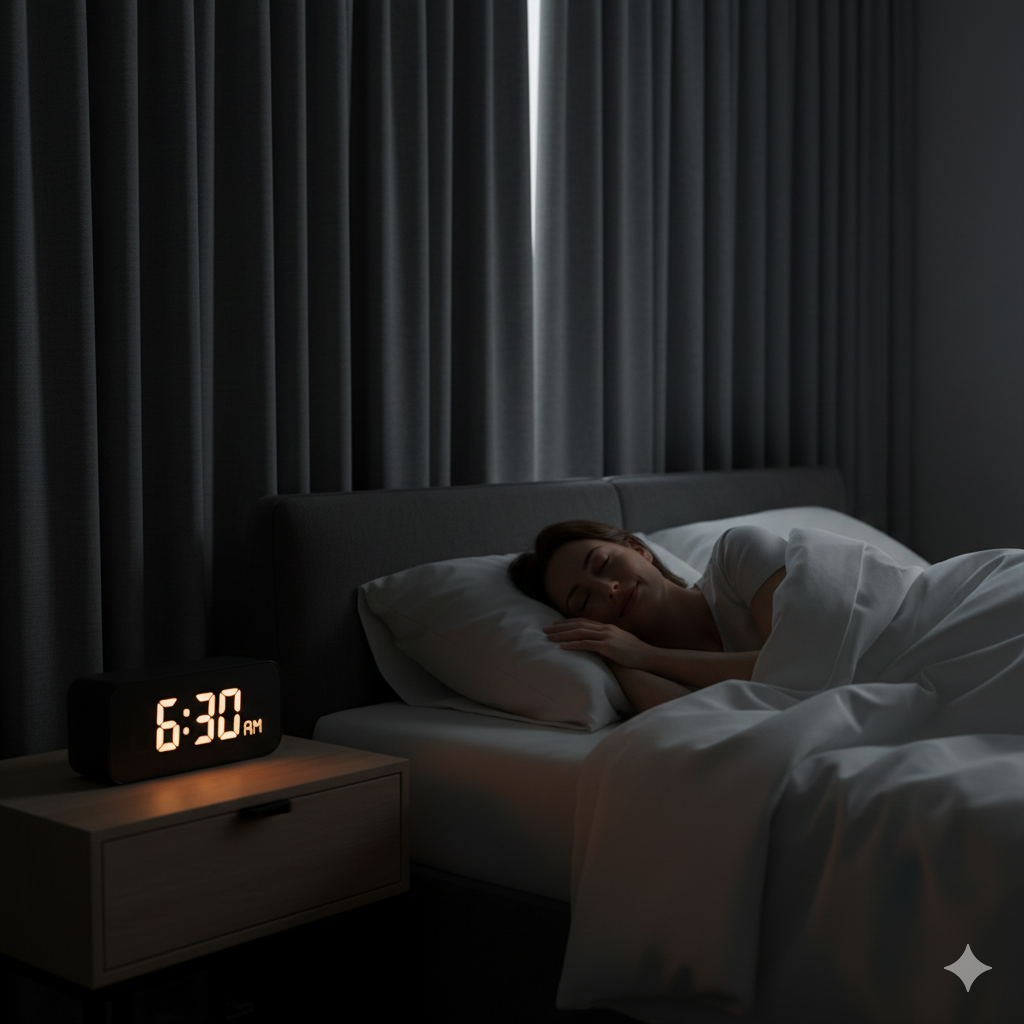
This image was created using AI to avoid copyright issues while conveying the meaning of this article.
We often see people who treat sleep like an optional luxury. They burn the candle at both ends; waking up early for a workout, staying up late to work or scroll, and running constantly on 5 or 6 hours of sleep. They think: "I'll just work out harder to make up for the lack of rest."
At Legacy Fitness & Nutrition, we have a clear, non-negotiable message: You cannot out-train a bad sleep schedule.
Sleep is not just "time off." It is the most critical component of your fitness and health legacy. Skipping sleep is not just making you tired; it is actively working against your goals for weight loss, muscle gain, and energy.
If you are struggling to see results, stop looking at your workout log or your food diary first. Look at your sleep log.
The Hormonal Disaster of Sleep Deprivation
When you consistently get less than 7 hours of quality sleep, your body goes into hormonal chaos that immediately sabotages the hard work you put in at the gym:
Sabotage Your Hunger: Lack of sleep immediately flips your hunger hormones into disaster mode. It increases Ghrelin (the "I'm starving" hormone) and decreases Leptin (the "I'm full" hormone). This makes you feel constantly hungry, especially for high-calorie, sugary foods, and you don't register fullness until you've overeaten.
Kills Muscle Growth: Sleep is when your body repairs and rebuilds. This is when Human Growth Hormone (HGH) is primarily released. If you cut sleep short, you cut off HGH production, directly stopping muscle growth. This means you aren't getting the metabolic benefit of the muscle you worked to build.
Increases Cortisol (Fat Storage): As we covered earlier (“Your Secret Fitness Weapon: Why Stress Management is the Ultimate Weight Loss Tool”), lack of sleep is a massive stressor. It raises your body's stress hormone, cortisol, which aggressively signals your body to store fat, particularly around the stomach. This makes fat loss nearly impossible, regardless of your diet.
Trying to build muscle or lose fat on little sleep is like trying to build a house when the foundation is constantly washed away.
The Legacy Sleep Playbook
Building a sleep legacy doesn't mean you need to sleep for 10 hours; it means creating a consistent, supportive environment for quality rest.
1. The 60-Minute "Digital Sunset"
Your biggest sleep killer is the blue light from screens (phones, tablets, TV). Blue light actively blocks the release of melatonin, the hormone that tells your body it's time to sleep.
Action: 60 minutes before your ideal bedtime, initiate a "Digital Sunset." Put all screens away, ideally in a separate room.
Alternative: Read a physical book, listen to a relaxing podcast, or write in a journal. This ritual allows melatonin to rise naturally.
2. Consistency is King (Even on Weekends)
Your body thrives on routine. Going to bed at 10 PM during the week and then staying up until 2 AM on Friday creates "social jetlag," which is just as disruptive to your hormones as flying across time zones.
Action: Try to keep your wake-up time within a 60-minute window every day, even on the weekends. Your body will naturally adjust its sleep rhythm, making it easier to fall asleep and wake up feeling refreshed.
3. Cool, Dark, and Quiet
Your bedroom environment should be an intentional cave dedicated only to sleep and intimacy.
Action: Keep the room as dark as possible (use blackout curtains). Keep it quiet (use earplugs or a white noise machine if needed). Most importantly, keep it cool, around 65° F is ideal.
Why it Works: A slightly cool room helps your body lower its core temperature, which is a key signal for the brain to initiate deep, restful sleep.
Make a promise to yourself this New Year: stop treating sleep like a luxury. Treat it like the powerful performance-enhancer, muscle-builder, and fat-burner that it is. Your fitness legacy depends on it.

Move for Mood: Using Exercise to Beat the Winter Blues and End-of-Year Fatigue
December can be a tricky month for mental health. This December, view movement as your mental medicine.

This image was created using AI to avoid copyright issues while conveying the meaning of this article.
December can be a tricky month for mental health. The excitement of the holidays often comes with increased stress, less sunlight, shorter days, and the general fatigue that comes from wrapping up a full year. Many people feel a slump, often called the "Winter Blues" or seasonal sadness.
When you feel this mental fatigue, the first thing that usually stops is exercise. You tell yourself, "I'm too tired," or "I'll feel better if I just rest."
At Legacy Fitness & Nutrition, we want to flip that idea on its head: Exercise is not just for your body; it's one of the most powerful and immediate tools for boosting your mood and combating end-of-year stress. When your mood dips, you need to Move for Mood.
The Chemical Connection: How Movement Lifts You Up
When you engage in physical activity, your brain does something incredible: it releases powerful chemicals that act as natural mood stabilizers and pain relievers.
Endorphins: These are your brain’s natural pain killers. They produce a feeling of well-being, often described as a "runner's high," though you don't have to run to get them. Even a brisk walk can trigger a release.
Dopamine: This chemical is part of your brain's reward system. It increases feelings of pleasure, focus, and motivation. Getting your body moving is a proven way to give yourself a natural dose of motivation when you need it most.
Serotonin: This helps regulate mood, sleep, and appetite. Low levels of serotonin are often linked to feelings of sadness, and regular movement helps keep those levels balanced.
When you feel mentally exhausted, these natural chemicals are exactly what your brain needs—and movement is the delivery system.
Your "Move for Mood" Playbook (No Gym Required)
You don't need a grueling hour-long workout to change your mental state. When your goal is mood, your intensity should be low to moderate (remembering what we learned about cortisol in “Your Secret Fitness Weapon: Why Stress Management is the Ultimate Weight Loss Tool”). Focus on consistency and joy.
1. The 10-Minute Outdoor Break
Lack of sunlight in winter is a key cause of the blues. Even on a cloudy day, the light outside is stronger than any light inside your house.
Action: Take a 10-minute walk outside, ideally in the morning or early afternoon. Leave your phone in your pocket and just look around.
Why it Works: This exposure helps regulate your body's circadian rhythm (sleep-wake cycle) and gives you a vital dose of natural light, which is critical for serotonin production.
2. Low-Intensity Movement for Body Awareness
Stress often causes us to hold tension in our bod: hunched shoulders, tight jaw, stiff neck. These physical signs feed back into your brain, reinforcing the feeling of stress.
Action: Try a gentle, non-competitive activity that forces you to focus on your body, like a restorative yoga flow or tai chi. If that’s not your style, put on your favorite upbeat music and simply dance in your kitchen for two songs.
Why it Works: These movements force you to breathe deeply and release physical tension. When your body relaxes, your mind follows.
3. The Social Movement Boost
Loneliness and isolation can contribute greatly to the Winter Blues. Combining movement with social connection amplifies the mood-boosting effect.
Action: Call a friend and ask them to meet you for a walk instead of meeting for coffee. Join a light exercise class once a week, even if it's just a beginner's stretching group.
Why it Works: Social interaction itself releases feel-good hormones. When you add movement, you get the double benefit of chemical release and connection, making the activity more enjoyable and highly effective against isolation.
This December, view movement as your mental medicine. When you feel tired, try a 10-minute walk instead of a 10-minute scroll on your phone. You'll not only be strengthening your body, but you'll be building a stronger, more resilient mind—the core of your enduring legacy.

The Myth of "Detox": What Your Body Actually Needs After a Rich Meal
The detox is a myth, and your body doesn't need a quick-fix cleanse.

Image courtesy of David Bruwer via Unsplash
The holidays are synonymous with rich food. You might have just finished a large meal—roasts, gravies, desserts, and now you feel heavy, sluggish, and maybe a little guilty.
The natural response marketed to us is the "detox." Companies sell teas, juices, and special cleanse plans, promising to flush out the "toxins" and reset your body after a big meal or a weekend of overindulgence.
At Legacy Fitness & Nutrition, we want to set the record straight: The detox is a myth, and your body doesn't need a quick-fix cleanse.
Your body is already equipped with the most powerful detoxification system ever created: your liver and kidneys. These organs work 24/7 to manage waste and toxins. What your body actually needs after a rich meal is not a drastic cleanse, but three simple, science-backed steps that support its natural function.
Why Detoxes Are Unnecessary (And Sometimes Harmful)
The idea behind most detoxes is that you have poisons built up that only expensive juices can fix. This is simply untrue. If your liver and kidneys stopped working, you would need immediate medical attention, not a juice fast.
Extreme juice cleanses and restrictive detox diets can actually hurt your long-term legacy:
They cause energy crashes: They strip away necessary protein and healthy fats, leaving you running on pure sugar water, leading to intense fatigue and sugar cravings.
They lead to muscle loss: Severe calorie cuts force your body to break down muscle tissue for fuel, slowing your metabolism in the long run.
They set up the Binge Cycle: Restriction creates intense physical and mental deprivation, leading to overeating the moment the cleanse is over.
Forget the quick fix. Focus on giving your body what it truly needs to recover and process that rich meal.
What Your Body ACTUALLY Needs: 3 Simple Steps
1. The Gentle Movement Reset
After a big meal, the urge might be to fall straight onto the couch. However, sitting still slows down the digestion process and can make you feel heavier and more bloated.
Action: Take a 10 to 15-minute slow, gentle walk after eating. This is not a workout; it's a stroll.
Why it Works: Light movement helps stimulate the muscles in your digestive tract. This encourages food to move through your system more efficiently, reducing bloating and aiding digestion. It also helps your body manage the blood sugar spike from the meal.
2. Fiber and Fermented Foods (The Gut Boost)
After a rich, heavy meal (often low in fiber), your gut bacteria (the tiny powerhouses that control your digestion and mood) need some support. The key is to add fiber and friendly bacteria.
Action: The day after the rich meal, make sure your breakfast and lunch are packed with fiber (oats, fruit, vegetables) and a serving of fermented food.
Examples: A small bowl of plain Greek yogurt, sauerkraut, or a glass of kefir.
Why it Works: Fiber acts like a scrub brush, cleaning out the digestive tract. Fermented foods provide probiotics (good bacteria) that help restore balance and keep your digestive system running smoothly.
3. Protein and Hydration (The Rebuilding Blocks)
Rich holiday meals are often heavy on fats and refined carbs but surprisingly low on high-quality, easily digestible protein.
Action: In the days following a big meal, make sure your water intake is high (as discussed in “The Forgotten Fuel: Why Water is the Key to Unlocking Holiday Energy”) and every meal includes a lean, easily digestible protein.
Examples: Eggs, chicken breast, or fish.
Why it Works: Water aids in flushing waste and managing salt intake. Protein is essential for rebuilding and maintaining muscle, ensuring your metabolism stays strong. By focusing on clean protein and fiber, you restore balance and stop the cycle of craving more sugar and rich foods.
When you've had a rich meal, don't punish yourself with a harsh cleanse. Instead, support your incredible body with gentle movement, targeted nutrition, and water. This is the simple, sustainable path to managing your health throughout the holidays and building a true legacy.

The Forgotten Fuel: Why Water is the Key to Unlocking Holiday Energy
You don't have to be sweating profusely to be dehydrated. Even mild dehydration (losing just 1-2% of your body weight in water) can trigger a host of nasty symptoms that steal your energy and sabotage your goals.

Image courtesy of Scott Elkins via Unsplash
December is famous for its energy slump. Between the extra shopping, late-night parties, rich food, and the general stress of year-end deadlines, most people feel drained.
When energy drops, the first reaction is often to grab another cup of coffee or reach for a sugary snack. But what if the solution to your holiday fatigue was simpler and cheaper than any quick fix?
At Legacy Fitness & Nutrition, we want to remind you of the Forgotten Fuel: Water.
Dehydration is arguably the number one overlooked cause of fatigue, cravings, and sluggish workouts, especially during the busy holiday season. Getting enough water isn't just about quenching thirst; it's the foundation for every single process your body relies on for energy.
The Sneaky Symptoms of Dehydration
You don't have to be sweating profusely to be dehydrated. Even mild dehydration (losing just 1-2% of your body weight in water) can trigger a host of nasty symptoms that steal your energy and sabotage your goals:
Sudden Fatigue and Brain Fog: Your brain is mostly water. When you're dehydrated, your brain tissue shrinks slightly. This can lead to headaches, difficulty concentrating, and that "heavy" feeling that makes you want to nap instead of work out.
Cranky Cravings: The body sometimes mistakes thirst for hunger. When you feel a sudden, nagging urge for a sweet snack, it might just be your body crying out for water to help process the nutrients it already has.
Slow Metabolism: Water is essential for every chemical reaction in your body, including digestion and metabolism. If you're low on water, your body has to work harder to digest food and burn calories, slowing down your engine.
Sore Muscles and Slow Recovery: Water helps transport nutrients to your muscles and flushes out the waste products that cause soreness. Poor hydration means longer recovery, making it harder to stick to your workout routine.
The Holiday Dehydration Trap
In December, several factors make hydration much harder:
Heated Air: Spending time indoors with central heating constantly running dries out your skin and respiratory system faster than normal.
Salty/Rich Foods: Holiday meals are often heavy in salt and processed sugars, which require your body to pull extra water to manage and digest them.
Alcohol and Caffeine: These are diuretics, meaning they make you pee more, actively depleting your body's water stores. If you enjoy coffee or a cocktail, you need to deliberately overcompensate with pure water.
The Legacy Hydration Strategy: The "Three Sips" Rule
You don't need a gallon-a-day goal that makes you feel like you're constantly chugging water. You need a simple, consistent strategy that turns hydration into a micro-habit (which you learned about in our article last week):
The Morning Flush: Before you have coffee, drink one full glass of water with a slice of lemon. This immediately rehydrates you after 7-9 hours of sleep and kickstarts your metabolism.
The Meal Anchor: Take three large sips of water before you eat anything and three large sips after you finish eating. This is a simple mental trigger that ensures you are hydrating consistently around your fuel intake.
The Workout Requirement: If you are working out, your water intake is non-negotiable. Aim to drink 8-10 ounces of water before your workout, small sips during your workout, and another large glass immediately after to replace lost fluids.
This December, don't reach for the sugar and caffeine as your first fix for fatigue. Reach for the glass of water. It's the simplest, most effective step you can take to unlock genuine energy and build a resilient health legacy.

The 3 Rules of Recovery: Why Rest Days Are Your Fastest Route to Gains
Recovery is not lazy, it's strategic!

This image was created using AI to avoid copyright issues while still conveying the meaning of this article.
Everyone knows that to get stronger or lose weight, you have to hit the gym and put in the work. You need to sweat, push hard, and feel the burn. This part is easy to understand.
But here is the truth that separates the people who build a lasting fitness legacy from those who burn out fast: You do not get stronger when you are lifting; you get stronger when you are resting.
At Legacy Fitness & Nutrition, we teach that recovery is not lazy, it's strategic! If you treat rest days as a bonus or something you squeeze in if you have time, you are actively blocking your own progress. You are stopping your body from making the gains you worked so hard for.
Here are the 3 Rules of Recovery that transform your rest day from a day off into your fastest route to real strength and lasting results.
Rule 1: Recovery Is Where Muscle Growth Happens
When you lift weights or do an intense workout, you are not actually making your muscles bigger or stronger. You are creating tiny tears in the muscle fibers. This process is called stress.
It is only after the workout, when you are sleeping or resting, that your body sends resources (like protein) to repair those tears. When the body repairs them, it overcompensates and makes the muscle fiber thicker and stronger than before. This is the gain.
If you skip your rest day and hit the same muscle group again, you are tearing down a wall before your body has had a chance to fully rebuild it. You are constantly breaking even, leading to fatigue, injury, and stalled results (a plateau).
The Action: Schedule your rest days like you schedule your workouts. Non-negotiable.
Rule 2: Active Recovery Beats Sitting on the Couch
A rest day doesn't always mean lying on the sofa watching TV. In fact, total inactivity can sometimes slow down recovery by reducing blood flow. This is where Active Recovery comes in.
Active recovery means moving your body in a way that increases blood flow to flush out waste products (like lactic acid) from your muscles, without causing new stress or tears. It should be light, easy, and feel good.
Great Active Recovery Examples:
A 20-minute slow walk with your dog.
Light stretching or foam rolling to improve flexibility.
A 30-minute bike ride at a very easy, conversational pace.
A restorative yoga session.
The key word is light. If you break a sweat, if your heart rate jumps up, or if you feel muscle burn, it is no longer active recovery, it's a workout, and you broke Rule 1.
Rule 3: Sleep and Fuel Are Non-Negotiable Recovery Tools
You can't recover if your body doesn't have the time and materials it needs for repairs. These two elements are more critical than any supplement:
A. The Sleep Requirement
While you sleep, your body releases Human Growth Hormone (HGH), which is essential for repairing tissue and burning fat. Getting 7–9 hours of quality sleep is the ultimate, non-negotiable recovery tool. A late night is just as damaging to your muscle growth as an extra workout. Prioritize sleep, especially after a heavy lifting day.
B. The Protein Promise
Protein is the building block your body uses to repair those muscle tears we talked about. If you lift heavy and then don't eat enough high-quality protein, your body doesn't have the materials it needs to build stronger muscle. All that hard work was wasted.
Make sure you are consistently fueling your body with enough protein every single day, especially on rest days. This turns your rest day into a full-scale rebuilding day.
Don't let the idea of resting feel like failure. Rest is productive. It is where the hard work of the gym turns into actual, visible results. By embracing the 3 Rules of Recovery, you stop overtraining and start creating a stronger, healthier legacy.

Your December Action Plan: How to Keep Your Fitness Goals Strong Through the Year-End Holidays
Congratulations! You successfully crushed November's content goals and, more importantly, you built strong habits through the Thanksgiving holiday.

Image courtesy of Jonathan Borba via Unsplash
Congratulations! You successfully crushed November's content goals and, more importantly, you built strong habits through the Thanksgiving holiday.
Now comes the toughest test of the year: December. The final month is a whirlwind of holiday parties, family gatherings, travel, and non-stop distractions. If you try to stick to your rigid January plan, you will likely fail and feel defeated.
The secret to winning December is to shift your mindset from a focus on "making gains" to a focus on damage control and non-negotiables. This is your three-part action plan to finish the year strong and step into January feeling ahead of the game, not behind it.
Part 1: The Training Non-Negotiable (The "Anchor" Workout)
During chaotic times, your training should be about consistency, not volume.
The Strategy: The 15-Minute Anchor. Commit to one single, non-negotiable movement routine that you will do every single day of the month, regardless of where you are. This should be a 15-minute bodyweight or mobility routine that requires zero equipment.
The Why: This "anchor" workout maintains your habit streak. Even if you miss your long gym sessions, you never break the habit of movement. You are reinforcing your identity as a fit person every single day.
Action: Write down your 15-minute routine (e.g., 5 sets of 20 squats, 10 push-ups, and a plank). Schedule it first thing in the morning before life gets in the way.
Part 2: The Nutrition Damage Control (The 2-Meal Rule)
It’s unrealistic to expect perfect eating during a month full of celebratory dinners and parties. Instead of worrying about every meal, control the moments you can control.
The Strategy: The 2-Meal Rule. For every holiday party, celebratory dinner, or day off, commit to making the other two meals of that day high in protein and fiber.
Example: If you know you have a party dinner tonight, your breakfast and lunch must be simple: eggs, Greek yogurt, or a protein shake.
The Why: Protein and fiber boost satiety and stabilize blood sugar. By maximizing these at two meals, you create a metabolic "buffer" that prevents overeating and mitigates the damage of the heavy meal or party snacks. You control 80% of the day's intake.
Part 3: The Recovery Commitment (The Sleep Target)
When schedules get busy, the first thing people sacrifice is sleep. This is a fatal flaw for fitness because poor sleep elevates stress hormones, increases cravings, and destroys recovery.
The Strategy: The 7-Hour Minimum. Decide on a non-negotiable minimum number of sleep hours (e.g., 7 hours). Treat this commitment with the same importance as a work deadline.
The Why: Better sleep is your ultimate weight management and recovery tool. It naturally reduces junk food cravings and lowers cortisol. When your sleep is strong, your willpower is strong.
Action: Set a "wind-down" alarm 30 minutes before your target bedtime. Stop scrolling, turn off bright screens, and read a book or practice deep breathing.
Step into January a Winner
December is not the time to start a new, challenging goal. It is the time to protect the great habits you've already built. By committing to your 15-Minute Anchor workout, using the 2-Meal Rule, and protecting your Sleep Target, you eliminate the need for a frantic "New Year, New Me" panic.
You will step into January feeling rested, strong, and ready to immediately accelerate your progress because you never truly stopped. That is the definition of a strong health legacy.
The 5-Minute Foam Rolling Routine to Soothe Post-Holiday Aches and Tightness
The Thanksgiving weekend is often filled with activity that our bodies aren't used to: long hours of travel, sleeping in a different bed, standing while cooking, and maybe even that quick Turkey Trot! Just five minutes of self-massage with a foam roller is a powerful investment in pain-free movement.
The Thanksgiving weekend is often filled with activity that our bodies aren't used to: long hours of travel, sleeping in a different bed, standing while cooking, and maybe even that quick Turkey Trot! All of this can leave you with unexplained stiffness, especially in your lower back, hips, and shoulders.
Foam rolling is your simple, five-minute solution to soothe those post-holiday aches. It's often called "poor man's massage," and for good reason; it’s a powerful way to release muscle tension, improve blood flow, and speed up recovery, all for the cost of a simple foam cylinder.
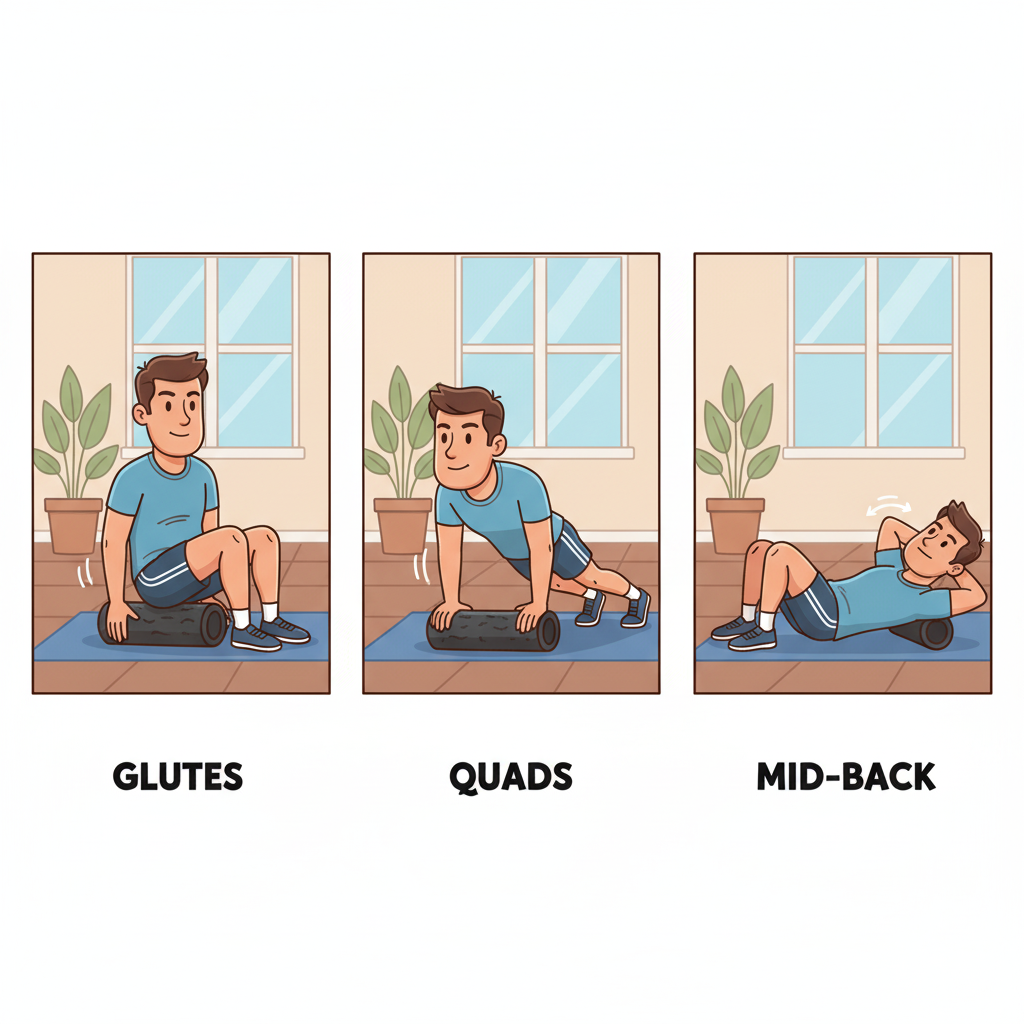
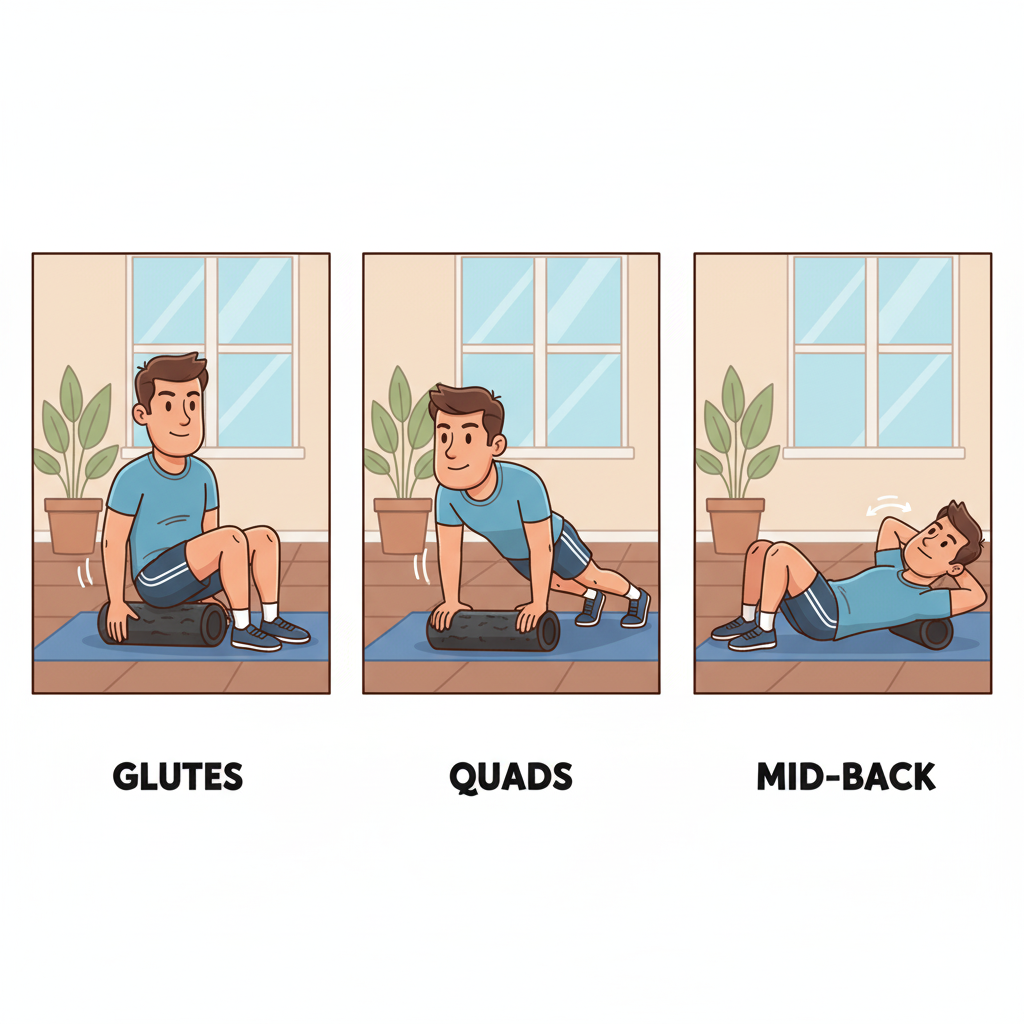
This quick, effective 5-minute routine targets the three areas most likely to seize up after a weekend of travel and holiday stress.
The 5-Minute Relief Flow
Perform each move for 60 seconds on each side or major muscle group. Move slowly and deliberately. When you find a spot that is particularly tender (a "trigger point"), pause and hold for 15–20 seconds, allowing the tissue to release.
1. The Thoracic Spine (Mid-Back Relief - 60 seconds)
The Area: The upper and middle back, often stiff from slouching on the couch or a long car ride.
The Move: Lie on your back with the roller placed horizontally just below your shoulder blades. Cross your arms over your chest (to pull your shoulder blades apart). Slowly roll up and down, keeping your hips lifted and supporting your neck with your hands if needed. This is great for undoing "hunching."
2. The Glutes (Low Back Protection - 60 seconds per side)
The Area: Your glutes and hips, which can tighten and cause lower back pain when sitting or standing too long.
The Move: Sit on the roller. Shift your weight onto one side (e.g., your left glute). Cross your left ankle over your right knee (like sitting cross-legged). Roll slowly from the bottom of your hip bone down to the top of your hamstrings.
The Hack: When you hit a tender spot, focus on breathing deeply to help the muscle release.
3. The Quads & Hip Flexors (Knee and Hip Relief - 60 seconds per side)
The Area: The front of your thighs, which get tight from sitting or from a sudden burst of running (like the Turkey Trot!).
The Move: Lie face down with the roller under your quads, supporting yourself on your hands/forearms. Slowly roll from the top of your hip down to just above your knee. Avoid rolling directly on the knee joint.
The Hack: If you find a very tight spot, turn your foot inward or outward slightly to hit the muscle from different angles.
4. The Calves (Foot and Leg Relief - 60 seconds per side)
The Area: Your calves and lower legs, often tight from walking, standing, or wearing different shoes.
The Move: Sit on the floor with one calf resting on the roller and the other foot on the floor for support. Use your hands to slowly push and pull your body, rolling the calf muscle.
The Hack: Roll your foot inward and outward slightly to ensure you hit both sides of the calf muscle.
5. The Lats (Shoulder & Upper Back - 60 seconds per side)
The Area: The large muscles under your armpit and on the side of your back, which can get tight from carrying luggage or sleeping awkwardly.
The Move: Lie on your side with the roller just beneath your armpit. Extend the arm of that side straight out. Slowly roll up and down a few inches, easing into the pressure.
The Hack: This area can be intense! Keep the pressure gentle and focus on slow, small movements to release shoulder tension.
Just five minutes of self-massage with a foam roller is a powerful investment in pain-free movement. Make it a new habit to roll out the tension before the work week begins!

Gratitude and Gains: Using Mindset to Reduce Holiday Stress and Stay Consistent
The holiday season, while joyful, is a marathon of added stress: travel logistics, financial worries, and the pressure to be "perfect."

Image courtesy of Aveedibya Dey via Unsplash
The holiday season, while joyful, is a marathon of added stress: travel logistics, financial worries, and the pressure to be "perfect." This mental stress can be just as damaging to your fitness and health goals as overeating, as it spikes cortisol (the stress hormone) and makes consistent action feel impossible.
This year, let's use the power of your mindset to not just cope with the holiday stress, but to actively reduce it and protect your precious routine. The strategy? Focusing on Gratitude and accepting "Good Enough" over perfection.
1. The Gratitude Grounding Technique
Stress thrives on fear, lack, and comparison. Gratitude is the direct antidote. Taking a few moments each day to focus on what you have (your "wins") can immediately lower your stress hormones and anchor you in a positive state.
The Strategy: Every morning, before you check your phone or start cooking, list three things you are genuinely grateful for.
Holiday Application: Be specific about your gratitude. Not: "I'm thankful for my family." Try: "I'm grateful my flight arrived safely," or "I'm thankful for the quiet 10 minutes I took for myself this morning."
Why it works: This simple practice interrupts the anxious "what if" thought loop. It reminds you of your resources and shifts your focus from external demands to internal appreciation. This stronger mental state makes you far more resilient against holiday pressures.
2. The Power of "Good Enough" Consistency
Holiday travel, hosting, and busy schedules are going to disrupt your normal routine. Trying to force a 60-minute workout or a perfect diet will only lead to stress and eventual burnout.
The Strategy: The 80% Rule. Accept that 80% effort during the holidays is a massive win. Your goal shifts from gaining to maintaining your strength and habits.
Holiday Application:
Workouts: A 15-minute bodyweight circuit in a hotel room is good enough. A brisk walk with family is good enough. Don't skip movement entirely just because you can't get to your preferred gym.
Nutrition: Hitting your protein goal at two meals a day is good enough. Drinking your full water intake is good enough. Focus on the few things that give you the biggest return (like protein, water, and sleep) and let the rest slide.
The Legacy Lesson: Consistency doesn't mean perfection; it means showing up in a way that is manageable, even during chaos. By accepting "good enough," you eliminate the stress of failure and ensure you keep your streak going strong into the New Year.
3. Set Boundaries: The Gift of "No"
Feeling overwhelmed often comes from over-committing your time and energy to others. To maintain your sanity and routine, you have to be able to say no.
The Strategy: Set clear boundaries around your personal health time. This is not selfish; it is essential.
Holiday Application: Politely decline one social invitation that adds too much stress, or firmly block out 30 minutes in the morning for your non-negotiable movement. For example: "I would love to help with breakfast, but I need a 30-minute walk first to clear my head."
The Legacy Lesson: Protecting your well-being serves everyone around you better. A rested, calm, and grounded you is a far better host, guest, and family member than a stressed-out, depleted one.
Use the powerful combo of gratitude and flexible consistency this holiday season. By managing your mindset first, you create a calm foundation that keeps your body and your goals perfectly aligned, ensuring your gains stick and your stress levels drop.

Build Your Mobility ‘Flow’: A 10-Minute Routine for Pain-Free Hips and Shoulders
If you sit for hours every day, you know the feeling: tight hips, rounded shoulders, and a stiff lower back. While stretching helps, the real key to solving desk posture is mobility work.

If you sit for hours every day, you know the feeling: tight hips, rounded shoulders, and a stiff lower back. This common issue, often called "desk posture," isn't just uncomfortable, it restricts your movement, limits your workout performance, and can lead to chronic pain over time.
While stretching helps, the real key to solving desk posture is mobility work: actively moving your joints through their full range of motion. We're not talking about slow, static stretching; we're talking about a fluid, 10-minute routine, or "flow," that actively lubricates your stiffest joints.
This simple flow is designed to target the two most common problem areas for active adults: the hips (which get tight from sitting) and the shoulders (which slouch forward). Add this to your morning routine or take a break in the middle of your workday, and watch your pain melt away.
The 10-Minute Mobility Flow
Perform each movement for 30–60 seconds, focusing on smooth, controlled motion. Move directly from one exercise to the next with minimal rest.
1. Cat-Cow with Torso Rotation (Spinal Health)
This move is the perfect way to warm up your spine and connect your breath to your movement.
How to do it: Start on your hands and knees. Slowly drop your belly and lift your gaze (Cow). Then, round your spine toward the ceiling and tuck your chin (Cat). After a few reps, pause in the neutral position and thread one arm under your body, resting your shoulder near the floor (Torso Rotation). Hold briefly, then return and switch sides.
Focus: Think about isolating each part of your spine and moving slowly. This frees up the middle and upper back, which are vital for good posture.
2. Hip Flexor Lunge with Reach (Hip Relief)
Sitting causes your hip flexors to shorten and tighten, pulling your pelvis out of alignment. This move aggressively lengthens them.
How to do it: Step forward into a deep lunge position, dropping your back knee to the floor (pad it if needed). Gently push your hips slightly forward until you feel a stretch in the front of your back hip. Now, raise the arm opposite your front leg and lean slightly to the side.
Focus: Squeeze the glute on your back leg—this is the secret to getting a deeper stretch in the hip flexor.
3. 90/90 Hip Internal/External Rotation (Hip Mobility)
This is a game-changer for hip health, as it trains your hips to rotate properly, which is crucial for squatting and walking.
How to do it: Sit on the floor. Bend both knees so they are pointing in opposite directions, forming two 90-degree angles (your front knee, and your trail knee). Keep your chest upright. Slowly rotate your knees to the opposite side without using your hands, switching which knee is leading.
Focus: Try to keep your chest tall. If you need to lean back on your hands, that’s okay, but focus on controlling the movement from deep inside your hip sockets.
4. Thoracic Spine Windmill (Shoulder Posture)
This move directly addresses the rounded posture caused by hunching over a screen, freeing up your upper back and shoulders.
How to do it: Lie on your side with both knees bent and pulled up toward your chest. Extend your top arm and move it in a slow, wide circle, keeping your lower arm on the floor. Follow your hand with your eyes. The goal is to get your top shoulder blade flat on the ground.
Focus: You should feel a deep stretch and rotation through your mid-back (the thoracic spine). This is key to letting your shoulders pull back naturally.
5. Wall Slides (Shoulder Stability and Alignment)
This finishes the flow by teaching your shoulder blades where they should be in space—down and back.
How to do it: Stand with your back flat against a wall. Press your lower back, head, and elbows against the wall. Slide your elbows up the wall, raising your arms as high as you can without letting your lower back arch or your elbows lift off the wall. Return to the start.
Focus: This move trains the muscles that prevent the "hunch" and improves the stability needed for overhead movement.
Make it a Habit, Not a Chore
These stiff-joint issues didn't happen overnight, and they won't go away overnight. But by committing just 10 minutes a day to this mobility flow, you are actively undoing the negative effects of modern life. You'll not only feel better when you stand up, but you'll be stronger and less prone to injury during all your favorite activities.