

Unpacking the Truth: Busting Top Nutrition Myths
Hey there, health seekers! What you eat plays a huge role in your health and how you feel. The world is full of confusing advice about food, making it tough to know what's true. Let's clear up some common misunderstandings about nutrition and get to the facts!

Photo by Markus Winkler on Unsplash
Hey there, health seekers! What you eat plays a huge role in your health and how you feel. The world is full of confusing advice about food, making it tough to know what's true. Let's clear up some common misunderstandings about nutrition and get to the facts!
Myth 1: Carbs Are Bad and Make You Fat.
Carbohydrates often get a bad rap, but they are your body's main source of energy! The key is to choose the right carbs. Whole grains, fruits, and vegetables are packed with good carbs, fiber, and important nutrients. These are essential for everything from brain function to digestion. Sugary snacks, white bread, and highly processed foods are the types of carbs you should limit. It's about balance and quality, not avoiding carbs completely.
Myth 2: Eating Fat Makes You Fat.
Just like carbs, not all fats are bad. Healthy fats, found in foods like avocados, nuts, seeds, olive oil, and fatty fish (like salmon), are important for your body to work correctly. They help absorb vitamins, protect organs, and are vital for brain health. Eating too much of any type of food, whether it's carbs, fats, or protein, can lead to weight gain if you consume more calories than your body uses. Focus on healthy fats in moderation.
Myth 3: You Shouldn't Eat After 7 PM.
Many people believe that eating late at night will automatically make you gain weight. But the truth is, it's the total amount and type of food you eat over a whole day that matters most, not the specific time on the clock. If you eat a huge, unhealthy meal right before bed, that's different from having a small, healthy snack if you're truly hungry. Your body uses calories no matter when you eat them. Listen to your hunger cues, regardless of the time.
Myth 4: Skipping Meals Helps You Lose Weight.
You might think skipping meals will help you eat less and lose weight, but it can actually backfire! When you skip meals, you might get so hungry that you end up overeating much more later on due to intense hunger. This can lead to less control over your food choices and often results in eating more calories overall. Eating regular, balanced meals and snacks helps keep your energy levels steady and can help you control your appetite throughout the day.
Myth 5: All Processed Foods Are Bad.
The word "processed" can sound scary, but it doesn't always mean a food is unhealthy. Some processed foods, like frozen vegetables, canned beans, or pasteurized milk, are processed to keep them safe, fresh, and convenient, and they still have lots of nutrients. These can be valuable parts of a healthy diet. Ultra-processed foods, which have many added sugars, unhealthy fats, and artificial ingredients, are the ones you should try to limit as much as possible.

Navigating Food Labels: What You Really Need to Know
Walking down the grocery aisle can feel like a puzzle. With so many different products and claims, how do you know what's truly healthy for you?

Walking down the grocery aisle can feel like a puzzle. With so many different products and claims, how do you know what's truly healthy for you? The key is learning how to read and understand food labels. They're packed with valuable information, but you need to know where to look.
Here’s a quick guide to becoming a food label detective:
1. Start with the Serving Size: This is super important! All the nutrition information on the label (calories, fat, sugar, etc.) is based on ONE serving. People often eat more than one serving without realizing it, which means they're getting more calories and nutrients than they think. Always check how many servings are in the package.
2. Look at the Calories: Calories give you an idea of how much energy is in one serving. While calories aren't the only thing that matters, they're a good starting point for managing your weight.
3. Pay Attention to Macronutrients (Fat, Carbs, Protein):
Fats: Focus on healthier fats like unsaturated fats (found in avocados, nuts, olive oil). Limit saturated fats and avoid trans fats (often listed as "partially hydrogenated oil" in the ingredients list), as these can be bad for your heart.
Carbohydrates: These are your body's main source of energy. Look for foods with more fiber (like whole grains, fruits, veggies) and less added sugar.
Protein: Protein helps build and repair muscles and keeps you feeling full. Aim for foods that are good sources of protein.
4. Spot the Sugars (Especially Added Sugars): Many foods have natural sugars, but it's the added sugars you want to watch out for. Check the ingredients list for words ending in "ose" (like fructose, glucose, dextrose) or names like corn syrup, high-fructose corn syrup, and cane sugar. Too much added sugar can contribute to health problems.
5. Check the Ingredients List: This list tells you everything that’s in the food, from most to least by weight.
Look for whole foods: Ingredients like "whole wheat," "oats," "chicken," "broccoli," and "apples" are good signs.
Be wary of long lists with many unfamiliar ingredients or chemicals.
Remember: If sugar or unhealthy fats are listed as one of the first few ingredients, that food likely has a lot of them.
6. Don't Fall for Front-of-Package Claims: Food companies love to put catchy phrases on the front of packages to grab your attention. While some of these claims can be helpful, many can be misleading or don't tell the whole story. Terms like "natural," "light," "multigrain," or "low-fat" can be misleading. Always turn the package around and check the full nutrition facts and ingredients list to get the real story.
Here's what some common claims actually mean:
"Low Fat," "Low Sodium," "Low Calorie" (or other "Low" claims): These terms have strict rules. For example:
"Low Fat" means 3 grams of fat or less per serving.
"Low Sodium" means 140 milligrams of sodium or less per serving.
"Low Calorie" means 40 calories or less per serving.
Be aware: sometimes when fat is removed, sugar is added to keep the taste. Always check!
"Sugar-Free": This means the product has less than 0.5 grams of sugar per serving. It might still contain sugar alcohols or artificial sweeteners, so check the ingredient list if you're concerned.
"Reduced" or "Less": This means the food has at least 25% less of a certain nutrient (like fat or sugar) or fewer calories compared to the original version of that product. It doesn't mean it's necessarily "low" in that nutrient overall.
"Light" or "Lite": This can mean different things. For some foods, it means 50% less fat. For others, it means one-third fewer calories. And for some, it just means lighter in color or texture!
"Good Source of..." or "Contains...": This means one serving of the food provides between 10% and 19% of the Daily Value for a specific nutrient.
"Excellent Source of..." or "High in...": This means one serving provides 20% or more of the Daily Value for a specific nutrient.
"Fortified" or "Enriched": This means that vitamins, minerals, or other nutrients have been added to the food. "Enriched" often refers to nutrients that were lost during processing (like B vitamins in white bread) and then put back in. "Fortified" means nutrients were added that weren't there originally (like Vitamin D in milk). While this can be good, it doesn't always make an unhealthy food healthy.
"Natural": This is one of the trickiest terms. It generally means the food doesn't contain artificial ingredients or added colors. However, it doesn't mean it's organic, free of pesticides, or even healthy. A candy bar made with "natural" sugar is still a candy bar!
7. Bonus: Understanding Organic Labels - What Do They Really Mean?
When you see "organic" on a food label, it means the food was produced using certain methods that protect natural resources, conserve biodiversity, and only use approved substances. But "organic" isn't just one thing – there are actually different levels, and they're regulated to mean specific percentages of organic ingredients:
"100% Organic": This label means that all ingredients in the product (excluding water and salt) are certified organic. You'll often see the USDA Organic seal on these products.
"Organic": If a product just says "Organic," it means at least 95% of its ingredients are certified organic. The remaining 5% must be on an approved list of non-organic items. This also carries the USDA Organic seal.
"Made with Organic Ingredients": For this label, the product must contain at least 70% certified organic ingredients. The other 30% can be non-organic but cannot be made with GMOs (genetically modified organisms). Products with this label cannot use the USDA Organic seal on the front, but they can list "organic" ingredients in their ingredient list.
Less than 70% Organic: If a product has less than 70% organic ingredients, it can only list the specific organic ingredients in its ingredient list. It cannot use the word "organic" on the front of the package.
Knowing these differences helps you decide how "organic" you want your food choices to be, based on what matters most to you.
By taking a few extra moments to read food labels carefully and understanding these claims, you'll be able to make smarter choices that truly support your health and fitness goals. It's a small habit that can make a big difference!

Boost Your Energy: Simple Tips for Better Hydration
Feeling a bit sluggish lately? Sometimes the simplest things can make the biggest difference, and staying properly hydrated is one of them!
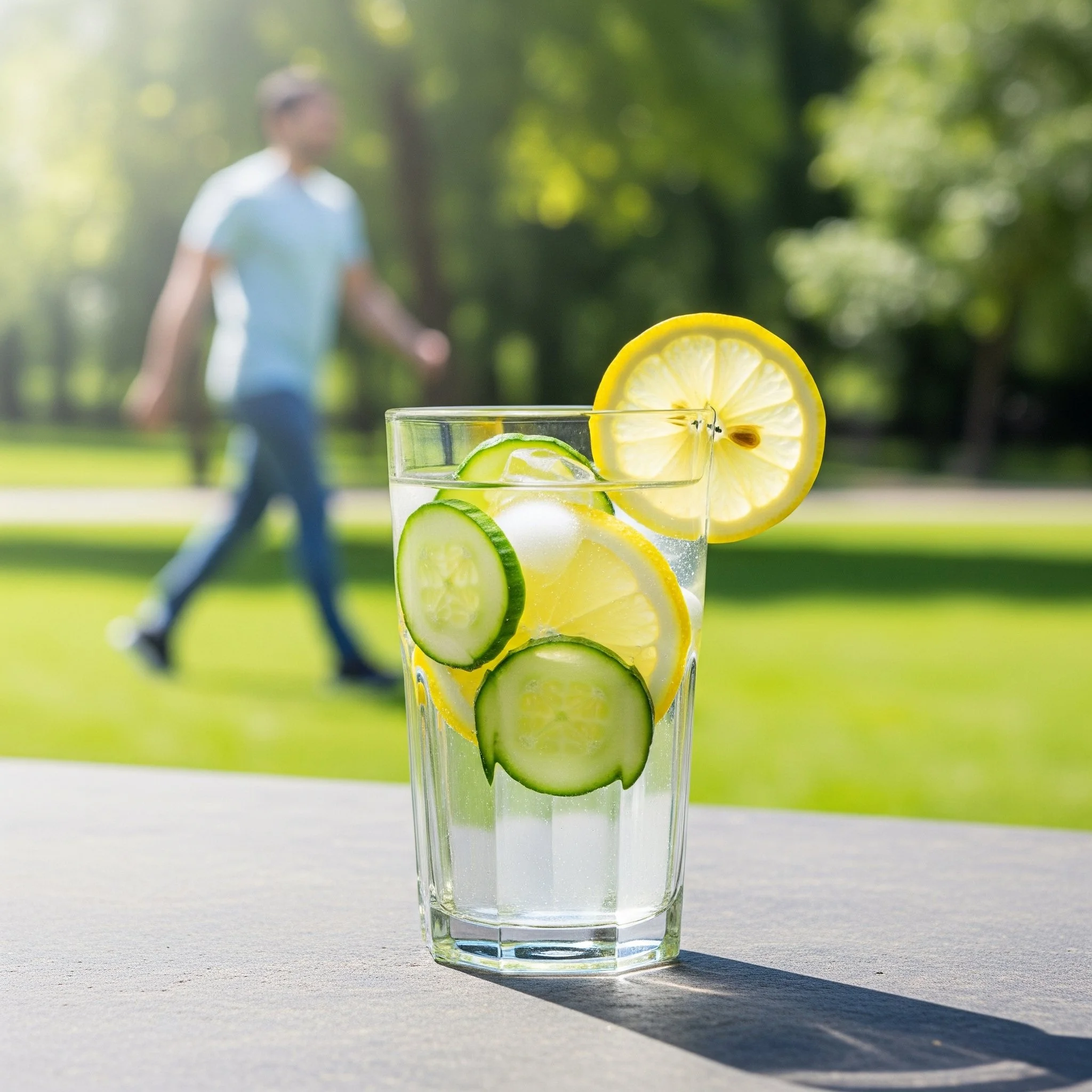
Feeling a bit sluggish lately? Sometimes the simplest things can make the biggest difference, and staying properly hydrated is one of them! Our bodies are mostly water, and when we don't get enough, everything from our energy levels to how our brain works can take a hit.
Water helps deliver nutrients to your cells, gets rid of waste, keeps your joints moving smoothly, and even helps control your body temperature. If you're not drinking enough, your body has to work harder, which can leave you feeling tired.
How Much Water Do You Really Need?
There's no one-size-fits-all answer, but a good general goal for adults is around eight 8-ounce glasses a day (that's about 2 liters). The National Academy of Medicine recommends adult men consume 3.7 liters of water and 2.7 liters for women. However, if you're exercising a lot, in a hot climate, or just naturally sweat more, you might need even more. Listen to your body – thirst is a sign you're already a bit dehydrated!
How To Tell When You’re Dehydrated:
Sometimes, you might not feel thirsty until you're already a bit low on water. So, how can you tell if your body needs more fluids? Here are some common signs:
Darker Pee: This is one of the easiest ways to tell. If your urine is dark yellow, like apple juice, you probably need to drink more water. Aim for light yellow or clear pee.
Dry Mouth and Lips: Your mouth might feel sticky or your lips might feel chapped.
Feeling Tired or Sluggish: Even mild dehydration can make you feel sleepy and low on energy, because your body has to work harder.
Headache: Dehydration can sometimes trigger headaches or make existing ones worse.
Less Frequent Urination: If you're not going to the bathroom much, it could be a sign you're not drinking enough.
Dizziness: In more serious cases, you might feel lightheaded or dizzy.
Listening to your body and noticing these signs early can help you stay properly hydrated throughout the day.
Simple Tips to Sip Your Way to More Energy:
Start Your Day Hydrated: Drink a glass of water as soon as you wake up. It's a great way to kickstart your metabolism and rehydrate after hours of sleep.
Carry a Water Bottle: Keep a reusable water bottle with you throughout the day. Seeing it will remind you to drink, and you'll be less likely to reach for sugary drinks.
Flavor Your Water Naturally: If plain water isn't exciting enough, add slices of fruit (lemon, lime, orange, berries) or cucumber, or a few mint leaves for a refreshing twist.
Drink Before Meals: Having a glass of water before each meal can not only help with hydration but also make you feel fuller, possibly helping with portion control.
Set Reminders: Use an app or set alarms on your phone to remind you to take sips throughout the day. Consistency is key!
Reach for Water First: When you feel a craving or slight hunger, try drinking water first. Sometimes, thirst is mistaken for hunger.
Other Sources of Water and Common Myths
When we think about hydration, we usually just think about drinking water. But did you know that about 20% of our daily water actually comes from the foods we eat? Many fruits and vegetables, like watermelon, strawberries, lettuce, and cucumbers, are packed with water, helping you stay hydrated without even picking up a glass.
Now, let's clear up some common myths about other drinks:
Milk: Milk is actually a great hydrating drink! It contains a lot of water, plus important nutrients like electrolytes (which help keep your body's fluids balanced), protein, and carbohydrates. It's often even better than plain water for rehydrating after exercise due to its nutrient content.
Coffee and Tea: For a long time, people thought drinks with caffeine, like coffee and tea, would dehydrate you. The truth is, while caffeine can make you pee a little more, the amount of water in these drinks usually makes up for it. So, your daily cup of coffee or tea does contribute to your overall fluid intake. Just remember that sugary coffee drinks might not be the best choice due to their high sugar content.
So, while plain water is always best, remember that a balanced diet with water-rich foods and even some of your favorite beverages can play a role in keeping you well-hydrated!
Making hydration a priority is an easy and effective way to boost your energy, improve your focus, and support your overall health and fitness goals. So, grab a glass, fill it up, and start sipping your way to a more energized you!

Fasting and Pumping Iron: A Winning Combo?
Thinking about trying something new with your fitness routine? You might have heard about "intermittent fasting"; it's all the buzz. And if you love hitting the weights, you might be wondering if you can do both.

Thinking about trying something new with your fitness routine? You might have heard about "intermittent fasting"; it's all the buzz. And if you love hitting the weights, you might be wondering if you can do both. Good news: you probably can! But, like any good workout, it's smart to go in with a plan.
What's Intermittent Fasting Anyway?
Imagine you eat all your meals within a certain window of time each day, and then for the rest of the day, you don't eat anything (except water, black coffee, or plain tea). That's the basic idea of intermittent fasting. It's not really a diet about what you eat, but when you eat. Popular methods include:
16/8 Method: You fast for 16 hours and have an 8-hour eating window. For example, you might eat from noon to 8 PM and then fast until noon the next day.
24-Hour Fast: You might fast from dinner one day until dinner the next day, once or twice a week.
Why Do People Fast?
People try intermittent fasting for different reasons. Some hope it will help them:
Lose Weight: When you eat within a smaller window, you might naturally eat fewer calories.
Improve Energy: Some people report feeling more focused and energetic.
Improve Health: Studies are looking into how fasting might help with things like blood sugar and heart health.
Can You Lift Weights While Fasting?
The short answer is yes! Many people successfully combine intermittent fasting with weightlifting and other gym activities. Your body is pretty smart and can use stored energy (like fat) for fuel.
However, there are a few things to keep in mind to make sure you do it safely and effectively:
Listen to Your Body: This is the golden rule! If you feel lightheaded, dizzy, or unusually weak, stop what you're doing. It's okay to break your fast if you need to.
Timing Your Workouts: Some people prefer to work out towards the end of their fast, just before their eating window opens. This way, they can refuel soon after their workout. Others find they do fine working out while fasted. Experiment to see what feels best for you.
Stay Hydrated: This is super important, especially when fasting. Drink plenty of water throughout the day, even more if you're exercising. Electrolyte drinks (without sugar) can also be helpful, especially if you're feeling a bit drained.
Focus on Protein: When you do eat, make sure you're getting enough protein. Protein helps your muscles repair and grow after a workout. Think chicken, fish, eggs, beans, or protein shakes.
Don't Go Crazy: If you're new to both fasting and weightlifting, don't try to do too much at once. Start with lighter weights or shorter workouts, and gradually increase as your body gets used to it.
Consider Shorter Fasts First: If you're new to fasting, start with shorter fasting windows (like 12-hour fasts) before trying longer ones. This helps your body adjust.
Get Enough Sleep: Sleep is crucial for muscle recovery and overall well-being, especially when you're asking your body to do new things.
Why This Works (and What to Watch Out For)
When you're fasting, your body taps into its fat stores for energy. This can be helpful for weight loss. When you lift weights, you're building muscle. Combining the two can be a powerful way to change your body composition – losing fat and gaining muscle.
However, be aware of:
Low Energy: Some people might feel a dip in energy during fasted workouts, especially at first.
Muscle Loss (Rare but Possible): If you fast for very long periods, don't get enough protein, or severely restrict calories, there's a small risk of losing muscle. This is why getting enough protein during your eating window is so important.
The Bottom Line
Fasting and weightlifting can be a great combination for many people. It's not about magic, but about understanding your body and making smart choices. Always listen to how you feel, stay hydrated, fuel up with good food during your eating windows, and remember that consistency is key.
Before making any big changes to your diet or exercise routine, it's always a good idea to chat with a doctor or a registered dietitian. They can give you personalized advice based on your health and goals.
Disclaimer: This blog post is for informational purposes only and does not constitute medical advice. Please consult with a healthcare professional before starting any new diet or exercise program.

Smart Nutrition for a Hectic Week: Healthy Eating Strategies for Busy Lifestyles
Life is busy. Between work, family, and everything else, finding time to eat healthy often feels like another chore. But eating well doesn't have to be complicated or take up hours of your precious time.

Life is busy. Between work, family, and everything else, finding time to eat healthy often feels like another chore. But eating well doesn't have to be complicated or take up hours of your precious time. With a few smart strategies, you can fuel your body right, even when your schedule is packed.
Why Healthy Eating Matters (Even When Busy):
It’s easy to grab fast food or skip meals when you're rushed. But this can leave you feeling tired, sluggish, and even stressed. Eating good, balanced meals gives you the energy you need to tackle your day, keeps your mind sharp, and helps your body stay strong and healthy in the long run.
Simple Strategies for Busy Lives:
Plan Ahead: The Weekend Warrior Prep:
Cook in Batches: Dedicate a couple of hours on a Sunday to cook large portions of protein (like chicken breast or ground turkey), grains (quinoa or rice), and roasted vegetables. You can mix and match these throughout the week.
Chop Produce: Wash and chop veggies like peppers, carrots, and celery. Store them in containers for quick snacks or to throw into meals.
Portion Snacks: Divide nuts, seeds, or whole-grain crackers into small bags or containers so you can grab them on the go.
Embrace Easy, Healthy Staples:
Eggs are Your Friend: Scrambled eggs, hard-boiled eggs, or an omelet are quick sources of protein that can be eaten any time of day.
Canned & Frozen Goods: Don't forget frozen vegetables (no chopping needed!), canned beans (rinse them!), and canned fish like tuna or salmon. They're ready to use and packed with nutrients.
Whole Grains: Oatmeal, whole-wheat bread, and whole-grain pasta cook quickly and offer lasting energy.
Smart Snacking is Key:
Always have healthy snacks on hand to avoid reaching for unhealthy options when hunger strikes. Good choices include:
Fruit (apples, bananas, oranges)
Greek yogurt
Handful of almonds or walnuts
Veggies and hummus
Cheese sticks
Hydrate, Hydrate, Hydrate:
Sometimes we confuse thirst with hunger. Keep a water bottle with you and sip throughout the day. It helps with energy and can prevent unnecessary snacking.
Master the "Assembly Meal":
These are meals that don't require much cooking, just putting ingredients together. Think:
Salad in a Jar: Layer dressing, hard veggies, protein, greens. Shake and eat.
Grain Bowls: Cooked grain + leftover protein + chopped veggies + a simple sauce.
Loaded Toast: Whole-grain toast with avocado, egg, or nut butter and banana.
Small Changes, Big Impact:
You don't have to completely change your diet overnight. Start with one or two of these tips this week. You'll likely find that with a little bit of planning and smart choices, healthy eating can fit right into your busy life, giving you more energy and helping you feel your best.

Easy Tips to Hit Your Protein Goal
Getting enough protein each day is key if you want to build muscle, lose fat, or just feel better. But let’s be honest, sometimes it feels hard to get it in, especially if you’re busy.

Getting enough protein each day is key if you want to build muscle, lose fat, or just feel better. But let’s be honest, sometimes it feels hard to get it in, especially if you’re busy.
The good news? It doesn’t have to be. Here are 5 simple tips to help you hit your protein goal every day without overthinking it. These ideas are simple, quick, and perfect for anyone on the go.
Why Protein Matters
Protein helps your body repair muscles after workouts, keeps you full, and gives you energy. Most people need about 0.36 to 1.0 grams of protein per pound of body weight daily, depending on their goals and level of activity. For example, if you weigh 150 pounds, aim for 105 to 150 grams of protein a day. These tips will make it easy to hit that number!
5 Easy Tips to Get More Protein
Add Protein to Breakfast
Instead of starting with a carb-heavy breakfast (cereal, toast, etc…), start your day strong with a protein-packed breakfast. Try eggs (one large egg has 6 grams of protein) or blend a quick smoothie with protein powder (20-25 grams per scoop). Mix in some fruit and milk for flavor. It takes just 5 minutes to make!Use a Protein Supplement
Whole foods are great, but protein shakes and bars can help fill the gaps. They’re fast, easy, and perfect when you're busy. Look for whey isolate or plant-based protein powders for easy digestion, low-sugar protein bars or even ready to drink shakes.Include Protein in Every Meal and Snack
Don’t save all your protein for your ‘big meals’ like lunch or dinner. Instead, build your meals and snacks around your protein. It’ll help your body use the protein more efficiently (since you can only absorb about 35 to 50g of protein at a time) and keep you feeling fuller longer.Batch Cook or Prep Protein in Advance
When life gets busy, fast food wins, unless you’re ready ahead of time. Cook protein in bulk so you can grab and go. For example, grill or bake your chicken breasts for the week or hard-boil a dozen eggs. Spending about 30 to 60 minutes on the weekend meal prepping can save you hours (and stress) during the week. You can also keep grab-and-go snacks handy like yogurt (pro-tip: check out higher protein versions of Ratio or Oikos with up to 25g of protein per 5.3oz serving), beef jerky or protein bars. Stash some in your car, bag or desk so you’re never caught off-guard.Track Your Protein (At Least for a Week)
Most people think they’re getting enough protein, but when they track it they’re surprised. Try using MyFitnessPal or, for current clients, the built-in meal tracker with your Legacy Fitness & Nutrition program app. You’ll learn a lot from even a few days of logging. Work with your coach to figure out your goals to get the right amount of protein for you.
BonUS: High-Protein Foods That Are Easy to Prep or Grab
Here’s a list of protein-rich foods that are simple to prepare or buy:
Yogurt: 15-25 grams per 5.3-ounce cup (again check out Ratio or Oikos for high protein options). Buy single-serve cups for convenience.
Eggs: 6 grams per large egg. Boil a batch for the week.
Chicken Breast: 25 grams per 4-ounce serving. Grill or bake in bulk.
Canned Tuna: 25 grams per 5-ounce can.
Protein Bars: 15-20 grams per bar. Look for low-sugar options.
Edamame: 17 grams per cup. Steam and sprinkle with salt for a snack.
Cottage Cheese: 25 grams per cup.
Final Thoughts
Hitting your protein goal doesn’t have to be hard. With these tips, you can eat enough protein even on your busiest days. Keep it simple, plan ahead, and choose foods you enjoy. Your body will thank you!
Want more fitness tips? Check out our other articles at Legacy Fitness or contact us for personalized coaching!