

Is Your Workout Working? Using Wearable Tech to Track Your Progress
Wearable fitness devices like smartwatches and fitness trackers are more popular than ever. They can give you a clear look at your progress and help you get the most out of your workouts.

Do you ever wonder if your workouts are making a difference? It can be hard to tell just by looking in the mirror or stepping on a scale. Luckily, modern technology can help! Wearable fitness devices like smartwatches and fitness trackers are more popular than ever. They can give you a clear look at your progress and help you get the most out of your workouts.
These cool gadgets are not just for counting steps; they provide a ton of useful information that can help you understand your fitness journey. Let's take a closer look at the data they provide and why it matters.
A Deeper Look at the Data
1. Counting Your Every Move (and More!) At the heart of most fitness trackers are tiny motion sensors that watch your every move. They count your steps, but also track other movements to figure out how far you've walked or run, and even how many calories you've burned. This data helps you see how active you are throughout the day, not just during a workout. Seeing your step count go up can be a powerful motivator to take the stairs instead of the elevator or go for a short walk after dinner.
2. Listening to Your Heart (and Heart Rate Zones) One of the most important things these devices do is track your heart rate. Your heart rate is a simple way to measure how hard your body is working. By using heart rate zones, you can make sure your workout is effective for your specific goals.
First, you can estimate your maximum heart rate by subtracting your age from 220. For a 30-year-old, the max heart rate would be about 190 beats per minute. From there, you can find your zones:
Zone 1 & 2 (Light): About 50-70% of your max heart rate. This is great for a warm-up, a cool-down, or a light walk. This is often called the "fat-burning zone."
Zone 3 (Moderate): About 70-80% of your max heart rate. This is where you get a good aerobic workout, like a jog or a brisk bike ride.
Zone 4 & 5 (Hard): About 80-100% of your max heart rate. This is for high-intensity exercise like sprinting or interval training.
Tracking your heart rate helps you know if you're pushing yourself enough or if you need to slow down and recover.
3. The Power of Rest: Tracking Your Sleep Your fitness journey doesn't end when you go to bed. Sleep is a huge part of recovery. Wearable devices can track the different stages of sleep: light, deep, and REM.
Deep sleep is when your body repairs and rebuilds muscles.
REM sleep is important for your brain and memory. Getting enough of both is crucial for bouncing back from a tough workout and feeling great the next day.
Finding the Right Fit for You: A Quick Look at Popular Tech There are many different types of wearable tech out there. The "best" one for you depends on your goals and budget.
Smartwatches (Apple Watch, Samsung Galaxy Watch): These are full-featured mini-computers for your wrist.
Pros: They have great screens, tons of apps for fitness and everyday life, and can send you messages and calls.
Cons: They are usually more expensive and need to be charged every day or two.
Fitness Trackers (Fitbit, Garmin Vivosmart): These are smaller, more focused on health and fitness.
Pros: They are often more affordable, have a much longer battery life (sometimes over a week!), and are great at the basics like step counting and sleep tracking.
Cons: They have smaller screens and don't have all the "smart" features of a smartwatch.
Smart Rings (Oura Ring): This is a newer option that is very discreet.
Pros: They are comfortable to wear all day and night, especially for sleep tracking.
Cons: They don't have a screen, so you need to check your phone for data. Some also require a monthly subscription fee to see all your stats.
By using the right wearable technology, you can get a comprehensive view of your health, not just your workouts. The data it provides is a powerful tool to help you make smarter choices, set better goals, and stay motivated on your fitness journey.

Fall into Fitness: The Best Outdoor Workouts for a Cooler Autumn
As the seasons change, it's the perfect time to switch up your workout routine. Trading in the hot, humid summer air for a comfortable autumn breeze can make outdoor exercise feel more refreshing and enjoyable.

It might not feel like it yet, but the days are starting to get shorter, and soon the cool, crisp air of autumn will be here. As the seasons change, it's the perfect time to switch up your workout routine. Trading in the hot, humid summer air for a comfortable autumn breeze can make outdoor exercise feel more refreshing and enjoyable.
Exercising outdoors in the fall has some extra benefits. The beautiful scenery and colorful leaves can make you feel more motivated. Plus, spending time in nature is great for your mental health. Here are some fun ways to take your workouts outside and "fall" in love with a new routine.
Hiking for a Healthier Heart Hiking is an amazing way to get a full-body workout while exploring local parks and trails. It strengthens your leg muscles, improves your balance on uneven ground, and gets your heart pumping.
Finding a Location: Start by searching online for "local hiking trails" or checking your state's parks and recreation website. Many trails are rated by difficulty, so you can find one that's a good fit for your fitness level.
Safety First: Always tell someone where you're going and when you expect to be back. Stay on marked trails, and if you can, bring a buddy.
What to Bring: Pack a small backpack with water, a snack, and a fully charged cell phone. Check the weather forecast and wear layers so you can adjust to temperature changes. Good hiking shoes are a must to prevent slips and falls.
Rake Up a Workout Who says yard work isn't a workout? It’s a great way to use your arm, shoulder, and back muscles. Think of it as a full-body functional exercise.
Raking Leaves: The repeated motions of raking and bending to pick up piles of leaves can get your heart rate up and build strength.
Tending the Garden: Pulling weeds, digging in the soil, and carrying bags of mulch or soil are all great ways to burn calories and work your muscles. It’s like doing squats and bicep curls, but with the added bonus of a beautiful garden.
Keep it Safe: Remember to bend your knees when you lift heavy bags and switch sides when you're raking to work both sides of your body evenly.
Fun Runs and Local Run Clubs Fall is the most popular season for running races, from charity walks to 5Ks and even longer distances. These events are a great way to set a fitness goal and stay motivated.
Finding Events: Look up "local fun runs near me" or check websites like Active.com. You can often find races that are themed around holidays like Halloween or Thanksgiving.
Join a Club: Many cities have local running clubs that welcome all fitness levels. This is a great way to meet new people and have a built-in support system for your runs. Search for "running clubs in [Your City]" to see what's available.
What to Expect: Fun runs are usually more about the experience than the competition. The atmosphere is friendly and encouraging, and you'll find people walking, jogging, and running at their own pace.
So, don't stay inside just because the days are getting shorter. Get out there, enjoy the crisp air, and use these tips to make the most of your autumn workouts. By trying new activities and being prepared, you can make this season your healthiest one yet.

Back to the Grind: Easy Fitness Routines for Busy Parents
The school year is starting up again, and it's time to get back into a routine! If you're a parent, you know this is a busy time.

The school year is starting up again, and it's time to get back into a routine! If you're a parent, you know this is a busy time. Between packing lunches, school drop-offs, homework, and after-school activities, it can feel like there's no time left for you. But staying active is important for your health and for setting a good example for your kids.
Don't worry, you don't need a lot of time to get a good workout. The trick is to find short, easy routines that fit into your busy life and add up throughout the week.
Morning Power-Up (15-20 Minutes) Before the kids wake up, get in a quick workout that combines heart-pumping cardio and muscle-building strength training. This mix is great for your overall health. For this workout, you might want to use some dumbbells or a resistance band, which are inexpensive and don't take up much space.
Warm-up (2 minutes): Start with jumping jacks or a light jog in place to get your blood flowing.
Bodyweight Moves:
30 seconds of squats, then rest for 10 seconds.
30 seconds of push-ups (you can do these on your knees!), then rest for 10 seconds.
30 seconds of lunges, then rest for 10 seconds.
Resistance Moves: Now, grab your dumbbells or resistance band. Resistance training isn't just about big muscles—it's super important for making your bones stronger, too.
Bicep Curls: Stand with a dumbbell in each hand. Keep your elbows at your sides and lift the weights up to your shoulders. Do this for 30 seconds.
Overhead Press: Hold a dumbbell in each hand at your shoulders. Push the weights straight up overhead and then slowly lower them back down. Do this for 30 seconds.
Resistance Band Rows: Wrap a resistance band around a pole or door handle. Hold an end in each hand and pull the band back toward your chest, squeezing your shoulder blades together. Do this for 30 seconds.
Repeat: Go through all of the bodyweight and resistance moves again to complete your workout.
Lunch Break Lunge (10 Minutes) If your mornings are too hectic, a midday workout is a great choice. Take 10 minutes during your lunch break to take a brisk walk around your neighborhood or office park. A quick walk can help clear your head, reduce stress, and give you an energy boost for the rest of the day. If you have stairs nearby, walking up and down a few times is a great way to get your heart rate up even more.
Family Fun Fitness (20 Minutes) Make fitness a family activity! In the evenings, turn on some music and have a dance party in the living room. Or, head to a nearby park to play tag, ride bikes, or kick a soccer ball around. This is a great way to be active and spend quality time with your children. Not only will you be exercising, but you’ll also be creating fun, active memories with your family.
Putting It All Together: The 30-Minute Goal
The key to a successful routine is to be consistent, not perfect. Even a few minutes of exercise each day can make a big difference in how you feel. The good news is that all these activities count toward a big fitness goal. Health experts recommend that adults get at least 150 minutes of moderate cardio exercise per week, which comes out to about 30 minutes a day, five days a week.
The workouts above—like your morning routine, your quick walk, and your family fun time—can easily add up to meet this goal. So, don't feel like you have to find a single 30-minute block of time. Squeeze in 15 minutes here and 10 minutes there, and you'll be on your way to a healthier you. Start small, and you'll see big results.

Unpacking the Truth: Busting Top Fitness Myths
Hey there, health seekers! Ever feel confused by all the different advice about staying fit? You're not alone! The world is full of myths that can make it hard to know what's real and what's not.

Photo by Zhuo Cheng you on Unsplash
Hey there, health seekers! Ever feel confused by all the different advice about staying fit? You're not alone! The world is full of myths that can make it hard to know what's real and what's not. Let's clear things up and bust some of the biggest fitness myths out there.
Myth 1: No Pain, No Gain!
This is one you hear a lot, but it's not entirely true. While a good workout can make your muscles feel tired or a little sore the next day, sharp or stabbing pain is a sign to stop. "Good pain" is when your muscles feel like they've worked hard, but "bad pain" means you might be hurting yourself. Listen to your body! Pushing through real pain can lead to injuries that set you back even further.
Myth 2: You Have to Work Out for Hours Every Day.
Good news! You don't need to live at the gym to see results. Even shorter, intense workouts can be very effective if you make them count. It's more about how smart you train, not just how long. High-intensity interval training (HIIT), for example, can give you great benefits in less time. Plus, your body needs rest to get stronger and recover, so don't skip those rest days! Rest is when your muscles actually repair and grow.
Myth 3: Sweating a Lot Means You Had a Great Workout.
While sweating is your body's way of cooling down, how much you sweat doesn't always show how many calories you're burning or how hard you're working. You might sweat less in a cool room even if you're doing a really tough workout. It depends on many things, like the temperature of the room, how hydrated you are, and even your own unique body. Focus on your effort and how your body feels, not just the sweat puddle.
Myth 4: Lifting Weights Will Make You "Bulky" (Especially for Women).
This is a big one, especially for women! Many people think lifting weights will make them look like a bodybuilder. But for most people, especially women, it's very hard to get "bulky" without a lot of very specific training, diet, and often, certain hormonal factors. What lifting weights will do is help you build strong, lean muscles, which can actually help you burn more calories even when you're resting! More muscle equals a more efficient metabolism.
Myth 5: You Can "Spot Reduce" Fat.
Ever heard that doing a thousand crunches will give you a flat stomach, or endless squats will shrink your thighs? Sadly, it doesn't work that way. Your body loses fat from all over, not just from the area you're exercising. A healthy diet and overall exercise that burns calories are the best ways to reduce fat throughout your body. Crunches will strengthen your abs, but they won't magically melt away the fat covering them.

Get Stronger, Build Muscle, or Boost Stamina: Your Guide to Weight Training
Have you ever wondered how people get really strong, build impressive muscles, or run for miles without getting tired?

Photo by Nathan Dumlao on Unsplash
Have you ever wondered how people get really strong, build impressive muscles, or run for miles without getting tired? A lot of it comes down to something called weight training, and it's not as complicated as it sounds! Let's break down some key ideas so you can understand how to get the most out of your workouts.
Reps and Sets: The Building Blocks
When you lift weights, you'll hear terms like "reps" and "sets."
Reps (Repetitions): This is simply how many times you lift and lower a weight in one go. If you pick up a dumbbell and curl it up and down 10 times, that's 10 reps.
Sets: This is a group of reps. So, if you do 10 curls, rest for a bit, and then do another 10 curls, you've completed 2 sets of 10 reps.
The number of reps and sets you do really depends on what you're trying to achieve:
Building Muscle (Hypertrophy): To make your muscles bigger, you usually want to do a moderate number of reps, like 6 to 12 reps per set, for 3 to 5 sets. This amount of work helps your muscles grow.
Getting Stronger (Strength): If your main goal is to lift heavier weights, you'll do fewer reps with heavier weights, often 1 to 5 reps per set, for 3 to 5 sets. This trains your body to move maximum weight.
Boosting Stamina (Endurance):: For better endurance, like being able to do more push-ups or keep going longer, you'll do many reps with lighter weights, typically 15 or more reps per set, for 2 to 4 sets.
How Heavy Should I Lift? (1RM and RIR)
It's important to lift weights that are challenging but safe. Two ways to think about this are:
1 Rep Max (1RM): This is the heaviest weight you can lift one time for a specific exercise. You don't always need to test your 1RM, but it's a way to understand your maximum strength. When people talk about percentages of 1RM, they mean lifting a weight that is a certain percentage of that heaviest single lift. For example, let’s say you’re goal is building muscle (hypertrophy) and your 1RM on bench press is 225lbs, today you’re lifting at 70% of your 1RM means you're lifting about 160lbs for 3 to 5 sets of 6 to 12 reps with a 30 to 90 second rest between sets.
Strength: Often involves lifting at 80-100% of your 1RM.
Hypertrophy: Typically done at 60-80% of your 1RM.
Endurance: Usually involves lifting at 50% or less of your 1RM.
Reps in Reserve (RIR): This is a simpler way to gauge how hard you're working. It means how many more reps you could have done before your muscles completely gave out.
Going to Failure (0 RIR): This means you lift until you literally can't do another proper rep. Your muscles are completely tired. For some people, this can be good for building muscle, but it can also be very tiring and might not be safe for every exercise or every workout. Be sure to use a spotter when going to failure!
Near Failure (1-2 RIR): This means you stop your set knowing you could have done 1 or 2 more good reps if you pushed really hard. This is often a great sweet spot for building muscle because it's very effective without being as draining or risky as going to full failure every time.
3+ RIR: You could have done several more reps; this is good for warming up, practicing your form, or building endurance.
Rest Between Sets: Giving Your Muscles a Break
How long you rest between your sets can also make a big difference in what you achieve:
For Strength: When you're lifting really heavy to get stronger, your muscles and nervous system need a lot of time to recover. You'll usually rest longer, typically 2 to 5 minutes between sets. This lets you be ready to lift those heavy weights again.
For Building Muscle (Hypertrophy): To get your muscles to grow, you want them to feel a good "pump" and stay a bit fatigued. Shorter rest periods help with this. You'll usually rest for 30 seconds to 90 seconds between sets.
For Endurance: When you're working on stamina, you're training your muscles to keep going even when they're tired. Very short rest periods, often 30 seconds or less, are common here to keep your heart rate up and build your muscles' ability to resist fatigue.
Different Types of Weight Training
People train for all sorts of reasons, leading to different styles of weight training:
Powerlifting: This focuses on getting as strong as possible in three specific lifts: the squat, bench press, and deadlift. It's all about moving maximum weight.
Bodybuilding: The goal here is to build muscles that are as large and defined as possible. Bodybuilders focus on making their muscles look symmetrical and impressive.
Strongman: Think about lifting huge, unusual objects like stones, logs, or carrying cars. Strongman competitions test overall functional strength and power.
General Fitness/Lifestyle: Many people lift weights just to be healthier, feel better, and improve their everyday strength. This might involve a mix of exercises and goals, focusing on overall well-being.
No matter your goal – whether it's to be super strong, build bigger muscles, or just feel more energetic – understanding these basic ideas about reps, sets, and how heavy to lift can help you get started on your weight training journey. Always remember to lift safely and consider getting guidance from a coach or trainer!

Beyond the Scale: How to Measure Fitness Progress (and Stay Motivated!)
It's easy to get caught up in the number on the scale when you're working to improve your fitness. But what if that number isn't moving, even though you feel stronger and healthier? It's time to look beyond the scale!

It's easy to get caught up in the number on the scale when you're working on your fitness. But what if that number isn't moving, even though you feel stronger and healthier? It's time to look beyond the scale! Your fitness journey is about so much more than just pounds. Focusing on other types of progress can keep you motivated and help you see all the amazing changes your body is making.
Here’s why it's smart to look at other signs of progress and how to do it:
Why the Scale Isn't the Whole Story:
Muscle vs. Fat: Muscle weighs more than fat by volume. As you get fitter, you might be gaining muscle while losing fat, which means the scale number might not change much, or could even go up!
Water Weight: Your body's water levels can change daily, causing big swings on the scale that have nothing to do with fat loss.
Body Composition: What truly matters is your body composition – the ratio of fat to muscle in your body.
Awesome Ways to Measure Progress (Without the Scale!):
Strength Gains: Are you lifting heavier weights? Can you do more repetitions of an exercise? Are you able to do a push-up when you couldn't before? These are huge wins!
Improved Endurance: Can you run or walk for longer distances or times without getting as tired? Are you recovering faster between sets? Your stamina is improving!
Body Measurements: Use a tape measure to track changes in your waist, hips, arms, or thighs. Sometimes inches lost are a better indicator of fat loss than pounds.
How Your Clothes Fit: Are your favorite jeans feeling looser? Do your shirts fit better? This is a great, tangible sign of change.
Increased Energy & Mood: Do you have more energy throughout the day? Are you sleeping better? Do you feel less stressed or generally happier? These are significant health improvements!
Performance Goals: Did you achieve a new personal best in a race? Can you hold a plank longer? Setting and reaching specific performance goals is incredibly rewarding.
Progress Photos: Take pictures of yourself every few weeks from the same angles. Sometimes, subtle visual changes are easier to spot in photos than in the mirror day-to-day.
For the Data Lovers: Deeper Dives into Your Numbers
If you're someone who loves to get into the nitty-gritty of your health and fitness numbers, there are advanced tools and tests that offer a much more detailed picture than just your weight or a tape measure. These methods can help you understand your body on a deeper level and track very specific changes.
1. Body Composition Beyond the Basics:
DEXA Scan (Dual-Energy X-ray Absorptiometry): Often called the "gold standard," a DEXA scan uses low-dose X-rays to get a super accurate breakdown of your body. It tells you exactly how much fat, lean muscle, and bone density you have, and even where that fat and muscle are located (like in your arms, legs, or around your middle). This helps you see true changes in your body makeup, even if your weight stays the same.
Hydrostatic Weighing (Underwater Weighing): This method involves being submerged in water. Since muscle is denser than water and fat is lighter, your weight in water helps experts figure out your body density, and from that, your body fat percentage. It's very accurate but requires special equipment.
Bod Pod (Air Displacement Plethysmography): Similar to hydrostatic weighing, but instead of water, you sit in a sealed chamber that measures the amount of air your body displaces. It's a quick, non-invasive, and accurate way to get your body composition numbers.
2. Understanding Your Engine: Cardiovascular Fitness
VO2 Max Test: This is considered the best way to measure your cardiovascular (heart and lung) fitness. During a VO2 max test, you exercise on a treadmill or bike while breathing into a mask that measures how much oxygen your body uses. The more oxygen you can use during intense exercise, the better your aerobic fitness. A higher VO2 max means your heart and lungs are really good at delivering oxygen to your working muscles, helping you go harder and longer.
3. Inside Your Body: Blood Work Markers
While not directly fitness tests, certain blood tests can give you important clues about your overall health and how your body is handling your fitness routine. Discussing these with a doctor can provide valuable insights:
Cholesterol Levels: Good (HDL) and bad (LDL) cholesterol, along with triglycerides, are important for heart health. Regular exercise and a healthy diet can often improve these numbers.
Blood Sugar (Glucose) & A1C: These tests show how well your body manages sugar. Stable blood sugar is key for energy and preventing conditions like diabetes.
Vitamin D: This vitamin is crucial for bone health, immune function, and even mood. Active people might need to pay extra attention to their levels.
Iron (Ferritin): Important for energy and carrying oxygen in your blood. Low iron can lead to fatigue, especially for active individuals.
Inflammation Markers (e.g., C-Reactive Protein): These can indicate inflammation in the body, which can be affected by intense training or overall health issues.
These advanced measurements can provide a comprehensive blueprint of your body's health and performance, helping you fine-tune your fitness plan and truly understand your progress beyond what you see in the mirror or on a regular scale.
By focusing on these different ways to measure progress, you’ll get a clearer, more positive picture of your fitness journey. Celebrate every victory, big or small, and stay motivated by all the incredible ways your body is transforming!

Fasting and Pumping Iron: A Winning Combo?
Thinking about trying something new with your fitness routine? You might have heard about "intermittent fasting"; it's all the buzz. And if you love hitting the weights, you might be wondering if you can do both.

Thinking about trying something new with your fitness routine? You might have heard about "intermittent fasting"; it's all the buzz. And if you love hitting the weights, you might be wondering if you can do both. Good news: you probably can! But, like any good workout, it's smart to go in with a plan.
What's Intermittent Fasting Anyway?
Imagine you eat all your meals within a certain window of time each day, and then for the rest of the day, you don't eat anything (except water, black coffee, or plain tea). That's the basic idea of intermittent fasting. It's not really a diet about what you eat, but when you eat. Popular methods include:
16/8 Method: You fast for 16 hours and have an 8-hour eating window. For example, you might eat from noon to 8 PM and then fast until noon the next day.
24-Hour Fast: You might fast from dinner one day until dinner the next day, once or twice a week.
Why Do People Fast?
People try intermittent fasting for different reasons. Some hope it will help them:
Lose Weight: When you eat within a smaller window, you might naturally eat fewer calories.
Improve Energy: Some people report feeling more focused and energetic.
Improve Health: Studies are looking into how fasting might help with things like blood sugar and heart health.
Can You Lift Weights While Fasting?
The short answer is yes! Many people successfully combine intermittent fasting with weightlifting and other gym activities. Your body is pretty smart and can use stored energy (like fat) for fuel.
However, there are a few things to keep in mind to make sure you do it safely and effectively:
Listen to Your Body: This is the golden rule! If you feel lightheaded, dizzy, or unusually weak, stop what you're doing. It's okay to break your fast if you need to.
Timing Your Workouts: Some people prefer to work out towards the end of their fast, just before their eating window opens. This way, they can refuel soon after their workout. Others find they do fine working out while fasted. Experiment to see what feels best for you.
Stay Hydrated: This is super important, especially when fasting. Drink plenty of water throughout the day, even more if you're exercising. Electrolyte drinks (without sugar) can also be helpful, especially if you're feeling a bit drained.
Focus on Protein: When you do eat, make sure you're getting enough protein. Protein helps your muscles repair and grow after a workout. Think chicken, fish, eggs, beans, or protein shakes.
Don't Go Crazy: If you're new to both fasting and weightlifting, don't try to do too much at once. Start with lighter weights or shorter workouts, and gradually increase as your body gets used to it.
Consider Shorter Fasts First: If you're new to fasting, start with shorter fasting windows (like 12-hour fasts) before trying longer ones. This helps your body adjust.
Get Enough Sleep: Sleep is crucial for muscle recovery and overall well-being, especially when you're asking your body to do new things.
Why This Works (and What to Watch Out For)
When you're fasting, your body taps into its fat stores for energy. This can be helpful for weight loss. When you lift weights, you're building muscle. Combining the two can be a powerful way to change your body composition – losing fat and gaining muscle.
However, be aware of:
Low Energy: Some people might feel a dip in energy during fasted workouts, especially at first.
Muscle Loss (Rare but Possible): If you fast for very long periods, don't get enough protein, or severely restrict calories, there's a small risk of losing muscle. This is why getting enough protein during your eating window is so important.
The Bottom Line
Fasting and weightlifting can be a great combination for many people. It's not about magic, but about understanding your body and making smart choices. Always listen to how you feel, stay hydrated, fuel up with good food during your eating windows, and remember that consistency is key.
Before making any big changes to your diet or exercise routine, it's always a good idea to chat with a doctor or a registered dietitian. They can give you personalized advice based on your health and goals.
Disclaimer: This blog post is for informational purposes only and does not constitute medical advice. Please consult with a healthcare professional before starting any new diet or exercise program.

Beyond the Gym: Embracing Low-Impact Workouts for Sustainable Health
When we think about exercise, our minds often jump to high-energy activities like running, jumping, or intense weightlifting. But what if there was a way to stay fit, strong, and healthy that was gentler on your body? Enter low-impact workouts.

When we think about exercise, our minds often jump to high-energy activities like running, jumping, or intense weightlifting. But what if there was a way to stay fit, strong, and healthy that was gentler on your body? Enter low-impact workouts. These exercises are gaining popularity, and for good reason!
What Are Low-Impact Workouts?
Simply put, low-impact workouts are exercises where at least one foot (or hand) stays on the ground, or where there's less stress put on your joints. This means less pounding and jarring motion compared to activities like jumping jacks or running.
Examples of Low-Impact Workouts:
Walking: The simplest and most accessible low-impact exercise. A brisk walk is great for your heart, muscles, and mind.
Swimming: A full-body workout that's incredibly gentle on your joints because the water supports your weight.
Cycling: Whether on a stationary bike or outdoors, cycling builds leg strength and cardio fitness without heavy impact.
Yoga: Improves flexibility, strength, balance, and helps with stress reduction.
Pilates: Focuses on core strength, muscle control, flexibility, and posture.
Elliptical Machine: Mimics running or walking without the impact, providing a great cardio workout.
Resistance Band Exercises: Can build strength without needing heavy weights or high impact.
Why Choose Low-Impact? The Benefits are Huge!
Gentle on Your Joints: This is the biggest advantage. If you have joint pain (knees, hips, ankles), are recovering from an injury, or simply want to protect your joints for the long term, low-impact is ideal.
Sustainable for Life: These activities are often easier to keep doing as you get older, or if you have specific health conditions. They allow you to stay active consistently, which is key for long-term health.
Reduces Risk of Injury: Less pounding means less stress on your bones, muscles, and joints, lowering your chances of sprains or strains.
Great for All Fitness Levels: Whether you're just starting your fitness journey or are a seasoned athlete looking for active recovery, low-impact options can fit your needs.
Mental Well-being: Many low-impact activities like walking, yoga, and swimming are also fantastic for reducing stress, improving mood, and boosting mental clarity. They can be meditative and calming.
Builds Strength and Endurance: Don't think low-impact means low intensity! You can still get a fantastic workout that builds muscle, improves heart health, and boosts your stamina.
Make it Part of Your Routine:
You don't have to give up all your high-impact activities. Low-impact workouts can be a great addition to your current routine. Maybe you walk on your "rest" days, or try a yoga class to improve your flexibility. They offer a balanced approach to fitness, helping you build a healthy, strong body that lasts. Embrace the gentle power of low-impact exercise and feel the difference!
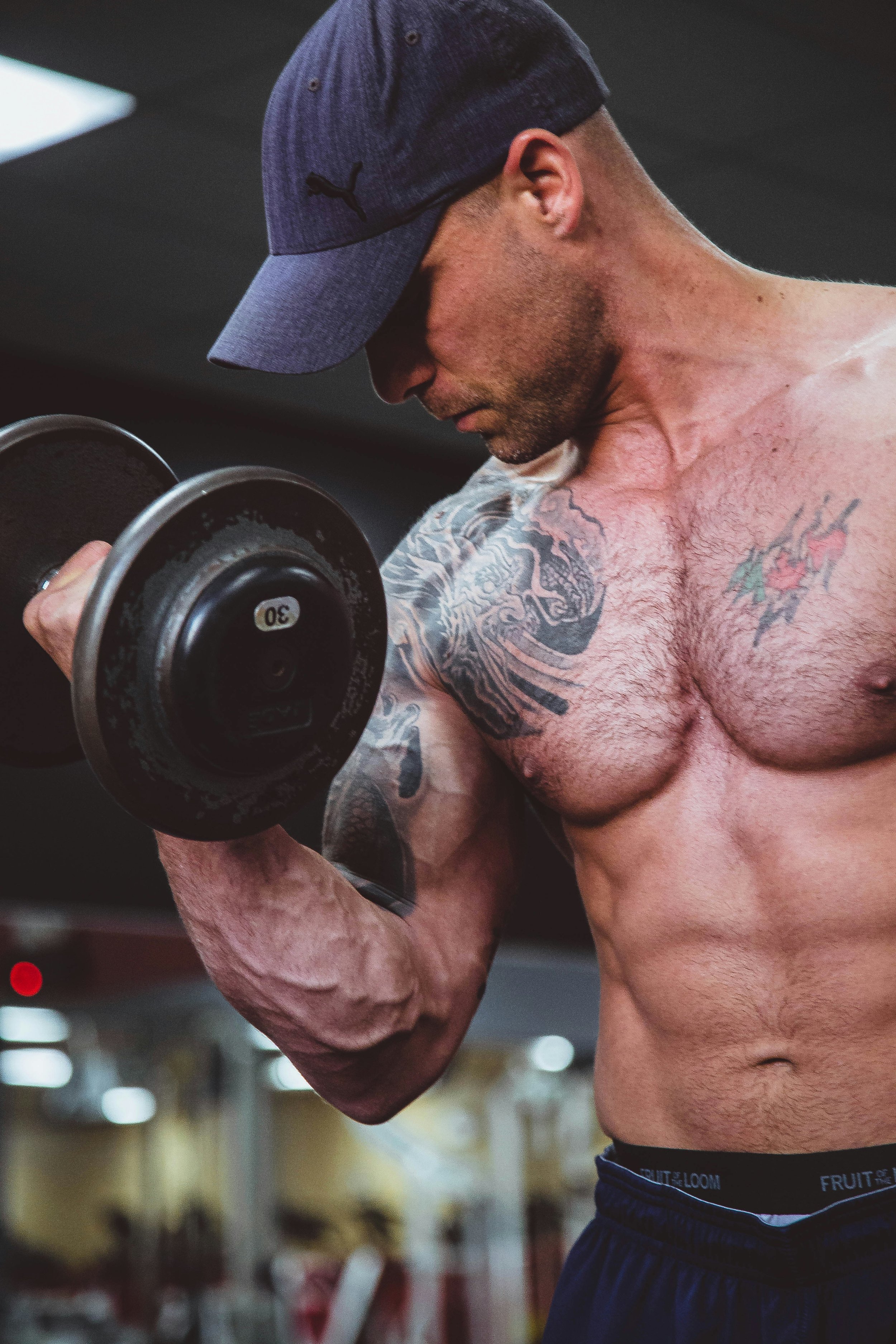
Optimizing Your Workouts: The Power of Mind-Muscle Connection
Think about your last workout. Were you just lifting weights, or were you truly feeling the muscles work? There's a secret that can make your workouts much more effective, and it’s called the mind-muscle connection.
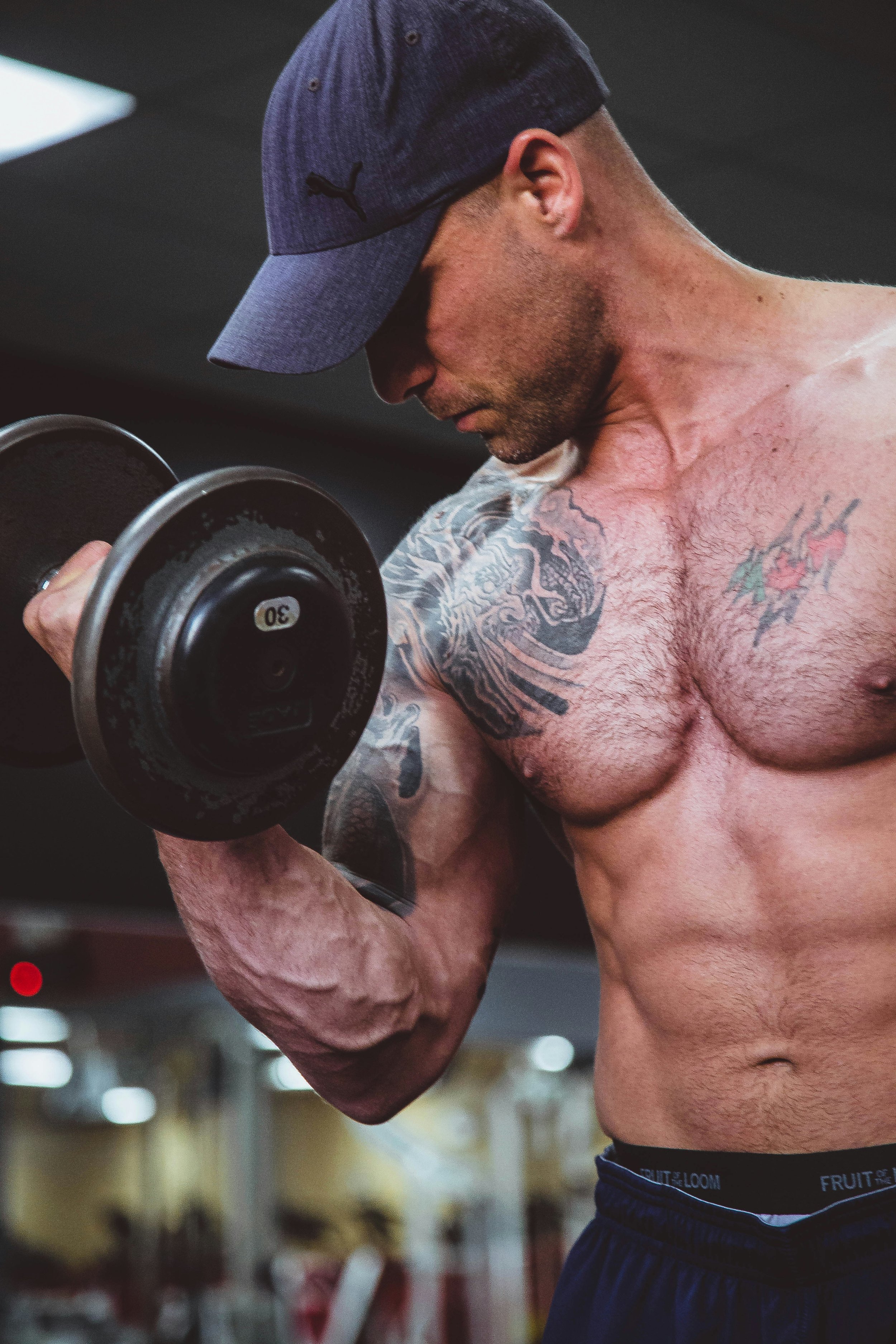
Think about your last workout. Were you just lifting weights, or were you truly feeling the muscles work? There's a secret that can make your workouts much more effective, and it’s called the mind-muscle connection.
What is Mind-Muscle Connection?
It's simply focusing your attention on the muscle you're trying to work during an exercise. Instead of just moving the weight from point A to point B, you concentrate on feeling that specific muscle squeeze, stretch, and contract. Imagine doing a bicep curl: instead of just lifting the dumbbell, you think about your bicep muscle shortening and tightening with every inch of the lift.
Why Does It Matter?
You might be surprised how powerful this simple focus can be. When you really think about the muscle, you activate more of its fibers. This means the muscle works harder, which can lead to better results like more strength and muscle growth. It's like telling your body, "Hey, this is the muscle I want to work!" and your body listens.
Also, it helps you avoid "cheating." Sometimes, without realizing it, we use other muscles to help lift a weight. For example, during a squat, you might use more of your lower back than your glutes. By focusing on your glutes, you make sure they're doing the heavy lifting, not your back. This not only makes the exercise more effective but can also prevent injuries.
How to Practice It:
It's easier than you think! Here are a few tips:
Slow Down: Don't rush your movements. Take your time during each lift or push. A slower pace gives you more time to feel the muscle working.
Lighten the Load (initially): If you're trying to lift too much weight, your body will naturally try to use any muscle it can to get the job done. Start with a lighter weight where you can easily control the movement and really feel the target muscle.
Touch the Muscle: Sometimes, gently touching the muscle you're trying to work can help you feel it better. This can help you understand how your body moves and works during an exercise. If you can’t touch the muscle (say back muscles) ask a partner to touch it for you (just don’t be weird about it).
Visualize: Close your eyes for a second before a set and imagine the muscle contracting. During the exercise, picture it shortening and lengthening.
Breathe with Purpose: Use your breath to help you focus. Exhale as you exert effort (when the muscle contracts) and inhale as you return to the starting position.
Start Today!
You don't need fancy equipment or a new workout plan. Just bring your mind into your workout. Pick one or two exercises in your next session and really focus on the target muscle. You might be surprised by how much more you feel and how much more effective your time in the gym becomes. Give your muscles the attention they deserve, and watch them respond!

Breaking Through Plateaus: How to Keep Your Fitness Journey Moving Forward
Every fitness journey, no matter how well-planned, eventually encounters a formidable foe: the plateau. Whether you're striving for new personal bests in the gym, shedding those last stubborn pounds, or improving your endurance, hitting a wall can be incredibly frustrating.
Every fitness journey, no matter how well-planned, eventually encounters a formidable foe: the plateau. Whether you're striving for new personal bests in the gym, shedding those last stubborn pounds, or improving your endurance, hitting a wall can be incredibly frustrating. It's that moment when your progress stalls, and despite your best efforts, you just don't seem to be getting anywhere. But don't despair! Plateaus are a natural part of the process, and more importantly, they are entirely surmountable.
Understanding why plateaus occur is the first step to overcoming them. Your body is an incredibly adaptable machine. When you consistently expose it to the same stressors (workouts, calorie intake), it eventually adjusts and becomes more efficient, leading to diminished returns. This is a sign that it’s time to shake things up.
Here’s how you can strategically break through those frustrating plateaus and keep your fitness journey moving forward:
1. Identify Your Plateau: What Kind of Wall Are You Hitting?
Before you can break through, you need to understand what kind of plateau you're facing.
Strength Plateau: You’re no longer lifting heavier weights or doing more reps.
Weight Loss Plateau: The scale refuses to budge, despite consistent diet and exercise.
Endurance Plateau: Your running pace or distance isn't improving, or you're feeling more fatigued during cardio.
Skill Plateau: You’re stuck at a certain level in a specific exercise or sport.
Pinpointing the type of plateau will help you tailor your approach.
2. Strategize Your Training: Shock Your System
The most common reason for a plateau is a lack of progressive overload or variety. Your body needs new stimuli to adapt and grow.
Progressive Overload: If it’s a strength plateau, focus on gradually increasing the demands on your muscles. This could mean:
Increasing weight: Even small increments can make a difference.
Increasing reps or sets: Adding more volume.
Decreasing rest time: Making your workouts more intense.
Improving form: Better technique can allow for heavier lifts safely.
Vary Your Routine: If you've been doing the same exercises for months, it's time for a change.
Switch Exercises: Replace familiar movements with similar but different ones (e.g., barbell squats to goblet squats, flat bench press to incline dumbbell press).
Change Rep Ranges: If you typically do high reps, try lower reps with heavier weight, and vice-versa.
Introduce New Training Methods: Consider incorporating HIIT, circuit training, supersets, or drop sets to challenge your body in new ways.
Consider a Deload Week: Sometimes, the best way to move forward is to take a step back. A deload week involves significantly reducing your training volume and intensity to allow your body to fully recover and repair. This can prevent overtraining and prime your body for future gains.
3. Fine-Tune Your Nutrition: Fueling for Progress
What you eat (or don't eat) plays a crucial role in breaking through plateaus, especially for weight loss or performance.
Re-evaluate Calorie Intake: For weight loss plateaus, your body might have adapted to your current caloric deficit. You may need to slightly adjust your intake, or even consider a "refeed" day to boost your metabolism. For strength or muscle gain, ensure you’re consuming enough calories to support growth.
Prioritize Protein: As discussed in our "Easy Tips to Hit Your Protein Goal" article, protein is vital for muscle repair and satiety. Ensure you're getting adequate protein to support recovery and preserve lean muscle mass.
Hydration is Key: Don't underestimate the power of water. Proper hydration impacts everything from energy levels to nutrient transport and metabolic function.
4. Mindset and Recovery: The Unsung Heroes
Beyond the gym and kitchen, your mental state and recovery habits are critical.
Prioritize Sleep: Our article "Why Sleep is Your Body's Superpower for Health and Fitness" highlights its importance. Lack of quality sleep can hinder recovery, impair performance, and disrupt hormones that influence appetite and metabolism. Aim for 7-9 hours of quality sleep per night.
Manage Stress: High stress levels can lead to increased cortisol, which can negatively impact weight loss and muscle gain. Incorporate stress-reducing activities like meditation, yoga, or simply spending time in nature.
Track Your Progress Diligently: Sometimes a plateau isn't a plateau at all, but rather a lack of awareness of small improvements. Keep a detailed log of your workouts, food intake, sleep, and even how you feel. This data can reveal subtle progress you might otherwise miss and help you identify patterns.
Stay Patient and Consistent: Breaking through a plateau rarely happens overnight. It requires patience, consistency, and a willingness to experiment. Trust the process and remember your long-term goals.
Hitting a plateau isn't a sign of failure; it's an opportunity for growth and learning. By understanding the underlying causes and implementing strategic changes in your training, nutrition, and recovery, you can effectively break through those walls and continue to build a stronger, healthier you. Embrace the challenge, stay persistent, and enjoy the satisfaction of seeing your progress continue!

5 Fun Ways to Celebrate National Fitness Day and Boost Your Health
Did you know that today is National Fitness Day? It’s a perfect day to get moving and celebrate staying active! Whether you’re a gym lover or just starting your fitness journey, this day is all about finding fun ways to stay healthy.

Did you know that today is National Fitness Day? It’s a perfect day to get moving and celebrate staying active! Whether you’re a gym lover or just starting your fitness journey, this day is all about finding fun ways to stay healthy. Here are five easy ideas to join the fun, plus a bonus tip about sleep to keep your body strong.
1. Try a New Workout
National Fitness Day is perfect for trying something new! Head to a local gym or check out a free online class like yoga, Zumba, or high-intensity interval training (HIIT). These workouts build muscle and make your heart stronger. Find a 15-minute YouTube video to get started at home—no equipment needed!
2. Join a Group Fitness Event
Many communities host walks, runs, or group workouts on National Fitness Day. Check your local park or gym for events. Exercising with others is motivating and fun! Plus, moving your body releases endorphins, which make you feel happy and reduce stress.
3. Go for a Family Walk
Grab your family or friends and take a 30-minute walk. Walking strengthens your muscles and bones while letting you enjoy fresh air. Make it fun by playing music or exploring a new trail. It’s a great way to bond and stay active.
4. Stretch for Better Recovery
Stretching is a low-impact way to celebrate fitness. Spend 10 minutes doing stretches to improve flexibility and help your muscles recover after workouts. Try touching your toes or doing a gentle yoga flow. Stretching also helps you relax, which can lead to better sleep.
5. Set a Fitness Goal
Use National Fitness Day to start a new habit. Maybe you want to exercise three times a week or run a 5K. Write down your goal and track your progress. Small steps lead to big results, and staying active keeps your body and mind healthy.
Bonus: Sleep to Stay Fit
Did you know sleep is a key part of fitness? When you sleep 7–9 hours (for adults), your body repairs muscles and stores energy for your next workout. A study in the Journal of Strength and Conditioning Research shows good sleep boosts muscle recovery. So, after a fun and exciting National Fitness Day, make sure you get plenty of good rest!
Get out there and move —it’s all about feeling strong and having fun!