
The "Shadow" Benefit of Strength: Why Bone Density is Your 401(k)
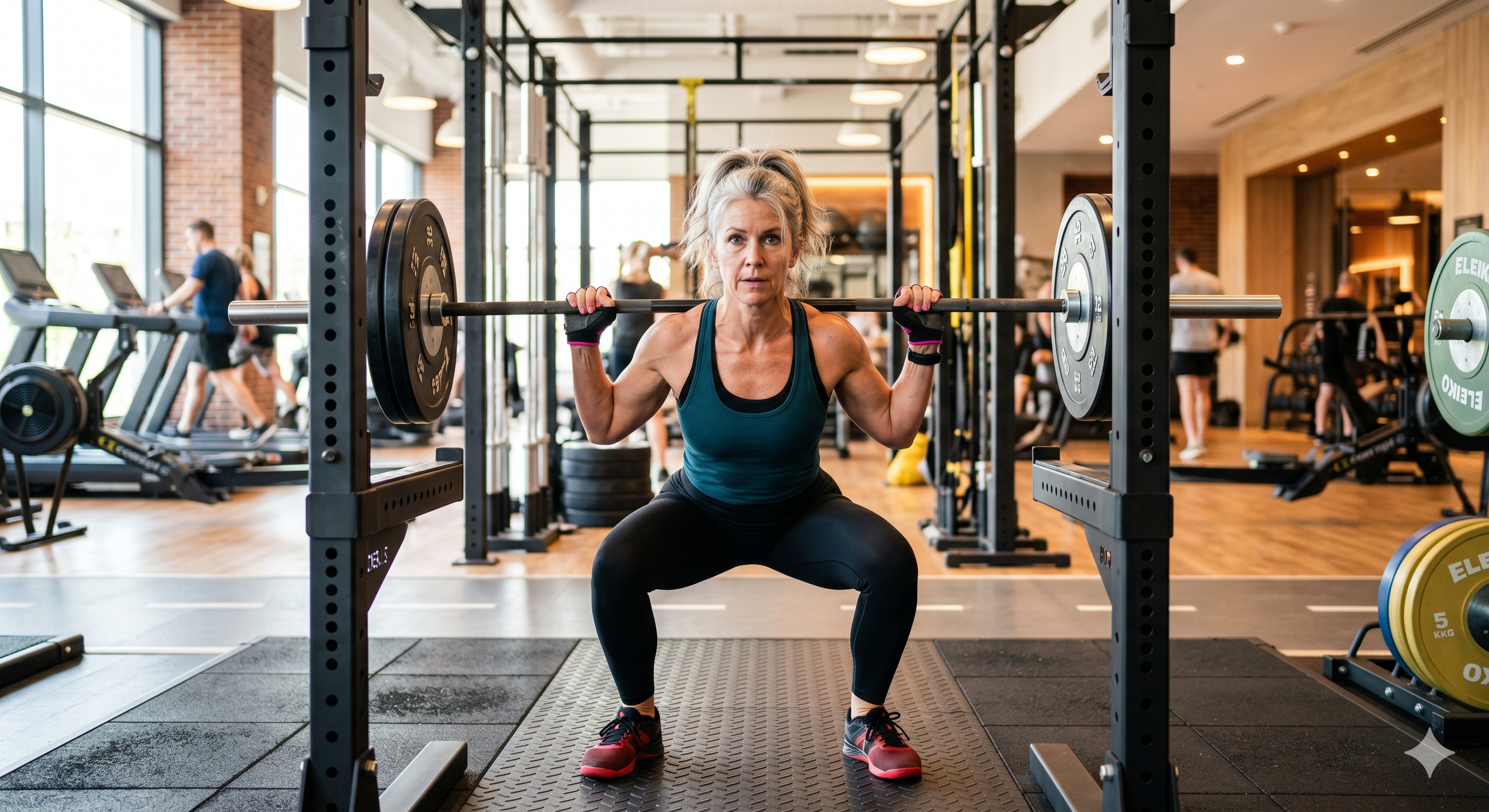
This image was created using AI to avoid copyright issues while conveying the context of this article.
When we think about hitting the weight room, most of us picture bigger biceps or a leaner waistline. We focus on the muscles we can see in the mirror. However, there is a "shadow" benefit happening deep inside your body that is arguably more important for your future than the size of your chest or the tone of your legs. That benefit is bone density.
If you think of your physical health like a financial plan, your muscles are your checking account. You use them every day, they fluctuate, and they provide immediate value. Your bone density, however, is your 401(k). It is the long-term investment that determines your quality of life in your later years. If you don't "deposit" enough strength training now, you may find yourself "bankrupt" when you need your mobility the most.
The Silent Decline
Starting around age 30, most people begin a slow and steady decline in bone mass. For women, this process can speed up significantly during and after menopause. The scary part is that you cannot feel your bones getting weaker. There are no "weak bone" aches or pains to warn you. Often, the first sign of a problem is a fracture from a simple fall that should have only resulted in a bruise.
This is why bone health is often ignored until it is too late. We focus on the scale or our clothing size because those are visible. But the density of your skeletal system is the foundation upon which everything else sits. Without strong bones, even the strongest muscles have no leverage to move your body safely.
How Strength Training Makes Deposits
Your bones are living tissue. Just like your muscles, they respond to stress by getting stronger. This is known as Wolff’s Law. When you lift weights, the tendons pull on the bones. This tension signals your body to send minerals, specifically calcium, to those areas to reinforce the structure.
Walking and light cardio are great for your heart, but they often aren't enough to build significant bone density. To really "fill the account," you need resistance. This means lifting weights, using resistance bands, or performing bodyweight exercises like push-ups and squats. These movements put a healthy amount of "stress" on the skeleton, forcing it to adapt and harden.
Why This Matters in 2026
We are living longer than any generation in history. In 2026, the goal is no longer just "living long," but "living well." This is often called your "healthspan." There is a massive difference between being 80 years old and confined to a chair versus being 80 and able to play with your grandkids or go for a hike.
The leading cause of a loss of independence in older adults is a fall leading to a hip fracture. For many, this is the beginning of a downward spiral. By prioritizing strength training today, you are essentially buying an insurance policy against that future. You are ensuring that your "frame" is sturdy enough to carry you through the second half of your life.
Nutrition: The Raw Materials
If strength training is the construction crew that builds your bone density, nutrition provides the bricks and mortar. You cannot build a strong structure without the right supplies.
Calcium: This is the primary mineral found in bones. While dairy is a common source, leafy greens and fortified foods are also excellent.
Vitamin D: Think of Vitamin D as the "gatekeeper." Without it, your body cannot properly absorb the calcium you eat.
Protein: Bones are actually about 50% protein by volume. A high-protein diet supports the collagen matrix that gives bones their flexibility and strength.
Starting Your Investment Today
The best time to start building bone density was ten years ago. The second best time is today. You do not need to be a professional bodybuilder to see results. Consistently lifting weights two to three times a week can make a massive difference.
Focus on "compound movements." These are exercises that use multiple joints and muscle groups at once, such as squats, deadlifts, and overhead presses. These moves put the most beneficial load on your spine and hips, which are the most common areas for bone loss.
At Legacy Fitness, we don't just train for how you look this summer. We train for how you move twenty years from now. Your future self will thank you for the deposits you make in your "Skeletal 401(k)" today.
