
Zone 4 "VO2 Max" Training: The Longevity Secret
This week, find your "top gear." Push yourself for just a few minutes, feel your heart beat, and know that you are building a legacy of a strong, capable heart.
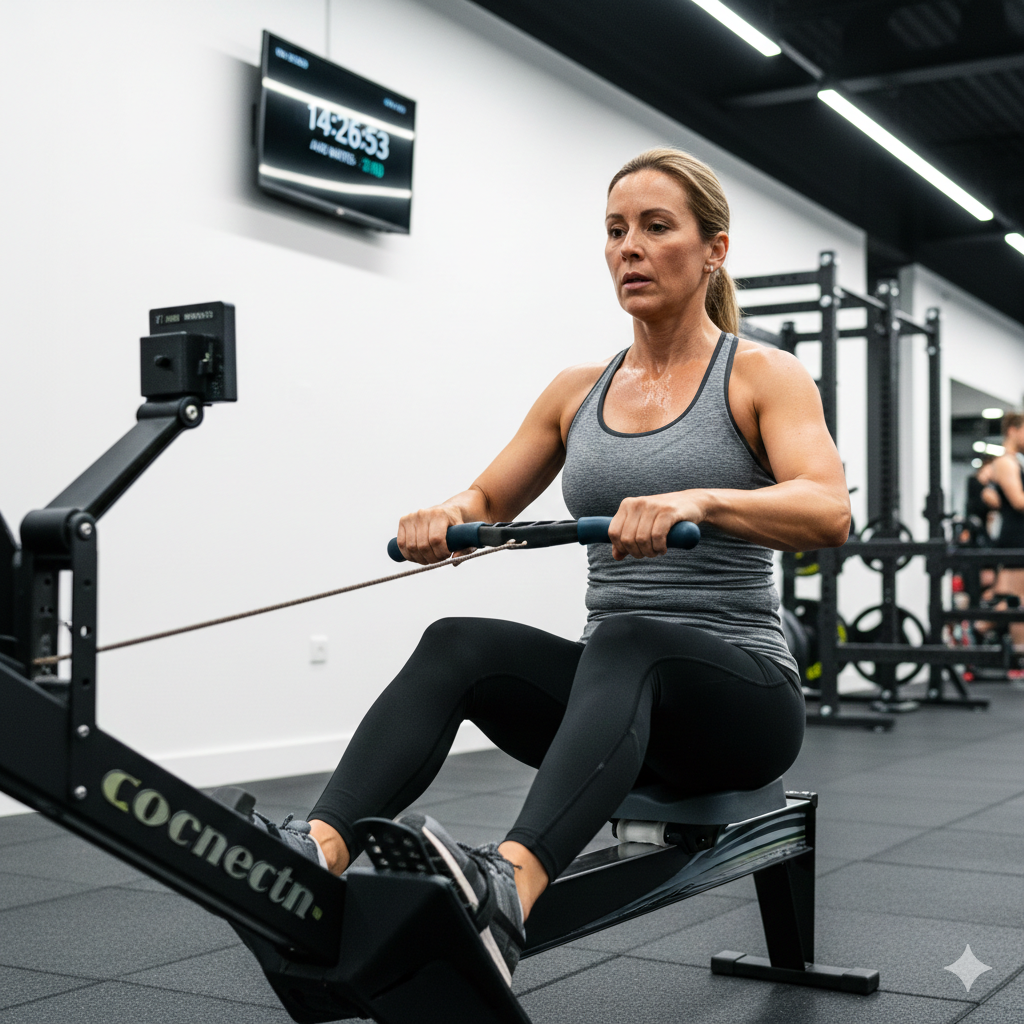
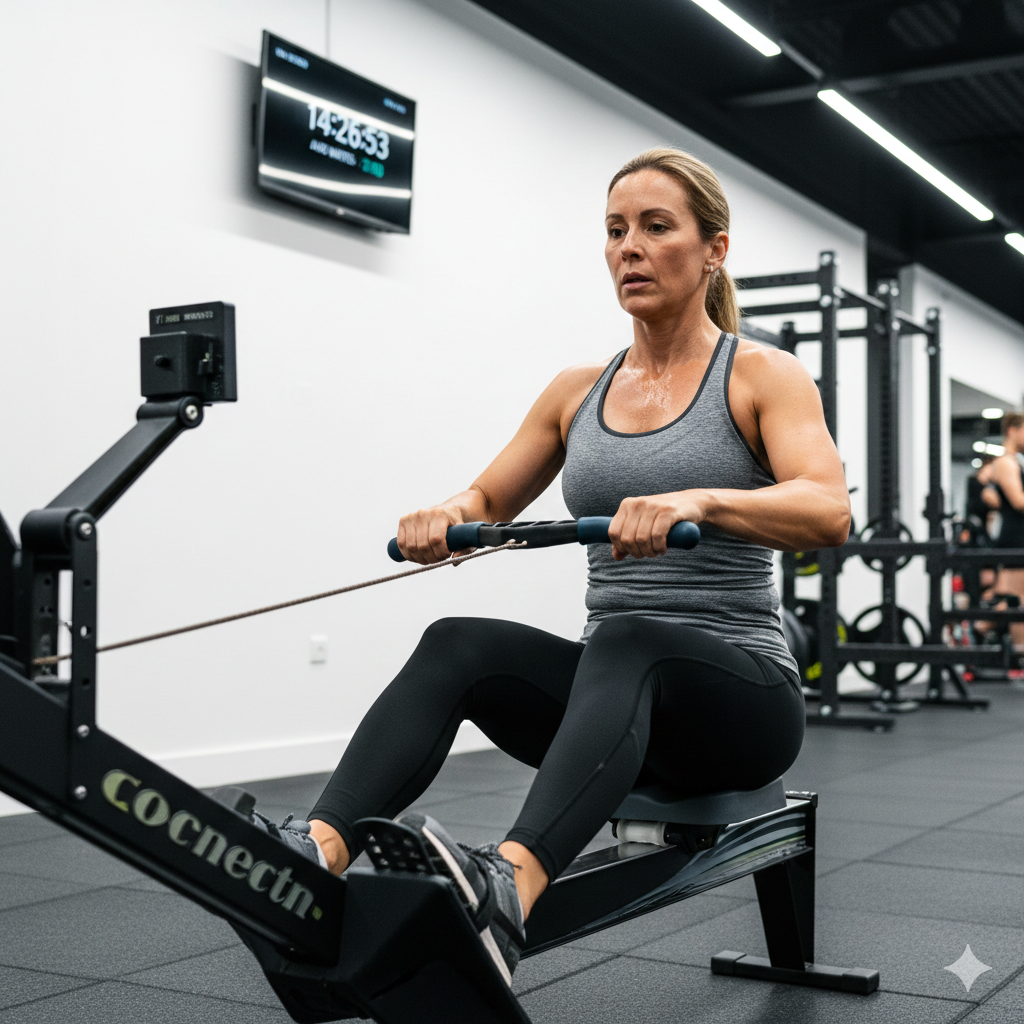
This image was created using AI to avoid copyright issues while conveying the context of this article.
When we talk about cardio, we usually think of two extremes. There is the slow, steady pace of a long walk (Zone 2) or the all-out, heart-pounding sprint of a HIIT class. But there is a specific type of training that falls right in the middle, at the edge of your comfort zone, that is becoming the gold standard for long-term health.
This is Zone 4 training, and its primary goal is to improve your VO2 Max.
If you want to live a long, vibrant life, your VO2 Max is perhaps the most important number you’ve never tracked. In the fitness world today, we view it as a "crystal ball" for longevity. Here is why you need to find your "top gear" once a week.
What is VO2 Max?
VO2 Max is a measurement of the maximum amount of oxygen your body can use during intense exercise. Think of it like the engine size of a car. A car with a larger engine can go faster and handle hills with less strain than a car with a tiny engine.
As we age, our VO2 Max naturally declines. However, the higher your starting point is, the more "functional reserve" you have as you get older. Research has shown that individuals with a high VO2 Max have a significantly lower risk of nearly all chronic diseases. It isn't just about being a better runner; it is about being a more resilient human.
Entering Zone 4
To improve this "engine size," you have to push into Zone 4. This is an intensity level where you are breathing hard, hard enough that you can only speak in one or two-word bursts. You aren't sprinting as fast as you can, but you are moving with purpose.
In Zone 4, your heart is beating at roughly 80% to 90% of its maximum. This level of stress forces your heart to become more efficient at pumping blood and your muscles to become better at extracting oxygen.
The "One Hard Session" Rule
The best part about VO2 Max training is that you don't need to do it every day. In fact, you shouldn't. Because it is high-intensity, it requires significant recovery time.
For most people, one "hard" session per week is enough to see incredible gains. This fits perfectly into a busy February schedule. You do your strength training, you get your daily NEAT, and once a week, you open up the throttle for a short period.
How to Do a VO2 Max Workout
You don't need a track or a fancy treadmill. You can do this on a bike, a rowing machine, or even a steep hill. A classic, proven protocol is the "4x4" method:
Warm-up: 5-10 minutes of easy movement.
The Work: 4 minutes of Zone 4 effort (hard but sustainable for the full 4 minutes).
The Rest: 3 minutes of very easy walking or pedaling.
Repeat: Do this for a total of 4 rounds.
This workout takes less than 40 minutes, but the impact on your cardiovascular age is massive.
Nutrition for the High-Intensity Hit
High-intensity work like Zone 4 training burns through glycogen (the sugar stored in your muscles). This is the one time when having a "clothed carb" meal about 90 minutes before your session is incredibly helpful.
Afterward, return to your 4:1 protein-to-fiber ratio to help your heart and muscles recover. The protein repairs the tissue, while the fiber ensures your blood sugar stays stable after the intense effort.
The Legacy View
At Legacy Fitness, we aren't just training for how you look next month; we are training for how you move twenty years from now. Improving your VO2 Max is like putting money into a high-interest savings account for your future self.
This week, find your "top gear." Push yourself for just a few minutes, feel your heart beat, and know that you are building a legacy of a strong, capable heart.