
Zone 2 Cardio: Why Going Slower Helps You Lose Fat Faster
It feels almost too easy. That's kind of the point.
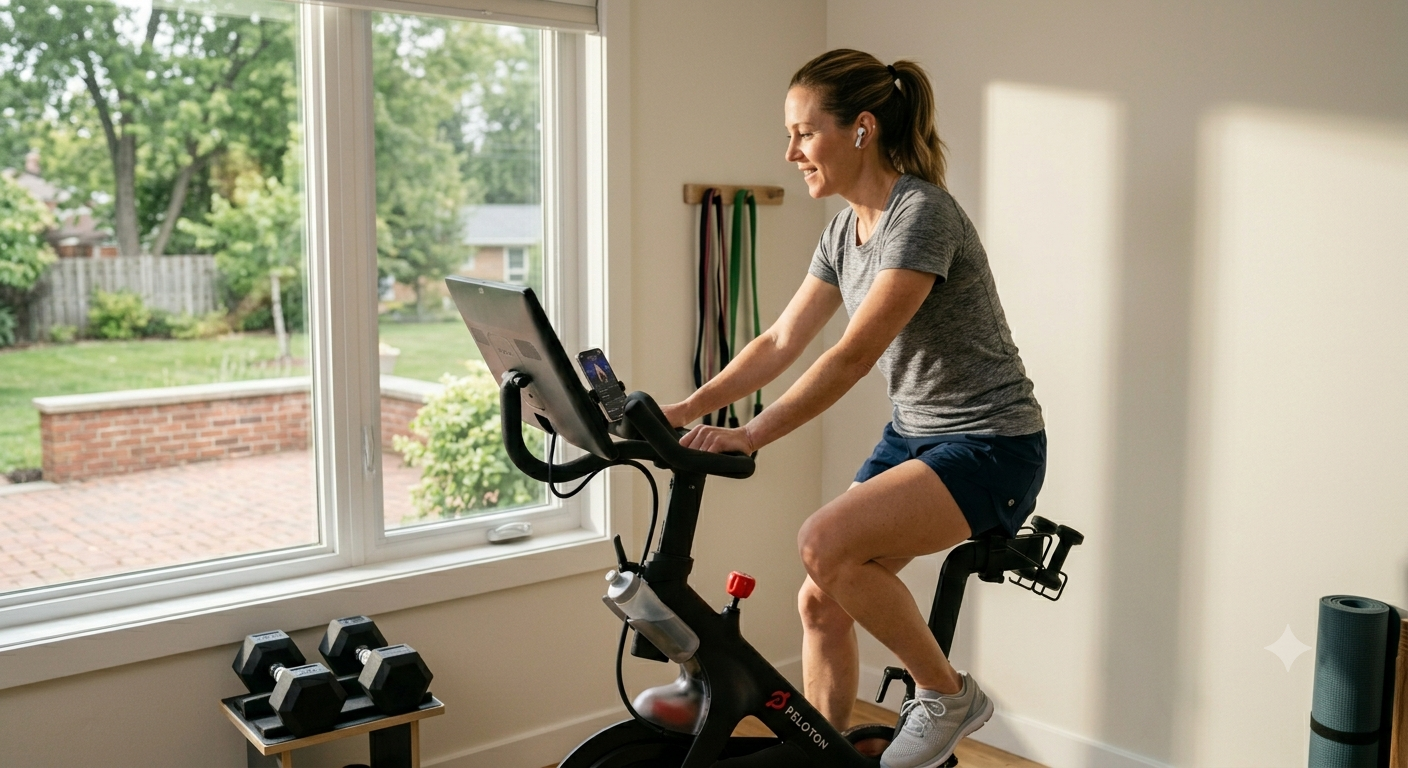
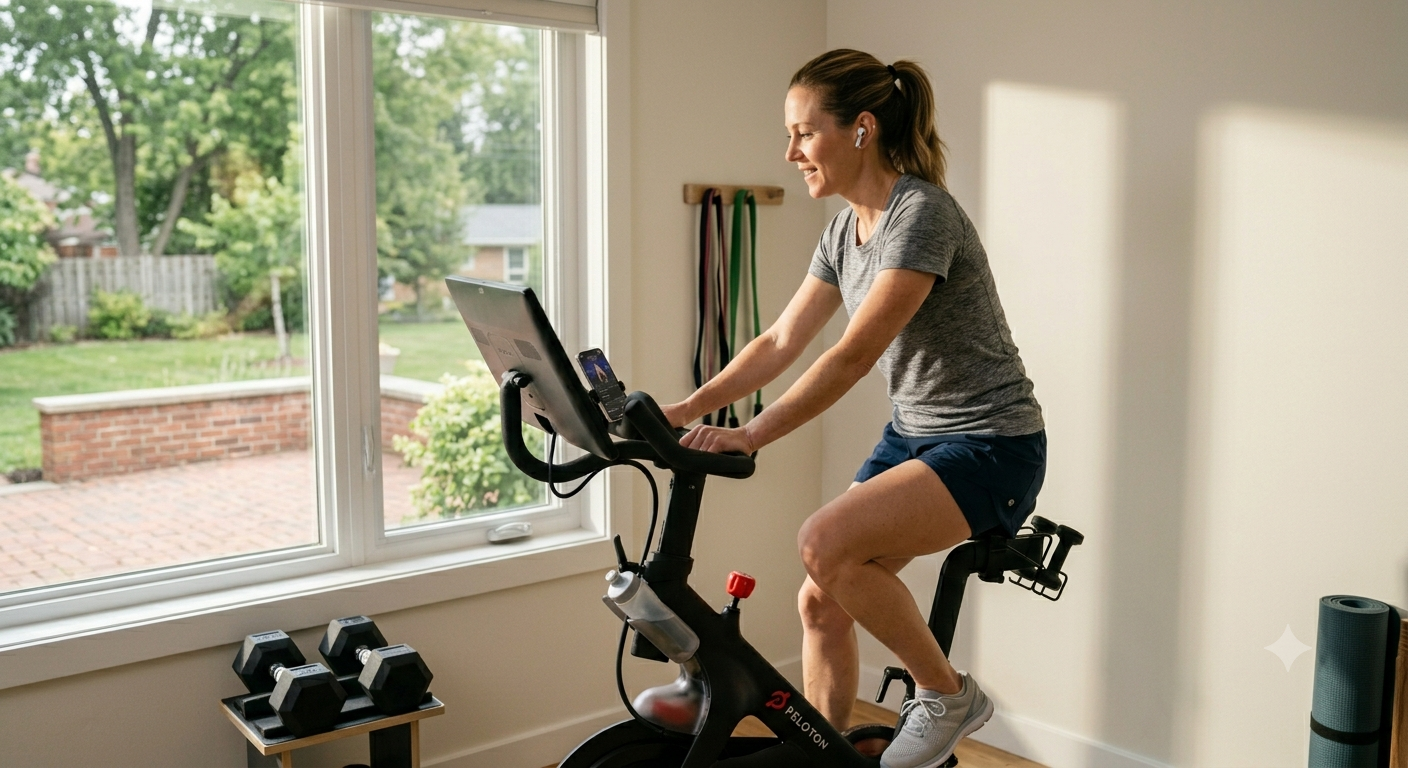
This image was created using AI to avoid copyright issues while conveying the context of this article.
You've probably seen it at the gym. Someone cranking the treadmill to a near-sprint, huffing through a 30-minute session, convinced that more intensity equals more results. Maybe that someone was you. It's a reasonable assumption. Work harder, burn more, lose more. But when it comes to fat loss, that logic breaks down faster than your form in the last 10 minutes of a HIIT class.
Zone 2 cardio flips the conventional wisdom on its head. And once you understand the physiology behind it, you'll never look at a "slow" workout the same way.
What Zone 2 Actually Means
Your heart rate operates in training zones, typically numbered 1 through 5. Zone 1 is a casual walk. Zone 5 is an all-out sprint. Zone 2 sits in the middle-low range, roughly 60 to 70 percent of your maximum heart rate. For most people, that's a pace where you can hold a conversation, but not comfortably sing a song.
It feels almost too easy. That's kind of the point.
At this intensity, your body primarily burns fat as its fuel source. The moment you push into higher zones, your body shifts toward carbohydrates, specifically glycogen, to meet the increased energy demand. High-intensity training is not, as many believe, the optimal environment for burning stored body fat.
The Mitochondrial Connection
Here's where it gets interesting, and where Zone 2 training separates itself from every shortcut sold in a fitness app.
Your mitochondria are the energy-producing units inside your muscle cells. Think of them as the engines. Zone 2 training consistently performed over time actually increases the number and efficiency of those engines. More mitochondria means a greater capacity to oxidize, or burn, fat at rest and during exercise.
This is not a fast process. But it is a compounding one. Each Zone 2 session builds on the last, gradually improving what researchers call your "metabolic flexibility," the ability to switch between fat and carbohydrate burning based on what your body needs. People with poor metabolic flexibility tend to be more insulin resistant, store fat more readily, and struggle to maintain energy throughout the day.
For busy professionals in their 40s and 50s, metabolic flexibility is not a niche athletic concept. It is directly tied to how you feel by 3 p.m. on a Tuesday.
Why High Intensity Isn't Solving the Problem
High-intensity interval training has its place. It builds cardiovascular capacity quickly, it's time-efficient, and it can absolutely be part of a smart training program. But here's the problem: most busy people are already operating at a high-stress baseline. Work pressure, poor sleep, schedule chaos, and constant decision fatigue all spike cortisol, your primary stress hormone.
When you consistently train at high intensities, you add another cortisol hit on top of an already elevated baseline. Chronically elevated cortisol drives fat storage, particularly around the midsection, disrupts sleep quality, suppresses recovery, and can increase cravings for high-sugar foods.
Zone 2 cardio, by contrast, does not significantly stress the cortisol system. You get a training stimulus without the hormonal cost. For someone who is already stretched thin, that difference matters enormously.
What a Zone 2 Session Actually Looks Like
Forget the mental image of some lab-calibrated athlete pedaling methodically in a sports science center. Zone 2 is approachable. You can do it on a bike, a treadmill, an elliptical, in a pool, or on a trail. The goal is to maintain that conversation-capable effort for a sustained period.
Effective Zone 2 sessions run between 30 and 90 minutes. Three to four sessions per week is a solid baseline for someone building aerobic capacity. If you don't have 45 minutes, a 30-minute session still delivers a benefit. The dose-response curve on Zone 2 is forgiving because the recovery cost is low.
A practical starting point: get a heart rate monitor, calculate 65 percent of your max heart rate (a rough estimate is 220 minus your age), and stay in that neighborhood. If you can't hold a full sentence, you've gone too hard. Back it off.
The Fat Loss Piece, Specifically
Zone 2's contribution to fat loss works through several channels. Direct fat oxidation during the session. Improved mitochondrial efficiency that increases fat burning at rest. Reduced cortisol-driven fat storage. Better sleep quality, which regulates hunger hormones. And the simple fact that it's sustainable.
Most people can maintain a Zone 2 habit for months without burning out, overtraining, or dreading the next session. Sustainability is the most underrated factor in any body composition strategy. The best protocol is the one you'll actually keep doing.
Building It Into a Real Schedule
The biggest objection is always time. But Zone 2 is uniquely flexible. You can do it before your morning calls while listening to a podcast or an audiobook. You can walk on a treadmill during a low-stakes meeting. You can take a 40-minute bike ride on a Saturday morning before the day gets away from you.
It doesn't require a gym. It doesn't require equipment beyond a decent pair of shoes. And it doesn't require the kind of motivation that tends to disappear after a few tough weeks.
At Legacy Fitness, we work with clients who've spent years spinning their wheels on high-intensity programs that left them depleted, frustrated, and no leaner than when they started. When we introduce Zone 2 as a consistent anchor in their training, the results follow. Not overnight, but reliably. And that reliability is exactly what makes it worth your time.
Start slower. Build longer. The biology will handle the rest.

Zone 2 Training: How Going Slow Makes You Faster
What if I told you that the secret to burning more fat, having endless energy, and living a longer life is actually to slow down?

In our culture, we often believe that "more is better." We think that if a workout doesn't leave us gasping for air or drenched in sweat, it probably wasn't worth it. We hit the gym, crank up the treadmill, and push ourselves to the limit every single time.
But what if I told you that the secret to burning more fat, having endless energy, and living a longer life is actually to slow down?
This is the science of Zone 2 Training. It is the foundation of elite athletes' programs, and it is the single most important "cardio" tool for anyone building a health legacy.
What is Zone 2?
To understand Zone 2, think of your effort on a scale of 1 to 10.
Zone 1 is a very light stroll.
Zone 5 is an all-out sprint where you can’t breathe.
Zone 2 is that "sweet spot" in the middle.
It is a steady, moderate pace where you are working, but you can still hold a conversation. If you are breathing through your nose and could speak a full sentence without pausing for air, you are likely in Zone 2.
The Science: It’s All About the Mitochondria
Why does "going slow" matter so much? It comes down to your mitochondria. These are the "power plants" inside your cells that turn food into energy.
When you exercise at a high intensity (Zones 4 and 5), your body primarily burns glucose (sugar). When you exercise in Zone 2, your body becomes incredibly efficient at burning fat for fuel.
By spending time in Zone 2, you are essentially "upgrading" your cellular power plants. You make them bigger, stronger, and more numerous. This leads to:
Better Fat Metabolism: Your body gets better at using its stored energy.
Lower Resting Heart Rate: Your heart becomes a more efficient pump.
Faster Recovery: Because Zone 2 doesn't "trash" your nervous system, you can do it often without needing days off.
The Longevity Connection
In the medical world, "metabolic health" is a major predictor of how long you will live. People with poor metabolic health often struggle with blood sugar issues, low energy, and weight gain.
Zone 2 training is like a "reset button" for your metabolism. It clears out cellular waste and keeps your insulin levels healthy. This is why doctors and longevity experts are now calling Zone 2 the "fountain of youth" for your heart and cells.
How to Do It Correctly
The biggest mistake people make with Zone 2 is going too fast. They start at a jog, feel "good," and slowly speed up until they are huffing and puffing. Once you reach that point, you have left Zone 2 and lost the specific cellular benefits.
The Talk Test: You should be able to talk, but you shouldn't want to talk. It should feel like you are working, but you aren't "suffering."
The Duration: Most experts recommend at least 30 to 45 minutes per session. It takes a little while for those cellular adaptations to kick in.
The Frequency: Aim for 2 to 3 sessions a week. You can walk briskly on an incline, use a stationary bike, or even go for a light rucking session (walking with a weighted pack).
Building Your Foundation
Think of your fitness like a pyramid. Your "peak" performance, sprinting, heavy lifting, high-intensity intervals, is the top of the pyramid. But the higher you want that peak to be, the wider your base needs to be.
Zone 2 is that base. Without it, you will eventually plateau or burn out. With it, you build a body that is resilient, energized, and capable of going the distance.
The Legacy Approach
At Legacy Fitness, we don't just want you to be fit for a season; we want you to be fit for life. Pushing yourself is great, but knowing when to pull back and build your foundation is what separates the amateurs from the pros.
This week, try "going slow." Put on a podcast, get on a bike or a trail, and stay in Zone 2. You’ll be surprised at how much faster you become in the long run.
Walking for Longevity: The 2026 'Zone 2' Trend
This January, don't feel like you have to punish yourself with a workout you hate. Put on your shoes, step outside, and start walking.
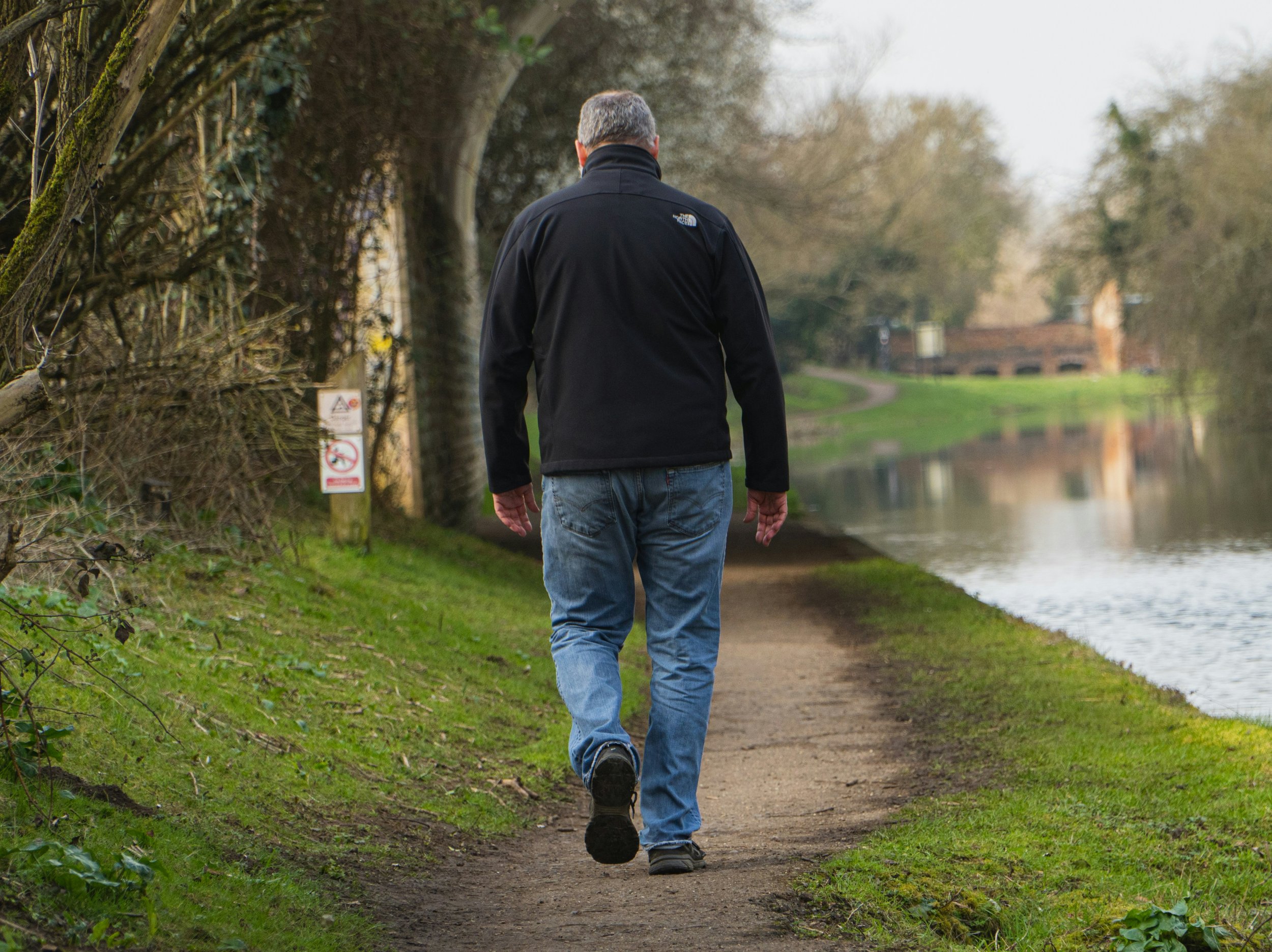
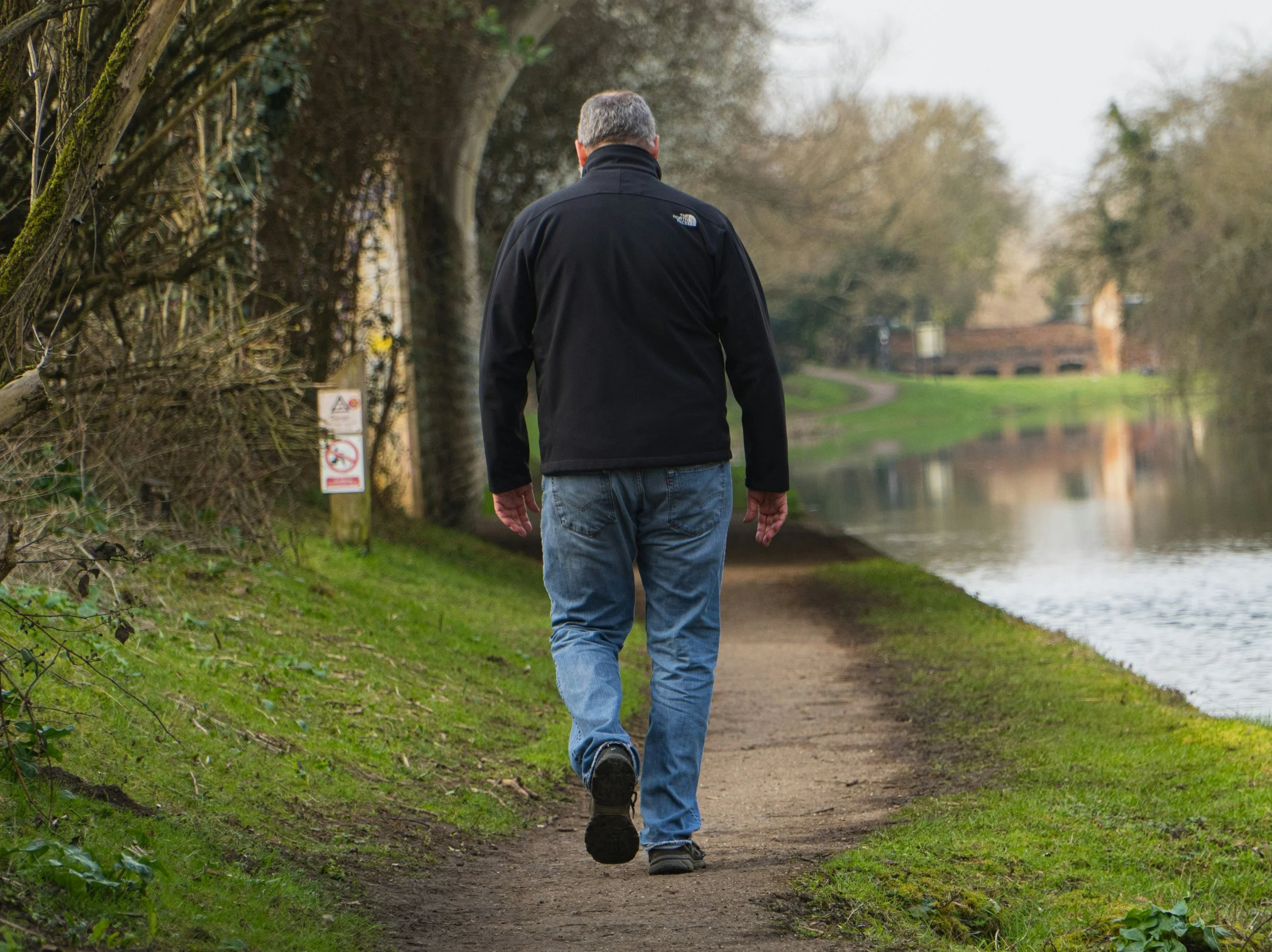
Image courtesy of Caspar Rae via Unsplash
If I told you there was a "miracle drug" that could lower your risk of heart disease, improve your mood, and help you live longer, you would probably want to buy it. What if I told you that this drug is free and you already know how to do it?
I’m talking about walking. But not just a slow stroll to the mailbox. I’m talking about a specific type of movement called "Zone 2 Training." In 2026, the biggest trend in fitness isn't a new high-intensity bootcamp. It is the return to simple, steady walking.
What is Zone 2?
Your heart rate can be divided into five zones. Zone 1 is sitting on the couch. Zone 5 is sprinting as fast as you can. Zone 2 is that "sweet spot" in the middle. It is a pace where you are moving fast enough to breathe a little harder, but you can still hold a full conversation without gasping for air.
Scientists love Zone 2 because it is the best way to train your "mitochondria." You might remember from school that mitochondria are the powerhouses of your cells. When they are healthy, you burn fat more efficiently and have more energy. As we get older, our mitochondria tend to get "rusty." Walking in Zone 2 is like polishing them so they work like new.
Why Walking is Better Than Running (Sometimes)
Many people think that if a workout isn't "hard," it isn't working. This is a myth. While high-intensity interval training (HIIT) is great for power, it puts a lot of stress on your joints and your nervous system.
Walking in Zone 2 gives you all the heart-health benefits without the "wear and tear." It is something you can do every single day without needing a long recovery time. This is why walking is the ultimate "longevity" exercise. It is the type of movement that allows you to stay active well into your 80s and 90s.
How to Do It Right
You don't need a fancy heart rate monitor to find Zone 2, though a smart watch can help. Use the "Talk Test." If you are walking and you can speak in full sentences, but you couldn't sing a song, you are in Zone 2.
To see the best results for your health legacy, try to get at least 150 minutes of this type of walking per week. That sounds like a lot, but it is just 22 minutes a day. You can break it up! A 10-minute brisk walk after lunch and another 10 minutes after dinner is a perfect way to start.
The Mental Health Bonus
Walking isn't just for your heart; it is for your head. Walking outdoors—what some call "Green Exercise"—has been proven to lower cortisol (the stress hormone). In a world that is always "on," a 20-minute walk is often the only time we have to unplug and let our brains rest.
This January, don't feel like you have to punish yourself with a workout you hate. Put on your shoes, step outside, and start walking. You aren't just burning calories; you are building a longer, healthier life, one step at a time.
Update (10/6/2026):
If you’re wondering how to progress your walk without turning it into a run, check out this article about rucking over at Ruckaroo.
https://ruckaroo.app/ruck-score.html