
How to Build a 3-Day Personalized Fitness Plan in 2026
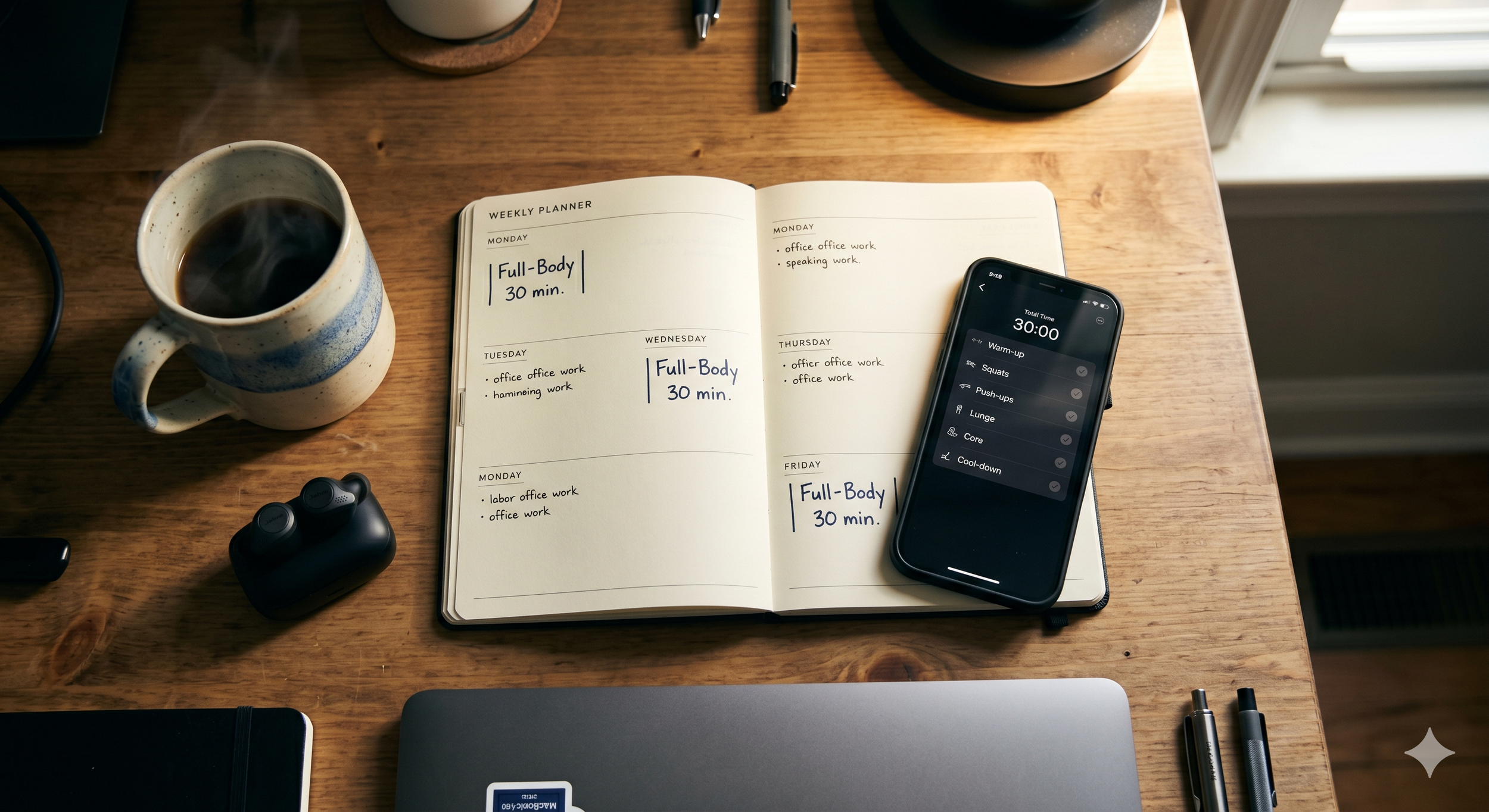
Three focused days. Five foundational movements.
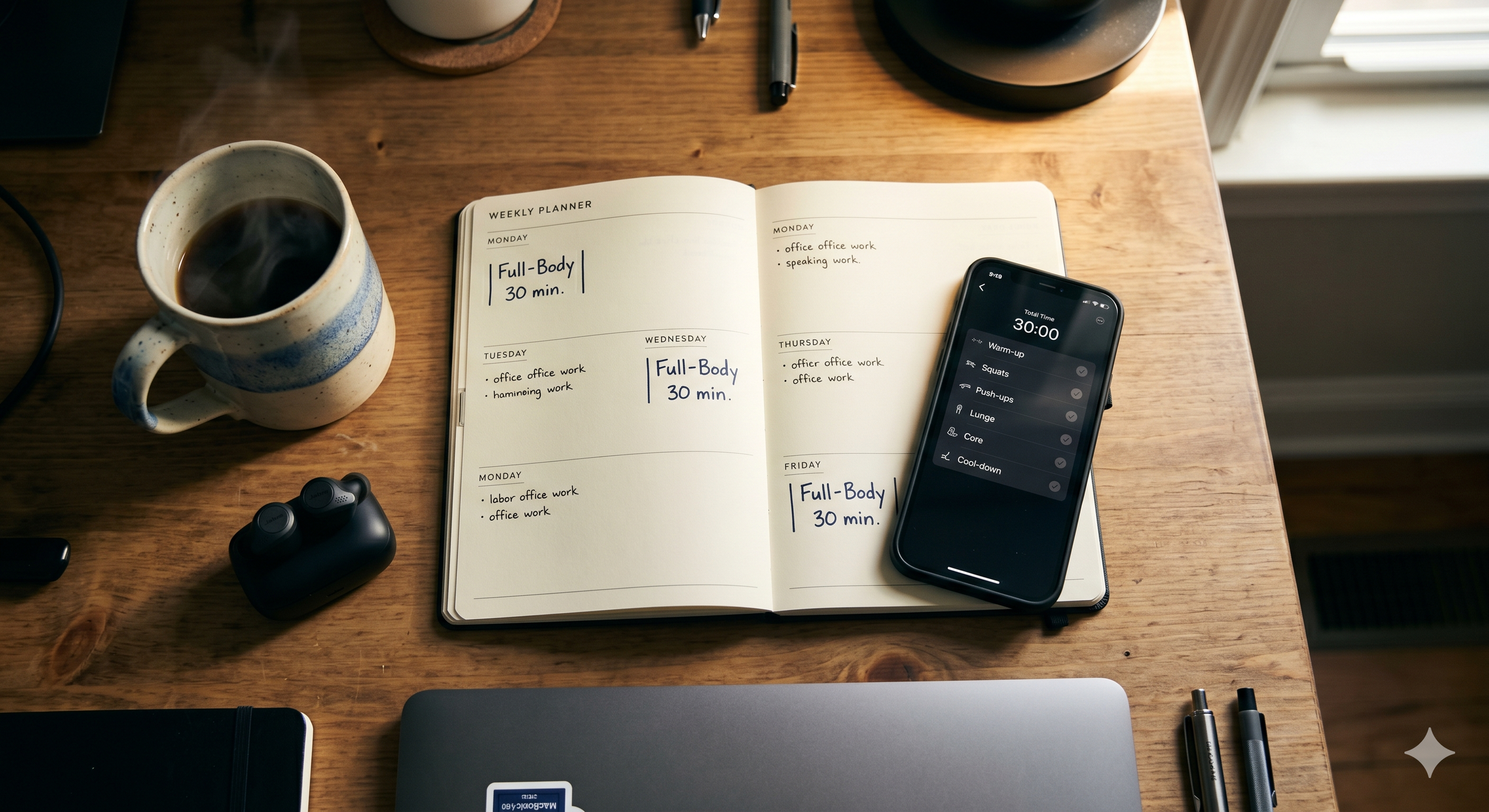
This image was created using AI to avoid copyright issues while conveying the context of this article.
Most busy professionals don't have a fitness problem. They have a scheduling problem.
When the calendar fills up with back-to-back meetings, last-minute travel, and the general unpredictability of running a business or leading a team, a five or six-day training schedule becomes the first casualty. You miss one session, then two, and before long the whole routine gets quietly shelved until "things calm down," which, as you know, they never really do.
Here's the reality: you don't need five days in the gym to build a lean, strong, capable body. You need three. A well-designed three-day training plan, built around your schedule and your movement patterns, will consistently outperform a five-day plan you can only follow half the time. Consistency wins every time — not the most ambitious schedule on paper.
Here is how to build one that actually works.
Start With Full-Body Sessions, Every Time
The old "body part split," chest on Monday, back on Tuesday, legs on Wednesday, was designed for people training five or six days a week. At three days, that model breaks down fast. Miss your Monday session and your chest doesn't get trained again for two weeks.
The fix is straightforward: every session should train your entire body. By hitting all your major muscle groups on Monday, Wednesday, and Friday, you create a consistent training signal across the whole week. If life pushes Friday's workout to Saturday, your progress stays intact. Nothing falls through the cracks because no single session carries the weight of the whole week.
Build Around the Five Foundational Movements
A common mistake when shortening a training plan is filling the time with isolated machine exercises, a bicep curl here, a leg extension there. These have their place, but they are not the foundation of an efficient plan. Your three-day structure should be built around the five movement patterns that develop real-world strength and protect your body over time:
Squatting: Builds lower body strength and protects your knees and hips. Goblet squats, split squats, and barbell squats all qualify.
Hinging: Deadlifts, Romanian deadlifts, and hip extensions that strengthen your glutes and lower back, critical for anyone spending long hours at a desk.
Pushing: Chest presses, shoulder presses, or push-up variations.
Pulling: Rows, pull-downs, and pull-ups that counteract the forward-rolled posture that comes with desk work and long flights.
Carrying or Core Stability: Farmer carries, planks, or any movement that forces your midsection to stabilize under load while you move.
One exercise from each category per session gives you a complete, athletic workout in under 30 minutes. There is no fluff, and nothing important gets left out.
Use the Superset Structure to Maximize Your Time
30 minutes sounds short until you realize how much time the average person wastes between sets, checking a phone, refilling a water bottle, watching someone else's set. The superset structure eliminates that dead time entirely.
Instead of resting between a set of chest presses and your next set of chest presses, you immediately move to a set of rows. Your chest recovers while your back works. Then you return to the press. You are doing the same volume of work in roughly half the time, and your heart rate stays elevated throughout, which adds a conditioning benefit on top of the strength work.
Pair your push and pull movements together. Pair your squat and hinge together. Finish with your core work. That structure alone can take a 60-minute workout and compress it cleanly into 25 to 30 minutes without sacrificing results.
Give Every Session an Alternate Version
This is the step most plans skip, and it is the reason most plans eventually fail.
Your Monday session calls for a barbell squat at your home gym or local facility. But you are flying out Sunday night and won't be back until Tuesday. If your plan doesn't have a backup, that session becomes a coin flip, you either improvise something, or you skip it.
Before your plan goes live, every workout should have a pre-built alternate version designed for a hotel room or a minimal gym. The goal for each movement stays identical. The execution adapts to what is available. A barbell squat becomes a heavy dumbbell goblet squat or a slow, controlled split squat using the hotel bed. A cable row becomes a resistance band row or a suitcase row. The substitution list should be built in advance, not invented under pressure at 6am in a Marriott.
The Real ROI of Three Days
There is a temptation to feel like three days isn't enough, that you should be doing more. That feeling is worth examining. More sessions create more opportunities to miss sessions, and every missed session erodes the psychological momentum that keeps a routine alive long-term.
A three-day plan that you execute consistently for 12 months will produce far better results than a five-day plan you follow for three weeks, abandon, restart, and abandon again. The compounding value of showing up, week after week, is the most underrated variable in fitness.
Three focused days. Five foundational movements. A backup plan already loaded. That is a system built to hold up under the real demands of a professional schedule, not just the idealized version of one.
At Legacy Fitness, we build three-day personalized training tracks around your specific movement history, schedule, and goals with alternate travel versions built in from day one. If you want a plan designed around your life, not against it, reach out here.
The Power of the 15-Minute Home Workout: No Gym, No Problem
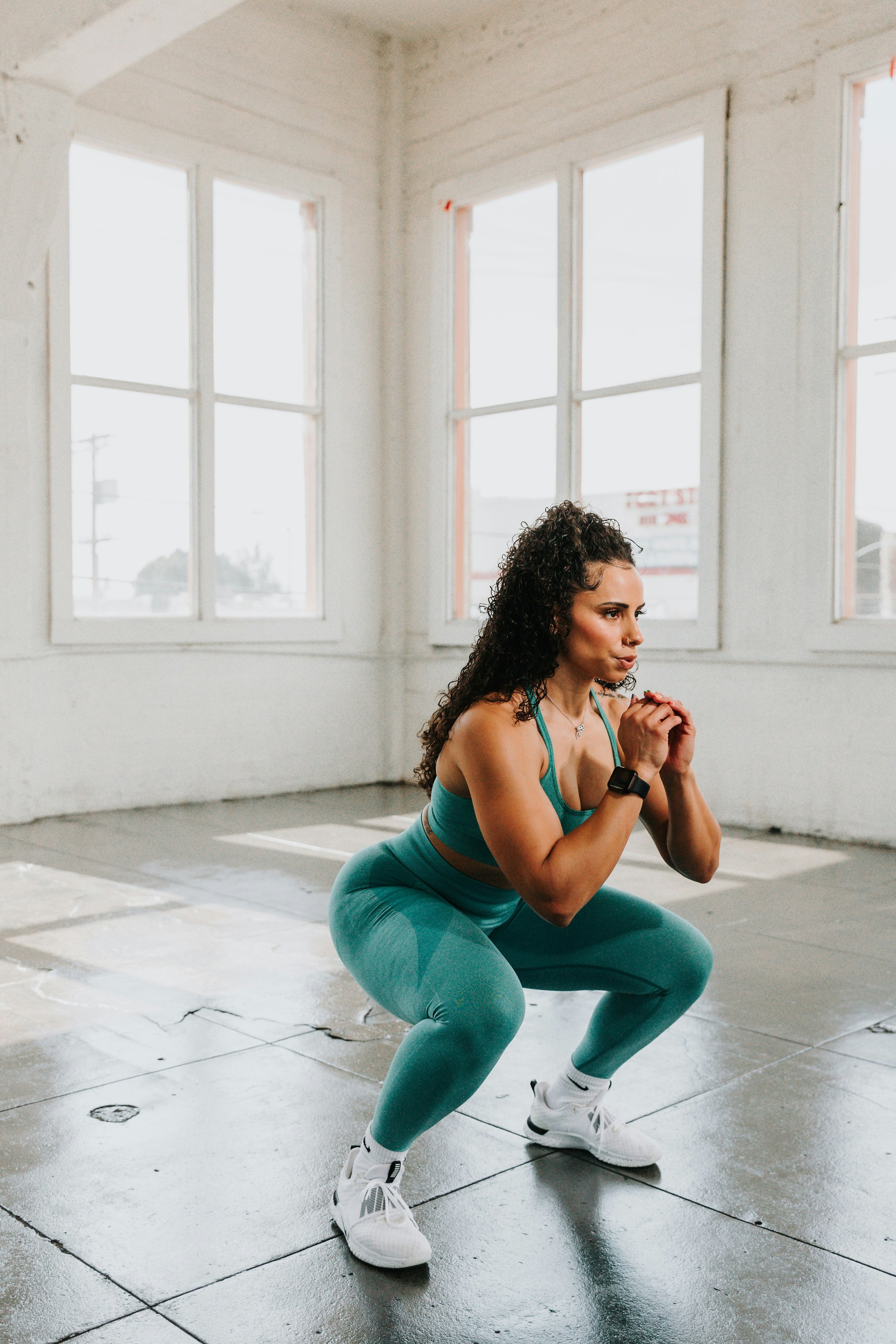
We want to destroy the myth that a workout needs to be long and complicated to be effective. The truth is, a high-quality, focused, 15-minute home workout can be a powerful engine for consistency, fat loss, and strength maintenance.
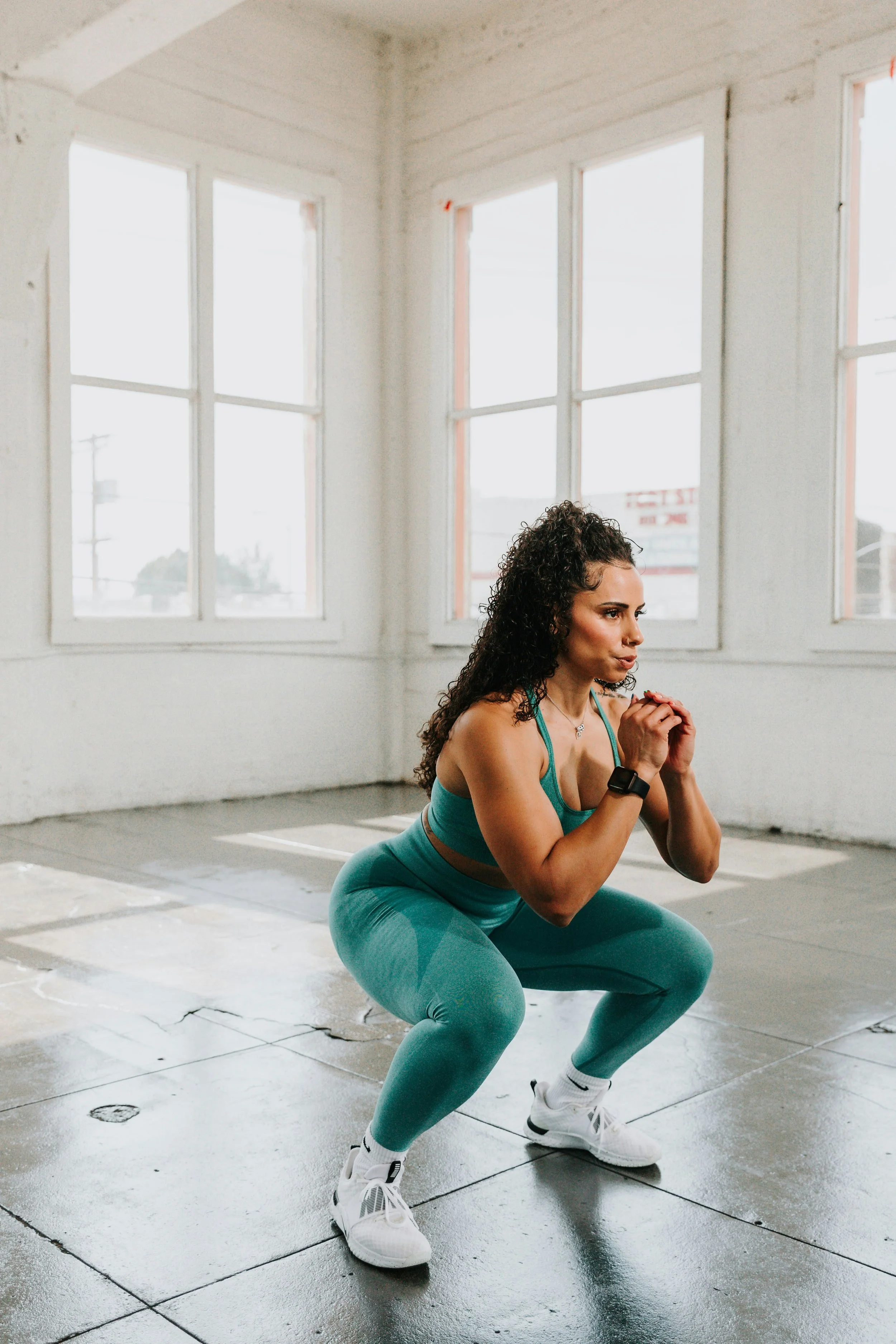
Image courtesy of Sunday II Sunday via Unsplash
The number one reason people struggle to stay consistent with fitness is simple: time.
The thought process goes like this: "I need 15 minutes to drive to the gym, 60 minutes for the workout, 15 minutes to drive home, plus shower time. That's two hours I don't have today." When you don't have two hours, the workout gets skipped entirely.
At Legacy Fitness & Nutrition, we want to destroy the myth that a workout needs to be long and complicated to be effective. The truth is, a high-quality, focused, 15-minute home workout can be a powerful engine for consistency, fat loss, and strength maintenance. It ensures you never have a "skipped day."
The goal is to eliminate every single excuse. When you realize that 15 minutes is all you need, your fitness legacy becomes unbreakable.
The Science of the "Too Short to Skip" Workout
Why is a 15-minute workout so effective, especially when consistency is the goal?
Consistency Over Intensity: As we discussed in the Micro-Habit Playbook, a short workout is "too small to fail." It builds the habit of showing up. Four consistent 15-minute workouts are always better than one exhausting 60-minute session followed by a week of rest.
The Afterburn Effect: When you use those 15 minutes for high-intensity, total-body movements, you trigger what is called EPOC (Excess Post-Exercise Oxygen Consumption), or the "afterburn." Your body continues to burn calories at an elevated rate long after the workout is finished; sometimes for hours.
Hormonal Response: Short, intense work is fantastic for spiking growth hormone and boosting your metabolism without the elevated, chronic cortisol that long, draining sessions can sometimes cause (especially when you are stressed).
The best workout is the one you actually do. If you have 15 minutes, you have time for a game-changing session.
Your 15-Minute, No-Equipment Playbook
You don't need a fancy gym or heavy weights to get a complete, full-body workout. Use your bodyweight and the space around you.
Phase 1: The 2-Minute Warm-Up (Total Body Activation)
The goal is to get the blood flowing and prepare your joints for movement.
Action: 30 seconds of High Knees (jogging in place), 30 seconds of Arm Circles, 30 seconds of hip rotations (opening and closing your hips), and 30 seconds of jumping jacks.
Phase 2: The 10-Minute Metabolic Circuit (Total Body Strength)
This is the work phase. We will use a circuit format, moving quickly from one exercise to the next with minimal rest. The goal is to maximize muscle engagement and keep your heart rate high.
Perform each exercise for 40 seconds of work, followed by 20 seconds of rest.
Once you complete the four exercises below, you have finished one round. Rest for 60 seconds, and then repeat the circuit again for a total of two full rounds.
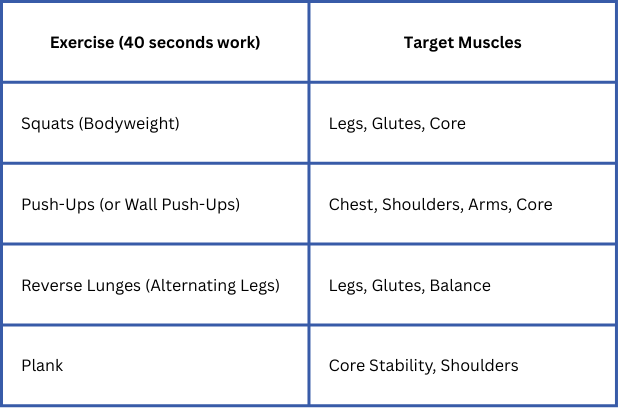
Total work time: 4 minutes per round x 2 rounds + 1 minute rest = 9 minutes.
Phase 3: The 3-Minute Cool-Down (Essential Recovery)
Never skip the cool-down. This brings your heart rate down and helps stretch the muscles you just worked, which aids in recovery and prevents stiffness.
Action: 30 seconds stretching your hamstrings (touching toes), 30 seconds for your quadriceps (pulling heel toward buttock), 30 seconds holding a low lunge (for hip flexors), and 30 seconds shoulder/arm stretches.
The Power of Consistency
The difference between successful fitness goals and resolutions that fail isn't found in a massive one-time effort. It is found in consistent effort, day after day.
This December, when the weather is cold and the schedule is chaotic, stop thinking you need to find an hour for the gym. Look at your calendar and ask yourself, "Can I find 15 minutes today?" The answer is always yes. Start today and build a legacy of health that always shows up.

Final Summer Push: 3 Fun Workouts to Make the Most of Your Labor Day Weekend
This Labor Day, instead of letting your fitness take a backseat, embrace the opportunity to move your body in enjoyable ways.

Labor Day weekend often feels like the bittersweet end of summer. It’s a time for backyard BBQs, soaking up the last rays of sunshine, and enjoying a well-deserved break. But while relaxing is key, it’s also a perfect opportunity to get in some fun, active workouts that embrace the spirit of the season before fall officially arrives.
Instead of seeing it as a disruption to your routine, think of your Labor Day workout as a celebration! It’s a chance to get outside, try something a little different, and move your body in ways that feel good and are truly enjoyable. Here are three fun workout ideas that you can easily fit into your long weekend, whether you're at home, visiting a park, or enjoying a local trail.
1. The "Park & Play" Bodyweight Circuit
No gym? No problem! Your local park is a fantastic outdoor gym. The open space, fresh air, and natural elements can make a bodyweight workout feel less like a chore and more like an adventure. Grab a water bottle and a towel, and head to a nearby green space.
Warm-up (5 minutes): Light jog around the perimeter of the park, arm circles, leg swings.
The Circuit (Repeat 3-4 times, rest for 60-90 seconds between rounds):
Squats (15-20 reps): Use a park bench for support if needed.
Push-ups (as many as you can): Use a bench or picnic table for an incline push-up if ground push-ups are too challenging.
Walking Lunges (10-12 per leg): Focus on your balance as you move across the grass.
Bench Dips (10-15 reps): Use a sturdy park bench.
Plank (30-60 seconds): Hold a strong, straight line from head to heels.
Bonus: Finish with a few sprints across the open field or some playful jumping jacks!
Cool-down (5 minutes): Gentle stretching, focusing on legs, chest, and shoulders.
Why it's fun: The changing scenery and fresh air make it more engaging than indoor workouts. You can also bring a friend or family member for a partner workout!
2. The "Scenic Stroll or Power Walk" Adventure
Labor Day is ideal for exploring. Whether it's a new trail, a charming neighborhood, or a dedicated walking path, a good walk or power walk can be both a workout and a mini-adventure. It's low-impact, great for clearing your head, and allows you to take in your surroundings.
Choose your route: Look for local walking trails, state parks, or even just a long, interesting street you haven't explored before.
Set a goal: Aim for a specific distance (e.g., 3-5 miles) or a time (e.g., 45-60 minutes).
Incorporate variety:
Intervals: Alternate between a brisk power walk (where you're breathing hard) and a more relaxed pace.
Hills: Seek out routes with inclines to get your heart rate up.
Bodyweight stops: Every 10-15 minutes, stop for 10 squats or 5 push-ups against a tree.
Why it's fun: It combines exercise with exploration. Put on a great podcast or some motivating music, or simply enjoy the quiet of nature. It's a fantastic way to destress.
3. The "Backyard Sports & Games" Burn
Who says a workout can't be pure fun? Gather your family and friends for some classic backyard games that will get everyone moving and laughing. You'll be surprised how quickly time flies and how many calories you burn when you're having a good time.
Classic options:
Frisbee: Get those steps in as you chase the frisbee.
Badminton or Volleyball: Great for agility, jumping, and upper body movement.
Tag or Red Light, Green Light: If you have kids (or are just a kid at heart!), these games are fantastic for quick bursts of cardio.
Water Balloon Fight: A surprisingly intense and refreshing cardio workout on a warm day!
Create a "Field Day": Set up a few different stations and rotate through them for a fun competition.
Why it's fun: It's social, doesn't feel like a workout, and creates great memories. Plus, a little friendly competition can be a huge motivator!
This Labor Day, instead of letting your fitness take a backseat, embrace the opportunity to move your body in enjoyable ways. Whether you prefer a quiet walk, an energetic park circuit, or some playful games, make activity a part of your celebration. You'll return to your routine feeling refreshed, re-energized, and ready to tackle whatever comes next!
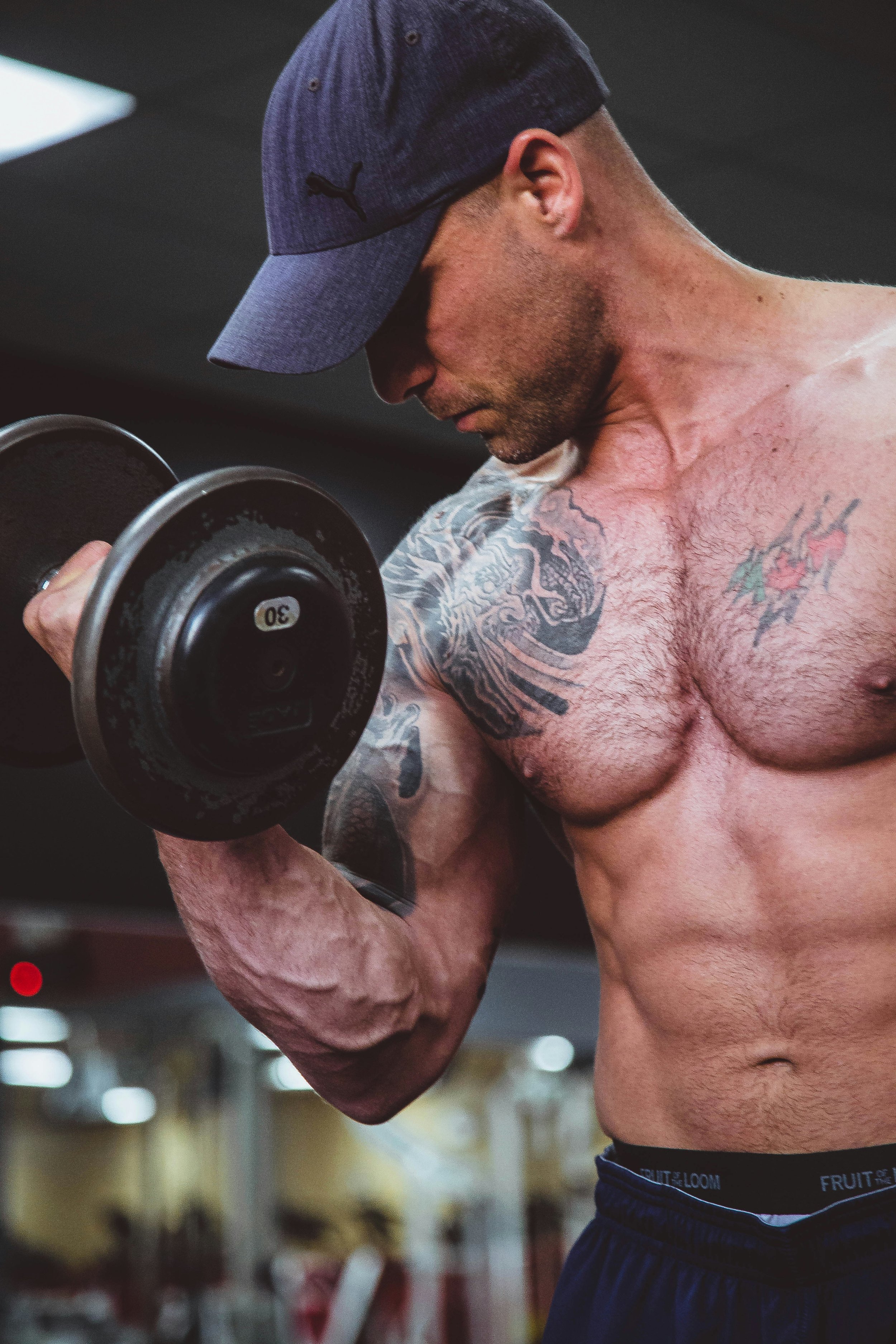
Optimizing Your Workouts: The Power of Mind-Muscle Connection
Think about your last workout. Were you just lifting weights, or were you truly feeling the muscles work? There's a secret that can make your workouts much more effective, and it’s called the mind-muscle connection.
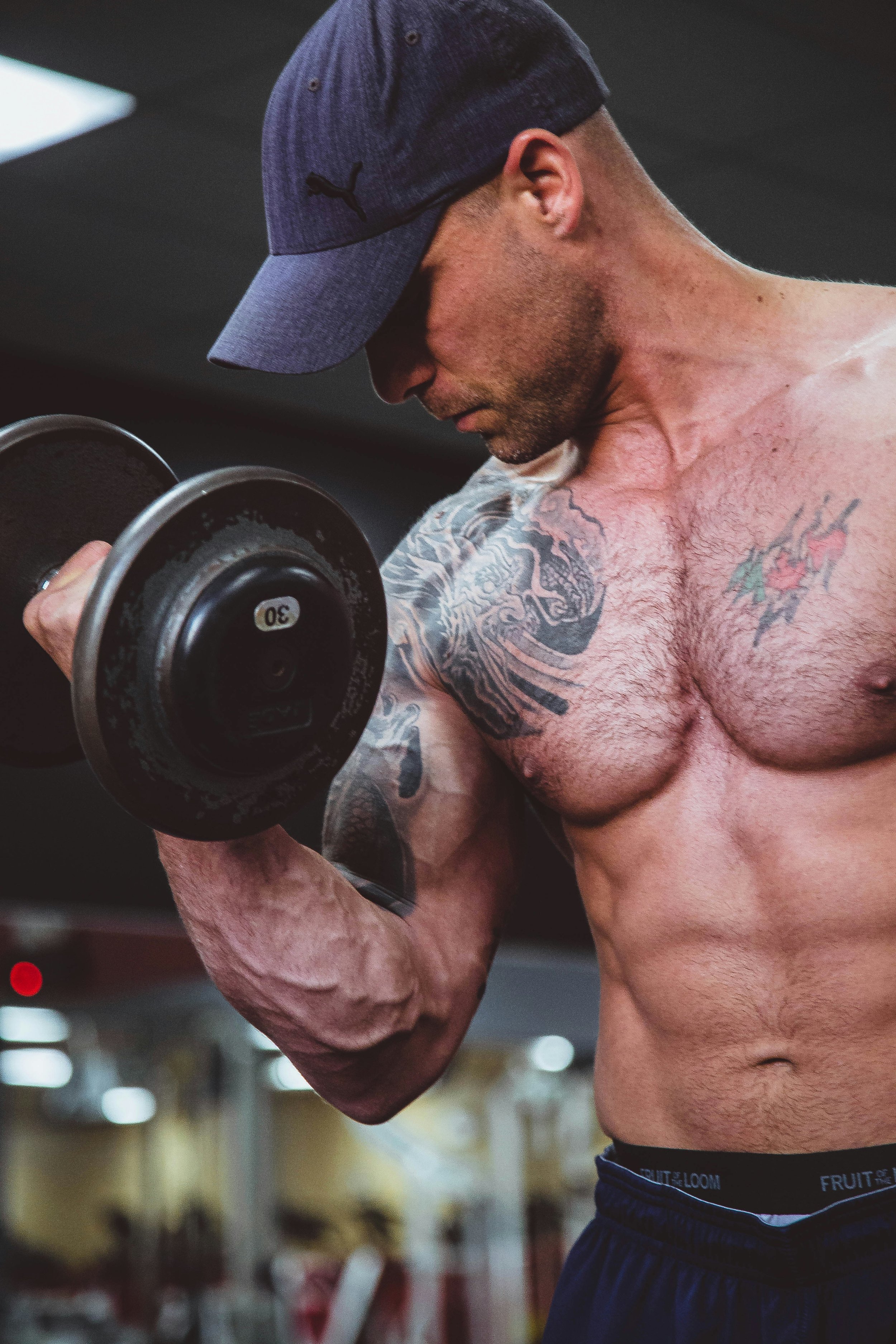
Think about your last workout. Were you just lifting weights, or were you truly feeling the muscles work? There's a secret that can make your workouts much more effective, and it’s called the mind-muscle connection.
What is Mind-Muscle Connection?
It's simply focusing your attention on the muscle you're trying to work during an exercise. Instead of just moving the weight from point A to point B, you concentrate on feeling that specific muscle squeeze, stretch, and contract. Imagine doing a bicep curl: instead of just lifting the dumbbell, you think about your bicep muscle shortening and tightening with every inch of the lift.
Why Does It Matter?
You might be surprised how powerful this simple focus can be. When you really think about the muscle, you activate more of its fibers. This means the muscle works harder, which can lead to better results like more strength and muscle growth. It's like telling your body, "Hey, this is the muscle I want to work!" and your body listens.
Also, it helps you avoid "cheating." Sometimes, without realizing it, we use other muscles to help lift a weight. For example, during a squat, you might use more of your lower back than your glutes. By focusing on your glutes, you make sure they're doing the heavy lifting, not your back. This not only makes the exercise more effective but can also prevent injuries.
How to Practice It:
It's easier than you think! Here are a few tips:
Slow Down: Don't rush your movements. Take your time during each lift or push. A slower pace gives you more time to feel the muscle working.
Lighten the Load (initially): If you're trying to lift too much weight, your body will naturally try to use any muscle it can to get the job done. Start with a lighter weight where you can easily control the movement and really feel the target muscle.
Touch the Muscle: Sometimes, gently touching the muscle you're trying to work can help you feel it better. This can help you understand how your body moves and works during an exercise. If you can’t touch the muscle (say back muscles) ask a partner to touch it for you (just don’t be weird about it).
Visualize: Close your eyes for a second before a set and imagine the muscle contracting. During the exercise, picture it shortening and lengthening.
Breathe with Purpose: Use your breath to help you focus. Exhale as you exert effort (when the muscle contracts) and inhale as you return to the starting position.
Start Today!
You don't need fancy equipment or a new workout plan. Just bring your mind into your workout. Pick one or two exercises in your next session and really focus on the target muscle. You might be surprised by how much more you feel and how much more effective your time in the gym becomes. Give your muscles the attention they deserve, and watch them respond!