
Volume Eating: How to Feel "Stuffed" While Staying in a Calorie Deficit
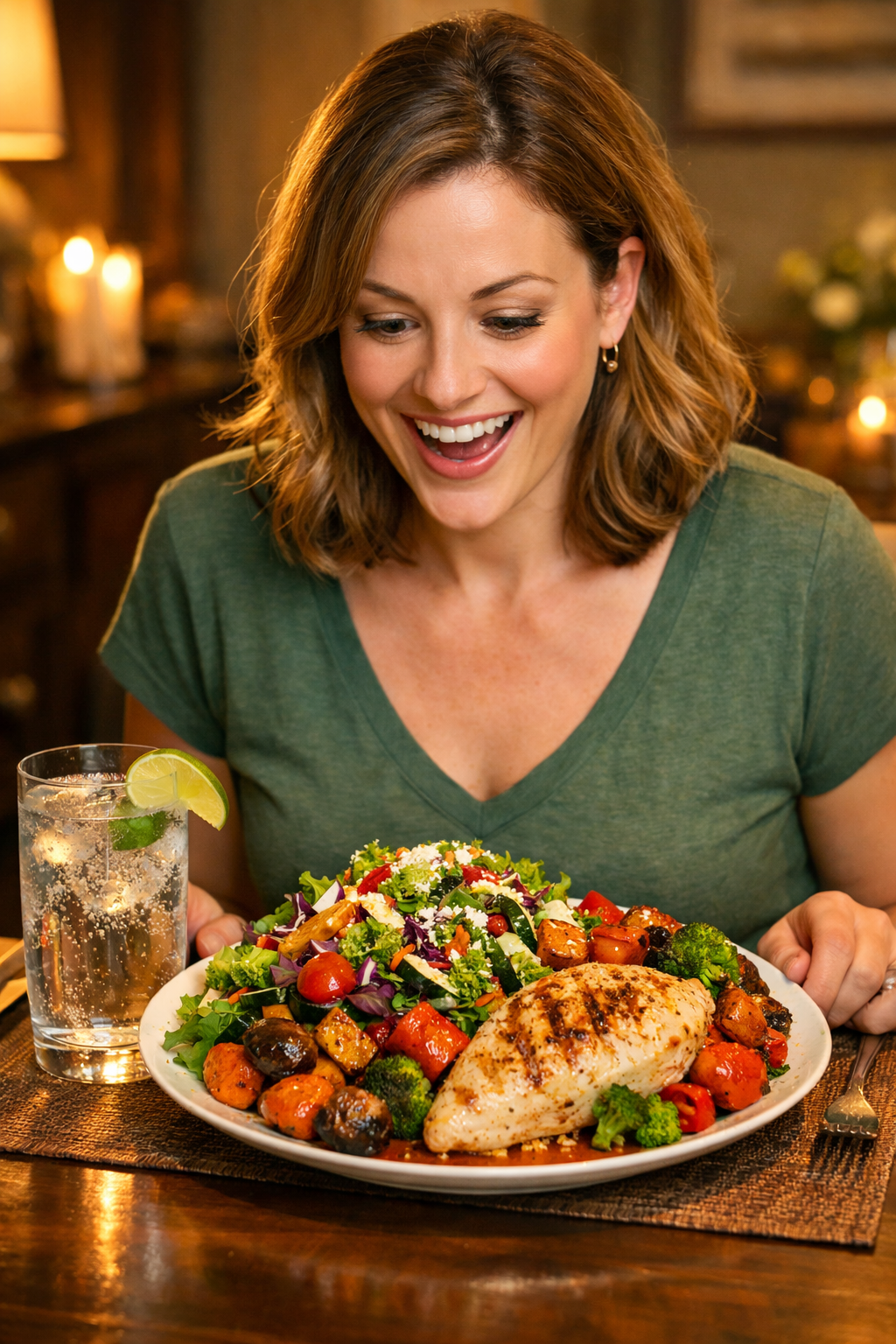
What if I told you that you could eat a massive, plate-filling meal and still lose weight?
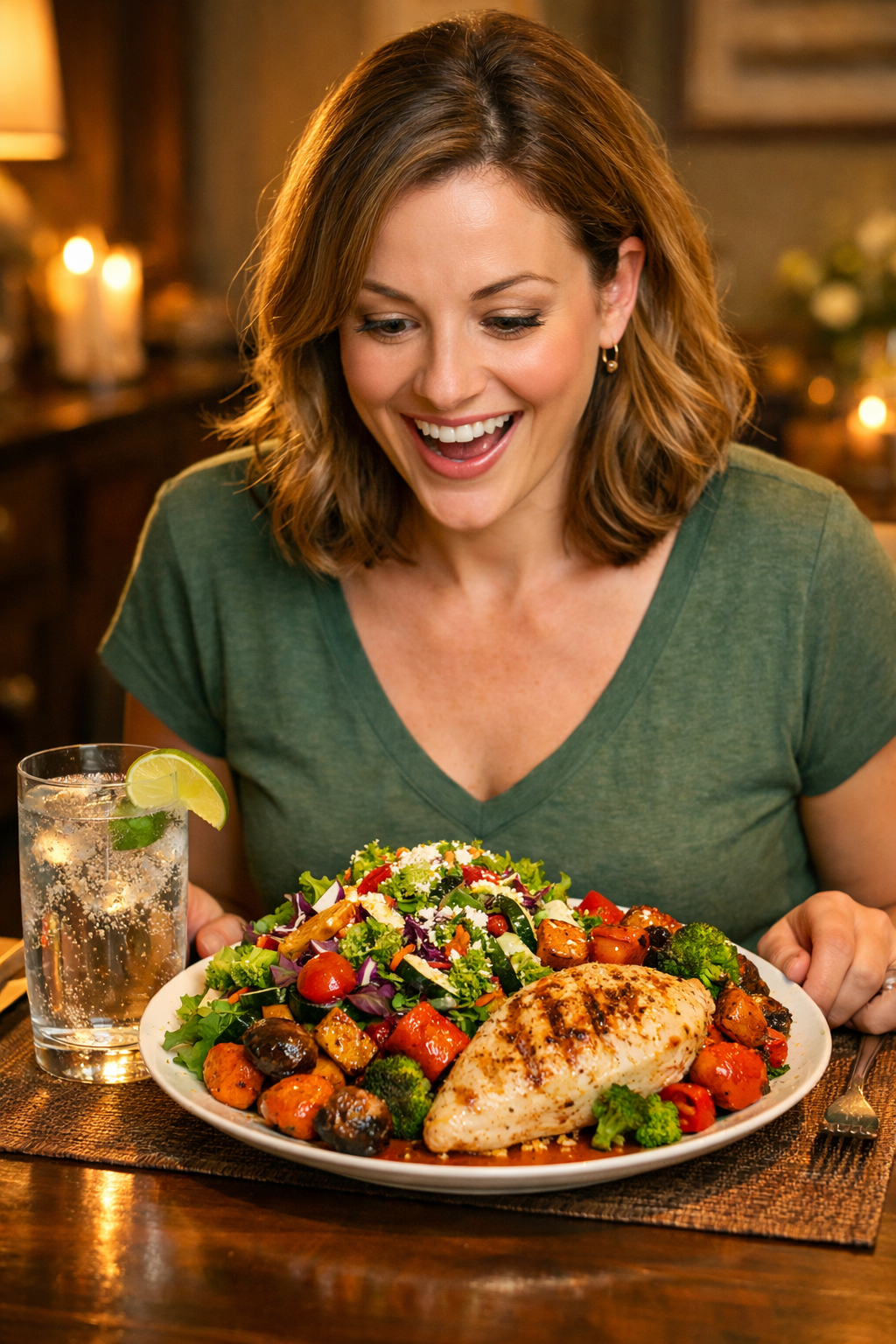
This image was created using AI to avoid copyright issues while conveying the context of this article.
If you are trying to lose fat, the biggest fear is usually hunger. We have been told for years that "dieting" means small portions, tiny salads, and walking away from the table still feeling empty. For many people, that constant feeling of deprivation is exactly why they quit their programs.
But what if I told you that you could eat a massive, plate-filling meal and still lose weight?
This is the secret of Volume Eating. It is a strategy that focuses on the quantity of food relative to its calorie density. By choosing the right foods, you can trick your brain and stomach into feeling completely full while actually eating fewer calories than you did before.
The "Stretch Receptor" Secret
Your stomach has "stretch receptors" that send signals to your brain when it is physically full. Your brain doesn't necessarily count every single calorie as it goes down; it mostly cares about the physical volume of the food in your stomach.
Think about it this way: One tablespoon of peanut butter has about 100 calories. It is delicious, but it won't make you feel full. On the other hand, two entire pounds of raw spinach also have about 100 calories. You would be physically unable to finish the spinach because your stomach would be too full.
Volume eating is about finding the balance between these two extremes.
The Volume Eating Toolkit
To master this strategy, you want to fill at least half of your plate with "high-volume, low-calorie" foods. Here are the best tools in the kit:
The "Green Foundation"
Vegetables like spinach, kale, zucchini, cucumbers, and bell peppers are mostly water and fiber. You can eat massive amounts of these for almost zero impact on your calorie goals.
The Hack: Use "zoodles" (zucchini noodles) or spaghetti squash instead of traditional pasta. You can eat three times as much for a fraction of the calories.
Popcorn: The Ultimate Snack
If you are a "crunchy" snacker, swap chips for air-popped popcorn. Three cups of popped popcorn have about 90 calories. To get that same 90 calories from potato chips, you only get about 8 to 10 chips.
Lean Protein "Bulkers"
Protein is already the most satiating nutrient, but some proteins offer more volume than others. Egg whites are a classic volume-eating staple. You can add a half-cup of egg whites to one whole egg to double the size of your breakfast omelet without adding much fat or many calories.
Berries Over Bananas
When it comes to fruit, berries (strawberries, raspberries, blackberries) are the volume kings. Because they are packed with water and fiber, you can eat a whole bowl of strawberries for the same amount of sugar and calories found in just half a large banana.
The Mental Advantage
The real benefit of volume eating is psychological. When you sit down to a tiny portion of food, your brain immediately enters "starvation mode." You feel restricted before you even take a bite.
But when you sit down to a giant bowl of stir-fry packed with broccoli, peppers, onions, and lean chicken, your brain sees an abundance. You enjoy the act of eating longer, and you finish the meal feeling physically satisfied. This makes it much easier to stay consistent with your plan over the long haul.
Don’t Forget the Flavor
A common mistake in volume eating is eating "bland" food. Just because you are eating a giant bowl of cabbage doesn't mean it should taste like cardboard. Use low-calorie seasonings, hot sauce, mustard, or lemon juice to keep your meals exciting.
In March, let's stop trying to "starve" the fat off. Let's eat more of the right things so we can feel full, stay energized, and reach our goals with a smile on our faces.